Tag: Vietnam

  • Vietnam telcos ready to pilot mobile money

    Vietnam telcos ready to pilot mobile money

    Vietnamese operators MobiFone, VNPT and Viettel have all submitted proposals to participate in pilot mobile money services.

    Vietnam’s prime minister Nguyen Xuan Phuc has directed the telecommunications ministry and the State Bank of Vietnam to develop a project that will allow operators to pilot mobile money services not linked to customers’ bank accounts.

    The three operators have submitted applications to launch mobile money services that will allow customers to transfer money using mobile phones, including Vietnam’s unbanked population.

    According to the report, the operators believe they have the capital, infrastructure and user base necessary to launch mobile money services and contribute to the development of non-cash payment in Vietnam.

    The market could represent a promising avenue for expansion for the operators – Vietnam’s fintech market is set to reach $8 billion in 2020, with digital payment solutions accounting for around 89% of the market. Meanwhile only around 40% of the population have bank accounts, but mobile penetration is well above 100%.

  • Giordano sales down in China

    Giordano sales down in China

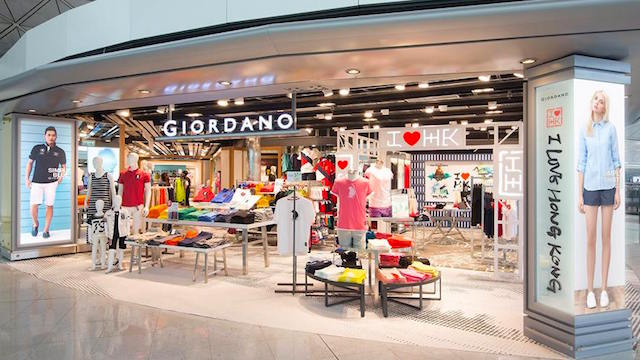
    Giordano sales in Greater China plunged by 17.7 per cent during the first quarter, dragging group-wide sales down by 10.8 per cent, or 8.5 per cent on a constant currency basis.

    In a stock exchange filing on the eve of the holiday weekend the casual apparel retailer blamed the downturn on “uncertainty stemming from the Sino-US trade dispute and abnormally warm weather”.

    Giordano sales in Indonesia, Thailand and Vietnam remained stable during the quarter, and in the fledgling Middle East market rose by 10 per cent to HK$80 million, slightly compensating for the heavy impact of China.

    By market, Mainland China sales fell from $378 million to $295 million, in Hong Kong and Macau from $248 million to $225 million and in Taiwan from $201 million to $161 million. In the rest of Asia-Pacific, they declined from $422 million to $398 million.

    In the three months to March 31, inventories rose from HK$507 million to $512 million.

    During the quarter, Giordano closed two stores in Hong Kong and Macau and reduced directly operated stores on the mainland by 31, but opened 19 franchised outlets.

  • Vietnam’s exports to Japan increase rapidly in Q1

    Vietnam’s exports to Japan increase rapidly in Q1

    Elimination of many tariff lines for goods under the CPTPP has helped Vietnam’s exports to Japan increase sharply in the first quarter of this year, according to the General Department of Customs.

    Vietnam’s export value to Japan in the first quarter surged 6.7 per cent year on year to US$4.6 billion, the general department said. Việt Nam became one of three markets gaining an export value in the billions of US dollars to Japan, after the US and China.

    In March 2019 alone, the export value to Japan reached $1.7 billion, a sharp increase of 62.3 per cent month on month and a surge of 2.7 per cent year on year.

    The strong growth in Vietnam’s export value to Japan was attributed to the Comprehensive and Progressive Agreement for Trans-Pacific Partnership (CPTPP). According to this agreement, Japan for the first time has pledged to completely eliminate tariffs for the majority of Việt Nam’s agricultural and seafood products exported to this market.

    That meant Japan immediately abolished 86 per cent of tariff lines, equivalent to 93.6 per cent of Việt Nam’s export value to Japan, and then this figure will increase to 90 per cent of tariff lines within five years.

    On the other hand, the Việt Nam-Japan and ASEAN-Japan free trade agreements have created advantages in tariffs for some of Việt Nam’s seafood products exported to Japan.

    About 62.5 per cent of Vietnam’s total goods items exported to Japan in the first quarter gained strong growth compared to the same period last year, according to the general department.

    The major export products to Japan included textiles (export value of about $900 million), means of transport and spare parts ($630 million), machinery and equipment ($450 million) and seafood products ($306 million).

    Especially, the fertiliser exports to this market had a sudden growth in the first quarter of 2019 to 8,126 tonnes, earning $3.7 million. The exports rose up by five times in volume and about 11 times in value year on year.

    In addition, Vietnam saw strong growth in exports of some goods to Japan in the first quarter, including chemical products (up 70 per cent), animal feed and raw materials (up 56.8 per cent), ore and minerals (up 52 per cent), all kinds of steel (up 49 per cent) and plastic materials (up 43 per cent).

    Meanwhile, Japan sharply reduced imports of cassava and cassava products from Vietnam, with a reduction of 99.6 per cent in volume and 98.5 per cent in value over the same period, despite the average export price of cassava surging by 3.3 times to $886 per tonne.

    In 2018, Vietnam’s goods export value to Japan reached more than $18.8 billion. Textiles and garments accounted for the largest proportion with over 20 per cent of the total export value. Meanwhile, seafood, furniture and footwear respectively hold 7.4 per cent, 6.1 per cent and 4.5 per cent.

  • Vietnam Airlines approved for listing on HoSE

    Vietnam Airlines approved for listing on HoSE

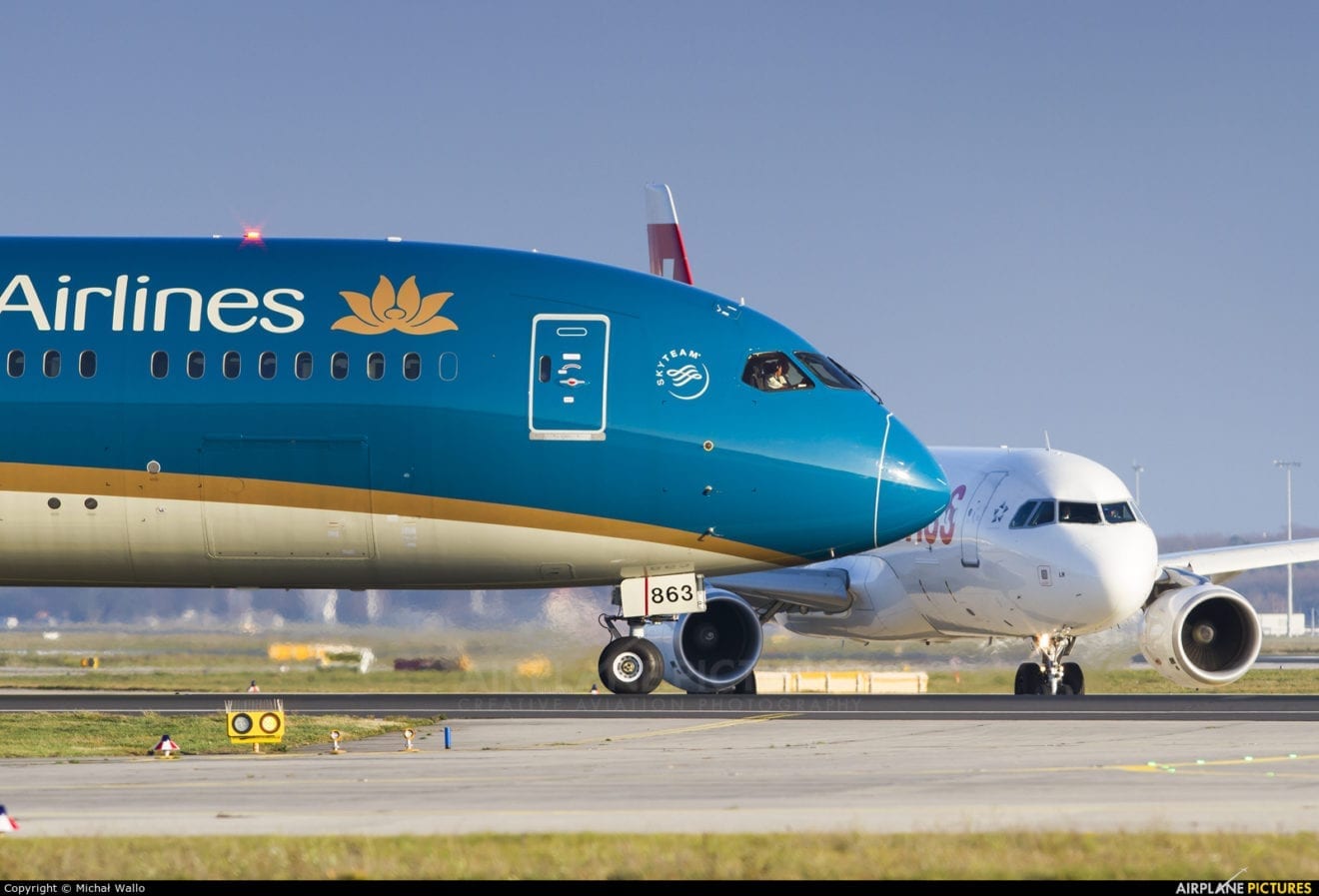
    The national carrier Vietnam Airlines (UPCoM: HVN) has gained approval of the Hồ Chí Minh Stock Exchange (HoSE) to list its 1.4 billion shares on the southern bourse.

    The company will move to HoSE from the Unlisted Public Company Market (UPCoM) and the stock ticket will remain as HVN.

    The company’s market value on HoSE is approved at VNĐ14 trillion (US$602 million).

    Vietnam Airlines planned to switch to HoSE from UPCoM in 2018, but the decline of the stock market in the second half of 2018 made the firm delay its plan until now.

    The national carrier sold 49 million shares, equal to 3.48 per cent of the total, for VNĐ1.09 trillion at the initial public offering (IPO) in November 2014.

    In 2016, the Japanese aviation firm ANA Holdings bought 8.8 per cent of Vietnam Airlines’ capital for $108 million.

    In 2018, Vietnam Airlines posted a record-high revenue of VNĐ96.8 trillion, up 17 per cent year on year.

    Its pre-tax profit for 2018 rose 34 per cent year on year to VNĐ3.24 trillion.

    Vietnam Airlines shares on UPCoM have increased by nearly a quarter since the end of last year, ending Tuesday at VNĐ41,200 per share.

    The private-equity new-age carrier Vietjet is now the only aviation firm that lists shares on the stock market with the market value of $3 billion.

  • Techcombank targets US$504.3 million in pre-tax profit

    Techcombank targets US$504.3 million in pre-tax profit

    Techcombank has targeted a pre-tax profit of more than VNĐ11.7 trillion (US$504.3 million) in 2019, representing a 10 per cent year-on-year increase.

    The target was approved at its annual shareholders’ meeting held in Hà Nội last week.

    It also planned to increase its total assets by 17 per cent to VNĐ375.8 trillion this year while holding outstanding loans at VNĐ245.4 trillion, up 32 per cent from last year. Its bad debts would be limited to less than 2.5 per cent in 2019.

    In 2018, Techcombank achieved high business results. Its pre-tax profit was up 32.7 per cent from the previous year at more than VNĐ10.6 trillion.

    These helped the bank achieve return on average assets (ROAA) of 2.9 per cent and return on average equity (RAE) of 21.5 per cent.

    Nguyễn Lê Quốc Anh, Techcombank’s CEO, said the two criteria had not only been among the highest among banks in Việt Nam but also surpassed big scale banks in India and Thailand.

    In addition, Techcombank successfully mobilised capital to raise its capital adequacy ratio (CAR) to 14.3 per cent, much higher than the level stipulated by the State Bank of Vietnam as well as the minimum level according to Basel II.

    Techcombank was among the few commercial banks last year which were assigned higher credit growth limits of 18 per cent with priority given to those who met Basel II’s capital safety and risk management standards ahead of schedule.

    “The bank plans to grow revenue by 20-30 per cent a year and retain 20 per cent of profit. In order to increase revenue, instead of growing debt balance, the bank would focus on raising fees (expected to account for 50 per cent of the total revenue),” Anh said.

    He added that Techcombank always focused on controlling credit growth from the central bank to ensure sustainable growth of the economy.

    Anh said Techcombank was among the banks to have successfully resolved bad debt. All of its debts were sold to VAMC and totally resolved two years ago. It had also well controlled credit quality by its strict risk warning and management system.

    With its profits listed in the top three banks in the country’s banking system in 2018, Techcombank’s shareholders agreed to continue to retain earnings to invest in creating growth momentum in the future.
    Hồ Hùng Anh, the bank’s chairman, said the bank wanted to retain profit to strengthen its equity and ensure the requirements of the central bank and Basel II are met.

    At the meeting, shareholders also approved a plan to issue 10 million shares under the Employee Stock Ownership Plan (ESOP) programme at a price of VNĐ10,000 to increase its charter capital to more than VNĐ35 trillion.
    The bank said it would focus on growth contributed by service fees thank to implementing a modern banking transaction system for corporate customers and improving their experiences through online payments and life insurance products.

    In addition, it would develop new solutions in house lending, car lending, credit and payments to meet increasing demands of customers.

    Anh added the bank would start construction of two new buildings on Lý Thường Kiệt Street (Hà Nội) and Lê Duẩn (HCM City) this year. The two buildings are expected to become operational in 2021.

    Hồ Hùng Anh was re-elected to the position of chairman of Techcombank’s board of directors for the third consecutive term.

    Other members include Nguyễn Đăng Quang, Nguyễn Thiều Quang Nguyễn Cảnh Sơn, Đỗ Tuấn Anh, Lee Boon Huat, Saurabh Narayan Agarwal and Nguyễn Nhân Nghĩa.

    The new management board would continue to implement its customer-centric strategy, invest in technology to develop a digital foundation and big data while improving risk management to reach high ratings with prestigious ratings organisations.

  • Vietnam Poultry industry needed to further develop

    Vietnam Poultry industry needed to further develop

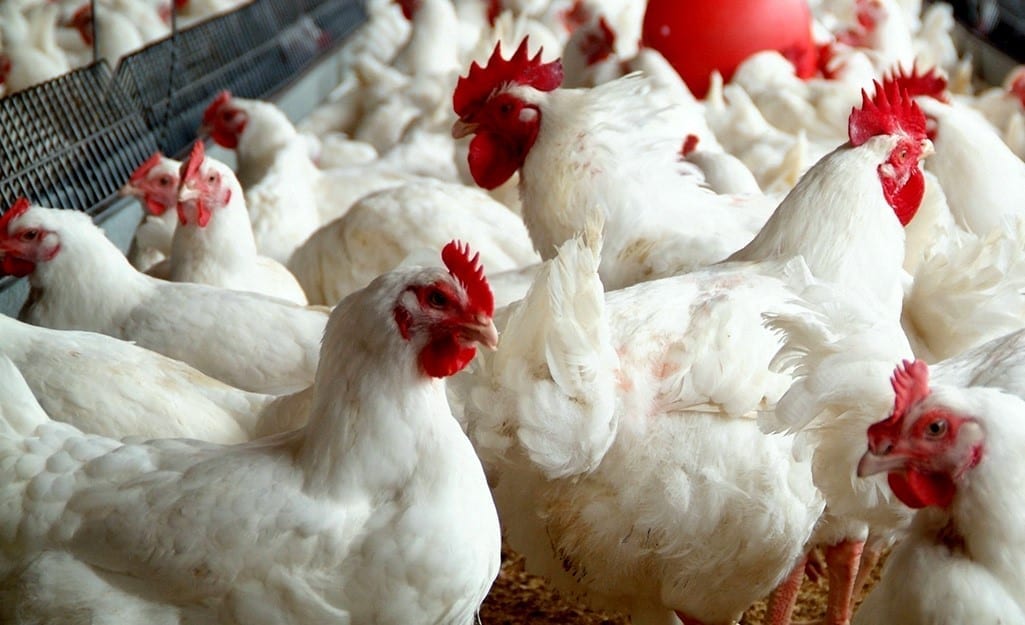
    Vietnam needed to promote the development of it’s poultry industry due to rising demand for eggs and meat in the domestic and global markets. Experts made the comments at a meeting organised by the Ministry of Agriculture and Rural Development (MARD) in Hà Nội on April 12.

    Deputy Minister of Agriculture and Rural Development Phùng Đức Tiến said it was necessary to focus on production to meet quality standards at home and abroad.

    This would create favourable conditions for domestic poultry products to meet hygiene and safety standards in export markets such as Japan, Republic of Korea (RoK) and some ASEAN countries, Tiến said.

    It would also help local businesses expand their production scale and export to potential markets including China and the Philippines, he said.

    However, experts said the industry needed a strategy to increase other processed poultry products including processed chicken and duck and other products processed from eggs.

    They said this year, localities should draw up support policies for farmers, owners and enterprises to invest in poultry development.

    Deputy Head of MARD’s Animal Husbandry Department Nguyễn Văn Trọng said Vietnam held huge potential for poultry production because of domestic high demand with a population of nearly 100 million, excluding export demand.

    According to Trọng, output had increased to 1 million tonnes of meat and 11 billion eggs.

    Current trends in consumption of animal products show that pork accounts for 65 per cent of Vietnamese meals while chicken is just 20 per cent, therefore, the domestic poultry industry needs to enhance chicken farming for domestic consumption and export.

    Nguyễn Quang Hiếu, deputy general director of De Heus Co, Ltd, said to boost exports, the industry should build safe areas free from disease and have mechanisms to protect livestock farms, ensuring quality standards of export markets.

    According to the ministry, joining international organisations as well as bilateral, multilateral and free trade agreements would help domestic poultry production meet domestic consumption and export demands.

    The average consumption for the average person is 89 eggs per year while the figure is 125-340 eggs in Thailand and Indonesia and 404 in Israel.

    In addition, the domestic confectionery and processed food industry was also developing an increasing demand for eggs.

    Global production in 2019 was expected to increase by 3 per cent compared to 2018 to reach 98.4 million tonnes, marking the strongest growth rate over the past five years mainly due to rising demand in China. That was a great opportunity for the nation to promote poultry meat and egg exports, according to the ministry.

    The poultry production industry was applying scientific and technological advances in production to improve quality of products and competitiveness.

    However, there was an imbalance between supply and demand because there were small scale farms with high production costs and risk of disease.

  • Credit growth limited at 15% for best banks in 2019

    Credit growth limited at 15% for best banks in 2019

    HÀ NỘI The State Bank of Vietnam (SBV) has assigned a credit growth limit to each commercial bank in 2019, with priority given to those who met Basel II’s capital safety and risk management standards ahead of schedule.

    According to the current regulation, the SBV sets a credit growth limit for the entire year for each bank – depending on its health – to ensure the credit growth target of the entire banking system during the year (14 per cent for 2019).

    This year, the highest credit growth limit of 15 per cent was assigned to the group of banks which met the Basel II’s standards earlier than the SBV’s deadline of 2020. The remaining banks, meanwhile, were allocated a lower rate of below 12 per cent.

    Last year, most banks were assigned higher credit growth limits, ranging from 14 per cent to 16 per cent.

    The credit growth target of the entire banking system and of each bank has tended to slow in the past two years. Experts attributed the slowdown to the SBV’s policy changes. Previously, due to the underdevelopment of the local stock market, banks, which should act only as intermediaries in the monetary market, had to function to fund medium- and long-term capital for the economy.

    However, the SBV has tried to gradually change the role of banks so as to make them fund only short-term capital for the economy through the provision of working capital loans for businesses and households.

    To make the change, the SBV required banks to lower the ratio of short-term funds for medium and long-term loans from 45 per cent in 2018 to 40 per cent since early this year.

    Experts have also agreed with the credit growth slowdown, saying it was necessary to improve banks’ credit quality and risk management.

    Nguyễn Xuân Thành from Fulbright University Vietnam said currently, the pressure on credit growth to support economic growth was not so high, so the allocation of a credit limit to each bank depending on its health was reasonable. Accordingly, banks should only boost credit in case of good control of risks, in order to ensure sustainable growth.

    To offset the revenue reduction from lending activities, banks said they plan to increase profits through cutting operating costs and promoting digital services.

    Đỗ Minh Phú, chairman of TPBank, said digital banking would play a major role in reducing operating costs and increasing the cost-to-income ratio (CIR) efficiency, contributing to improving the bank’s profits this year.

    Phú said the biggest costs in banking operations were the costs of network investment and development, along with the costs for personnel, which could be solved by the application of digital banking. Attracting customers to non-credit services and service fee collection was also becoming a trend.

    Sharing the same view, Nghiêm Xuân Thành, chairman of Vietcombank, said that 2019 would be the year of digital banking for Vietcombank. In the past three years, the bank had focused on investment and implementation of a new core banking system to boost service development and shift the revenue structure instead of relying heavily on credit.

    Developing digital banking combined with retail banking in a potential market of 95 million with a high percentage of young people means commercial banks were quickly accumulating a customer base and large payment needs, Thành said.

    The focus on digital banking combined with retail banking has also helped some banks, like Vietcombank, Techcombank and HDBank, increase their number of individual customers rapidly in recent years, which has also contributed to raising the banks’ current account savings accounts (CASA) significantly.

    Reports showed some banks last year raised CASA to 28-30 per cent in the total structure of deposits. The large proportion of low-interest rate deposits has helped banks reduce mobilisation and operating costs, increasing profits and improving marginal interest in lending.

  • Vietnam, Ericsson open IoT Innovation Hub

    Vietnam, Ericsson open IoT Innovation Hub

    The Vietnamese government has launched the first IoT Innovation Hub in the nation, in collaboration with Ericsson.

    The new center aims to provide a platform for IoT research and development, as well as commercial startups and IoT-related education.

    It will allow mobile operators, businesses, students, researchers and startups to develop and test IoT applications, and support the commercialization of IoT-based products.

    At an opening ceremony for the new Innovation hub, Vietnam’s Ministry of Science and Technology signed collaboration agreements with state-owned operators Viettel and VNPT, as well as a number of local universities, to support the operation and development of the center.

    Also at the event, Ericsson president of Vietnam, Myanmar Cambodia and Laos Denis Brunetti said the establishment of the center will help promote collaboration with Vietnam and Sweden in building initial platforms for innovation activities in Vietnam.

  • Vietjet launches new service to Indonesia with Ho Chi Minh City-Bali route

    Vietjet launches new service to Indonesia with Ho Chi Minh City-Bali route

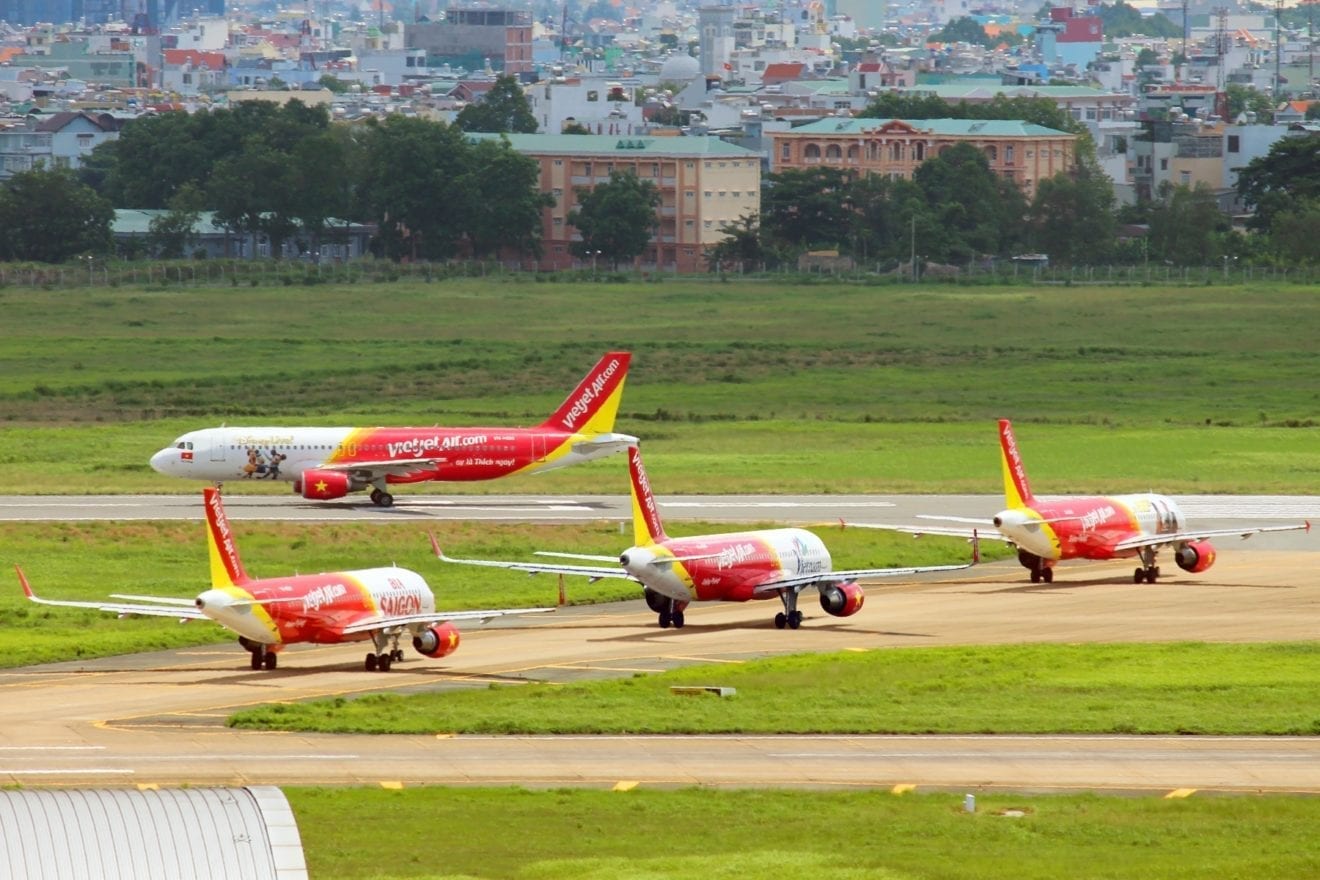
    New-age airline Vietjet is giving people more reason to travel with the announcement and addition of its newest international route connecting the biggest city of Vietnam, Ho Chi Minh City with Bali (Indonesia). The first and only airline to operate this service, the Ho Chi Minh City – Bali route will serve as a crucial link between the two cultural centers, meeting the increasing travel demands of locals and tourists as well as boost regional trade and integration.

    The Ho Chi Minh City – Bali route will operate five return flights per week on Mondays, Wednesdays, Thursdays, Fridays and Sundays starting 29 May 2019. The flight duration is approximately four hours per leg. The flight will depart from Ho Chi Minh City at 08:05 and arrive in Bali at 13:05. The return flight takes off from Bali at 14:05 and lands in Ho Chi Minh City at 17:05 (All in local time).

    Vietjet Vice President Nguyen Thanh Son said: “Vietjet has the advantage of an ever-expanding flight network and professional aviation services; therefore, I believe not only does this new route create ease and increased opportunities for both locals and tourists to travel conveniently by safe, modern air transportation, it will also contribute to promoting tourism and economic integration in the region, all while introducing the beauty of Vietnam to the world.”

    Ticket sales for the new route are now open and available on all channels. Those hungry for promotional deals should be sure to check out Vietjet’s daily golden hour promotion which runs from 1.00pm to 3.00pm (Malaysian time) on the airline’s website.

    Vietjet operates its domestic and international routes with a dynamic and friendly flight crew, serving its passengers with fresh and hot meals, while its aircraft is equipped with comfortable leather seats with a technical reliability rate of 99.64% — the highest rate in the Asia Pacific region. As a fully-fledged member of International Air Transport Association (IATA), Vietjet has obtained the IATA Operational Safety Audit (IOSA) certificate and has been awarded a 7-star ranking, the world’s highest rate for safety, by AirlineRatings.

  • Vietnamese banks find out car loans not low-hanging fruit

    Vietnamese banks find out car loans not low-hanging fruit

    Vietnamese banks are struggling to recover overdue car loans since many customers mortgage vehicles bought using bank loans. Dao Minh Tuan, manager of the debt recovery department at private lender Vietnam International Bank (VIB), said 50 percent of non-performing car loans are because of this.

    Borrowers are supposed to get the bank’s permission before pawning a car, but most don’t, which makes it difficult for the bank to repossess the car, he said.

    “Pawn shop owners decline to meet our staff while our customers are unreachable. As the banks do not technically own the car, we have trouble recovering the debt.”

    Since banks normally lend 80-100 percent of the cost of a car, getting the cars back by paying off pawnbrokers would cost too much, he said.

    “The last resort would be to sue the customer, but this will take a long time and cause damage to both sides.”

    Banks also have to pay a commission to car dealers of 0.7-1 percent and offer competitive interest rates of 7-9 percent in the first year. All this means, in a competitive, crowded segment, banks are unable to earn much.

    A banking expert who asked not to be named said: “Banks which want to maintain high credit growth often focus on increasing the amount of car loans, not quality.”

    Those focused on this segment are usually banks which are not competitive in other areas with higher interest rates, such as real estate, the expert said.

    The auto loans segment has seen average growth of 38 percent in 2012-2016, according to data from Viet Capital Securities VCSC.

  • FastGo announces Vietnam’s first helicopter ride-sharing service

    FastGo announces Vietnam’s first helicopter ride-sharing service

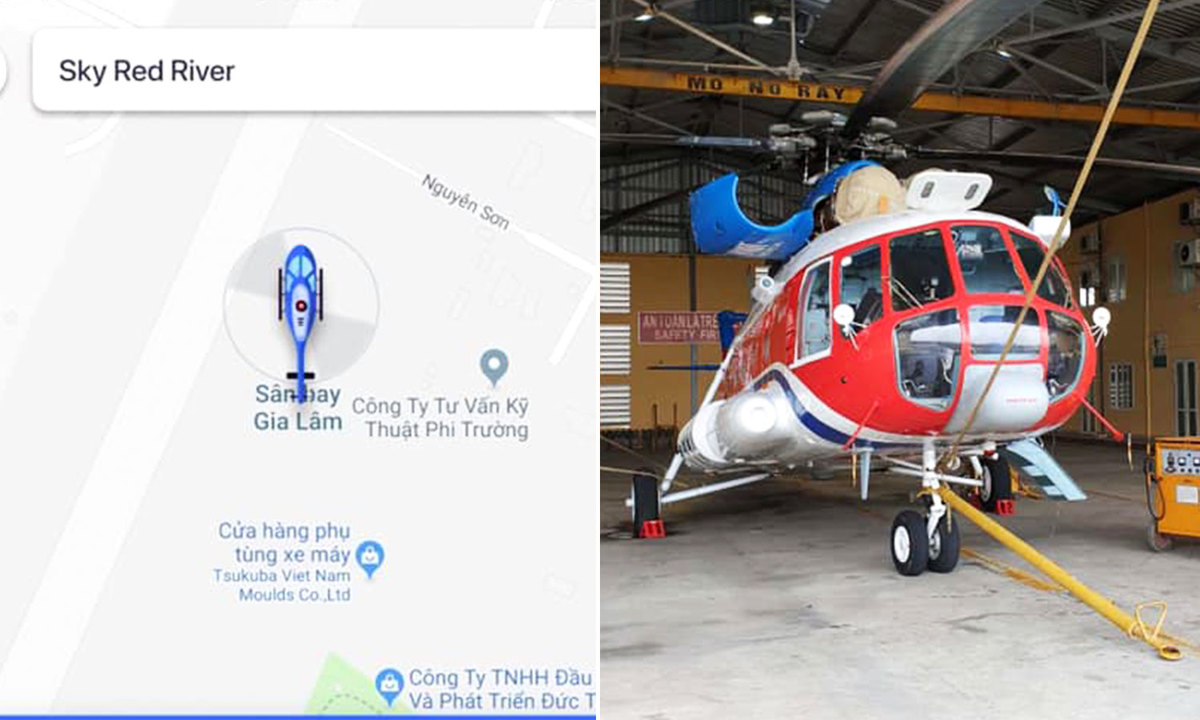
    Vietnamese ride-hailing firm FastGo plans to launch the country’s first helicopter ride-sharing service in Hanoi this month, focusing on tourism in northern provinces.

    CEO Nguyen Huu Tuat told that FastSky’s first flight will take off on April 25.

    With 12 passengers to a helicopter, FastSky will operate tours from Hanoi to northern tourist destinations such as the Red River and Ha Long Bay.

    “Apart from SkyTour, we’ll also operate SkyWedding services for wedding photography and SkySOS for emergencies in which helicopters will land on Hanoi skyscrapers to pick up patients,” Tuat said.

    Prices vary for each service. A tour will cost a minimum of $125 per person, which can be paid in installments over a period of 12 months.

    Tuat said: “We offer premium services for business people but also want everyone to have a chance to fly. FastSky will be a game-changer in the transport industry.”

    FastGo only provides technology solutions while helicopters and pilots are provided by a partner who is permitted to fly in Vietnam, he said, but declined to reveal the company’s name.

    FastGo began operations last June, a few months after Uber announced its exit from Southeast Asia.

    The company, part of Vietnamese technology start-up NextTech Group, expanded to Myanmar last December.

    It plans to launch operations in Singapore this month and in five other countries in the region, including Indonesia and the Philippines, by the end of the year.

    With almost 60,000 drivers on board, the company claims to be the second most popular ride-hailing firm in Vietnam after Grab.

  • Vietnamese stocks slide as lack of information hits large-caps

    Vietnamese stocks slide as lack of information hits large-caps

    Vietnamese shares slid yesterday as large-cap companies faced strong selling amidst a lack of supportive information while investors awaited discussions on the amended securities law. The benchmark VN-Index on the Hồ Chí Minh Stock Exchange fell 0.91 per cent to end at 988.48 points.

    The southern market index climbed 0.84 per cent on Monday.

    More than 165 million shares were traded on the southern bourse, worth VNĐ4.24 trillion (US$182 million).

    Market breadth was negative with 207 declining stocks, while 111 stocks advanced and 45 ended flat.

    Fifteen of the 20 sector indices ended Tuesday on a negative note, dragged by real estate, energy and petroleum, rubber and plastics and consumer staples.

    Those sector indices lost between 1.1 per cent and 3.1 per cent, data on vietstock.vn showed.

    The energy and petroleum sector was the worst-performing one on the stock market.

    Petro stocks such as PetroVietnam Gas (GAS) and PetroVietnam Drilling and Well Services (PVD) reversed after oil prices encountered volatility on Tuesday.

    GAS shed 1.9 per cent while PVD slipped 3 per cent.

    Real estate firms also dragged the market down, with the industry index falling 2 per cent.

    Among the worst-performing property developers were Vincom Retail (VRE), Vingroup (VIC) and Hòa Bình Construction Group (HBC).

    According to MB Securities Co (MBS), the VN-Index slid as leading stocks moved in different directions and pressured market sentiment.

    Foreign selling also caused negative movement for the stock market, which ended at a net VNĐ277.4 billion, MBS said in its daily report.

    In addition, gloomy earnings forecasts for 2019 for listed companies weighed on investors’ confidence ahead of the National Assembly Standing Committee meeting on April 10-18, in which the draft on amended Law of Securities will be discussed, MBS noted.

    “The stock market is clearly in its instability stage as large-cap stocks are still heavyweights. It is likely the VN-Index will fall whenever large-cap stocks are hit by strong selling,” Thành Công Securities Co (TCSC) said in a note.

    In addition, listed firms are experiencing a lack of supportive information, making investors unwilling to buy their stocks and reducing market liquidity, TCSC said.

    Therefore, the VN-Index may struggle at the current level of 990 points in the next trading days with focus shifted to companies with positive first quarter earnings, the company said.

    On the Ha Noi Stock Exchange, the HNX-Index slid 1.12 per cent to end at 107.71 points.

    The northern market index climbed nearly 1 per cent in the first trading day of the week.

    Nearly 48 million shares were traded on the northern bourse, worth VNĐ669 billion.

  • Emirates offers summer promotion tickets

    Emirates offers summer promotion tickets

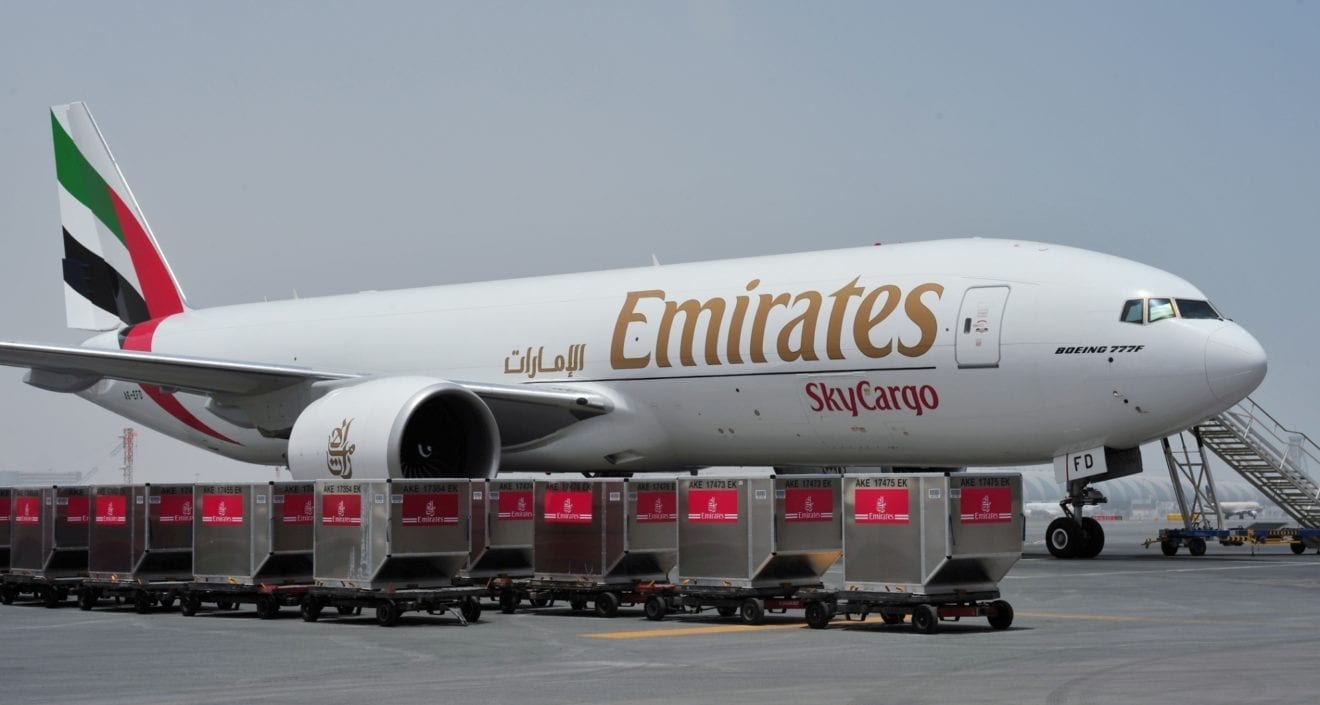
    Emirates offers summer promotion fares for customers from Vietnam who book tickets from now until April 22 and travel from April 15 until November 30, 2019.

    Economy Class fares start from VNĐ17,189,000 (US$747) to Dubai, VNĐ19,999,000 ($870) to Paris, VNĐ21,809,000 ($948) to London, VNĐ23,819,000 ($1,035) to Amsterdam, VND25,189,000 ($1,095) to Madrid, and VNĐ27,179,000 ($1,181) to Boston.

    The Early Bird promotion also offers very attractive Business Class fares, only from VNĐ66,079,000 ($2,873). Business Class passengers traveling on the Boeing 777 can enjoy unprecedented levels of comfort with wider and more ergonomic seats that recline into a lie-flat position for a restful sleep.

    In addition, Emirates passengers from Vietnam who purchase Economy Flex or Flex Plus fares can enjoy 30kg and 35kg baggage allowance, respectively. When booking Flex or Flex Plus fares, Skywards members earn more Skywards and Tier Miles, allowing them to earn the next reward or reach the next tier faster.

    Emirates currently operates daily non-stop flights between HCM City and Dubai, and daily non-stop flights between Hà Nội and Dubai. Through its Dubai hub, Emirates offers passengers travelling from Việt Nam convenient connections to an extensive global network in the Middle East, Africa, Europe, the US and South Asia.


  • Vietjet expands international network

    Vietjet expands international network

    Low-cost carrier Vietjet on Tuesday announced its operation plan for the Hong Kong market and the launch of a new route linking Phú Quốc and Hong Kong, one of Asia’s most well-known destinations.

    The Phú Quốc – Hong Kong route will operate return flights with a frequency of four flights per week, starting from April 19. With a flight time of two hours and 45 minutes per leg, the flight will depart Phú Quốc at 10:50am and land in Hong Kong at 2:35pm (local time) while the return flight will depart from Hong Kong at 3:40pm and arrive in Phú Quốc at 5:25pm (all local times).

    “After nearly three years of operating our HCM City-Hong Kong route, Vietjet has gained the love and trust of Hong Kong residents, business people and international tourists, and has contributed positively to the promotion of air travel and trade between Việt Nam and Hong Kong as well as across the region,” said Lưu Đức Khánh, Vietjet’s managing director.

    Khánh said the airline has thus far transported more than 300,000 passengers on this route, which includes a significant number of transit passengers who boarded in Hong Kong.

    The director said the new direct route between Phú Quốc and Hong Kong, the first direct flight connecting the two destinations, will enhance the flying experience and reduce travel time for passengers, as well as offer flight opportunities for millions of people.

    Victor Liu, deputy director of the General of Civil Aviation Authority in Hong Kong, said that Việt Nam and Hong Kong have enjoyed very good and long-standing economic and social relations.

    “With the addition of the direct passenger services between Hong Kong and Phú Quốc, it will no doubt further enrich the bilateral links between Hong Kong and Việt Nam,” he said.

    Known as “the Pearl Island”, Phú Quốc is the biggest island in Việt Nam. As one of the most talked-about tourism destinations in Asia with beautiful beaches and friendly local people, Phú Quốc in the southern province of Kiên Giang has attracted strong levels of investment in hotels and resorts in recent years and has become one of the most popular holiday destinations in the country.

    Adding to the island’s appeal, international travellers are exempt from visas for visits of 30 days or less.

  • Vietjet advances the second dividend payment of 2018 at 10%

    Vietjet advances the second dividend payment of 2018 at 10%

    Vietjet Aviation Joint Stock Company (HOSE code: VJC) Board of Directors announced on 8 April its approval to advance the second dividend payment of 2018 at the rate of 10% (receiving VND1,000 per shares). The final registration date is 24 April 2019, corresponding to an ex-right date of 23 April 2019.

    Consequently, Vietjet will pay more than VND542 billion (approximately US$23.3 million) to advance this second dividend payment of 2018.

    According to the resolution of the Annual Shareholder Meeting 2018, the planned dividend payout ratio is 50% in both shares and cash. Thanks to its high and continuous growth, and abundant cash resources, Vietjet’s Board of Directors submitted to its shareholders a 2018 dividend payment at a rate of 55%, higher than the previously approved plan.

    The new-age airline has established a good track record of paying high dividends from year to year, from 50% to 70% in both cash and shares. With its 2019 business plan, it is believed that Vietjet’s Board of Directors will continue to submit a high dividend payout ratio of 2019 at the coming Annual General Meeting of shareholders.