Tag: Vietnam

  • Missguided First Vietnam’s Store Opening

    Missguided First Vietnam’s Store Opening

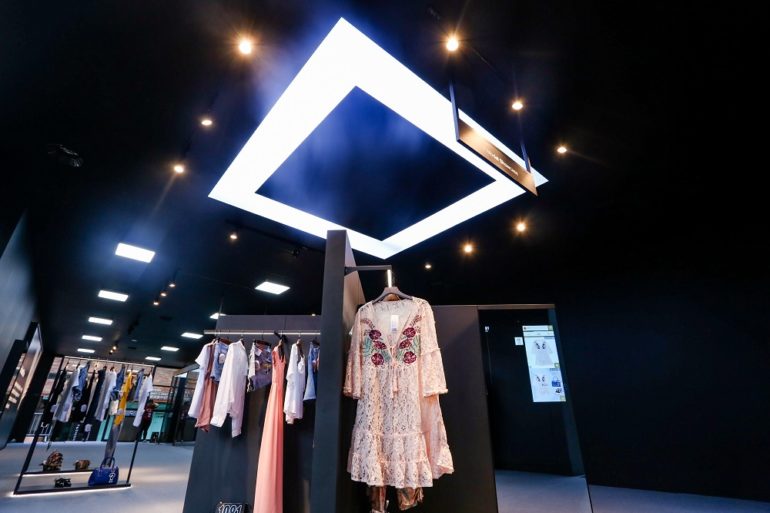
    UK-based fashion brand Missguided Vietnam has opened its first store.

    Located on Level 2 of Ho Chi Minh City’s Saigon Centre, the new store is a part of the brand’s expansion internationally, which follows rationalization in its home market. The label has also opened its first franchised store in Dubai Mall, under a partnership with retail group Azadea.

    More stores are poised to open in the UAE, Qatar, Saudi Arabia, Kuwait, Bahrain, Jordan, Lebanon, and Egypt.

    Early February, Missguided closed its flagship in London’s Westfield Stratford City, which was also its first brick-and-mortar store, after three years of operating.

    The loss-making 20,000sqft store reportedly had two years left on the lease but Missguided negotiated to exit early.

    The brand now has only one store in the UK, at Bluewater shopping center in Kent.

  • BoConcept Asia continues Expansion

    BoConcept Asia continues Expansion

    Furniture and homewares retailer BoConcept has opened new stores in three Asian countries in recent months as it continues to expand its footprint in the region.

    The new stores are in Kyoto, Japan, Zhengzhou, China; and Ho Chi Minh City, Vietnam.

    BoConcept already has about 300 stores in more than 65 countries and is seeking to more than double its network within the next few years.

    The Kyoto store, which opened in March, is the brand’s 16th store in Japan and its 71st in Asia.

    The Zhengzhou store, in Henan Province, marks its 24th in China and the Vietnamese stores it’s sixth in the market. Both opened last month.

    The store is located in the suburb of Thao Dien, a popular area for expats.

  • E-commerce Boom in Vietnam: The Rising Tiger

    E-commerce Boom in Vietnam: The Rising Tiger

    Vietnam can be truly called a land of opportunity for domestic and foreign e-commerce companies. Its young population, high Internet penetration rate and rising smartphone penetration rates play the key role here, making the country one of the most promising for e-commerce activities in the region.

    South-East Asia’s Surge in E-commerce

    According to the report Asia-Pacific B2C E-Commerce Market, over one half of total global online retail sales happens in the Asia-Pacific region. Based on the analyses it is concluded that over 50% of all the online shopping for retail goods and services takes place in the Asia Pacific region, and South-East Asia accounts for about 40% of the e-commerce market of the region.

    Southeast Asia is definitely a new big e-commerce hit, and the region is currently a very attractive market for big players involved globally in the e-commerce sector and smaller local companies. At a reflection point of Internet penetration and mobile devices rapid spread, the population of Southeast Asia is quickly adapting its behaviors to take advantage of new purchasing products and services online opportunities.

    According to the latest e-Conomy Southeast Asia 2018 report from Google and Singapore-based Temasek, the digital economy in Southeast Asia is on track to hit $240 billion by 2025, which is $40 billion more than previous estimates. The key factors are the most engaged mobile internet users in the world, as well as industries like ecommerce, online media, online travel and ride-sharing, which grew at never-before-seen rates.

    Flourishing Market

    There are currently 35.4 million e-commerce users in Vietnam, with an additional 6.6 million users to be shopping online by 2021. These 42 million e-commerce users will represent 58% of the total population. That’s why there is no wonder that throughout the last 5 years Vietnam is showing a constant rise in percentage of online shopping transactions.

    E-commerce market value in Vietnam from 2014 to 2020 (in billion U.S. dollars)

    Vietnam e-commerce Association (VECOM) reported that Vietnam’s e-commerce

    growth rate of some specific areas is explosive. For the online retail area, information from thousands of e-commerce websites showed that revenue growth rate in 2017 increased by 35%. For the payment area, the national Payment Corporation of Vietnam (NAPAS), in 2017, the volume of online domestic card transactions increased about 50% compared to 2016, while transaction value increased to 75%. For the online marketing area, the growth rate of some affiliate marketing companies in 2017 reached from 100% -200%.

    Vietnam’s e-commerce market has witnessed high growth rate since 2013, with online sales increasing from US$2.2 billion in 2013 to US$6.2 billion in 2017, averaging an annual growth rate of 20%. Little surprise there, as affiliate marketing sales constituted about 15% of the total sales, which sounds quite intriguing. About 80% of local brands rely on affiliate programs.

    The most popular products sold online included clothing, footwear and domestic (59%), electronic devices (47%), and household appliances (47%), among others, while payment and delivery methods have been used flexibly by enterprises.

    Moreover, the government has stepped in to try and usher in a new era of commerce. Vietnam’s legal framework and policies, especially Decree No.52 on e-commerce, have played a key role in creating favorable conditions for high growth rate of the retail e-commerce market.

    The decree aims to ensure fairness between e-commerce and traditional commerce, of which enterprises operating in e-commerce must comply with laws and regulations in equal to that of traditional one.

    Local Players Hit It Big

    Vietnamese e-commerce platforms Tiki, Thegioididong and Sendo entered the list of ten most visited sites in Southeast Asia by iPrice Group. Tiki, Thegioididong and Sendo ranked sixth, seventh and eighth, respectively, by average monthly web traffic. The top two leading positions took international corporations Lazada and Shopee, respectively.

    According to iPrice’s data on the Vietnamese market, Tiki, Thegioididong and Sendo made huge improvements in 2018 leading to attracting both user traffic and investment.

    Tiki is the fastest-growing retail company in Vietnam and has all the chances to be an industry winner. Their monthly website traffic increased by 80% within only six months, which took them from the fourth highest position among e-commerce websites in Vietnam to second place by December and the first place by monthly visits in April 2019, leaving international corporation Lazada on the second place.

    Similarly, Sendo.vn also grew by 55% in monthly website traffic within a period of six months and maintained a healthy fifth place in Vietnam, one rank behind Thegioididong. No wonder, it’s affiliate program is also one of the most rewarding in terms of revenue for the publishers.

    The most surprising entry to this list was Thegioididong. With focus on only one product category – electronic devices, the retail company still managed to gain an average of 29 million visits per month, according to the report.

    Although the leaders of the market are still Lazada and Shopee, which operate successfully in multiple markets, the three Vietnamese e-commerce companies’ inclusion is very remarkable, and is definitely a strong evidence of the size and potential of e-commerce in Vietnam.

    Affiliate Marketing Opportunities

    E-commerce success brings also a bunch of great affiliate-marketing offers. Sendo is definitely one of the most attractive ones. Up to now, more than 80,000 shops have been operating on Sendo.vn, offering a diverse range of products with over 5 million products from clothes to tech accessories. In 2018, Sendo.vn, the e-commerce subsidiary of FPT Corporation, also received $51 million from the Japanese SBI Holdings and other investors. After several effective improvements backed by investments, it is not hard to assume the retail will keep growing for sure.

    Besides from solely local market players, big international companies such as Lazada or Shopee are definitely still in the top in terms of revenue.

    Lazada is the pioneer e-commerce store in Southeast Asia. Present in Indonesia, Malaysia, Philippines, Singapore, Thailand and Vietnam it brings over 135,000 local and international sellers and more than 3000 brands online to serve more than 560 million customers which are increasing by the day. To counter Shopee’s expansion in Southeast Asia, Alibaba decided to invest another US$2 billion in Lazada to improve the company’s competitiveness, which actually gained the goal.

    Anyone who wants to eat a piece of pie and promote the Vientamese e-commerce giants like Lazada, Shopee, and Sendo, can join their official affiliate programs at Indoleads.com, one of the leading affiliate networks in Asia-Pacific.

    Investing paradise

    Vietnam is a true hotspot for investors from around the world. The burgeoning eCommerce market in Vietnam has attracted major investors from Japan, Germany, the United States, Korea, China, and Singapore. With six companies invested in Vietnam’s eCommerce market (BEENOS, CyberAgent Ventures, econtext Asia, SBI Holdings, Sumitomo Corporation, Trancosmos), Japan tops the list of foreign countries with the highest number of investors in Vietnam. In 2017, Japan invested a total of $9.1 billion in Vietnam, taking over Korea ($8.5 billion) and ranked as the largest foreign direct investment (FDI) country in Vietnam. The largest investors in Vietnam’s eCommerce market also include tech giants, venture capital firms and investment companies such as Alibaba, Tencent, Temasek Holdings, Dragon Capital and IDG Ventures Vietnam. Besides, Germany and the US are two countries outside of Asia that are actively invested in Vietnam’s eCommerce market.

    Forecasts

    With an explosive 33% compounded annual growth rate over the past two years, Vietnam ranks high among the fastest-growing e-commerce markets in the region. Its market has a great potential and it has already proved it within the last couple of years, so there is definitely no point in being skeptical. Based in the US Frost & Sullivan consulting firm forecasted that the E-Commerce market in Vietnam will reach a value of $3.7 billion by 2030. According to the Department of E-Commerce and Digital Economy, by 2020 an average online spending per person will reach US$350 annually.

    This e-commerce surge might be a great opportunity for many international and local players, as well as affiliate marketers. Indoleads.com, one of the leading affiliate platforms in South-East Asia, has an access to 500+ direct affiliate programs from over 60 countries around the globe that opens up a geography for local players to Asian, Brazil, US, UK markets.

    The key point of success of such worldwide e-commerce leaders like Zalora, Americanas, Amazon, Shein, Ssence, AliExpress, Lazada, Shein, Tokopedia, is affiliate sales. Register at Indoleads.com as a publisher to be a part of these top affiliate programs.

     

  • Auchan Selling Vietnamese Business

    Auchan Selling Vietnamese Business

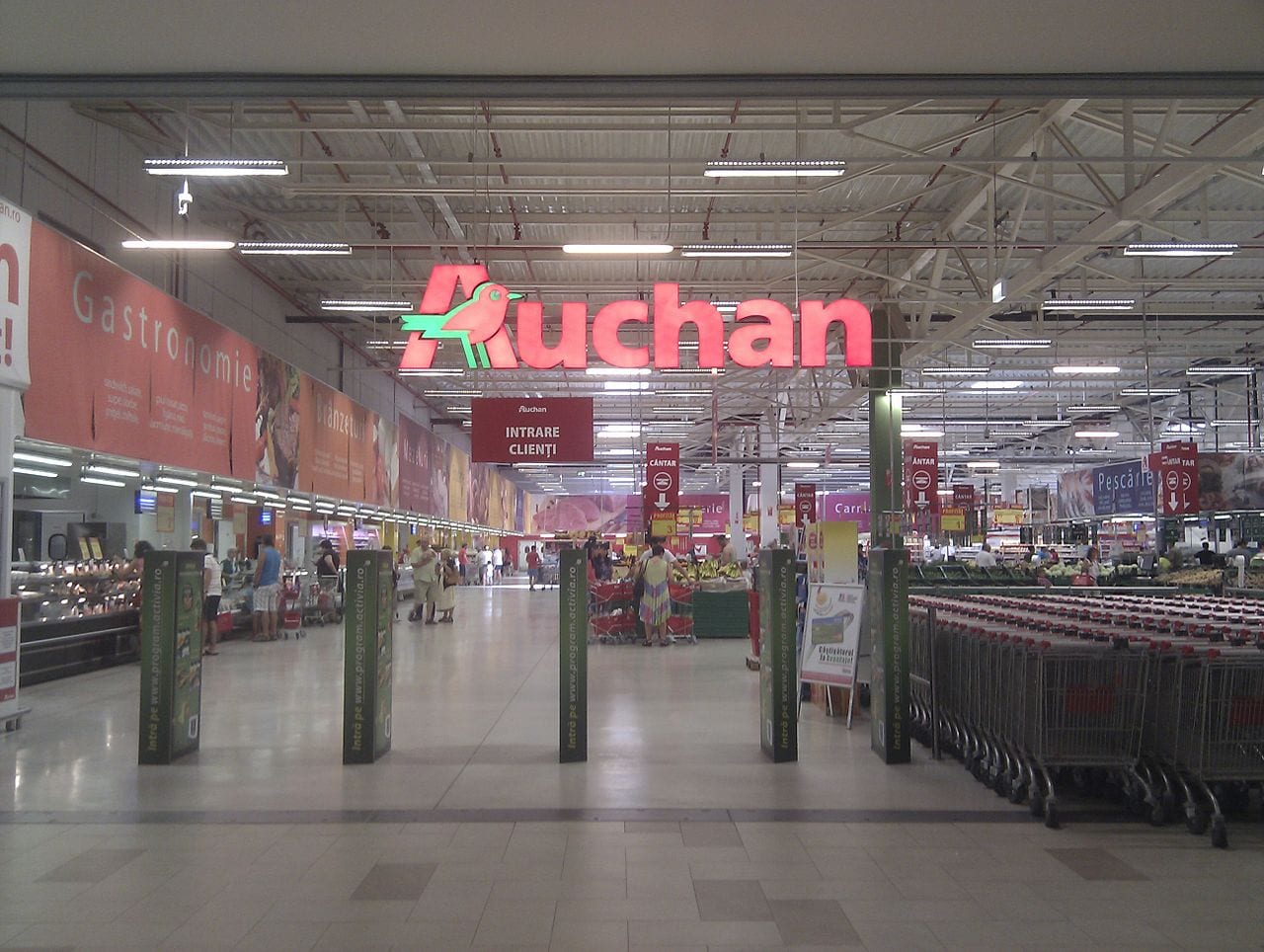
    The French supermarket group’s CEO Edgar Bonte told that the group had decided to sell its 18 stores in Vietnam which currently generate sales of US$50.4 million.

    In March, Auchan Retail said its Italian and Vietnamese businesses had faced tough conditions.

    The group has since sold the Italian operation – which closed 23 stores last year – to Conrad.

    Entering Vietnam in 2015, Auchan had planned to invest US$500 million to open 300 stores.

    The stores are often located in apartment buildings, targeting local residents. Auchan Vietnam is in talks with a local retail group to acquire the business.

  • Indonesia’s Kimia Farma eyes Growth into Vietnam

    Indonesia’s Kimia Farma eyes Growth into Vietnam

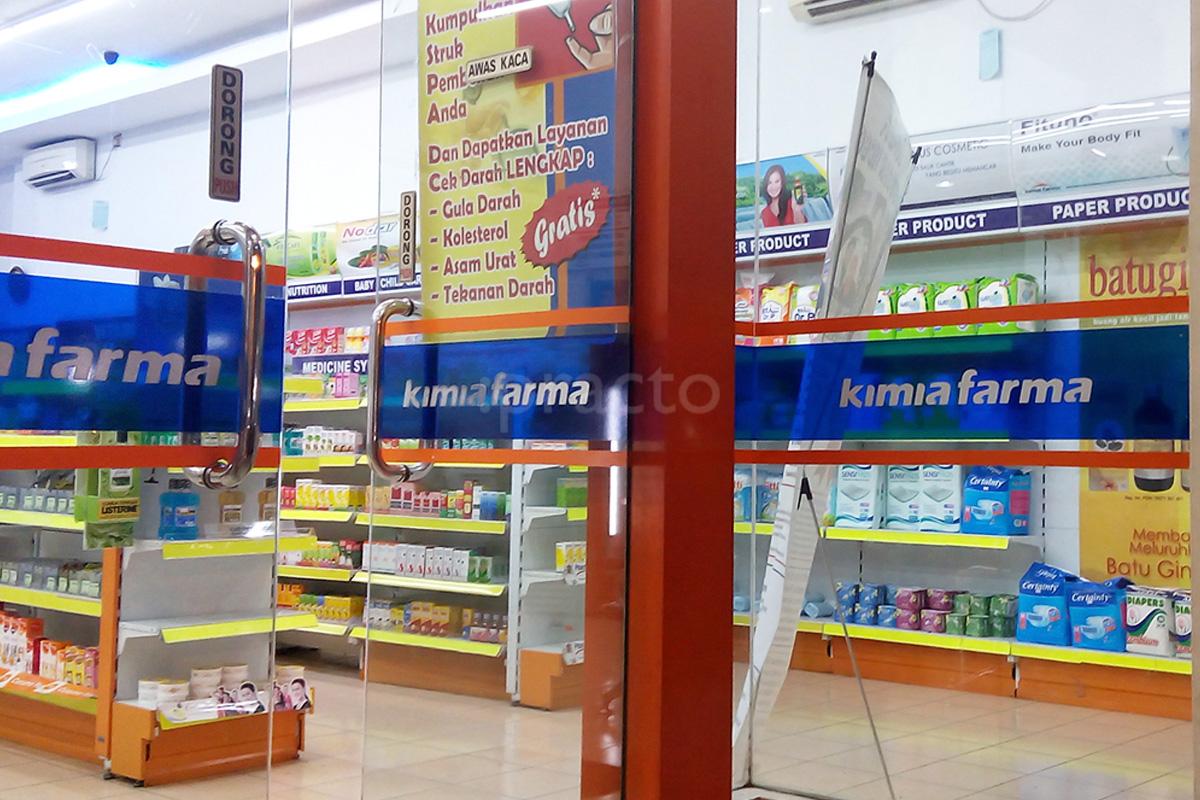
    Indonesian state-owned pharmaceuticals firm Kimia Farma is considering expanding into Vietnam by acquiring a local company. The firm recently invested US$10.26 million in a Saudi Arabian firm, purchasing 60 percent of its shares and renaming it as Kimia Farma Dawaa.

    It is currently investigating Vietnamese regulations to discover whether or not it can own a majority stake in a local firm, a critical factor in securing its investment.

    “It depends on the regulation in the country,” said Kimia Farma finance director IGN Suharta Wijaya. “It the regulation is okay, we will enter the country this year.”

    “If the sales of each Kimia Farma outlet in the country is IDR1.5 billion ($104,877) per month, [the sales of an outlet of the Vietnamese company] could be IDR4 billion per month,” Wijaya added.

    Investment in the pharmaceutical industry is stepping up in Vietnam, with the announcement last week that Vietnam-focussed private equity firm Mekong Capital has issued funding to pharmacy chain Pharmacity.

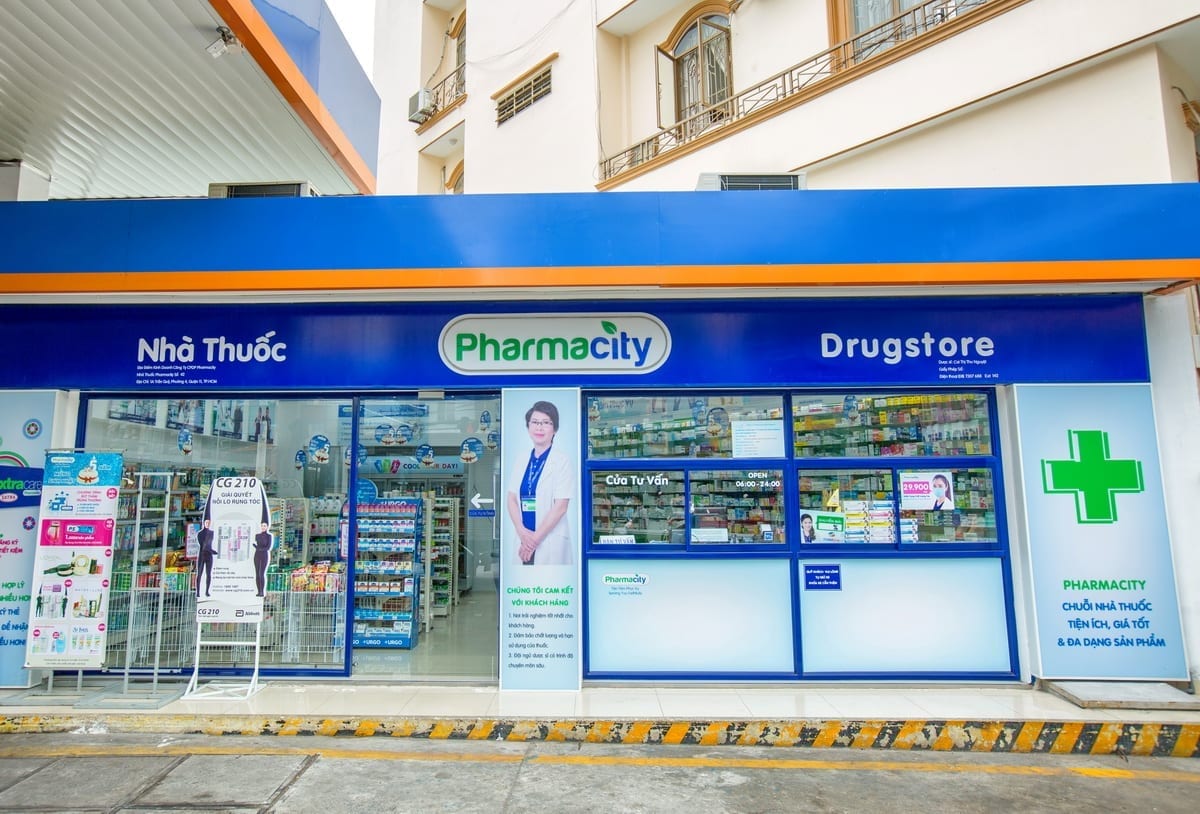
    With 186 outlets retailing both traditional Vietnamese and Western medicines, Pharmacity is the country’s most widespread network of pharmaceutical products stores, with 1 million subscribers to its loyalty program. The firm is targeting 1000 outlets in Vietnam within two years.

    Reportedly, Kimia Farma is seeking to buy a chain with 400 outlets nationwide.

  • Venture Capitalists invests in Vietnam’s Pizza 4Ps

    Venture Capitalists invests in Vietnam’s Pizza 4Ps

    Private-equity firm Mekong Capital has invested in Vietnamese pizza franchise Pizza 4P’s via the Mekong Enterprise Fund III.

    The franchise was set up in 2011 by Japanese owners and has grown its network of locations to 11 stores nationwide serving more than 4700 customers per day. The company has also developed a fledgling line of packaged consumer goods, such as specialty cheeses.

    “We are incredibly excited to partner with Pizza 4P’s,” said Mekong Capital founder Chris Freund. “Not only because we are huge fans of their product and see the potential for the brand to grow considerably, but also we are very inspired by the vision of the founders, Masuko and Sanae.”

    Mekong Enterprise Fund III currently has US$112.5 million in committed capital. Pizza 4P’s is the ninth company to receive investment from the fund.

  • Viettel completes Vietnam’s first 5G call

    Viettel completes Vietnam’s first 5G call

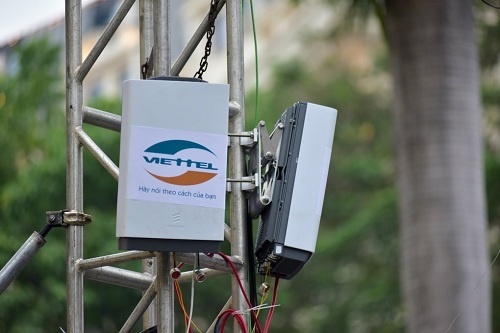
    Vietnamese military-run operator Viettel has completed the nation’s first 5G call in collaboration with Ericsson.

    During the trial, conducted as part of Viettel’s ongoing 5G technical testing program, the companies achieved a downlink speed of 1.5Gbps to 1.7Gbps.

    The Vietnamese government has been pushing for Vietnam to become one of the world’s early 5G adopters to help ensure the nation is at the forefront of the Industry 4.0 revolution.

    As part of these efforts, the government aims to ensure Viettel and other providers cover 5G in all of Vietnam’s high-tech zones, national innovation centers and smart factory areas by 2020.

    Viettel commenced deployment of Vietnam’s first 5G base stations in April as part of these trial efforts.

    The operator plans to test 70 5G base stations in Hanoi and Ho Chi Minh City in June in preparation for larger-scale deployment.

  • Thai AirAsia parent Q1 operating profit halves

    Thai AirAsia parent Q1 operating profit halves

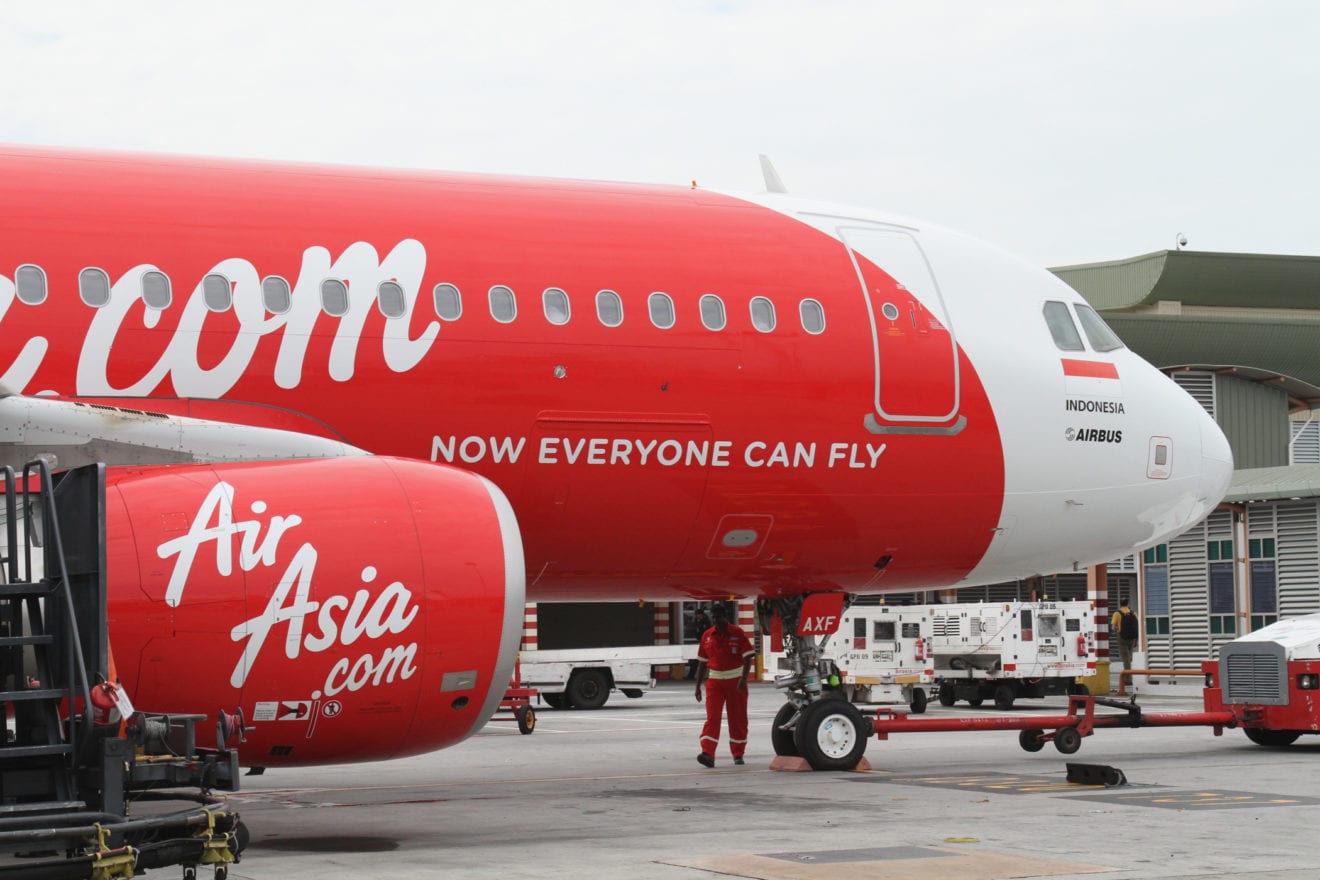
    Revenue for the quarter ended 31 March was flat at Bt11.6 billion, but expenses rose 10% to Bt10.5 billion. Net profit fell 50% to Bt497million. The company says that fuel costs rose during the quarter, as did airport and MRO costs. Despite this, the carrier’s CASK was flat compared with a year ago at Bt1.53 due to a 10% increase in ASKs and a longer average stage length.

    RPKs grew 9%, while load factor was flat at 91%. The carrier’s average fare for the first quarter was Bt1554, down 7%.b Cash and cash equivalents were Bt4.1 billion on 31 March, down from Bt5.97 billion a year earlier.

    In its outlook, the carrier notes that international trade frictions could hurt the global economy and affect exchange rates.

    “As the company has revenues and expenses in various different currencies such as passenger fares, repair, and maintenance as well as aircraft rental, the company has adopted the practice of natural hedging by matching cash expenses and revenues in the same currency as practically possible,” it says.

    It believes that global crude prices could fall in the second half of the year, but has hedged 52% of its 2019 fuel conception at cost of $80 per barrel.

    It adds that Thailand’s tourism industry will remain strong in 2019. It plans to add new routes later this year from Bangkok Don Mueang to new Vietnam destinations such as Can Tho and Nha Trang, as well as the addition of a Chiang Mai-Da Nang service.

    It plans two Cambodia services, Bangkok Don Mueang-Sihanoukville, and Phuket-Phnom Penh. In addition, it will add a Bangkok Don Mueang-Ahmedabad service.

    “This diversified strategy tends to minimize the risk of dependence on the major customer base, enhancing the company and Thai AirAsia’s sustainable revenue growth in the future and maintain its leading low-fare airline in Thailand,” it says.“In 2019, Thai AirAsiamaintains a target of 23.15 million passengers, with a solid load factor at 86%, and plans to acquire more energy efficient aircraft during the year to bring its fleet to 63 aircraft.”

  • City proposal to slap luxury tax on mobile phones raises hackles

    City proposal to slap luxury tax on mobile phones raises hackles

    HCMC’s proposal to impose a special consumption tax on mobile phones has drawn protests from experts, who said they are not a luxury product. Dr. Nguyen Thanh Binh of the Ministry of Planning and Investment’s Institute of Policy and Development said the proposal should be carefully considered since no other country levies a luxury tax on mobile phones.

    The nature of such a tax is to hit luxury goods or discourage consumption of goods that use up foreign currency for imports or harm the environment or human health, he explained.

    “We have to ask ourselves whether mobile phones are essential or luxury, and what effect it has on the environment and health.”

    Mobiles are now ordinary goods used by everyone, he said.

    The city people’s committee has recently sent to the Ministry of Finance suggestions for a draft proposal on “expanding the tax base and preventing erosion of state revenues.”

    It said mobile phones are not luxury goods but not “very essential” either, and so it wants to regulate consumption to ensure it is “reasonable.”

    It also called on lawmakers to add items such as cameras, perfumes, cosmetics, gaming services, and beauty services to the list of items subject to special consumption tax to target the population segment with above-average income.

    Binh queried this rationale saying the city can simply use income tax for this.

    Nguyen Duc Nghia, chairman of Ho Chi Minh City Tax Agents Club, an association of tax consultants, said the mobile phone has become a commonplace product used by everyone.

    Therefore, a luxury tax would not have the effect of taxing only wealthy individuals and would instead affect everyone, he said.

    Truong Thanh Duc, chairman of Basico law firm, said special consumption tax is normally levied on luxury goods and those that are harmful or which the government wants to discourage people from using.

    In fact, in a quickly developing economy, this tax should be eliminated on many goods since what were once luxury goods gradually become essential items as people become more affluent, he pointed out.

    “Thirty years ago mobile phones were a luxury item but not taxed. Now it has become a popular item, with the number of telephone subscribers equaling the population. Levying a luxury tax on such a good is far from reasonable.”

    Up to 73 percent of the population uses mobile phones, on which 42 percent use smartphones and 50 million people use mobile social media, according to a report by Vietnamese digital advertising firm Adsota earlier this year.

  • Vietnam makes its very first 5G phone call

    Vietnam makes its very first 5G phone call

    Vietnam’s first 5G phone call was made Friday on the network of Viettel, the country’s largest telecommunications company. The trial called, made publicly with the participation of the Ministry of Information and Communications, showed that the speed of Viettel’s 5G mobile network connections reached 1.5-1.7 Gigabits per second, far exceeding the theoretical limit of the 4G network and equivalent to the speed of optical cable.

    Viettel said it will expand the test to Hanoi and Ho Chi Minh City, the nation’s two biggest cities, and expects to launch the commercial service in 2020. The military-run company said it is looking at many pricing plans for commercial 5G services.

    Minister of Information and Communications Nguyen Manh Hung, who led Viettel earlier, said the event marked Vietnam as one of the earliest nations in the world to successfully test the 5G network, after the U.S., Australia, Japan, and South Korea.

    “We all want to take the lead in the fourth industrial revolution and develop information and communications technology so that Vietnamese locals and businesses can compete in the global economy, and therefore, the earlier we launch the 5G service, the better,” he said.

    Viettel became the first firm to receive permission to trial 5G services in January. It was followed by MobiFone.

    Last November, Hung said at a conference that Vietnam should test 5G in 2019 and ensure nationwide coverage by 2020.

    “Vietnam should be one of the first countries to launch the network, at least in Hanoi and HCMC,” he had said. The country had been one of the last in Southeast Asia to roll out 4G services.

    5G is the latest generation of mobile Internet connectivity and should offer much faster speeds and more reliable connections on smartphones and other devices compared to the current 3G and 4G technologies.

  • Vietnam cashless transactions among lowest in ASEAN

    Vietnam cashless transactions among lowest in ASEAN

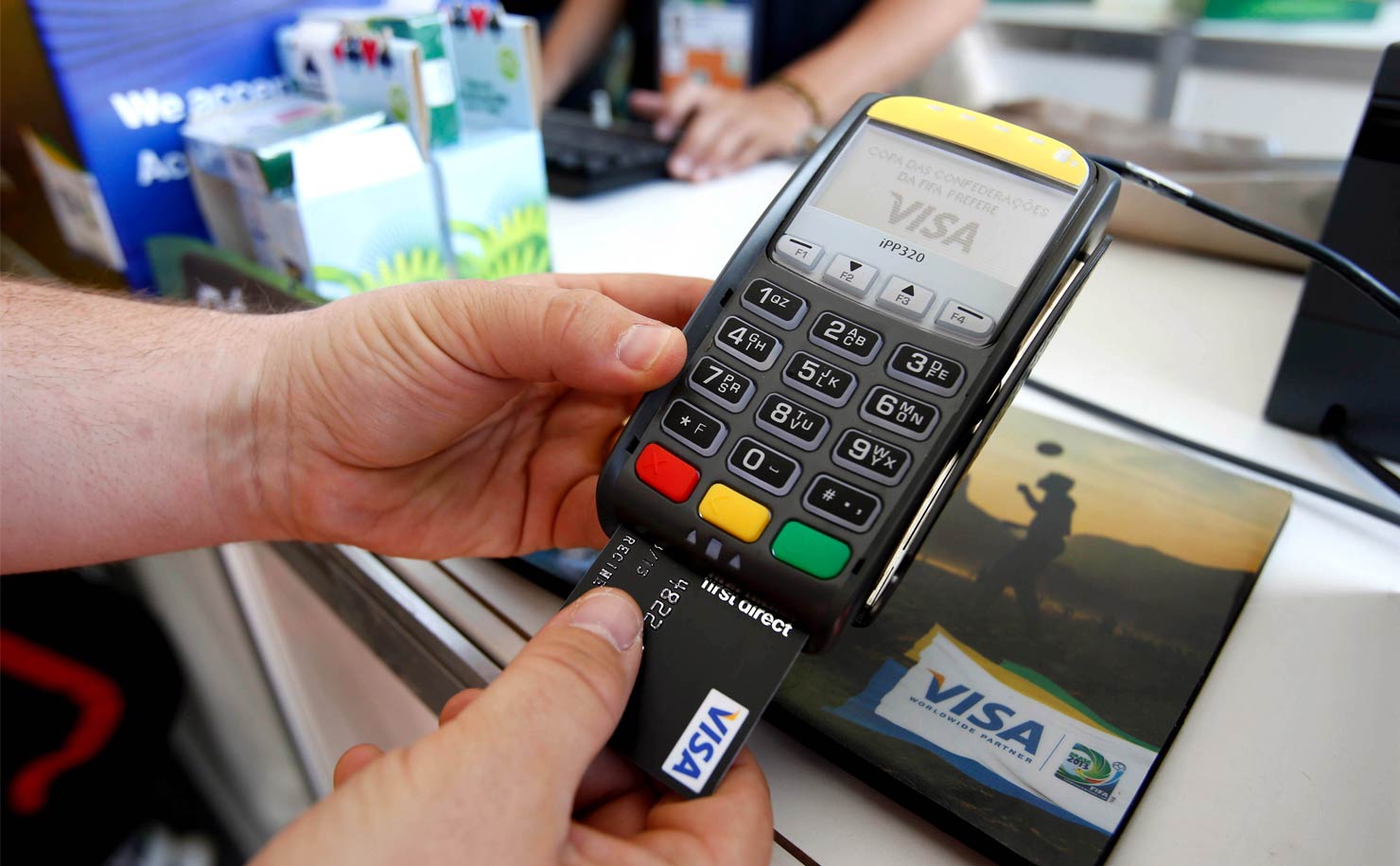
    Cash transactions remain highly popular in Vietnam compared to other ASEAN countries as it has low banking penetration. A new Standard Chartered report says Vietnam has the lowest bank account ratio in six ASEAN countries at 30.8 percent of the population aged 15 and up.

    This ratio is 34.5 percent in the Philippines, 48.9 percent in Indonesia and 81.6 in Thailand. Credit card ownership in Vietnam accounts for only 4.1 percent of the population, compared to 9.8 percent in Thailand. The debit card ownership ratio, meanwhile, is 26.8 percent, lower than Indonesia at 30.9 percent and Malaysia at 73.8 percent.

    Only 3.5 percent of the Vietnamese population have a mobile money account, while this ratio is 10.9 in Malaysia.

    Even though the country’s e-commerce industry has been growing at a double-digit rate in recent years, 90.2 percent of online purchases are paid with cash, the report said. This ratio is highest, compared to only 47 percent in the Philippines where the percentage of the population with bank accounts is only slightly higher than that of Vietnam.

    “Although there is a rise in alternative electronic means of payments in the region, cash still dominates. Apart from Singapore, the more traditional means of banking and payments remain more popular for the rest of ASEAN,” the report said.

    The reasons for high cash usage, Standard Chartered said, is a lack of understanding of how digital payments methods work and how to start using them.

    Others included concerns over the confidentiality of financial records and the perception that cash is still the simplest and most straightforward payment method, the bank said.

    But there is still a lot of potential for cashless payment to grow in Vietnam, the report said, noting that with over 70 million mobile users and 64 million internet users, e-wallet payments are set to gain more traction in the coming time.

    There are over 20 e-wallet apps in Vietnam, while foreign operators such as Samsung Pay, Alipay, and Amazon have also entered the local market to tap the large potential, the report said.

    The value of e-wallets transactions in 2017 exceeded VND53 trillion ($2.2 billion), an increase of 64 percent from the previous year, according to the State Bank of Vietnam.

    The government is striving to increase cashless payment in the country. A resolution issued in January recommended that cashless transactions made viable for all urban household bill payments by the end of this year, prioritizing mobile payments and payment via card readers.

    Ho Chi Minh City this week has instructed all schools, hospitals and many others to accept non-cash payments.

  • Vietnam Equity Firm buys into Vietnam’s Pharmacity

    Vietnam Equity Firm buys into Vietnam’s Pharmacity

    Vietnam private equity firm Mekong Capital has issued funding to pharmacy chain Pharmacity.

    Pharmacity is now the eighth company to receive funding from Mekong’s latest financing round, following the firm’s investment in mattress producer Vua Nem last year.

    With 186 outlets retailing both traditional Vietnamese and Western medicines, Pharmacity is the country’s most widespread network of pharmaceutical products stores, with 1 million subscribers to its loyalty program. The firm is targeting 1000 outlets in VIetnam within two years.

    “Our partnership with Mekong Capital will empower us to continue improving healthcare for the Vietnamese people,” said Pharmacity founder and CEO Chris Blank, “and help accelerate our growth while better positioning us to execute on our vision and mission to build the most convenient pharmacy chain where customers fully entrust their health and wellness.”

    “The company was the first retailer in this sector to demonstrate that all of Vietnam’s regulations and compliance thresholds can be met and still generate a healthy store level profitability,” added Mekong Capital partner Chad Ovel.

  • Vietnam, Cuba to strengthen ICT collaboration

    Vietnam, Cuba to strengthen ICT collaboration

    The governments of Vietnam and Cuba have agreed to strengthen cooperation on communications, IT and cybersecurity.

    During a meeting with Cuba’s minister of communications Jorge Luis Perdomo Di-Lella, Vietnam’s minister of information and communications Nguyen Manh Hung pledged its continuing support for Cuba’s goal of developing the nation’s ICT capabilities, the ministry revealed.

    Vietnam’s telecoms ministry plans to share experience in areas including network security, 4G development, and ICT legislative frameworks.

    The Cuban government is planning to soon issue a decree governing security within the ICT industry and is seeking input on its contents.

    During the Cuban delegation’s visit, Vietnam’s prime minister Nguyen Xuan Phuc also tasked the ministry with directing enterprises to study the possibility of boosting ICT trade in Cuba.

    Vietnam and Cuba have been collaborating on telecommunications and IT development for several years. Last year, the two governments signed an agreement to expand this cooperation to cover areas including the sharing of information on policies, legal frameworks, and vocational training.

  • Biofuel consumption rises in HCM City

    Biofuel consumption rises in HCM City

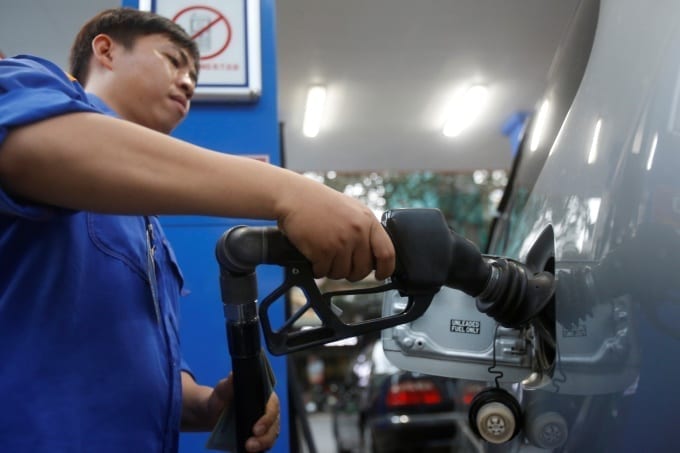
    A survey of multiple HCMC-based filling stations showed that biofuel consumption rose to 40% from the previous 30%, while that of the fossil type RON 95 gasoline declined to 60% from 70%.

    After the price adjustment, the retail price of E5 biofuel was VND1,500 per liter lower than that of RON 95 gasoline, resulting in a rising number of customers using the biofuel. The majority of customers contributing to the increase in E5 biofuel consumption were owners of trucks, coaches, taxis, Grab vehicles and motorcycles.

    To further enhance biofuel consumption to protect the environment from air pollution due to carbon emissions, many fuel outlets have proposed the competent authorities and fuel wholesale firms arrange promotion activities to introduce the quality of biofuel and guarantee the supply and quality of the product to gain customers’ trust.

    A representative of Vietnam National Petroleum Group (Petrolimex) noted that the group is in the process of expanding its direct retail distribution system and cooperating with many traders to boost the sale of E5 biofuel.

    In addition, Petrolimex suggested the Government promote activities that introduce the quality and benefits of E5 biofuel to residents, apart from adopting measures to tighten control over and monitor the quality of biofuel.

    Fuel supply and consumption in the city remain stable, according to the HCMC Department of Industry and Trade.

    The city saw fuel consumption total over 5,700 cubic meters per day, or 171,570 cubic meters per month, last month, with RON 95 gasoline and E5 biofuel amounting to 3,600 and 2,050 cubic meters per day, respectively.

  • Shopee, Tiki solidify positions as top e-commerce sites in traffic in Q1

    Shopee, Tiki solidify positions as top e-commerce sites in traffic in Q1

    Shopee and Tiki maintained their positions as the two leading sites in terms of traffic in Vietnam’s e-commerce sector in the first quarter of this year.

    According to the latest figures from the Map of E-Commerce released recently by iPrice Group – a meta-search website operating in seven countries across Southeast Asia, Shopee still held the dominant position in Q1 2019 with 40.7 million visits per month on average. Tiki followed with 35.6 million visits monthly.

    Lazada ranked third with 29 million visits, closely followed by thegioididong.com (28.8 million visits) and Sendo (25.3 million visits).

    Q1 2019 also saw several positive trends in the performance of local players, especially Tiki, Sendo, and Adayroi. iPrice’s latest data showed through the first quarter included the Tết (New New Year) holiday period, which is usually a tough time for e-commerce businesses in general, those three merchants still managed to maintain their good results from the previous quarters.

    Doing the best in this regard was Tiki. Similar to the previous quarter, the website continued to achieve over 35 million visits per month on average for Q1 2019, helping its web traffic grow at a rate of 23 percent per quarter on average since the second quarter of last year.

    Aside from Tiki, other notable local companies Sendo and Adayroi have been showing encouraging signs. According to iPrice’s Map of E-commerce, the two companies both have an average traffic growth rate of over 16 percent per quarter for the past four quarters.

    Sendo’s CEO Trần Hải Linh also confidently told IT website Tech in Asia recently that his company was on track to achieve US$1 billion in GMV (gross merchandise volume) much earlier than the previously projected target of 2020.

    This year would be an inflection point for the Vietnamese e-commerce market, Linh said, adding the market would grow much faster.

    “We will see sizable businesses becoming comparable to regional players [and] customers becoming more familiar with e-commerce,” Linh told.