Tag: Vietnam

  • Vietnam to begin export of milk to China

    Vietnam to begin export of milk to China

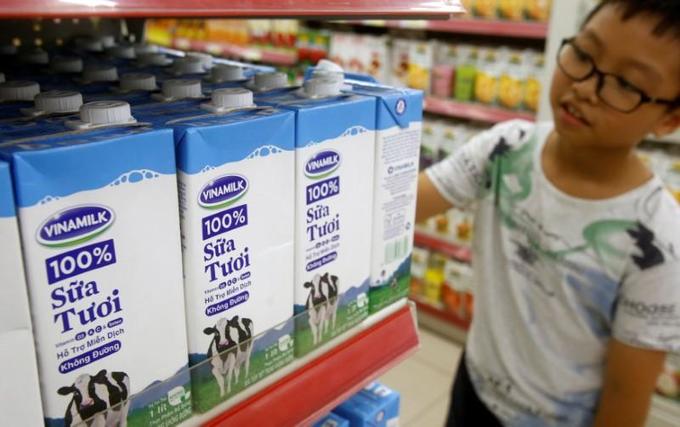
    Vietnam will export milk for the first time to China in October to make up a shortfall there. China has given export permits to five Vietnamese companies — Vinamilk, TH True Milk, Moc Chau Milk, NutiFood, and Hanoimilk — Tong Xuan Chinh, deputy head of the Ministry of Agriculture and Rural Development’s department of livestock production, said.

    Vietnam’s dairy exports are set to rise from $120 million last year to $300 million next year with the addition of this new market, he added.

    A spokesperson for Vinamilk, the country’s largest dairy company, said it would first export yoghurt to China.

    Milk production in China, the world’s second largest dairy market behind the U.S., only meets around 75 percent of demand, according to its Ministry of Agriculture and Rural Affairs.

    China is set to import 39.43 million tons of milk and other dairy products this year, including 750,000 tons of fresh milk and 650,000 tonnes of milk powder, it said.

    Vietnam’s dairy output rose 6.9 percent to 936,000 tons last year, and is set to rise to one million tons next year and two million tons by 2030, according to the country’s agriculture ministry.

    It exports dairy products to 46 markets with 70 percent going to the Middle East, it added.

  • Stripe buys Vietnam fashion chain Vascara

    Stripe buys Vietnam fashion chain Vascara

    Japanese clothing firm Stripe International has purchased a majority stakeholding in Vietnamese firm Global Fashion.

    The 70-per-cent shareholding will give Stripe a controlling interest in Vietnamese brand Vascara. It is the second Vietnamese apparel company to be acquired by the firm since its purchase of Nem Group two years ago.

    “We see the potential of the Vietnamese fashion market, especially the footwear and bags industry,” said Stripe Saigon general director and CEO Harigae Tsutomu.

    “Vascara is a brand that has great potential for development, so we believe that the experience and technology accumulated from many markets around the world will accompany and support Vascara to accelerate development, expand the system of stores and serve millions of Vietnamese consumers.”

  • Vietnam Airlines cleared to fly to the US

    Vietnam Airlines cleared to fly to the US

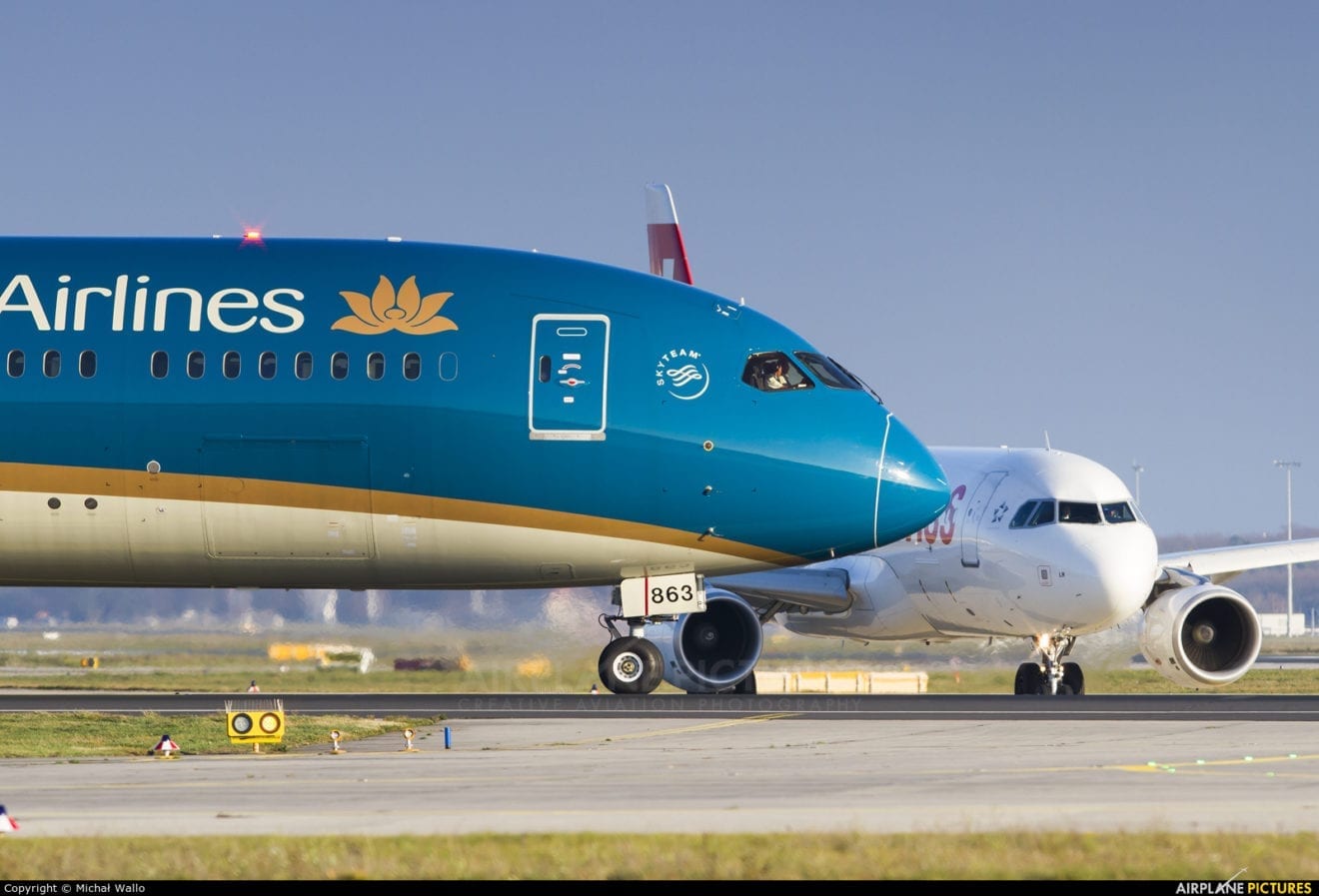
    Vietnam Airlines has been allowed to operate direct flights from Hanoi and Saigon to several American destinations. It is the first Vietnamese airline to receive such permission, according to FlightGlobal, a leading news site about the global aviation community.

    The national flag carrier will be allowed to operate flights from Ho Chi Minh City and Hanoi, Vietnam’s two biggest metropolises, to Los Angeles, San Francisco, New York, Seattle and Dallas-Fort Worth. It can also continue these routes to the Canadian cities of Vancouver, Montreal and Toronto.

    The permit also allows Vietnam Airlines to operate its flights to the U.S. via stops in Taiwan’s Taipei and Japan’s Osaka and Nagoya airports.

    The U.S. Federal Aviation Administration (FAA) granted a Category 1 rating to the Civil Aviation Authority of Vietnam (CAAV) under its International Aviation Safety Assessment program last February, which meant the latter met safety standards to operate flights to the U.S.

    Besides Vietnam Airlines, low-cost air carrier Vietjet Air and Bamboo Airways are in the running to launch direct flights to the U.S. and are ordering aircraft for the purpose.

    There are currently no nonstop flights between Vietnam and the U.S. Flights now take 20.5 hours to fly from Ho Chi Minh City to San Francisco via South Korea’s Incheon International Airport, while the planned direct service to major cities along the U.S. West Coast would take only around 13 hours.

    Thanks to simplified visa requirements, Vietnam has emerged among the fastest-growing international travel destinations for Americans, who are big spenders in the country, shelling out on average $3,233 per trip, according to a survey released last year by travel insurance comparison site Squaremouth.

    Americans are among the top foreign visitors to Vietnam, with 687,226 arrivals last year, an 11 percent year-on-year increase.

    An ethnic Vietnamese population of over 2.1 million in the U.S. is also expected to be a steady source of travel demand.

  • Vietnamese prefer Facebook for Fashion Shopping

    Vietnamese prefer Facebook for Fashion Shopping

    55 percent of Vietnamese online shoppers choose social networks over e-commerce platforms to buy fashion products, a new survey has found.

    Survey results released Thursday by HCMC-based market research firm Q&Me says just 41 percent of respondents chose e-commerce platforms when shopping for fashion products because they found social networks carrying more relevant information.

    Fashion products require consultation with sellers, therefore shoppers prefer using social networks to ask for more information while waiting for an email response from an e-commerce platform is a hassle, the report said.

    88 percent of respondents say they get the information they need by chatting with social network shops, with most common inquiries are product prices, details and images.

    The survey polled 582 people aged 16-45 online – mostly in Hanoi and Ho Chi Minh City – in July 2019.

    The main advantages of social network shopping are convenience (37 percent) and interaction with friends (31 percent), the survey found.

    As Facebook is the app people use most often, users don’t need to install another app for shopping that they would need to log into with a password, the report said.

    Stores on social networks tend to specialize in a certain category, therefore there is a higher chance that customers will find a product they need, it added.

    The report also found that the top reasons respondents find out a new store is through social network ads and friends’ recommendations.

    The triggers for a buyer to return to a social network store is good quality products, according to 59 percent of respondents, followed by product variety and their interactions with store owners.

    However, e-commerce platforms are still the most popular online shopping channel among Vietnamese consumers (91 percent) compared to 43 percent who shop on social networks.

    The reason for this is that e-commerce platforms offer more promotions, according to 55 percent of respondents, and offer cheaper prices (48 percent), compared to social networks.

  • Techcombank to issue bonds worth $430 mln for Vietnamese

    Techcombank to issue bonds worth $430 mln for Vietnamese

    Techcombank plans to issue VND10 trillion ($430 million) in bonds through two private placements before the end of this year. The bonds will have a maturity date of up to three years with a par value of VND1 billion ($43,000) or a multiple of VND100,000 ($4.3), the bank said in a statement.

    The interest rate of the bonds, which are non-convertible and non-collateral, will be decided by the bank’s CEO at each issuance.

    The bonds are set to be issued in the third and last quarter of this year, with each issue worth VND5 trillion ($215 million).

    Buyers will include individuals and corporates, both local and foreign, but not credit organizations, foreign bank branches and member companies of credit institutions.

    Techcombank, the largest private bank in the country, said the bond issuance aims to increase its capital adequacy ratio and scale up operations.

    Techcombank’s plans follow a large number of banks that have been issuing bonds since earlier this year to increase their capital.

    Between January-August, banks issued over VND56 trillion ($2.42 billion) worth of bonds, accounting for half of bond issues, according to stock brokerage Saigon Securities Inc (SSI). 99.6 percent of bank bonds were bought, it added.

  • Vietnam wants to be top 15 organic farming countries

    Vietnam wants to be top 15 organic farming countries

    The agriculture ministry seeks to turn Vietnam into one of world’s top 15 organic farming countries by 2030, and has its sights on the EU market given trade deals. Under a draft proposal it will submit to the prime minister in the fourth quarter, the Ministry of Agriculture and Rural Development plans to have 7-10 percent of the farming area in the country under organic crops by then.

    The targeted rates are at least 5 percent for animal husbandry and 100,000 hectares of ponds, or 7-8 percent of the total for aquaculture.

    Tran Thi Loan, deputy director of the Center for Sustainable Rural Development (SRD), said at a recent forum that organic farming in Vietnam is mostly small in scale.

    Industry insiders said Vietnam lacks policies to encourage organic farming and a system of certification and supervision to ensure quality.

    Olivier Catrou, head of the organic farming division at France’s National Institute of Origin and Quality, said the government needs to establish such a system so that farmers can produce in larger scales.

    Vietnam has great potential to export organic produce to the EU thanks to the upcoming EU-Vietnam Free Trade Agreement, the agriculture ministry said. Last year, with almost 13,000 tons, the country ranked 39th in organic exports to the EU.

    Data from the ministry shows organic farming is done in 40 localities on a total area of 23,400 hectares, 97.5 percent of them are under EU, U.S. and Japanese standards, and most of the produce are vegetables, fruits and tea.

    Domestic consumption of organic produce is worth around VND500 billion ($21.5 million) a year in Hanoi and VND400 billion ($17.2 million) in Ho Chi Minh City.

    There are 20 exporters of organic produce who ship 260,000 tons a year worth almost $15 million.

  • Viettel Global reports profit surge

    Viettel Global reports profit surge

    Telecom giant Viettel Global Investment JSC has made VND1.17 trillion ($50.5 million) in pre-tax profits after reporting a loss last year. Viettel Global, which covers overseas investments by military-run Viettel Group, had made a VND15.77 billion ($681,000) loss in the same period last year, according to the company’s audited consolidated financial statements.

    Revenues in the first six months reached VND7.9 trillion ($341 million), down 1.5 percent year-on-year, but a sharp decrease in the cost of sales improved profits, the company’s management board said.

    In the first half of the year, the company focused more on its core business of telecommunications, raised its average revenue per user (ARPU) and cut down the sale of equipment with low-profit margins. This raised the company’s operating profit margin (excluding financial income) to 35.3 percent from 26.4 percent in the same period last year.

    Revenue in Southeast Asia, especially driven by growth in the Cambodian market, accounted for 53 percent of Viettel Global’s revenue in the first six months, followed by Africa with 33 percent and South America with 14 percent.

    Viettel Global was established in 2006 to spread Viettel Group’s presence in foreign markets. It currently operates in ten markets, namely Cambodia, Laos, Timor Leste, Mozambique, Burundi, Haiti, Peru, Cameroon Tanzania and entered Myanmar last year.

    Viettel Global said it has plans to enter new markets, mainly in ASEAN.

    Viettel Global is one of the largest enterprises on Vietnam’s Unlisted Public Companies Market (UPCoM) in terms of both asset size and market capitalization. As of June 30, the company’s total assets were VND59 trillion ($2.54 billion), of which equity accounted for VND25 trillion ($1.08 billion).

  • Bamboo Airways exec leaves for property firm

    Bamboo Airways exec leaves for property firm

    Duong Thi Mai Hoa, who used to be deputy chairwoman of startup Bamboo Airways, has moved to real estate firm Sunshine Group. A spokesperson for Sunshine Group told VnExpress she had joined as deputy chairwoman earlier this month.

    A Bamboo Airways spokesperson said Hoa would be replaced internally.

    Hoa had been with Bamboo for almost a year and before that the CEO and CFO of Vingroup between 2012-2017, and the CEO of ABBank and Vietnam International Bank before that.

    The 50-year-old graduated from the Hanoi University of Technology and holds a master’s degree in business administration from the Free University of Brussels, Belgium. She is a member of the Association of Certified Public Accountants (ACCA).

    Sunshine Group is also in construction, education and technology.

  • Bamboo Airways eyes fleet expansion

    Bamboo Airways eyes fleet expansion

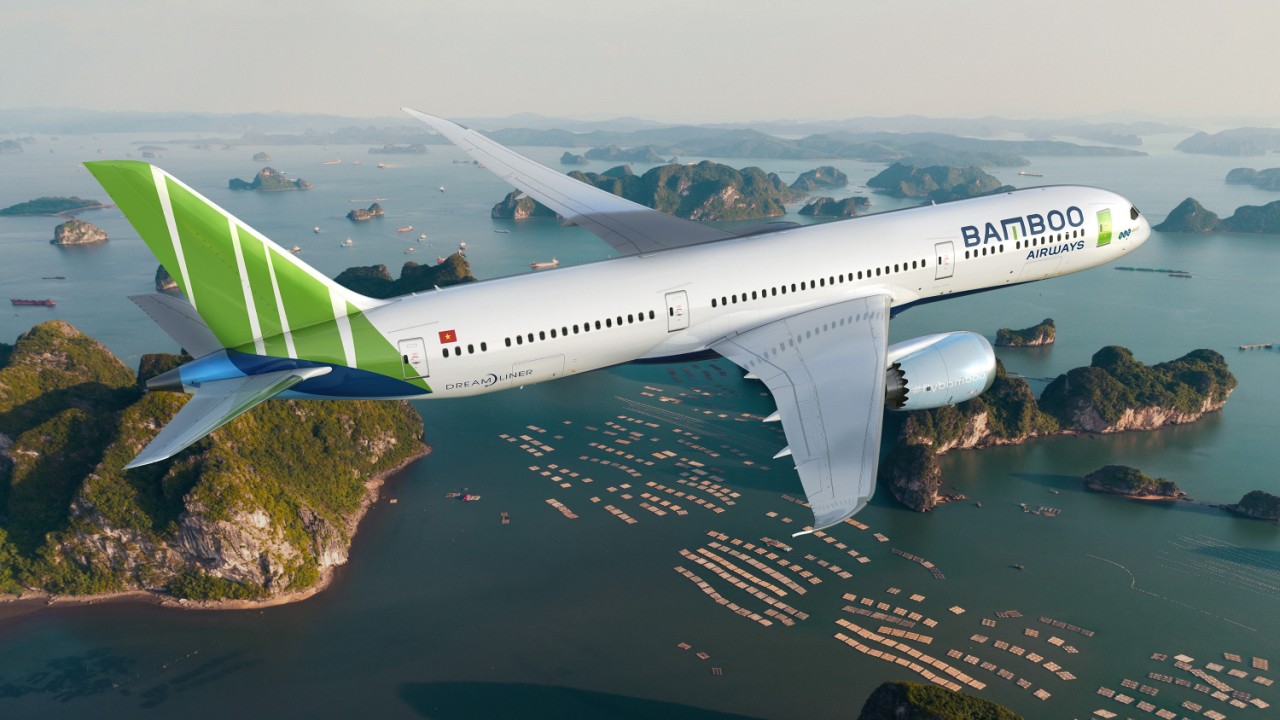
    Bamboo Airways plans to have a fleet of 100 aircraft by 2024 with the majority of them being Boeing 787-9 or Airbus A321.

    The carrier said in a statement Thursday it would lease the first Boeing 787-9 in October since the 10 it has ordered would not be delivered until the fourth quarter of 2020.

    Bamboo has received permission from the Ministry of Transport to operate 30 aircraft, and it plans to achieve this number by the end of the first quarter of 2020. The airline, which began flying in January, has yet to break even.

    Its chairman, Trinh Van Quyet, has said that with 30 aircraft the carrier could get into the black by the first quarter of 2020. The carrier now flies 10 aircraft on 26 domestic routes besides international charter flights.

    Vietnam hopes to grow its aviation market by 16 percent a year in 2015-20 and 8 percent in 2020-30.

    This means there will be a possible 117 million air travelers by 2023, 85 percent by Vietnamese carriers, which will require 340 aircraft, according to the Civil Aviation Authority of Vietnam.

  • Luxury cellphone Vertu returns to Vietnam

    Luxury cellphone Vertu returns to Vietnam

    After a two-year hiatus, British luxury phone maker Vertu has announced resumption of sales at its Ho Chi Minh City store next month. Vertu Vietnam, a local unit of the phone maker, said genuine Vertu phones will once again be sold in Vietnam, first from an District 1 outlet in Ho Chi Minh City in October, then a Hanoi outlet the following month.

    Vertu luxury cell phones had been sold in Vietnam since 2006 by electronics distributor FPT Trading, formerly known as FPT Telecom Products Distribution Co., Ltd., through three outlets in Vietnam. In late 2017, the stores closed after Vertu ceased production in the U.K.

    The company had filed for bankruptcy in its home country, having racked up debts of some £138 million, but its business was still thriving in Vietnam.

    A representative of FPT Trading said that when Vertu’s U.K. factory was shut down, customers in Vietnam were still ordering its super-luxury phones.

    Vertu will now distribute its phones through Vertu Vietnam, a Hanoi headquartered company established in May 2019.

    Before Vertu announced its return to Vietnam, traders had observed that demand for Vertu handsets in the country had never died down.

    “Normally, we rarely see Vertu phones, but in events or places with lots of rich people, you can find 80-90 percent of them using them. For them, the latest technology is not a top priority. They use Vertu because of the phone’s anti-tapping protection features, the brand name and the fact it is crafted from luxury materials,” said Nguyen Phi Dung, a dealer in luxury hand-carried Vertu phones.

    Models that cost between VND100–150 million ($4,300 – $6,450) used to be the most popular, but customers have even bought handsets costing VND500 million to over VND1 billion ($21,500 – $43,000), Dung added.

    Vertu was founded by Finnish phone-maker Nokia in 1998, but changed hands several times later. In 2012, it was sold to Swedish investment corporation EQT; and in 2015 to Hong-Kong based investment fund Godin Holdings.

    In March 2017, Vertu was sold to Baferton Ltd., owned by Turkish businessman Hakan Uzan. However, just four months later, Uzan had to close Vertu’s U.K. factories, having failed to save it from bankruptcy.

    However, in October last year, Vertu made an unexpected return to China with a new Aster P, priced at $5,167 for black and white models, and $14,146 for its yellow model.

  • Facebook, the 800-pound gorilla homegrown Vietnamese social media

    Facebook, the 800-pound gorilla homegrown Vietnamese social media

    Vietnam got its latest in a long line of social networks Tuesday but doubts remain about the viability of homegrown players in a Facebook-dominated country.

    Lotus belongs to media company Vietnam Communications Corporation (VCCorp), which has invested VND700 billion ($30.2 million) in it and is seeking to raise another VND500 billion ($21.6 million).

    VCCorp hopes to have four million regular users within a year and partner with 500 content creators in various areas.

    Many Vietnamese social networks have made their debut this year after Minister of Information and Communications Nguyen Manh Hung said the country needs to have its own social media, which should garner at least 60 million accounts and 60-70 percent of the country’s social network pie by 2022.

    In February Nhat Viet Manufacturing and Investment company, which makes metal tools, launched VietNamTa, which is said to have an almost identical interface as Facebook. But it loads slower and there are also concerns about security.

    In June tourism-oriented social network Hahalolo debuted, and it seeks to have two billion users within five years and list on Nasdaq in the U.S.

    In July Gapo was launched after getting VND500 billion ($21.6 million) from investment firm G-Capital. The developers aim to pay users who contribute attractive content, and claimed to have reached two million users this month out of a target of 50 million by 2021.

    The Ministry of Information and Communications said 436 social networks had been licensed as of last year, but many have failed to attract a reasonable number of people and few survived for more than a year.

    Go.vn, which debuted nine years ago, promised to usurp Facebook’s position within six months with five million users. Its founders aimed for a 40-50 percent share of Vietnam’s social network traffic by 2015, but it is now no longer active.

    Others such as Zingme, Tamtay.vn and Yume.vn have followed the same path.

    Competing with Facebook appears to be a bridge too far for local players. Tran Anh Dung, CEO and founder of digital content startup MOG, said it would be virtually impossible for Vietnamese social networks to surpass Facebook unless the government makes specific policy changes to incentivize them.

    Niche markets could offer them opportunities, but they are not distinguishing themselves enough, he said.

    “Some players are trying to be different but I’m not sure if they are special enough to attract users.”

    Another challenge is resources. If a social network does not get a big infusion of funds in the beginning, it could be fatal, he added.

    Vietnam ranks seventh in the world in number of Facebook users with 58 million, or 75 percent of the population aged 13 or more, according to a report released in July by U.K. advertising agency We Are Social.

    An average Vietnamese uses social media for two hours and 23 minutes a day, same as the global average, according to market research firm GlobalWebIndex.
  • South Korean firm to invest $700 mln towards cashless payment in Vietnam

    South Korean firm to invest $700 mln towards cashless payment in Vietnam

    Financial solutions firm Alliex will invest over $700 million to build shared Point of Sales (POS) across Vietnam. Alliex plans to install a total of 600,000 shared POS devices in Vietnam over the next five years, its director Park Byounggun told Deputy Prime Minister Vuong Dinh Hue at a meeting on Friday.

    The company, along with local partners, will build and operate this shared system, and continue to add new features on the POS devices such as QR code, contactless payment, and biometrics in line with regulations, Byounggun said.

    The shared POS system will help local authorities cut down cash in circulation and transaction costs, combat tax losses and speed up payment transactions in a safe and efficient manner, helping the government’s efforts to transform Vietnam into a cashless society, he added.

    Alliex has also signed collaboration contracts with private lender Sacombank and the state-owned VietinBank to roll out the POS system in Vietnam.

    Electronic payments in the country increased by 22 percent in 2017 to $6.14 billion, according to Statista, a local market research firm. The figure is projected to rise to $12.33 billion by 2022.

    Economists have said that the potential for cashless payments in Vietnam is huge due to a growing middle class and rapidly improving telecom infrastructure. The Vietnamese government targets to make 90 percent of all transactions cashless by 2020.

    However, for now, the reliance on cash remains huge. About 80 percent of Vietnamese prefer to use cash for daily transactions, according to the Ministry of Industry and Trade.

  • First 5G network broadcasts in Vietnam

    First 5G network broadcasts in Vietnam

    Telecom giant Viettel broadcast its first 5G network Saturday from its network of 5G base stations in Ho Chi Minh City.

    “The official broadcast of 5G in Ho Chi Minh City is an important milestone in Viettel’s strategy to make Vietnam one of the first countries in the world to commercialize 5G services,” Viettel deputy director Tao Duc Thang said in a statement.

    The 10 stations will be used by Viettel, the nation’s largest telecom firm, to comprehensively check and assess its 5G service before launching it commercially next year.

    Military-run Viettel installed the first 5G station in Hanoi early this year and made the first 5G phone call in May. It was the first firm in the country to receive permission to trial 5G services in January, followed by MobiFone.

    Last November, Information and Communication Minister Nguyen Manh Hung said at a conference that Vietnam should test 5G in 2019 and ensure nationwide coverage by 2020.

    “Vietnam should be one of the first countries to launch the network, at least in Hanoi and HCMC,” he had said. The country had been one of the last in Southeast Asia to roll out 4G services.

    5G is said to offer speeds 100 times faster than 4G, primarily used for smartphones and other similar devices. 5G is also expected to support new applications like remote medical procedures and autonomous driving.

  • Vietjet Air among global leaders in revenue from ancillary services

    Vietjet Air among global leaders in revenue from ancillary services

    Vietjet Air ranks 12th in the world among airlines in terms of ancillary services as a percentage of total revenues.

    The budget airline’s income from ancillary services such as on-flight food and souvenirs was $338.2 million in 2018, or 23.5 percent of total revenues, according to the CarTrawler Ancillary Revenue Yearbook recently released by U.S. consultancy IdeaWorks Company.

    Low-cost carrier VivaAerobus of Mexico topped the list with its ancillary earnings making up of 47.6 percent of its revenues, followed by the U.S.’s- Spirit Airlines (44.9 percent and Frontier Airlines (42.8 percent).

    IdeaWorks listed statistics for 76 airlines that disclosed revenues from selling frequent flyer points to partners, fees from passengers choosing seats, commissions from hotel bookings and other such sources. The study found that the carriers earned almost $52.7 billion in ancillary revenues last year.

    For budget carriers, ancillary revenue is a decisive factor in success when its profit margin reaches over 90 percent.

    Vietjet aims to become one of the top five airlines in the world in terms of ancillary revenues. The carrier, owned by billionaire Nguyen Thi Phuong Thao, has the largest domestic market share of 44 percent.

  • Imported car sales soar despite efforts to tighten imports

    Imported car sales soar despite efforts to tighten imports

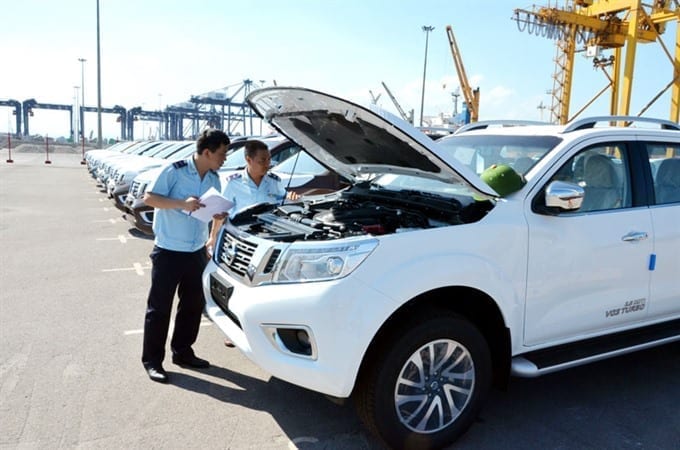
    Consumption of imported cars has skyrocketed while that of locally-assembled ones is falling despite efforts last year to tighten imports.

    From January to August, sales of imported cars rose 178 percent year-on-year to 82,800 units, while that of locally-assembled vehicles dropped 14 percent to 119,700 units, according to the Vietnam Automobile Manufacturers’ Association (VAMA).

    The number of imported vehicles with nine seats or less in the period almost quadrupled to over 71,000, according to Vietnam Customs.

    However, the high increase in imports this year has to do with a plunge last year because of a government decree that introduced tougher conditions for car importers, requiring them to provide certain certificates to ensure quality and countries of origin. This had led to a decline of 20 percent from 2017.

    Imports started to regain traction in the second half of last year when businesses were able to meet those requirements.

    Vietnam is considering removing special consumption tax on car parts produced locally to boost local manufacturing. Some businesses are shifting their production of high-demand vehicles to the country.

    As Vietnam sees rising demand among people to switch from motorbikes to cars alongside an increase in the country’s per capita income, annual car sales could more than triple in the next five years to reach a million in 2025, according to the Ministry of Finance.

    Vietnam imported 95,900 automobiles in January-August, up 3.2 times year-on-year, 86 percent of these from Thailand and Indonesia, according to Vietnam Customs.