Tag: Vietnam

  • Lexus Vietnam introduces new Lexus RC 2019

    Lexus Vietnam introduces new Lexus RC 2019

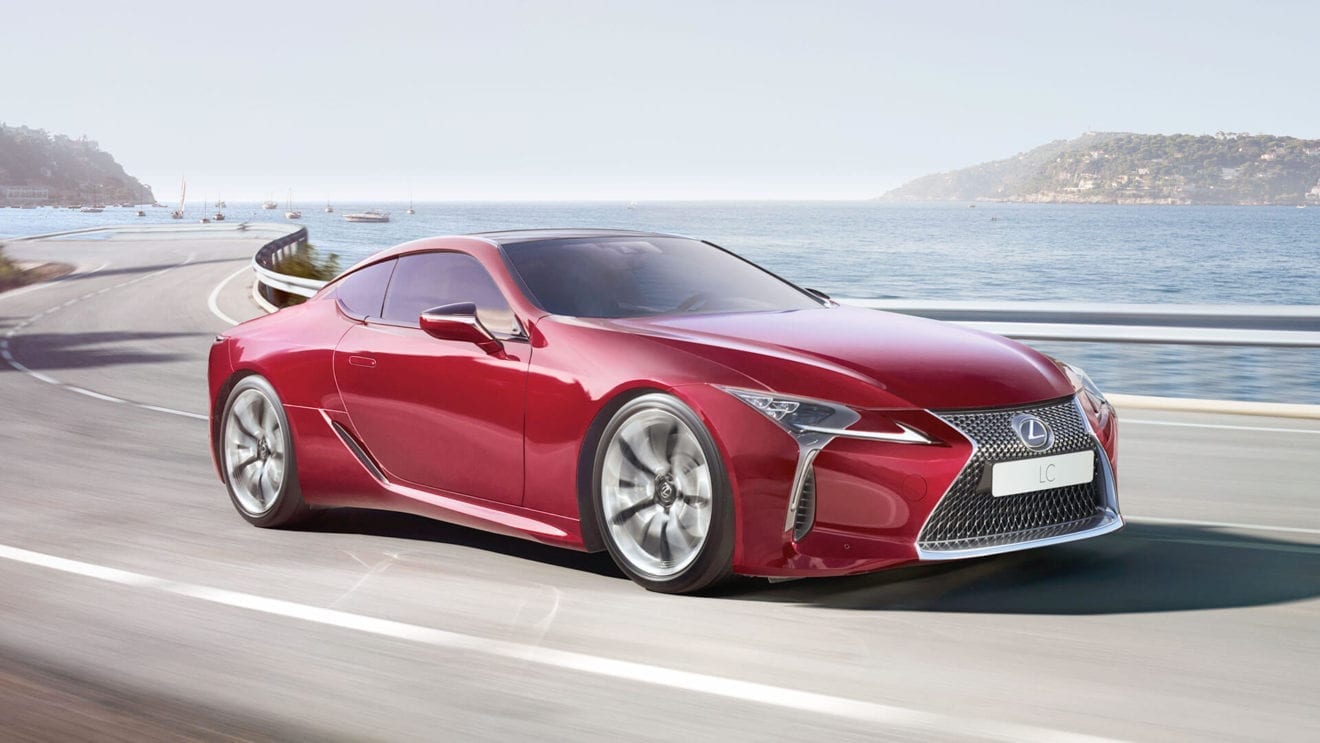
    Lexus Vietnam on Monday introduced new Lexus RC 2019 – a luxury sports coupé.

    Taking the driving concept of “sharper and more graceful” that defined the LC, Lexus engineers have succeeded in making the new RC fun to drive by focusing their attention on details.

    The new Lexus RC300 2019 will be available in two Lexus dealers of Thăng Long in Hà Nội and Saigon in HCM City since April 2019.

    The Lexux RC 300 costs up to VNĐ 3.3 billion (US$142,200).

  • Insurance industry growth surges 17% in Q1

    Insurance industry growth surges 17% in Q1

    Việt Nam’s insurance industry maintained positive growth in the first quarter of this year, with total premiums surging by 17 per cent year-on-year, according to reports from the General Statistics Office.

    Life insurance surged by 23 per cent, while non-life insurance increased by 9 per cent.

    According to the Ministry of Finance’s Insurance Supervisory Authority (ISA), the insurance industry is targeting a growth rate of 20 per cent this year.

    Experts remain upbeat about the industry’s health in the coming years, forecasting that it will maintain an annual growth rate of 10-20 per cent. Many banks that co-operate with insurers to provide bancassurance products even expect an annual growth rate of up to 30-40 per cent.

    The fast-growing domestic insurance market should thrive thanks to rising living standards and a high gross domestic product (GDP) growth of more than 6 per cent annually over the next three years, experts said.

    The growth potential is great as the country has one of the world’s lowest life insurance penetration levels at less than 1 per cent of GDP. The average insurance premium in Việt Nam stands at US$30, much lower than the global average of $595 and Southeast Asia’s average of $74.

    To maintain high growth, Deputy Finance Minister Huỳnh Quang Hải said the Insurance Association of Vietnam (IAV), in conjunction with other relevant agencies, must raise awareness about insurance.

    IAV also needs to promote closer co-operation among insurers so that businesses can join hands to build and fine-tune the industry’s databases, which will improve the quality of their services, thereby raising their financial capability and competitiveness, Hải said.

    Hải also told insurers to work with IAV and the Ministry of Finance to develop a new insurance business law to contribute to the development of the local insurance market.

    The ISA reported that the country has 64 insurance companies, including 30 non-life insurers, 18 life insurers, two reinsurance companies and 14 insurance brokerage companies.

    There are up to 850 non-life insurance products and 450 life insurance products sold on the Vietnamese market.

    Read more at https://vietnamnews.vn/economy/518204/insurance-industry-growth-surges-17-in-q1.html#lVqMUB0GwB3zyHU6.99

  • Electricity hike hits industry hard

    Electricity hike hits industry hard

    Vietnamese manufacturers are set to increase their selling prices following the 8.36 per cent hike in electricity price that launched from March 20.

    Việt Nam Cement Industry Corporation (VICEM) Bút Sơn announced it would increase the price of its cement by VNĐ30,000 (US$1.29) per tonne immediately after the power price increase.

    Đỗ Tiến Trinh, VICEM Bút Sơn’s general director, said that in addition to the electricity tariff hike of 8.36 per cent, the price of coal sold to cement producers also increased by 2.3 to 5.8 per cent depending on the kind of coals.

    The coal price increase came because electricity accounts for 10 per cent of production cost. In addition, the Việt Nam National Coal and Minerals Industry Holding Group (Vinacomin) has not provided enough coal to cement producers, making them import the product at high prices.

    Trinh said the firm could not afford to offset the rise in input costs and had to increase retail prices to ensure sustainable production.

    VICEM Tam Điệp Company also had the same increase in the selling price.

    According to Phạm Văn Minh, the company’s general director, no business wants to increase retail prices, but electricity and coal make up a big portion of input material costs for cement production.

    Công Thanh Cement Joint Stock Company in the central region did not raise its retail prices but is charging distributors VNĐ30,000 more per tonne.

    Nguyễn Quang Cung, chairman of Việt Nam Cement Association said cement producers were not surprised by the power tariff hike and had been preparing for the change.

    Its calculations showed if the electricity price was increased by 8.36 per cent, cement production cost would rise by VNĐ14,000 to VNĐ15,000 per tonne.

    Steel producers also said they would increase their selling prices.

    SSE Steel Company said it doubled its steel selling price to VNĐ200,000 per tonne, while Thái Nguyên Steel and Iron Corporation (Tisco) increased its selling prices by VNĐ150,000 to VNĐ200,000 per tonnes.

    The Việt Nam Steel Association said it was unavoidable for steel producers to raise their prices as power accounted for 8 to 9 per cent of total production costs. In addition, the import prices of iron ore and steel billets were also rising this year, affecting steel production costs.

    Nguyễn Anh Tuấn, head of the Electricity Regulatory Authority of Việt Nam (ERAV) under the Ministry of Industry and Trade (MoIT) told a press meeting last week that there were about 1.4 million manufacturing businesses in Việt Nam who spend on average VNĐ12.39 million per month on electricity. The average increase in their power bills would be VNĐ870,000 a month.

    While electricity prices have almost doubled in the last decade, the MoIT said Việt Nam’s electricity prices were 8.1 per cent lower than that of China and India, 18 per cent lower than Laos and 26.5 per cent lower than Indonesia. Even with the latest increase, the prices would only be on par with China and India.

    “Việt Nam’s electricity prices are lower than other countries. It is the reason that foreign investors are not interested in investing in electricity projects in the country,” said deputy minister Hoàng Quốc Vượng.

    However, chief economist of the Bank for Investment and Development of Việt Nam (BIDV) Cấn Văn Lực suggested the Government needs to eliminate cross-subsidising mechanisms for units using electricity.

    At present, industrial sectors consuming large amounts of electricity, accounting for 55 per cent of electricity density, such as cement, iron and steel, are being compensated for electricity prices and only subject to the lowest price of 6.8 cents per kWh. Meanwhile, electricity costs households 8.7 cents per kWh.

    “Currently, consumers using electricity for domestic use as well as service enterprises are compensating a certain amount for industrial production enterprises – that is unfair. When there is fairness, people and businesses will agree and are willing to pay more reasonable electricity prices,” Lực said.

    Read more at https://vietnamnews.vn/economy/507842/electricity-hike-hits-industry-hard.html#CEgTqP3b4CrxPzgm.99

  • Chairwoman of the Vietnamese National Assembly joins Vietjet at the ceremony in Toulouse

    Chairwoman of the Vietnamese National Assembly joins Vietjet at the ceremony in Toulouse

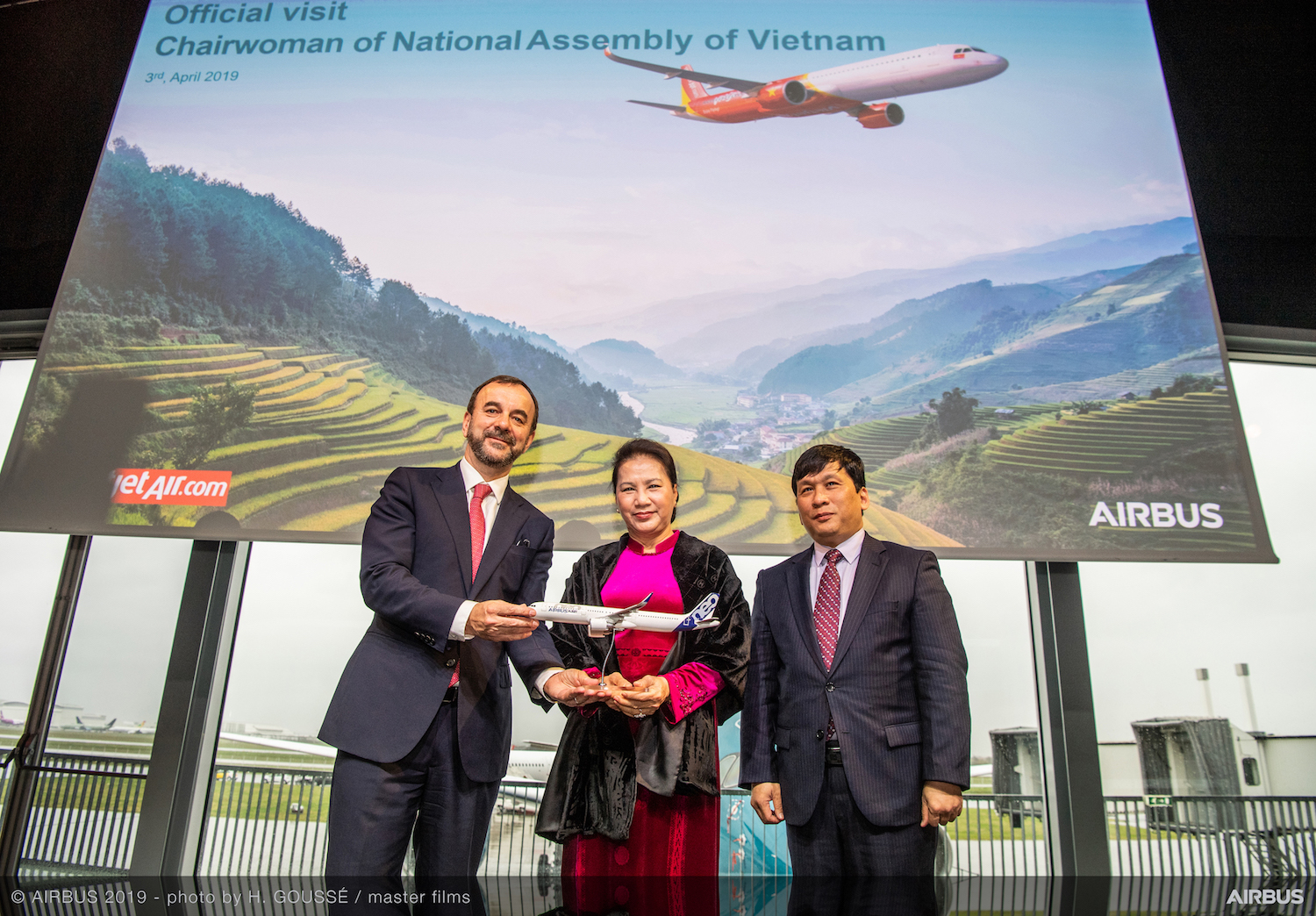
    Vietnamese National Assembly Chairwoman Nguyen Thi Kim Ngan and her fellow dignitaries from the National Assembly attended the delivery ceremony for Vietjet’s brand new A321neo, registered as VN-A600 at Airbus’s factory in Toulouse (France) yesterday.

    This visit by the delegation of National Assembly of Vietnam to the aircraft manufacturing factory underscores the deep commitment of Vietnam’s national leaders to support the development of Vietnam’s aviation industry and other affairs related to technology transfer and strategic cooperation within the industry.

    During the visit, Nguyen Thi Kim Ngan, asserted in her speech that Vietjet has been a pioneering airline which has positively contributed to the development of the national and regional aviation industry. She also noted that the Vietnamese aviation industry has been growing continuously while Vietjet has been among the fastest growing airlines in the Asia-Pacific region. As a result, Vietnam’s economy has benefited greatly from the contribution of tourism and investment segments.

    Kindly find enclosed the press release alongside the accompanying images for your perusal and use.

  • Vingroup buys Vietnam c-store chain Shop&Go

    Vingroup buys Vietnam c-store chain Shop&Go

    Vingroup has acquired 87 Vietnamese Shop&Go convenience stores for just US$1.

    Vingroup’s retail arm VinCommerce, which manages Vinmart supermarkets and Vinmart+ convenience stores, will upgrade infrastructure, staff and goods at the acquired stores by the end of next month.

    According to a VinCommerce statement, Shop&Go made the approach and offered to sell itself.

    “The competition is more intense than we imagined; that is why we’ve decided to leave,” a Shop&Go spokesperson said, admitting Vietnamese retail market still has potential for growth.

    “We have sold our stores to Vingroup so it can continue to develop them.”

    Opened in 2006, Shop&Go was one of the earliest convenience store chains in Vietnam.

    By 2016, it had aggregated losses of almost VND205 billion (US$8.81 million).

    VinCommerce runs 108 VinMart supermarkets and 1900 VinMart+ convenience stores.

    Last year, it acquired supermarket chain Fivimart with 23 outlets.

    In a report last year, Nielsen Vietnam observed a rise in visits by Vietnamese to convenience stores. The average shopper uses a convenience store 4.5 times per month – three times the frequency of 2010.

  • Central Group closes Robins Vietnam online store

    Central Group closes Robins Vietnam online store

    Central Group has closed its Robins Vietnam online fashion store to concentrate on its physical stores. On its website, Robins Vietnam announced the end of online business from this week, referring customers to its two Robins department stores, at Vincom Royal City in Hanoi and Ho Chi Minh City’s Crescent Mall.

    A Central Group representative said the group “plans to restructure its Vietnamese businesses”, including its fashion operation.

    Central Group launched Robins.vn, which was merged with Rocket Internet’s Zalora.vn, in May 2017.

    The Thai retail giant entered Vietnam in 2011, and now owns several businesses there, including Big C supermarkets, electronics chain Nguyen Kim, Lan Chi Mart, Robins Department Stores, and stationery chain LookKool.

    Mobile World group recently closed its online grocer vuivui.com after two years of operation.

    Vietnam’s e-commerce industry is expected to grow 30 per cent to reach US$13billion by 2020 by Vecom. The market is now dominated by Shopee, Lazada, and Tiki, with major investment from foreign firms including JD, Alibaba.

  • Vietnam to end plastic scrap imports from 2025

    Vietnam to end plastic scrap imports from 2025

    Vietnam will not import plastic scrap from 2025 and will deal with the scrap consignments stuck at ports, the government has said. It has ordered the Ministry of Natural Resources and Environment to work with other government bodies to eliminate unnecessary procedures which are delaying their delivery.

    Customs data shows almost 21,600 containers of scrap remain uncleared at ports as of February 22, 44 percent of them for more than three months.

    The government instructed the environment ministry to issue environmental safety certificates to eligible containers so that their importers could use them to manufacture products. All imports of plastic scrap as feedstock would cease on December 31, 2024, it said.

    Prime Minister Nguyen Xuan Phuc ordered to scrap imports temporarily last July, saying Vietnam must not become a dumping ground for other countries’ scrap, leaving thousands of containers stuck at ports for months.

    His orders followed a surge in imports in the first six months after China banned imports of certain wastes.

    But steel, paper and plastic industries have expressed concern since they need to import metal, paper and plastic scrap as feedstock.

    Vietnam imported 9.2 million tons of scrap last year, up 14 percent from 2017, according to Vietnam Customs.

  • FPT, Grab team up to develop 4.0 tech solutions

    FPT, Grab team up to develop 4.0 tech solutions

    Vietnamese tech giant FPT and Singaporean ride-hailing firm Grab will work together on smart city solutions, AI and smart payments. The two companies signed a strategic partnership agreement to this effect Friday. Specifically, they will cooperate on piloting a traffic signal monitoring system in Ho Chi Minh City. FPT will provide the traffic light monitoring software, while Grab will provide data and traffic analysis from its ecosystem. Based on data transferred from GrabCar and GrabBike vehicles, the two sides will jointly develop a real-time traffic monitoring portal to be used in several major cities.

    Grab and FPT also plan to develop electric vehicle charging stations in Vietnam and explore multimodal transport solutions that can integrate FPT’s digital public transport schedule with Grab’s network.

    “We hope the application of 4.0 technology by the partnership will bring new experiences and conveniences to the Vietnamese people. The two sides will share data and solutions to solve traffic challenges in big cities,” said Le Hong Viet, technology director of FPT.

    Jerry Lim, Grab Vietnam director, said that with available traffic data, analysis capacity and experience of public transport in Vietnam and Southeast Asian countries, Grab will work closely with FPT to develop smart city solutions, thereby making commuting easier, more convenient and safer for Vietnamese people.

    FPT has also committed to integrate the GrabPay by Moca e-wallet platform into its e-payment ecosystem in 2019, while Grab will cooperate with its international financial partners to provide suitable financial services to Vietnamese users.

    Grab’s loyalty programme, called GrabRewards, will also be available across FPT’s network. Users will be able to accumulate points by purchasing FPT products.

    Grab and FPT will also develop AI technologies in areas such as facial recognition, authentication and real-time communication in order to increase safety and security for drivers, passengers and business partners.

    FPT is currently the first and only enterprise in Vietnam to own a comprehensive artificial intelligence platform – FPT.AI.

    This platform allows programmers to create interactive language interfaces, such as chatbots, which help with customer engagement; voice recognition used in automatic switchboards; and image recognition used for processing ID documents along with face recognition.

    FPT is the largest information technology service group in Vietnam with its core business focusing on the provision of IT-related services.

    Grab, a Singaporean transport network company, provides ride-hailing services in Singapore, Malaysia, Indonesia, the Philippines, Vietnam, Thailand, Myanmar, and Cambodia. It is Southeast Asia’s first “decacorn”, a startup with a valuation of over $10 billion.

  • GTN Foods rejects Vinamilk acquisition bid

    GTN Foods rejects Vinamilk acquisition bid

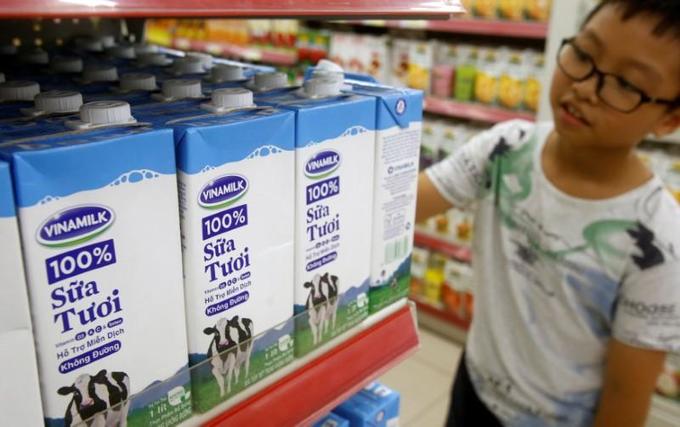
    Vinamilk’s bid to acquire a 49 percent stake in GTN Foods, which owns 51 percent of Moc Chau Milk, has been rejected. The board of GTN Foods passed a resolution turning down the public offer made by Vinamilk, Vietnam’s largest dairy company. It would have increased Vinamilk’s stake in GTNFoods from 2.32 percent to 49 percent.

    The offer was for 116.7 million shares at VND13,000 (56 cents) per share for a total value of VND1.5 trillion ($64.5 million).

    At the meeting March 23, the board was evenly split with three directors each supporting and opposing the Vinamilk bid. But the chairman Ta Van Quyen had the casting vote and he voted against the offer.

    In a report filed to the State Securities Commission, the company explained that Vinamilk is a direct competitor of Moc Chau Milk, one of its main subsidiaries.

    The acquisition and resulting 49 percent stake would have made Vinamilk a principal shareholder. GTN indirectly owns 51 percent of Moc Chau Milk through its subsidiary the Vietnam Livestock Corporation (Vilico).

    Besides, Vinamilk had only registered its public offer but had not written to GTNFoods about the plan, direction or strategy to contribute to the development of the company, it said. “They have not given us sufficient grounds to agree to the public offer.”

    Moc Chau has the biggest dairy farm in the north, and in recent years has been a major revenue earner for GTN.

    Vinamilk has a 58 percent share of the dairy market and Moc Chau, around 2.7 percent, according to international consumer statistics firm Kantar Worldpanel.

    Vietnam’s dairy industry reported revenues of more than VND100 trillion ($4.4 billion) in 2017, with Vinamilk commanding more than a 50 percent market share.

    According to a report by the EU-Vietnam Business Network, the market is expected to double in size by 2020 as the country’s population, personal incomes and dairy consumption increase.

  • Japanese firm eyes stake in ailing Vietnamese bank

    Japanese firm eyes stake in ailing Vietnamese bank

    Japan’s J Trust has expressed interest in acquiring a stake in Vietnam Construction Bank, one of three weakest state-owned banks in the country. Nobiru Adachi, senior managing director and executive officer of finance firm J Trust, told Deputy Prime Minister Vuong Dinh Hue Friday that he wanted to restructure the Vietnam Construction Bank (CB).

    J Trust will also support CB in terms of technology and financial operations, he added.

    Hue responded that J Trust’s proposal was in line with the government’s wish for local or foreign investors to buy weak banks. The government wants to sell CB to an investor to restructure it, he added.

    J Trust should discuss its proposal with the State Bank of Vietnam so that the deal could be presented to the Prime Minister for consideration, he added.

    Hue said last year that the government would allow foreign investors to fully acquire weak banks that it had bought for zero dong. These banks are CB, Oceanbank and Global Petro Commercial Jsc Bank.

    CB, formerly Trust Bank, was acquired by the government in 2015 and was given the new name. By 2017, it managed to recover over VND5.7 trillion ($245.73 million) of its bad debt.

    J Trust engages in commercial banking services, retail financial services and debt collection services throughout Asia. It has experience in assisting struggling financial institutions and has successfully restructured weak banks in South Korea and Indonesia.

    Vietnam has nine wholly-owned foreign banks, four state-owned banks and 31 joint-stock banks.

  • Two execs quit ride-hailing firm Go-Viet

    Two execs quit ride-hailing firm Go-Viet

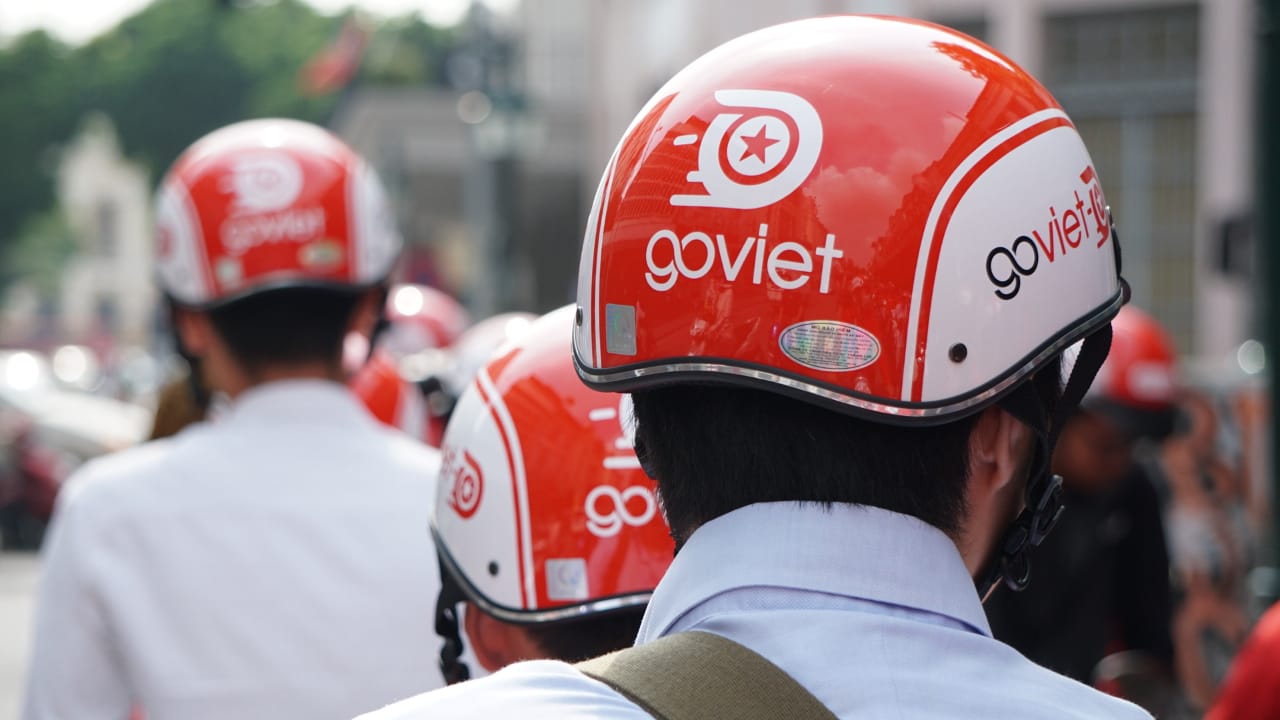
    Go-Viet has confirmed that its general director and deputy general director have quit their positions. General director Nguyen Vu Duc and deputy general director Nguyen Bao Linh have resigned from their positions, the Vietnamese ride-sharing firm announced Friday.

    The two would continue to work as advisors for Go-Viet and its Indonesian counterpart Go-Jek from Vietnam, while the management of Go-Viet’s day-to-day work will be handled by the company’s remaining leaders, it said.

    Phung Tuan Duc, Go-Viet’s managing director, said the company would continue working closely with Duc and Linh to help develop the platform.

    According to Deal Street Asia, the news of Duc and another of Go-Viet’s senior directors resigning was already announced internally earlier this week. The news site also claimed the two had demanded large sums of money in compensation upon resigning, but the company did not comment on this.

    Nguyen Vu Duc graduated from Harvard University, the U.S., with a master’s degree in business administration and worked for nearly a decade at a major bank in Vietnam. In 2014, he helped deploy ride-hailing firm Uber’s services in Vietnam and went on to launch a fintech firm in 2015-2018.

    Duc eventually returned to the ride-sharing market as co-founder and CEO of Go-Viet, which began operations last August. At press meetings, he has said that Go-Viet was a Vietnamese startup with funding and technology support from Go-Jek.

    Duc and Linh’s resignations have come at a time when Go-Viet has been stagnating in all its services – ride-sharing, food delivery and package delivery. Since the start of this month, the company has cut its drivers’ revenue to 20 percent, prompting many drivers to consider switching to another ride-sharing service.

    Meanwhile, its main competitor Grab has been expanding its food delivery service and its cashless payment service GrabPay by Moca, which now has new features allowing users to pay electricity, water and phone bills.

    The Be Group, the latest ride-sharing market entrant in Vietnam, has announced it has recruited over 15,000 drivers in just three months and is planning to expand its presence to 22 provinces and municipalities this year.

  • Vietnam’s Q1 coffee exports down 15.3 percent on-year

    Vietnam’s Q1 coffee exports down 15.3 percent on-year

    Vietnam’s coffee exports in Q1 are expected to fall 15.3 percent from a year earlier to 477,000 tonnes, government data showed Friday.

    Coffee

    Coffee exports from Vietnam will likely fall an estimated 15.3 percent in the first quarter of this year from a year earlier to 477,000 tonnes, equal to 7.95 million 60-kg bags, the General Statistics Office said in a report on Friday.

    Coffee export revenue for Vietnam, the world’s biggest producer of the robusta bean, will likely decline 23.8 percent to $830 million in the three-month period, the report said.

    The country’s coffee shipments in March are estimated at 160,000 tonnes valued at $278 million, it said.

    Rice

    Rice exports in the first quarter from Vietnam were forecast to fall 11.5 percent from a year earlier to 1.31 million tonnes.

    Revenue from rice exports in the period was expected to drop 23.6 percent to $567 million.

    March rice exports from Vietnam, the world’s third-largest shipper of the grain, totalled 600,000 tonnes, worth $256 million.

    Energy

    Vietnam’s first-quarter crude oil exports were seen rising 7.7 percent from the same period last year to an estimated 1.07 million tonnes.

    Crude oil export revenue in January to March is expected to fall 3.5 percent to $507 million.

    Oil product imports in the first quarter were estimated at 2.0 million tonnes, falling 42.6 percent from the same period last year, while the value of product imports fell 47.6 percent to $1.17 billion.

    Vietnam’s January to March liquefied petroleum gas imports were seen falling 7.9 percent from a year earlier to 349,000 tonnes.

  • Visa launches payments security roadmap for Vietnam

    Visa launches payments security roadmap for Vietnam

    It was one of four initiatives the company outlined in the “Future of Security” roadmap it launched. Visa said the roadmap focuses on a number of key initiatives that would enable security to evolve at the same pace as the technologies changing the way of paying.

    Dang Tuyet Dung, Visa’s country manager for Viet Nam and Laos, said: “Securing the commerce eco-system is our highest priority and one we view as a shared responsibility between payment networks, consumers, banks, and the Government.

    “Technology has enabled new innovative ways to pay and be paid, but it has also brought unique risks. To stay ahead of fraud, we need to work together and give security the same attention and investment as we do the innovations driving new e-commerce experiences.”

    The other three initiatives are devaluing data by removing sensitive data from the eco-system, thus making stolen account details useless; protecting data by implementing safeguards to protect personal data as well as account details and harnessing data by identifying potential fraud before it occurs and increase confidence in approving good transactions.

    The release of Visa’s roadmap comes at a time of rapid change for payments in Viet Nam with innovations such as mobile payments set to enhance the payment experience for consumers.

    According to Visa’s study titled Consumer Payment Attitude, security remains a key consideration for consumers across Southeast Asia with 67 per cent concerned about the safety of their personal information when using their mobile phones to make payments.

    Asked specifically about what their top three concerns were, consumers in Viet Nam said losing their phone or having their phone stolen, the phone getting hacked or someone intercepting data and malware or viruses being installed on the phone.

    Visa works with industry stakeholders including financial institutions, merchants, policy makers, law enforcement, and accountholders to secure payments.

    The Visa Future of Security Roadmap is a product of comprehensive consultations and collaboration, making it an authoritative document on Vietnam payments security.

    Visa is delivering roadmaps around the world to ensure the security of the global commerce eco-system and in Viet Nam also working with industry bodies to align security initiatives.

  • Singaporean firm’s taxi joint venture in Vietnam suffers losses

    Singaporean firm’s taxi joint venture in Vietnam suffers losses

    ComfortDelgro Savico Taxi, a joint venture between a Singaporean transport corporation and Vietnamese motor vehicle dealer, lost $103,000 last year. This figure is mentioned in the latest financial statement published this month by local retail, motor vehicle and parts dealer Savico, the Vietnamese joint venture partner. ComfortDelgro Savico Taxi has been in constant trouble in the last few years. After nearly ten years of operation, the joint venture had to restructure and upgrade its fleet to maintain an exploitation rate of 90 percent, which meant heavy investments.

    However, just when it was becoming profitable enough to offset cumulative losses of the previous years, the joint venture met fierce competition from ride-hailing start-ups Grab and Uber.

    Savico decided to close the taxi firm’s operations last March to preserve its capital. At closure time it had 352 cars but only 140 drivers.

    Following the joint venture’s closure, ComfortDelGro’s revenue in Vietnam fell to $3.3 million in 2018 compared to $6.8 million the previous year, down by more than half.

    ComfortDelGro’s Vietnam earnings now account for less than 1 percent of its total revenue. The firm also has business in Singapore, the U.K., Australia, China and Malaysia.

    According to financial statements, ComforDelGro’s non-current asset value in Vietnam has also fallen from $12.8 million in January 2017 to only $4.8 million in 2018.

    Although the Singaporean transport firm’s management did not give a reason for the fall, experts have not ruled out the possibility that it has already liquidated all its long-term assets in the joint venture and is waiting to complete dissolution procedures.

    ComfortDelgro Savico Taxi, formerly known as Tourism Taxi Savico Enterprise, was established in March 2005 as a joint venture between Savico (40 percent) and ComfortDelGro (60 percent) – a leading public passenger transport operator in Singapore.

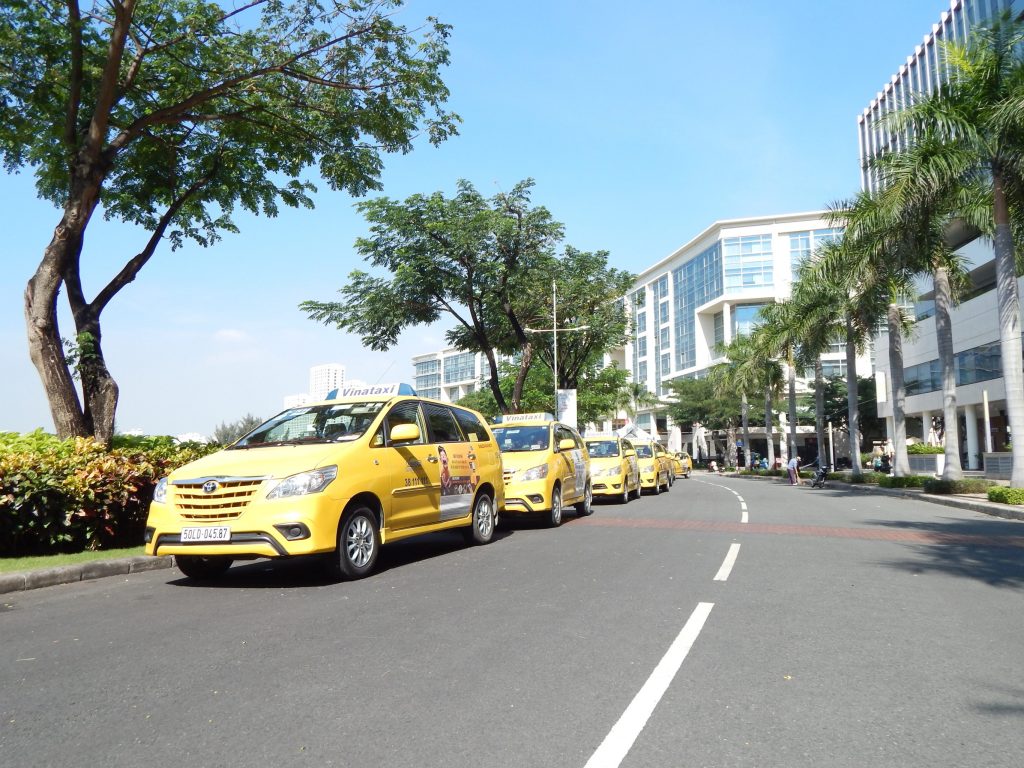
    ComfortDelGro still owns a 70 percent stake in another local taxi firm called VinaTaxi, which takes up the third largest market share in the HCMC taxi market.

    However, last November, its Vietnamese partner, the Transport and Industry Development Investment Corporation (Tracodi), withdrew its 30 percent stake from the joint venture, citing poor business performance.

  • Vietnam’s fashion enters the world market

    Vietnam’s fashion enters the world market

    The aim of both My and Tri was to open shops that sell high-end made-in-Vietnam fashion products in the US.

    “What I am concerned about is whether we can approach a new market after the event. I attended fashion week not just to polish the brand name, which can help boost sales in Vietnam,” My said.

    He has been working with leading music stars to popularize his design brand. In 2017, Rhihana chose a design of Tri in his Em Hoa Collection introduced at Tokyo Fashion Week for a shoot to advertise a shoe brand. Meanwhile, Katy Perry ordered Tri three outfits for her world tour Witness.

    Phuong My, a graduate of the Academy of Art University in California, has appeared in prestigious catwalks and fashion journals. She has stated that her designs target the one percent of ultra-wealthy people.

    My’s products are available in 30 shops in 20 countries, mostly in the Middle East and Asia. Lydia Hearst appeared on Genlux’s cover with My’s design in 2014. Elizabeth DiPrinzio chose My as her designer and Coco Rocha chose My’s products for her working days in Vietnam in March 2017.

    Another Vietnamese designer, Tom Trandt, has gained big success despite his young age.

    Graduating from Parsons The New School for Design and spending five years in New York, he is one of very few young designers who want to ‘tell their own stories’.

    In 2016, Moi-Dien, a clothing brand created by Tom Trandt, debuted and immediately caught attention. Each product sells at VND600,000-2 million.

    Trandt is the only Vietnamese representative out of 16 designers  chosen for the International Fashion Showcase 2019 (IFS) in London.

    Hai Minh, who lived and worked in France, has returned to Vietnam to build the Leinne brand, specializing in bags and hat accessories, with a family-run workshop which has been operating for 20 years. Minh is making hectic preparations to participate in Paris Fashion Week later this year.

    Meanwhile, foreign designers can see bright future for Vietnam’s fashion. Luis Antonio Torres, one of the top luxury designers in Vietnam, said in an interview to the local press that the country could become Southeast Asia’s biggest fashion hub.