Tag: Vietnam

  • Japan’s FamilyMart may limit investment in Vietnam following losses

    Japan’s FamilyMart may limit investment in Vietnam following losses

    ‘We cannot continue to pour in resources,’ its president says of business in the Southeast Asian market. Japan’s second largest convenience store chain FamilyMart plans to stay focused on domestic market as it reported losses in several Southeast Asian economies including Vietnam.

    Koji Takayanagi, the chain president, said the firm is reviewing loss-making businesses in Indonesia, Thailand and Vietnam. “If we can get them to rally we will, but we cannot continue to pour in resources,” as saying Tuesday.

    The Japanese franchise has forecast operating profit to grow by more than twice to 1,000 billion yen ($8.79 billion) in four years from 412 billion yen in the current fiscal year. But as the business is profitable in China and Taiwan, it is not doing well elsewhere.

    FamilyMart came to Vietnam in 2010 and had expected to open 300 stores in collaboration with local distributor Phu Thai Group.

    But the partnership ended in 2013, with the distributor taking over 42 FamilyMart stores and turning them into B’s Mart in collaboration with Thailand’s Beri Jucker Plc.

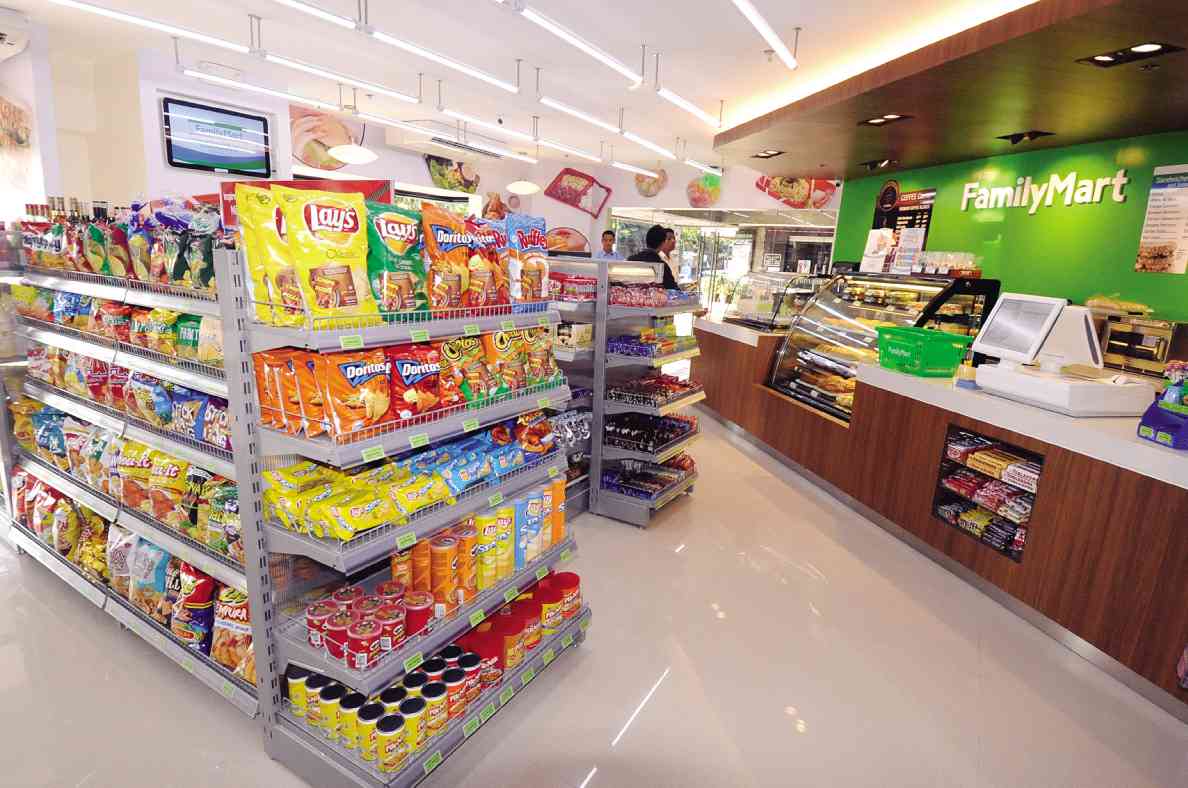
    The brand made a comeback in July 2013 and is now operating 130 stores in Ho Chi Minh City, the nearby resort town of Vung Tau and in Binh Duong Province, aiming to expand to 150 by the end of this year.

    Takayanagi said he finds it easier to achieve results at home, where worsening labor shortage is leaving convenience stores scrambling to find workers. “We know what to do,” he told, adding that the chain is ready to offer items with added value to serve its aging population.

    He also said his company is considering starting a new business with Hong Kong-based investment holding company CITIC Ltd. and Thailand’s largest private conglomerate Charoen Pokphand.

    Details are not revealed, but he said the companies are looking at a range of opportunities beyond convenience stores.

    The chain’s diversion comes as its rival Seven & i Holdings, which owns Japan’s largest convenience store chain 7-Eleven, keeps expanding overseas, most recently in the U.S.

    The first 7-Eleven store will open in Vietnam in February 2018, adding heat to the convenience store boom with entry and expansion from many local and foreign retailers in recent years.

    Vietnam’s retail market is listed in the top five in Southeast Asia and ranked 11th globally in terms of growth rate, based on the A.T. Kearny 2016 Global Retail Development Index.

    Vietnam’s trade ministry has projected the country’s retail market to hit $179 billion by 2020, a jump of 52 percent from last year, with foreign convenience store operators already holding a 70-percent market share.

    The sector has a lot room to grow in Vietnam, where more than half of a population of nearly 92 million are young and the annual average income expected to increase very fast, the ministry said.

  • Festival tourism market now being tapped

    Festival tourism market now being tapped

    Festivals take place throughout the year in different localities, but they are not organized in a professional way to achieve international stature. Meanwhile, tourism sites do not pay appropriate attention to festival tourism, though they can see the number of tourists increases in festival seasons.

    Da Nang, with one of the most beautiful beaches on the planet, is a rendezvous for travelers thanks to the Da Nang International Firework Competition (DIFC).

    However, as Huynh Van Hung, director of the Da Nang City Culture & Sports Department, said, since DIFC is a competition, letting off fireworks is the only activity of the event, while there was no extra activity on the occasion.

    DIFC only lasted two days and is organized once every two years. According to Ngo Quang Vinh, director of the Da Nang Tourism Department, a survey in 2015 found that after a firework competition, the Han Market’s management board reported a twofold increase in revenue.

    Da Nang has changed its approach. Having realized the great potential of festival tourism, the city’s authorities decided to turn DIFC into DIFF (Da Nang International Firework Festival) this year, which lasts from April 30 to June 24.

    As such, Vietnam, for the first time has a festival lasting throughout the summer.

    This is the biggest firework festival in SE Asia with five places for firework performances and a series of associated events, which all have made Da Nang busy throughout the summer.

    Da Nang hopes it would become an attractive destination point for about 2 million travelers in summer thanks to the ‘firework city’ brand.

    Among tourism complexes, Sun World Ba Na Hills can best exploit the potential of festivals to attract travelers. Visitors to the leading resort in Vietnam in any season can enjoy the festive atmosphere.

    In spring, Ba Na is brilliant with the colors of hundreds of flowers in Spring Flower Festival. In summer, the Wine Festival and beer- B’Festival are held. In autumn and winter, visitors will be able to enjoy the Halloween Festival and Christmas season.

    In 2016, the resort received 2 million visitors.

  • Amazon provides ideal channel for Vietnam’s apparel sale in EU

    Amazon provides ideal channel for Vietnam’s apparel sale in EU

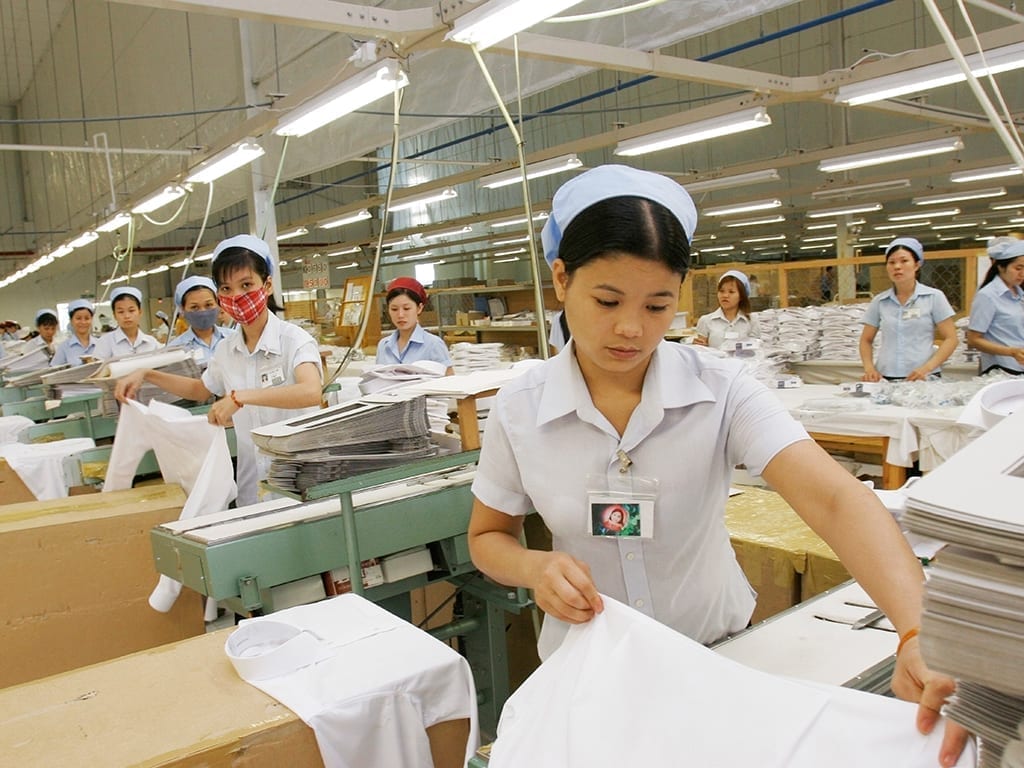
    At the event, held by the Vietnam Textile and Apparel Association, Vietnamese businesses were provided with advice about e-commerce trends via Amazon by experts from Germany’s Vorwarts GmbH company.

    Vorwarts GmbH CEO André M. Åslund cited statistics that up to 76 percent of consumers use mobile phones to shop online, and 50 percent of mobile phone users shop via Amazon.

    He said the quality of Vietnam’s garment products completely satisfies EU consumers. Many enterprises in Vietnam and Asia often sell their products to the EU via intermediaries or outlets. However, they can cut down this intermediary step if products are sold on Amazon, thereby reducing cost and improving Vietnamese apparel’s competitiveness in EU markets.

    Consumers’ behaviours have changed much, he noted, elaborating that instead of being solely based on the prestige, their trust in a product is now based on many other tools such as the product review and description, or other consumers’ assessment.

    Therefore, businesses should pay more attention to quality information provision and product quality so as to increase good assessments. Those evaluations will in turn encourage EU consumers to buy Vietnamese products, Åslund said.

    He also noted some challenges facing businesses when they want to sell goods via Amazon. He asked them to comply with regulations of EU markets and improve product design to meet consumers’ taste.

    Once consumers are satisfied, they will introduce products they bought to others, making Vietnamese goods known more widely, the German expert added.

  • Video ads a menace to brand safety in Vietnam

    Video ads a menace to brand safety in Vietnam

    Regional rankings place Vietnam as the second-most at risk country from harmful content in Southeast Asia. Video advertisements in Vietnam, mostly on YouTube, are a serious threat to brand safety, and the second most dangerous in Southeast Asia after Indonesia, according to global technology and data company Integral Ad Science (IAS).

    Indonesia’s video ads were at the highest risk, with 15.3 percent of ad impressions flagged for appearing alongside content deemed unsafe, while its display ad risk was second highest in the region at 5 percent after Malaysia, citing IAS data on brand risk in the online environment during the second half of 2016.

    Following closely behind Indonesia for video brand safety risks was Vietnam, with 13.2 percent of video ads dubbed as a risk to brand safety, while its display ad risk was relatively low at 4.2 percent, the report said.

    Malaysia’s brand safety risk was the highest for display ads at 6.7 percent, while its brand safety risk for video ads was also relatively high at 7.1 percent.

    Thailand’s online environment posed the lowest threat to brand safety in Southeast Asia, with only 1.6 percent of display and 2.2 percent of video ads appearing on unsafe websites.

    Singapore had the second safest online environment after Thailand, with only 2.7 percent of its display ads and 4.6 percent of its video ads featuring in unsafe environments.

    In February, Vietnam’s Ministry of Information and Communications found more than 8,000 videos containing distorted historical facts about the country on YouTube. These videos featured advertisements for several major Vietnamese brands but the companies in question said they did not control where there ads appeared.

    The government subsequently called on all companies doing business in the country to stop advertising on YouTube, Facebook and other social media until they find a way to halt the publication of “toxic” anti-government information.

    “We withdrew our ads from YouTube as soon as we were being warned by the authorities. We do not want our brands to appear alongside toxic content,” Nguyen Tran Hung Long, senior media manager at Masan Group Corporation, told VnExpress.

    These warnings have reminded businesses to pay more attention to brand safety on the internet, said Vinamilk marketing manager Pham Minh Tien.

    Nearly 49 million people in Vietnam, or more than half of the country’s population, are online. A Nielsen survey released last September found that 92 percent of them watch online videos at least once a week, and 64 percent are daily viewers.

    YouTube and Facebook account for two-thirds of the digital media market share in Vietnam, according to Nguyen Khoa Hong Thanh, operations director at digital marketing agency Isobar Vietnam.

  • 2017 Mekong Beauty Show eyes four emerging markets

    2017 Mekong Beauty Show eyes four emerging markets

    Mekong Beauty Show, which will be held on an area of 10,000 square metres at the Saigon Exhibition and Convention Center (SECC) in District 7, will be an exclusive opportunity to gain exposure, find new partners and set up strategic global alliances in the four emerging Mekong countries: Viet Nam, Cambodia, Laos, and Myanmar.

    According to an IMF forecast, the four countries are expected to have a combined GDP of US$441 billion by 2020. The region is also an emerging market in the consumer beauty and personal care products, with average annual growth of 30 per cent in the last few years.

    The only international business-to-business beauty exhibition in Viet Nam will feature more than 200 exhibitors from Europe, South Korea, Thailand, Singapore, Japan, China, Taiwan, and Viet Nam. The expo will be a comprehensive international business platform for industry players in the entire supply chain covering beauty and cosmetics, hair and nails, herbal and health, and OEM and packaging.

    The Korean beauty industry will be among the most important drivers of the event. South Korea is the leader in the Asian beauty market based on its reputation for quality and safe ingredients and trendsetting marketing and packaging.

    A delegation of 300 brands from South Korea will showcase K-beauty at the exhibition. There will be various interesting onsite activities to explore the international beauty world.

    The expo from June 15 to 17 is expected to attract more than 10,000 trade visitors and 120 VIP buyers.

    K-Beauty trend

    The Korea Health Industry Development Institute (KHIDI) is going to launch its 2017 K-Beauty Global Empowerment Conference in Việt Nam at the Mekong Beauty Show.

    The annual event, which gathers Korean pop stars, top Korean cosmetics brands and others will hold forth on the latest K-beauty trends and analyse Korean beauty stars’ styling.

    “K-Beauty exhibitors have already achieved remarkable success at K-Beauty Expo’s first international foray in Bangkok,” Dominic OH, division director of KINTEX, said.

    “The Mekong Beauty Show will be the best opportunity to showcase the latest K-beauty and global beauty trends to the four Mekong countries.”

    Top South Korean models will perform at the show using the most popular K-beauty make-up styles and also hold onsite fitness sessions.

    Viet Nam Beauty Distributor & Retailer Club

    With support from Saigon Cosmetics Corporation, Medicare, Nielsen Vietnam, Beautystreams and Centdegrés, Mekong Beauty Show is aiming to gather top retailers and distributors and provide them with information and opportunities for co-operation.

    It is important to create a strong community of distributors and retail chains in Viet Nam. Consumers are changing every day and to catch their attention and build brand awareness, all products should focus on the marketing and branding strategy. So the expo plans to bring in Beautystreams, a leading international beauty consultancy and Centdegres, which has great expertise in design, to educate the market.

    The topics on the agenda will include building a collaborative relationship between beauty brands and conventional/online retailers, digital marketing as a key pillar of the marketing campaign, case studies from international beauty retail experience, and the Viet Nam retail market annual report and trends. www.mekongbeautyshow.com

  • SF Express opens branches in Vietnam and Thailand

    SF Express opens branches in Vietnam and Thailand

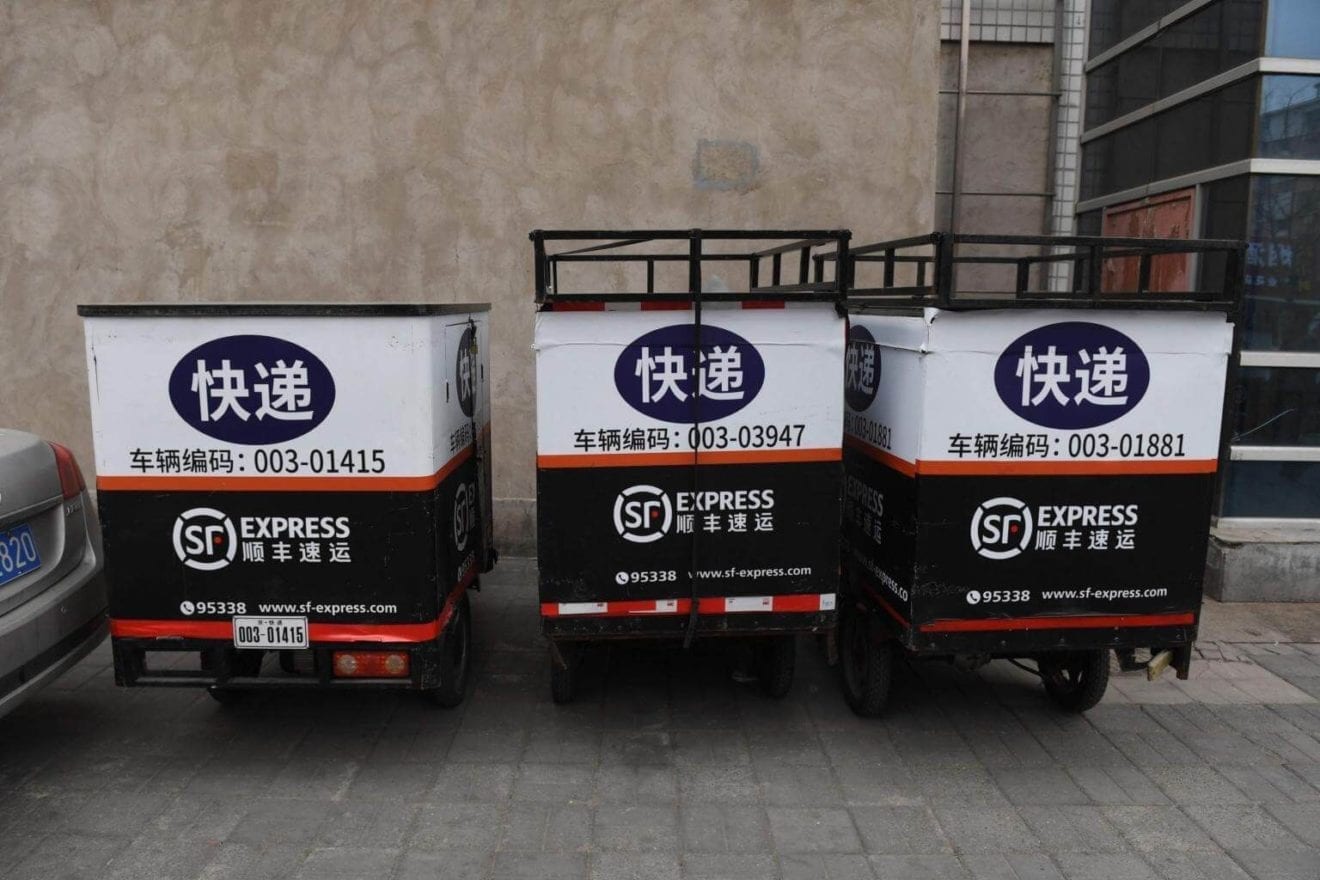
    SF Express, a subsidiary of SF Holdings, a Shenzhen, China-based express delivery firm, recently announced that its service centers in Vietnam and Thailand have formally opened for business, providing export and import express delivery services to local companies and individuals.

    The opening of the two offices are further evidence of the company’s continued efforts to invest in and expand its network in the ASEAN region, on the heels of the opening of service centers in Singapore and Malaysia.

  • Vietnam cuts size limit for apartments to reach low-income buyers

    Vietnam cuts size limit for apartments to reach low-income buyers

    The construction ministry has approved a developer’s request to build 25-square-meter apartments. Vietnam’s Ministry of Construction has given the go-ahead for a real estate developer to build apartments as small as 25 square meters (270 square feet) to attract low-income earners.

    The ministry’s Housing and Real Estate Market Management Department, in a letter issued late last month to a domestic developer, said the firm would be allowed to build 25-square-meter apartments before the ministry sets new national standards for apartment sizes.

    Vietnam’s construction law from July 2015 abolished a previous requirement that set the minimum area for an apartment at 45 square meters, but did not stipulate a new limit.

    In December 2015, a government decree on developing houses for low-income earners came into force and set the minimum area at 25 square meters. Decrees often requires guidance from related ministries before they are implemented.

    Construction businesses and provincial authorities have been seeking permission to build commercial houses of 30-40 square meters to attract individuals, small families and low-income buyers, and the permit has been granted given the huge demand, the construction ministry said.

    Binh Duong Province, an industrial center neighboring Ho Chi Minh City, last year launched 5,000 apartments as part of its housing program for low-income people, and has started construction of another 10,000 units.

    Vietnam currently has 2.2 million people working in industrial parks, but only 20 percent of them have their own homes, according to the construction ministry.

  • Vietnam’s April coffee exports fall to 5-month low

    Vietnam’s April coffee exports fall to 5-month low

    Export volume has fallen on higher prices and thinning demand. Vietnam’s coffee exports fell to 134,800 tons in April, the lowest level in five months, the country’s customs office reported.

    Shipments last month from Vietnam, the world’s largest robusta producer and exporter, fell 28.3 percent from the same month in 2016, the Finance Ministry-run Vietnam Customs said in its monthly report.

    While the export volume was slightly above market expectations, it dropped to its lowest since November 2016, based on government data.

    In the last week of April, Vietnamese coffee prices rose beyond ICE futures prices for the first time since September 2016 due to thin domestic stocks and a fast decline of futures prices, traders said.

    Robusta beans grade 2, 5 percent black and broken stood at premiums of $20-30 a ton to London’s robusta July contract, narrowing from premiums of $45-$50. The futures contract ended down 0.4 percent at $2,020 per ton on Tuesday.

    “(Foreign) trading firms have not bought anew,” a trader at a European firm in Ho Chi Minh City said. “Some foreign companies (in Vietnam) even have such high stocks that they are ready to resell to others for loading.”

    The fall in export volume is a hit to a positive start to the year after March shipments rose to their highest since April 2016, placing the country ahead of top producer Brazil for the second time in a year.

    The global coffee market continues to be well supplied, with exports in the first half of the 2016/17 crop year starting last October rising 4.8 percent from a year ago to 60 million bags, the International Coffee Organization (ICO) said in its April report released on Tuesday.

    The Ho Chi Minh City-based trader said most domestic stocks are currently in the hands of export firms and foreign trading firms that have established warehouses in Vietnam, while farmers in the Central Highlands coffee belt are holding on to an estimated 10 percent of their harvest.

    Vietnam’s 2017/2018 harvest is due to start in October.

    “The supply outlook for 2017-18 seems increasingly positive,” the ICO report said, referring to global coffee production. However, it noted Brazil’s current low stocks, saying its supply could be at risk if the weather turns unfavorable.

  • Vietnam to adopt international financial reporting standards by 2025

    Vietnam to adopt international financial reporting standards by 2025

    Financial statements prepared under the new standards will give investors better insight into how companies perform. Vietnam will join most of the world by adopting the International Financial Reporting Standards (IFRS) by 2025 to improve transparency and boost investment.

    The decision was announced by officials at a seminar in Hanoi late last week.

    Vu Duc Chinh, director of the Accounting and Auditing Policies Department, said Vietnam has its own accounting standards but there are shortcomings and inconsistencies that hinder foreigners from investing in the country.

    Financial statements prepared under the international standards will give investors better insight into how a company actually performs, officials said.

    Globally, over 90 percent of all countries have publicly confirmed adoption or already followed the standards.

    It normally takes quite a long time before a country completes its transition to the new rules.

    “Adopting IFRS in a comprehensive and complete way often takes five to 10 years, depending on financial conditions of each country,” said Chris Fabling, senior financial management specialist at the World Bank.

    Under the current roadmap, the standards will be gradually rolled out and applied by 2020, with listed companies as the first group to be subjected to the rules. By 2025, all companies in the Vietnam will have to follow the new standards.

  • Chanel opens first cosmetic boutique in Vietnam

    Chanel opens first cosmetic boutique in Vietnam

    Chanel has opened its first dedicated cosmetics and perfume boutique in Vietnam.

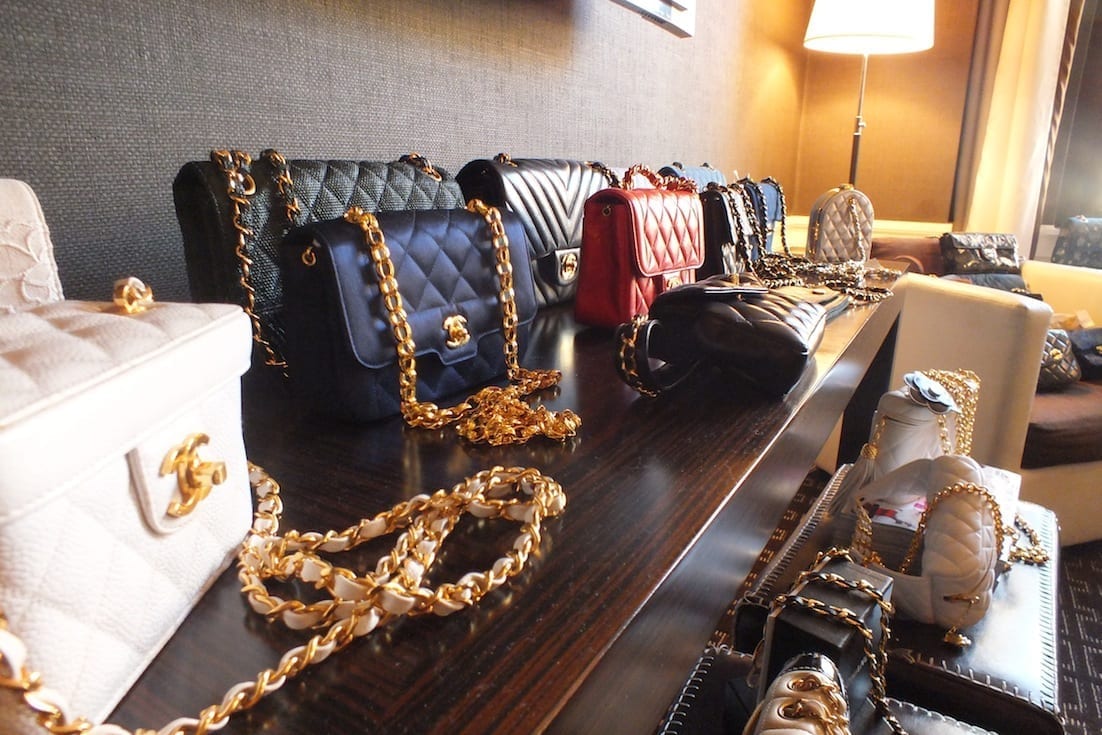
    Opting to debut in Ho Chi Minh City, the new store is located on the ground of the capital’s Saigon Centre shopping mall. Covering 133 square metres, the Chanel shop is designed with a tri-colour theme of black, beige, and burgundy.

    The Vietnamese outlet will sell Chanel’s latest makeup, skincare, and perfume collections – with special emphasis on the ‘Les Exclusifs de Chanel’ perfume collection with 16 scents.

    Local customers are also privy to Chanel’s special skincare service called Sublimage from Chanel beauty team.

    Chanel’s Vietnam cosmetic store opening signals the French fashion house’s continued push in to Asia, a market that is growing.

    In March, Chris Leung joined Chanel as rewards manager, Asia Pacific. Based in Hong Kong, Leung has his five years rewards experience as regional reward manager for Asia Pacific at Oxford University Press.

    According to Euromonitor International, Vietnam’s cosmetics market is vastly made up of imported foreign products, namely from South Korea, Europe and the US, accounting for 90% of the local market.

    A recent report from the Trade Map of ITC (International Trade Centre) and the World Bank showed that Vietnam imported $1.1 billion worth of foreign brand cosmetics in 2016, with the figure expected to double by 2020 to $2.2 billion.

    Perfume topped the list of biggest cosmetics items, accounting for 55% of total imports, followed by makeup products, which account for 21%.

  • Vietnamese developers reveal latest ride-hailing app

    Vietnamese developers reveal latest ride-hailing app

    The new app will work along the same lines as Uber and Grab, but with better understanding of local travel habits, developers said. A locally developed ride-hailing app was unveiled on Friday in Vietnam, giving travelers yet another option in the rapidly expanding market.

    APPP, developed by Vietnam’s University of Transport Technology with funding from German-based investment company Sapa Thale, will work similarly to Uber and Grab but with a better understanding of local travel habits, its developers said.

    Uber and Grab are both popular services in Vietnam and considered major rivals to traditional taxi companies, which have reported losses due to the competition.

    While the other apps estimate the fare of each trip in advance, APPP allows the customer to negotiate the fare with eight drivers before booking, the developers said at the launch.

    The investor expects a door-opening fare of between VND8,000-8,500 ($0.35-0.38) and for fees to range from VND6,000-6,300 per kilometer.

    Sapa Thale said it has submitted an application to license the service with the transport ministry. No timeframe for a commercial launch has been revealed.

  • Vietjet continues to offer “zero-fare” tickets under “Free summer, Fly for free” campaign

    Vietjet continues to offer “zero-fare” tickets under “Free summer, Fly for free” campaign

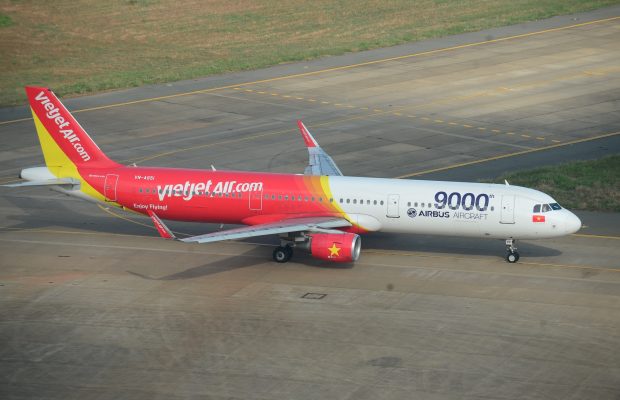
    Vietjet announced the launch of another three-golden-day promotion as the exciting “Free summer, Fly for free” campaign has proven to be very popular among passengers. The campaign offers millions of promotional tickets priced from only HKD 0 within the golden hours 13:00 to 15:00 from May 9 to May 11, 2017 at www.vietjetair.com.

    The promotion applies for all international routes from Ho Chi Minh City to Hong Kong, Seoul (South Korea), Kaohsiung, Taipei, Taichung and Tainan (Taiwan), Singapore, Bangkok (Thailand), Kuala Lumpur (Malaysia) and Yangon (Myanmar); and from Hanoi to Seoul, Busan, Taipei, Bangkok, Singapore and Siem Reap (Cambodia) with travel time being within August 1, 2017 and December 31, 2017 (except public holidays). The “Free summer, Fly for FREE” campaign is being held from April 25 to June 15, 2017 and in celebration of the opening of the new Hanoi to Singapore and Siem Riep routes, a three-golden-day promotion was offered earlier.

    Especially, from now to June 4, 2017, participants of “Free summer – Fly for Free” game at www.freesummer.vietjetair.com will have the chances of winning a weekly award of 5 free return flights, each flight with 5 free tickets for a five-person group and a grand award of a free package tour to an optional destination.

    Also, all customers successfully booking tickets with instant payment within the golden hours from now to June 15, 2017 will also have the chances to join the lucky draw for the gifts of mobile phone’s top-up cards and air ticket promotion codes (*) at www.summerwin.vietjetair.com. Besides, the summer campaign will launch a series of activations including interactive games, amazing performances by Vietnamese and international celebrities, “Vietjet Bikini” challenge at some domestic airports and onboard Vietjet flights, which are expected to “heat up” the coming summer.

    With its high-quality services, special low-fare tickets and diverse ticket classes, Vietjet offers its passengers enjoyable flights with dynamic and friendly flight crew, comfy seats, amazing hot meals and special surprises from the airline’s inflight activities.

  • Vietnam’s life insurance market faces challenges

    Vietnam’s life insurance market faces challenges

    Twenty-four-year-old Ms. Trinh Van Anh, the manager of an international school in Hanoi, does not have a life insurance policy and hasn’t thought about getting one, even though her monthly salary of $1,000 is higher than most of her peers.

    “No one recommends I take out a policy,” she said. “No one knows what life insurance covers, what it gives the policyholder, or what the benefits are.”

    Like Ms. Anh, many other Vietnamese people remain confused about what life insurance can actually bring.

    Even though premiums in Vietnam are on track for yet another record year, the gains are coming from a very low base and foreign insurers have yet to truly crack the market despite dominating.

    It should take only a few more years, though, for them to make more substantial headway.

    Foreign insurers’ playground

    2016 continued to see robust growth in Vietnam’s insurance market, with the life insurance segment reaching a ten-year high.

    Insurance premiums totaled around VND86.6 trillion ($3.8 billion), representing an increase of 22.74 per cent against 2015.

    Total revenue in life insurance was over VND49.2 trillion ($2.2 billion), an increase of 30.5 per cent, while revenue in non-life insurance was VND36.4 trillion ($1.6 billion), up nearly 12.5 per cent, according to data from the Insurance Supervisory Authority (ISA) under the Ministry of Finance (MoF).

    Eighteen life insurers are competing fiercely in the market. Eight of the 18 increased their charter capital in 2016 to improve financial capacity during expansion and business development.

    Manulife Vietnam, for example, raised its charter capital to VND1.82 trillion ($80 million), while Chubb Life Vietnam increased its by VND150 billion ($6.5 million) to more than VND1.55 trillion ($69.5 million).

    According to an assessment from Vietnam Report, among the five largest life insurers, which hold 86 per cent of the market share, are four foreign companies and only one domestic company, Bao Viet Life, which has a foreign strategic shareholder, Sumitomo Life from Japan.

    Prudential Vietnam leads the life insurance market with a share of 29.9 per cent, followed by Bao Viet Life with 25.7 per cent, Manulife 12.1 per cent, AIA Vietnam 9.2 per cent, Dai-ichi Vietnam 9.1 per cent, Chubb Life Vietnam 4.4 per cent, and PVI Sun Life 2.3 per cent.

    The remainder share 7 per cent. The five largest life insurers are believed to have posted premium revenue of VND5.8 trillion ($254.7 million) in the opening two months of this year, an increase of 30 per cent year-on-year and accounting for 80 per cent of all revenue, according to the ISA.

    Due to market regulations, it is impossible to compete in Vietnam’s life insurance market solely by premiums.

    All products are subject to close scrutiny from the MoF before being launched and premium levels are set.

    There is no way to cut premiums to attract buyers, and players must instead compete in service quality or the provision of value-added packages.

    All life insurers have headquarters in Hanoi in the north and Ho Chi Minh City in the south, with most also having branches and representative offices in major cities and provinces.

    Dai-ichi has 53 branches and representative offices, Manulife Vietnam 22, Prudential Vietnam 21, and AIA 14.

    Bao Viet Life remains the only player to cover all 63 cities and provinces in the country. Most companies over the last ten to 15 years started with agencies and this represents about 90 to 95 per cent of the industry in Vietnam today, with ISA’s figures showing there are currently some 1,000 representative offices and general insurance agencies of life insurers nationwide.

    Besides traditional sales methods, life insurers have also started partnering with commercial banks to increase sales and promote products.

    The sluggishness in the bancassurance market in Vietnam over the last few years can be attributed to a lack of service and low awareness among customers about the benefits of bancassurance products, with it only contributing 2 per cent to total turnover.

    Still, analysts believe that the channel holds great potential, with some 35 commercial banks and financial institutions now cooperating with insurers.

    Impediments remain

    “The penetration rate of life insurance, usually measured as the number of individuals who actually own life insurance, is still low in Vietnam relative to other Southeast Asian countries,” Mr. Steve Clark, Country Head of Prudential Vietnam, told VET.

    Average insurance premiums stand at only $30 in Vietnam, much lower than the global average of $595 and $74 in Southeast Asia.

    Only 7 per cent of Vietnam’s 90+ million people have life insurance and the sector contributes a modest 2 per cent to GDP, compared with more than 2.6 per cent in Indonesia and 11-14 per cent in South Korea and Singapore.

    The obstacles are many. According to Mr. Phung Quoc Khanh, Director of the ISA, awareness among Vietnamese people about life insurance may have increased but most still don’t think it’s worth it.

    Almost all Vietnamese people are wary or believe it unnecessary to buy insurance because they don’t have a thorough understanding of its importance.

    Life insurance products usually involve a long contract term, so many customers are concerned about their ongoing financial capacity.

    At the same time, doubts about foreign life insurers’ commitment to permanent operations in Vietnam add to the low penetration rate.

    Many potential Vietnamese consumers still see insurance as an investment rather than a device to share financial losses caused by poor fortune.

    They prefer bank savings or investing in gold or real estate, where they earn a higher rate of return, than buying insurance.

    The low penetration rate also comes from the fact that life insurers have only focused their operations in big cities while overlooking the 70 per cent of the population that still live in rural areas.

    They are also still separating themselves from the general activities of the sector, missing out on promotional opportunities and not playing a role in trying to increase awareness.

    “Life insurers have only focused on building their brand and image and not on activities to promote basic insurance knowledge,” Mr. Khanh said.

    While life insurers focus on implementing their own strategies to gain more market share and sign up more customers, their ambitious plans may fail due to problems relating to human resources.

    The rising number of insurance companies in recent years along with a lack of quality insurance training has created a serious shortage of skilled human resources for the sector.

    This has led to unfair competition in attracting experienced employees and insurance agents, one insider said.

    While acknowledging the increasing number of life insurance products, Mr. Khanh believes that these are mainly for high-income earners.

    Lower premiums to mid and low-income earners are yet to be introduced, even though they are the majority of the population and are vulnerable to financial incidents.

    Potential enormous

    The penetration rate may well change soon, however.

    An emerging middle class with more money to spend and a desire to spend that money to improve their lifestyles are driving a lot of activity in Vietnam.

    The young middle class and rising wages all round are creating demand for consumer products, credit, and investment.

    Soon enough, they will turn to life insurance products, with health now being one of the leading concerns among Vietnamese people, according to a February report released by global market researchers Nielsen.

    According to the ISA, life insurers have mainly focused on three of the seven life insurance products in Vietnam: term life insurance, endowment insurance, and universal life insurance.

    This again presents opportunities for others in unit linked and pension insurance products, which can meet the differing requirements of customers.

    With Vietnam’s stock market now being increasingly stable, the possibility exists for the creation of hybrid products, using an asset-based approach to funding long-term care.

    With Vietnam now participating in a host of free trade agreements (FTAs) and bilateral agreements, demand for life insurance is set to be boosted by the growing number of expats in the country.

    The arrival of foreign firms seeking to take advantage of preferential policies is also expected to boost demand for goods and services related to property, social security, and health coverage, among others, generating knock-on opportunities for insurers.

    A strengthened economy and new innovations from continued FDI should also impact positively on household confidence and future demand for insurance products, according to Mr. Phung Dac Loc, former Secretary General of Vietnam Insurance Association  (AVI).

    In a move to facilitate the growth of the insurance sector in general and life insurance in particular, Decree No.73 came into force on July 1, 2016, prescribing new regulations on the licensing, organization, and operations of financial institutions, with specific regulations on investment portfolios and ratio and reserves.

    This requires that life insurers consider investment strategies to ensure customer benefits together with risk management and liquidation, which hint at greater competitiveness.

    Key regional players already eye Vietnam as a potential avenue for growth.

    The Hong Kong-based FWD Group, for example, which has operations in Macau, Thailand, Indonesia and the Philippines, broke into Vietnam in November last year.

    South Korea’s Samsung has also expressed an interest in expanding its footprint in the life segment. Last September, General Director of Samsung Vietnam Mr. Han Myoung Sup told the Ministry of Information and Communications that two local units, Samsung Life Insurance and Samsung Fire and Marine Insurance, were currently exploring investment plans.

    Mr. Wilfred Blackburn, CEO of Prudential Vietnam, believes that Vietnam’s life insurance market is far from saturated. In fact, he believes there is still time for new companies to enter the country.

    “The life insurance market wants new players that are able to grow and bring a fresh approach to the industry,” he said.

    “This also requires that current players be more dynamic and innovative to expand the scope of the market.”
  • Vietnam fruit exports have to meet high standards in foreign markets

    Vietnam fruit exports have to meet high standards in foreign markets

    Vietnam is well known for its tropical fruits, but it has to meet many strict requirements by importing countries in order to export its fruit. GDC said Vietnam’s fruit export turnover in 2016 reached $2.46 billion, a sharp increase of 33.6 percent compared to 2015. Turnover has been increasing in the last three years: by 28.4 percent in 2014 and 23.7 percent in 2015.

    China remains the biggest market for Vietnam with exports increasing by 45.8 percent to $1.74 billion.

    China bought 70.4 percent of Vietnam’s fruit exports, while the US only consumed 3.4 percent, Japan 3.1 percent and South Korea 3.6 percent.

    However, in order to obtain the modest figure of 3 percent, Vietnam had to go through some hardships because the markets are all choosy.

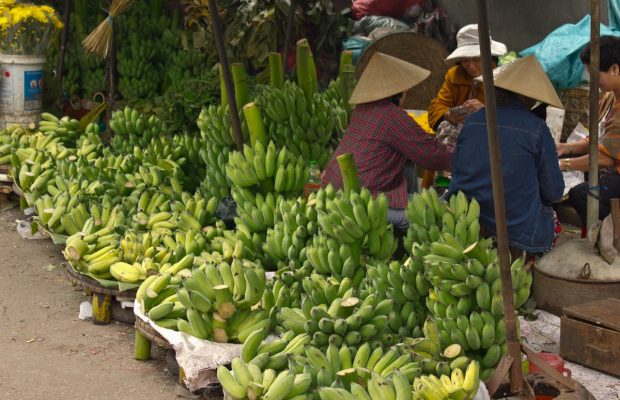
    As for the Japanese market, for example, only some kinds of fruits, such as bananas, mango and dragon fruit, can be exported to the country as they have met the requirements set in Japan’s plant quarantine law.

    Vietnam’s Ministries of Industry & Trade (MOIT) and Agriculture & Rural Development (MARD) had to spend many years to persuade the Japanese side to remove the technical barriers against certain kinds of fruits.

    The company owned by Vo Quan Huy became the first Vietnamese enterprise selling Fohla brand bananas to Japan. About 2-3 containers of bananas are exported to the Japanese market each week.

    Huy said that before signing the contract on buying bananas, the Japanese side sent staff to his banana farms to take soil, water and air samples to bring to Japan for testing 230 physiological and biochemical indicators.

    The aim was to make bananas safe, clean and delicious, with no heavy metal residue, no bacteria, no pesticide residue and no growth stimulus.

    Australia is another fastidious market. It sets high requirements on farm produce imports, especially requirements on radiation that not many Vietnamese companies can satisfy.

    To date, only two kinds of fresh fruits have licenses to enter the Australian market – litchis (received in 2015) and mango (2016).

    A senior executive of a fruit export company said there is always an American expert from FDA in charge of checking fruit samples before putting fruit into radiation.

    If the expert discovers soil or insects on fruits, the whole consignment will be refused. The company once had one consignment of rambutan rejected.

  • Vietnam looks for shrimp farming to save the Mekong Delta

    Vietnam looks for shrimp farming to save the Mekong Delta

    About 700 000 hectares of rice and other agriculture crops in Vietnam were destroyed by climate-induced natural disasters in 2016, reports the Ministry of Agriculture and Rural Development.

    Consequently, rice production, which was hit the hardest, fell by some 800,000 tons, which has forced the Ministry to fast track implementation of remedial climate change adaption measures.

    Under one initiative, rice cultivation in several Mekong Delta provinces has been converted to growing fruit trees and grapes that require less water yet provide suitable alternative sources of income for farmers.

    Vietnam is the third largest exporter of rice, behind India and Thailand. Nicknamed the ‘rice bowl’, the Mekong Delta region comprises 12% of the arable land of the country and is responsible for nearly 50% of the rice production.

    This past paddy season, the culprit was salt water intruding upstream from the coast, said Mekong wetlands ecologist Nguyen Huu Thien.

    In turn, he places the blame squarely on dams that have been constructed at locations in Laos and Cambodia that are blocking the free flow of water and sediment, which allows for saltwater to make its way in the opposite direction the waters of the river naturally flow.

    Last year, a severe drought in much of Southeast Asia compounded the problem.

    In May, the Vietnam government observed the Mekong River at its lowest level since 1926, but eventually successfully convinced China to release water from its upstream dams, which helped to alleviate some of the problem.

    The Ministry has also helped other farmers migrate elsewhere in the country where they can earn a living and, as part of their main initiative, assisted many rice farmers to experiment with saltwater shrimp farms in lieu of growing rice.

    The Mekong Delta is gradually losing the capacity to support the populace, say Ministry spokespersons and it will fall apart if a corrective action plan isn’t put in place to address the fundamental problems post haste.

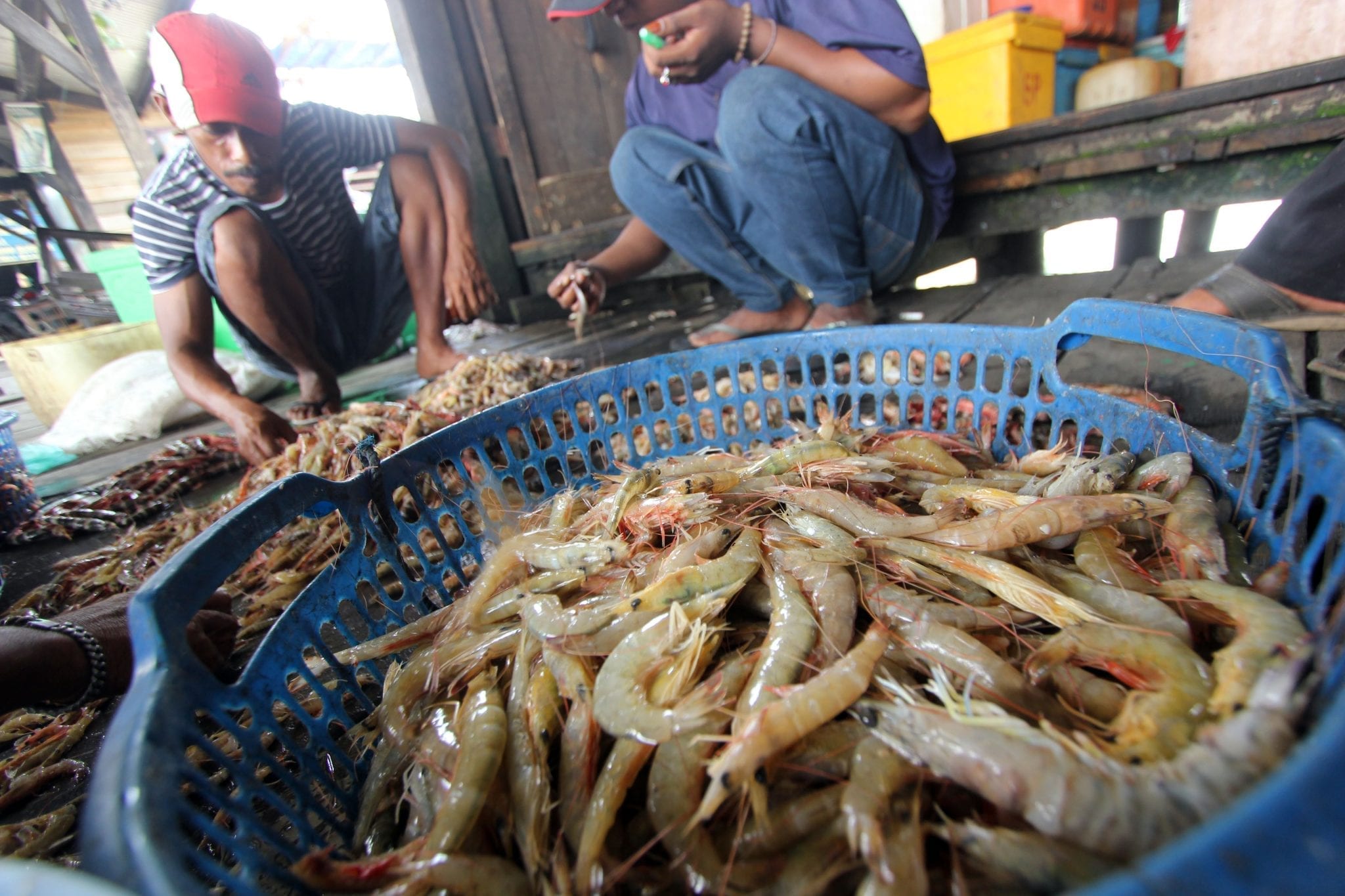
    Shrimp farming appears to be the best alternative but even the farming of shrimp, a salt-tolerant creature, can be challenged by excessively salty conditions.

    However, Ministry spokespersons say some of the challenges facing shrimp farming in the Mekong are being addressed by using a three-pond shrimp and fish farming strategy, in which one pond holds fresh water that is used to dilute water in the other two ponds when they become too salty.

    Research is also underway to find the most suitable commercial shrimp species to raise and to identify synergies in the processes that may benefit shrimp production in the Mekong Delta.

    Many Vietnamese and global organizations, say Ministry spokespersons, are supporting these efforts and others intended to help sustain food production in the Mekong.

    Shrimp farming seems to be a win-win situation for all involved. The farmer in the Mekong can earn more money with it than rice and the consumer in the main importing regions of the EU, US and Japan, can eat healthier shrimp.

    Shrimp farms can also play a role in ensuring the future of the Mekong Delta. Even when the saltwater rises.