Tag: Vietnam

  • Vietnam Motorcycle Show 2017 opens in HCM City

    Vietnam Motorcycle Show 2017 opens in HCM City

    The exhibition, the second edition, is being held with numerous challenges facing domestic manufacturers and importers.

    A wide range of models from commercial and sport bikes to motors were showcased at the exhibition.

    A number of activities were also held during the event, including driving games and a freestyle motorcross performance by Japanese athletes, funded by Yamaha.

    The event also gathered 55 trademarks of support industries and spare part providers as well as relevant industries, including foreign brands including Motul, Michelin, Caltex, Total, Nissin and Quik Fix.

    The exhibition is open until May 7.

    According to the Vietnam Association of Motorcycle Manufacturers, last year, automatic motorcycles accounted for 45 percent of total sales.

    Vietnam’s motorcycle market is expected to continue growing in 2017, the association added.

  • Viettel plans to expand to Indonesia, Nigeria

    Viettel plans to expand to Indonesia, Nigeria

    Vietnam’s Viettel is reportedly eyeing a foray into Indonesia and Nigeria as part of its international expansion drive.

    The military-run operator’s Viettel Global subsidiary is planning to enter the two markets due to their large populations.

    As of June last year, Indonesia had a population of 258 million while Nigeria had a population of 187 million. Viettel expects that this large addressable market will help establish the conditions that would allow it to expand to other markets in the future.

    Viettel Global had a combined 24 million subscribers in nine overseas markets – Laos, Cambodia, East Timor, Cameroon, Haiti, Mozambique, Burundi, Peru, and Tanzania. The company reported revenue of $1.04 billion last year and is targeting $1.3 billion in revenue this year.

    Viettel is also moving to enter the Myanmar market, having won the tender to be the 49%-owned partner to a consortium of local ICT companies that will become the market’s fourth operator.

    But the company is facing tough competition in Africa from rivals such as Orange, MTN, Movistar, Claro, Digicel, and Axiata.

  • The KAfe, Coffee Inn died young, but milk-tea chains thriving

    The KAfe, Coffee Inn died young, but milk-tea chains thriving

    The KAfe, Coffee Inn and Saigon Café recently shut down, following the closure of big foreign chains Gloria Jean’s and NYDC in recent months.

    Discouraged by the departure of such chains, many investors have postponed their plans to open new shops.

    Meanwhile, more and more milk tea chains have been established, especially in the north and in Hanoi. This has been a surprise to analysts, as the north is a conservative market where people prefer coffee to sweet drinks like milk tea.

    It is estimated that 170 milk tea brands have appeared in the market so far this year, both privately branded and franchised ones.

    Unlike the ‘milk tea waves’ in previous years, this year witnesses the mushrooming of  milk tea shops in non-Hanoi provinces, especially in Bac Ninh, Hai Phong, Quang Ninh and Phu Tho.

    In Bac Ninh alone, 30 milk tea brands turned up in the market in March and April with hundreds of shops, both small kiosks to larger shops (15-20 tables).

    Ding Tea is the best known brand with 100 sale points, followed by Toco Toco with 50 shops. Other brands have been present in the market for a long time, such as Chatime, ChaGo and ChaChaGo.

    Other milk tea chains, franchised ones, such as Bobapop, Citea Fund and Blackball, have been expanding rapidly in the capital city. GongCha and TraTien Huong originated from HCMC, and have also landed in Hanoi.

    Amy Truong, the owner of Toco Toco, said milk tea is suitable to different groups of consumers, from youth to office workers.

    Two brands, which have just appeared, have been developing at a fast pace – Goky and Mr.Good Tea. Goky has more than 100 shops after five months of operation, while it plans to open six more shops in May.

    Meanwhile, Mr. Good Tea has more than 20 sale points after half a year of making its debut, not only in Hanoi, but in many other northern provinces.

    Analysts said there were two reasons that had made milk tea become the favorite investment field.

    First, investors don’t have to spend too much money on shop decoration, setup, staff and formula. Second, milk tea is said to bring big profits. Sources said VND2,000 worth of tea powder is used in a glass of milk tea priced at VND20,000.

    “It seems that it is now easiest to sell milk tea,” the CEO of a beverage chain said. However, he warned that those who want to jump into the market will have to compete with dozens of existing brands.

  • Vietjet launches new routes in service extension program

    Vietjet launches new routes in service extension program

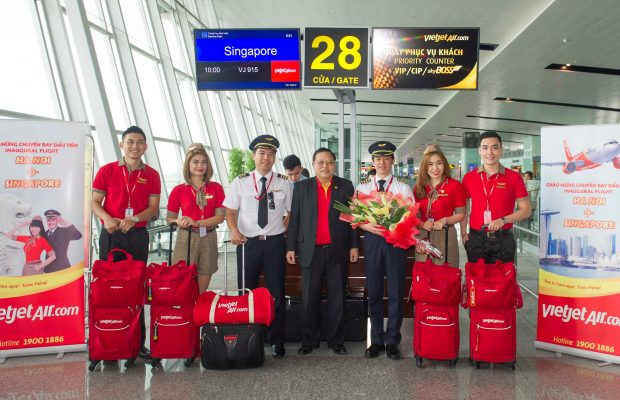
    Vietjet has just launched two new routes on both the international and domestic fronts in its continued service extension program. The new routes are expected to meet the increasing travel demand of individuals, travelers and businessmen, looking to boost trade and integration in the region. At the Changi Airport in Singapore on April 27, 2017, Vietjet celebrated the inaugural of the Singapore-Hanoi route amid fanfare with an exciting flash-mob dance. The ceremony was witnessed by leaders from the new-age carrier and the airport. The first passengers were also presented with gifts from the Vietjet crew. The Hanoi-Singapore flight is operated with 2 hours 55 minutes per leg. The flight from Hanoi takes off at 10:00 (local time) and arrives in Singapore at 13:55 (local time). The return flight departs at 14:55 (local time) and lands in Hanoi at 16:50 (local time). The new route’s tickets are now available for booking within the golden hours from 13:00 to 15:00 at www.vietjetair.com (also compatible with smartphones at https://m.vietjetair.com) or at https://www.facebook.com/VietjetHongKong. Payment can be easily made with debit and credit cards of Visa, MasterCard, JCB, KCP and American Express.

    Singapore is one of the world’s major finance and trade centers. The island-country, also known as Singapura – the lion city, attracts visitors thanks to not only its crowded streets and modern traffic system but also its unique cuisine and diversified cultures. There is a series of entertainment destinations in Singapore such as Universal Studios, Wild Wild Wet, Merlion, Esplanade, Orchard Road and Vivo City, which makes the island a dream land for travellers.

    On the domestic front, Vietjet announced the launch of its route from Hanoi to the capital city of Quang Bing Province, Dong Hoi on June 1, 2017. With tickets priced at VDN99,000 (HKD34), the Hanoi-Dong Hoi flight is operated daily with a flight time of one hour per leg. The flight from Hanoi takes off at 0640 and arrives at 0735 (local time). The return flight departs at 0805 and lands in Hanoi at 0900 (local time).

    There is a series of tourist attractions at Quang Binh’s Phong Nha – Ke Bang national park, which attracts more and more visitors and is also one of the main filming destinations for Hollywood blockbuster “Kong: Skull Islands”. Many tourists have been mesmerized by its magnificent sceneries and well-known sites such as Hang Tien, Cha Noi valley, Hang Chuot, Tu Lan caves, and Son Doong cave. Hanoi is also a must-see destination for tourists thanks to its thousand years of culture and history.

    With its high-quality services, special low-fare tickets and diverse ticket classes, Vietjet offers its passengers enjoyable flights with dynamic and friendly flight crew, comfy seats, amazing hot meals and special surprises from the airline’s inflight activities.

  • Private hospitals struggle to stay open in Vietnam

    Private hospitals struggle to stay open in Vietnam

    Many private hospitals in HCM City are on the verge of shutting down as most average patients prefer cheaper prices at public hospitals. Diep Van Phat, chairman of the International Phuc An Khang Hospital (Ipak), ordered employees to stop receiving patients as the hospital will shut down on April 28.

    Ipak Hospital was converted into a modern hospital from five blocks apartment buildings with an investment of VND2.5trn (USD109m).

    It was hoped that Ipak could reduce the overload at several hospitals in District 2, District 9 and Thu Duc District and some patients from Dong Nai Province.

    However, hundreds of doctors and nurses haven’t received their wages for February and March as the hospital lacks patients.

    Two firms have been invited to invest in Ipak but nothing has progressed. The hospital has incurred VND60bn (USD2.6m) in debt.

    About 4,000 patients who have just registered their health insurance here will be transferred to other hospitals and 50% of the employees have no idea where to go to after the hospital is closed.

    The 72-story Phu Tho Hospital in Tan Phu District was closed several years ago after being put into operation for only six years.

    Debts to the employees and shareholders haven’t been settled.

    The hospital is being offered at VND390bn (USD17m) but hasn’t attracted any buyer.

    No one believes the hospital can thrive and the price is deemed too high for a regular real estate investment.

    City International Hospital in Binh Tan District is also struggling. It was opened in 2014 with an investment of USD80m.

    But now they have to cover USD1m in losses every month.

    Tran Thi Lam, chairman of Hoa Lam Corporation, the hospital’s investor, hopes that the city authorities and the Ministry of Health will support them with more access to funds and co-operation with public hospitals.

    Many private hospitals in Vietnam don’t participate in primary health care activities so patients can’t use their health insurance there and eventually are put off by private hospitals.

    Meanwhile, the people with health insurance in public hospitals are complaining about the treatment difference.

    Experts have also complained about private companies being hired to supply equipment in many public hospitals and can earn huge commission fees.

    Some tests, operations and health check-ups in public hospitals actually have higher fees than in private hospitals.

    It’s clear that with better equipment, the patients will be first to enjoy the benefits but it’s also creating a disparity as patients who don’t use health insurance are offered better customer services.

    61-year-old Nguyen Van Tuan said he felt self-pity sometimes. “I wait from morning until noon to have my name called and the health check-up is sloppy. People with money are guided by the hospital employees to the designated rooms and taken care of. The process is much quicker too,” he said.

    Dr Le Van Toan who retired from a local public hospital to opened a private clinic said it’s like there was a “private hospital” inside the public hospital where patients were treated like gods.

    But everywhere else is overcrowded and patients sleep or eat out in the hallways.

  • Korean banks expand in Vietnam

    Korean banks expand in Vietnam

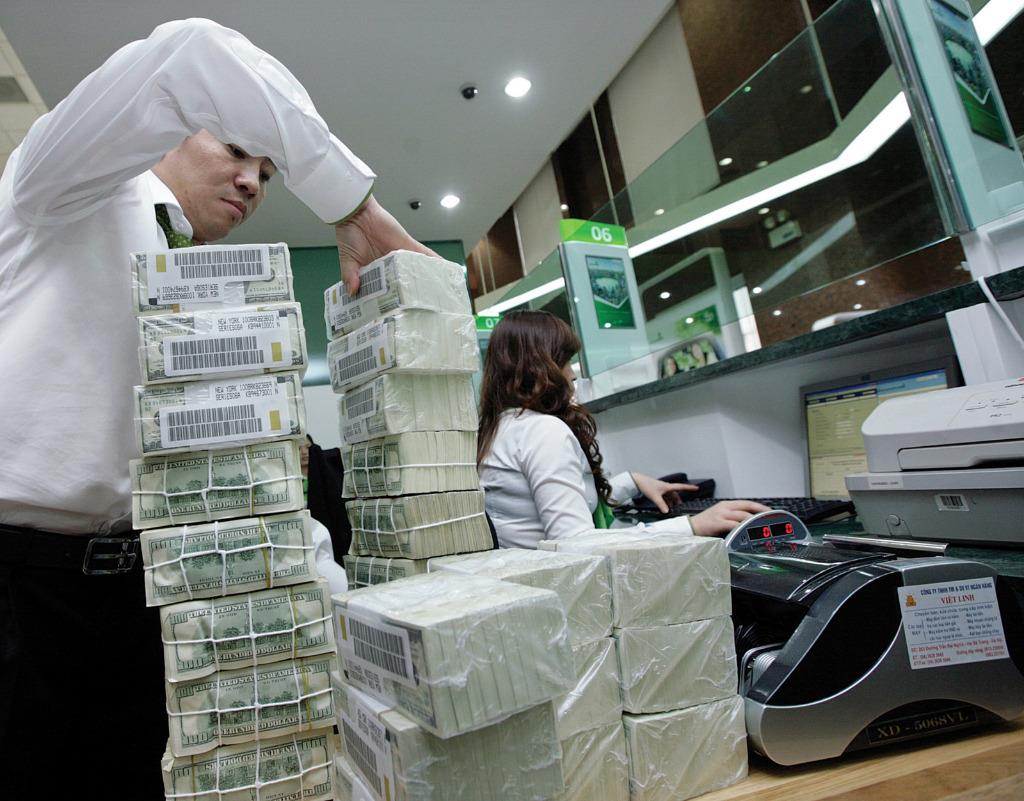
    Following Shinhan Vietnam’s successful acquisition of ANZ Vietnam’s retail business, fellow Korean banks have also expanded their sizes and market share in Vietnam, seizing the lead in the foreign bank race on the Vietnamese market.

    Shinhan getting stronger

    Shinhan’s takeover of ANZ Vietnam’s retail arm has made its competitors worry, as Shinhan seems to get closer to becoming the champion of foreign banks in Vietnam, especially as the growth rate of the current leader HSBC Vietnam has been wildly fluctuating over the last five years.

    Despite a relatively low chartered capital of only VND4.547 trillion (US$200 million) and being less active than HSBC Vietnam—the number one foreign bank in Vietnam in terms of chartered capital, total assets, and profit, in 2016 Shinhan Vietnam’s profit exceeded VND1 trillion (US$44 million).

    This amount far outstripped numerous, similar-sized domestic banks and all foreign banks in Vietnam. Shinhan Vietnam’s profit was lower than HSBC Vietnam’s only.

    According to the acquisition agreement with ANZ, Shinhan Vietnam will have eight ANZ’s branches and transaction offices in Hanoi and Ho Chi Minh City, carrying on the entirety of the ANZ retail banking staff and 125,000 individual clients in Vietnam, as well as AUD1.1 billion (US$824 million) in outstanding loans and deposits.

    With 20 years of experience on the Vietnamese market and the takeover of ANZ’s retail business, Shinhan Vietnam’s position is getting steadier.

    At present, Shinhan Vietnam has a large number of corporate clients, primarily made up of Korean investors in Vietnam.

    Before the agreement with ANZ, Shinhan Vietnam had been continuously expanding its network. At the middle of April 2017, the State Bank of Vietnam permitted it to open a representative office and four branches and transaction offices in Hanoi and Ho Chi Minh City.

    Korean banks make foray into Vietnam

    Following Shinhan Bank, many other Korean banks are increasing their influence in the Vietnamese market. This expansion is easy to understand, as Korea is the biggest foreign investor in Vietnam.

    Currently, two of the eight 100% foreign-owned banks in Vietnam are from Korea (Shinhan and Woori Bank). Besides, many big Korean banks are starting to join the Vietnamese market by establishing branches or representative offices.

    These include Kexim, KEB Hana, Industrial Bank of Korea, Kookmin, Busan, and Nonghyup.

    In terms of size and market share, Shinhan and Woori Bank are in the lead among all foreign banks in Vietnam. They are formidable competition even to well-established Vietnamese banks.

    By providing good services and competitive interest rates, Korean banks are luring away a large number of clients from domestic banks.

    For instance, in Shinhan Vietnam, the outstanding loan balance of Vietnamese corporate clients accounts for at least 50% of its total corporate credit.

    In addition, Shinhan’s interest rates for home loans, car loans and consumer loans are lower than in many domestic banks. This has attracted a huge number of individual clients, especially from the middle and high income bracket.

    Besides Shinhan, newbie Woori also plans to deploy plenty of retail products in Vietnam in the course of 2017, such as cards, unsecured loans, and mortgages.

    Abundant capital, modern technology inherited from parent banks, knowledge of the Vietnamese market, and the huge number of corporate clients make up the rare advantages for Korean banks to successfully join the Vietnamese retail market, likely making domestic and other foreign banks worry.


  • Co-working spaces taking off in Vietnam

    Co-working spaces taking off in Vietnam

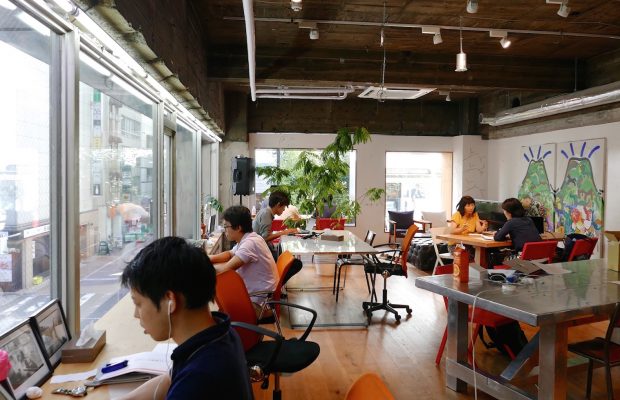
    Co-working spaces remain in the initial stages of development in Vietnam and are concentrated primarily in major cities like Hanoi and Ho Chi Minh City.  Hanoi now has around 14 co-working projects providing more than 7,000 sq m while HCMC has around ten projects with nearly 7,500 sq m for lease, according to the latest report from Cushman & Wakefield (C&W), a leading global real estate services firm.

    The most common sizes are from 300 sq m to 800 sq m and they tend to be located in the CBD or CBD-fringe districts or in new urban areas like the west of Hanoi or in Ho Chi Minh City’s District 2.

    “Globally, we are seeing demand growing at 10-15 per cent each year,” said Mr. Alex Crane, General Manager of C&W Vietnam.

    “APAC, and Vietnam in particular, is still in the early stages of co-working spaces becoming familiar and adopted.”

    Development of co-working spaces in Vietnam has been evidenced by the opening of more and more locations and especially the expansion of investors such as UP and Toong in Hanoi and Dreamplex in Ho Chi Minh City.

    UP now has two locations with nearly 1,400 sq m, Toong has three locations in Hanoi and one in Ho Chi Minh City with a total area of roughly 3,800 sq m, and Dreamplex has two locations in Ho Chi Minh City with over 3,700 sq m.

    According to Mr. Crane, there will be a further integration of co-working spaces into corporate real estate as CEOs are constantly looking to reduce real estate costs and co-working spaces offer a flexible, cost effective solution.

    “The rise of co-working spaces coincides with the number of millennials in the workforce and the working habits of Generations Y and Z will continue to impact how developers and multinational occupiers plan and use their commercial space,” he said.

    Co-working spaces are attractive to individuals, freelancers, startups and small companies mainly in the fields of technology and communications, who need flexibility as well as networking opportunities.

  • Vietnam fish exporters aim to crack Europe

    Vietnam fish exporters aim to crack Europe

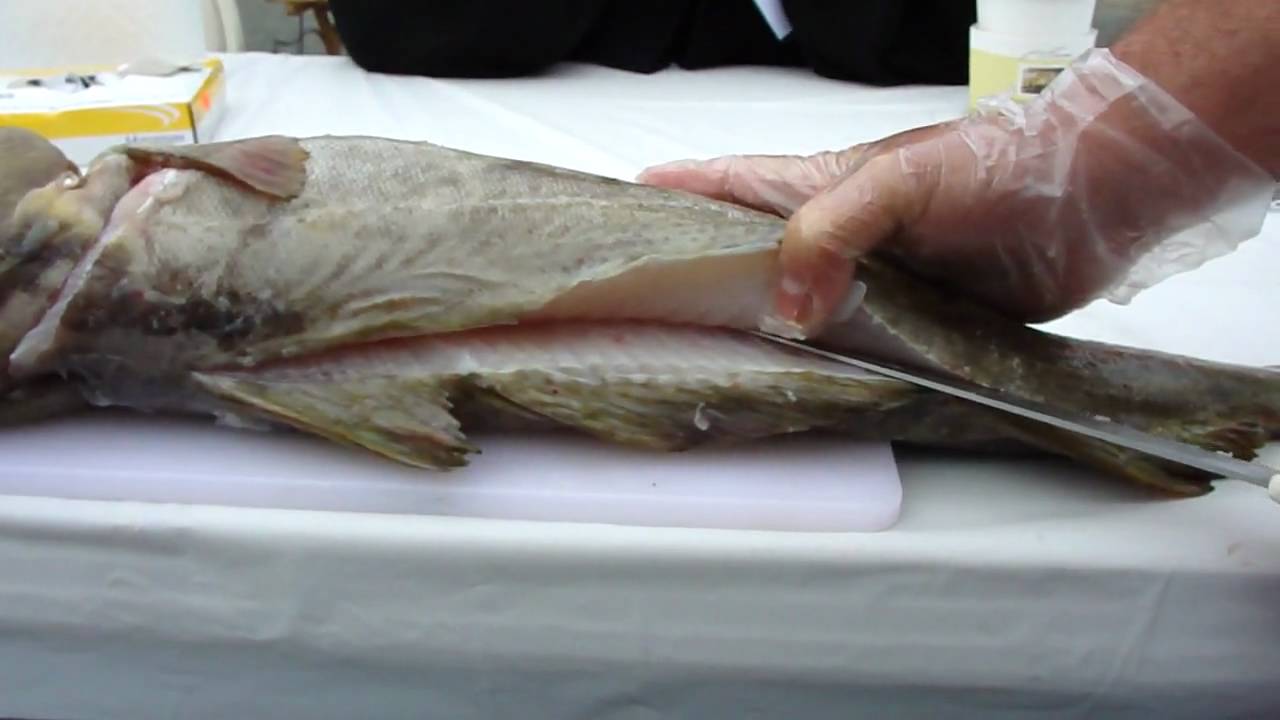
    The Vietnam Association of Seafood Exporters and Producers (VASEP) is showcasing Vietnamese seafood products at the Seafood Expo Global, which is being held in Brussels, Belgium, from Tuesday to Thursday. In a 264sq.m. booth, the association introduced Viet Nam’s seafood specialties, including tra fish (known as pangasius), shrimp, tuna and tilapia fish, as well as cattle fish, octopus and dried seafood products, all of which come from 25 Vietnamese seafood producers and exporters.

    The pavilion attracted foreign businesses, which shared experiences in trading aquatic and seafood products.

    In the context of a pangasius crisis in Spain and the Carrefour supermarket chain ceasing to sell Vietnamese pangasius, VASEP and the Ministry of Agriculture and Rural Development held a press conference at the exhibition to provide clear information about Viet Nam’s pangasius processing and exports to European partners.

    In his interview with Vietnam News Agency correspondents, VASEP general secretary Truong Dinh Hoe said the press conference aimed to create a correct information channel to deal with the communication crisis on pangasius, targeted at increasing exports of Vietnamese aquatic and seafood products to Europe.

    Alfons van Duijvenbode, a Dutch consultant, said European consumers have a bad impression of Vietnamese pangasius due to false information on social media.

    In recent years, the consumption of Vietnamese pangasius has fallen in the EU, meanwhile other fish have maintained or even increased sales volum, he said.

    He suggested the Vietnamese aquaculture industry interact more with consumers to provide them exact information about the products.

    Head of Vietnamese Trade Office in Belgium Nguyen Canh Cuong said that the office had worked with local partners such as Foreign Trade Association to provide information to Belgium businesses and consumers.

    Also at the event, Viet Nam held other trade promotion activities, including a dialogue for shrimp value chains and a programme for visitors to try Vietnamese seafood.

    Seafood Expo Global, the largest of its kind globally, drew the participation of over 1,600 exhibitors from 77 countries and territories this year.

    It is expected to attract more than 26,000 visitors and exporting and trading enterprises from 144 nations and territories.

  • Workplace by Facebook changes how enterprises communicate

    Workplace by Facebook changes how enterprises communicate

    Many companies in Viet Nam, such as FPT Group, BIDV, Bao Viet Life Insurance or Hoc mai online education portal, are using Facebook Workplace. Participants heard this at a workshop to share success stories of Workplace, an enterprise social network for daily work and internal communication, across Vietnamese companies in Ha Noi on Wednesday.

    They all said Workplace helped in improving communication, business exchange and interaction between members, and subsequently helped boost productivity and save time and money for companies.

    FPT CEO Hoang Viet Ha said most FPT employees were young and did not like to use email for work. Workplace was easy to use, fast to deploy and had a friendly interface.

    “It brings employees closer because it creates a friendly working environment. It helps increase communication between members, build internal culture and reduce email costs,” Ha said.

    Following six months of operation, Workplace has become an essential part of the FPT Group. Several employees and working teams rely on Workplace to solve their problems. Some 22,600 users and 3,000 active groups create between 7,000 and 8,000 posts daily and there are some 7,400 active users per week, according to Ha.

    Nguyen Thi Thu Hoa, Bao Viet Life Insurance Company’s head of MIS Department, said her company used to send up to 5,000 SMSes daily to insurance consultants. By using Workplace, the number of SMSes was reduced to 50 daily.

    “Workplace is a dedicated and secure space for companies to connect, communicate and collaborate. Organisations of all sizes can use familiar Facebook features such as newsfeed, groups, messages and events to get work done,” Ramesh Gopalkrishna, head of Workplace, APAC at Facebook, said.

    “More than 14,000 businesses are using Workplace on every continent, including Antarctica. We are excited to see more Vietnamese businesses incorporate Workplace into their organisations to transform internal culture and communications, which will help drive greater efficiency and productivity among their employees,” Gopalkrishna added.

    The Viet Nam Government Portal recently agreed to trial Facebook Workplace for their 200-strong workforce.

    Workplace by Facebook is a dedicated and secured communication platform helping companies internally connect, communicate and collaborate at work. This platform utilises familiar Facebook features such as newsfeed, groups and messages to help teams get things done.

  • Vietnamese consumers the most socially-conscious in Asia-Pacific

    Vietnamese consumers the most socially-conscious in Asia-Pacific

    Vietnamese consumers are the most socially-conscious in Asia-Pacific according to the Corporate Sustainability Report from Nielsen released on April 26. The report indicates that up to 86 per cent of consumers in Vietnam are willing to pay higher prices for products and services that come from companies that are committed to positive social and environmental impacts, compared to 76 per cent of consumers in Asia-Pacific.

    After Vietnamese, Filipino, Indonesian and Chinese consumers are the most socially-conscious in Asia-Pacific, with 85 per cent, 83 per cent, and 80 per cent of respondents, respectively, stating a willingness to pay extra for products and services that come from companies who demonstrate their commitment to having a positive impact on society and the environment.

    According to Mr. Rakesh Dayal, Head of Consumer Insight at Nielsen Vietnam, in the last couple of years, people have witnessed some of the negative impacts of adverse weather conditions and pollution on Vietnam’s living and business environments.

    Therefore, it would be difficult to find consumers who do not show concern for environmental and societal issues nowadays.

    In small and big ways, consumers are trying to be responsible citizens, and they expect the same from corporations.

    “Committing to sustainability might just pay off for consumer brands,” he said. “Integrating sustainability into their business models and objectives helps society and, at the same time, raises goodwill toward their brands.”

    He added that companies with strong reputations can outperform others when it comes to attracting top talent, investors, community partners, and, importantly, consumers.

    The survey indicates that the top sustainability factors influencing the purchasing intentions of Vietnamese consumers are high-quality products (79 per cent), products known for their health and wellness benefits (77 per cent), and products made with fresh, natural and/or organic ingredients (77 per cent).

    Moreover, products known for their high standards of safety carry quite similar weight with consumers in Vietnam (76 per cent).

    “Finding opportunities to bridge health benefits and the ingredients that support the claim is a powerful and impactful way to connect with consumers,” Mr. Dayal advised.

    Equally important among consumers in Vietnam is brand trust. Seventy-five per cent of Vietnamese consumers indicate they would buy products from a brand or company that they trust.

    When it comes to purchasing intentions, a commitment to the environment has the power to sway product purchases for 62 per cent of consumers in Vietnam.

    Commitments to either social values or the consumer’s community are also important, influencing 61 per cent and 62 per cent of respondents, respectively.

    “We are seeing a change in the hierarchy among drivers of consumer loyalty and brand performance,” Mr. Dayal observed.

    “Commitments to social and environmental responsibility are surpassing some of the more traditional influences for many consumers. Consumer-goods brands that fail to consider this run the risk of falling behind.”

  • Indian cars cheapest, French most expensive in Vietnam

    Indian cars cheapest, French most expensive in Vietnam

    For many Vietnamese, Indian cars prove to be the best choice. The products are described as ‘unprecedentedly low’ with the import price of VND84 million, CIF, not including tax.

    A GDC report shows that in January 2017, Vietnam imported 5,425 cars, worth $97 million, an increase of 120.8 percent in quantity and 92 percent in value compared with the same period last year.

    The report showed the sharp increase of 233 percent in imports form ASEAN with 3,408 cars imported, accounting for 62.8 percent of less-than-nine-seat imports, which were mostly from either Thailand or Indonesia. These included 1,585 cars from Thailand, worth $31 million, an increase of 55 percent in quantity and 209 percent in value.

    The number of cars from Indonesia increased unexpectedly to 1,823, worth $35 million. Only one car came from the market last year, worth $10,000.

    From January 1, 2017, the tariff on CBU less-than-nine-seat cars from ASEAN was cut from 40 percent to 30 percent.

    A car dealer said the import volume increased sharply because domestic automobile manufacturers have stopped making some car models in Vietnam, such as Fortuner and Civic, but import them from ASEAN to sell domestically.

    The public is more concerned with the appearance of a new source of supply – India. 1,006 cars from India docked at Vietnam’s ports in January, with the average price of $3,708, or VND84 million only. However, Indian imports cannot enjoy preferential tariffs like products from ASEAN.

    In mid-2016, the average import price was VND160 million. The figure decreased to VND100 million in late 2016 and then to VND84 million in January 2017.

    Contrary to all predictions, the most expensive imports are the ones from France, not from Germany or the UK, which produce many luxury brands.

    Only six CBU cars from France were imported to Vietnam in January 2017, worth $342,000, which means the average import price was $57,000, or VND1.3 billion.

    In Vietnam, the products of two French brands – Renault and Peugeot – are distributed.

    Meanwhile, 27 cars from the UK came in January, worth $1.349 million, and 146 cars from Germany, worth $7.624 million, which meant the average import price was $52,220 for British cars and $49,998 for German cars.

  • Google offers support to tourism SMEs

    Google offers support to tourism SMEs

    Smartphone adoption in Vietnam is now at 72 percent and the same as in the US, but a far higher proportion of Vietnamese travelers use smartphones to research hotels and travel than people in the US do, according to Google’s 2016 Consumer Barometer report.

    The proportion of people using smartphones for researching hotels in Vietnam stands at 48 per cent, much higher than the US’s 18 per cent, while 42 per cent research overland travel compared to 25 per cent, and 37 per cent research flights against 18 per cent in the US.

    “The key to current and future success for travel businesses lies in getting mobile right,” Ms. Ha Lam Tu Quynh, Head of PR & Communications at Google Asia Pacific, told a recent conference on “Solutions for the Development of Vietnamese Tourism Businesses” in Ho Chi Minh City.

    Vietnam welcomed 10 million tourists last year, a 26 per cent increase from 2015, and the industry contributed 6.6 per cent of GDP, with the target for 2017 being 10 per cent of GDP.

    The conference heard tips and tools to help over 30 small and medium sized enterprises (SMEs) in Vietnam’s travel industry win on mobile.

    “Mobile has transformed the way we live our lives,” Google noted in the report. “It’s speed and convenience has changed everything from shopping to entertainment. Mobile has also changed the way we travel. Tourism in the past used to mean paper maps and hefty guide books, but now you can carry all the information you need in your smartphone, not to mention all the stages of booking flights and hotels before you step on the plane.”

    In the mobile world, time is money so slow sites or apps lead visitors to head elsewhere. A study by DoubleClick revealed the stark finding that 53 per cent of consumers will abandon a site if it takes longer than three seconds to load.

    Businesses can also receive good support from Google via consultancy sessions with accredited Google Developer experts or discounts from Google’s special deals with market-leading website designers.

    Mr. Trinh Quang Chung, Head of Google Industry, said “every Vietnamese business is an online business now, because that’s where consumers are spending an increasing amount of their time.

    For any travel business looking to attract consumers in mobile-first Asia, not being present on mobile, or offering a slow and inconvenient experience means giving competitors who are set up well an immediate advantage.

    Mobile helps Vietnamese small businesses find customers across oceans without needing to hop on a plane themselves – which is why we’re offering a range of tools and programs to help Vietnamese businesses make the most of mobile.”

  • Online shoppers use mobile phones more than computers

    Online shoppers use mobile phones more than computers

    Nearly 54 percent of online shoppers visited trading websites on mobile phones, higher than those accessing by desktop.

    The data was created from a survey of more than 27,000 client websites of Bizweb, an online commercial solutions platform.

    The results showed that 53.8 per cent of online shoppers visited trading websites on mobile phones, higher than those accessing by desktop (41.3 per cent), with the rest using tablets.

    For mobile phones, iPhone was the most popular device, accounting for more than 30 per cent.

    Mobile phones have become popular tools for shopping, meaning businesses and shop owners risk losing more than half of potential customers if the do not ultilise this channel, heard the meeting.

    In order to avert the situation, businesses need strategies to maximise sale opportunities on mobile channels, said Tran Trong Tuyen, CEO of DKT Technology JSC.

    Pham Thong, marketing director of Lazada Viet Nam, said that revenue from orders on mobile phones accounted for 70 per cent of Lazada’s orders.

    Thong said that there has been a shift of consumer habits. “The majority of young people are accessing the Internet by mobile phones”.

    Therefore, the development of e-commerce on mobile phones was indispensable, opening up opportunities for enterprises, said Thong.

    However, the Lazada representative also pointed out challenges that businesses might encounter such as services, tools and even the knowledge of the salesman about trading on mobiles.

    “Therefore, to succeed when selling on phones, businesses need to invest and have appropriate strategies for development,” he advised.

  • Gloria Jean’s Coffee leaves Vietnam

    Gloria Jean’s Coffee leaves Vietnam

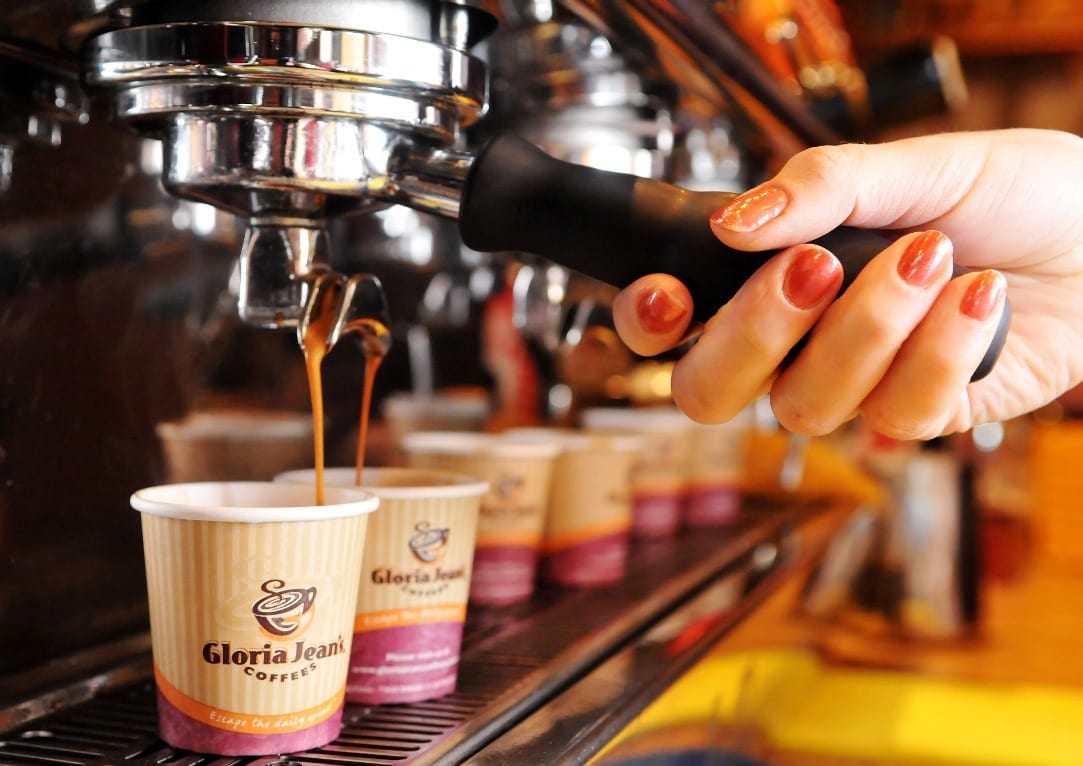
    Australia’s Gloria Jean’s Coffee Vietnam has closed its last coffee shop in Ho Chi Minh City, in the Phu My Hung urban area of District 7, after ten years in Vietnam. It arrived in Vietnam in 2007 under a franchise license secured by the VietLifestyle JSC.

    The ten-year deal saw the master franchisee launch coffee shops in Ho Chi Minh City and Hanoi, each involving investment of $200,000.

    VietLifestyle had aimed to open a further 20 locations over the next two years, offering espresso-based, chocolate-based, and cocoa-based drinks to young people, expats, and foreign tourists familiar with the brand.

    The master franchisee was to achieve this in part through sub-franchising the concept and providing operational, marketing, management, and business development support.

    A slowdown hit a few years ago, however, when its prime corner location on Dong Khoi Street in Ho Chi Minh City closed, partly because of high rents.

    Other locations then began to disappear. By the end of last year, only two stores remained: one on Cong Truong Quoc Te in District 1 and the Phu My Hung outlet in District 7.

    Gloria Jean’s was founded in Australia in 1996 with the ambition of being the most loved and respected coffee company worldwide.

    The chain currently has more than 900 outlets in 39 markets worldwide, including more than 400 in Australia.

  • Vegetables exports bring in $8.2 million per day

    Vegetables exports bring in $8.2 million per day

    Export turnover for vegetables has reached $857 million this year up to April 15, an increase of 30 per cent year-on-year and bringing in $8.2 million to Vietnam each day. Vegetables are therefore Vietnam’s third-highest agricultural and aquatic export, after seafood and coffee.

    Growth in vegetable exports is faster than for aquatic products (7.8 per cent) and coffee (21 per cent), with the gap in export turnover narrowing.

    Vietnamese fruit and vegetables can now be found in many countries and regions such as the US, Japan, Australia, South Korea, and EU countries like Germany and the Netherlands.

    The largest market, however, is China. According to the latest figures from the General Department of Vietnam Customs, exports of fruit and vegetables to Vietnam’s northern neighbor reached $512 million, accounting for 73 per cent of total export value.

    Mr. Nguyen Huu Dat from the Executive Committee of the Vietnam Vegetables and Fruit Association (VINAFRUIT) said this is a positive result for Vietnam’s vegetable exports and is supported by a number of factors.

    The first is the results of the Vietnamese Government’s trade promotion and market expansion efforts, with fruit and vegetables beginning to gain a foothold in fastidious markets like the US, Japan, South Korea, and the EU.

    “Although the value of export turnover to these markets is not large, meeting their high requirements increases the prestige of Vietnam’s fruit and vegetables,” Mr. Dat said.

    He added that high demand among international customers is a good opportunity for Vietnam’s exports in the time to come.

    He emphasized the role of scientists, the business community, and producers and farmers in efforts to diversify products and product quality and promote Vietnam’s brand.

    Total vegetable turnover stood at $2.45 billion in 2016, up 33.6 compared to 2015.