Tag: Vietnam

  • Vietnam banks aim for high profit in 2017

    Vietnam banks aim for high profit in 2017

    At the AGM on March 25, LienVietPostBank’s shareholders agreed on this year’s development plan, aiming to reach US$66.2 million in pre-tax profit, 10 per cent higher than that of 2016 (US$59.5 million).

    Furthermore, the expected dividend rate was raised to 12%. LienVietPostBank also planned to raise capital from US$285.1 million to US$309.0 million by issuing 54 million shares.

    On April 10, VPBank organised its AGM. According to the AGM’s documents, VPBank’s pre-tax profit goal for this year is US$300.2 million, 38% higher than that of 2016.

    Its total assets are expected to reach US$12.4 million and total outstanding loans and corporate bonds US$8.9 million.

    With this expected total outstanding loan volume, to ensure the capital adequacy ratio (CAR) of 9% stipulated the State Bank of Vietnam (SBV), VPBank’s total capital must reach at least US$794.5 million.

    With its current owner’s equity of VND15.4 trillion (US$679.8 million), VPBank must increase capital by US$132.4-176.6 million.

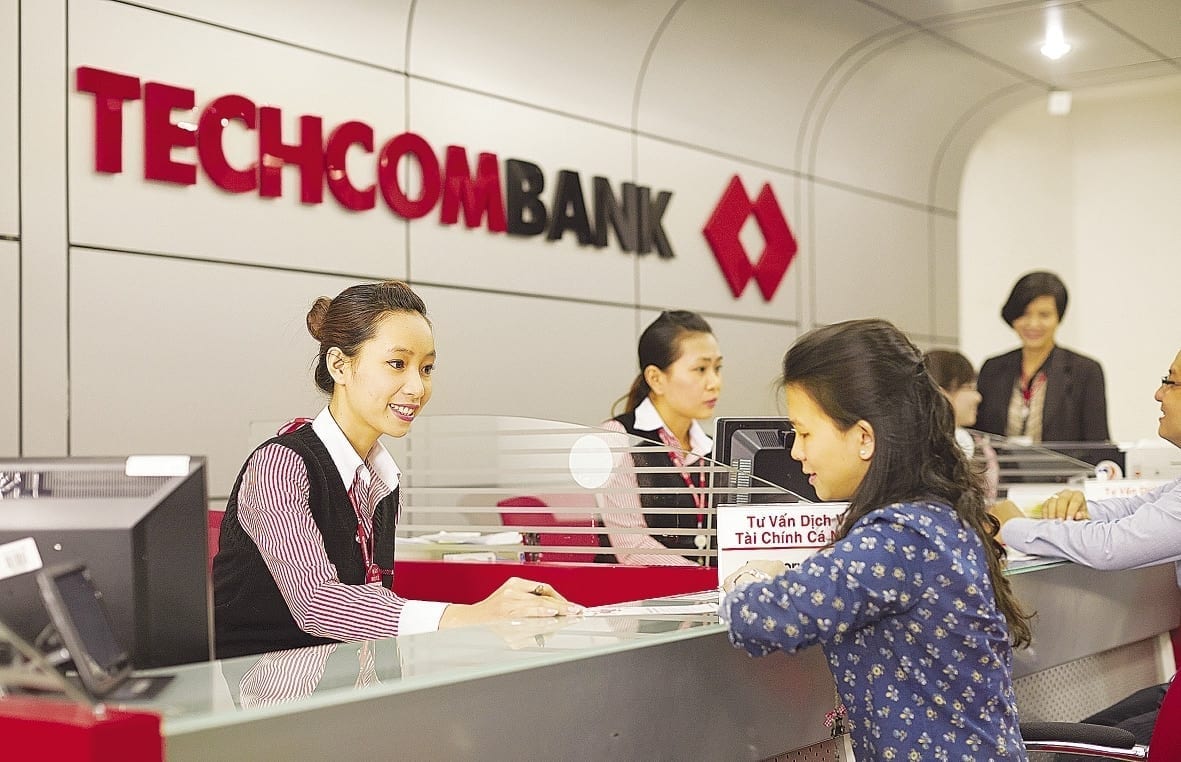
    Techcombank’s documents for its AGM on April 15 showed that the bank is aming to increase consolidated pre-tax profit by 26% over 2016’s US$221.6 million.

    This year, Techcombank planned to increase its chartered capital by US$220.7 million (from US$391.9 million to US$612.6 million), and raise its total assets to US$12.4 billion.

    Other banks also expect great increases in profit. For instance, at its AGM on April 21, HDBank plans to get shareholders’ approval on the US$72.5 million pre-tax profit target, 28% higher than that of 2016.

    Meanwhile, OCB is planning to aim for US$34.4 million at its AGM, 60% higher than the previous year. Also, Vietcombank’s board of directors has set a goal to reach US$406.1 million in pre-tax profit, a 12% increase on-year.

    Well-founded optimism

    These ambitious figures in expected profit correspond with the results of the survey on business trends in the second quarter of 2017 for credit institutions and foreign bank branches in Vietnam, which was conducted by the Monetary Forecasting and Statistics Department of the SBV.

    According to the results, 89.5% of the credit institutions reported improvements in the first quarter of 2017. 90.4% of the institutions expected great increases in pre-tax profit compared to 2016.

    The expected average increase for the whole system is much higher than that showed in the survey in December 2016 (+ 13.4%).

    The banks’ optimism is due to domestic economic circumstances and good forecasts for the industry.

    According to the report on the economic situation in the first quarter of 2017 and forecasts on the fiscal year conducted by National Financial Supervisory Commission (NFSC), aggregate demand will improve in the upcoming time since directions from the government have initiated major increase in public investments in several key projects and capital disbursement in the application of high-tech agriculture projects.

    This positive attitude is also due to the fact that, despite the recent wake of US protectionism, based on the economic optimistic potential of the US and the globe at large, the International Monetary Fund (IMF) has forecasted the trade growth of Emerging Markets and Developing Economies at 4% in 2017, higher than the estimated 1.9% for 2016.

    A senior leader of the SBV shared with VIR that the bank would adjust the interest rates flexibly, in correspondence to macroeconomic indicators, inflation, and the currency market.

    Also, SBV would continue directing credit institutions to balance their capital and interest rates, economise operating costs, and increase business efficiency to lower interest rates.

    SBV continues its policy on operating currency rates flexibly, closely following the interbank foreign exchange market, the currency rate on the global market, economic and currency balances, and the monetary policy.

    It would also introduce measures to improve credit quality, focus lending on manufacturing and prioritised areas.

    “We would closely inspect the credit granting situation in some industries and fields that have high chances of risk, such as medium-long term credit, credit for large customers, credit for real estate, as well as BOT and BT transportation projects,”, the senior leader shared.

  • Vietnam gov’t tells fifth airline Vietstar to stand in the waiting line

    Vietnam gov’t tells fifth airline Vietstar to stand in the waiting line

    The airline will have to wait for Tan Son Nhat International Airport to complete expansion. Vietstar Airlines, a military-run company, will have to wait for the completion of an expansion project at Ho Chi Minh City’s Tan Son Nhat airport before it can get a license to fly passengers and cargo, the Vietnamese government said.

    The government will review the licensing for Vietstar Airlines, the fifth in Vietnam once operational, when Tan Son Nhat International Airport completes building new terminals and parking space, Prime Minister Nguyen Xuan Phuc was quoted as saying in a recent government document.

    Vietnam’s airline market has the third fastest growing pace in Asia-Pacific and the country is grappling with an acute dearth of airport capacity.

    A project to expand the country’s largest and yet overcrowded Tan Son Nhat airport has been under way, aimed at building runways, parking space and two terminals by 2018 to raise the passenger handling capacity to 45 million a year. The airport has to serve 42 million people annually, well over its design capacity of 25 million.

    In February Deputy Prime Minister Trinh Dinh Dung instructed transport, planning and aviation authorities to speed up work to finish upgrading the airport within this year.

    Vietstar Airlines was granted a general aviation license in 2011 when it was founded with a registered capital of VND400 billion ($17.6 million). It has been providing ground handling, aircraft maintenance and pilot training services.

    In 2015 it sought permission for flying passengers and goods, but was instead asked to raise its registered capital before it could get a license. The airline reported an equity of VND652.7 billion at the end of 2015, below the VND700-billion government requirement.

    It has since raised its charter capital to VND800 billion and last September, the transport ministry’s aviation department said Vietstar Airlines was qualified to get license for offering passenger and goods transport services.

    Vietstar aims to serve 500,000 passengers and carry 32,000 tons of good in the first year of operation, which had previously been expected to be in 2017.

    National flag carrier Vietnam Airlines, two budget carriers VietJet Air and Jetstar Pacific as well as Vietnam Air Services Company have been competing in a market that served 52,2 million passengers last year, up 29 percent from 2015, while the domestic sector alone grew 30 percent with 28 million passengers, based on aviation authority data.

  • Vietnam moves ceiling price mechanism for dairy products

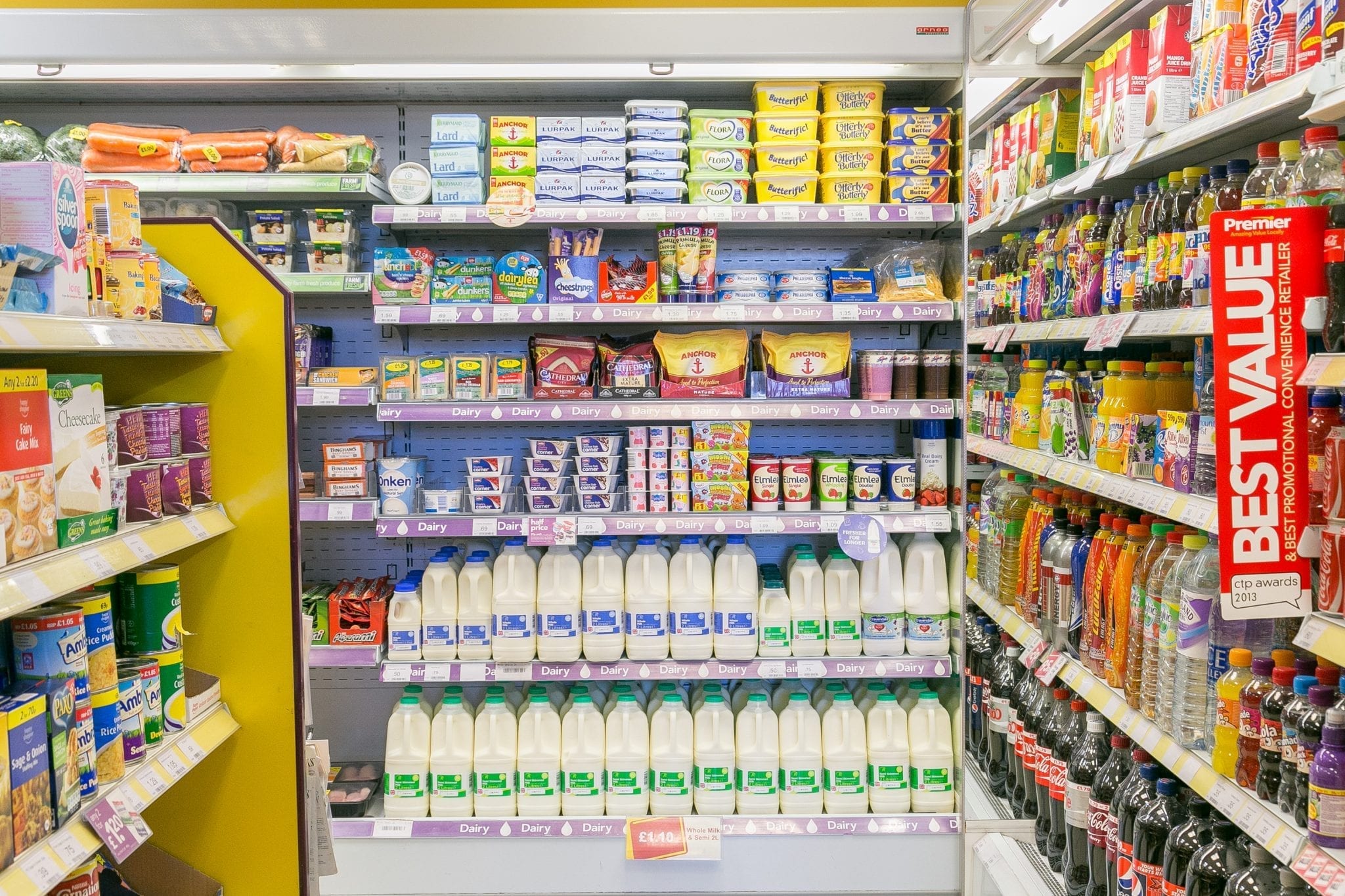
    Vietnam moves ceiling price mechanism for dairy products

    The Government removed price ceilings on dairy products for children under six from April 1, 2017 according to the Ministry of Industry and Trade’s proposal.

    The Government has direct the ministry, other ministries and related agencies to manage prices of dairy products for children under six according to the Law on Price and other legal documents. They were also told to enhance State management in price control, anti-speculation and monopoly controls.

    After three years of use, the mechanism had many limitations so abolishing the mechanism was necessary and suitable with price management measures in a market economy.

    Experts said after removing the ceiling price mechanism, the State should encourage competition and a healthy business environment. They also suggested the State regulate the price if a firm gains a monopoly of dairy products or if dairy firms violate the Law on Competition.

    The most important task of the price management agency should be to follow the development of factors used to calculate the selling price. The agency should manage the prices of dairy products according to market rules, the experts said.

    Price ceilings were put in place in May 2014 by the Ministry of Finance. At the end of the second quarter of 2015, the ministry extended the price ceiling to March 1, 2017.

    The Ministry of Finance’s Pricing Management Department said after stabilising milk prices, the prices dropped by between 0.1 per cent and 34 per cent for milk products for under six year-olds.

    Experts said in the short term, buyers have enjoyed lower prices thanks to the price ceiling. But in the mid and long term, the mechanism would hinder the development of milk firms and reduce competition.

    They said the price ceiling for dairy products of children under six would not be for the long term because Việt Nam signed free trade agreements that forbade it from using price ceilings to manage the market.

    At present, 877 milk products for children under six have their prices listed on the websites of the Finance Ministry and local finance departments across the nation.

  • Grab Indonesia buys e-commerce startup Kudo

    Grab Indonesia buys e-commerce startup Kudo

    Ride-hailing firm Grab Indonesia has acquired e-commerce startup Kudo for an undisclosed amount, striking its first deal since pledging to invest US$700 million in its largest market.

    Kudo helps consumers without bank accounts to shop online by connecting them with online merchants and other service providers across 500 cities and towns.

    Based in Singapore, Grab says it plans to accelerate the expansion of Kudo’s network while bringing more riders and drivers on to its own platform. The two companies also plan to explore new financial products such as consumer loans and insurance.

    Former payment-processing company Euronet Worldwide executive Jason Thompson has been hired by Grab to head GrabPay. This digital wallet for riders was introduced last year.

    Grab’s Indonesian investment promise entails building its digital payments network over the next four years in a bid to win over the 260 million people in its largest market. The company’s car- and motorcycle-hailing businesses grew more than 600 per cent in Indonesia last year.

    Valued at more than US$3 billion, Grab intends to set aside as much as US$100 million to bankroll early-stage domestic startups in mobile and financial services. It has started establishing research centres in Bangalore, Ho Chi Minh City and Jakarta to complement engineering offices in Beijing, Seattle and Singapore.

  • Chanel Vietnam opens first cosmetics boutique

    Chanel Vietnam opens first cosmetics boutique

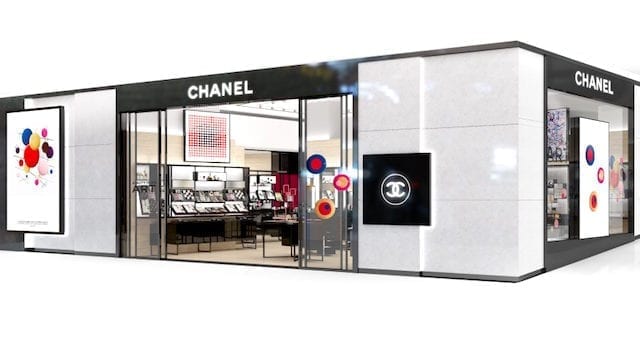
    Chanel Vietnam has opened its first dedicated cosmetics and perfume boutique.

    The 133 sqm store is located on the ground floor of the Saigon Center shopping mall in the heart of Ho Chi Minh City. It is decorated with a three-color theme of black, beige, and burgundy.

    The store showcases Chanel’s latest collections of makeup, skincare, and perfumes – with special emphasis on the “Les Exclusifs de Chanel” perfume collection with 16 scents.

    Customers will also enjoy a special skincare service called Sublimage from Chanel beauty team.

  • Logistics association to assist in national plan on competitiveness

    Logistics association to assist in national plan on competitiveness

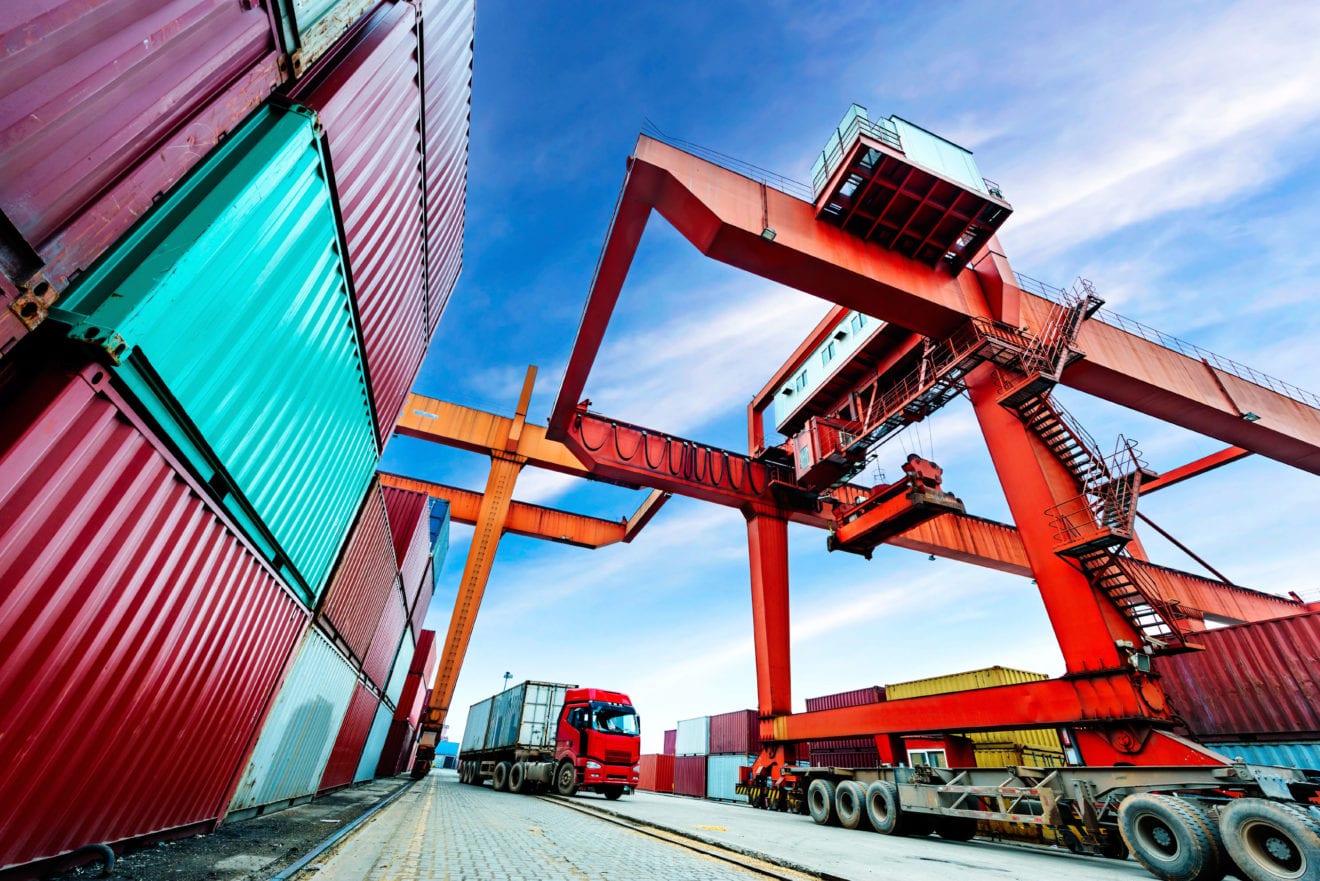
    The Vietnam Logistics Association (VLA) on Wednesday launched a ceremony to implement the Government’s first national action plan to improve the country’s competitiveness and its logistics sector by 2025.

    Lê Duy Hiệp, VLA chairman, said that VLA had been assigned to complete several tasks of the plan.

    In February, Prime Minister Nguyễn Xuân Phúc approved the action plan, which aims to have the logistics sector contribute 8 to10 per cent to the country’s GDP, with annual growth of 15-20 per cent by 2025.

    The plan also calls for Việt Nam to become one of the world’s 50 leading logistics services providers.

    The plan recommends new policies, more investment in infrastructure development, and better co-operation between local and foreign logistics companies.

    The aim is to have logistics companies that can be competitive in both domestic and international markets.

    Under the plan, Việt Nam will enhance connectivity with neighbouring countries and develop regional and international hubs.

    The plan calls for building level-1 logistics hubs (the highest level) in Hà Nội and HCM City, and level-2 logistic centres in Lạng Sơn, Lào Cai, Hải Phòng, Đà Nẵng, Quy Nhơn, and Cần Thơ.

    Trần Thanh Hải, deputy director of the Ministry of Industry and Trade’s Import-Export Department, said the country’s logistics development has been modest, as there are only 1,300-1,500 firms in the sector.

    More than 70 per cent of the businesses are small- and medium-sized with average capital of about VNĐ7 billion (US$320,000).

    “The country’s logistics effectiveness has been low, while available resources have not been fully exploited,” Hải said.

    The action plan would provide short- and mid-term solutions to improve the logistics sector in the next seven or eight years, he added.

    The initiatives taken by the Government to strengthen the logistics industry and increase efficiency have been supported by industry insiders.

    Christoph Matthes, managing director of logistics firm DB Schenker in Vietnam, said, “We strongly support the plan as the logistics has become more important than ever before.”

    In addition, increasing consumer demand requires a faster and more reliable way of delivery of goods.

    For many customers, logistics is no longer a matter of moving boxes from one location to another, but creating a highly efficient and reliable supply chain which enables them to be competitive in a fast-changing world.

    International trade is growing rapidly as well, and thus, a need to connect to other markets via air, ocean and road freight.

    Some of the largest export markets for Vietnam include the ASEAN region and Europe, where Việt Nam competes with other countries and where logistics costs play a vital role.

    Trade with Europe is expected to increase with the EU-Việt Nam Free Trade Agreement (EVFTA) coming into force next year.

    Experts said more steps were needed for smooth implementation of the agreement and to make sure businesses can fully benefit as soon as the treaty takes effect.

    The commitment of the Vietnamese Government to strengthen the logistics sector is an important step towards making this possible.

    Nestor Scherbey, general director of logistics firm Customs, Trade and Risk Management Services Ltd Việt Nam, said the national action plan would play a critical role in raising competitiveness.

    Logistics costs in Việt Nam are among the world’s highest, at 25 per cent of GDP, which hinders the cost competitiveness of Vietnamese firms, according to Logistics Insight Asia.

    Logistics costs in the US, Europe and the rest of the world are around 9, 13, and 15 per cent, respectively.

    “The efforts necessary to achieve a national action plan for logistics must be undertaken in co-ordination with diligent efforts by Việt Nam to implement the commitments of the World Trade Organisation Trade Facilitation Agreement (WTO TFA),” Scherbey said.

    Many of the major commitments of the WTO TFA were contained in the Trans-Pacific Partnership (TPP) and EVFTA.

    Full implementation of trade facilitation by Việt Nam would reduce the country’s international trade transaction costs by 20 per cent.

    “It is the combination of the benefits of trade facilitation, with the benefit of reducing domestic logistics costs, that will allow Vietnamese products to become fully competitive in global markets,” he said.

  • China still on radar for Lotte Group

    China still on radar for Lotte Group

    A Lotte Group executive says the retail giant will continue to invest in its China business despite diplomatic tensions.

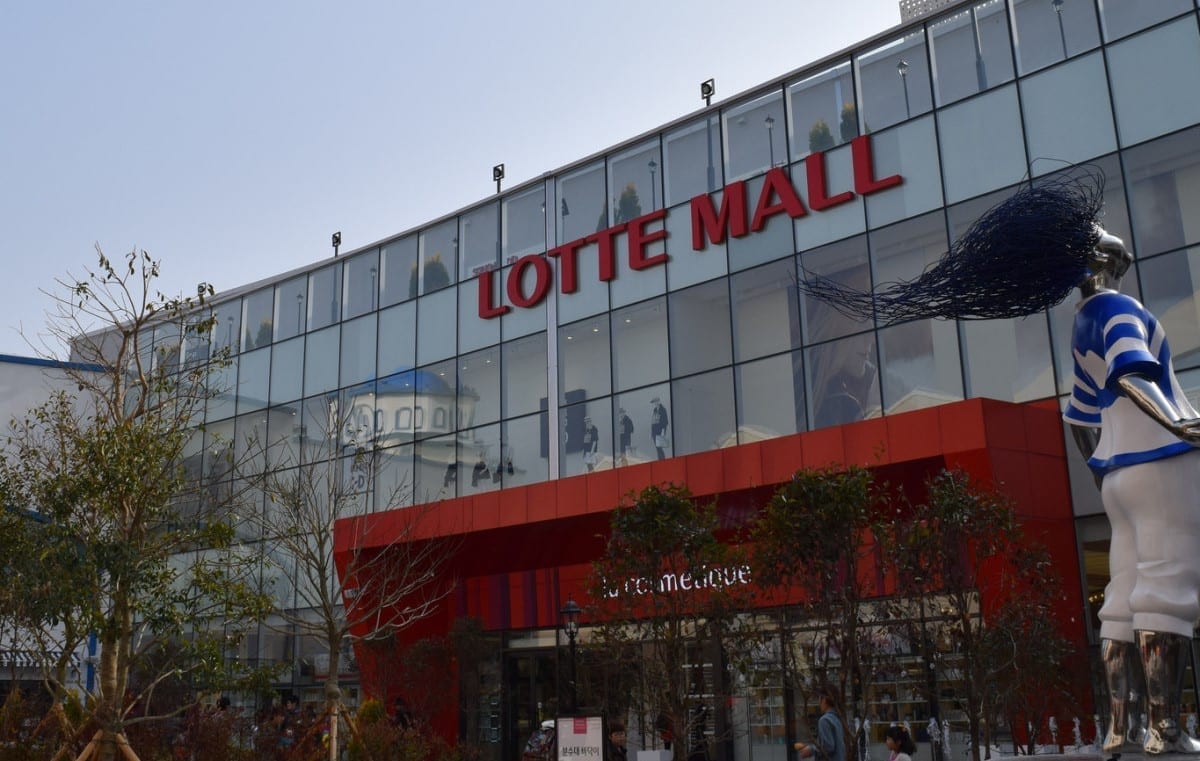
    Chinese authorities last month closed dozens of Lotte stores following inspections, ramping up pressure on South Korea’s fifth-largest family-run conglomerate after it agreed to provide land for the US Terminal High Altitude Area Defence (THAAD) missile system outside Seoul.

    South Korea and the US say the system is designed to thwart North Korea’s nuclear missile threat, but Beijing says the system’s radar can also reach far into China. This led to Chinese state media calling for a boycott of Lotte businesses.

    “We plan to continue to invest in our China business and continue to strengthen it,” executive Hwang Kag-gyu says. He is the head of Lotte Corporate Innovation Office and is regarded as the second-highest executive next to chairman Shin Dong-bin.

    “It has been 20 years since Lotte entered the China market. We believe the China business is still in an investment period,” he says.

    Out of 99 Lotte hypermarkets in China, 75 have been closed by Chinese authorities. Hwang says the company is working to fix the problems raised by Chinese regulators.

    China is Lotte’s biggest overseas market, generating more than 3 trillion won (US$2.7 billion) in annual revenue in 2015. It is also one of four strategic markets along with Indonesia, Russia and Vietnam that Lotte has been focussing on.

  • Coffee industry in Vietnam turns bitter

    Coffee industry in Vietnam turns bitter

    The Ministry of Agriculture and Rural Development in turn estimated the export volume in the first quarter when compared against the same three months last year to have dipped 5.4% to 449,000 tons with revenue jumping 25.6% to US$1 billion.

    Average prices in the first quarter ticked up 32% on year to US$2,262 a ton, said MARD, adding that Germany and the US were the two largest buyers with market shares of 17% and 16%, respectively.

    Markets witnessing sharp growth over the same period last year were Belgium (230%), the Republic of Korea (79%), the US (60%), Algeria (50%), Spain (34%), Germany (29%), the UK (27%), Japan (21%) and Italy (20%).

    Compared to the end of February 2017, the price of coffee Robusta in the Central Highlands at the end of March rose by US$.09-US$.10 (US$ VND2,000-VND2,200) to US$2.03- US$2.07 (VND46,000-VND46,900) per kilogram.

    Coffee prices in Dak Lak, the largest coffee bean-growing province in the country, stood at US$2.08-US$2.11 (VND47,300-VND48,000) per kilogram as stockpiles remain low.

    According to Nam, coffee prices look to continue to increase in the near term as farmers are holding back waiting to see if prices will rise even further.

    Despite the higher coffee prices, the profits per hectare remain lower than other alternative crops such as fruit trees and pepper— resulting in many farmers getting out of the coffee business entirely.

    Solutions to boost coffee exports

    The small production scale and lack of sophisticated skills of farmers have stopped them from becoming major players in the global market, said Nam, noting the lack of access to credit has prevented them from replanting with the latest varieties and newest technology.

    Meanwhile, farmers collectively have processed 10% of the total coffee output for the year but instant, roasted and ground coffee products, have not achieved a high volume, strong brand or the quality reputation to compete with top global brands.

    Huynh Quoc Thich, deputy director of Dak Lak Agriculture and Rural Development Department, notes that most actors in the coffee segment in the province have not paid sufficient attention to quality.

    He added that the existing sales prices have not incentivized coffee growers to produce high quality coffee.

    Meanwhile, he looks for exports to drop 25-30% this year. That won’t turn around until actors in the segment comprehensively collaborate to promote brand recognition, food safety and boost added value, he concluded.

  • HCM City metro projects short on capital

    HCM City metro projects short on capital

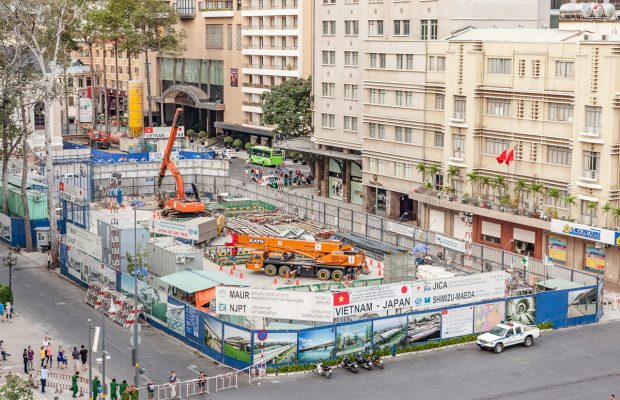
    A shortage of capital is the key problem of both Line 1 (Ben Thanh – Suoi Tien) and Line 2 (Ben Thanh – Tham Luong) urban railway projects.  The Ho Chi Minh City People’s Committee is the developer responsible for the two projects. At the Metro Ben Thanh-Suoi Tien project, the developer has been slow to pay contractors and may have to pay interest on late payment.

    According to a report submitted to the Ministry of Transport at the beginning of March 2017 by Le Van Khoa, deputy chairman of the Ho Chi Minh City People’s Committee, the payments for four construction packages have been delayed since September 2016.

    The reason is that the ODA capital provided for Ho Chi Minh City was only VND592.693 trillion ($26 million), a much lower amount compared to the VND1.95 trillion ($85.17 million) payable for the contractors.

    To deal with the current shortage, Ho Chi Minh City had to withdraw VND600 billion ($26.3 million) from the city budget to pay in advance for the consulting companies and contractors.

    With the current progress, although package No. 1a was started in November 17, 2016, the authority cannot pay the contractors as promised.

    Accordingly, by February 15, 2017, Ho Chi Minh City’s Urban Railway Management Boardwould have to pay in advance the amount of VND571 billion ($25 million).

    In case the developer fails to pay, the contract will be extended, which will result in numerous incurred additional expenses.

    Khoa said that the estimated ODA capital for Metro Line 1 is VND2.119 trillion ($93 million) in 2017.

    However, the project’s capital has not been added to the country’s plan on using ODA, which significantly affected the construction progress.

    By the end of February 2017, package No. 1b, used for the constructions of the stations between Saigon Opera House and Ben Thanh, was 41 per cent completed, while package No. 2 toconstruct the 17.1-kilometre stretch plus depots between Ba Son and Binh Duong was 65 per cent completed.

    Package No. 3 for the purchase of electromechanical equipment, locomotives, carriages, and railway tracks was 12 per cent completed.

    In general, the total disbursement of the project is VND10.9 trillion ($477 million), of which VND9.712 trillion ($425 million) is sourced from ODA.

    If the Japanese and Vietnamese contractors progress as scheduled, the total value of the completed parts in 2017 may reach VND5.320 trillion ($233 million).

    “The project should receive more ODA. It is essential to ensure the project’s progress as committed, as well as to avoid other incurred expenses, late payment penalties, and lawsuits from foreign contractors,” said the report.

    The 19.7-kilometre Ben Thanh-Suoi Tien Line goes through District 1 (Binh Thanh), District 2 (Thu Duc), District 9, and ends in Binh Duong Province (Di An District).

    Of the total, the underground parts are 2.6 kilometres, and the overhead parts are 17.1 kilometres long.

    The total investment after three adjustments has increased from VND14.415 trillion ($631 million) to VND47.325 trillion ($2.07 billion).

    The construction of the overhead part has been on-going since August 2012.

    The maximum speed along the line will be 80 kilometres per hour on the underground sections and 110 kilometres per hour on the bridge. It is forecasted to begin test runs in 2019 and be officially put into operation in 2020.

    Metro Line 2 in a worse spot

    Although Metro Line 1 is in slow progress, at least it has a forecasted launching period, while Line 2, which is also managed by Ho Chi Minh City’s Urban Railway Management Board, is struggling with investment adjustments and updating bid documents.

    Accordingly, the total investment of Metro Ben Thanh-Tham Luong is proposed to be VND47.605 trillion ($2.152,36 million), an increase of 56.6 per cent compared to the initial planned investment in 2010.

    The three biggest increases derive from land clearance, which rose from $119.38 million to $197.88 million; installation and purchase, which went from VND748.11 billion ($33 million) to VND1.198 trillion ($52 million); and reserves, which increased from $263 million to $368 million.

    By the end of February 2017, after six years of construction works, the disbursement was only VND700 billion ($31 million), including VND572 billion ($25 million) of ODA capital, which is equivalent to three per cent of the expected sum total.

    A representative of the Ho Chi Minh City Urban Railway Management Board admitted that implementation was slow compared to the promised schedule because the design has been adjusted.

    Additionally, the different instructions issued by the sponsors and the Vietnamese government on picking contractors and the elongated time for collecting feedback from sponsors also contributed to the slow going.

    As the most important Metro line in Ho Chi Minh City, the Ben Thanh-Tham Luong line will go from the new urban area Thu Thiem (District 2) and end in An Suong (District 12). It is forecasted that by 2025, it will handle 481,700 passengers a day.

    Besides the sharp increase in capitalisation, the launch will be delayed to 2024, despite initial promises to complete works by the end of 2016, as specified in Decision No 4474/QD – UBND approved by the Ho Chi Minh City People’s Committee.

    “The Ho Chi Minh City People’s Committee should review the implementation progress of each package used in these projects and have appropriate solutions to avoid the extension of process, which may lead to an increase in total investment, administration, and interest expenses, exchange rate risks, and fluctuations in construction material prices,” an expert said.

  • Boeing, Vietjet Finalize Vietnam’s Largest Ever Commercial Airplane Purchase

    Boeing, Vietjet Finalize Vietnam’s Largest Ever Commercial Airplane Purchase

    Vietjet Aviation Joint Stock Company and Boeing [NYSE: BA] have finalized an order for 100 737 MAX 200 airplanes, the largest ever single commercial airplane purchase in Vietnam aviation. His Excellency Mr. Trần Đại Quang President of the Socialist Republic of Vietnam, and U.S. President Barack Obama witnessed the historic agreement, valued at approximately $11.3 billion at current list prices.

    The signing ceremony, conducted by Vietjet President and CEO Nguyễn Thị Phương Thảo and Boeing Commercial Airplanes President and CEO Ray Conner, took place at the Presidential Palace in Hanoi, at approximately 11:40 a.m. local time.

    “Boeing is proud to again play an integral role in advancing Vietnam’s aviation industry. We’re honored to be joined by President Trần Đại Quang and President Obama for this historic milestone and order of 100 737 MAX airplanes,” said Conner. “Incorporating the latest design and technology features, the highly efficient 737 MAX will provide Vietjet’s growing network with market-leading economics, a superior passenger experience and contribute significantly to their future success.” – Mr Ray Conner shared in the event.

    The 737 MAX incorporates the latest technology CFM International LEAP-1B engines, Advanced Technology winglets and other improvements to deliver the highest efficiency, reliability and passenger comfort in the single-aisle market. The new single-aisle airplane will deliver 20 percent lower fuel use than the first Next-Generation 737s.

    At the signing ceremony, The President & CEO of Vietjet Nguyen Thi Phuong Thao, shared: “Vietjet is efficiently operating a fleet of narrow body airplanes. Our investment in a fleet of B737 Max 200 will accommodate our strategy of growing Vietjet’s coming international route network including long haul flights. Through this Agreement, Vietjet will contribute increasing bilateral trade turnover between Vietnam and the United States, as well as contributes in the integration and development of the aviation industry in Vietnam.”

    The airplanes in this purchase will be delivered to Vietjet from 2019 until 2023 for supporting Vietjet to continuously extend the domestic network as well as international network in the region. This agreement helps Vietjet increase its fleet to more than 200 aircraft by the end of 2023 with the most modern and advanced technology in the world.

  • Vietnam’s top brewer Sabeco tops up profit goal for 2017

    Vietnam’s top brewer Sabeco tops up profit goal for 2017

    The company expects its annual sales to rise 3 percent against last year. Vietnam’s biggest brewer Sabeco is aiming to push sales to more than 1.7 billion liters this year, an increase of 3 percent against 2016, in a bid to raise its annual revenue by 9 percent to VND34.5 trillion ($1.52 billion) and net profit by 1 percent to VND4.7 trillion ($207 million).

    The state-owned company also plans to raise its dividend payments from 30 percent to 35 percent, as agreed by its board of director.

    Those targets will be put on the table at a shareholder meeting on April 18.

    Company bosses said that price cuts on ingredients, a preferential tax policy on malt and stable market growth in rural areas, where Sabeco is the most competitive, are the reasons for the more positive targets.

    Sabeco, known for the Bia Saigon and 333 brands, is also preparing for fiercer competition on the domestic market following Belgium’s Anheuser-Busch InBev entry into the Vietnamese market.

    With the special consumption tax on beer and wine raised from 55 percent to 60 percent on January 1 this year, and set to climb to 65 percent in 2018, as well as a labeling regulation that’s still under discussion, Sabeco is concerned that the at production cost for each beer bottle will be rise by VND200.

    In its financial statement released last month, the brewer reported VND30.66 trillion in revenue last year, up 13 percent from 2015, and a profit of VND4.6 trillion ($205 million), a 33 percent jump.

    According to the Ho Chi Minh City Securities Corporation, Sabeco’s beer sales made up 43.3 percent of the domestic market share last year, a slight decrease compared to 43.9 percent of 2015. It predicted that the figure will edge up to 43.5 percent this year.

    The trade ministry announced in August last year that it planned to sell its entire stake in Sabeco, according to a government report.

    Under the plan, the ministry would have offered a 53.59 percent stake worth VND24.5 trillion ($1 billion) in 2016 before Sabeco made its market debut, and the remaining 36 percent stake worth VND16 trillion ($705 million) in 2017 after the listing.

    However, due to delays, the trade ministry failed to sell its first Sabeco shares as planned.

    Deputy Trade Minister Do Thang Hai told local media on Monday that over 641 million shares in Sabeco had been listed on HOSE on December 6 last year at a starting price of VND110,000 ($4.85) per share. As of April 3, prices stood at VND200,400 ($8.8) per share.

    Beer consumption in Vietnam rose 12 percent year-on-year to reach 3.8 billion liters in 2016, according to the trade ministry.

    Vietnam is Asia’s third largest beer consumer by volume after China and Japan.

    Industry experts expect annual growth of 4 to 5 percent over the next five years. The country’s annual beer output is forecast to hit 4.1 billion liters by 2020, according to government projections.a

  • AirAsia joint venture’s prospects uncertain

    AirAsia joint venture’s prospects uncertain

    Talking to VIR, an official from the Department of Enterprise Management under the Ministry of Transport said that AirAsia has yet to submit an official application to establish a joint venture with Gumin and Hai Au Aviation.

    Civil Aviation Authority of Vietnam said the first time it heard of the news was from the media.

    “Hai Au, Gumin, and AirAsia. None of them has applied for a certificate to do business in air transport,” said Vo Huy Cuong, deputy director of CAAV.

    Hai Au has a license to provide general air transport for commercial purposes, with a fleet of four amphibious airplanes.

    Gumin, which operates in management consultancy, has only started operation on March 29.

    Official information is forthcoming only from Thien Minh Group.

    According to the company’s website, the new airline is going to start operation in 2018 after being ratified by the Vietnamese government.

    The new airline is going to provide “high-quality service at affordable prices.”

    An expert said that it is currently unclear whether this airline is going to be a new entity or part of Hai Au.

    However, given the time that it normally takes to obtain a license to fly commercially, the joint venture is unlikely to get a license by the end of 2018.

    Vietstar One-member Co., Ltd., which applied for a license to provide air transport services in July 2016, is still waiting.

    Narrow window

    This is AirAsia’s third attempt in 10 years to join hands with a Vietnamese partner to set up an airline.

    Earlier, Air Asia made an agreement with Vinashin (now Vietnam Shipbuilding Industry Corporation) in 2007 and with Vietjet in 2010 to set up the second foreign-invested airline in Vietnam after Jetstar Pacific.

    For one reason or another, these plans failed to materialise.

    At the moment, AirAsia has two airlines that fly frequently to Vietnam, Thai AirAsia (FD), which flies from Thailand, and AirAsia Berhad (AK) which flies from Malaysia.

    There was also Indonesia AirAsia which used to fly from Indonesia, but at the moment this activity has been suspended.

    The Vietnamese aviation market sees ripe competition from Vietnam Airlines and SkyViet/VASCO, as well as two low-cost airlines, namely Vietjet and Jetstar Pacific, the former of which is considered to be on par with big regional airlines, such as AirAsia, in terms of capital and governance ability.

    The growth in demand still outpaces the growth in supply. However, in the first quarter, demand  showed signs of slowing growth.

    Moreover, the price of airplane fuel is increasing sharply, affecting the profit of airlines.

    The average price in January this year was $65.15 per barrel, up 1.57 per cent compared to December 2016.

    CAPA Centre for Aviation expects that the profit margin for global air transport will decrease from 8.3 per cent in 2016 to 7.4 in 2017 and further to 6.6 in 2018, due to the increasing price of fuel and the surplus in airplanes as airlines have been buying too many of them recently.

    “AirAsia is very late to the party in Vietnam and as a result faces huge challenges,” said Brendan Sobie, Singapore-based chief analyst at CAPA Centre for Aviation at a recent interview with Bloomberg on the issue.

    “The market is now well served by two low-cost carriers, VietJet and Jetstar Pacific. The rate of growth will likely slow in the coming years as the market is now more mature.”

  • Vietnamese workers warned of ‘robot threat’

    Vietnamese workers warned of ‘robot threat’

    Robots are already being used at the 20-hectare Vinamilk actory in Binh Duong province. There are 19 robots and several workers. Everything runs on an automation process. Some robots carry packs to the filling room, while others take finished products to the storehouse.

    When robots begin to lose power, they automatically go to the battery charging area, where they install full batteries without the assistance of workers.

    Nguyen Chien Thang, director of Scan Pacific, an interior product manufacturer, who has received more orders from foreign partners in recent years, has decided to equip his newly built factory with an automated production line, which would help increase productivity by 4-5 times.

    Other large furniture companies in Binh Duong have also spent money on automation technology. A representative of Vi Dai, a supplier of machines and equipment, said the company’s sales increased by 50 percent in 2016 because more wooden furniture manufacturers bought modern equipment to increase productivity and lower costs.

    Thanks to the automation production line, which has been running in the last 10 years, Minh Long 1 Porcelain Company has cut the number of workers from 400 to 20. To date, it has imported seven robots with the value of no less than 40,000 euros.

    Analysts commented that though it is costly to replace workers with intelligent robots, using robots in production lines is a growing tendency worldwide, including in developing countries like Vietnam.

    The World Economic Forum predicted 5 million jobs would be lost by 2020 because of  artificial intelligence. The latest report from ILO shows that two-third of 9.2 million workers in the textile & garment and footwear industries in South East Asia are being threatened by robots.

    In Vietnam, ILO said 86 percent of textile & garment workers may lose jobs in the automation process, while three-fourth of workers in the electronics sector will be replaced with robots.

    Pham Thi My Le, president of Le & Associates, predicted that 80 percent of works would be undertaken by robots by 2020.

    The popularity of robots would prompt multi-national conglomerates to stop outsourcing to Asian countries and to make products in their home countries with automated production lines. If so, Asian countries, which now rely on doing the outsourcing for foreign companies, would suffer.

    Vietnam can attract foreign investments thanks to cheap labor. However,  once robots replace large numbers of workers, that advantage will diminish.

  • Convenience, food safety matters to Vietnamese consumers

    Convenience, food safety matters to Vietnamese consumers

    The retail market in Vietnam is quickly shifting away from traditional live markets to more modernized trade, said Nick Miles, head of Asia-Pacific at IGD, with convenience stores showing the strongest growth prospects.

    There are several factors driving this including a positive economic outlook for the country, a significant increase in gross domestic product per capita and rapidly changing shopper habits.

    The segment has also experienced a shift in shopping behaviours as younger consumers with higher disposable incomes typically make smaller, but more frequent purchases rather than splashing out on a big weekly shop.

    Of note, Mr Miles said young consumers prefer to shop in an air-conditioned environment that has products well-organized on the store shelves and provides seating areas.

    With higher take home pay they are also looking for and willing to pay for higher-quality products than can be found in most traditional live markets.

    While free trade agreements such as the ASEAN Economic Community have given rise to a race for larger supermarkets throughout the country, many stores and individuals have opted to open smaller mini-supermarkets and convenience stores.

    It is also easier to get licences for stores under 500 square metres, said Mr Miles noting that this explains why retailers have been able to expand so speedily in the large metropolitan areas such as Hanoi.

    The study said it expects to see convenience stores in Vietnam to champion innovative new products and formats such as food to go, and begin working collaboratively to develop coordinated supply chains to ensure they are making the most of their growth prospects.

    Vietnam is undergoing an organized retail revolution, explained Luong Quang Thi, general director of domestic refrigerated transport specialist ABA Cooltrans.

    Convenience stores and mini-marts are popping up everywhere, Mr Thi noted, adding that as of last June there were 1,500 mini marts across the country mostly in the larger urban areas.

    Those numbers are expected to continue to mushroom over the next few years, which in turn is fuelling a heightened demand for chilled and frozen foods, setting the stage for the cold chain industry to soar.

    ABA Cooltrans hopes to put itself at the forefront of the Vietnam cold chain expansion, he added.

    The company’s 200 reefer trucks handled 54,000 metric tons in 2016, and a newly acquired 15,000 pallet-capacity cold storage facility in Hanoi saw throughput of 100,000 metric tons.

    Convenience and food safety matters to a typical young Vietnamese consumer nowadays, said Mr Thi, adding that freezing some foods for short or long term use, is essential to prevent foodborne illness.