Tag: Vietnam

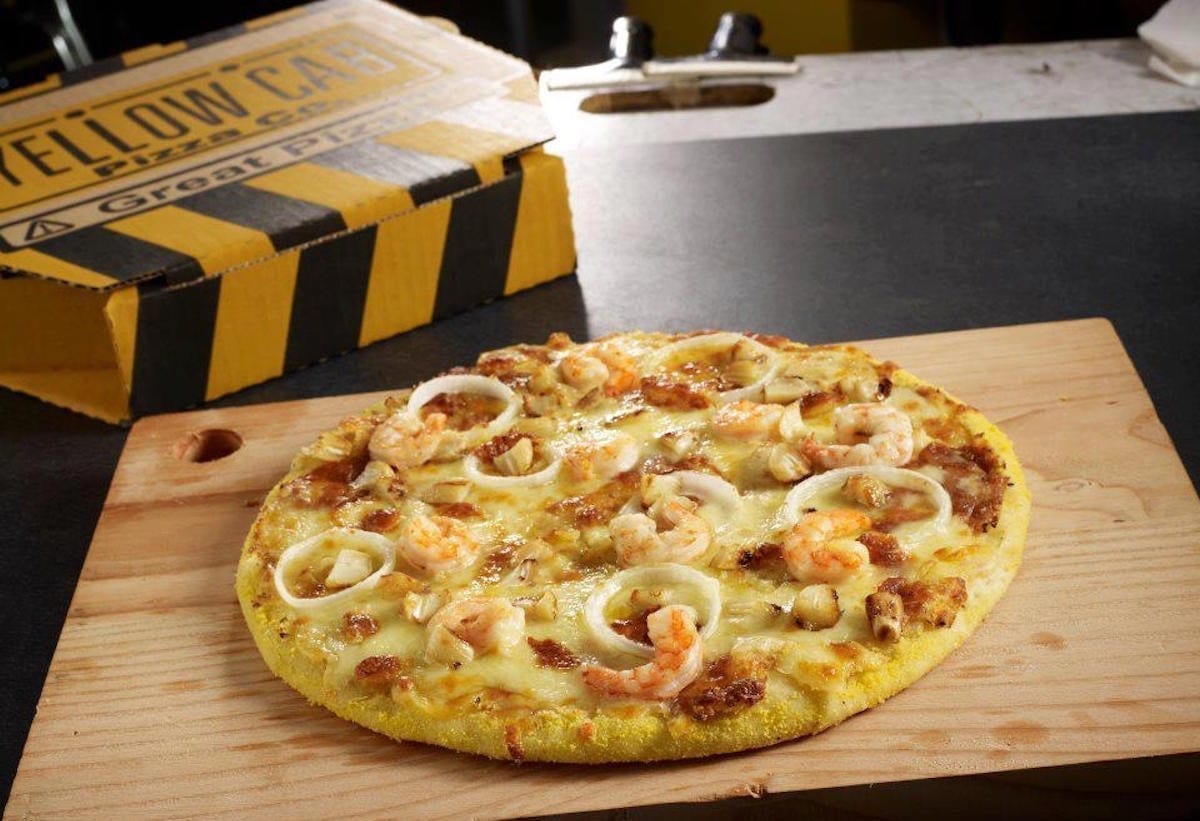
  • Yellow Cab Pizza Vietnam to open in suburb district

    Yellow Cab Pizza Vietnam to open in suburb district

    The Philippines’ Yellow Cab Pizza is about to open its first restaurant in Vietnam.

    The chain, owned by Max’s Group, which is rolling out franchised eateries across Southeast Asia, will launch in Ho Chi Minh City.

    But instead of debuting in the CBD suburb, District 1, as most international brands have traditionally done, Yellow Cab Vietnam has chosen the suburban area of Hau Giang street in District 6.

    Yellow Cab Vietnam

    Rapidly rising retail rents in District 1 are the most likely reason for the location chosen. While it is attractive to open the first store in District 1, the rent is now likely to cost as much as four times that of neighbouring districts.

    Good locations are becoming increasingly rare with so many international and local brands competing for the same space. However, it is expected that Yellow Cab will open in the CBD once it has tested its model and offer on Vietnamese consumers.

    “When F&B chains enter Vietnam, they will enter with multiple unit commitment, so eventually they must have stores outside of District 1,” commented Sean Ngo, CEO of VF Franchise Consulting.

    He said in District 6, there would be less competition from similar products and services in these non-central districts, and providing brands like Yellow Cab more opportunities in their early days in the city.

    Yellow Cab Vietnam will open 12 stores in the country within five years under a partnership between Max’s Group and Blue Star Food Vietnam.

  • Vietjet offers millions of promotional tickets for “Free Summer, Fly for FREE”

    Vietjet offers millions of promotional tickets for “Free Summer, Fly for FREE”

    To celebrate the coming summer, Vietjet launches its most outstanding campaign ever – “Free summer, Fly for FREE” from April 25 to June 15, 2017, offering one million promotional tickets priced from only HKD0 within the golden hours 13:00 – 15:00 at www.vietjetair.com together with some very interesting activities.

    During the campaign’s first week, Vietjet will run a three-golden-day promotion from April 25 to 27, 2017. This applies for all Vietnam domestic and international routes from Vietnam to Hong Kong, Seoul and Busan (South Korea), Kaohsiung, Taipei, Taichung and Tainan (Taiwan), Singapore, Bangkok (Thailand), Kuala Lumpur (Malaysia), Yangon (Myanmar) and Siem Reap (Cambodia) with travel period between May 15, 2017 and December 31, 2017 (excluding national holidays).

    The promotional tickets are available for booking within the golden hours from 13:00 to 15:00 at www.vietjetair.com or at www.facebook.com/vietjethongkong (just click the “Booking” tab). Payment can be easily made with debit and credit cards of Visa, MasterCard, JCB, KCP and American Express.

    Especially from May 8, 2017 to June 4, 2017, participants of the “Free Summer – Fly for FREE” game at Vietjet’s microsite: freesummer.vietjetair.com will have the chances of winning a weekly award of 5 free return flights, each flight with 5 free tickets for a five-person group and a grand award of a free package tour to an optional destination.

    Also, all customers successfully booking tickets at www.vietjetair.com with instant payment within the golden hours (13:00-15:00) from May 8, 2017 to June 15, 2017 will also have the chances to join the lucky draw for the gifts of mobile phone top-up cards and air ticket promotion codes (*) at www.summerwin.vietjetair.com. Besides, the summer campaign will feature a series of activities including interactive games, amazing performances by Vietnamese and international celebrities, “Vietjet Bikini” challenge at some domestic airports and onboard Vietjet flights, which are expected to “heat up” the coming summer.

  • Vietnam in gradual shift to exporting more roast and ground coffee

    Vietnam in gradual shift to exporting more roast and ground coffee

    A decade ago most of the country’s coffee exports were semi-processed beans. The TNI King Coffee Factory that recently opened in Vietnam’s southern province of Binh Duong is the latest player to join the race to ship more finished coffee products from the world’s second-biggest producer.

    With an investment of $15 million, the factory aims to produce 9,000 tons of roast and ground coffee and nearly 20,000 tons of instant coffee annually for export, according to Le Hoang Diep Thao, director of TNI Corporation and the co-founder of Trung Nguyen Coffee. She has also helped build five plants for Trung Nguyen, one of Vietnam’s biggest coffee makers.

    TNI Corporation, which has recently gained a foothold in China’s online market for instant coffee and plans to start distribution through a supermarket chain there, did not give the size of its annual green bean demand for the new factory.

    But to reach the targeted annual output, the Binh Duong-based facility will need at least 13,000 tons of green beans for roast and ground coffee and another 50,000 tons for the instant variety, according to a Vietnamese coffee expert at a European firm based in Ho Chi Minh City.

    TNI’s factory will have to compete with 200 plants already in operation or which will be going into operation this year and the next, before the government puts a stop to new coffee processing plants in 2020 to ensure quality.

    In December 2016, India’s Tata Coffee said it will set up a freeze dried coffee plant in Vietnam to expand its market. In mid-January 2017, Tin Nghia Coffee Co began construction of a $28 million instant coffee plant in the southern province of Dong Nai, which is slated to open in early 2018.

    Demand for raw materials from the new plants will eat into exportable green bean stocks in Vietnam, the world’s largest exporter of semi-processed robusta beans, which has seen a smaller harvest this season due to adverse weather.

    “Demand is rising about 10 percent a year, and with a higher ratio of bad-quality beans from the last harvest due to bad weather, Vietnam may face shortages in the third quarter,” said the expert, who declined to be identified by name, referring to the three-month period starting this July.

    Top exporter Intimex expects the supply crunch to emerge in May or June, citing Vietnam’s fast export pace in the first months of 2017.

    Smaller harvest

    Vietnam’s 2016/2017 output has dropped 8 percent to an estimated 26.7 million bags (1.6 million tons) due to high temperatures and dry conditions brought by El Nino, the U.S. Department of Agriculture (USDA) said in its December 2016 report. One bag contains 60 kilograms of beans.

    Green coffee bean shipments are forecast to drop 13 percent from the previous 2015/2016 season to 23.5 million bags due to smaller output and more beans being used for domestic consumption or processed for export, the USDA said in its latest report.

    As such, green beans accounted for 90 percent of Vietnam’s total export volume, while roast and ground beans and instant coffee – or finished products – made up the rest. Vietnam’s crop year lasts from October through September.

    The forecasts mark a slow change to the country’s coffee export structure. Five years ago, finished products made up only 2 percent of Vietnam’s coffee shipments, the government said.

    Exports of roast and ground beans in the current 2016/2017 season are projected at 550,000 bags, unchanged from 2015/2016, but above the 457,000 bags shipped in the 2014/2015 season, based on the USDA report. The forecast volume represents 2 percent of Vietnam’s total projected shipments.

    The USDA also forecasts instant coffee exports to remain steady at 2 million bags, which shows a surge of 56 percent from the 2014/2015 season, while it said domestic consumption of roast and ground coffee would rise nearly 10 percent from the previous season to 2.5 million bags.

    Consumption of green beans in Vietnam is estimated at 2.87 million bags, up 9 percent from a year earlier, the USDA said.

    Vietnam does not publish breakdowns for its coffee exports.

    The Vietnamese government has plans to raise the output of roast, ground coffee and instant coffee to 25 percent of total output by 2020, while the output of instant coffee alone will increase to 5.83 million bags by 2030 from the 255,000 tons targeted for 2020.

  • Startup community lends a hand to women entrepreneurs in Vietnam

    Startup community lends a hand to women entrepreneurs in Vietnam

    Woomentum will launch its first event in Ho Chi Minh City to connect women-founded startups and investors.

    Woomentum, a Singapore-based startup community and crowdfunding platform, will launch its first event in Vietnam this month to support female entrepreneurs and their startups, by connecting them with investors and consultants.

    “CrowdFundHer Live!” will take place from 6:30 p.m. to 10:30 p.m. on April 25 at Dreamplex 2, 195 Dien Bien Phu Street in Ho Chi Minh City’s Binh Thanh District.

    The fourth CrowFundHer Live! event held in Singapore in June last year. Photo courtesy of Woomentum

    The fourth “CrowFundHer Live!” event held in Singapore in June last year.

    Six women-founded startups chosen for the event operate in different sectors including education, Internet of things, lifestyle, hi-tech agriculture and fintech. This is a chance for them to showcase their work and vision to investors, seek funding and see how experts respond to their products.

    Each of them will have eight minutes to present their projects and convince investors to back them. Woomentum will also facilitate discussions between the startups and interested investors.

    Guests include Adrian Tan, director of Vietnam Innovative Startup Accelerator (VIISA), Ngo Thuy Ngoc Tu, co-founder of YOLA Language Center, Nguyen Ngoc Dung, Vice President of the Vietnam E-commerce Association (VECOM), Violet Lim, CEO of Lunch Actually, and Michael Blakey, managing partner of Cocoon Capital, a renowned investor in UK.

    Woomentum had organized four “CrowdFundHer Live” events in Singapore with support from Bloomberg, Google, the Hub Singapore and other organizations.

    Thanks to such events, which drew 600 attendants, 23 tech startups have received S$200,000 ($143,200).

    For the upcoming event in Vietnam, Woomentum will work with the Vietnam E-commerce Association, Startup Vietnam Foundation, Mat Bao Corporation, Baker McKenzie, Citylinks, VnExpress, among others.

    Startups with Mouna Aouri (sitting), CEO of Woomentum. Photo courtesy of Woomentum

    Startups with Mouna Aouri (sitting), CEO of Woomentum.

    Founder Mouna Aouri said Woomentum will make its official debut in Vietnam this summer, offering opportunities for startups with female founders to approach new knowledge, access capital and receive valuable feedback to create better products. The April event will also allow members of the startup community to share their ideas.

    She said Woomentum wants to work as a bridge to link Vietnamese startups with investors, entrepreneurs and consultants in Southeast Asia and more importantly, to connect male and female entrepreneurs.

    Women are the emerging power of the economy in Asia, she said, adding that once they get access to technology and a good environment, female entrepreneurs will become an undeniable force.

      Program  
      6:30 p.m.

    7:00 p.m.

    7:30 p.m.

    9:30 p.m.

    9:30-10:30 p.m.

     Opening

     Exchange of startups, investors and Vietnamese entrepreneurs

     Fundraising

     Presentation of startups and results

     Entertainment

    Click here for tickets.

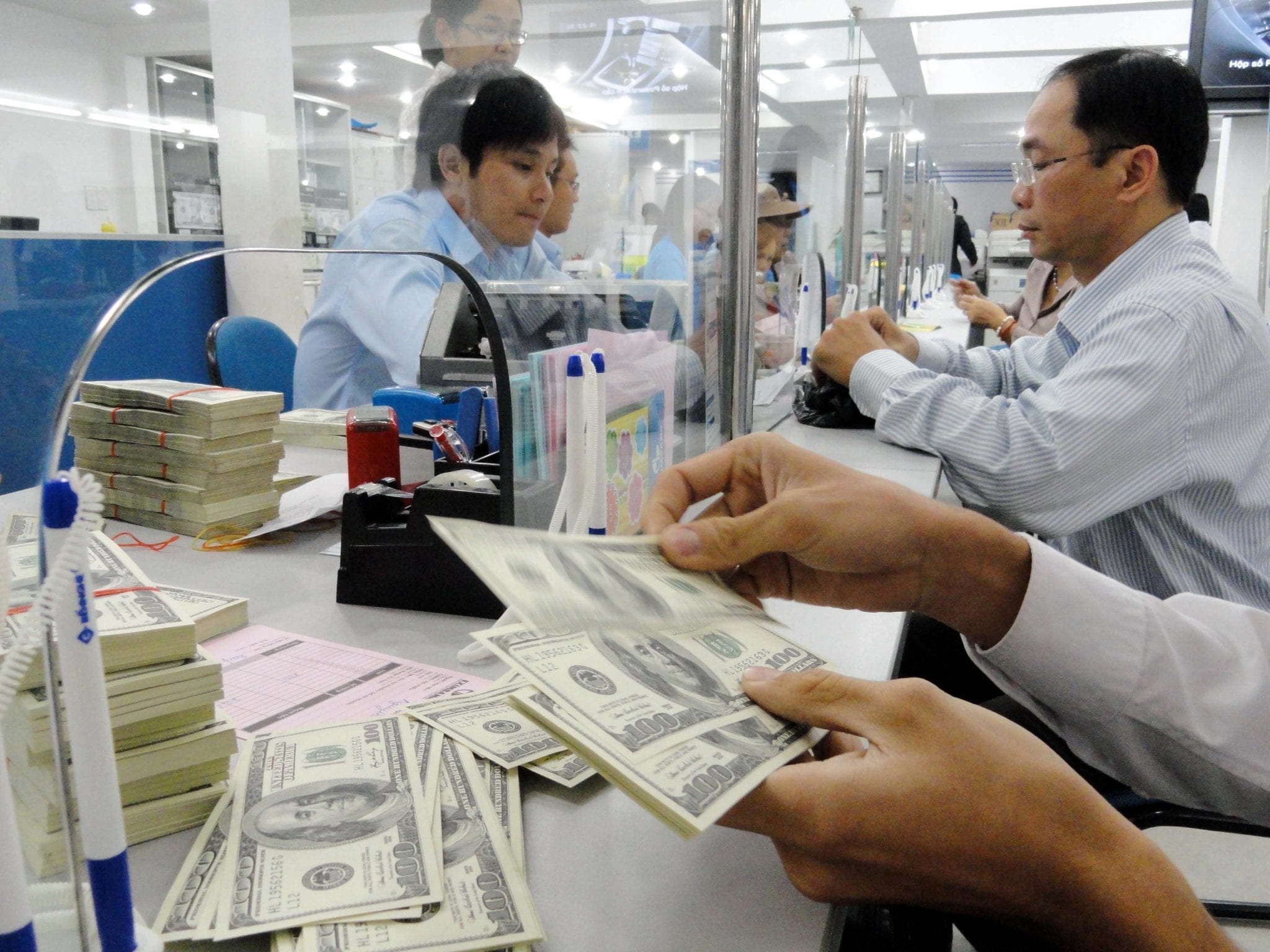
  • Vietnam’s bank seeks $700 mln via stake sale to foreign investor

    Vietnam’s bank seeks $700 mln via stake sale to foreign investor

    Saigon Commercial Bank expects further talks with two potential investors from China and Indonesia as it plans to sell more than half of the bank at par value. Saigon Joint Stock Commercial Bank, Vietnam’s fifth largest by assets, is in talks to draw an investment of at least $700 million by selling a controlling stake to a foreign investor.

    As the first Vietnamese bank granted government approval to seek such foreign investment, the lender plans to sell more than half of the bank at par value through the issuance of new shares, Chief Executive Officer Vo Tan Hoang Van was quoted as saying.

    “We’re really looking for a partner who would not only put money into the bank but also has the same vision about this market,” Van told Bloomberg. “”More importantly, they need to help our clients to complete their real estate projects so that we can solve the bad debt issue in a shorter time.”

    Saigon Commercial Bank slashed its bad debt ratio to 0.68 percent by the end of last year from 7.25 percent in 2012, the lender said at its April 18 shareholders’ meeting.

    Van said the bank has been in talks with banks, equity funds and insurance companies from China, Indonesia, Norway, and Taiwan over the stake sale. It expects intensifying negotiations with two potential investors from China and Indonesia.

    The bank plans to submit its stake sale plan to the central bank for approval early next year and close the deal in mid-2018, he said.

    The Vietnamese government currently sets a 30-percent cap on total foreign ownership in banks.

    Prime Minister Nguyen Xuan Phuc told in January that he plans to raise the cap in banks to accelerate restructuring Vietnam’s banking system.

    The government established the Vietnam Asset Management Company in 2013 to deal with bad bank loans, mostly incurred due to a slowdown in the country’s real estate market in the early 2010s.

    State Bank of Vietnam’s data showed the bad debt ratio was cut to 2.46 percent of total loans in November last year, from 17.2 percent in September 2012.

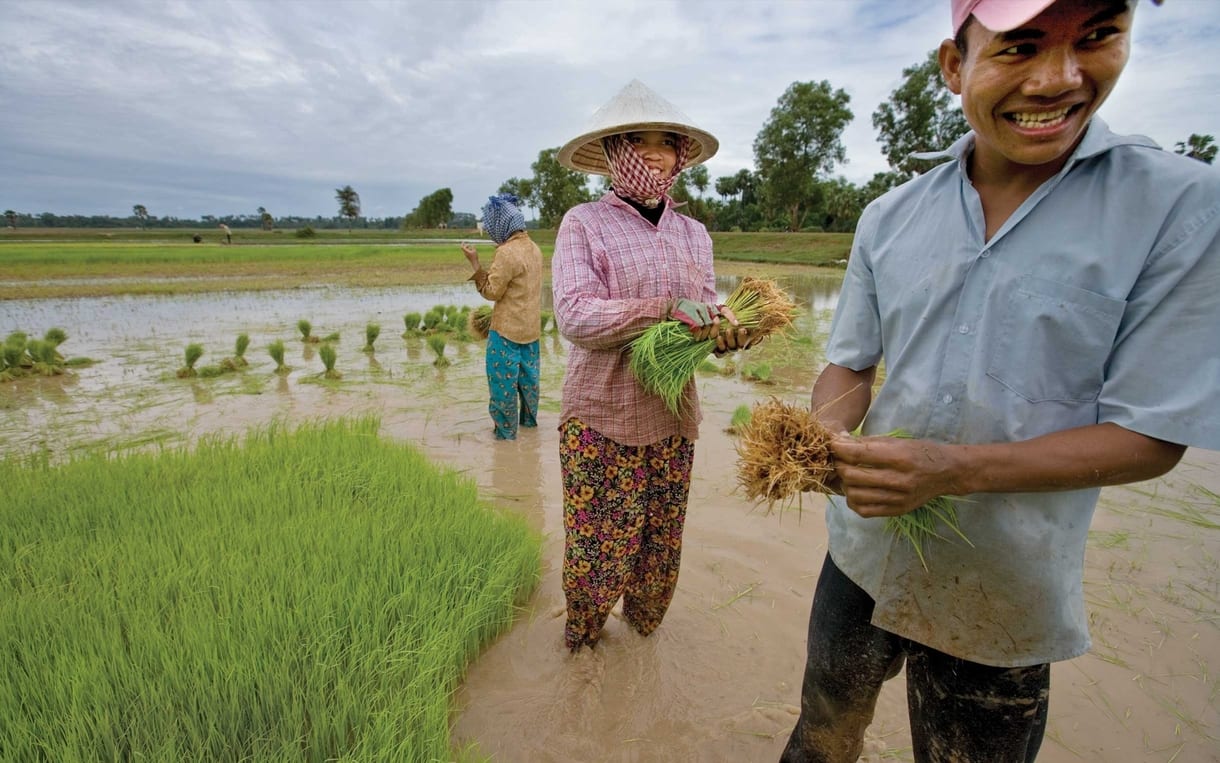
  • Appetite in Europe, Philippines may boost Vietnam’s 2017 rice exports

    Appetite in Europe, Philippines may boost Vietnam’s 2017 rice exports

    Vietnam’s global rice export ranking this year is expected to remain unchanged, trailing behind Thailand and India. Preferential import taxes in Eastern European countries and an extended rice supply agreement with the Philippines may help boost Vietnam’s rice exports this year by around 9 percent to 6 million tons, a U.S. Department of Agriculture attache said.

    The 2017 forecast, up from the 5.5 million tons shipped last year, leaves Vietnam’s global rice export ranking unchanged in third place, trailing Thailand and India, according to USDA projections.

    Vietnam can benefit from preferential import duties in Russia, Belarus, Kazakhstan, Armenia and Kyrgyzstan after the Vietnam-Eurasia Economic Union Free Trade Agreement came into effect in October 2016, the USDA attache said in a report released on Tuesday.

    It also cited a rice trade agreement renewed in January, under which Vietnam can supply up to 1.5 million tons annually to the Philippines from 2017-2018.

    Rice exports to China, the biggest buyer of Vietnamese rice, are also expected to stay strong, now that China has approved 22 Vietnamese export firms, the report said.

    In a separate report released on Wednesday, the U.N. Food and Agriculture Organization also forecast Vietnam’s rice exports this year to jump 11 percent from 2016 to 6.9 million tons, citing demand from the Philippines and China.

    Exports slow

    Despite a positive outlook, Vietnamese export businesses said rice sales to eastern European countries have not been made easier because countries such as Russia often require high-quality grain.

    “There may be preferential import duties, but the cost to process rice and keep it pest-free would be higher than paying the import tariffs,” a Ho Chi Minh City-based exporter told VnExpress International.

    Asked about the Philippines, he said there were mixed reports, with some saying Manila was going to buy soon, while others said the National Food Authority, the country’s logistics agency in charge of importing rice, has not finalized any purchasing plans.

    Vietnam’s first-quarter rice exports fell 17.5 percent from a year ago to 1.29 million tons, extending a decline seen since May 2016, even though demand from China, Singapore and the Ivory Coast pushed March shipments alone to 550,700 tons, the highest monthly figure in a year, Vietnam Customs data shows.

    China is projected to import 5 million tons of rice in the 2016/2017 marketing year ending June 2017, up 4 percent from the previous year, a USDA report said in January.

    China bought 1.74 million tons of Vietnamese rice in 2016, down 17.5 percent from the previous year, based on customs data. The statistics did not include an estimated 1.5 million tons sold across the land border, according to a Vietnamese industry analyst.

    Shipments to the Philippines last year plunged 65 percent from 2015 to 396,000 tons, based on customs data.

    Vietnam is projected to export around 5 million tons this year, the Vietnam Food Association has said. Last year, the Southeast Asian nation shipped 4.8 million tons, the lowest since 2008, due to rising competition and growing production in key regional buyers, as well as higher stocks in Africa.

    In 2016, rice slipped to the third-biggest earner among Vietnam’s agro-exports, after seafood and fruit.

    Thinner stocks

    With rising exports expected in 2017, Vietnam’s stocks could drop to 1 million tons at the year-end from 1.42 million tons last year, the USDA report said, adding that output and domestic consumption would remain steady.

    Vietnam’s 2017 milled rice output is projected at 28.1 million tons, 0.7 percent up from last year due to higher yields, and domestic consumption and residual would edge up 0.4 percent to a combined 22.8 million tons.

    While per capita consumption has been easing thanks to rising incomes, there is “higher use of rice in home-made animal and aquaculture-feeds, and growth in the food processing sector, especially in the beer and rice wine industries,” the report said.

  • Vietnam’s biggest taxi firms blame Uber, Grab for losing business

    Vietnam’s biggest taxi firms blame Uber, Grab for losing business

    The traditional taxi companies describe the competition as ‘harsh’ and ‘unfair’. Vietnam’s major taxi company Mai Linh has reported the worst business in five years while another big player Vinasun projected a 50-percent drop in profit this year, and the two blamed competition with ride-hailing apps.

    Despite arriving late in Vietnam’s taxi market, Uber and Grab have been winning significant footholds for their fare transparency, quality of service and fashionable technology.

    The unlisted Ho Chi Minh City-based Mai Linh said its transport business lost nearly VND84 billion ($3.7 million) last year, after making a profit of VND325 million in 2015.

    The company’s net profit last year, plunged nearly 70 percent in the same period to VND43 billion, the firm’s financial report showed.

    Ho Huy, chairman of the company’s management board, said Uber and Grab were key reasons to have made 2016 a difficult year for Mai Linh and other traditional taxi firms.

    He said the market has seen “harsh competition”, with unfair taxation. Uber, for example, was paying a 3-percent value added tax, while taxi firms said they have to pay a 10-percent VAT and 20 percent corporate income tax. Uber now keeps 20 percent revenue of a ride and sends 80 percent to the driver.

    Huy also blamed Uber and Grab for worsening traffic in Ho Chi Minh City by adding 25,000 cars to the streets in recent years.

    Vinasun, also based in Ho Chi Minh City, said competition with ride-hailing apps has made it lower the profit target for 2017, the third cut in a row.

    Vinasun’s gross profit is now projected at VND205 billion, down 48 percent from 2016, based on the company’s plan to be submitted to the shareholder meeting scheduled late this month.

    But the blaming has received little support from the public, as many people said they were unhappy with poor and unreliable services provided by taxi firms, such as drivers refusing to serve short distance or failing to show up regardless of clients’ booking.

  • Major Vietnamese sugar firms in merger talks

    Major Vietnamese sugar firms in merger talks

    Once established, the new company, will be the biggest sugar firm on Vietnam’s stock market. Thanh Thanh Cong Tay Ninh Joint Stock Company, a subsidiary of Thanh Thanh Cong Group, and Bien Hoa Sugar Joint Stock Company are planning to merge.

    Thanh Thanh Cong Tay Ninh’s board of directors will submit the plan for approval at a snap company general meeting set for late May or early June.

    The board plans to ask shareholders to agree to issue new shares to replace all of Bien Hoa Sugar’s shares on the stock market.

    Following the merger, the new company’s market capitalization will be an estimated VND10 trillion ($440 million).

    Thanh Thanh Cong Tay Ninh and Bien Hoa are currently among the largest listed sugar companies in Vietnam.

    At the end of 2016, Thanh Thanh Cong Tay Ninh had total assets of more than VND7.3 trillion ($321.2 million) and equity of nearly VND3 trillion ($132 million), while Bien Hoa had over VND6 trillion and roughly VND2.28 trillion.

    The current market capitalization of Thanh Thanh Cong Tay Ninh is VND6.2 trillion, while Bien Hoa’s is estimated at VND3.7 trillion.

    Bien Hoa Sugar shares were up 4.58 percent to VND13,700 at the end of Thursday’s trading session, while Thanh Thanh Cong Tay Ninh’s were down 0.2 percent at VND24,450.

  • ANZ sells retail business in Vietnam to South Korea’s Shinhan

    ANZ sells retail business in Vietnam to South Korea’s Shinhan

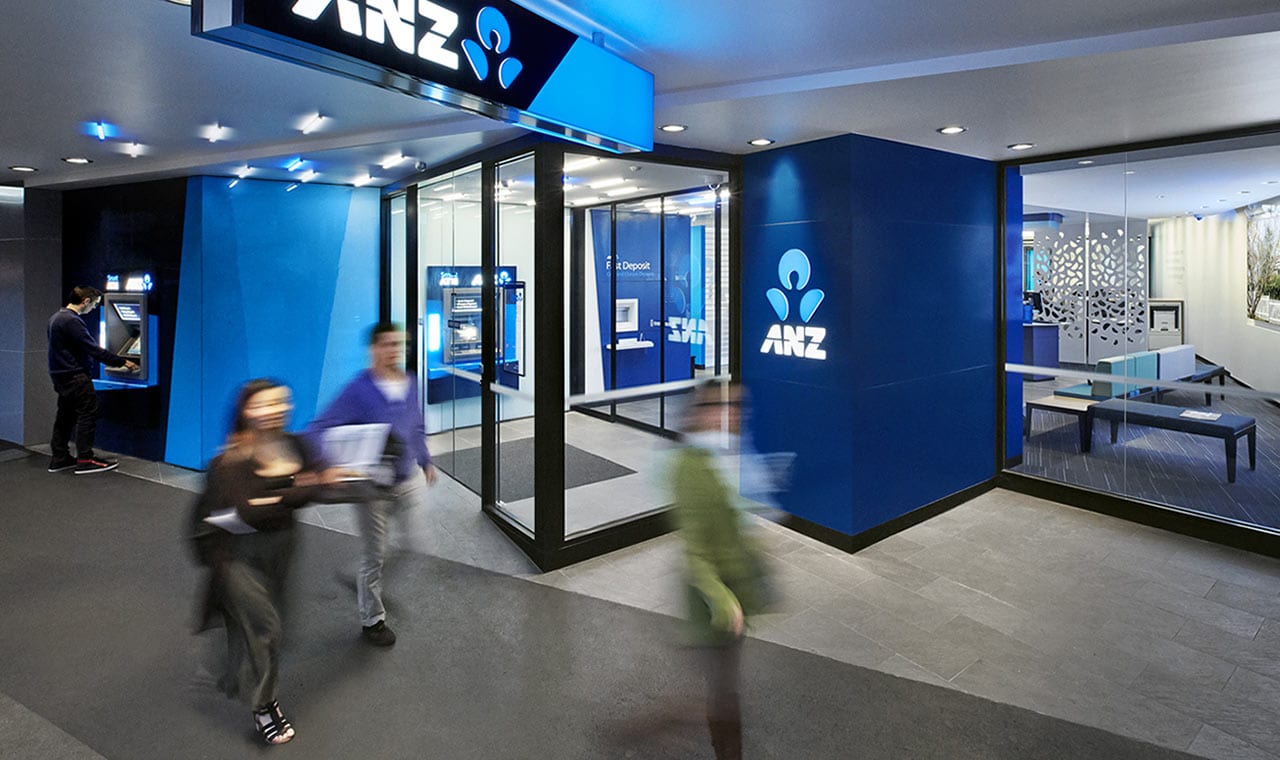
    The Australian bank said it will focus on its institutional banking, its biggest business in the region. Australian lender ANZ has announced to sell its retail business in Vietnam to South Korea’s Shinhan to focus resources on institutional banking.

    The bank has entered an agreement to transfer all eight branches, including retail staff in Hanoi and Ho Chi Minh City, to Shinhan Bank Vietnam, part of the Seoul-based Shinhan Financial Group, Farhan Faruqui, ANZ international group executive, said in a statement on Friday.

    Faruqui said the sale will allow the bank to focus resources on institutional banking, its “largest business in Asia.”

    “We will be maintaining our presence through our institutional bank in Vietnam which will continue to support our corporate clients in the Greater Mekong Region,” he said.

    ANZ’s institutional bank has a presence in 15 different markets in Asia and was ranked as one of the top four corporate banks in the region by market intelligence provider Greenwich Associates in 2016.

    ANZ’s retail business serves 125,000 customers in Vietnam, and includes $241.2 million in lending assets and $603 million in deposits. The Southeast Asian country’s economy has one the world’s fastest growing rates.

    ANZ said the transfer is subject to regulatory approval and expected to complete by year end.

    Rumors about the sale have been circulating since late last year after the bank sold its wealth management and retail business in Singapore, Hong Kong and three other Asian markets to Singaporean DBS for nearly $80 million above book value.

    Vietnam’s credit growth this year is targeted at 18 percent to facilitate the country’s annual economic expansion of 6.7 percent, the central bank has said. Last year the economy grew 6.21 percent from 2015, the slowest in two years, even though the banking sector posted an annual credit growth of 18.39 percent.

  • Vietjet Announces Five-year Plan to Enable Sustainable Growth

    Vietjet Announces Five-year Plan to Enable Sustainable Growth

    Vietjet is to embark on a Five-year Plan to enable sustainable growth beginning 2017. The ambitious plan was announced at the Annual Shareholders’ Meeting of the Vietjet Aviation Joint Stock Company in Ho Chi Minh City.

    The program, focusing on sustainable development, involves investments in enhancing internal human resources; protecting the environment; carrying out corporate social responsibilities; complementing national tourism development strategy; promoting local economic development; popularizing cultural practices and aviation civilization among passengers and in the community.

    In 2017, Vietjet is committed to operating the airline with top priorities on safety and reliability, continuing to innovate and improve service quality and operation efficiency and managing the recently listed company in accordance with international standards and the Vietnamese Accounting Standards (VAS) and International Financial Reporting Standards (IFRS).

    “Vietjet is ready to conquer new heights. I am confident that there is a bright future in the air and Vietjet is making every effort to bring it closer,” said Vietjet Chairwoman Nguyen Thanh Ha.

    The meeting also reviewed the operation of the fast growing new-age carrier in 2016, approved the business plan for 2017 as well as the contents related to management and administration.

    ACHIEVEMENTS IN 2016

    Report of business results in 2016 submitted to the meeting showed that Vietjet achieved positive business results in 2016. The airline operated 84,455 safe flights, recorded high percentage of OTP at 83.57% and of technical reliability at 99.57%, being listed in the top airlines that operate A320/A312 family in the region. Flight operation, ground operation and engineering safety indicators are listed in the group of highest quality airlines in the region. The airline also recorded in 2016 its turnover of 27,499 billion dong (USD1.21 billion), after tax profit of 2,496 billion dong (USD109 million), an increase of 38.6 percent and 113.2 percent respectively compared to 2015, exceeding 3 percent and 9 percent respectively over the target. Earnings per share stood at 9,586 dong (USD0.42).

    In 2016, Vietjet received 12 new aircraft, increasing its fleet to 41 aircraft including 30 A320 and 11 A321 aircraft, transporting 14.05 million passengers, an increase of 50.9% compared to 2015, leading the Vietnam domestic market.

  • Viettel launches nationwide 4G services

    Viettel launches nationwide 4G services

    Vietnam’s Viettel has launched 4G services across Vietnam after completing a nationwide rollout in just six months.

    The operator has now achieved 95% coverage with its 4G network, and officially launched services on Tuesday.

    The network consists of 36,000 4G base stations using 4-transmit 4-receive (4T4R) technology to improve coverage and capacity, as well as around 320,000km of domestic fiber backbone.

    According to the report, the network delivers average real-world speeds of 30Mbps to 50Mbps, but services will be provided for 40% to 60% cheaper than current 3G services.

    Viettel also plans to offer 4G-capable smartphones for as little as 1.3 million dong ($57.17), and provide free 4G SIM exchanges.

    Vietnam’s deputy prime minister Vu Duc Dam has praised Viettel for achieving the seemingly “impossible” task of launching 4G services nationwide in just six months, and expressed appreciation for the fact that the network incorporates hardware and software researched and produced domestically by Viettel’s engineers.

  • Vietnam beats China, South Africa in new healthcare ranking

    Vietnam beats China, South Africa in new healthcare ranking

    “Vietnam did very well in the study,” said Darrell West, one of the authors of the report.

    The country got the best performance in health system, scoring 19 out of 20, surpassing China and far distancing itself from Southeast Asian peer Indonesia. Nurses and midwives as well as physicians were the contributors to this high score.

    Its weaknesses are in the government’s health management capacity and infrastructure.

    Healthcare investment in Vietnam mostly comes from the public sector. To attract greater private sector investment, the country should improve transparency, make policy reforms and undertake regulatory reviews designed, the report said.

    Vietnam has a growing population, which requires better and more effective health services.

    West recommended Vietnamese leaders seek to improve its medical facilities, diagnostic systems and medical service delivery systems. These kinds of improvements will build confidence among private investors and create a climate where investors feel their financing will yield benefits.

    Vietnam’s high position in this ranking may come as a surprise for many, considering the amount of criticism directed at the healthcare system over the years. But the ranking does not simply reflect the current state, but looks at the potential of improvement brought by research and development.

  • Vietnam’s car imports jump 34 pct y/y in Q1 on tax cuts

    Vietnam’s car imports jump 34 pct y/y in Q1 on tax cuts

    Vietnam’s car imports have risen a staggering 34.4 percent from a year ago to 26,500 units, with more than half of them coming from low-tariff markets in Southeast Asia, customs figures show.

    The car import value in the first quarter edged up just 1 percent from the same period last year to $488 million, data from the General Customs Department showed.

    Cars from Southeast Asian countries totaled 14,460 units, accounting for 55 percent of the quarterly import volume and which jumped 67.6 percent from a year ago, the data show. The import from Indonesia increased five-fold.

    The strong purchase was fueled by large tariff cuts from major markets like Indonesia and Thailand, citing several importers. The import tariffs on cars from ASEAN countries have been cut to 30 percent as of January 2017, from 40 percent last year, before being fully removed in 2018.

    The tax cuts have helped reduce the retail price in Vietnam by 6-7 percent, the businesses said.

  • Vietnam Airlines starts second service to Sydney

    Vietnam Airlines starts second service to Sydney

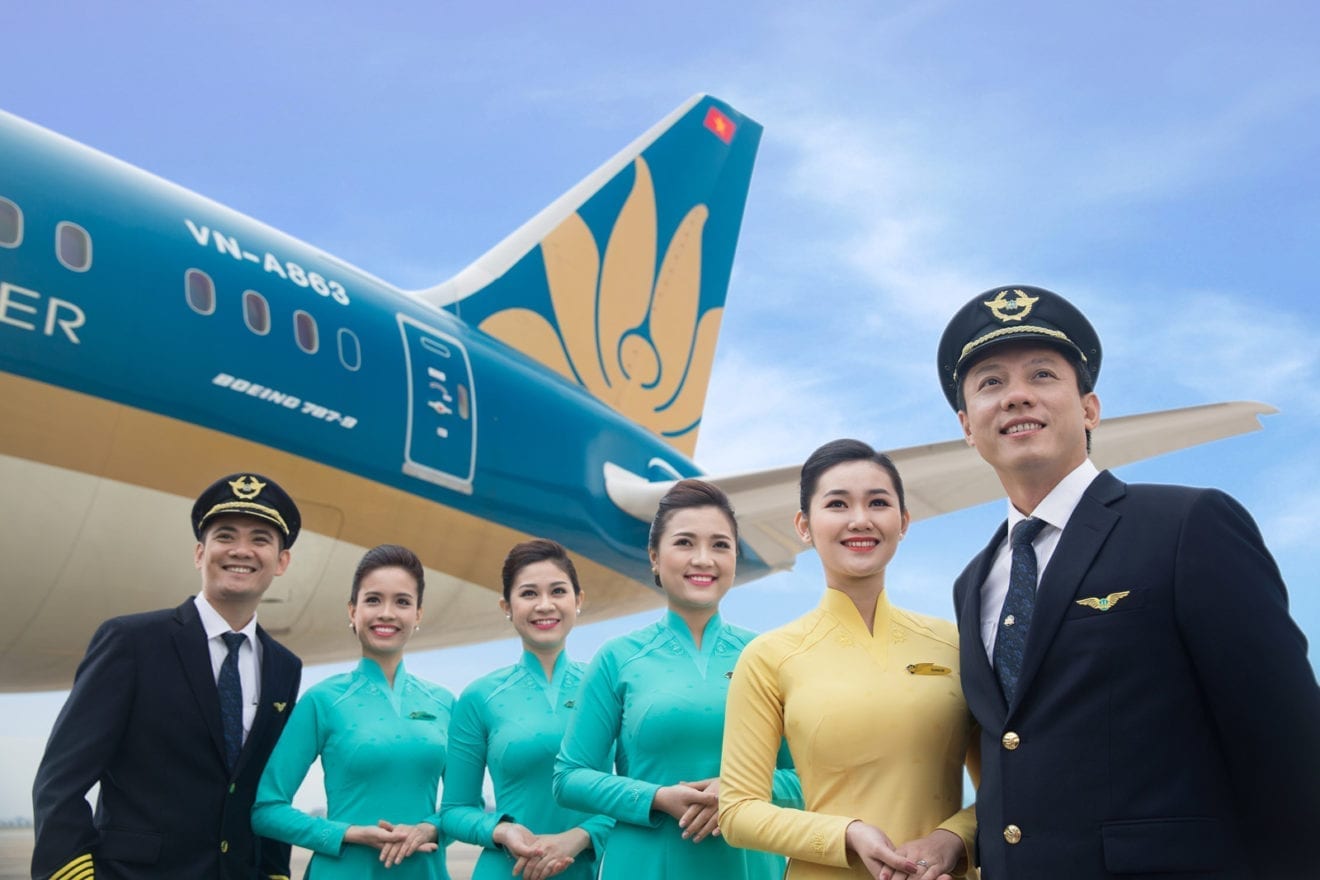
    Vietnam Airlines added a second route from Vietnam to Sydney (SYD). The SkyTeam carrier now offers three times weekly flights on the 7,783-kilometre route between Hanoi (HAN) and Australia’s busiest airport, complementing the airline’s existing daily service from Ho Chi Minh City. The airline will face no competition on the new service which will be flown using its 274-seat 787-9s.

    Kerrie Mather, MD & CEO of Sydney Airport, said: “More than 240,000 passengers travelled between Sydney and Vietnam in 2016, and we’re delighted this new service will provide more choice for this growing market. With about 40% of Australia’s Vietnamese-born residents living in NSW, the service will make an important contribution to supporting the visiting family and friends market. Hanoi’s colonial architecture and rich sense of history also makes it the ideal holiday destination for Australian travellers.

    ” Adam Marshall, NSW Minister for Tourism and Major Events, added: “In 2016 NSW welcomed 32,000 visitors from Vietnam, which was up 27% on 2015. Between them, those visitors injected $162 million in overnight visitor expenditure into the state’s economy, which again was an 11% increase on the year prior.” With the airline also operating a daily service between Ho Chi Minh City and Melbourne, Vietnam Airlines currently has a monopoly on non-stop services between Australia and Vietnam.

  • Failed Pepsi, Nivea ads show industry’s diversity problem

    Failed Pepsi, Nivea ads show industry’s diversity problem

    ‘Between Nivea’s ‘white is purity’ ad and Pepsi’s ‘Black soda matters’ ad, I think it’s time to open my ‘Ask a Black person’ consulting firm.’ Recent high-profile advertising missteps by Pepsi and skin-care company Nivea underscored anew Madison Avenue’s awkward relationship with racial diversity at a time when the United States is becoming less white.

    PepsiCo’s ill-fated “Moments” spot, featuring model Kendall Jenner, was quickly pulled with an apology after being vilified for trivializing the “Black Lives Matter” movement.

    Nivea also apologized and withdrew an ad for a deodorant after its “White is Purity” pitch was embraced by white supremacists.

    Social media had a field day with the botched campaigns, which seemed to suggest scant progress from the white male bubble of the 1960s depicted in the popular television series “Mad Men.”

    “Between Nivea’s ‘white is purity’ ad and Pepsi’s ‘Black soda matters’ ad, I think it’s time to open my ‘Ask a Black person’ consulting firm,” comedian Travon Free said on Twitter.

    In fact, data shows a diversity deficit in a sector that both reflects and molds public sentiment.

    Only 4.1 percent of advertising industry employees in the country are African Americans, well below their 13.3 percent of the overall population. Latinos account for 12.3 percent of the industry, compared with 17.6 percent of the population.

    Nearly half of respondents among advertising employees said the industry was “terrible” or “not great” at hiring diverse professionals, with another 25 percent describing it as “mediocre,” according to a survey released last September by the American Association of Advertising Agencies.

    The trade group’s outgoing president Nancy Hill made publicly calling out “racist and misogynistic behavior” her New Years resolution for 2017.

    “I have realized given the current climate in our country and our industry, that doing that privately is tantamount to condoning the behavior,” Hill said in a column on a marketing industry website.

    “Others involved need to know that this industry does not tolerate this kind of thinking and its resulting behavior any longer.”

    Some major advertisers, such as Verizon, General Mills and Hewlett-Packard have threatened to fire firms that aren’t diverse enough.

    Pepsi misfires

    The demise of the Pepsi spot has especially provoked intense discussion throughout the industry. The company is led by Indian-born chief executive Indra Nooyi, a vocal proponent of diversity.

    A poll showed 40 percent on respondents blamed the debacle on lack of diversity or diversity of thought, while 25 percent said it reflected an overzealous approach to attracting millennials and 13 percent blaming the fact that it was made by Pepsi’s in-house creative team and did not involve an outside firm.

    The spot follows Jenner as she is stirred from a fashion shoot by a handsome Asian cellist to join an unspecified but peaceful street protest with people of all ethnicities, including African American street dancers.

    The two-and-a-half minute short film culminates with Jenner handing a Pepsi to a handsome grinning police officer, a move that draws wild applause from the crowd, including from a hijab-wearing photographer who nods in agreement as she records the moment.

    The spot spurred instant ridicule, most witheringly from Bernice King, who posted a picture of her father, Martin Luther King, being apprehended at a civil rights march by police.

    “If only Daddy would have known about the power of #Pepsi,” King wrote on Twitter.

    History repeating?

    Kelly O’Keefe, a professor of brand strategy at Virginia Commonwealth University, said the spot was shockingly heavyhanded in its constant hawking of cola.

    It reflected a “cloistered view of the world and distorted view of diversity,” he said, adding that the spot has dominated discussion in class this week.

    Jake Beniflah, executive director of the Center for Multicultural Science, thought the ad was a spoof when he first saw it because of the omnipresence of the product and in its creation of “utopian” world where every race is shown.

    “Perhaps they thought diversity on camera was enough, but obviously it wasn’t,” Beniflah said. “In fact, it backfired.”

    For Judy Davis, a marketing professor at Eastern Michigan University, the controversy stirred memories of Barbara Gardner Proctor, one of the women she profiled in her book, “Pioneering African American Women in the Advertising Business: Biographies of MAD Black WOMEN.”

    Proctor was fired in the 1960s from a large firm when she refused to work on a campaign that showed black women clamoring in the street for a hair product. The ad was a tasteless allusion to the civil rights movement, she said.

    “It was the same kind of trivialization of a serious social movement and taking that to promote some brand,” Davis said.

    “You would think in 2017 things would be different. But here we are seeing some of the same problems that were present 50 years ago, and I think that’s pretty amazing.”