Tag: Vietnam

  • Jetstar adds low-cost services between Australia and Vietnam this summer

    Jetstar adds low-cost services between Australia and Vietnam this summer

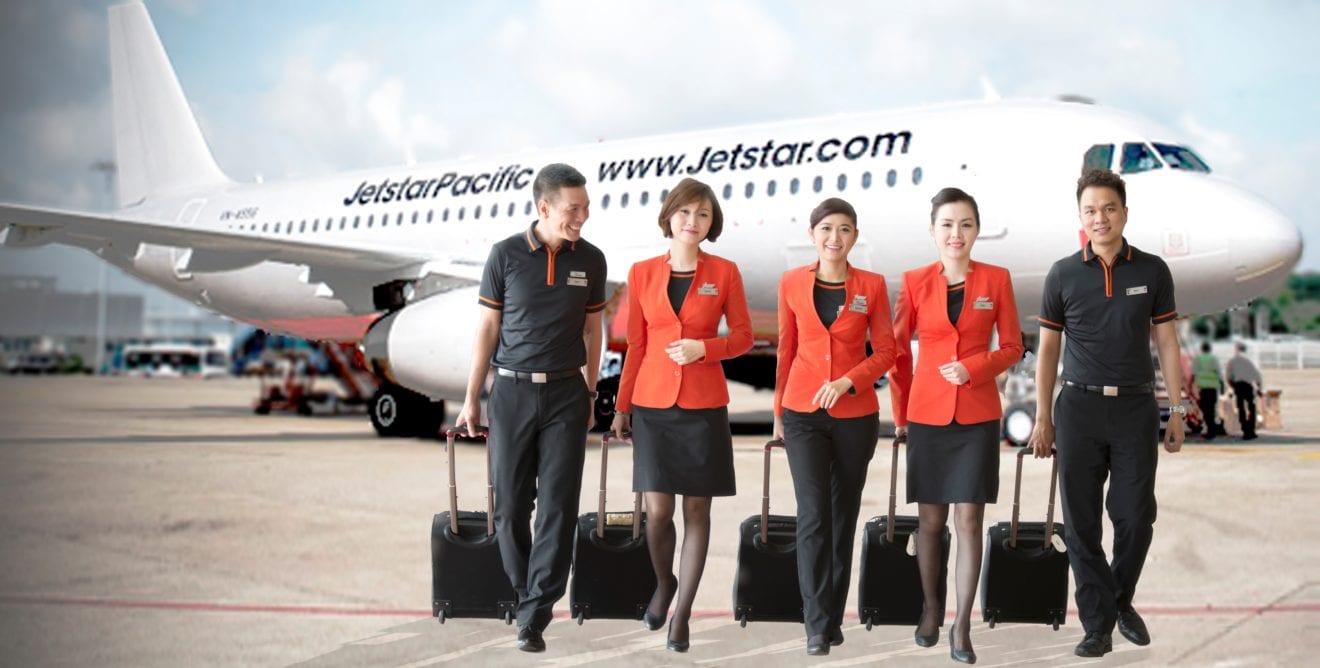
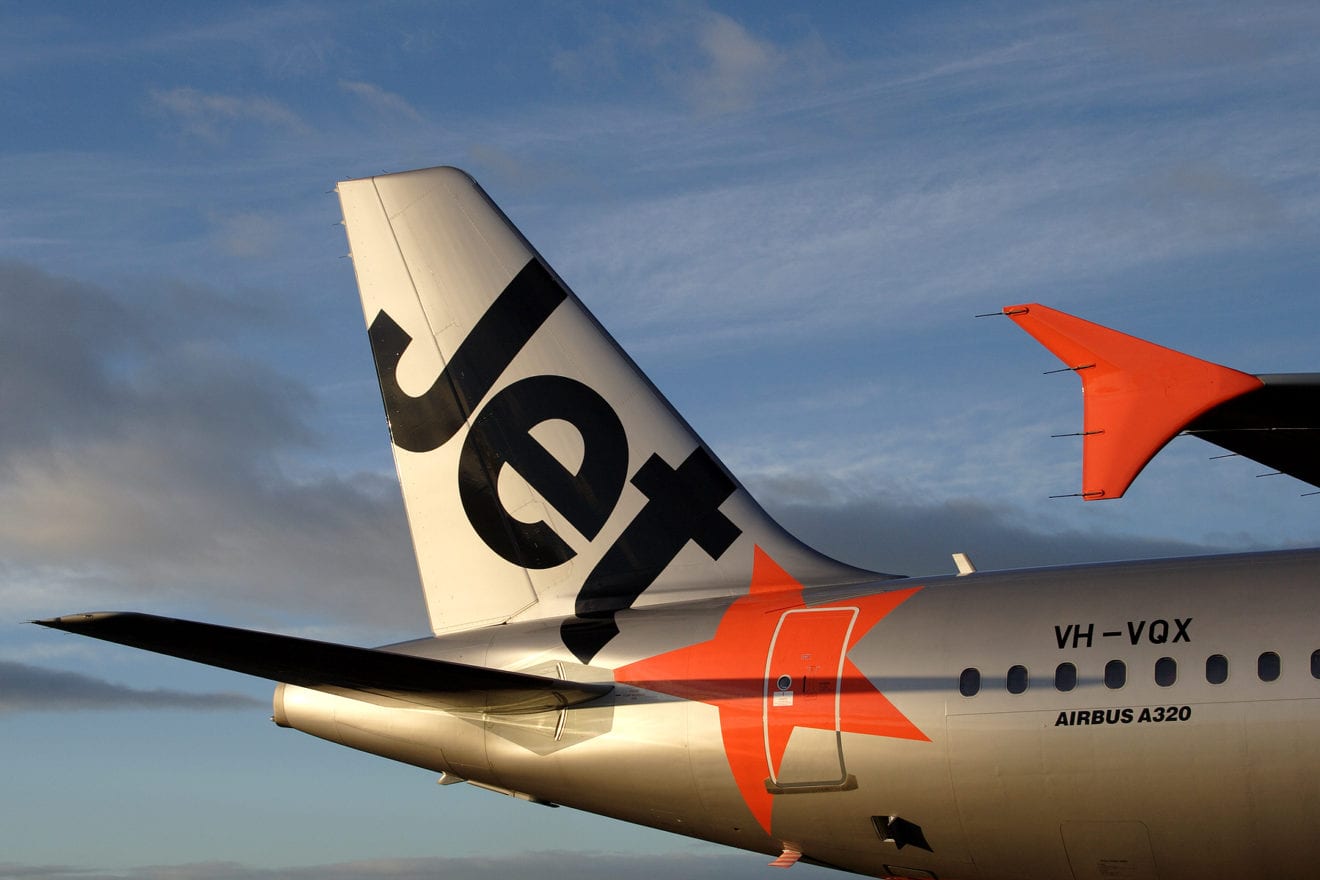
    The Qantas unit hopes to break the monopoly currently held by national carrier Vietnam Airlines, which is also a Qantas partner. Australia’s trade and tourism ministry on Wednesday announced two low-cost direct services from Melbourne and Sydney to Ho Chi Minh City by Jetstar Airways.

    The new services will take off in May this year, Assistant Minister Keith Pitt told a meeting with local media in HCMC.

    Jetstar Airways, a wholly owned subsidiary of Australia’s Qantas Airways, will operate the flights four times a week from Sydney and three times weekly from Melbourne using the Boeing 787 Dreamliner.

    Ticket sales began in January. Flights from Melbourne to HCMC will be launched on May 10, and flights from Sydney will commence one day later, subject to regulatory approval.

    “These flights will stimulate inbound tourism, business and trade to Australia. In the last 12 months, there has been a 21 percent increase in visitors from Vietnam to Australia and we expect to see that grow with the introduction of our low fares on the route,” Paul Rombeek, Jetstar Group’s Global Head of Sales, told the press.

    The new flights from Australia to HCMC by Jetstar Airways would link up to 15 domestic destinations from HCMC thanks to daily services operated currently by Vietnamese domestic partner Jetstar Pacific, Jetstar Group Chief Executive Jayne Hrdlicka said in a statement.

    Jetstar Pacific, 70 percent owned by flag carrier Vietnam Airlines and 30 percent by Qantas, is growing rapidly in an attempt to fend off a competitive threat from domestic budget rival VietJet, she said.

    Vietnam Airlines and Qantas last year said they would invest $139 million to more than double the size of Jetstar Pacific’s fleet to 30 aircraft by 2020.

    Jetstar’s non-stop flights from Australia to Vietnam will break a monopoly of direct services held by Vietnam Airlines, said the report.

    More than 320,000 Australian visitors came to Vietnam last year, up 5.6 percent against 2015. The figure in the first three months this year was over 95,000, up 3.4 percent, according to data of the Vietnam National Administration of Tourism.

  • Vietnamese Prime Minister orders rice revolution to raise quality of production

    Vietnamese Prime Minister orders rice revolution to raise quality of production

    Falling rice exports have prompted the government to rethink its strategy. Renovation at all levels of the government is needed to “create a revolution in quality and a new vision, accompanied by strategic planning in line with globalization, in order for Vietnamese rice to meet consumer demand in Asia and the rest of the world,” Prime Minister Nguyen Xuan Phuc was quoted on Wednesday as saying.

    Vietnam, the world’s third-largest rice exporter after India and Thailand, will launch a comprehensive campaign to overhaul production in order to raise yields, efficiency and export value, according to the government.

    The Southeast Asian nation went through its first rice revolution in the late 1980s. At that time, the country still had to import rice to meet domestic demand, but 1989 marked the first year of Vietnamese rice shipments, with a total of 1.4 million tons shipped overseas thanks to rapid reforms in agricultural production.

    Rice exports peaked at 8 million tons in 2012, but have since dropped due to better production in key markets such as the Philippines, Indonesia and Malaysia, as well as rising competition from India, Pakistan, China, Thailand, Myanmar and Cambodia.

    The Vietnam Food Association has targeted annual shipments of around 5 million tons this year, after sales fell to 4.8 million tons in 2016, the lowest since 2008.

    Despite continued investment, falling rice exports have prompted the government to rethink its strategy.

    Hanoi has classed rice as a strategic commodity to ensure food security for the country’s 93 million people, especially with typhoons, salination and floods posing a major threat.

    Phuc’s instruction came days after the government estimated Vietnam’s rice exports from January-March dropped 24 percent from a year ago to 1.2 million tons, a two-year low.

    Phuc has asked for rice fields to be merged or expanded in suitable areas, while the land damaged by salination should be switched to raising shrimp and other crops.

    He also called for updated agricultural technology to produce varieties with higher yields, while improving storage conditions and avoiding post-harvest losses.

    Modern irrigation systems and infrastructure projects to cope with climate change and rising sea levels are needed, Phuc said.

    Last month, the premier asked government officials to look into human and natural factors as Vietnam seeks to fight the problems threatening to sink the country’s Mekong Delta food basket, which supplies 90 percent of rice for export.

    The future of the delta, home to around 20 million people, is threatened by urbanization and dozens of dams, with more in the pipeline. Flooding and droughts that have led to salination, along with rising sea levels, should also be considered for the region’s development, a World Bank report said.

    The alluvial soil and sediment delivered to the coastal areas in the delta, where the Mekong River enters the East Sea (internationally known as the South China Sea), fell to 75 million tons in 2014 from 160 million tons in 1994, according to data from Vietnam’s National Mekong Committee.

    The WWF said that higher sea levels may inundate half of the delta by the end of the century.

  • Problems with City pork plan

    Problems with City pork plan

    HCM City’s technology-based programme to control and trace the origin of pork that began recently is encountering difficulties, according to the Department of Industry and Trade.

    Speaking at a regular department press briefing, Nguyễn Phương Đông, its deputy director, said 713 pig farms have registered to participate in the programme, but only 99 put rings with an electronic stamp on their pigs’ legs to aid in individual identification of the animals.

    Even the number that agreed to join the programme had not met the expectations of its managers, he said.

    The reason for this is that the main source of supply for the city is farms and household breeders in neighbouring provinces, who need time to change their farming and trading habits.

    But to ensure the safety of consumers, the department is working with those provinces to organise training programmes for the farmers, he said.

    The city provides small-scale breeders with a 50 per cent subsidy of the cost of the electronic rings for the first month, he said.

    Almost all wholesalers at the city’s Bình Điền and Hóc Môn wholesale markets are taking part in the programme.

    They meet 70-80 per cent of the city’s pork demand.

    Consumers can currently check the origin of pork they buy at nearly 385 modern outlets (supermarkets, convenience stores and food shops) and 140 booths at 23 retail markets.

    The project management board is now working with poultry producers and distributors in the city and neighbouring localities to implement a similar programme in June.

  • AirAsia sets up low-cost airline in Vietnam

    AirAsia sets up low-cost airline in Vietnam

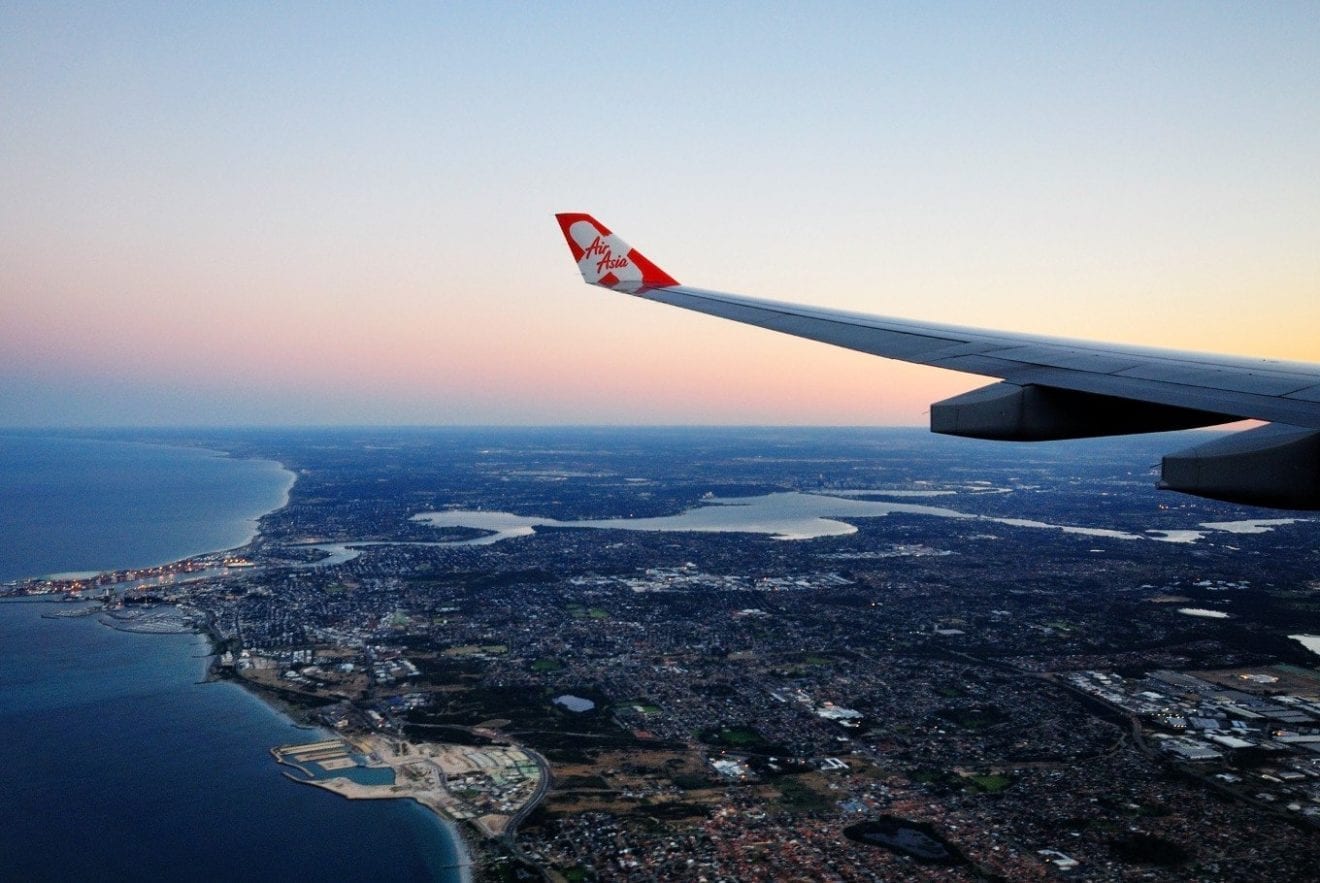
    Malaysian budget airline AirAsia Berhad plans to start a low-cost carrier in Vietnam, co-operating with local businesses to enter the country’s booming travel market, company representatives told Retail News.

    AirAsia signed a shareholders’ agreement with Vietnam’s Gumin Company Limited, Hải Âu Aviation Joint Stock Company and Trần Trọng Kiên, the owner of these two companies, to form the venture last Friday, which the airline announced in a statement to Malaysia’s stock exchange.  

    The carrier, expected to start flying at the beginning of 2018, will need an investment of VNĐ1 trillion (US$44 million), of which AirAsia will hold 30 per cent stake and Gumin will hold 70 per cent.

    Vietnam is the latest country to lure Malaysian billionaire Tony Fernandes, head of AirAsia, who is aspiring to build a low-cost airline network covering Asia, as the 28 per cent growth inVietnam’s aviation market triples the rate in other Southeast Asian countries.

    Vietnam is also the fifth biggest aviation market in the region, after Indonesia, Thailand, Malaysia and Singapore, with a passenger volume that has doubled since 2013 thanks to a middle class population accounting for 25 per cent of the total population by 2010.

    In recent years, AirAsia has established affiliates in Indonesia, Thailand, India and Japan. The airline is betting on low cost airline models for international travel through its AirAsia X subsidiary. Fernandes has also ordered hundreds of Airbus aircraft worth billions of dollars to meet his ambition of growth, and he is in the process of selling a subsidiary specialising in leasing aircrafts to raise cash.

    However, Brendan Sobie, CAPA Centre for Aviation’s analyst, told that AirAsia would face huge challenges, because it entered the Vietnamese market too late. “The market is currently well served by two carriers, VietJet Air and Jetstar Pacific. The growth rate will slow down in the coming years, as the low-cost market is now more mature. ”

    Vietjet Aviation Joint Stock Company shares have grown 52 per cent since its listing on HCM Stock Exchange in February 28.

    According to a report released by ACB Securities in December last year, passenger traffic inVietnam will continue to grow at double digit rates over the next decade, after an annual growth of 17 per cent in the last decade.

  • Card payment compulsory soon for e-commerce businesses in Vietnam

    Card payment compulsory soon for e-commerce businesses in Vietnam

    E-commerce businesses may have to accept card payments as a way to offering more options of payment when shopping online, an official from the Ministry of Industry and Trade said.

    Võ Văn Quyền, director of the ministry’s Domestic Market Department, was quoted as saying that the department was studying amendments to e-commerce business which might include regulations about compulsory payment methods.

    Accordingly, accepting card payment might be compulsory for e-commerce firms.

    Việt Nam Banking Card Association’s statistics showed that e-commerce payments had seen breakthrough developments in 2012-16 period.

    Payment values by domestic-payment cards jumped 597 per cent and by international cards by 319 per cent in the five-year period.

    As of the end of 2016, payments by the former were worth totally VNĐ3.44 quadrillion (US$150.9 billion) so far and the latter by VNĐ13.4 quadrillion.

    The values are expected to increase rapidly if accepting card payment is made compulsory for e-commerce transactions.

    The ministry’s Department of E-Commerce and Information Technology in March said that e-commerce was growing rapidly in Việt Nam where 90 per cent of population had smart phones which were used at an average 24.7 hours online per week. On average, each Vietnamese used $160 for shopping online per year.

    However, according to the Payment Department under the State Bank of Vietnam, the payment infrastructure in the country remained under-developed and the ratio of online payment in e-commerce remained modest.

    The banking sector would improve the legal framework for e-payment while developing the infrastructure for card payment. In addition, security for online payments must be improved.

    Race for cashless payment, fintech

    Developing cashless payment methods inVietnam had significant room. The Government ofVietnam in a cashless payment project from 2016 to 2020 set a goal that only 10 per cent of transactions in the economy were made in cash.

    A recent survey by Visa Vietnam showed that Vietnamese were now on a trend of using less cash in payment with the ratio of cash payment dropping from 46 per cent in 2015 to 38 per cent last year together with improved trust in electronic payment.

    The survey found that there were 67.4 million banking accounts inVietnam as of 2016, significant increase compared to 16.8 million in 2014 but card payment accounted for just 3 per cent of personal consumption spending in six major cities. Only 50 per cent of e-commerce payment were conducted by card.

    Statistics of the Vietnam Banking Card Association showed that transactions at ATMs were mainly cash withdrawals (86.8 per cent of revenues conducted by domestic payment cards), reflecting the popularity of cash.

    The booming of e-commerce would drive cashless payments inVietnam.

    E-commerce was forecast to grow at 20 per cent per year to reach a revenue of $10 billion by 2020. The Department of e-Commerce and Information Technology said that the e-commerce revenue could be higher as currently the growth rate had reached 25 per cent.

    The association said that digital banking was also gaining popularity together with the application of tokenisation in improving security.

    There were 92.08 million domestic payment cards and 12 million international payment cards in 2016, the association’s statistics showed.

    Vietnam is also seeing a wave of fintech start-ups to promote cashless payment.

  • TV programme “Startup Nation” to air shortly in Vietnam

    TV programme “Startup Nation” to air shortly in Vietnam

    Vietnam Television (VTV) and HCM Communist Youth Union on Monday announced a new TV programme titled “Startup Nation,” which is expected to promote startups inVietnam.

    The announcement was witnessed by Deputy Prime Minister Vương Đình Huệ, Minister of Science and Technology Chu Ngọc Anh, Minister of Agriculture and Rural Development Nguyễn Xuân Cường, leaders of the youth union and major companies in Vietnam.

    The talk show format will air on VTV1 every Friday evening from April 14 and rebroadcast Saturday afternoon.

    Another programme titled “Startup Coffee” will air from April 10 every morning as part of the programme “Good Morning” on VTV1.

    VTV Director General Trần Bình Minh said the programme producers wanted to deliver a message on startups, which is “Renovation is continuous and enduring. It’s not just a movement but a path for the nation to follow.”

    He said successful businessmen would be invited to “Startup Nation” to share experiences and comment on startup models or business trends in Vietnam and across the world. They could then suggest or invest in promising startup ideas.

    The TV programme is part of the Government’s mission to makeVietnam a nation of startups.

    First Secretary of HCM Communist Youth Union Lê Quốc Phong said the youth would applaud the new programme, which offers them an opportunity to present their startup dreams, and make those dreams a reality.

    Phong said the youth expected relevant agencies to hear their ideas and suggestions thanks to the TV programme and subsequently timely adjust policies to support them.

    In the first quarter of this year, 26,478 new enterprises were established in Vietnam, a record number in the last six years.

    Last year,Vietnam recorded the establishment of 110,100 new enterprises, the highest number compared with the previous years. Last year is the first time the country had more than 100,000 new enterprises in one year, which is said to be the result of the Government’s strong promotion of startups.

    Vietnam is expected to have one million enterprises by 2020.

  • Police seize fake coffee shipment in robusta king Vietnam

    Police seize fake coffee shipment in robusta king Vietnam

    Over three quarters of the 850kg shipment turned out to be soybeans soaked in chemicals and flavorings. Environment police seized a shipment of fake coffee at a bus station in the central town of Vinh on Tuesday, some 300km (186 miles) south of Hanoi.

    The officers were on a routine patrol when they spotted a truck laden with 16 suspicious-looking bags, which the truck driver declared as coffee.

    The bags weighed 850 kilograms (1,870 lb), but only 200kg was real coffee, while the rest turned out to be roasted soybeans soaked in chemicals and flavoring to make them look like coffee. The beans were on their way for sale in Nghe An Province from a company in the southern province of Binh Duong, the driver told police.

    The catch is the latest in a series of cases involving fake coffee exposed over the past five years in Vietnam, the world’s biggest robusta producer and exporter.

    Fake coffee has been found across the nation, which has one of the world’s fastest growing retail coffee markets, trailing only behind Indonesia, Turkey and India, as reported by global market intelligence agency Mintel.

    Police have also uncovered small processing plants making fake coffee by over-roasting soybeans and corn in Ho Chi Minh City, which is Vietnam’s main coffee trading market, as well as in Can Tho City and provinces like Binh Duong and Thanh Hoa.

    Even in Dak Lak, the country’s top coffee-growing province, market inspectors have found coffee powder containing only 10 percent real coffee, with the majority made up of soybeans, corn and chemicals used to create the bitter taste and bubbles.

    In July 2016, the Vietnam Standard and Consumers Association said it had taken 253 coffee samples from various shops in four locations, including Hanoi and Ho Chi Minh City, and found that one third of them had very low caffeine content, while the stimulant was totally absent in five samples.

    The coffee sold in street-side shops, hospitals and schools tended to have very low caffeine content or no caffeine at all, the association said.

    A kilogram of robusta beans now fetches around VND46,000 ($2.02), while imported soybeans can be bought on the domestic market for VND12,000-14,000 per kilo. These findings by police and market inspectors have caught public attention and have changed consumer behavior.

    Changing awareness

    “Consumers are now aware that fake coffee is a real problem,” said Le Duc Huy, deputy general director of the Dak Lak-based Simexco, one of Vietnam’s biggest exporters of semi-processed robusta beans. “Many now know how to spot fake coffee.”

    He said the content of real coffee sold on the market has now doubled to around 60 percent in the southern region and the Central Highlands coffee belt.

    “But in the northern and the central regions, which lie far from the coffee processing hub, consumers may not be aware, so the coffee content there is as low as 20-30 percent,” Huy told via telephone from Dak Lak.

    Improved awareness among Vietnamese coffee drinkers has been reflected in the rising domestic consumption rate in a country where tea is also a popular drink.

    Vietnam is forecast to use 172,200 tons of coffee at home in the 2016/2017 crop year, up 10 percent from the previous season, the U.S. Department of Agriculture (USDA) said in its December report.

    The domestic consumption rate has been rising in double digits since at least the 2012/2013 season, based on USDA data. The country’s crop year lasts between October and September.

    Rising exports

    Higher domestic consumption, coupled with a rush to sell by exporters in the first months of 2017 and the smaller 2016/2017 harvest due to adverse weather, could disrupt coffee exports, traders said. More instant coffee being produced locally has also been contributing to the tighter export flow, Vietnamese industry officials said.

    Vietnam could export an estimated 180,000 tons of coffee in March, the highest monthly shipment since April 2016, based on government data released on Wednesday.

    Most of the shipments were sold in late January or February as exporters tried to cash in on higher prices while cutting costs, traders said. On the other hand, foreign buyers said they had stepped up purchases based on expectations of a smaller crop in Vietnam.

    The March estimate has brought the country’s total export volume to 847,000 tons in the first half of the 2016/2017 season, up 4 percent from a year ago.

    Vietnam could face coffee shortages from May-June due to rising shipments and dwindling domestic stocks, top export firm Intimex has said.

    Huy of Simexco said Vietnam should do more to fight fake coffee.

    “The media should do its best to help consumers spot real coffee,” he said. “Related agencies should also step up inspections of coffee shops because shop owners are making money by selling fake coffee as it costs up to 50 percent less than real coffee.”
  • Vietnam beats China in product reputation ranking, but scores below most ASEAN peers

    Vietnam beats China in product reputation ranking, but scores below most ASEAN peers

    Made in Vietnam products score low in almost all product attribute categories. Vietnam has been ranked 46th on the Made in Country Index 2017 released by Germany’s Statista Market Research Co, which asked more than 43,000 people in 52 countries and territories to look at goods produced in 49 countries and the European Union as a group.

    Vietnam hit an index score of 34, while China took the 49th position with a score of 28, said the survey.

    However, it stood behind most Southeast Asian countries in the survey, except for the Philippines, which ranked 47th.

    The index features 10 categories: high quality, high security standards, very good value for money, uniqueness, excellent design, advanced technology, authenticity, sustainability/eco-friendliness, fair production and status symbol.

    Vietnam scored low in all categories but “very good value for money”, where it made it to the top 10, standing in eighth place. “Made in China” products claimed the top spot as voted by over a third of respondents.

    Even “in Vietnam itself, ‘Made in Vietnam’ does not have a good reputation”, the survey said.

    Vietnamese consumers like products from Japan the most. Other products most preferred in Vietnam come from Denmark, Australia, the Netherlands and South Korea.

    “Made in Vietnam” products are found popular in Ecuador and the United Arab Emirates, where they rank 10th and 20th, respectively.

    Germany tops the Made-In-Country Index, scoring 100 points, while Switzerland and the EU are runners-up, scoring 98 and 92, respectively. Iran sits at the bottom of the pile.

    In most countries, products from Germany, the U.S. or Japan are the most favored.

    Specifically, in 13 of the 52 responding countries, Germany has the best image as a manufacturing country. The U.S. holds this status in eight countries, while Japan claims seven.

  • Most banks in Vietnam expect profits up, bad debts stable this year

    Most banks in Vietnam expect profits up, bad debts stable this year

    Bad debt in Q2 and in the whole of this year would stay unchanged or dip slightly from Q1. About 90 percent of financial institutions operating in Vietnam are expected to reap higher pre-tax profit in 2017, while they could control or reduce bad debts this year, a State Bank of Vietnam (SBV) survey has found.

    Most of the respondents in the survey, conducted between February 25 and March 9, expected their bad debt to loan ratio in the second quarter and for the whole of 2017 would stay unchanged or below that in the first three months.

    Based on SBV data, bad debts in Vietnamese banks, mostly incurred due to a slowdown in the country’s real estate market in the early 2010s, have been cut to 2.46 percent of loans at the end of November, 2016, from 4.83 percent in December 2014, one year after it set up an institution to deal with toxic loans, the Vietnam Asset Management Corp.

    The survey on business trends for the April-June period, conducted by SBV’s Monetary Forecasting and Statistics Department, has targeted all Vietnamese banks and foreign bank branches in the country and has a response rate of nearly 90 percent.

    Banks expected the annual credit growth to slow to 17.23 percent this year, from the expansion of 18.25 percent in 2016, while deposits in 2017 could grow 16.23 percent from last year, below the 16.76 percent expectation in the December 2016 survey, the SBV said.

    Half of the lenders would keep their fees unchanged for the whole of 2017, while 20 percent of them said they planned slight decrease and another 30 percent said they expected a small rise.

    Banks expressed confidence in the government’s effort to improve business climate and three quarters of the surveyed institutions look forward to a better business situation in the second quarter, while eight in 10 of those believe they can achieve better results in the whole year.

  • Vietnam may become a target as Trump set to curb ‘trade abuses’

    Vietnam may become a target as Trump set to curb ‘trade abuses’

    U.S. President Donald Trump will sign executive orders on Friday aimed at identifying abuses that are causing massive U.S. trade deficits and clamping down on non-payment of anti-dumping and anti-subsidy duties on imports, his top trade officials said.

    The orders come as Trump prepares for his first face-to-face meeting with Chinese President Xi next week in Florida, where trade issues promise to be a major source of tension. China was the biggest contributor to the $734 billion U.S. goods trade deficit last year.

    The directives allow Trump to focus on meeting his campaign promises to combat the flow of unfairly traded imports into the United States just a week after his pledge to repeal and replace Obamacare imploded in Congress.

    Commerce Secretary Wilbur Ross told reporters that one of the orders directs his department and the U.S. Trade Representative to conduct a major review of the causes of U.S. trade deficits. These include trade abuses such as dumping of goods below costs and unfair subsidies, “non-reciprocal” trade practices by other countries and currencies that are “misaligned.”

    Ross took pains to say that currency misalignment was not the same as manipulation, and only the U.S. Treasury could define currency manipulation. But he said in some cases, currencies can become misaligned from their traditional valuations unintentionally, citing the Mexican peso’s sharp decline late last year after Trump’s election.

    The study also will examine World Trade Organization rules that Ross said do not treat countries equally, such as on taxation. The United States has long complained that WTO rules allow exports to be exempt from value-added taxes, but do not allow export exemptions from the U.S. corporate income tax. The study also will examine the effects of trade deals that have failed to produce forecast benefits, Ross said.

    Ross said he aims to complete the study and report the findings to Trump in 90 days — a time frame that coincides with the expected start of negotiations to revamp the U.S.-Canada-Mexico North American Free Trade Agreement.

    The study’s findings will underpin the Trump administration’s future trade policy decisions, Ross said, and will be the first “systematic analysis” of the trade deficit’s causes, “country-by-country, product-by-product.”

    “It will demonstrate the administration’s intention not to hipshoot, not to do anything casual, not to do anything abruptly,” Ross told a White House briefing.

    Ross has promised tougher enforcement of U.S. trade laws and more anti-dumping and anti-subsidy cases initiated by the Commerce Department, rather than relying on companies to claim injuries from imports.

    He said the study would focus on those countries that have chronic goods trade surpluses with the United States.

    China tops the list, with a $347 billion surplus last year, followed by Japan, with a $69 billion surplus, Germany at $65 billion, Mexico at $63 billion, Ireland at $36 billion and Vietnam at $32 billion.

    The second trade order to be signed by Trump is aimed at halting the non-payment and under-collection of anti-dumping and anti-subsidy duties the United States slaps on many foreign goods.

    White House National Trade Council Director Peter Navarro said that some $2.8 billion in such duties went uncollected between 2001 and the end of 2016 from companies in some 40 countries.

    Navarro said the order directs the Commerce and Homeland Security departments to close these gaps by imposing tougher bonding requirements to ensure duty collections and new legal requirements for assessing risks associated with importers.

    Navarro, a harsh critic of China’s trade practices, insisted that the orders were not aimed at sending a message ahead of Xi’s visit.

    “Nothing we are saying tonight is about China,” he said. “This is a story about trade abuses, this is a story about under-collection of duties, this is a story about 40 countries that basically subsidise their products unfairly and send them into our country or dump their products.”

  • AirAsia plans Vietnam venture on Southeast Asia travel boom

    AirAsia plans Vietnam venture on Southeast Asia travel boom

    AirAsia, the low-cost carrier headed by Malaysian tycoon Tony Fernandes, plans to start a Vietnamese carrier in a local partnership, as cheap fares and rising incomes fuel a travel surge in the Southeast Asian nation.

    The region’s largest budget airline will partner Gumin Co., Hai Au Aviation Joint Stock Co. and businessman Tran Trong Kien for the venture, which is expected to start flying early next year, AirAsia said in a statement to the stock exchange. Gumin will own about 70 percent of the new venture, with AirAsia holding the rest.

    Vietnam is the latest country to lure Fernandes, who is seeking to build a pan-Asian budget airline, as the 28 percent growth in passenger traffic was triple the pace in other Southeast Asian nations. The fifth-biggest market in the region has seen domestic traffic double since 2013, and the middle-class will comprise close to a quarter of its population by 2010, AirAsia said.

    Shares of AirAsia climbed 1.3 percent to 3.14 ringgit in Kuala Lumpur on Friday. They have gained 37 percent this year.

    AirAsia has over the years established affiliates in Indonesia, Thailand, India and Japan, and is betting on a low-cost, long-haul model for international travel through its AirAsia X unit. It has ordered hundreds of planes worth billions of dollars from Airbus SE to meet its growth ambitions, and is in the process of selling a plane-leasing unit to raise more cash.

    Marketing stunts

    VietJet Aviation Joint Stock Co., known for marketing stunts like bikini-clad flight attendants, listed its shares on an exchange last month, and has gained 52 percent since. Vietnam will continue to see a double-digit gain in passenger numbers in the next decade, after annual growth of 17 percent in the past decade, according to ACB Securities in December.

    “AirAsia is very late to the party in Vietnam and as a result faces huge challenges,” said Brendan Sobie, Singapore-based chief analyst at CAPA Centre for Aviation. “The market is now well served by two low-cost carriers, VietJet and Jetstar Pacific. The rate of growth will likely slow in the coming years as the market is now more mature.”

    AirAsia’s Vietnam venture will need investments of 1 trillion Vietnamese Dong ($44 million), and AirAsia will contribute 30 percent of that after raising internal funding, according to the filing.

    Kien is the chief executive officer of Hanoi-based Gumin, which was founded March 29, according to Vietnam Planning and Investment Ministry’s website. He is also the chairman and CEO of Thien Minh Group, or TMG, which owns Victoria Hotels & Resorts in Vietnam and Laos. Hai Au Aviation is a unit of TMG.

  • Vietnam’s Q1 economic growth slowest in 3 years

    Vietnam’s Q1 economic growth slowest in 3 years

    The industrial sector and trade deficit have been dragging on the country’s economic momentum. Vietnam’s economic growth slowed to an estimated annual rate of 5.1 percent in the first quarter of this year, the slowest in three years, with the industrial sector suffering from its smallest expansion since 2011, the government said on Wednesday.

    The Southeast Asian nation has one of the world’s fastest growing economies, expanding at around 6 percent annually from 2011-2015 after jumping 7 percent per year over the previous five years.

    Last year, an El Nino-induced drought, an environmental disaster and unfavorable global economic conditions put a brake on Vietnam’s gross domestic product (GDP) growth, holding at 6.21 percent, the first slowdown since 2012, placing it behind India, China and the Philippines in Asia.

    GDP growth of 5.1 percent from January-March is the slowest pace to be recorded in the first quarter since 2014, when it rose 5.06 percent, based on government data.

    “Pending issues such as quality of growth, productivity and low competitiveness remain the challenges to the growth target,” the government’s General Statistics Office said in its quarterly report.

    The Vietnamese government has targeted GDP growth to accelerate by 6.7 percent this year.

    The industrial sector grew by 3.85 percent in the first quarter from a year ago, the slowest since 2011, with mining decreasing 10 percent and manufacturing and processing also expanding at a slower pace than in the previous two years, the statistics office said.

    From a consumption approach, a deficit in trade balance and services has cut 4.42 percentage points of GDP growth in the first quarter, the office said.

    After a $1.15 billion surplus in January, the country’s trade balance swung to a deficit of $2.04 billion in February and an estimated gap of $1.1 billion in March, leaving the first quarter’s trade deficit at $1.9 billion.

    Vietnam’s annual inflation in March stood at an estimated 4.65 percent, the slowest pace since last November, the statistics office said.

    However, a hike in health service and tuition fees, higher demand for food and fuel prices rising 35 percent in the first three months have triggered the country’s consumer price index to jump on average 4.96 percent from a year ago, a four-year high, the office said.

    Vietnam’s economy would expand at an average of 6.3 percent in the next three years, with all categories of demand buoyed by strong foreign direct investment and manufacturing exports, the World Bank has said.

    In the long run, the world is going to see significant shifts in economic order over the next few decades, with Vietnam poised to make the biggest improvement of all, consulting firm PricewaterhouseCoopers said in early February.

  • Karaoke bars told to pay annual royalty fee of 9 cents per song in Vietnam

    Karaoke bars told to pay annual royalty fee of 9 cents per song in Vietnam

    Vietnam’s recording industry association told karaoke businesses to take copyright laws seriously. From mid-July this year, royalty fees for more than 10,000 licensed musical works will be collected by the Recording Industry Association of Vietnam (RIAV), the organization said in a statement on Tuesday.

    The rate for a one-year license for each song will be VND2,000 ($0.09).

    Before releasing the statement, the association conducted a survey on the use of musical works under the protection of the association for commercial purposes in the provinces of Quang Ninh, Tra Vinh and Ben Tre.

    RIAV claimed that infringing on copyright to make a profit violates the Civil Code, Intellectual Property Law and other relevant regulations.

    Along with the proposed fee, RIAV has told karaoke businesses to take copyright laws seriously by immediately taking protected songs off their playlists and complying with laws regarding the payment of royalties.

    Earlier this month, in a meeting with a state official, U.S. Ambassador to Vietnam Ted Osius highlighted his interest in protecting intellectual property. He also urged authorities to take action.

    Vietnam has signed five international conventions and treaties for the protection of artistic works.

    There are four associations in Vietnam set up to protect composers and their works.

  • Jetstar Pacific launches low-cost flight between Hong Kong and central Vietnam

    Jetstar Pacific launches low-cost flight between Hong Kong and central Vietnam

    It is the carrier’s third international flight route from Da Nang City. Jetstar Pacific has started its Da Nang – Hong Kong service, using Airbus A320 aircraft with 180 seats in economy class, to meet the rising travel demand and promote tourism in Vietnam’s central resort city, the Da Nang tourism department said.

    Tickets cost from VND290,000 ($12.75) for one-way flight, which lasts one hour and 45 minutes, the department said in a report, citing the airline.

    The carrier will run three flights per week on Monday, Tuesday and Friday.

    The route, which was launched Monday, is the budget airline’s third international route linking Da Nang with foreign cities, after Taipei of Taiwan and Singapore.

    Jetstar Pacific, 70 percent-owned by flag carrier Vietnam Airlines and 30 percent by Australia’s Qantas Airways, currently operates flights to 80 destinations of 17 countries.

    International tourist arrivals to Da Nang last year jumped 31.6 percent from 2015 to 1.7 million.

    Cathay Dragon and HK Express have already been operating on the Da Nang-Hong Kong route, with seven flights and three flights per week, respectively.

  • Law to allow bank bankruptcy

    Law to allow bank bankruptcy

    The State Bank of Việt Nam (SBV) is drafting a law on supporting credit institutions to restructure and resolve bad debt in an effort to quicken the process.

    The incomplete legal framework for handling poorly-performing banks and bad debts is hindering the restructuring of credit institutions, according to SBV.

    The central bank in a note pointed out that it currently does not have adequate jurisdiction to handle weak banks, and there is a shortage of mechanisms and resources for handling bad debts and mortgaged assets, which increase risks to the system and the whole economy.

    The first draft version of the law, which SBV recently published for comments, provides mechanisms for the first time for weak banks to file for bankruptcy. The idea of allowing weak banks to go bust was not new but was included in a legal document for the first time.

    Allowing bankruptcy was necessary when the restructuring of the banking system must be hastened and improved in term of quality, according to Bảo Việt Securities.

    Statistics show that as of the end of 2016, bad debt ratio was controlled at below 3 per cent, but the central bank warned that it could amount to 8.86 per cent if bad debts managed by the Việt Nam Asset Management Company (VAMC) and loans which could potentially turn into non-performing were included.

    The safety of the credit institution system in Việt Nam remains low compared to other countries in the region, while the burden of supplying capital for the economy was increasingly heavy, making the system vulnerable to shocks, the central bank said.

    The ratio of credit to GDP increased in 2012-15 from 95.2 per cent to 111.1 per cent, high compared to Indonesia (36.5 per cent), the Phillippines (39.1 per cent), Brazil (67.1 per cent) and India (51.6 per cent).

    “If the legal framework is not improved, it will be impossible to promote banking capital, which will affect GDP growth,” the central bank said in the note. “It is necessary to have a separate law to enhance the restructuring in the next five years towards efficiency.”

    Let weak banks fall?

    Lawyer Bùi Quang Tín from the Banking University of HCM City said bank bankruptcy is new to Việt Nam and the process would need a carefully-prepared roadmap.

    Last year, Deputy Prime Minister Vương Đình Huệ said that Việt Nam should bravely pilot allowing a bank to go bankrupt, but the bankruptcy must ensure rights of depositors and not cause a domino effect.

    According to Nguyễn Văn Hưng, the SBV’s Deputy Chief Inspector, 2017 would be the year to handle weak banks thoroughly in order to resolve cross ownership among credit institutions.

    SBV planned to handle five weak banks this year, including three banks bought at zero đồng – Việt Nam Construction Bank, OceanBank and GPBank.

    The central bank would also consider letting some poorly-performing financial companies and credit funds go bankrupt, as a warning for the whole system.

    Six-year credit high

    Banking credit grew 2.81 per cent in the first quarter of 2017 over the same period last year, a six-year high, according to the General Statistics Office (GSO).

    Credit growth in Q1 was higher than deposit growth of 2.43 per cent, reflecting the improved capital absorption capacity of businesses.

    Deposit rates were stable at 4.5-5.4 per cent per year for deposits of 1-6 months, 5.4-6.5 per cent for 6-12 months and 6.4-7.2 per cent for 12 months and up.

    Lending rates were at 6-7 per cent for prioritised sectors and 6.8-9 per cent for short-term loans and 9.3-11 per cent for medium and long-term loans.
    Read more at https://vietnamnews.vn/economy/373862/law-to-allow-bank-bakruptcy.html#EqFj3ehlSdUGJYzy.99