Tag: Vietnam

  • AirAsia to start Vietnamese carrier

    AirAsia to start Vietnamese carrier

    AirAsia, the low-cost carrier headed by Malaysian tycoon Tony Fernandes, plans to start a Vietnamese carrier in a local partnership, as cheap fares and rising incomes fuel a travel surge in the South-east Asian nation.

    The region’s largest budget airline will partner Gumin, Hai Au Aviation Joint Stock and businessman Tran Trong Kien for the venture, which is expected to start flying early next year, AirAsia said.

    Gumin will own about 70 per cent of the new venture, with AirAsia holding the rest.

    Vietnam is the latest country to woo Mr Fernandes, who is seeking to build a pan-Asian budget airline, as the 28 per cent growth in passenger traffic was triple the pace in other South-east Asian nations. The fifth-biggest market in the region has seen domestic traffic double since 2013, and the middle-class will comprise close to a quarter of its population by 2010, AirAsia said.

    AirAsia has over the years established affiliates in Indonesia, Thailand, India and Japan, and is betting on a low-cost, long-haul model for global travel via its AirAsia X unit. It has ordered hundreds of planes from Airbus, and is selling a plane- leasing unit to raise more cash.

    Vietnam will continue to see a double-digit gain in passenger numbers in the next decade, said ACB Securities in December.

  • Viettel aims to complete 4G rollout by April 10

    Viettel aims to complete 4G rollout by April 10

    Vietnam’s Viettel aims to be complete with its nationwide 4G rollout by April 10 after a frenzy of base station installations over the past six months.

    The military-run operator has deployed 36,000 4G base stations since commencing the rollout in November last year. The company has completed the installation of 1,000 4G base stations per day.

    At this pace, Viettel has been installing in one week as many base stations as it took a year to deploy during the operator’s 2G rollout.

    Viettel now has a number of 4G base stations comparable to that of its 2G network and exceeding the number of 3G base stations. Its network spans all provinces and cities in the nation, covering around 99% of all districts.

    According to the report, the pace of Viettel’s 4G rollout is considered unprecedented globally. As well as its base station footprint, Viettel has 320,000km of fiber domestically and around another 180,000km in overseas markets.

    The report also states that Viettel has set a target of ensuring that by 2020 every Vietnamese citizen has a smartphone and access to the internet. To achieve this goal the company plans to offer 4G-capab le handsets for as little as 1 million dong ($43.90).

  • CapitaLand Vietnam opens The Oxygen Mall

    CapitaLand Vietnam opens The Oxygen Mall

    CapitaLand Vietnam has opened a shopping centre, The Oxygen Mall in Ho Chi Minh City’s District 2.

    Located at the base of the high-end residential development The Vista, The Oxygen includes three stories with over 8000 sqm retail space and is primarily targeted to residents.

    The mall tenants are mainly F&B operators, with a wide variety of cuisine on offer: “East meets West” fusion food as well as eateries such as Starbucks, Tous les Jours, Gaxeo, Shalom, Kogi Zip Korean BBQ and Genshai supermarket.

    The centre also includes an artistic co-working space called Toong on third floor, which spans more than 1000 sqm. Toong offers a conducive working environment to startups and small and medium enterprises for more than 300 members.

    “By harnessing the knowledge, expertise and experience accumulated from CapitaLand Group, The Oxygen will enhance the vibrancy of the shopping scene and experience in District 2 and surrounding areas,” says Chen Lian Pang, CEO of CapitaLand Vietnam.

    Besides the space for Vista residents, The Oxygen will also serve other activities such as garage sales, Sunday markets, birthday parties, charity events, and other festivals.

    CapitaLand said this week it plans to significantly increase its S$2.1 billion multi-asset class presence in Vietnam, including a possible Raffles City in Ho Chi Minh City.

  • Vietnam convenience store growth to lead Asia

    Vietnam convenience store growth to lead Asia

    Vietnam will be the fastest-growing convenience market in Asia by 2021, predicts international grocery research organisation IGD.

    According to the researcher, Asia’s grocery market will be the largest in the world with predicted 6.3 per cent of compound annual growth rate, up to US$4.8 trillion by 2021.

    Of that, the convenience store sector will see double-digit compound annual growth in the next four years.

    IGD predicts the Vietnam convenience store market will grow by 37.4 per cent in that time, followed by the Philippines at 24.2 per cent and Indonesia at 15.8 per cent. Those figures are based on assessments of the performance of the leading convenience store operators in each market.

    Cstores IGD

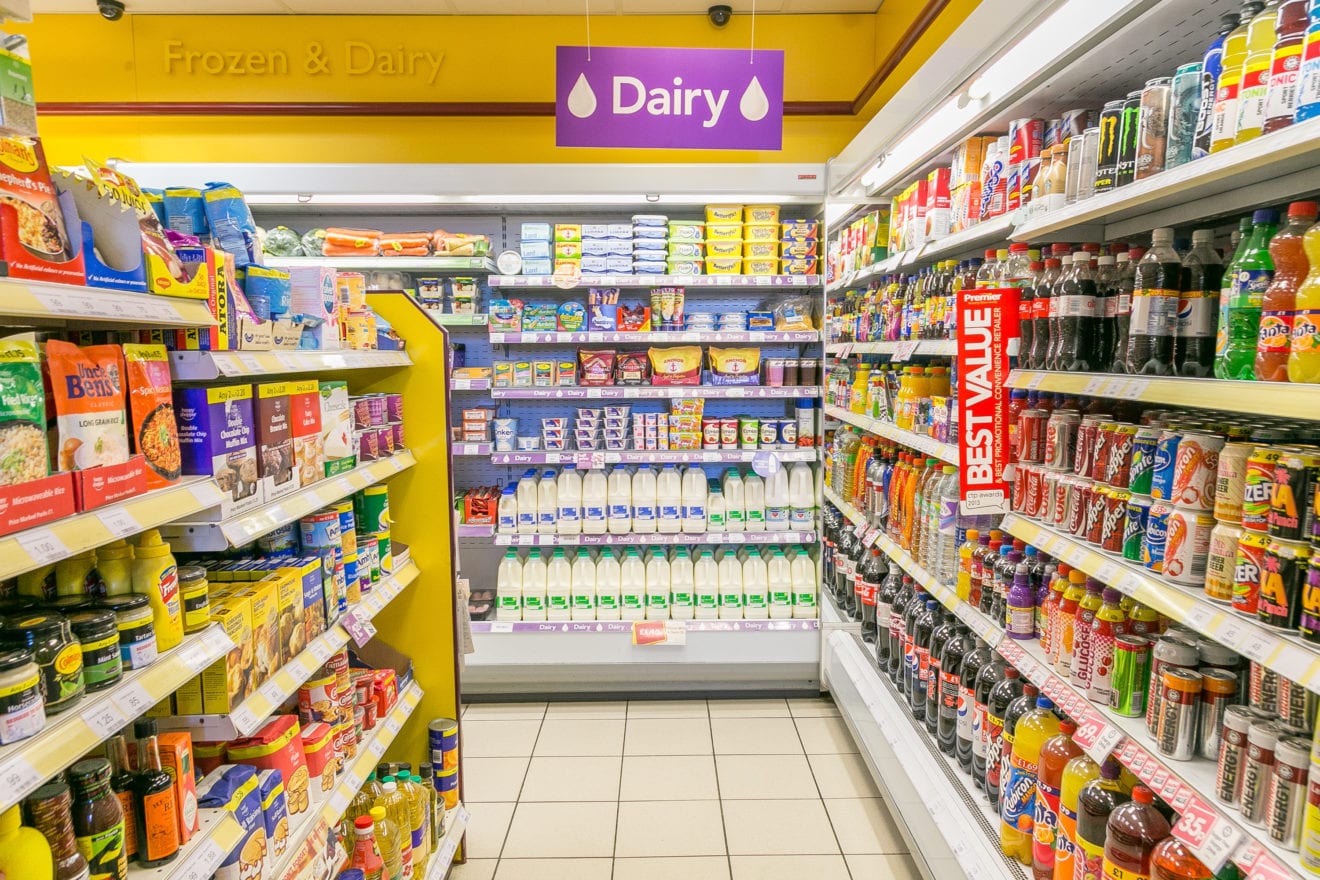
    During the past couple years, Vietnam convenience stores have become popular destinations, especially for young consumers. Savvy operators, like Circle K and FamilyMart have recognised local demand for c-stores as a place to not only shop but to hang out as well, providing an air-conditioned area to consume freshly-served convenience foods and snacks, up-to-date merchandising systems, a mix of imported and local goods and –  in some stores – even free Wi-Fi.

    It is also easier for businesses to get licences for stores with footprints under 500 sqm.

    According to IGD, Vietnam, the Philippines and Indonesia share similar characteristics that make their convenience markets particularly ripe for growth, including:

    • Store expansion: In all three markets, major players are speeding up store roll-outs in a battle for marketshare. For example, the number of c-stores operated by the top five retailers in the Philippines has more than doubled during the last five years and retailers are gradually shifting their focus from the capital to more provincial areas for greater opportunities.
    • Local players are gaining a stronger foothold: Asia’s convenience market has traditionally been dominated by Japanese retailers, such as 7-Eleven (which has yet to debut in Vietnam), FamilyMart and Aeon. However, there have been more market consolidations and partnerships and most noticeably, domestic players such as VinMart in Vietnam and SM Retail in the Philippines have been scaling up their operations and establishing leadership in their local markets.
    • Neighbourhood mini-supermarkets are becoming more popular: Apart from the modern convenience store format, local operators such as Indonesia’s Indomaret and Dairy Farm’s Wellcome format in the Philippines have developed a successful neighbourhood mini-supermarkets model, which better cater to local needs. These mini-supermarkets are typically between 150 and 300 sqm in size and are located in residential areas, with a focus on fresh food, top-up grocery and food-for-tonight.

    Thanks to the positive economic outlooks of all three countries, consumers are shifting from traditional wet-markets to the so-called modern trade, like convenience stores and supermarkets.

    Increased GDP per capita and foreign investment have also encouraged the market growth.

    “Among all the brick-and-mortar grocery channels, convenience shows the strongest growth prospects in Asia, thanks to rapid urbanisation, a growing young population and greater levels of disposable income,” says Nick Miles, head of Asia-Pacific at IGD.

  • Ho Chi Minh City may tax online sales next month

    Ho Chi Minh City may tax online sales next month

    The city is making serious steps to collect sales taxes from small and home-based online business owners. Ho Chi Minh City’s tax department has said it will work with related departments to impose sales taxes on businesses running on Facebook and other online shopping sites.

    The department would submit the taxing plan to the city’s government for approval early next month, an unnamed official from the department told.

    The department said it would coordinate with information and trade departments, internet providers, banks and post offices to collect the tax.

    Last month, the trade department proposed the city work with Facebook on measures to collect tax from businesses running on the site.

    The General Department of Taxation later agreed with the proposal, saying it is working on measures to tax the businesses operating on Facebook, YouTube and Vietnamese messaging app Zalo.

    Tightening tax collection from online businesses is part of a plan to enhance state budget revenue collection.

    The city’s intent on taxing online sales has stirred up different opinions.

    Many said the tax collection is not an easy job for the authorities as many online retailers use anonymous accounts for transactions, not to mention that most purchase or sales transaction are cash-based.

    Vietnam’s e-commerce market, which has one of the world’s fastest growth rates, jumped 37 percent to around US$4 billion in 2015, data from the Ministry of Industry and Trade show.

    The growth rate is about 2.5 times faster than that in Japan, according to Tran Duc Tam, an industry expert.

    The government has projected revenue by Vietnam’s online retail to hit $10 billion by 2020, accounting for 5 percent of the country’s retail market.

    Retail sales in the first quarter of 2017 rose an estimated 9.2 percent from a year ago to $40.5 billion, the government said Wednesday, after an annual rise of 10.2 percent last year to $118 billion.

    Up to 60 percent Vietnam’s population is online.

  • Vietnam confectionery booming

    Vietnam confectionery booming

    Market observers see a positive outlook in the long term for Vietnamese confectionery exports.

    Their optimism is based on a steady double-digit growth in export value for several years and an upward tick in investment and production expansion by local firms.

    According to the Business Monitor International (BMI), the nation’s confectionery sector has experienced a relatively high and stable growth rate and it is forecast to earn revenues of VNĐ40 trillion (US$1.8 billion) in 2018.

    China, the United States and Cambodia were the top three importers of Vietnamese confectionery last year, followed by Japan and South Korea. China is set to maintain its leading position this year, with import growth estimated at over 40 per cent.

    Confectionery exports went up 15 per cent year-on-year in 2016 with an export value of $532 million, the Ministry of Industry and Trade (MoIT) estimates. The export value in 2015 was $463 million.

    The growth in exports and better prospects seen have spurred investment in the industry, the MoIT has said.

    To promote co-operation between Vietnamese enterprises and experienced international confectioners, the German Bakers’ Confederation and the organising committee of the international trade fair for bakery, confectionery and snacks (IBA 2018) are treating Vietnamese enterprises as significant partners, according to the Đầu Tư (Investment) newspaper.

    The IBA has been a rendezvous for experts in the bakery, pastries, and snack industries since 1949. It is a platform for innovation and provides a complete overview of all novelties in the market. IBA 2018 will take place from September 15-20 in Munich, Germany.

    Nguyễn Trung Chính, representative of the GHM Company in Việt Nam, an affiliate of Munich-based GHM Gesellschaft für Handwerksmessen mbH, said Vietnamese confectionery products are capturing the attention of foreign investors.

    “In early April, GHM General Director Diether Dohr will come to Việt Nam to meet with local confectionery companies, and introduce them to German manufacturers and importers,” Chính said.

    Foreign rivals

    With improved quality, modern packaging and a more diverse range of products, the Vietnamese confectionery industry is developing strongly, especially in the premium segment.

    Statistics compiled by the MoIT show that imported confectionery now accounts for 30 per cent of the market share. In 2016, Việt Nam’s confectionery imports reached over $250 million, up 20 per cent year-on-year.

    A representative of the Phú Hưng Securities Corporation told Đầu Tư that the confectionery industry is not just looking at huge export potential, but also a surge in import earnings.

    “With a large and young population, Việt Nam’s average confectionery consumption is currently about 2 kilogrammes per person per year (lower than the world average of 3 kilogrammes per person per year). Confectionery consumption among the 65 per cent of the population that live in rural areas, which means that that there are plenty of market opportunities for both confectionery makers and traders, ” he said.

    Confectioners like Bibica Corporation, which has popular brands like Hura, Choco Bella, Orienko, Zoo, are trying to maintain and strengthen their market position.

    Besides building a new plant in Hưng Yên province, Bibica is preparing to operate its $12 million cupcake production line.

    The company has also implemented a $3.3 million project to produce the Hifat soft candy and has another project worth over $670,000 to produce round cakes.

    The Hải Hà Confectionery Joint Stock Company, another well-known firm, is building a new factory with a daily capacity of about 62 tonnes a day in Bắc Ninh Province.

    Vũ Quốc Tuấn, deputy manager of external relations and internal communications department with confectioner Mondelez Kinh Đô Việt Nam, said that imported candy has triggered fierce competition in the country’s confectionery market.

    He said: “This is the necessary motivation for local manufacturers to invest more in new production technology, improve product variety and enhance product quality, serving the diverse demands of demand of domestic and international consumers.”

  • Noodle firm earnings plunge

    Noodle firm earnings plunge

    Colusa-Miliket Foodstuff Joint Stock Company’s (Miliket) audited financial report for 2016 showed a 40 per cent drop in pre-tax earnings compared with the previous year, indicating a loss of market share.

    The report showed revenue of VNĐ461 billion (US$20.7 million) and pre-tax earnings of VNĐ25 billion ($1.12 million), declining by 3.5 per cent and 39 per cent, respectively, from 2015, and currently the lowest since 2012.

    The noodle company’s market share reduced to only 2-4 per cent in total.

    In 2016, despite the company’s effort to introduce a new line of products with better packaging and another line with flavour diversity, it failed to attract customers and accumulated 15 per cent more inactive stock compared with 2015.

    The stock of VNĐ23.3 billion ($1.04 million) caused the company’s liabilities to increase from VNĐ61.1 billion ($2.74 million) to VNĐ72.8 billion ($3.27 million).

    In total, Miliket’s total capital in 2016 was VNĐ196 billion ($8.8 million), with cash flow of VNĐ122.3 billion ($5.5 million).

    According to financial experts, the company will soon be depleted of cash if it fails to increase quantity consumed.

    At present, Miliket’s instant noodles is in the lowest price bracket on the market, at VNĐ3,000 ($0.13) per package. This allows the company to focus on low income customers and cheap restaurant chains, both market segments neglected by larger companies.

    Miliket is one among several large noodle producers on the scene in Việt Nam today facing challenges. Other brands such as Acecook, Masan and Asia Food are also facing problems generating revenue.

    Although Acecook holds nearly 50 per cent of domestic market share, it experienced continuous drop in earnings between 2013 and 2015, whereas Masan’s 2016 revenue dropped by 20 per cent from the previous year.

    According to the World Instant Noodles Association, the amount of instant noodles consumed annually in Việt Nam has gradually declined since 2013, from 5.2 billion packages to 4.8 billion in 2015. The country has the fourth largest quantity of instant noodles consumed per annum.
    Read more at https://vietnamnews.vn/economy/373605/noodle-firm-earnings-plunge.html#ZMULl4oFsddSQVRI.99

  • South Korea becomes Vietnam’s biggest foreign investor in Q1

    South Korea becomes Vietnam’s biggest foreign investor in Q1

    South Korea has taken over Singapore to become Vietnam’s biggest foreign investor in the first quarter, with investment totaling $3.74 billion, or 48.6 percent of the total foreign direct investment (FDI) pledged for the period, the Vietnamese government said Friday.

    Singapore, which held the top position in January and February, came second with $911 million, followed by China with $823.6 million, the Foreign Investment Agency under the Planning and Investment Ministry said in a monthly report.

    Actual FDI inflow in the first three months rose 3.4 percent from a year ago to $3.62 billion, while new pledges rose 6.5 percent to $2.92 billion, the report said.

    FDI is a major source of foreign exchange, which along with overseas remittances, helps Vietnam improve its trade balance.

    During the period, foreign firms from 71 countries and territories have new pledges and additional funds in 18 sectors, with the manufacturing and processing industry attracting $6.54 billion, or 84.9 percent of the total.

    The real estate sector comes second, while the wholesale and retail sector has the third position.

    Foreign investments have been poured into 52 cities and provinces in the three-month period, with the northern province of Bac Ninh, 30 kilometers (18 miles) northeast of Hanoi, attracting $2.61 billion, or 33.86 percent of the total.

    Binh Duong Province, about 40 km north of Ho Chi Minh City, ranks second with 18 percent and Ho Chi Minh City comes third with 7.78 percent.

    As of March 20, Vietnam has had more than 23,000 FDI projects in operation, with a combined registered capital of $300.7 billion.

    Most of them are in the manufacturing and processing industry, making up 59.3 percent of the total investment.

    Overall, South Korea also led the foreign investor list, with investment totaling $54 billion, followed by Japan with $42.49 billion.

    Large-scale FDI projects in the first quarter include a $2.5 billion expansion project of Samsung Display Vietnam, a subsidiary of Samsung Display South Korea, in Bac Ninh Province.

    Taiwan’s Polytex Far Eastern Ltd, which manufactures polyester fiber and cotton spinning in Binh Duong Province, got the green-light to increase its registered capital by $485.8 million to $760 million.

  • Vietnam grocer Saigon Co.op plans nearly 600 new stores

    Vietnam grocer Saigon Co.op plans nearly 600 new stores

    Vietnam grocer Saigon Co.op has revealed an ambitious store rollout program for 2017, adding nearly 600 stores by the year’s end.

    The company will open 500 convenience stores, most of them in Ho Chi Minh City and the southern provinces of Vietnam.

    It will also open 10 Co.op supermarkets, one Co.op Xtra hypermarket, one Sense City mall and 65 Co.op Food stores.

    Saigon Co.op cashier

    The company also appears to be broadening its focus to serve middle-class and high-earning consumers with plans to strengthen its organic product distribution. Chairman Diep Dung said the retailer will improve the quality of its goods and boost customer service.

    The expansion is expected to add 13 per cent sales growth for Co.op this year.

    Last year, Saigon Co.op opened 42 new Co.opmart supermarkets, Co.op Food stores, Sense City and Co.opSmile convenience stores. As a result, the retailer saw 11 per cent growth in revenue.

  • Casinos still off-limits to Vietnamese

    Casinos still off-limits to Vietnamese

    Seven businesses have been licensed to operate casinos in Vietnam. Pham Ngoc Nam, deputy general director of Royal International Corp – the owner of a five-star hotel complex with a casino in Halong City, told the paper that the firm has been waiting for a guiding circular on the implementation of Government Decree 03/2017/ND-CP which allows Vietnamese passport holders to enter casinos.

    He said the decree allows Vietnamese people in casinos for a three-year period, but the Government has yet to issue official guidelines. The requirements for casino entry, especially income, are unclear.

    He said other casinos in Quang Ninh Province and other localities are in wait-and-see mode as well.

    That gamblers must prove their monthly income of at least VND10 million (around US$439) seems to be a tough challenge, said a representative of another casino.

    “Many casino goers are self-employed and wealthy but unwilling to apply for income certificates,” he explained.

    A representative of the Ministry of Finance said the Department of Banking and Financial Institutions is finalizing draft guidelines for the implementation of the decree on casino business. However, he refused to say when it comes out.

    The representative said the delay in issuing the guidance circular is unavoidable, as this is the first time Vietnamese gamblers have got the green light for entering casinos in the country.

    Many issues should be taken into careful consideration. Economist Nguyen Minh Phong shared the same view, saying that technically, the guidance circular should be available upon the promulgation of the decree.

    However, there is no precedent for this, thereby requiring careful preparation.

    The decree specifies Vietnamese citizens admitted to casinos must be at least 21 years old with regular monthly income of at least VND10 million or being subject to the third range of taxable income which is VND10-18 million a month under the Law on Personal Income Tax.

    The Ministry of Finance is responsible for providing them with application forms for these conditions.

    Gamblers will not be allowed in if their family members like parents, parents-in-law, spouses and children submit formal requests for preventing them from casinos.

    Besides, those who have violated national security rules or committed other crimes abroad resulting in more than three years of imprisonment will not be allowed in casinos.

    This includes those serving jail terms, with or without bail, or any other form of legal punishment.

  • Airlines to increase airfares

    Airlines to increase airfares

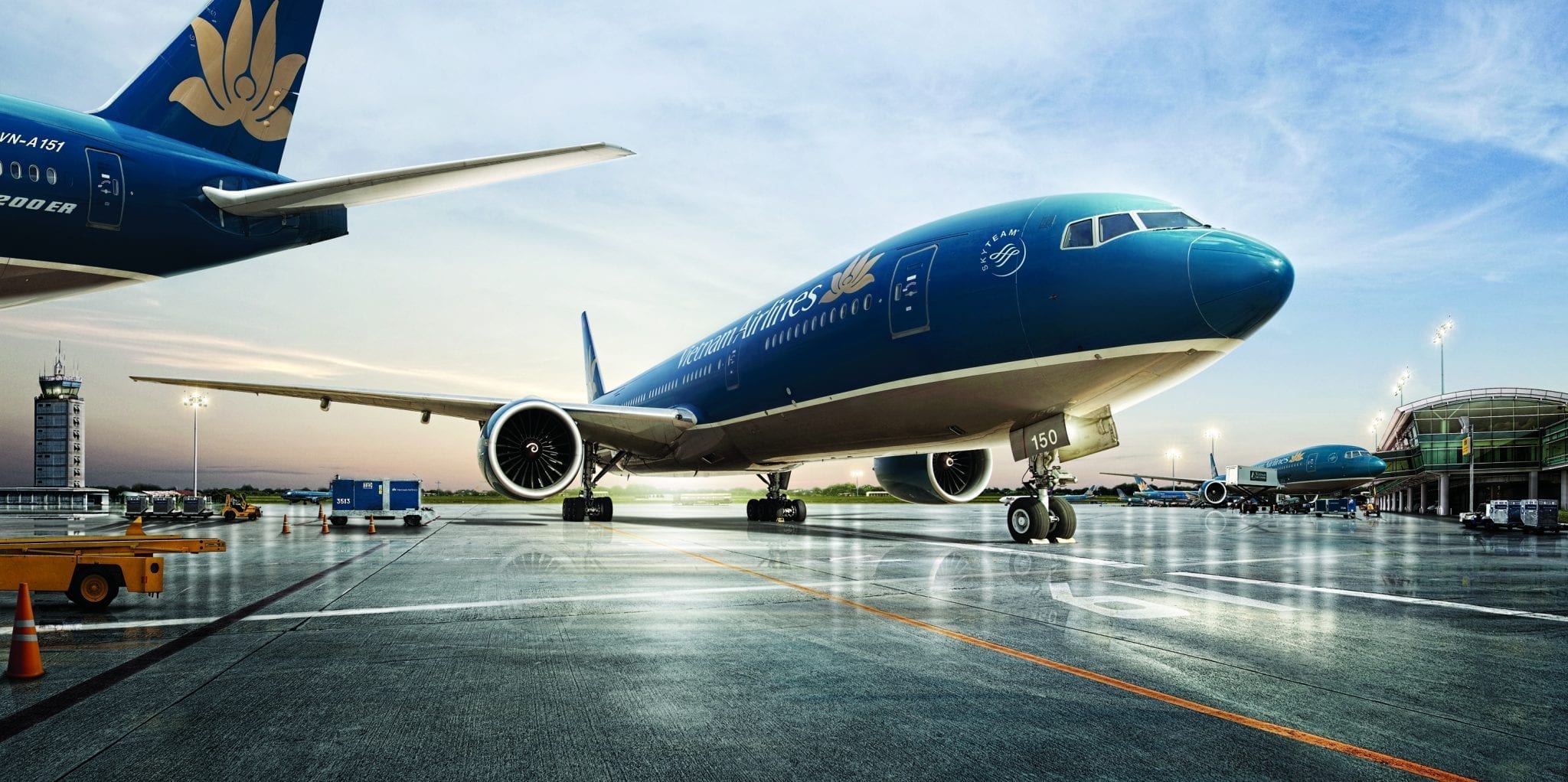
    The national flag carrier Vietnam Airlines increased tickets for business class on for domestic flights by 100,000 – 500,000 VND per leg; and economy class 40,000 – 300,000 VND.

    The airfare adjustment will be applied from April 1 for specific flights.

    However, Vietnam Airlines will maintain around 10 low-cost prices for each domestic flight, and keep unchanged prices for some specific routes.

    Vietjet Air also increased service fees from 100,000 VND to 140,000 VND per domestic leg and from 120,000 VND to 160,000 VND per international leg from March 22.

    Meanwhile, Jetstar Pacific announced to increase management fees from 100,000 VND to 130,000 VND per leg from March 15.

    The adjustment of airfare is based on the market demand and regulations of the Civil Aviation Authority of Vietnam and Ministry of Transport, a representative from Vietnam Airlines said.

    It also aims to ensure healthy competition in the aviation sector, a representative from Vietjet Air said.

    The Civil Aviation Authority of Vietnam in early this month sent a proposal to the Ministry of Transport to raise several aviation service charges in order to reduce peak-hour overloads and raise money for infrastructure development.

    Under the proposal, take-off and landing service charges at major airports, including Noi Bai and Tan Son Nhat, would be raised by 15 percent during rush hours and reduced by 15 percent during off-peak hours.

    The Civil Aviation Authority is also proposing a hike in security charges of 0.5 USD per passenger for international flights, and 18,181 VND (0.9 cents) per passenger for domestic flights – double the current charge.

    A hike of 40,000 VND in passenger service charges is also being proposed, raising them to 90,909 VND for arrivals and departures at type A airports, and 72,727 VND at type B airports.

    The increase is explained by the upgrading of many airports and passenger service quality.

  • Vietnam plans to send more skilled workers abroad to curb unemployment

    Vietnam plans to send more skilled workers abroad to curb unemployment

    Vietnam’s labor ministry is outlining a new plan to send more skilled workers abroad in the next few years as the number of unemployed Vietnamese has surpassed the million mark.

    According to Deputy Minister Doan Mau Nghiep, the plan will focus on sending engineers to South Korea and health workers to Japan and Germany and also exploring new markets like Slovakia, the Czech Republic and Israel.

    “The ministry wants to find solutions for well-trained workers, who have graduated from universities or colleges but can’t find jobs,” he said. “But we have to assess whether the quality of our labor force meet the requirements of recipient countries.”

    According to official data, Vietnam had around 1.1 million unemployed workers, 2.3 percent of the workforce. Around one third were college graduates.

    Experts have said that the quality of Vietnamese labor force is generally low compared to Asian peers such as South Korea, India and Malaysia.

  • Vietnam tables Brazilian meat imports

    Vietnam tables Brazilian meat imports

    Vietnam is considering whether to ban imports of livestock and poultry products from Brazil as the Latin American country investigates the quality of its meat exports.

    The animal health department said on Wednesday meat imports from Brazil have been low so far this year, but it has asked the agriculture ministry to halt imports if any low-quality products are found.

    Following a two-year investigation, Brazil’s federal police last week accused more than 100 people, mostly health inspectors, of taking bribes and allowing the sale of rancid products, falsifying export documents and failing to inspect meat packing plants, as reported. Brazil is the world’s top producer of beef and poultry.

    BRF and JBS, the world’s biggest meat producers, are among dozens of firms targeted in the police investigation into what would be the biggest scandal to hit Brazil’s agricultural sector. Both companies have denied any wrongdoing.

    The trade office at the Vietnamese Embassy in Brazil has called on agencies in Vietnam to tighten inspections of livestock and poultry products from Brazil.

    Hong Kong, Japan, Canada, Mexico and Switzerland all announced partial or all-out bans on Brazilian meat imports on Tuesday, following steps taken a day earlier by China, the European Union, South Korea and Chile, Reuters reported.

    But South Korea said on Tuesday it will lift the ban on poultry imports from BRF, the world’s largest exporter of the meat.

    Vietnam has imported around 3,000 tons of meat and meat products from Brazil so far this year, the animal health department said.

    “The amount is very small compared to the 6 million tons that Brazil exports every year to countries around the world,” said an official from the department.

    Brazil, recognized by the World Organization for Animal Health for doing a good job in controlling animal diseases, exports livestock and poultry products to 150 markets around the world.

    Last year, it took the lead in beef and chicken exports with outbound sales of the two products hitting 1.8 million tons and 4 million tons, respectively. Its major buyers are the E.U., Russia, Japan, China and Singapore.

    Two-way trade between Vietnam and Brazil stood at $2.29 billion in the first nine months of last year, down 15.7 percent against the same period in 2015, with Vietnam’s imports totaling $1.35 billion, Vietnam Customs data showed.

  • Route to success

    Route to success

    CEO Nguyen Thi Phuong Thao, who created the concept of bikini-clad flight attendants, told local media that she wants to make Vietjet become the “Emirates of Asia”.

    Such goals are admirable, and insiders believe the IPO will bring further success to the “bikini airline”.

    Taking off

    After five years of operations, Vietjet has had a level success that other airlines would envy.

    Vietnam’s only private airline ordered 100 new jets from Boeing in May last year, worth $11.3 billion, and signed a contract in September to purchase 20 A321 aircraft from Airbus, witnessed by State President Tran Dai Quang and French President François Hollande.

    With the two contracts, it continues to drive towards its goal of having a “Red Revolution” in Vietnam’s aviation sector and becoming a global airline.

    The five-year-old Vietjet surpassed national flag carrier Vietnam Airlines in domestic passenger transport during the recent Tet holidays, according to the Civil Aviation Authority of Vietnam (CAAV).

    Over the six-day holiday, Vietnam Airlines carried 175,146 passengers and Vietjet 209,179, for market shares of 35 per cent and 42 per cent, respectively.

    The only competitor of Vietjet Air is low-cost carrier Jetstar Pacific, a subsidiary of Vietnam Airlines. But Vietjet Air far outstrips Jetstar Pacific in revenue and market share.

    While Vietnam Airlines, in which the State owns more 90 per cent, found it quite difficult to find strategic partners, Vietjet attracted 26 foreign investors after announcing its plan to conduct an IPO.

    Vietjet has also closed the gap with Vietnam Airlines in terms of profit.

    While Vietjet’s pre-tax profit increased 91.6 per cent in 2016 to VND2.3 trillion ($101.9 million), Vietnam Airlines’ pre-tax profit was VND2.5 trillion ($110 million), up 140 per cent and 7 per cent higher than the annual plan.

    And its share price is much more attractive than Vietnam Airlines’.

    According to the Hanoi Stock Exchange (HNX), Vietnam Airlines’ shares trade on the UPCoM Market with a reference price of VND28,000 ($1.2) and are expected to reach VND40,000 ($1.7).

    Vietjet’s reference price, meanwhile, has been predicted to stand at VND90,000 ($4).

    “The capital raised by Vietjet in the offering will help support the expansion of its international routes and the enlargement of its fleet, which are critical for it to compete in the Asian aviation market – one of the fastest growing and most dynamic aviation markets in the world,” said Mr. James Grandolfo, a Partner in the Hong Kong office of Milbank, which is the advisor in Vietjet’s IPO.

    The appeal of Vietjet is its low cost, as budget airlines have become the key driver of Vietnam’s fast-growing aviation market and transported 55 per cent of domestic passengers in 2016.

    Budget airlines are rapidly increasing their market share, with an annual growth rate of 15-20 per cent, according to Mr. Lai Xuan Thanh, Head of CAAV.

    Given the strong development of low-cost airlines, Vietjet, the dominant player in Vietnam’s low-cost market, quickly captured a 40 per cent share of the local market and will likely surpass Vietnam Airlines within the next few years as Vietnam’s largest domestic carrier.

    So who will benefit from Vietjet’s IPO? Obviously, it’s a win-win for Vietjet and its partners.

    The economy, according to many economic experts, will also be a winner from the deal.

    “A sizable capital source will be mobilized, in particular funds from foreign financial institutions,” said Mr. Nguyen Hoang Hai, Deputy Chairman of the Vietnam Association of Financial Investors.

    “The IPO will be a test of how much foreign capital Vietjet can rally by promising continued expansion and rising profits, banking on the past few years of impressive growth that have turned it from a startup to a major carrier that is expected to soon hold the largest market share in Vietnam.”

  • E-commerce firms struggle to gain profits

    E-commerce firms struggle to gain profits

    Large international e-commerce firms such as Amazon and Alibaba only began making profits after 10 first years of operation. The big losses of Vietnam’s e-commerce firms were foreseeable.

    Before it was taken over by Alibaba in 2016, Lazada Group reported loss of $334 million in 2015, twice as much as the loss the year before. VNG’s latest financial report showed the company has incurred a VND100 billion loss since it began injecting money into Tiki.vn in 2016.

    Analysts pointed out that orders from clients must be dealt with through tens of different stages before goods can reach clients, and each stage can gobble up one part of investors’ earnings.

    Investors, for example, have to spend big money on storehouses. It is estimated that Lazada and Tiki have to spend no less than VND1 billion just to run one storehouse in HCMC. As such, with three operational storehouses, they have to spend no less than VND48 billion a year.

    With tens of thousands of orders each day, e-commerce firms will need high numbers of deliverymen, thus bearing high financial cost. Both Lazada and Tiki have to employ deliverymen and outsource the service.

    Lazada Vietnam has 200 workers in Lazada Express, but it still has to join forces with Giaohangnhanh, VNPost and Viettel Post to fulfill orders.

    Besides, the expenses on marketing are also enormous which eat up investors’ profits. Lazada Vietnam had to spend big money on ads in the first years of operation to lure more customers. Some sources said the firm once spent up to $2 million a month on ad campaigns.

    Chotot.vn also reportedly spent billions of dong on the ad clips with the play of comic actors. Meanwhile, Shopee.vn offers free delivery to clients nationwide applied to orders with bills of VND150,000 and higher. With more than 10,000 orders a day, Shopee.vn had to pay nearly VND1 billion on the program.

    E-commerce firms not only have to pay high for input costs and marketing campaigns, but also have to cut selling prices to compete with others. A branding expert who asked to be anonymous said some firms accept to sell goods at a loss of 10-20 percent in order to lure customers. In peak promotion season, the figure could be up to 50 percent.

    The highest risk for e-commerce firms is that they may lose orders because of the COD (cash on delivery) payment method. Customers can cancel orders at the last minute, though firms have to pay expenses to deal with the orders.