Tag: Vietnam

  • MK Restaurants plans US$11m expansion

    MK Restaurants plans US$11m expansion

    Thailand’s MK Restaurants Group plans to invest about Bt400 million (US$11.3 million) a year over the next five years to expand in Thailand as well as its overseas markets, including Singapore.

    Chairman/CEO Rit Thirakomen says the group will open 15 MK branches in Thailand this year, together with 25 Yayoi and five Miyazaki Japanese restaurants. Three or four franchised restaurants will be added to each overseas market.
    “We are also open for acquisition deals with select companies in food, services and retailing, so they will be able to use our infrastructure and logistics,” says Thirakomen.

    MK Restaurants Group’s sales rose 4 per cent to Bt15.49 billion last year, but its profit spurted 13 per cent to Bt2.1 billion. It projects growth at 5 to 9 per cent annually for five years.

    The group’s first MK Live flagship restaurant was officially unveiled at The Emquartier shopping mall in Bangkok yesterday, targeting health-conscious and “lifestyle” consumers. It has 135 seats.

    MK’s other brands are Hakata Ramen, Le Petit coffee shop and bakery, Le Siam Thai Restaurant, Miyazaki Teppanyaki, MK Restaurants, MK Gold Restaurants, Na Siam Thai Restaurant and Yayoi Japanese Restaurant. As well as 600 outlets in Thailand, the group has 40 franchised outlets in Indonesia, Japan and Vietnam.

    It has also set up a JV in Singapore to run its restaurants there, including MK, Miyazaki and Yayoi.

    Rit says that under its third-generation management team, MK Restaurant Group has outlined a major expansion plan for this year to cash in on the burgeoning Thai food industry, predicted by Kasikorn Research Centre to grow at 2 to 4 per cent to about Bt390 billion this year.

    Assistant marketing director Tantawan Thirakomen says MK Live is a suki (hot pot) restaurant designed to attract teenagers, young adults and families.

    “The store is decorated to reflect a vegetable greenhouse, with natural decorative items – wood, trees and rocks – as well as hydroponic vegetables displayed on the walls,” she says.

    A feature is its Live Showcase open kitchen where customers can see the chefs working on their meals, including dim sum and meatballs. Also on the menu are lobsters from Canada, scallops from the US and Wagyu beef from Japan.

  • Aeon Vietnam plans second Hanoi centre

    Aeon Vietnam plans second Hanoi centre

    Aeon Vietnam is to build a second property in Hanoi, in the Ha Dong district in the city’s west.

    This follows the Japanese group launching in the Vietnamese capital two years ago, with a mall in Long Bien.

    An Aeon Vietnam representative says the project, covering 9.5 hectares, will cost VND4.500 tillion (US$200 million). The expected opening date will be in 2019.

    However, the group is yet to determine the specific location for its fifth shopping centre in Vietnam. Ha Dong is developing, and investing in extended ring-road system with a Bus Rapid Transit link with downtown Hanoi. An urban railway is planned to launch next year.

  • Emerging markets like Vietnam help Zara-owner Inditex outpace H&M

    Emerging markets like Vietnam help Zara-owner Inditex outpace H&M

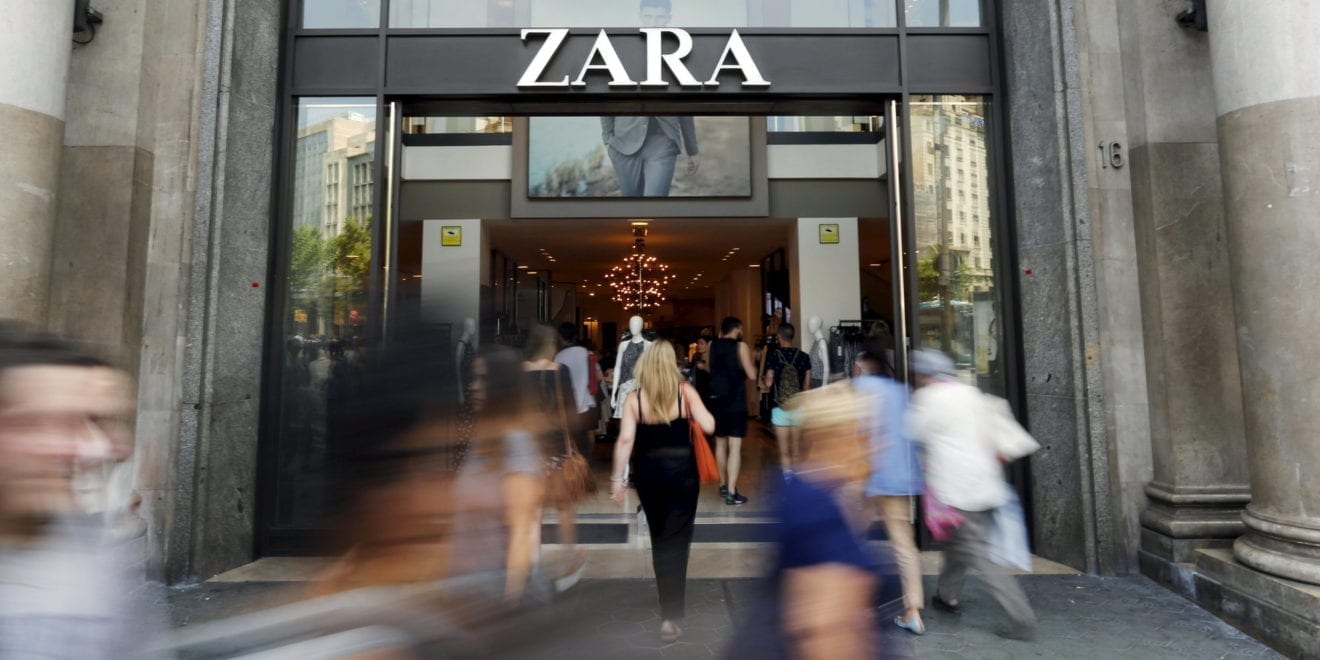
    Indite has consistently outperformed H&M in the past few years as a result of online growth and its push into new markets. Fashion retailer H&M’s sales fell unexpectedly in February while Inditex, which owns Zara, pulled further ahead of its Swedish rival, helped by its expansion online and a bigger emerging market presence.

    Inditex, the world’s biggest clothing retailer, has consistently outperformed H&M in the past few years as a result of online growth and its push into new markets. The Spanish company has also diversified more quickly into higher-priced brands, reducing exposure to the rise of discount chains like Primark.

    H&M has embarked on plans to roll out ecommerce in more markets this year and speed up expansion of newer brands such as the mid-market COS and & Other Stories.

    But on Wednesday H&M revealed that local-currency sales fell in February for the first time in four years, slipping 1 percent year-on-year, against a forecast in poll of analysts for a 6 percent rise. H&M’s shares fell 5 percent.

    In contrast, Inditex’s local currency sales rose 13 percent from February 1 to March 12, as customers snapped up items from spring collections like double-breasted jackets, palazzo trousers and embroidered tulle tops.

    This was adjusted for an extra trading day in February 2016. H&M sales were up 3 percent in February, taking that calendar effect into account.

    Inditex results highlight the success of its strategy, with like-for-like sales up 10 percent in the year to end-January, helped by a shift towards opening bigger stores in prime locations that are then integrated with online operations.

    Inditex’s gross profit margin missed analyst expectations, falling to 57.0 percent in its 2016 financial year from 57.8 percent in 2015. This weighed on the company’s shares which were down 1.4 percent by 1014 GMT.

    Inditex, known for speeding the latest trends from runway to stores in a matter of days, reports in euros but makes more than half its sales in other currencies, exposing it to falls in the likes of the Mexican peso and the Russian rouble.

    Chairman and Chief Executive Pablo Isla said this margin metric would have increased on the year had it not been for the negative currency effects.

    Analysts expect this effect to swing in Inditex’s favor over the next 12 months with a consequent boost to profit margins.

    “We are very keen buyers of Inditex for 2017,” Anne Critchlow, analyst at Societe Generale, said. She said Inditex trades on 26 times forward earnings, compared to H&M on 21 times.

    Inditex opened stores in 56 countries during the year, including first openings in New Zealand, Vietnam and Paraguay, bringing its total store count to over 7,200. It launched online sales across its stable of brands in Turkey and said on Wednesday it would start online sales in India in 2017.

    H&M is more reliant on Europe than Inditex. In Germany, for example, which is H&M’s biggest market, apparel sales fell 9 percent in February, according to trade journal Textilwirtschaft.

    “Market conditions are the main driver of the weak February number,” UBS analyst Adam Cochrane said. “There’s a fear that they are losing market share on a like-for-like basis.” UBS has a “buy” recommendation on H&M.

    H&M reported that sales in local currencies rose 4 percent in its fiscal first quarter to February 28. That compares with a new target for annual sales growth of 10-15 percent. H&M is due to publish its full fiscal first-quarter report on March 30.

  • China upset at high Vietnam tariffs on steel imports

    China upset at high Vietnam tariffs on steel imports

    The Ministry said effective March 22, 2017, it will impose a 21.3% border tax for a period of one year followed by a 19.3% and 17.3% tax for years two and three to take effect on March 22, 2018 and March 22, 2019, respectively.

    The Decision to levy the border tax signed by the Prime Minister comes after a lengthy investigation by the Ministry that started on December 25, 2016, after complaints were lodged by Vietnamese domestic sector steelmakers.

    For years, Chinese steel products, along with other manufactured products in overcapacity segments of the economy have been at the centre of trade disputes between Vietnam and China, said the Ministry.

    It noted that on many occasions Vietnam private sector companies have lodged complaints that Chinese steelmakers were dumping products at prices below fair value, hurting the segment.

    Chinese steelmakers have voiced discontent at the high tariffs and insist their prices are fair and that they have violated no trade laws. The problems, they say, are rooted in sluggish demand, the weak global economy and poor quality product.

    The investigation showed that for ingots and long steel products, the import volume into Vietnam increased from 387,448 tons in 2012 to 665,679 tons in 2013 and 1,282,090 tons in 2015, over half of which originated in China.

    The Decision applies to steel ingots and long steel products imported from all countries with a de minimis exclusion for those from countries for which the import volumes are inconsequential.

  • HSC estimates Vinamilk shares worth $6.70

    HSC estimates Vinamilk shares worth $6.70

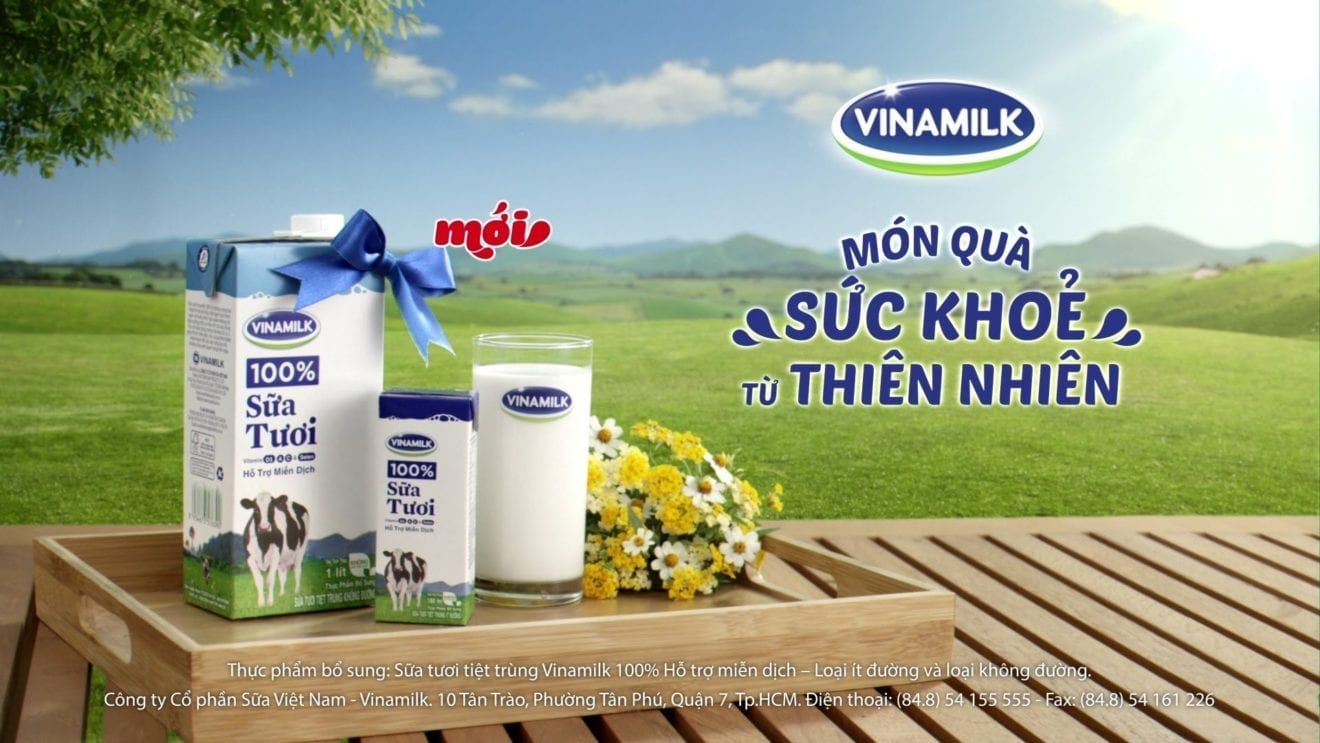
    According to HSC, Vinamilk’s shares are valued at VND152,000 ($6.7), higher than the current price of VND130,000 ($5.7). A representative from HSC, however, told that its price is only a forecast based on the price of raw milk and may change.

    Vinamilk owns ten farms around the country with over 17,000 heads of cattle. HSC estimates that, in 2016, its farms supplied 42,654 tons of raw milk, up 13 per cent and contributing 7 per cent of the company’s raw milk input.

    HSC also estimates that Vinamilk’s total raw milk from its farms and from buying from dairy farmers reached 221,433 tons in 2016, up 10.6 per cent against 2015. Net revenue is expected to reach over VND53.1 trillion ($2.3 billion) this year, up 13.6 per cent, and after-tax profit VND10.1 trillion ($444.4 million).

    According to HSC, Vinamilk will maintain stable growth thanks to the potential of its core business. It can maintain double-digit revenue growth in 2017 and the dairy sector will continue to grow at an average rate of over 10 per cent.

    It forecast that Vinamilk’s average annual growth rate in net sales from 2017 to 2020 will be 10.9 per cent and after-tax profit 9.3 per cent.

    Vietnam’s largest dairy producer began operating the country’s first-ever organic dairy farm under European standards in the central highlands province of Lam Dong on March 14.

    The farm has investment capital of $8.7 million, is certified by the Netherlands-based global network of inspection operations, Control Union, and has a herd of 500 imported cows. “We apply close monitoring measures to ensure the herd only produces high-quality milk,” said Ms. Mai Kieu Lien, Vinamilk’s CEO.

    The farm reflects the company’s commitment to clean and sustainable production, she added, with Vinamilk wishing to make high-quality products available to Vietnamese consumers at reasonable prices.

    Vinamilk’s revenue was estimated at $2 billion in 2016, up 15 per cent compared to 2015. Pre-tax profit stood at VND11.2 trillion ($492.8 million) and after-tax profit VND9.3 trillion ($409.2 million).

    It targets revenue of $3 billion this year. If reached, Vinamilk would break into the Top 50 milk producers in the world.

  • ANZ Vietnam to sell retail banking business

    ANZ Vietnam to sell retail banking business

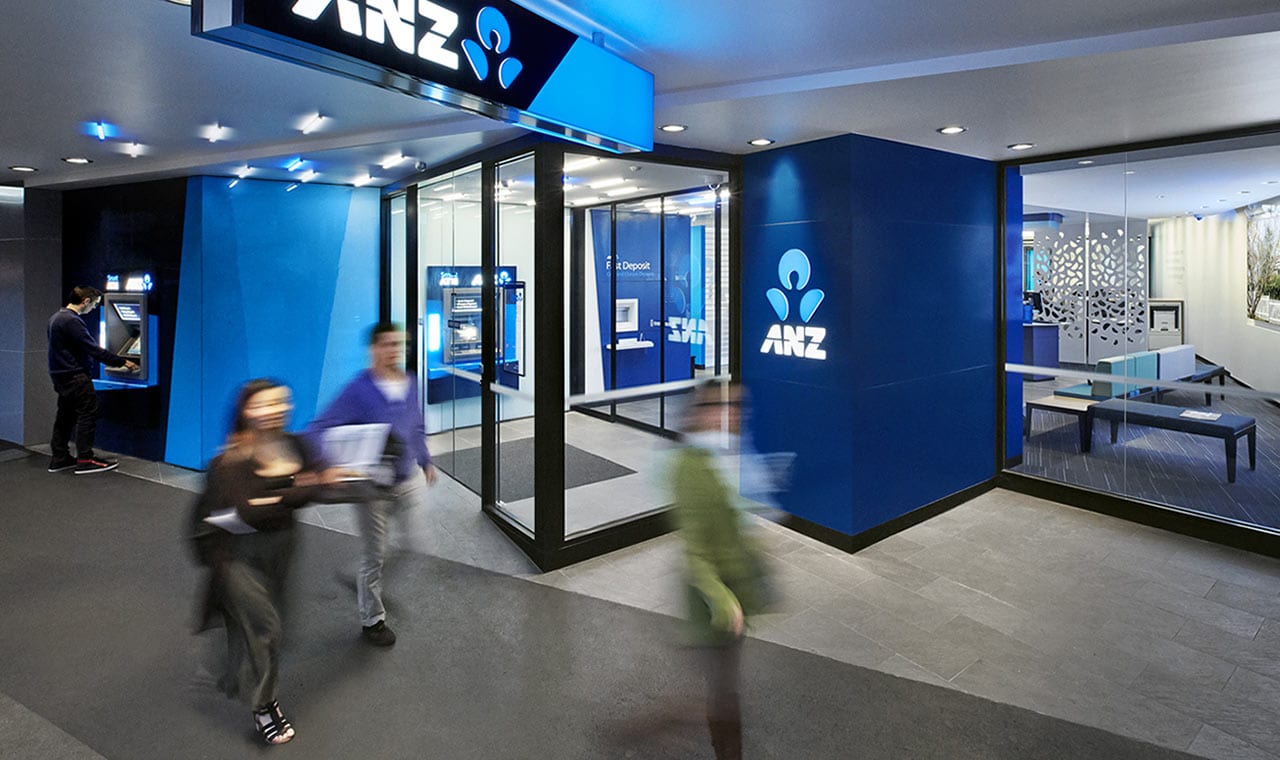
    Three foreign banks and two domestic banks, which have not been named, were reported by SaigonTimes as being interested in acquiring the retail businesses of the 100 per cent foreign-owned bank.

    Last October, ANZ Group CEO Mr. Shayne Elliot was quoted as telling foreign media that the bank would look to exit its retail and wealth assets in the Philippines and Vietnam but had no plans to do likewise in Cambodia and Laos.

    “Further investments do not make sense for us given our competitive position and the returns available to ANZ,” he said.

    In the same month, Singapore’s largest bank, DBS Bank Ltd (DBS), acquired the wealth management and retail banking business of ANZ in five markets for $77.7 million more than the book value.

    The businesses acquired were in Singapore, Hong Kong, China, Taiwan and Indonesia, with total deposits of $1.2 billion, loans of $7.77 billion, investment assets under-management (AUM) of $4.6 billion, and total revenue of $582.7 million in FY 2016.

    They serve about 1.3 million customers, of which 100,000 are affluent and 1.2 million are retail customers.

    DBS, however, will not be allowed to acquire ANZ Vietnam’s retail banking business, according to a source, who added that the Singaporean bank is not among the five potential suitors.

    ANZ Vietnam was not available for comment at the time of writing.

    Last November, an ANZ Vietnam representative told local media there were no plans to sell its retail and wealth businesses in Vietnam but it would continue to examine ways to improve its retail and wealth operations.

    Regardless, the exit is reasonable given its modest figures for the first half of 2016.

    During the January-June period, interest income fell 17.3 per cent year-on-year to VND578 billion ($25.4 million) and fee and commission income was down 5.6 per cent to VND153.3 billion ($6.7 million).

    The bank would have made a loss if drastic changes in other income sources had not saved the day.

    From a net loss of VND21.7 billion ($953,000) during the first half of 2015, foreign currency exchange recorded a net gain of VND163.3 billion ($7.2 million) for the bank in the first half of 2016, securing an after-tax profit of VND176.8 billion ($7.7 million) as at June 30, up 30 per cent year-on-year. Its bad debt ratio rose to 1.25 per cent from 1.16 per cent as at the beginning of the year.

    ANZ Vietnam now has eight transaction offices in Hanoi and Ho Chi Minh City, providing Retail & Wealth, Consumer Finance, Corporate, Financial Institution, and Public Sector services to customers.

    Last year, the State Bank of Vietnam (SBV) withdrew the business license of the ANZ Banking Group Limited – Hanoi Branch (ANZBLG), which opened in 1993, at the request of the ANZ Group, to bring together the two entities of the bank operating in Vietnam.

    In 2009 the ANZ Group established a fully foreign-owned local bank called ANZ Bank Vietnam Limited and has since continued to operate the latter.

  • International brands battle for Vietnam milk tea market

    International brands battle for Vietnam milk tea market

    As Vietnam’s economy grows the Vietnam milk tea market has become a battleground for foreign franchises.

    The latest debutant is Taiwanese milk tea brand T4, founded in 2004,  and which has steadily built an international network now including Malaysia, Thailand, Indonesia, China, the UK and the US.

    The first T4 outlet in Vietnam is a two-storey building, located on Phan Xich Long street in Ho Chi Minh City, a popular destination for milktea fans, where consumers are spoilt for choice.

    Next on the scene is Tealive, a new brand from the former Malaysian master franchisee for Chatime.

    And while new names are coming, current players are expanding their networks, in a market share battle even more fierce than the notorious coffee market stoush.

    Gong Cha, Hong Kong-based Taiwanese milk tea chain, plans to boost franchise this year, after building a strong foothold in Ho Chi Minh City with 10 outlets. Now, Gong Cha is opening two stores in Hanoi and one in Danang, with more to come in other cities, including Haiphong.

    Considered a prime competitor for Gong Cha, Koi The came to Vietnam in September 2015, and currently operates seven outlets in Ho Chi Minh City, all located in busy downtown sites or shopping malls.

    Nguyen Hoai Phuong, a spokesperson for Gong Cha Vietnam, previously told a local newspaper that milktea is the weapon to win in Vietnam’s beverage cafe market, largely due to the youthful Vietnamese population.

    That might well be the reason why more and more international brands are planning Vietnam expansion.

    More big names have just joined the segment – Queeny, Chachago, Sharetea and Goky.

    Middle market players include Bobapop, Teacup and Dingtea, the oldest player in the sector. Dingtea landed in Vietnam in 2014 and has now built a network of nearly 100 outlets across the country. It has 350 stores in China and 650 globally.

    In this battle, local brands seem to struggle, with only a few names having gained a reputation and real market penetration. Hot and Cold might be considered the most successful, a pioneer in the Vietnam milk tea market since 2011. Charting a different course to most of its rivals, Hot and Cold grew market share with a customised menu and finger food.

    Given the size of the market and Vietnam’s young population, many more milk tea and juice brands are expected to try their luck in due course, making the battle for share even more fierce.

  • Vietnam’s 2017 coffee exports may dip on low stock as uncertainty mounts

    Vietnam’s 2017 coffee exports may dip on low stock as uncertainty mounts

    A coffee association sees shipments fall 25-30 percent this year. Coffee exports from Vietnam, the world’s second-biggest producer after Brazil, may dip in the calendar year of 2017 due to thin carryover stocks while production of the next crop could be threatened by a lack of water, industry officials said.

    A lower export volume from Vietnam, the largest producer of robusta beans, could tighten global supply of the bitter variety and inflate roasters’ production costs, given a deficit already projected for the ongoing 2016/2017 crop year ending in September.

    The world would face another coffee deficit this season, the third in a row, as production estimated at 151.62 million bags stays below consumption of 155 million bags, the International Coffee Organization said in its February report. Each bag contains 60 kilograms of beans.

    Unseasonal rain in late October and early November last year had delayed harvest of the current crop, traders said. Earlier in 2016, the worst drought in decades damaged some robusta plantations in the Central Highlands coffee belt but did not cut into overall output.

    Growers often pick robusta cherries from late October to January. Rain in most of the October-December period of 2016 had not only slowed the process but also disrupted drying.

    “The rain has caused early blossom in some areas and the flowers are often ruined during the first phase of watering,” Luong Van Tu, chairman of the Vietnam Coffee and Cocoa Association (Vicofa), said Monday. Watering has now been under way in the region comprising five provinces.

    While Vicofa has not made any output forecast for the next 2017/2018 crop, saying it was still too early, the losses of early flowers might lead to a smaller crop, Tu told.

    He has been to Dak Lak Province in the Central Highlands over the weekend to attend a national coffee festival aimed at increasing sustainable production as well as boosting consumption of the beverage and promoting tourism to the region, which provides up to 90 percent of Vietnam’s total output.

    Tu said Vietnam’s coffee exports this year could drop by around a quarter due to “very low stocks” brought forward from the previous season. He gave neither specific volume nor statistics for the stock.

    The U.S. Department of Agriculture (USDA) estimated Vietnam’s coffee stocks at the end of the 2015/2016 season at 230,000 tons, or 3.83 million bags, down 40 percent from the previous season.

    Vietnam exported a record 1.74 million tons between October 2015 and September 2016, based on Vietnam Customs data.

    Exports in 2016/2017 are projected to fall around 12 percent to 1.56 million tons, the USDA said in its December 2016 coffee report.

    Besides, higher domestic consumption and a rising export volume of finished coffee products would also reduce Vietnam’s export of semi-processed beans, industry officials said.

    In 2016, Vietnam’s coffee shipments fetched $3.34 billion, with around 10 percent coming from finished products, Tu said.

    Vietnam has one of the world’s fastest growing retail coffee markets, trailing only behind Indonesia, Turkey and India, global market intelligence Mintel said earlier this month.

    Water

    At a seminar on Sunday in Buon Ma Thuot, the capital city of Dak Lak, Vietnamese industry officials discussed ways to cope with climate change and ensure sustainable coffee production.

    Climate change, with falling rainfall in recent years, and a third of the region’s coffee trees being old have reduced yields, the Dak Lak government said in a statement late Sunday. Dak Lak is Vietnam’s largest coffee planting province, producing a third of the country’s total output.

    Rainfall in March, the peak of the six-month dry season, is forecast to be similar to the average level in recent years in Dak Lak and also in Lam Dong Province, Vietnam’s second-biggest grower, the region’s weather station said. The wet season often returns in early May.

    “Underground water is uneven this year, with some places reporting the water could recede 1.5 to two meters (5-6.6 feet) below last year’s level,” Tu said. The problem has emerged in all but the eastern part of the Central Highlands where rain has been sufficient, he said.

    Ample supply of underground water will ensure success for the third phase of tree watering, while water shortages often lead to smaller cherries, affecting overall yields and output.

    Traders said output forecasts made around June/July would provide more precise figures, after the rainy season returns.
  • Second Vietnam motor show to be held in Hanoi

    Second Vietnam motor show to be held in Hanoi

    The show, the second of its kind, is held by the Vietnam Association of Motorcycle Manufacturers (VAMM), carrying the message “Free Your Wheels”.

    It will gather famous brand names from official suppliers including Honda, Piaggio, Yamaha, SYM and Suzuki as well as some imported complete built units such as Benelli, Ducati, Kawasaki, Peugeot and Harley Davidson.

    In addition, tens of brands in support industry, spare parts and other fields like finance, insurance and banking will also be present at the event.

    According to VAMM Chairman Yano Takeshi, the show aims to create a prestigious and professional playground for manufacturers to popularise their products.

    He said that it is billed as a bridge to nudge high-end motorcycles with modern technology closer to Vietnamese consumers, contributing to branching out the local motorcycle industry.

    The event is expected to welcome 150,000 visitors to experience free trial drive and join in vibrant interactive activities.

    Last year’s show displayed over 100 motorcycle models, luring 140,000 people.

  • China set to cut into India, Vietnam rice exports in 2017

    China set to cut into India, Vietnam rice exports in 2017

    Falling demand and overseas competition are expected to bite into Vietnam’s rice exports. India and Vietnam, the world’s leading rice exporters, may see overseas sales fall below previously expected levels due to slowing demand and rising competition from China, the U.S. Department of Agriculture (USDA) said in a recent report.

    India’s rice exports year could fall by 300,000 tons to only 10 million tons “on slower pace and stronger competition in West Africa”, the USDA said in its March report, putting it on a par with shipments expected from Thailand.

    It more than doubled its forecast for China’s rice exports this year to 500,000 tons from 225,000 tons, the report said, citing rising sales in East Asia and West Africa.

    The USDA also cut Vietnam’s rice export forecast by 3.6 percent to 5.6 million tons this year, citing “reduced trade to Southeast Asia and Africa”.

    With the lower projections, India and Thailand will share the world’s largest rice exporter title this year, followed by Vietnam and Pakistan. Last year, India was the world’s biggest rice exporter, followed by Thailand.

    Vietnam’s rice exports in the first two months of this year fell 23.5 percent from the same period in 2016 to 738,000 tons, based on data from Vietnam Customs released this week.

    Rice exports in the two-month month period brought in $314 million, 24.7 percent below the corresponding period in 2016, data showed.

    On a brighter note, Mexico has given the green light for 150,000 tons of rice to be imported at a zero percent tariff, starting from March 1, to meet domestic demand and diversify its supply sources, a move that would cut the market share currently held by the U.S. and open the door to Vietnamese rice.

    “The United States is expected to remain the dominant supplier (for Mexico), but recent history suggests that other suppliers will likely gain additional sales,” the USDA said.

  • EU expects free trade pact with Vietnam to take effect early 2018

    EU expects free trade pact with Vietnam to take effect early 2018

    The European Union is trying to capitalize on free-trade interest amid gloom over Trump policies.

    The European Union is seeing increased impetus around the world to move forward with Free Trade Agreements (FTA) with the bloc, which will make the most of uncertainty over the outlook for U.S. trade policy, the EU’s trade envoy said late last week.

    The EU was close to finishing or implementing FTAs with Japan, Vietnam and Singapore and was readying to start talks with Australia, New Zealand and Chile – all members of a U.S-inspired Trans-Pacific Partnership (TPP) devastated by Donald Trump’s decision to pull Washington out of the deal on day three of his presidency.

    “Today, there is political opportunity to say that those of us who believe in open markets and good trade, we are willing to do trade agreements,” EU Trade Commissioner Cecilia Malmstrom told in an interview.

    “Whether that (TPP) is dead, or partially dead, it is not for me to judge. But we have seen an increase of willingness to step up trade agreements.”

    One project thrust back on the table is an FTA between the EU and the Association of Southeast Asian Nations (ASEAN) that was abandoned in 2009 due to disparities in wealth and standards between its 10 markets.

    Malmstrom also said it should not be assumed an EU-U.S. trade deal had collapsed, despite indications the Trump administration would pursue a protectionist agenda.

    EU and U.S. officials were negotiating for more than three years on a Transatlantic Trade and Investment Partnership (TTIP) and that could be easily resumed, she said, and should not be impacted by Britain’s looming departure from the EU.

    “We have left in a tidy order, when we stopped negotiating before the change of administration,” she said. “It makes a lot of sense to facilitate trade between the EU and the U.S.”

    She added: “We need to be patient. But while waiting for more clarity from the American administration, there are lots of other partners as well.”

    Malmstrom said ASEAN, a region with combined $2.6 trillion GDP and some of the world’s fastest-growing economies, had become integrated “in an impressive way.”

    EU figures show trade between the EU and ASEAN region was worth $220 billion last year. The EU is its biggest source of investment, according to the EU-ASEAN business council.

    FTAs with Vietnam and Singapore should come into force early next year, Malmstrom said, while negotiations with Indonesia and the Philippines were “at full speed” and discussions had taken place about reviving plans for an FTA with Malaysia.

    Malmstrom said establishing a bloc-to-bloc trade deal would be a challenge, so an FTA with ASEAN might be less comprehensive that others.

    “There’s still a lot of differences between the richest and poorest countries here, so there will have to be different levels and it will not be as ambitious,” she said.

  • Aeon to spend $200 mln for 2nd mall in its Hanoi expansion plan

    Aeon to spend $200 mln for 2nd mall in its Hanoi expansion plan

    Vietnam is considered Aeon’s priority destination in Southeast Asia with the largest number of shopping centers to date.

    Japanese retailer Aeon is planning to pour $200 million into its second shopping mall in Hanoi this year, a company official said, which would see its investment in Vietnam’s capital nearly doubling.

    The new facility covers an area of 9.5 hectares (23.5 acres) in Ha Dong District, Hanoi’s largest suburb by population. It is scheduled to come into operation at the end of 2019.

    That will be the fifth shopping mall Aeon has opened in Vietnam, after its first unit was launched outside Ho Chi Minh City’s downtown in January 2014.

    Vietnam’s retail market, drawing attention by retail giants such as Japan’s 7-Eleven, Swedish fashion firm H&M and Thailand’s Central Group, is listed in the top five in Southeast Asia and ranked 11th globally in terms of growth rate, based on the A.T. Kearny 2016 Global Retail Development Index.

    Vietnamese people are gradually shifting away from traditional retail channels to modern retail stores and centers. Spending at supermarkets, convenience stores, and shopping malls, as opposed to traditional local shops, is expected to rise to 40 percent of consumer spending by 2020, from 25 percent currently, government data show.

    The government has projected the retail market’s value to hit $179 billion by 2020, up 52 percent from last year.

    Aeon is the largest retailer in Asia with a network of around 300 consolidated subsidiaries and 26 equity-affiliated companies, ranging from convenience store chains and supermarkets to shopping malls and specialty stores.

    In Southeast Asia outside Vietnam, the Japan-based company is also running one shopping mall in Cambodia and two others in Indonesia. It plans to open the second facility in Cambodia in the summer of 2018 and two more in Indonesia within that year.

  • Footwear, leather promotion conference scheduled this week

    Footwear, leather promotion conference scheduled this week

    A footwear and leather export promotion conference will be held in HCM City next week. In 2016, the sector earned an export revenue of US$16.2 billion, representing an year-on-year increase of 8.8 per cent.

    The information was released on Friday by the Viet Nam Leather, Footwear and Handbag Association (Lefaso), which said this would be an opportunity for the Vietnamese footwear sector in general and Lefaso in particular to promote images and improve prestige and positions in the Asian region and the world.

    The conference will also give an opportunity for local businesses to meet and share experiences with local partners, approach foreign importers and investors and seek co-operation agreements.

    Some 300 firms manufacturing footwear and materials for the industry inside and outside Viet Nam are expected to participate in the conference, which will focus on issues such as footwear planning and related policies, investment environment, impact of free trade deal on the sector, labour relationship management in the labour-intensive sector, and supply chain optimisation to boost competition and sustainable development.

    They will also discuss the state of the industry in Viet Nam in the context of integration, market demand and technical requirements for the industry to benefit from free trade deals.

    Viet Nam’s leather and footwear industry expects to reach a total export value of US$18 billion this year, up 10 per cent from last year, the association said.

    In 2016, the sector earned an export revenue of $16.2 billion, representing an year-on-year increase of 8.8 per cent.

    Of which, $13 billion came from footwear and the remaining was from handbags and leather items, marking respective annual rises of 8.2 per cent and 11.1 per cent.

  • Vietnamese start-ups receive a $250-mln boost last year

    Vietnamese start-ups receive a $250-mln boost last year

    Fledging startups are concerned most over a lack of funding to get their idea off the ground. Total venture capital investments into Vietnamese start-ups soared 78 percent to about $240 million last year, an official from start-up accelerator program Topica Founder Institute said Friday.

    The Southeast Asian country has an ambitious plan to transform itself from an offshore manufacturing hub for foreign companies into a major player in the global digital economy.

    The government has started adjusting business policies to pivot around small and medium-sized companies and encouraged a start-up bloom.

    Vietnam launched a project last year to support fledging local companies, under which the government will help fund about 2,000 start-ups by 2025.

    Topica Founder Institute statistics showed that as many as 60 percent of investment deals that Vietnamese start-ups managed to seal last year came from venture capitalists.

    Meanwhile mergers and acquisitions accounted for 30 percent of start-ups’ funding and the remaining were financed by private equity firms.

    Just six years ago, Vietnam recorded only 10 start-up investments. The number of successful deals increased seven-fold to 67 deals in 2015, according to Topica Founder Institute.

    Among the most notable investments was South Korea’s UTC Investment’s $38-million acquisition of a controlling stake in VNPT EPay, marking the biggest deal last year, the program said.

    Momo, a local payments and online wallet company, has raised an unprecedented $28 million from Standard Chartered and Goldman Sachs.

    A lack of funding to help start-ups get their idea off the ground is their most concern, startup experts have said.

    Some argued that institutions like the stock market or commercial banks are either not designed to financially support idea-stage companies or have insufficient resources to do so.

    Although there are banks that focus on small and medium-sized companies, they really are not able to offer financing to early-stage companies which often don’t have a track record of reliable annual revenues or a history of good credit.

    Hence start-ups are more likely to seek funds from other resources like venture capital investors and private equity firms.

  • Vietnam requests Australia roll back ban on shrimp imports

    Vietnam requests Australia roll back ban on shrimp imports

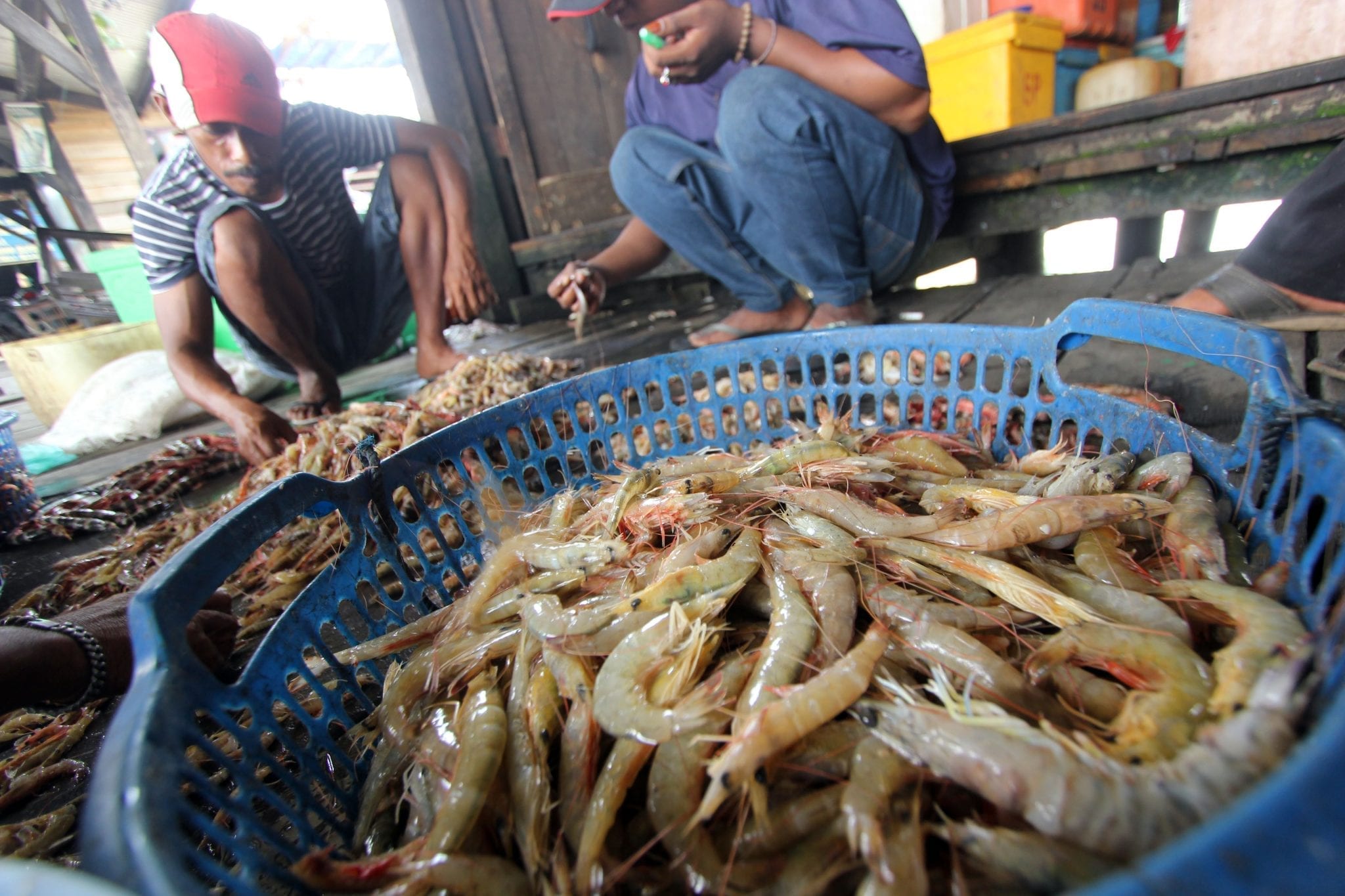
    The Vietnam government contends the ban by the Australian Department of Agriculture on raw imports is ‘causing serious damage’ to the country’s shrimp farmers and exporters, and has requested it be reversed.

    Australian Agriculture Minister Barnaby Joyce announced a six-month suspension on the import of raw shrimp this past January, following an outbreak of white spot disease in the northeast state of Queensland.

    Vietnam Deputy Minister of Industry and Trade, Tran Quoc Khanh, has now asserted the ban has damaged the country’s shrimp farming industry that on average exports roughly US$55 million worth of raw product to Australia annually.

    Deputy Minister Tran recently told Australian ABC news that the ban is not in line with common practices and the spirit of nurturing and enhancing the existing good trade relationship between the two countries.

    The Deputy Minister pointed out that the temporary ban on uncooked shrimp was issued with no advance warning for Vietnamese shrimp exporters to take needed actions to avoid large economic losses.

    In addition, Deputy Minister Tran noted there is no hard evidence as to the cause of the breakout of white spot disease in Queensland and maintained that it is premature to blame Vietnamese exports.

    Ban could contradict WTO rules

    Absent evidence of a causal relationship between Vietnamese shrimp exports and the breakout of the disease, Mr Tran suggested the ban may be in contravention of certain World Trade Organization agreements.

    Australian ABC news reports that the Seafood Importers Association of Australia has taken a position that favours lifting the ban, saying it damages the international trade reputation of Australia.

    Biosecurity failures

    The Australian Department of Agriculture defended the move, saying it was necessary for biosecurity protection of the farm raised fish and seafood industry.

    A spokesperson insisted the ban complied with the provisions of WTO agreements that allow a member to temporarily suspend imports in certain circumstances.

    The spokesperson also argued the decision to suspend shrimp imports would not be in place any longer than necessary to ensure the protection of the domestic aquaculture industry.

    Deputy Minister Tran noted he respected the sovereignty of Australia and the biosecurity concerns, but nonetheless asked the Australian Department of Agriculture to reconsider the propriety of the ban.

    Vietnamese uncooked shrimp products have been exported to many countries around the globe, said the Deputy Minister, without any reports of white spot disease or other biosecurity concerns having arisen.