Tag: Vietnam

  • Mujosh eyewear to open in Vietnam

    Mujosh eyewear to open in Vietnam

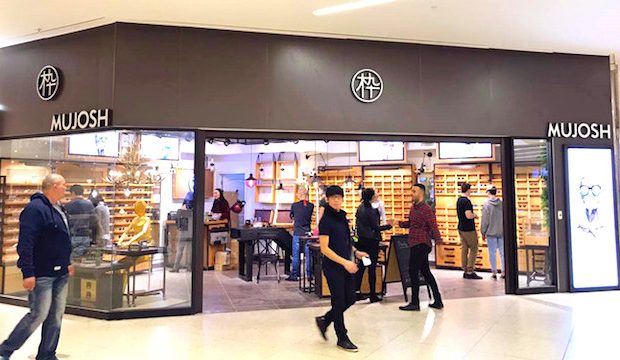
    Hong Kong-headquartered Mujosh eyewear is about to open its first store in Vietnam.

    The edgy brand, which made its international debut in Malaysia just last year, will open a store inside Saigon Center in Ho Chi Minh City. The mall houses the Takashimaya department store along with the first Japanese-headquartered Owndays shop in Vietnam.

    The store is undergoing fitout with a billboard promising an opening in “mid-March”.

    Established in 2010, Mujosh describes itself as “an innovative fashion eyewear brand” which combines unique elements and styles into frame designs.

    “Appreciating creative ideas, valuing the value of handicraft, cherishing the original touch of materials, Mujosh is deeply loved by fashion icons and wearers.”

    The brand also has stores in Singapore (on Haji Lane), Thailand and Australia. It plans to open 1000 stores globally within five years.

    Owned by Photosynthesis Group Co, Mujosh is the company’s first brand to go international since it started its international business expansion at the beginning of 2015.

    Edmonton marks Canadian debut

    Meanwhile, Mujosh opened its first store in Canada, a flagship in West Edmonton Mall, the largest shopping centre in North America. The mall hosts about 32 million visitors per year; between 90,000 and 200,000 daily.

    Among early customers was one who said she had become familiar with the brand while travelling in Shanghai and Singapore.
  • Central Group turns focus to e-commerce

    Central Group turns focus to e-commerce

    hai retail giant Central Group aims to raise the share of its e-commerce sales to 15 per cent over five years, up from the present 1 per cent.

    Presenting the company’s annual business plan, CEO Tos Chirathivat says the group will aggressively pursue expansion in the digital realm this year.

    About 10 per cent of the 45.53 billion baht (US$1.3 billion) capital investment allocation this year will be devoted to online business. The funds will mainly go toward developing a logistics network and an omni-channel platform, with capital spending on that front to double from next year.

    Central Group’s retail portal, Central Online, will be overhauled this year. The conglomerate acquired the Thai business of fashion e-tailer Zalora last year, and will adapt its know-how for Central Online’s makeover.

    The group is also eyeing markets outside of Thailand, including an online re-entry into China, from where it retreated two years ago. Central Group president Yol Phokasub says it aims to collaborate with a partner this time.

    Vietnam is another promising market. The group has two department stores there and is also a stakeholder in electronics retailer Nguyen Kim.

    Meanwhile, Central says its group sales last year increased 17 per cent to 332.7 billion baht. The refurbishment of key assets such as Bangkok’s Central Plaza Pinklao helped boost sales, along with Zalora and the acquisition of Vietnamese supermarket chain Big C.

    Central aims to reap sales of 382.2 billion baht this year, with a heavy reliance on overseas business, which accounts for 30 per cent of sales, as well as developed online business.

  • Vietnam revives biofuel plan, sets national switch in 2018

    Vietnam revives biofuel plan, sets national switch in 2018

    After years failing to promote ethanol blended fuel, the government makes a big move to give greener products a better chance.

    After more than two years failing to promote a locally-produced biofuel product in major cities, Vietnam has announced an even more ambitious plan: a national switch.

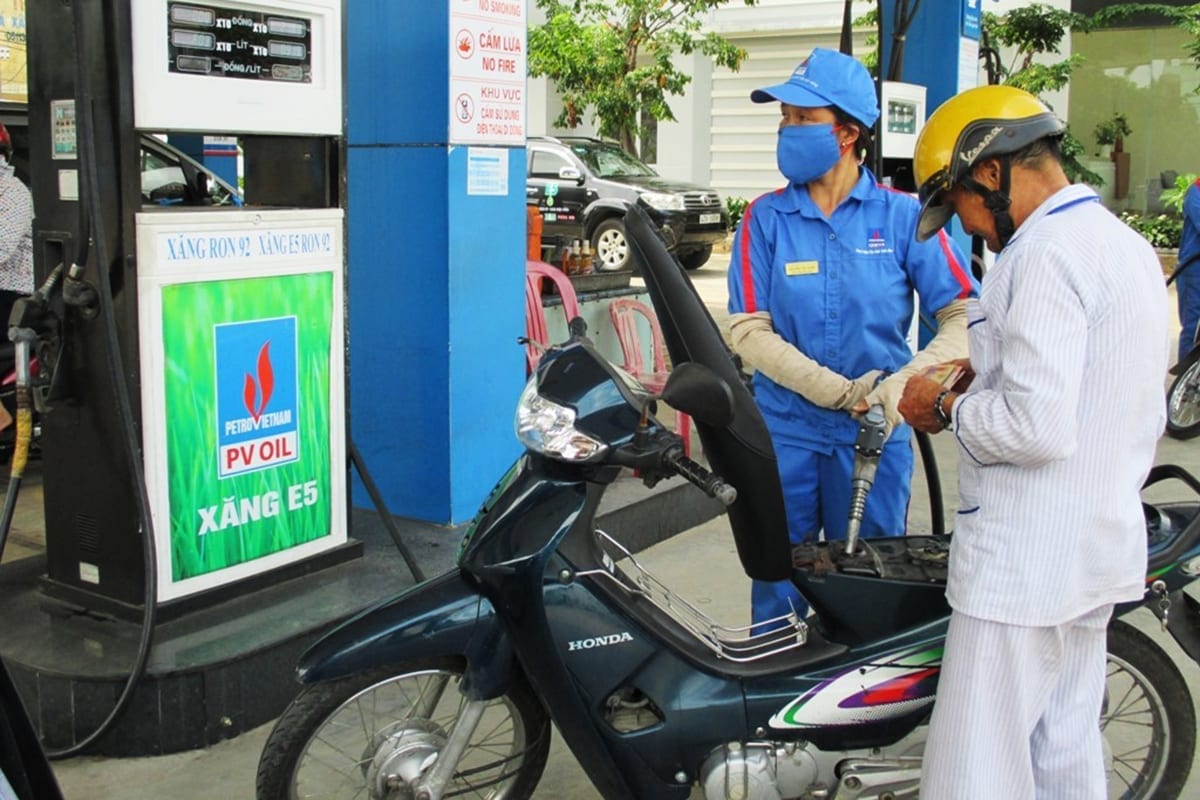
    The trade ministry said in a new report that it will make sure the 92-octane gasoline A92, currently the most popular grade in Vietnam, is phased out and replaced by the greener E5 in 2018, Tuoi Tre (Youth) newspaper reported.

    The ministry has reportedly ordered top fuel companies PV Oil and Petrolimex, both state-owned, to promote the use of E5. Five percent of the product is ethanol synthesized from cassava, hence the name.

    Studies conducted by the Hanoi University of Technology found that E5 is good for engines while producing fewer emissions.

    Vietnam had planned to make Hanoi, Ho Chi Minh City and some large cities switch to the fuel by the end of 2014. But somehow the product never caught on.

    Industry insiders said a national switch could be “impossible.”

    A member of PV Oil said the domestic supply of ethanol is 150,000 tons a year, which is enough to produce around three million tons of E5, while the demand would be more than 7.5 million tons.

    Government sources said two ethanol plants in the southern province of Binh Phuoc and the central province of Quang Ngai will resume operations soon.

    Fuel companies also said a complete switch to E5 also means they will have to invest in blending facilities specifically for the fuel, which could cost a lot of money and time.

    E5 is now less than 2 percent cheaper than A92. Retailers said the government should offer more tax incentives to widen that margin and make E5 more attractive.

    The more expensive 92-octane grade, A95, is favored by owners of newer vehicle models. It is more environmentally friendly than A92.

  • Vietnamese graduates have unrealistic salary expectations

    Vietnamese graduates have unrealistic salary expectations

    Fresh graduates overestimate their chances of getting well-paying jobs in Vietnam, and they’re not alone. A survey conducted by employment site Jobstreet has found that Vietnamese university graduates have salary expectations that are out of sync with the local job market.

    About 35 percent of the 1,600 new graduates surveyed expected a monthly salary of VND4 million-5 million ($175 – $220), and over 21 percent wanted to be paid as much as VND6 million ($264), based on the survey. Vietnam’s average annual income was around $2,200 last year.

    However, the average monthly salary on offer for new starters currently stands at $175 per month.

    The survey also found that Vietnamese graduates aren’t the only ones out of whack with reality.

    For example, Hong Kong graduates expect average first-year salaries of $2,252-2,320, much higher than the average wage of $1,772 on offer.

    In Singapore, university graduates actually make an average of $1,966 per month, but their expectations range from $2,416 to $2,609.

    The Malaysia-based Jobstreet survey highlighted the fact that millennial students, those born in 1980 or later, asked for unrealistic salaries and benefits.

    Millennials are very likely the largest group in the current workforce. According to audit, tax and consulting services provider PWC, as many as 45 percent of the population comprises of millennials, and an estimated 60 percent of the world’s millennials are expected to live in Asia by 2020.

    A survey conducted revealed 69 percent of millennials said that money matters most in a job. That means pay is still the primary reason for companies to attract and retain their millennials and is also the deciding factor when changing jobs.

    This is not surprising given better standard of living for millennials, said Jobstreet.

  • Vincom suits Platinum Cineplex

    Vincom suits Platinum Cineplex

    Earlier, on March 8, the M.V.P Group held a press conference to address issued related to the closure of Platinum Cineplex, the biggest cinema operator by screen in Hanoi, at three Vincom malls.

    The three cinemas include Platinum Royal City in Thanh Xuan District, Platinum Times City in Hai Ba Trung District and Platinum Long Biên in Gia Lam District.

    At the press conference, an M.V.P representative said that VCR’s unilateral termination of the contract signed with M.V.P Group ahead of expiration date was illegal, as the group had not breached the contract.

    Platinum has no outstanding debts at any of the three Vincom malls, the representative said, dismissing claims made by Vincom Retail in local media.

    He said that the information supplied by VCR had serious impact on the group’s prestige.

    In response to claims by the M.V.P Group, VCR general director Trần Mai Hoa said VCR had many times asked the M.V.P to voluntarily move its assets away from VCR premises as regulated in contract clause of termination. However, M.V.P has deliberately delayed moving.

    Specically, on October 15, 2016, M.V.P agreed to move their assets but later asked for extension to February 4, 2017. On December 19, 2016, the group once again asked for an extension of 10 to 12 months. On December 20, 2016, it requested an extension and permission to operate over the Tết (Lunar New Year) holiday.

    VCR agreed to an extension to February 24, but M.V.P has still not moved its assets. Therefore, on March 1, VCR was forced to seal the premises, in accordance with the contract. It notified M.V.P of its plans, and even agreed for M.V.P to send a representative to the premises to check its assets.

    “Sealing the premises is a legal measure to recover our premises appropriated by the M.V.P when the leasing contract ended,” Hoa said. It was done and witnessed by M.V.P managers and representatives from authorities at each location.

    Related to the outstanding debts, Hoa said that VCR and M.V.P had a working session to calculate the outstanding debts, and on October 14, 2016, head of the M.V.P financial department confirmed the figure.

    The contract was terminated in accordance with the rights of the two parties negotiated and clearly specified in the contract, the VCR representative said.

    She noted that the case is a disagreement between the two independent business partners and should therefore be resolved on the basis of law and the trade and civil agreement between the parties.

  • Vietnam fruits welcomed overseas, less favored in home market

    Vietnam fruits welcomed overseas, less favored in home market

    In January 2017, Vietnam imported $110 million worth of fruit, a sharp increase of 55 percent over the last year’s same period.

    In 2016, Vietnamese spent $700 million on imported fruits which came mostly from Chile, New Zealand and Australia.

    Vietnam also imported fruit from neighboring countries. Thailand has surpassed China to become the biggest fruit supplier. It exported $218.8 million worth of fruit to Vietnam in the first eight months of the year, while China exported $125.2 million.

    Imported fruits, mostly grapes, oranges and apples, flood traditional markets and dominate the shelves at supermarkets, though they are nearly VND100,000 per kilo more expensive than domestically grown products.

    Thu Duc, a large wholesale farm produce traditional market in HCMC, is one of the biggest distribution centers of foreign fruits. About 10 types of fruits there are carried to retail markets.

    South Korean Fuji apple priced at VND133,000 per kilo, French kiwi VNDVND75,000, and South African grapes VND165,000 per kilo sell very well despite high prices.

    When asked why they accept to pay for imports, Ngoc Thu, a housewife in Tan Phu district in HCMC, said foreign products have longer shelf life, and there is no need to worry about unsafe plant protection chemicals, because foreign farmers have to follow strict regulations during farming and preservation.

    Hoa, an office worker in Go Vap district, said she understands that Vietnam’s fruits are always fresher than imports because they are brought directly from orchids and fields to markets, while it takes months to ship fruits from other countries to Vietnam.

    However, she still chooses imported fruits because she believes the fruits are safer.

    “Imported fruits have to undergo strict examination by the state management agencies in their countries. Meanwhile, the quality of Vietnam’s products cannot be controlled,” she said, adding that imports are 20-60 percent more expensive than domestic products.

    Vietnam still imports fruits from China in large quantities. However, in Vietnam, they are introduced as Vietnam’s fruits because Vietnamese consumers boycott Chinese fruits.

    A GDC report showed Vietnam exported $2.4 billion worth of fruits and vegetables in 2016, an increase of 30 percent over 2015, while the figure is expected to rise to $3 billion this year.

    According to the Vietnam Fruits & Vegetables Association, Vietnam’s products can enter 60 markets, but they still find it difficult to penetrate distribution networks in these countries.

    Nguyen Dinh Tung, general director of Vina T&T, said Vietnam needs VND500 billion for projects on developing the technologies for fruit preservation.

  • Vietnam halts poultry imports from avian flu hit US states

    Vietnam halts poultry imports from avian flu hit US states

    The Vietnamese Ministry of Agriculture and Rural Development (MARD) issued a decision to halt the imports from March 10, saying that these two US states were facing a strain of low pathogenic H5N2 and the high-pathogenicity H7 avian influenza virus.

    MARD has instructed the Veterinary Department to tighten control over the poultry batches imported before March 10 from these states but have not yet been heat treated to eliminate the aviation flu.

    Earlier, the US Department of Agriculture said on Sunday that a farm in southern Tennessee that is a supplier to Tyson Foods had been infected with avian flu. Up to 73,500 birds were killed by the disease, while the remainder has since been suffocated with foam to prevent its spread.

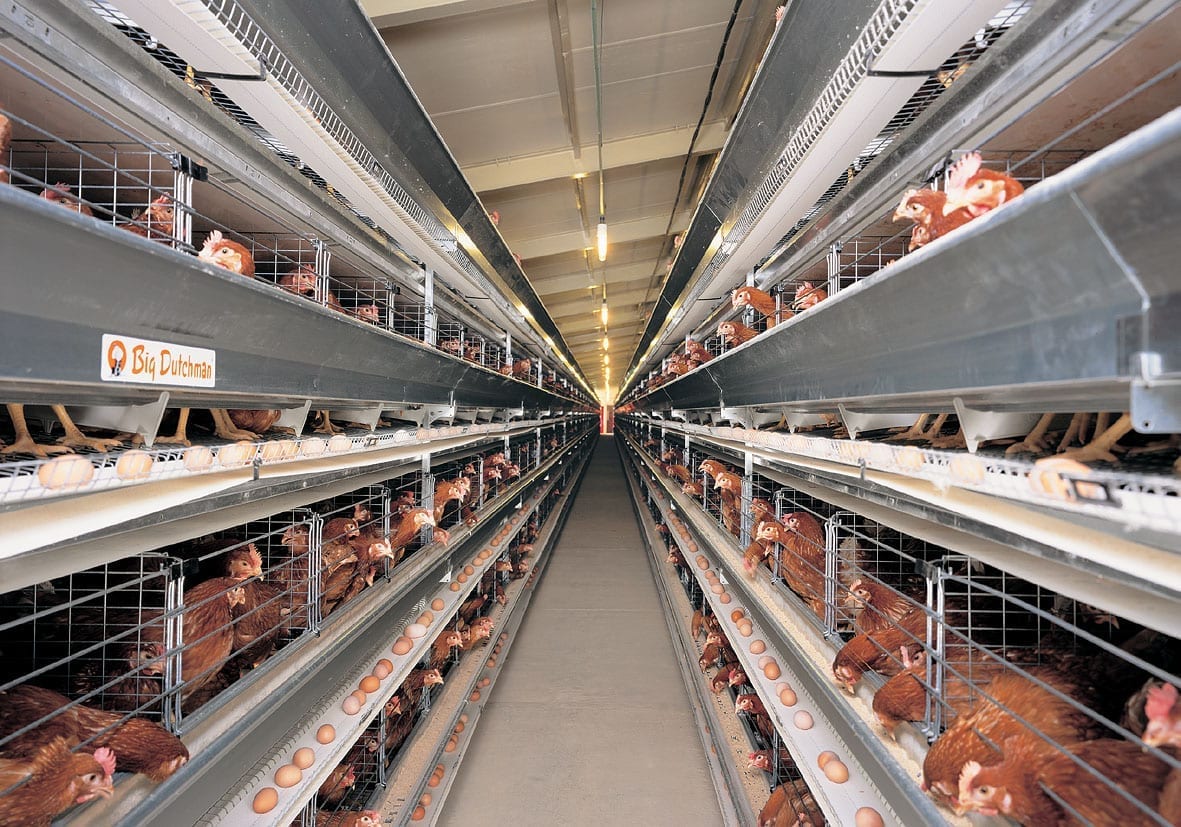
    The outbreak raised concerns among chicken companies because the infected farm is located near the biggest-producing states for chicken meat, including Georgia and Alabama.

    US trading partners, including South Korea and Japan, earlier restricted shipments of US poultry because of the infection in Tennessee.

  • Vietnam wants China to permit more rice exporters

    Vietnam wants China to permit more rice exporters

    Many Vietnamese rice exporters are facing difficulties after China authorised only 22 Vietnamese businesses to export rice into the country.

    The permission was announced by China’s General Administration of Quality Supervision, Inspection and Quarantine (AQSIQ), which allowed 22 firms to export rice and rice products from January 1, counting from the date of departure from the Vietnamese border. Any businesses not listed by AQSIQ were banned from exporting to the Chinese market from January 1.

    This decision has affected many Vietnamese firms which were not in the list but had already signed rice contracts before the date.

    One such company is Can Tho Food Company, which is not allowed to export rice to China, although it had signed a contract to export 18,000 tonnes of rice to China at the end of last year.

    Nguyen Van Dung, the company’s deputy director, said the delivery would have been completed by early February, but following the new order, it was no longer permitted to export and hence was suffering huge losses.

    “Our contract was canceled cancelled and we have to compensate some VND300 billion for our partner. In addition, we have to bear further costs,” Dung told Vietnam Television.

    Dung said rice was preserved in the store for quite a long time so the company had to re-process 10,000 tonnes of rice, which raised the cost by VND200-300 per kg.

    “I hope the State and relevant sectors create conditions for my company to sell rice, helping us to overcome difficulties. If it is not solved soon, my company will go bankrupt,” Dung said.

    Tran Thanh Nam, deputy minister of agriculture and rural development (MARD), said the ministry would soon contact China authorities, asking them to send an expert delegation to Viet Nam to assess more businesses which could be eligible for exporting rice to China.

    China’s permission to 22 Vietnamese rice exporters was given after a group of Chinese experts traveled travelled to Viet Nam to inspect 31 enterprises that had previously applied to the local ministry for export rights to China last year.

    According to MARD, China tops the list of Viet Nam’s rice export with 35.4 per cent of market share in the first three quarters of 2016.

    Total rice export turnover to the Chinese market touched 1.35 million tonnes, amounting to $613.4 million in 2016, down 23 per cent in terms of quantity and 13.9 per cent in terms of value in comparison with the same period in 2015.

  • After Netflix, another foreign video streaming provider connects in Vietnam

    After Netflix, another foreign video streaming provider connects in Vietnam

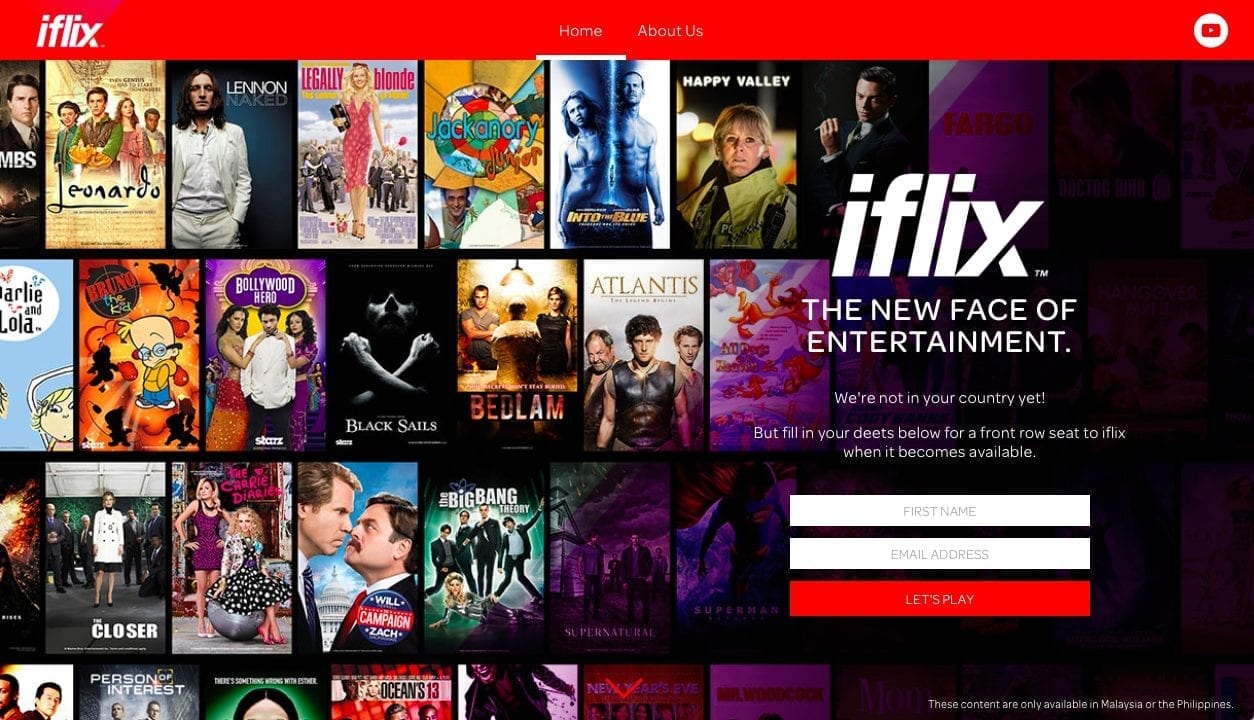
    Foreign companies have long been salivating over the local streaming media market’s potential. Malaysia-based video streaming startup iflix has officially launched in Vietnam with the aim of tapping into the country’s sizable population, the company said on Tuesday at a press conference.

    Vietnam is currently ranked by Internet World Stats at 18th globally in terms of the number of internet users, making it a lucrative proposition in the eyes of foreign streaming platforms.

    The streaming video provider sees Vietnam as a huge market with enormous potential mainly because the country has a growing population and fee-based online streaming services like iflix are still virtually new in this market, citing David L.Goldstein, iflix manager in Asia, as saying.

    Vietnamese consumers have long enjoyed access to free online videos, however, with the arrival of the U.S video streaming giant Netflix a year ago, and now Malaysia’s iflix, this is changing.

    iflix makes its money from charging subscribers a monthly fee of VND59,000 ($2.59) after a 30-day free trial. This is about three times less than subscription fees currently offered by Netflix, and could start a price war between the two.

    Customers in Vietnam can watch iflix on a variety of devices, including desktop computers, tablets, televisions and smart phones.

    The streaming platform also allows its subscribers to select subtitles in English or in Vietnamese, said Country Manager Hoang Tung at the press conference.

    iflix is now available in eight Asian markets, and its catalog includes both Hollywood hits and local content in Malaysian, Chinese and other regional languages. It has secured more than 1 million subscribers since its launch in 2015.

  • Vietnamese prefer overseas sites for online shopping

    Vietnamese prefer overseas sites for online shopping

    Local consumers say global giants like Amazon and eBay offer a wider range of products and better return policies. Vietnamese online shoppers spend significantly more on overseas purchases than they do domestically as they believe international e-commerce platforms offer better products and service quality, a new report has said.

    The report, from the Vietnam E-commerce Association or VECOM, said that many global retailers like Amazon and eBay have made it easier for Vietnamese consumers to buy online.

    “Meanwhile, a majority of Vietnamese e-businesses, especially small- and medium-sized companies, have yet to make significant investments in market research catering to consumers,” said the report.

    Local online shopping sites are less competitive in terms of product diversity and quality, return policy, and order placement costs, the report highlighted.

    “I shop on both eBay and Amazon,” Quoc Hung, a reader said in a comment. “I can just send a product back if I don’t like it.”

    Most Vietnamese online businesses don’t offer free delivery and free return, another reader pointed out.

    Chinese online retail giant Alibaba is also attracting more Vietnamese customers. Internet company OSB, Alibaba’s authorized agent in Vietnam, said the company’s customer base in Vietnam has expanded to 500,000 after sharp increases over the past three years.

    The online shopping trend is growing rapidly in Vietnam, where 30 percent of the population will be buying goods and services over the internet by 2020, according to the Vietnam E-Commerce and Information Technology Agency.

    The agency, run by the Ministry of Industry and Trade, said revenue from online retail is expected to account for 5 percent of the country’s retail market in 2020, up from only 2.8 percent in 2015.

    Vietnam’s e-commerce market, which has one of the world’s fastest growth rates, jumped 37 percent in 2015 to around $4 billion, based on government statistics.

    The growth rate is about 2.5 times faster than that in Japan, based on some estimates by industry experts.

  • Panasonic to double wiring device production in Vietnam plant

    Panasonic to double wiring device production in Vietnam plant

    A new factory in Binh Duong Province is slated to begin operation in October this year. Panasonic Corporation will double its production capacity of wiring devices and circuit breaker in Vietnam by 2020 in an attempt to fulfill robust demand in the country and for export to neighboring markets.

    The Japanese electronics manufacturer will build a new factory next to the existing facility now operated by Panasonic Eco Solutions Vietnam Co in the southern province of Binh Duong, about 40 km (25 miles) north of Ho Chi Minh City, the newspaper said.

    The expansion is estimated to cost one billion yen, or $9 million.

    Company officials could not immediately be reached for comment.

    The new 6,000 square-meter plant is scheduled to come into operation by late October, doubling Panasonic Vietnam’s capacity by 2020, citing a company directive on the expansion.

    The electronic giant has also planned to acquire an area covering about 18,000 square meters adjacent to its existing factory premises in preparation for future expansion, said the newspaper.

    Output from the new factory would go to the domestic market as well as other Southeast Asian countries.

    The Binh Duong plant began production in late 2014. Besides, Panasonic has four other factories and one research and development center in Vietnam.

    The Japan External Trade Organization’s 2016 business confidence survey showed that nearly 70 percent of Japanese companies plan to expand their Vietnam operations, up from 64 percent in the previous year.

    As of February 2017, Japan is Vietnam’s second largest foreign investor, with projects totaling $42.49 billion, based on data by Vietnam’s government.

  • Vietjet awards a one-kilogram golden aircraft to Lucky Draw winning passenger

    Vietjet awards a one-kilogram golden aircraft to Lucky Draw winning passenger

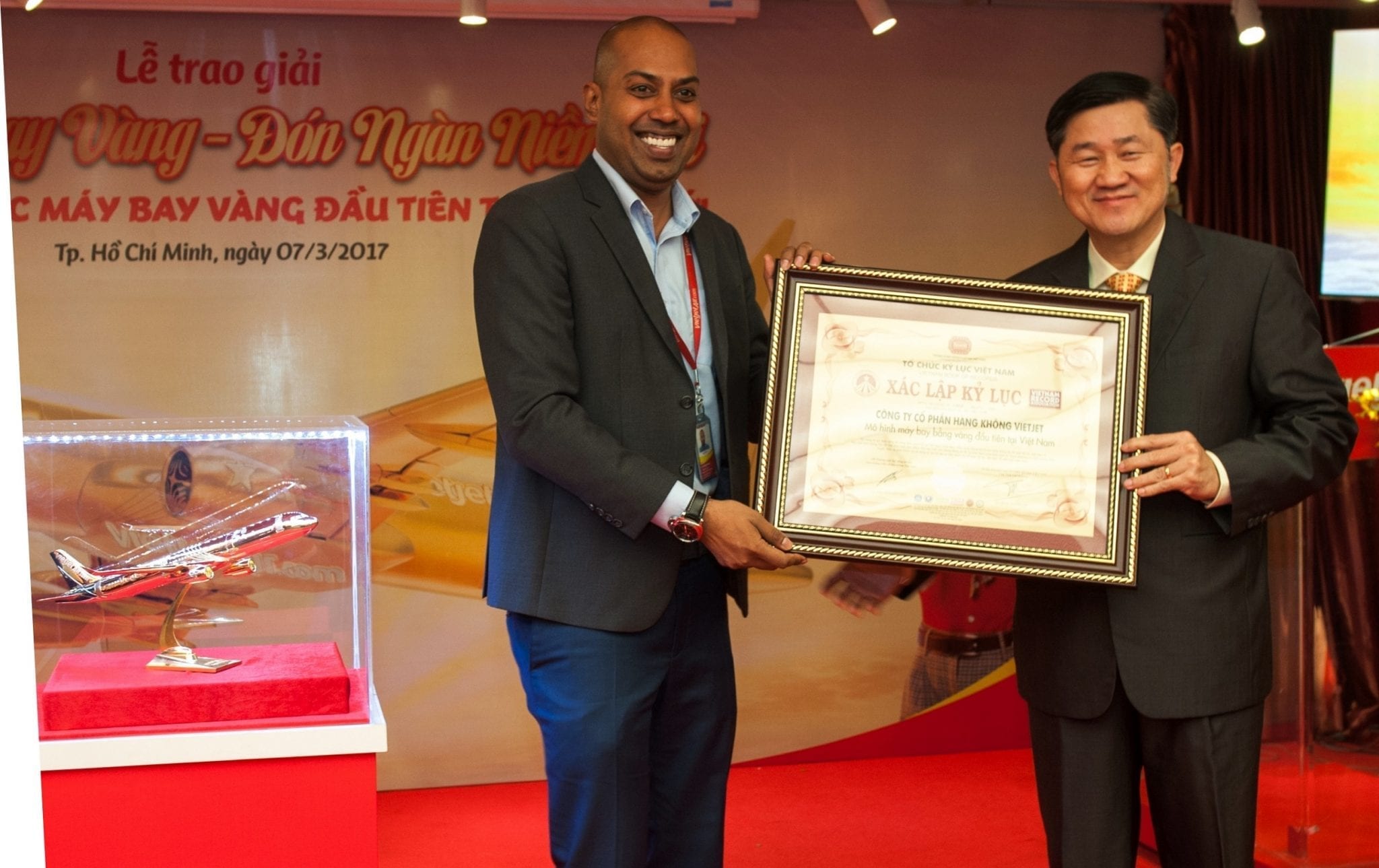
    On the occasion of the International Women’s Day, Vietjet presented a one-kilogram golden aircraft model, the biggest prize under the campaign “Win a 1kg gold aircraft, fly to a happy future”, to Ms Tran Phoi Hanh, a passenger on VJ610 flight from Ho Chi Minh City to Nha Trang, a beach city in south Vietnam, on February 3, 2017.

    Millions of lucky passengers have also won super promotional tickets priced from only HK$8 during the golden hours from 1pm to 3pm under the campaign “Win a 1kg gold aircraft, fly to a happy future” lasting from December 28, 2016 to February 28, 2017. Many prizes of 3.75 gram gold bullions and domestic air tickets have been given to lucky passengers, who successfully booked their tickets and flew from December 28, 2016 to February 28, 2017. 

    The airline also officially gets the World Record for “the World’s first golden aircraft model” from WorldKings. The Vietnam Book of Records accordingly recognized the record for “Vietnam’s first golden aircraft model”.

    As a new-age carrier, Vietjet is favored for its amazing promotions and interesting activities. The airline has been given world records for “The airline with the most inflight entertainment programs”, “The love flight with the most kisses”, “The most smiles onboard a flight to Singapore”, “The Speed date event for up to 600 singles”, etc.

    With its high-quality services, special low-fare tickets and diverse ticket classes, Vietjet offers its passengers enjoyable flights with dynamic and friendly flight crew, comfy seats, amazing hot meals and special surprises from the airline’s inflight activities.

  • Sale of cars down despite price drop

    Sale of cars down despite price drop

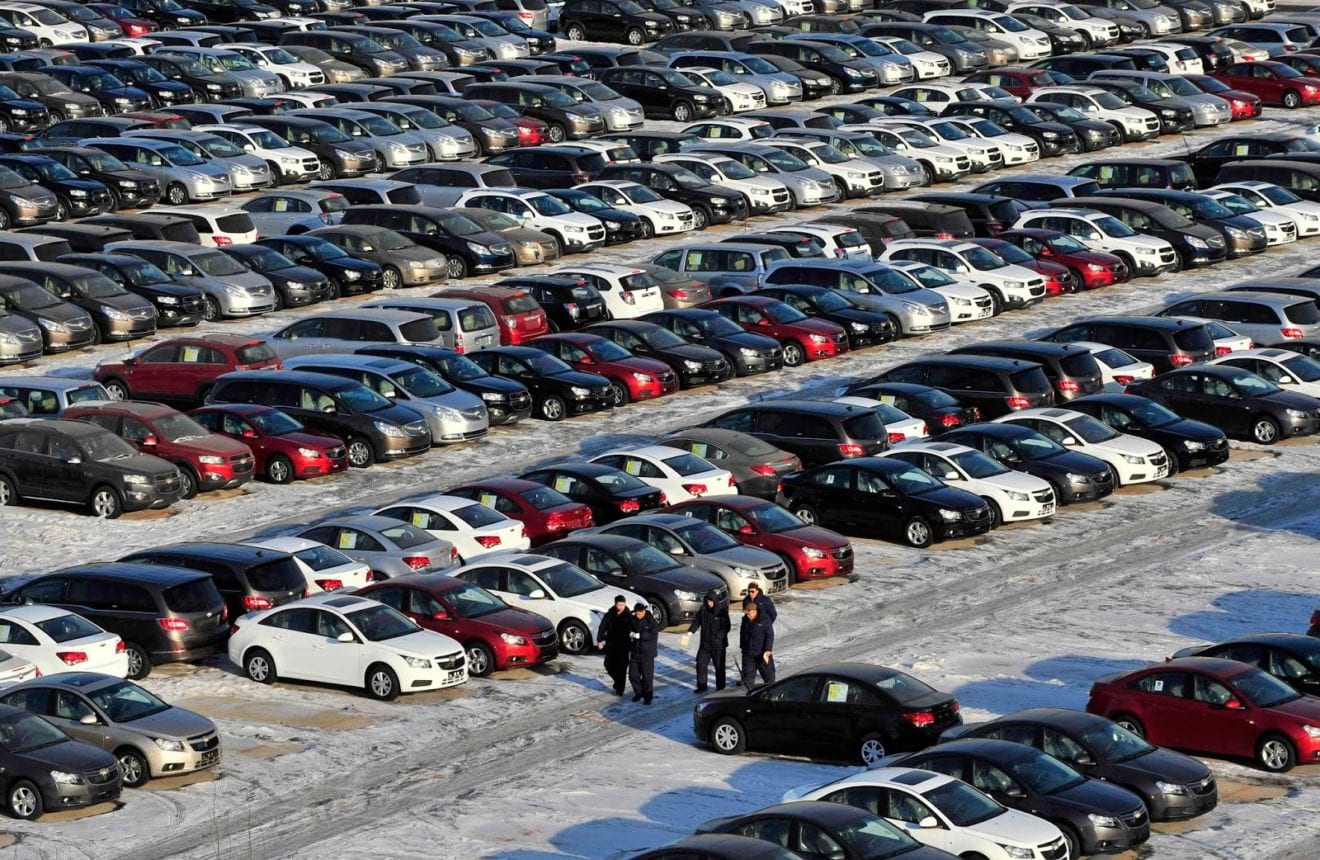
    Members of the Vietnam Automobile Manufacturers’ Association (VAMA) sold more than 17,600 cars in February, down 13 per cent from the previous month.

    The prices of many types of cars were adjusted in the market in recent months. This is the second month this year that the association has witnessed a drop in sales, although its members continuously reduced prices of their products.

    At the end of last month, prices of seven types of cars were adjusted, including imported and locally-assembled ones.

    Honda Vietnam decreased its price by VND80 million for Accord, which was imported from Thailand. Meanwhile, Toyota Motor Vietnam (TMV) announced new prices for Yaris models G and E, with a drop of VND47 million (US$2,057) and VND44 million, respectively. The imported Land Cruiser Prado TX-L and Land Cruiser VX also saw a revision in prices at nearly VND2.17 billion and VND3.65 billion, down VND264 million and VND70 million each.

    Honda Vietnam and TMV were followed by other automakers.

    Domestic automaker Thaco reduced the prices of Kia and Mazda models by between VND20 million and VND140 million each.

    A report from the People’s Committee in central Quang Nam Province showed that vehicles witnessed the highest inventory volume in the province, which was nearly 49 per cent higher than the previous month and almost triple compared with the same period last year.

    This was partly due to the increase in demand for vehicles before the Tet (Lunar New Year) holiday, which declined after the holiday. In addition, people were still waiting for prices to reduce further, especially once the import tax on vehicles from ASEAN countries dropped to zero per cent by January 1, 2018, according to the committee.

    While the consumption of locally-assembled cars was showing a declining trend, the volume of imported cars had sharply increased.

    According to the estimate of the General Statistics Office (GSO), Viet Nam imported some 9,000 complete built up units in February, worth $153 million, up 29 per cent in volume in comparison with the previous month but sticking to the same value.

    On average, each imported car in February was $17,000 — $4,850 lower than January – which meant almost all imported cars were less expensive.

    During the Government’s February meeting session, Prime Minister Nguyen Xuan Phuc reminded relevant ministries about the rapid increase of imported vehicles in the first two months of this year, which was due to the impact of the expected import tax decline in 2018.

    He said this was a warning to relevant ministries and sectors to strengthen management to create harmony between import and local auto manufacturing.

  • Visa QR payments coming to Indonesia, Pakistan, Vietnam

    Visa QR payments coming to Indonesia, Pakistan, Vietnam

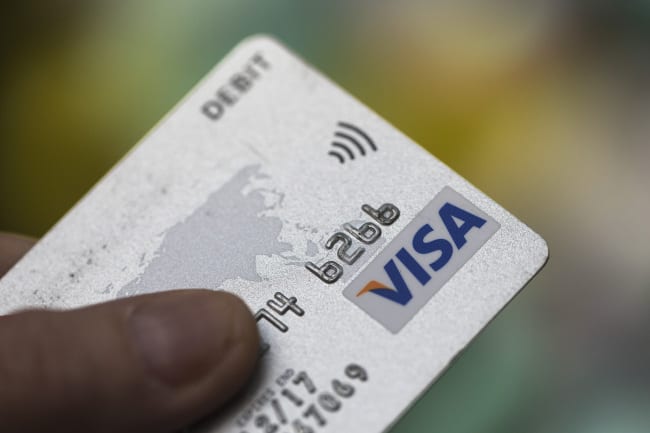
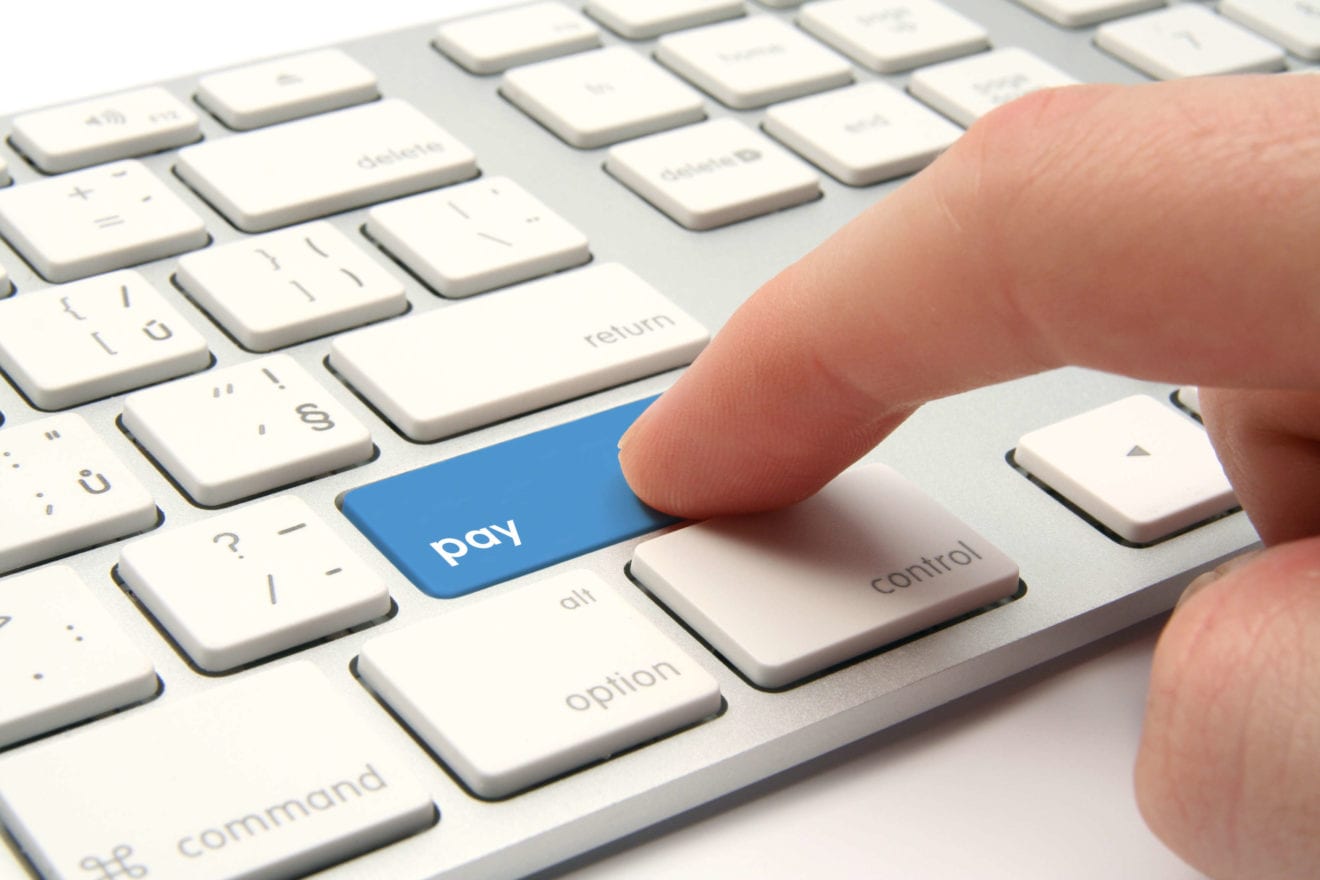
    Visa will soon be expanding its QR-based mobile payment service to ten more markets, including Indonesia, Pakistan and Vietnam.

    The service, named mVisa, is now live in India, Kenya and Rwanda, and will soon be available to merchants and consumers in the three new APAC markets, as well as Egypt, Ghana, Kazakhstan, and Nigeria.

    mVisa, a mobile solution, aims to provide easy and secure digital commerce to financial institutions, merchants and consumers in emerging markets.

    The service is designed to help merchants overcome infrastructure issues by allowing consumers to use their mobile phones to make cashless purchases at merchant outlets, pay bills remotely and send money to friends and family members by securely linking their Visa debit, credit or prepaid account to the mVisa application.

    mVisa digitizes the underlying account and allows consumers to transfer funds from their account to the retailer’s account reliably and securely by scanning a QR code.

    Use cases of mVisa include the allowing subscribers of Tata Sky, a direct-to-home service provider in India, to recharge their account by using their mobile phones to scan the WR code directly from the TV screen or online. This function allows Tata Sky customers to order and pay for monthly or one-time services from home without having to visit a physical retail outlet.

    Mahanagar Gas Limited, a utility provider in Mumbai, also issues customer bills printed with the mVisa QR code. Customers scan the QR code on the bill, as they would at a merchant outlet, and complete their transaction at their leisure.

  • UK Fintech firm eyes Vietnam’s banking sector

    UK Fintech firm eyes Vietnam’s banking sector

    Opportunity Network, a UK-based FinTech company that offers banks a digital business matchmaking platform, on Wednesday announced plans to engage Vietnamese commercial banks in joining its fast-growing global partner network.

    Brian Pallas – the founder of UK-based FinTech company, Opportunity Network. The company will offer Vietnamese corporate and private banks access to an innovative business-to-business digital platform designed to promote growth.

    Headquartered in London with offices across New York, Barcelona and Dubai, Opportunity Network is backed by the Boston Consulting Group and provides a collaboration platform that connects 13,500 companies in 128 countries.

    This three-year-old firm is currently valued at US$180 million and boasts a deal value in excess of $38 billion.

    The company will offer Vietnamese corporate and private banks access to an innovative business-to-business (B2B) digital platform designed to promote growth.

    Through this platform, local businesses can hunt for trustworthy partners to help them expand into new markets via international trade activities, such as selling privately held enterprises, executing cross-border mergers and acquisitions (M&A) and maximising global asset utilisation that has a deal value of $1 million and above.

    Opportunity Network uses a proprietary algorithm that is designed to smoothen global deal-making by matching users’ strategic preferences with current deals on the platform.

    Instead of on-boarding businesses directly, its main clients are banks who then invite their best customers to participate on the platform through a membership scheme, creating a pre-screened online community.

    The company has key partners such as Young Presidents’ Organisation, global network of young CEOs with 25,000 members in 130 countries, London Stock Exchange and major banks in Europe, and has recently partnered with Citizens Bank in the US. It has also announced a global expansion plan to establish local presence in 40 countries.

    “Opportunity Network is a bank-FinTech enabler and a digital Customer Relationship Management (CRM) platform. We help banks leverage financial technology to deliver more value and create better experiences for their corporate clients, especially the small and medium enterprises looking for trustworthy counterparties to expand both locally and internationally and gain market share while saving time, money and effort,” said Ly Nguyen, country managing director at Opportunity Network.

    “This is in line with the Vietnamese government’s policy to promote private sector growth, with strong focus on SMEs to double the number of firms by 2020 and facilitate trade, investment and M&A opportunities.”

    The financial services sector is going through a dramatic change in today’s highly connected digital environment.

    With higher customer expectations, ever-increasing customer touchpoints, and the advent of new technologies, banking institutions are forced to enhance their digital capabilities to stay relevant.

    “It’s the perfect time for us to work hand in hand with local banks and leverage the digital tool as a strategic enabler for banking transformation,” Nguyen said.