Retail News CRM

Tag: zara

  • Zara AR experience unveiled in over 100 stores

    Zara AR experience unveiled in over 100 stores

    Spanish fast-fashion retailer Zara will unveil an augmented-reality experience for two weeks in 120 flagship stores globally.

    Aimed at encouraging customers both outside and inside the store to shop and share, the innovative concept superimposes technology on the retail environment via the Zara AR app. The activation plays out at three different sites: store windows, central podiums and atop e-commerce boxes.

    When smartphones focus on the signs, models Lea Julian and Fran Summers seemingly come to life in seven- to 12-second sequences on the phone’s screen. They pose, move around and even speak while dressed in the SS18 Zara Studio collection. Their clothes and accessories can be bought instantly through a single touch on the app, as well as in store.

    The experience will have high visibility from the street, with store windows appearing completely empty aside from bold signs encouraging people to access the Zara AR app. Downloading is easy by connecting to a dedicated Wi-Fi network, or by QR code, via iTunes and Google Play, or through the link on Zara.com or the app.

    As well as the shopping feature, a social-media sharing feature invites people to take and send photos alongside the holograms, establishing a virtual connection. To maximise the limited-time experience, different sequences of new looks will be introduced after the first week.

    Zara’s AR venture is the conception of Paris-based creative director Ezra Petronio, who developed the app with French technology company Holooh and research partner Inria (the French national Institute for computer science and applied mathematics). The 12 dynamic sequences were captured as holograms in a 170sqm studio involving 68 cameras, among the largest recording systems of its type in the world.

  • Nike is world’s most valuable apparel brand, says Brand Finance Top 50

    Nike is world’s most valuable apparel brand, says Brand Finance Top 50

    Despite losing popularity with American teenagers and a drop in brand value of 41 per cent, Nike is still way out in front in the Brand Finance Top 50 list of the most valuable apparel brands in the world.

    In the list, just been release by the independent brand valuation and strategy consultancy, Nike’s main competitor Adidas was fourth behind H&M and Zara with an increase in brand value of 41 per cent.

    In the realm of luxury brands, Hermes overtook Louis Vuitton, jumping two spots from 7th to 5th from last year. Luxury brands including Cartier, Gucci, Hermes and LV had strong growth in value as more consumers in emerging markets buy into the market.

    Japan’s Uniqlo was the only Asian brand in the top 10, with Hong Kong jeweller Chow Tai Fook and China’s Anta Sports taking up the 13th and 33rd spots respectively.

    These are the top 50 most-valuable apparel brands in the world this year:

      1. Nike (brand value, US$2.8 billion)
      2. H&M ($1.8 billion)
      3. Zara ($1.7 billion)
      4. Adidas ($1.4 billion)
      5. Hermes ($11.3 billion)
      6. Louis Vuitton ($10.4 billion)
      7. Cartier ($9.8 billion)
      8. Gucci ($8.5 billion
      9. Uniqlo ($8 billion)
      10. Rolex ($6.3 billion)
      11. Coach ($6.1 billion); 12. Victoria’s Secret ($6.1 billion); 13. Chow Tai Fook ($5 billion); 14. Tiffany & Co ($4.6 billion); 15. Burberry ($4.5 billion);16. Christian Dior ($4 billion); 17. Polo Ralph Lauren ($4 billion); 18. Prada ($3.8 billion); 19. Under Armour ($3.7 billion); 20. Armani ($3.5 billion)
      12. Puma ($3.3 billion); 22. Ray-Ban ($3.2 billion); 23. Omega ($3.1 billion); 24. The North Face ($3.1 billion); 25. Pandora ($3 billion); 26. Michael Kors ($2.7 billion); 27. Tommy Hilfiger ($2.6 billion); 28. Anta ($2.6 billion); 29. Old Navy ($2.3 billion); 30. Bulgari ($2.2 billion)
      13. Bershka ($2.2 billion); 32. Calvin Klein ($2.2 billion); 33. Levi’s ($2.2 billion); 34. Primark/Penneys ($2.1 billion); 35. Moncler ($2 billion); 36. Boss ($2 billion) 37. Gap ($2 billion); 38. Ferragamo ($1.9 billion); 39. Saint Laurent ($1.8 billion); 40. Bottega Veneta ($1.8 billion)
      14. Valentino ($1.8 billion); 42. Skechers ($1.6 billion); 43. Swatch ($1.6 billion); 44. Tag Heuer ($1.5 billion); 45. Timberland ($1.4 billion); 46. Massimo Dutti ($1.3 billion); 47. Reebok ($1.3 billion); 48. Woolworths ($1.2 billion); 49. Stradivarius ($1.2 billion); 50. Pull and Bear ($1.2 billion).
  • Online sales surge boosts Zara owner Inditex

    Online sales surge boosts Zara owner Inditex

    Surging online sales have boosted Zara parent’s Inditex’s net profit in the past fiscal year by 7 per cent.

    Inditex, which also owns brands including Pull & Bear, Bershka and Massimo Dutti, reported an increase in net profit for the 12 months ending January 31 to €3.37 billion (A$5.27 billion) from €3.16 billion a year earlier.

    Sales rose 9 per cent to 25.34 billion euros in the fiscal year, with revenue for online sales growing by 41 per cent.

    In FY17, Inditex invested €1.8 billion in further developing its integrated stores and online model and upgrading its technology. Specifically, the rollout of RFID technology has improved flexibility and response times by integrating stores and online inventories, the company said.

    Pablo Isla, chairman and CEO of Inditex, described it as a year of “solid growth”, and highlighted, “the unique strength” of their integrated stores and online model and its significant growth potential.

    He added that “the prescient investments made in technology and logistics in recent years,” coupled with space optimisation, had positioned the company for continued growth across all its markets.

    The group, which during 2017 opened its first stores in Belarus and launched its online sales platform in India, Vietnam, Singapore, Thailand and Malaysia, was founded in 1975 by Amancio Ortega and has become the world’s largest clothes retailer with eight brands.

    Inditex owns 7,475 shops worldwide, an increase of 183 stores from the previous year when factoring in shop closures, but 29 less than three months earlier.

    Florence Allday, beauty and fashion associate at Euromonitor International, said Inditex faces a period of uncertainty as the changing retail environment and globally volatile currencies make this rapidly evolving market sector even more competitive.

    The fashion conglomerate may be one of the most dynamic players in the industry, Allday said, but the past few months have seen Zara and its direct global competitors vie to remain in favour with their female, millennial demographic in a market that is fast-maturing and reaching saturation.

    Currently, Zara has the fourth largest global market share in the apparel and footwear category, behind Hennes & Mauritz (H&M), Adidas and Nike. Other significant competitors include Asos, Boohoo and Primark.

    Allday said rankings and shares in the global apparel and footwear market remained static in 2016, with sportswear giants taking the top two spots.

    Inditex ranked fourth, maintaining its positioning as one of the leading non-sportswear companies in the world. Inditex’s key rival is H&M, which slightly outperformed Inditex due to more dynamic store expansion and an aggressive pricing strategy. H&M also utilises far more visible marketing, including collaborations with high-profile designers that attract widespread fashion press.

    “Although Inditex does rank higher than H&M in the global footwear market the company will need to utilise its vertical operations and exploit its widespread geographic coverage, to overtake H&M in apparel, capitalising on the narrowing gap between the two rivals,” Allday said.

    “Further still, players such as Fast Retailing [Uniqlo parent] continue to move up the ranks, capturing consumers’ demand for value-orientated product offerings, threatening the dominance of Inditex and H&M.”

    Allday said despite Zara’s status as the world’s largest fast fashion retailer, its sales slowed last year due to a lack of distinction between seasonal collections, and general market saturation.

    “To continue to be a key player in the fast fashion arena, Zara needs to ensure that its constant, uninterrupted flow of new designs and products is matched by a digital retail experience that is equally seamless,” she said.

    “With competitors like Asos, Amazon and Missguided enjoying enormous sales and growth, thanks to their sleek online platforms, Zara must streamline its payment and delivery options to ensure that its online shoppers remain loyal. Consumer attitudes are shifting, preferring to pay more for quality over quantity.”

    “To ensure that it remains relevant, Zara must emphasise the quality and longevity of its garments and justify its low price points to ethically-conscious consumers.”

  • Turnover soars 94 per cent for H&M India

    Turnover soars 94 per cent for H&M India

    With store openings and competitive pricing, H&M India has upped its turnover 94.5 per cent in India for the year to the end of November.

    The Swedish fast-fashion retailer’s turnover reached INR955 crore (US$148 million) for the 12 months.

    Its growth follows it opening more stores in India, taking the count from 15 to 27. It entered small markets such as Coimbatore, Indore and Raipur, as well as adding outlets in Mumbai and the Delhi-National Capital Region, where it has had a presence since 2015.

    In its earning release, H&M says it plans to launch an e-store later in India this year.

    Meanwhile, Inditex-owned Zara crossed INR1000 crore in sales last year, seven years after arriving in India, and last year opened an e-commerce portal.

    But H&M is confident its low-priced apparel and wide variety will help it win in India. “I think our business concept is working,” says country manager Janne Einola.

  • Apparel has lost its appeal

    Apparel has lost its appeal

    The apparel industry has a big problem. At a time when the economy is growing, unemployment is low, wages are rebounding and consumers are eager to buy, Americans are spending less and less on clothing.

    The woes of retailers are often blamed on Amazon.com Inc. and its vise grip on e-commerce shoppers. Consumers glued to their phones would rather browse online instead of venturing out to their local malls, and that has crushed sales and hastened the bankruptcies of brick-and-mortar stalwarts from American Apparel to Wet Seal.

    But that is not the whole story. The apparel industry seems to have no solution to the dwindling dollars Americans devote to their closets.

    Many upstarts promising to revolutionize the industry drift away with barely a whimper. Who needs fashion these days when you can express yourself through social media? Why buy that pricey new dress when you could fund a weekend getaway instead?

    Apparel has simply lost its appeal. And there does not seem to be a savior in sight. As a result, more and more apparel companies—from big-name department stores to trendy online startups—are folding.

    The ingredients for this demise have been brewing for decades. In 1977, clothing accounted for 6.2 percent of U.S. household spending, according to government statistics. Four decades later, it is plummeted to half that.

    Apparel is being displaced by travel, eating out and activities—what’s routinely lumped together as “experiences”—which have grown to 18 percent of purchases. Technology alone, including data charges and media content, accounts for 3.4 percent of spending. That now tops all clothing and footwear expenditures.

    Several reasons are behind this shift. Some are beyond the control of apparel companies, as societal changes drove different shopping behavior. But missteps by these companies along the way have hastened the death of clothing.

    It used to be that office workers needed suits and ties or pleated pants, long skirts and heels to get through the week. By the early 1990s, that seemed to change. The genesis is debatable, but many chalk it up to tech firms in Silicon Valley pushing a business-casual look dominated by khakis. That trickled into other industries, as casual Fridays became common. Now, office apparel is just as casual on Monday as on Friday for many workers.

    Over the past five years, there has been a 10 percentage point spike in employers that permit casual dress any day of the week. The upshot of this is that Americans increasingly need just one wardrobe, because there is so little differentiation between what people wear to work and on the weekends.

    Neckties are disappearing, even in industries such as finance. Sneakers can be worn to any occasion, including weddings and religious services. And about half of Americans say they can wear jeans to their professional offices, according to a survey by NPD Group.

    It is easy to see why this is bad news for apparel companies. When you cut out an entire category of attire, there’s less need to buy new clothes when fashions change. When there’s a hot new color or pattern, maybe a twentysomething buys one new blouse to stay on trend and wears it to work and out at night. Before, she might have purchased two pieces, one for each setting.

    There has been general deflation in the clothing industry. Apparel has become cheaper to make in recent years, especially as more production shifts to less expensive labor markets.

    Take a pair of men’s Levi’s 501 original-fit jeans. The price of this wardrobe staple used to steadily climb, but no longer. They cost $58 in 2009, then rose to $64 three years later, only to fall back down to $59.50 last year.

    This downward price pressure coincides with the emergence of low-cost, fast-fashion retailers in the U.S. Walmart and Target have long conditioned Americans that they can get items they want without spending a lot. Now, retailers such as H&M can mimic runway fashions for $35, or men’s jeans for $25, and can typically beat other retailers to market with trendy designs.

    For years, this seemed like a recipe for success. The chain expanded rapidly in the U.S. and generated $3.2 billion last year. Its growth coincided with the rapid expansion of fast-fashion competitors Forever 21 and Zara, too.

    But cracks and chasms are emerging in fast-fashion’s success story. While the number of U.S. H&M locations is still growing, the pace of new store openings is at a two-decade low. The retailer has struggled to clear out products that shoppers didn’t want, in part because customers are skipping messy stores in favor of a streamlined online experience.

    The fashion industry used to have a lot of sway over how people dressed. Retailers, magazines and high-end designers were fashion kingmakers. From their lofty perches, they dictated a season’s trends, and shoppers largely abided. A decade ago, teens wore Abercrombie & Fitch from head to toe.

    But in today’s consumer-driven economy, social media influencers often call the shots. These online personalities build followings with posts of their outfits, makeup routines and lifestyles. And they’re less loyal to upscale brands.

    An Instagram celebrity might combine Tory Burch, T.J. Maxx finds, consignment wares and basics from Target. Consumers have discovered they can invest in certain pieces and buy runway knockoffs to put together a unique, selfie-worthy look. With smartphones, these same shoppers easily compare prices, even using apps to snap a picture and find a cheaper alternative.

    Retailers are devoting more of their marketing spending to digital ads, developing a social media image, paying for promoted posts and conscripting influencers to endorse their products. The hope is that these ads seem more authentic and intimate than a television ad featuring a celebrity.

    But because there are now millions of tastemakers online—with a hodgepodge of aesthetics—it’s harder for new trends to really break through. That has made many apparel brands gun-shy and less prone to taking design risks. Designers used to spend months working on a collection of boundary-pushing styles in an attempt to make a statement for the brand.

    The variety came with the risk of sinking a lot of time and money into a design that flops. To cut costs and speed up products that are known to sell, many brands now buy fabrics in bulk that can be made into multiple designs and patterns, resulting in fewer, “safer” options for consumers. With fewer fashion changes, there are fewer reasons to replenish wardrobes.

    Micro-trends tend to flare up and flame out quickly, leaving larger trends in place for a longer time. Take skinny jeans, which roared onto the fashion scene in 2006 and haven’t left. They’re more distressed than ever, but the silhouette remains the same.

    When you consider all these varied pressures on the clothing industry, it’s not surprising that apparel store closures peaked last year. This doesn’t simply reflect a shift to online shopping. E-commerce startups were founded to take advantage of the disruption in retail. But even they have stumbled, a sign of the deeper problems plaguing apparel.

    Online darling NastyGal went bankrupt in 2017. Others have sold out to established retailers, rather than making it on their own. That includes Bonobos, the once-hot menswear brand that was bought by Walmart last year.

    Stitch Fix Inc., an e-commerce clothing seller that was founded in 2011, has been an exception. The retailer pairs algorithms and data to select customized outfits for its subscribers, giving shoppers a feeling of personalization and an easy, at-home experience. The company had its debut on the Nasdaq Stock Market in November, and the shares have gained 34 percent. Experts have said more retailers should learn from Stitchfix’s ability to leverage technology for customization, though they face the added challenges of a store base that e-commerce companies largely avoid.

    Even if retailers can thread that needle, the underlying problem of weak demand is expected to dog the apparel industry for years, meaning more store closures and more bankruptcies lie ahead—with or without Amazon.

  • Zara mocked in Asia for selling £70 ‘lungi’ – a ‘Thai grandpa’s uniform’

    Zara mocked in Asia for selling £70 ‘lungi’ – a ‘Thai grandpa’s uniform’

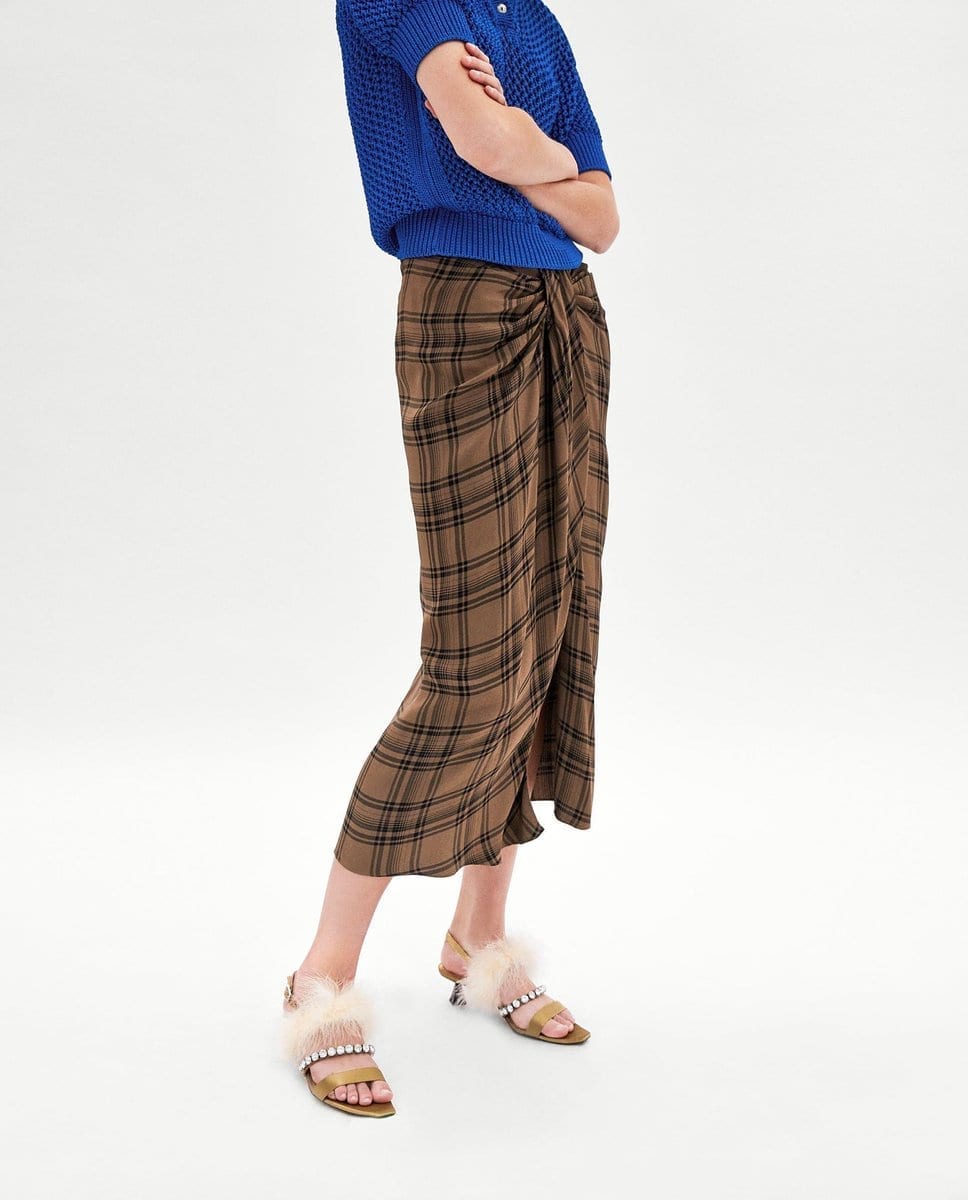
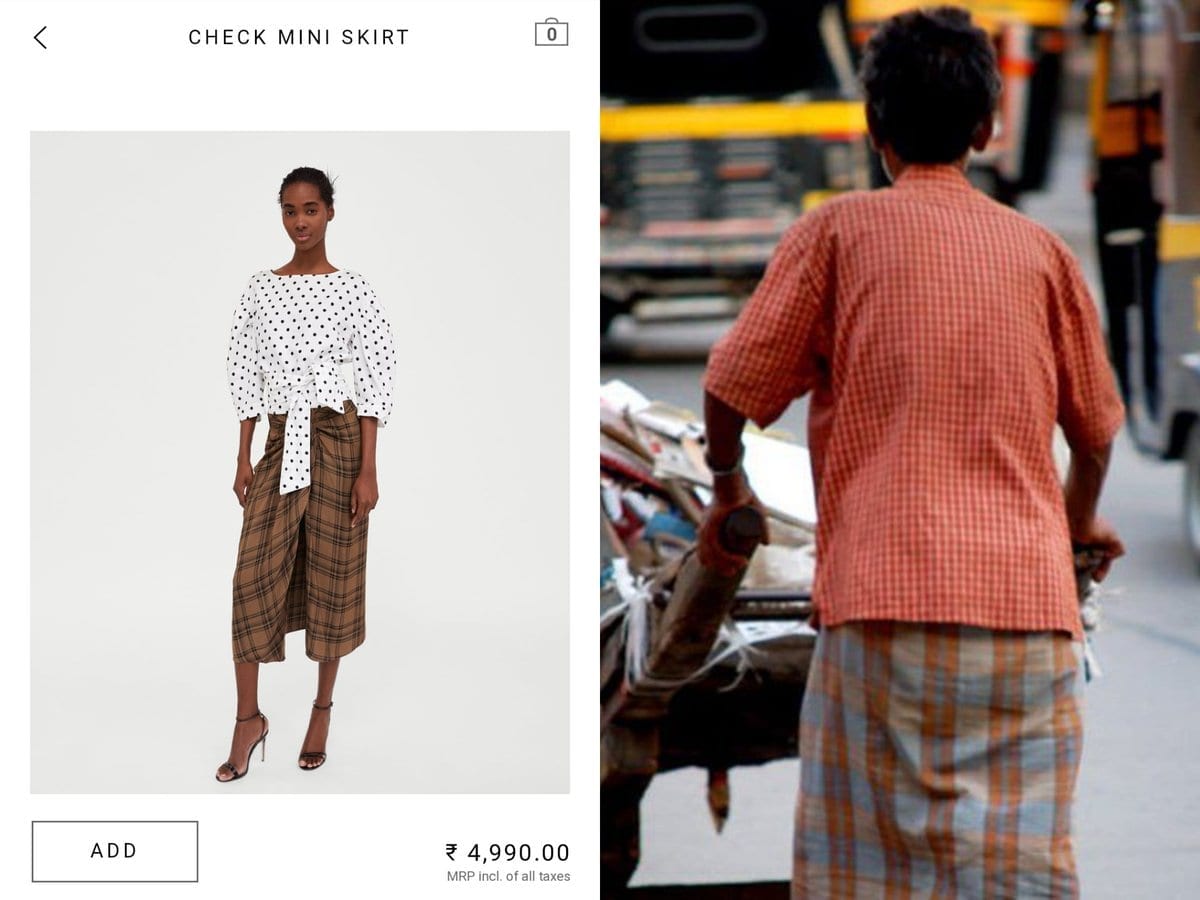
    High street retailer Zara has been widely mocked for marketing a £70 checked skirt which bears a striking resemblance to a cheap sarong worn by Asian grandfathers.

    The fashion brand’s description of the new mink-coloured garment as a “check mini skirt” with “draped detail in the front” sparked laughter across Asia, where social media users pointed out the similarities with the traditional “lungi” worn by their fathers, uncles and grandfathers.

    The lungi is a piece of cloth wrapped around the waist and tied at the front, that has been popular among men in the warmer climes of South and Southeast Asia for generations. It can be picked up in the markets of Thailand, Burma or Bangladesh for a few pounds.

    “Hate to break it to you Zara, but that’s a lungi,” wrote India’s Hindustan Times newspaper, adding that the LungiWala online retailer offered very similar garments for just £4.

    “In other places, it would be available for much cheaper than that. We should know, we’ve seen our fair share of them: we even have a dance for it. (‘Lungi dance’, anyone?)”.

    Meanwhile, Asia-based Coconuts media described the skirt as looking like a “Thai Grandpa’s uniform” commonly used for modesty when washing outside.

    Many social media users made a joke of it.

    “Zara selling lungis is..exactly how my indian mum will be luring my dad to go shopping next weekend,” wrote Australian Twitter user Sarath Chandra.

    Others, however, were upset that the fashion brand had used the design without referencing its origins. Elizabeth Segran, a writer who said she grew up in Singapore, Malaysia and Indonesia, accused the company of failing to acknowledge that the skirt was inspired by the Asian lungi.

    “I am not the only one who is a little peeved by this casual cultural appropriation. Asian Twitter just went up in arms,” she wrote for US magazine Fast Company.

  • Uniqlo to expand to Sweden

    Uniqlo to expand to Sweden

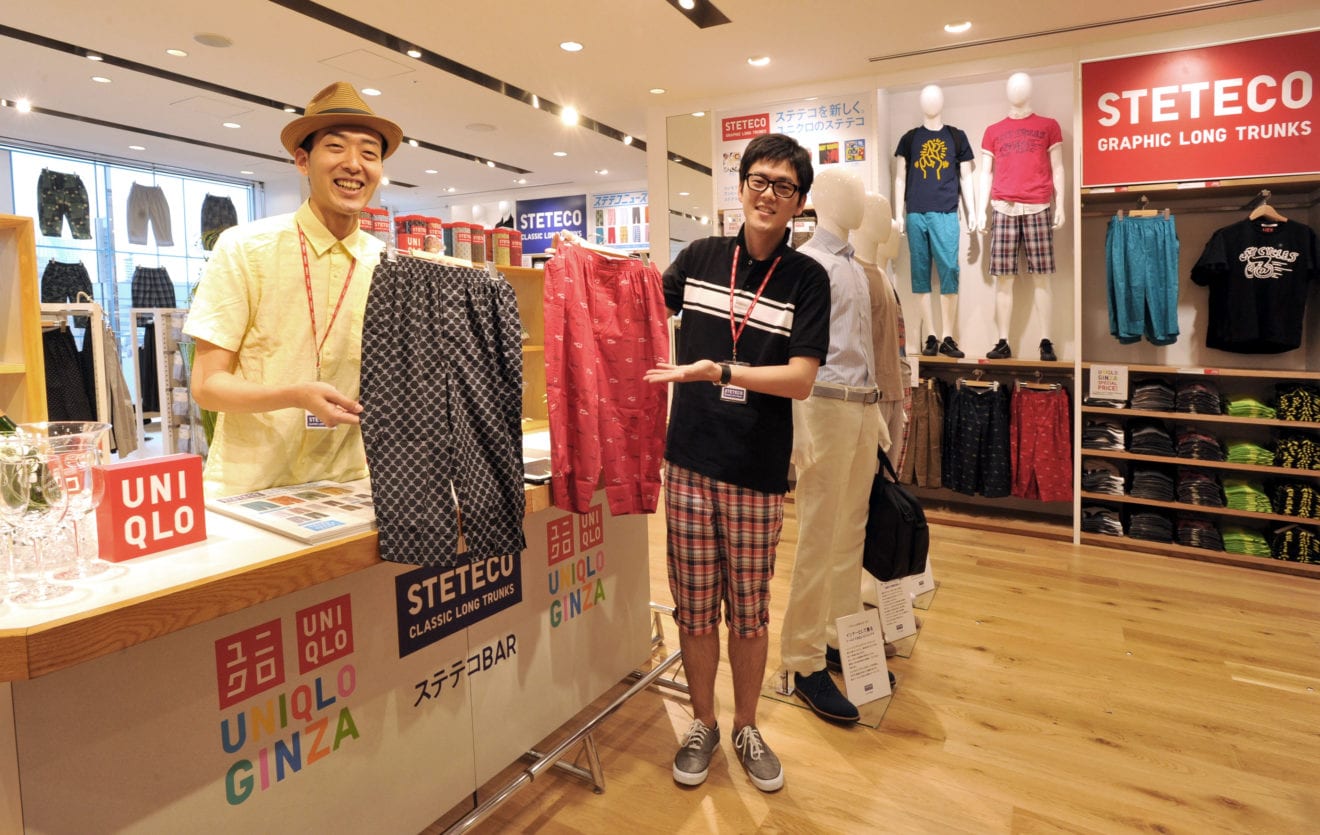
    Japan’s Fast Retailing plans to launch its Uniqlo clothing brand in Sweden with an initial store in Stockholm this year.

    Taking on its rival H&M in its home market, it marks the cut-price brand’s debut in the Nordic region.

    Uniqlo has fewer than 70 stores in all of Europe, and Fast Retailing CEO Tadashi Yanai says he wants to overtake H&M and Zara parent Inditex of Spain as the world’s top apparel retailer.

  • Vietnam to celebrate its new retail sales highest record US$129 billion

    Vietnam to celebrate its new retail sales highest record US$129 billion

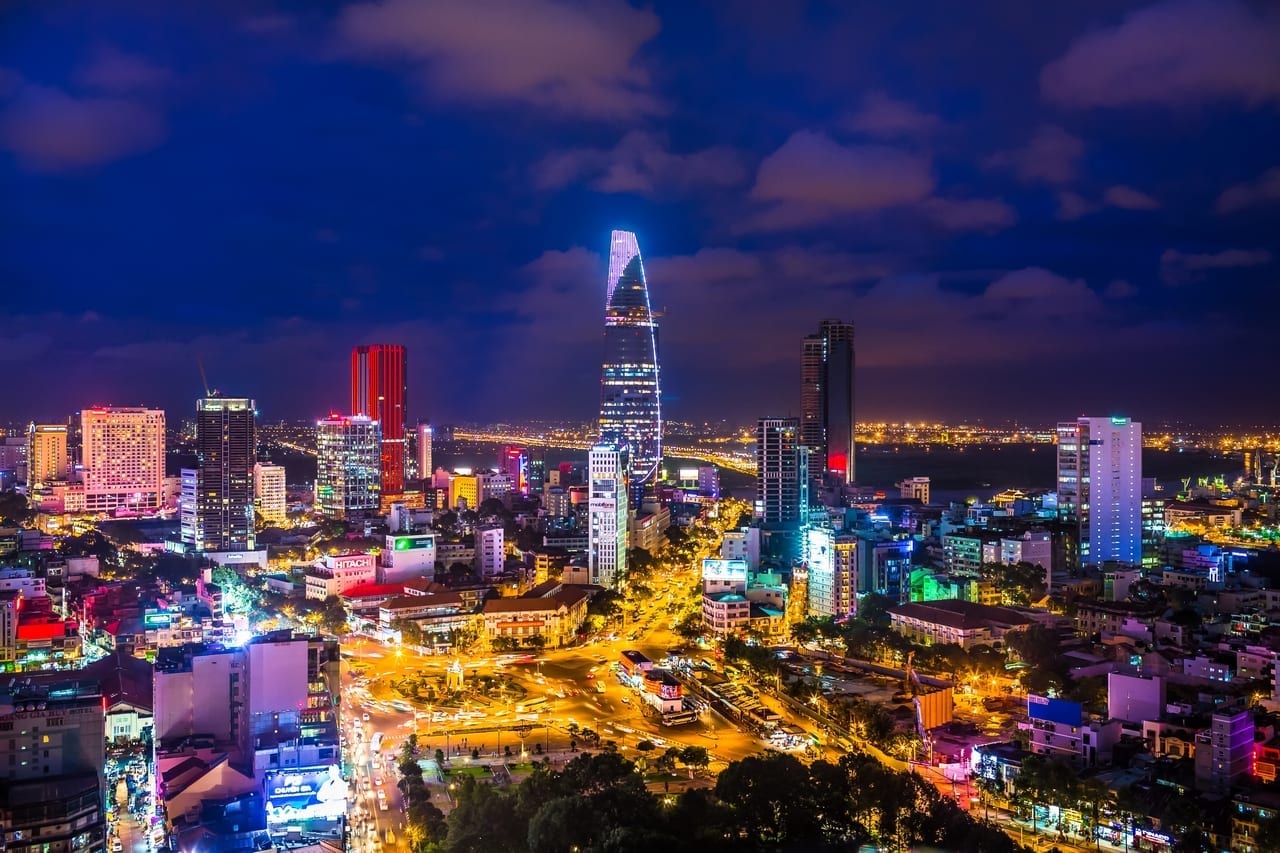
    Spurred by a rising middle class and influx of international retailers, Vietnam retail sales hit a record US$129.6 billion last year.

    This was growth of 10.9 per cent over 2016, according to the Vietnam General Statistics Office (GSO).

    Vietnam’s largest real estate company, Vingroup, starting expanding its Vinmart Plus convenience store chain in 2016 and has already topped 1000 stores – it opened 100 last month alone. It is predicted the store network could reach 3000 this year.

    Meanwhile, Vietnam last year saw the arrival of a slew of foreign retail brands, headed by Japan’s Seven & I Holdings opening its first Vietnamese 7-Eleven convenience store in Ho Chi Minh City in June.

    Swedish fast-fashion brand H&M followed in September with a store in the same city, while Zara, the chain of Spanish rival Inditex, opened its second Vietnam location in Hanoi in November (its first store, covering two levels, launched at Vincom Centre Dong Khoi in Ho Chi Minh City in September 2016).

    Thailand’s Central Group has made several acquisitions in Vietnam, including the Big C supermarket chain and electronics retailer Nguyen Kim Trading. It also launched its first stationery and office supplies store in Vietnam last year.

    South Korea’s GS Retail partnered with Vietnam’s Son Kim Group 12 months ago to open the first of their convenience stores in Ho Chi Minh City this month. They plan to open 2000 locations within 10 years.

    Double-digit growth

    Since joining the World Trade Organisation in 2007 and opening up to foreign goods and businesses, Vietnam has seen continued double-digit growth, led by a 31.5 per cent spike in 2008. With the Association of Southeast Asian Nations Economic Community taking full effect this month, Vietnam has eliminated nearly all tariffs on goods from within the region.

    Meanwhile, supermarkets and convenience stores are selling meat and vegetables at prices that are 20 to 30 per cent higher than at traditional markets, and the number of specialty shops selling organic vegetables is growing.

    Spending on cars, home electronics and other consumer durables is also brisk, with 70 per cent of Vietnam’s GDP coming from personal consumption.

    The GSO says auto sales grew by 14 per cent in value, gemstone and precious metals by 13.2 per cent, food and foodstuffs by 11.1 per cent, cultural and educational products by 10.2 per cent, apparel by 9.6 per cent, and home products by 8.5 per cent.

    Vietnam still has room for growth as modern retail channels like supermarkets and shopping centres account for only a quarter of total retail sales, and most of these businesses are in big cities, reports VIetnamNet. By 2020, the proportion of modern retail channels is forecast to rise to 45 per cent.

  • Zara to launch CleverFlex self-service pick-up kiosk

    Zara to launch CleverFlex self-service pick-up kiosk

    Spanish fast-fashion retailer Zara has installed a self-service kiosk at one of its stores to provide a flexible shopping experience for online customers.

    Springwise.com reports that when a package arrives to the kiosk, the customer receives a notification and can go to the location to pick up their item at their convenience. The CleverFlex kiosk, provided by Estonia-headquartered technology company Cleveron, has the capacity to store up to 4000 parcels – double the number of the Walmart’s pickup towers.

    The CleverFlex has a sleek white exterior and a modular design that allows retailers to customise its height and width according to their aesthetic preferences, and even being able to hide it behind a wall. The kiosks have been created to further streamline the customer online shopping experience, with the CleverFlex retrieving the correct parcel for a shopper in a matter of seconds.

    The creation of the CleverFlex kiosk “is another step in simplifying the connection between a retailer’s online entity and physical stores,” observes Springwise.

    “CleverFlex also has some some self-learning capabilities as it can remember parcel traffic peak times and predict user activity based on past data to optimise its workflow.”

    Self-service kiosks are increasingly popular across many industries, with deliveries that go directly to a smart locker streamlining the pick up process for the apartment residents and a pay-as-you-go pantry placed within an office both popular examples.

  • H&M Suffers From Online Disruption

    H&M Suffers From Online Disruption

    Shares of the world’s second-largest fashion chain, H&M, have hit its lowest in eight years as the retailer reports plummeting sales at the conclusion of a despondent year.

    In the three months to the end of November 2017, H&M reported a 4 percent drop in sales, and on Friday its shares traded 15 percent lower than its lowest level from back in May 2009.

    Like many high-streets fashion brands H&M is having a difficult year, struggling to cope with the shift to online shopping. The retail giant blamed online shopping as well as “imbalances in parts of the H&M brand’s assortment composition”.

    The company says as a result it would focus more on integrating its online and brick and mortar stores, and re-strategise its physical store footprint by closing more stores and opening fewer.

    “In order to respond even quicker to customers’ fast-changing behaviour the company’s ongoing transformation journey is being accelerated. Among other things, this includes continued integration of the physical and digital stores, and intensifying the optimisation of the H&M brand’s store portfolio – leading to more store closures and fewer openings,” it said in a statement on Friday.

    H&M was one of the first retailers to sell online, but due to slowing its digital stride, it had been quickly overtaken by both pureplays, such as ASOS, and high-street fashion labels such as Zara, Gap and Uniqlo. H&M also had a plan to aggressively grow its physical stores, which clearly now has been reconsidered.

    In a separate note, H&M also announced on Friday that it would start selling its merchandise on China’s Alibaba-owned Tmall e-commerce platform by the second quarter next year. It currently sells its Monki brand on the site, however it’s in negotiations at the moment about selling all of its eight brands on the world’s largest e-commerce platform.

    “We are very happy to be able to make H&M even more accessible in mainland China. Tmall is an important complement to our existing physical and digital stores. We see great potential for substantial future growth and Tmall will be an important part of this,” says Karl-Johan Persson, CEO of the H&M group.

    Controlled by the Pearson family, which still provides the company with a CEO and a chairman, H&M has been under pressure from its minority shareholders, and in February 2018 it will hold its first-ever investor day.

  • Inditex Rises as Global Expansion Continues

    Inditex Rises as Global Expansion Continues

    Clothing company Inditex international, which owns Bershka and Zara, reports a strong performance for its latest nine months.

    Continuing to roll out its global fully integrated store and online platform, the Spanish group opened outlets in 52 markets during the period. Its store count reached 7504 in 94 markets at the end of October.

    It says like-for-like sales growth remains strong, while global online sales launches are on track. It launched online sales for Zara in India in October.

    Net sales for the nine months reached €17.96 billion (US$21.2 billion), up 10 per cent.

    Gross profit reached €10.3 billion, 9 per cent higher, while gross margin reached 57.4 per cent and EBIT was up 6 per cent to €2.99 billion. Net income was also up 6 per cent to reach €2.3 billion.

    During the nine months, Inditex opened 212 stores including 60 for Zara, 30 for Stradivarius and 13 for Pull & Bear.

  • Xidan Joy City’s new zone unveiled to mark 10 year anniversary

    Xidan Joy City’s new zone unveiled to mark 10 year anniversary

    Beijing’s iconic Xidan Joy City celebrated its 10 year anniversary today by unveiling its newly renovated Rose Garden relaxation zone. The celebration also marks the completion of the first phase of a significant upgrade of the mall’s interior and public areas that will continue until 2019.

    Mall owner COFCO has commissioned Woods Bagot to lead the interior design of renovation works as part of its wider strategy to deliver a new generation of Joy City malls that continue to stay ahead of changing lifestyles and interactive digital technology in China.

    Already a favourite destination among Beijing’s trend-setters and fashion-conscious youth, the 185,000 m2 mall is arranged over 12 floors in an established downtown shopping district and is home to a range of global brands including Apple, Kate Spade, Michael Kors, Sephora and Zara.

    When the renovation is complete in 2019 the mall’s leading brand portfolio will be showcased across eight diverse thematic areas, providing a change of pace and an engaging journey for visitors as they move through the space.

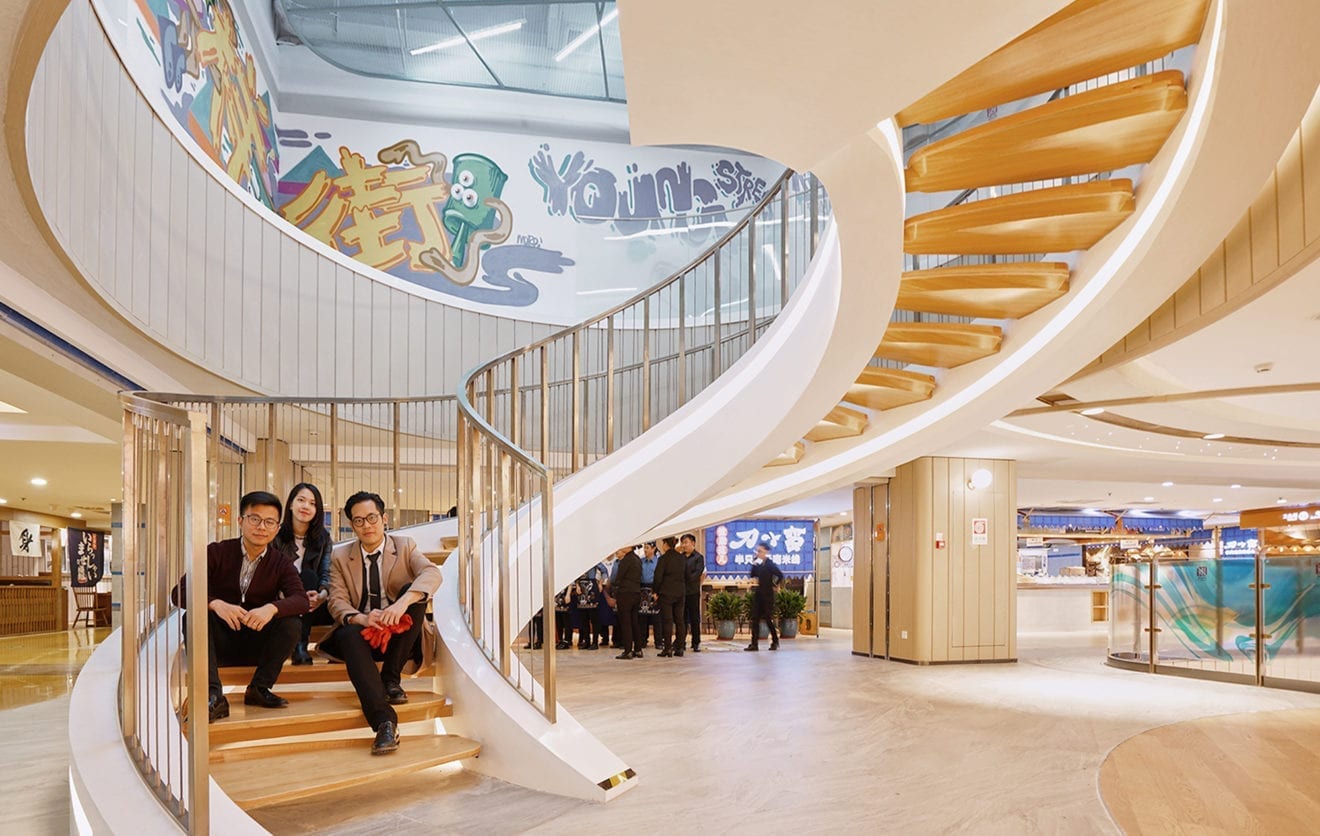
    Xidan Joy City’s reimagined Rose Garden is a spacious relaxation area within the F&B zone featuring a spectacular organic-form wood and glass spiral staircase as its focal point.

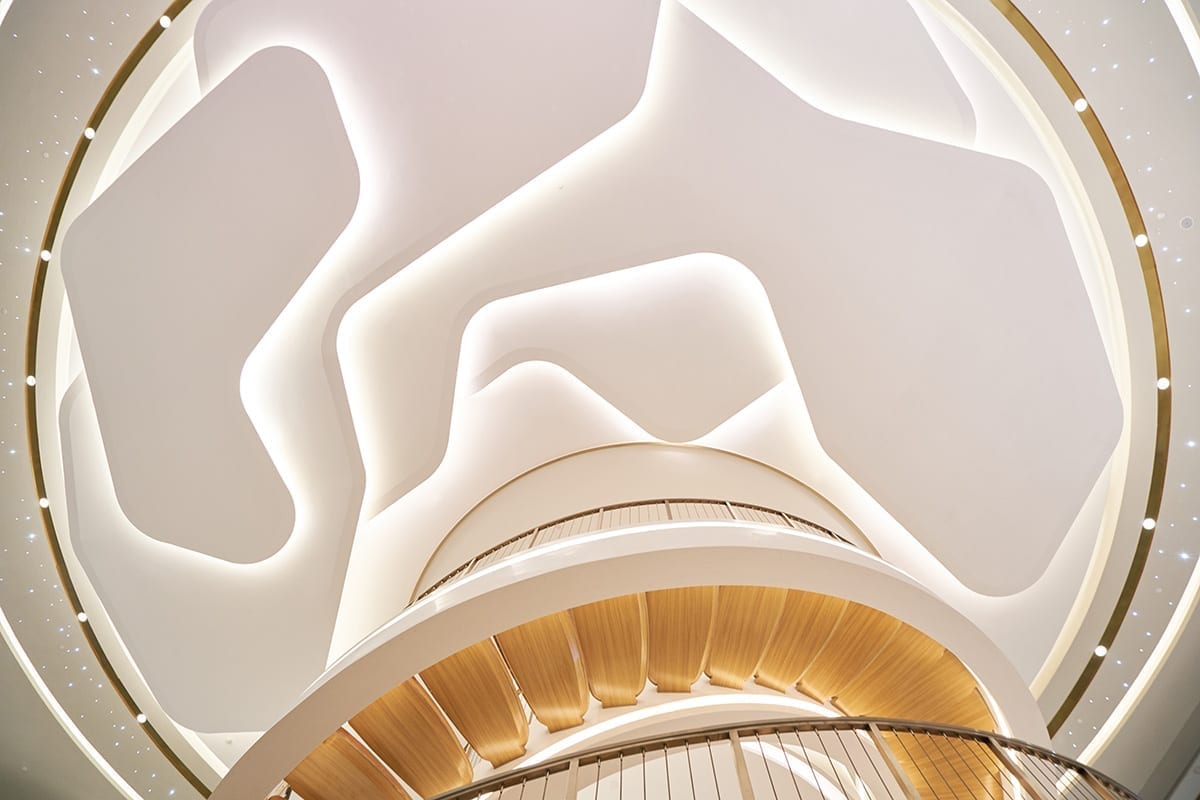
    The Rose Garden offers breathing space in an outdoor-themed environment, bathed in abundant natural light during the day and lit dramatically from above at night by an abstract rose ceiling light fixture. Different-height seating scattered with foliage and greenery gives shoppers a unique line of sight to enjoy a more natural and personal experience as they relax.

    Billy Ip, Woods Bagot, said:

    “Beijing’s youth market has evolved greatly over the last decade, with social, economic and technological developments driving new trends, desires and lifestyles. Visitor experience is the new battleground for this sophisticated audience who seek to spend time in unique, engaging environments.

    “For Xidan Joy City’s many fans, the Rose Garden is a space where many happy memories have been made. We have honoured this sentiment by creating a place for visitors old and new to both recall and build new memories.

    “Woods Bagot’s concept for the revived Rose Garden provides an avant-garde interpretation of an energising and peaceful ambience, and we look forward to sharing our creative direction for the other spaces as works progress over the next year.”

  • Fast Retailing to launch in India

    Fast Retailing to launch in India

    Uniqlo parent Fast Retailing has applied to open stores in India.

    The Japanese fast-fashion giant has filed an application with India’s Department of Industrial Policy & Promotion to do business in the country under the Uniqlo brand.

    “India is a market with great potential,” says Fast Retailing spokeswoman Pei-Chi Tung. The company has long been interested in entering India, but has been beaten by H&M and Zara which are already established in the apparel market Euromonitor International has predicted will grow 29 per cent to INR3.76 trillion (US$58 billion) by 2021.

    Zara owner Inditex opened a flagship in Mumbai in May, which CEO Pablo Isla says has had a strong reception. It has just started online sales as well in India.

    Fast Retailing last month reported its biggest jump in annual earnings in more than a decade, driven by a near doubling of operating profit at Uniqlo stores outside of Japan. Operating profit for the brand in China jumped 37 per cent for the year ended August 31, compared with a 6.4 per cent slump in Japan.

  • Parkson Retail Asia 1Q Net Loss Widens On Year As Sales Decline

    Parkson Retail Asia 1Q Net Loss Widens On Year As Sales Decline

    Parkson Retail Asia has had a lacklustre start to its fiscal year, its unaudited first-quarter figures show.

    Gross sales proceeds fell by 8.3 per cent year on year to S$202.4 million (US$148.9 million) for the quarter.

    Total merchandise sales generated $198.1 million, with concessionaire sales contributing 74.2 per cent, down from 77.9 per cent for the same period last year, and direct sales contributing the balance of 25.8 per cent.

    Attributable net losses to the owners of the company for the period, to September 30, reached $12.9 million. The group also had net current liabilities of $67.9 million at the end of September, the result of investments in new stores and ventures yet to reach optimal level. This was an increase of 22.5 per cent from its June 30 position.

    Same-store sales in Indonesia and Malaysia were impacted during the quarter by the absence of Lebaran/Hari Raya festival buying following a shift in the calendar.

    Malaysia remained challenging, with the country’s consumer sentiment index, at 77.1, continuing to register below the 100-point confidence threshold for the 13th consecutive quarter.

    Consumer spending appears to have also softened in Indonesia, where retail spending has been declining, while Parkson’s same-store sales in Vietnam dropped by 7.8 per cent. This is attributed to the “fading of novelty effects” arising from the entry into the market of such international players as H&M, Takashimaya and Zara.

    “Competition in Vietnam’s retail market remained intense,” says Parkson.

    In Myanmar, the group closed its store at FMI Centre, Yangon, in January with a new store at Junction Square in the city opening two months later.

    Parkson says its performance in the next quarter is expected to benefit from year-end school holidays and festive buying. However, it expects challenges with fragile consumer sentiment and stiff competition.

  • CapitaLand hits record with Suzhou Center Mall

    CapitaLand hits record with Suzhou Center Mall

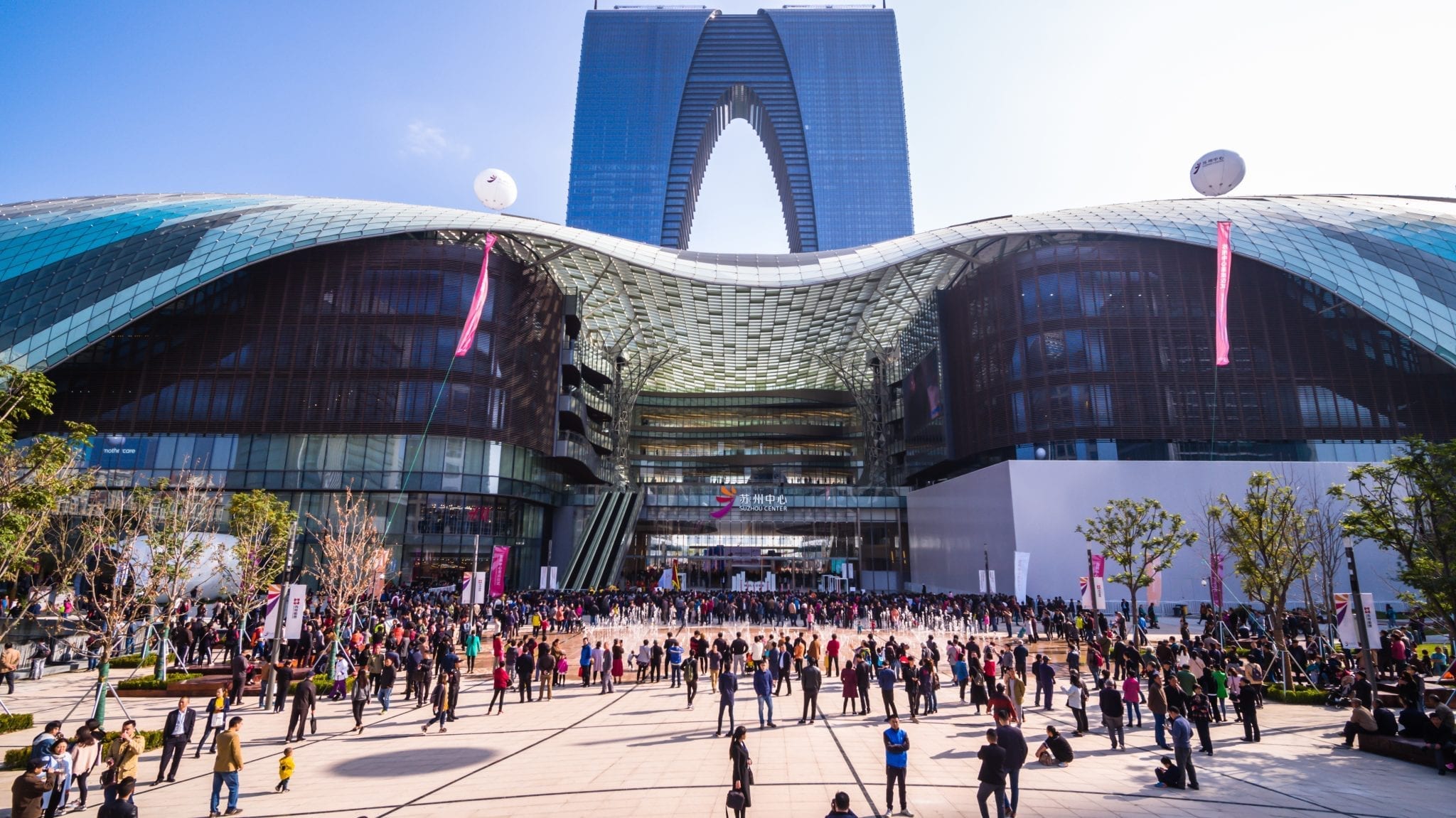
    With the opening of its largest shopping centre yet, Suzhou Center Mall, Singapore retail-estate company CapitaLand has marked a record year of a million square metres of retail space.

    More than three times the size of Ion Orchard in Singapore, the mall is also the largest shopping centre in the Chinese city. It spans nearly 300,000sqm in gross floor area (GFA), excluding car park.

    More than 600 retail brands are housed within the mall, in the heart of the western CBD of Suzhou Industrial Park, next to the historic Jinji Lake. It is the centrepiece of the Suzhou Center integrated development that also comprises four grade-A office towers, two luxury residential towers and the W Suzhou hotel tower, which are all interconnected.

    With a total GFA of 1.13 million square metres served by a 1570m tunnel leading to its basement car park and directly linked to two metro lines, Suzhou Center was master developed by Suzhou Hengtai Holding Group, owned by the Suzhou Industrial Park.

    CapitaLand, through its wholly owned shopping business CapitaLand Mall Asia, is co-owner and co-developer for the mall and two 21-storey office towers.

    World’s largest

    Designed by multiple award-winning architectural firm Benoy, the seven-storey Suzhou Center Mall has an undulating roof that is the world’s largest free-form monocoque roof at more than 36,000sqm. Shaped like a pair of phoenix wings to symbolise Suzhou’s growth taking flight, the multi-coloured roof comprises 6947 pieces of uniquely shaped glass.

    Suzhou Center Mall also boasts 60,000sqm of greenery across terraces, rooftops and the landscaped cantilever bridges that extend from two ends of the mall to the lakefront. A 45m-wide, 25m-high water curtain is a feature of the mall’s facade facing Jinji Lake.

    The mall opened with more than 90 per cent lease commitment for its net lettable area of about 152,000sqm. Anchor tenants include more than 600 brands including Suzhou’s first CGV cinemas, its first Fanpekka children’s theme park, first indoor simulated gaming centre, an Olympic-size ice rink, a gourmet supermarket and a food court.
    Nearly a third of the mall’s offerings are new to Suzhou, including Forever 21 and Victoria’s Secret. H&M and Zara will run triplex stores in the mall, their biggest outlets in the city.

    Suzhou center mall

    CapitaLand says that with the opening of Suzhou Center Mall, 61 of its total portfolio of 69 owned and managed malls in China are up and running.

    CapitaLand CEO Lim Ming Yan says the mall’s opening caps a record year for the company. “Nearly 1 million square metres of retail GFA across eight developments came on line this year, marking our largest-ever retail offering in a single year.”

    CapitaLand Mall Asia CEO Jason Leow says that about 85 per cent of the group’s total assets contribute to recurring income, of which shopping malls and integrated developments form the bulk. “As we increase CapitaLand’s recurring income base with mall openings, we will also continue to enhance our retail scale and network through acquisitions and management contracts, as well as reconstitute our portfolio to achieve an optimal asset mix.”