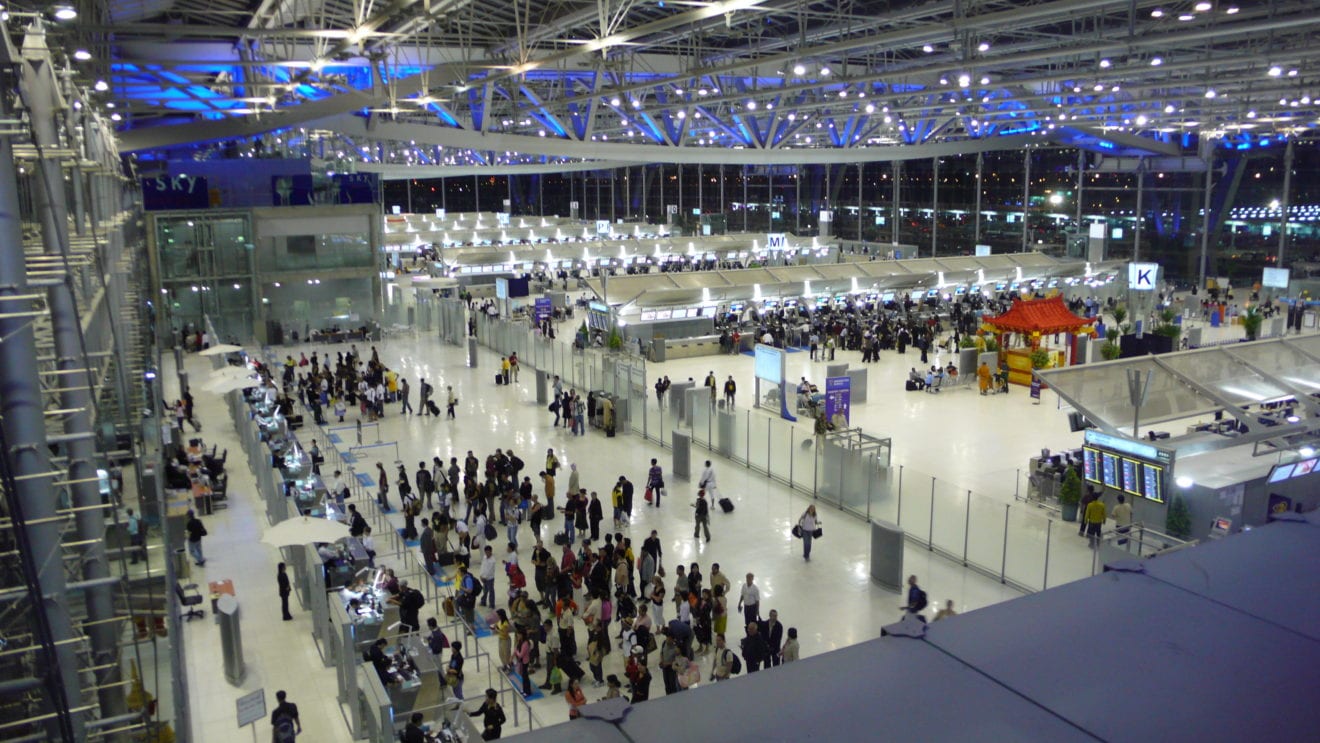
Bangkok’s Suvarnabhumi Airport is installing 122 automated immigration gates for arriving and departing travelers to cut terminal congestion, airport director Kittipong Kittikachorn confirmed.
The project lifts the gateway’s total automated clearance points from 106 to 228 gates. That extra capacity serves a hub that handled 59,626,075 passengers across the first 11 months of fiscal year 2026. Passenger volume rose 2.43 percent compared to the prior year.
Expanding Automated Terminals
Engineers are deploying the new gates across both departure and arrival corridors. Suvarnabhumi handled 346,905 commercial flights operated by 118 scheduled airlines during the 11-month period ending September 30. That is up 1.83 percent year on year. Terminal upgrades go beyond border control. The airport operator is adding over 200 device charging stations across waiting areas. Crews are also renovating core information desks, passenger restrooms, children’s zones, co-working spaces, and digital park seating.
Hardware installation follows revised border clearance rules that expanded automated arrival gates to 33 nationalities, up from two. Returning visitors from approved jurisdictions bypass manual immigration booths. Those destinations include Singapore, Japan, South Korea, the United Kingdom, and the United States. First-time visitors must still complete manual biometric capture upon arrival. They gain automated gate access on subsequent trips.
Commercial Impact on Transit Retail
Shorter immigration lines shift how passengers spend time across Suvarnabhumi’s airside commercial space. Long 45-minute queues eat into retail spending. Discretionary time inside duty-free stores, restaurants, and specialty shops quickly disappears. Swift border checks convert standing lines into active foot traffic. That movement lifts average spending across airside concessions.
Retailers now face changing foot traffic patterns rather than customs bottlenecks. Concessionaires depend on predictable passenger flow to secure sales before boarding calls. Brands that fail to capture these faster-moving travelers risk lower sales conversion. Dwell time can easily shift toward boarding lounges instead of shopping arcades.
Shifting Airport Bottlenecks
Regional hubs across Southeast Asia face similar processing pressures as passenger counts climb. Singapore’s Changi Airport and Kuala Lumpur International have deployed biometric and passport-free clearance to handle peak hours. Suvarnabhumi handles 140,000 to 150,000 arrivals daily during peak travel seasons. Hourly rushes bring several thousand travelers at once.
Funneling 53 percent of inbound arrivals through automated lanes helps solve tight space limits inside the main immigration hall. Automated gates take up less floor space than manned booths. They boost passenger flow per square meter without requiring structural terminal expansions.
Operational Milestones Ahead
These equipment upgrades coincide with Suvarnabhumi entering its third decade of operations. Airport managers have reconfigured the immigration hall layout to ready the terminal for winter flight schedules. Staffing models have also shifted across peak operational shifts.
Contractors will focus next on completing physical gate installations and connecting systems to national security databases before full fiscal year 2026 operational figures land in October.
Leave a Reply