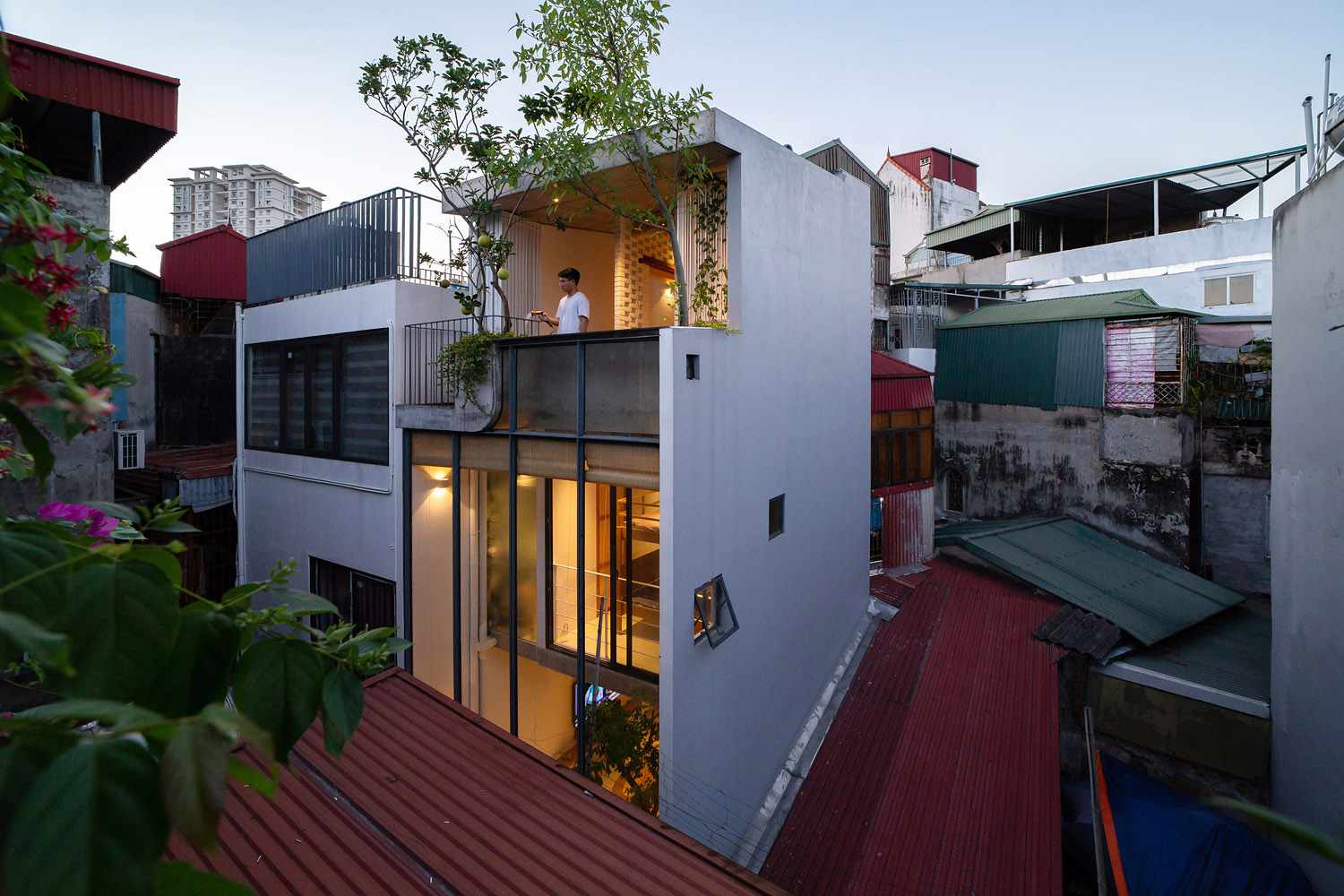
Higher mortgage rates and elevated home prices across Tokyo and Sydney are pushing buyers out of the sales market. Institutional capital is flowing into rental housing instead.
Australian home values have dropped 5.2 per cent nationally from their March 2026 peak. In Japan, buyers are opting for compact rental units to avoid borrowing costs.
That split reflects the sharpest monetary tightening cycle across major Asia-Pacific economies in over a decade. Tokyo professionals are turning toward compact apartments with shared amenities, choosing rent over long-term debt as yields shift. Across Australia, the Reserve Bank raised its cash rate from 3.6 per cent to 4.6 per cent over four hikes in February, March, May and September 2026. Borrowing costs now sit at their highest point since 2011.
Squeezed Borrowers and Dropping Valuations
Price drops have hit Australia’s major metropolitan centers hardest over the past six months. Sydney values fell 8.6 per cent from their February high. Melbourne prices dropped 7.2 per cent since November.
Top-tier properties are absorbing the brunt of the downturn. Cotality data shows values in the top quartile across Sydney and Melbourne dropped more than 10 per cent from peak valuations. Seven of Australia’s eight capital cities are recording price declines. Darwin is the lone market where values still rise.
Household debt has amplified the downturn, standing at roughly 178 per cent of annual disposable income. Most Australian borrowers hold variable-rate loans. That transmits interest rate hikes directly into monthly budgets.
Tax Overhauls Shake Investor Demand
Policy changes in Canberra are speeding up the shift away from speculative residential buying. From July 2027, the Australian government will restrict negative gearing deductions strictly to newly constructed dwellings. Buyers will no longer write off rental losses on existing homes against taxable income.
Federal authorities are also eliminating the 50 per cent capital gains tax discount on investment properties. An indexation system will replace the flat deduction, adjusting initial purchase prices for inflation before calculating taxable profit on a sale.
Lending data already reflects cooling sentiment among private landlords. Australian Bureau of Statistics figures show lending commitments to property investors fell 8.6 per cent between March and June 2026. That pullback hits a segment of more than 2.2 million individual property owners nationwide.
Diverging Capital Flows Across the Region
In Tokyo, institutional operators are scaling up build-to-rent formats and small-footprint units for single-person households in central locations. Shared community spaces help operators preserve net effective rents. Individual unit costs also remain accessible for young tenants.
Rental housing offers regional real estate funds stable cash generation while residential sales volumes drop. Westpac Banking forecasts Australian home prices will fall 7.3 per cent from peak to trough as tighter credit works through the banking system.
Developer balance sheets will face pressure across both markets through the rest of the year. Attention now turns to whether the Reserve Bank of Australia holds rates steady at 4.6 per cent, and how quickly private investors recalibrate their portfolios before the July 2027 tax changes take effect.
Leave a Reply