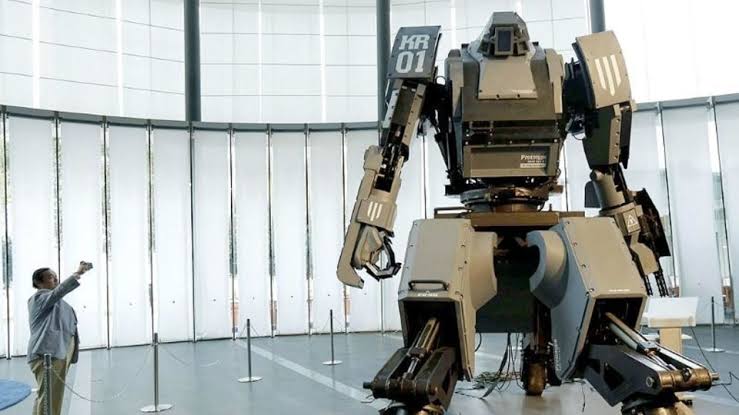
Tokio Marine Holdings will launch commercial insurance policies for artificial intelligence-powered robots in Japan starting next month, pricing premiums roughly 20 percent higher than traditional industrial equipment coverage.
The policy targets a sector where the global market for physical AI systems is forecast to pass $80 billion by 2035.
Premium Pricing for Autonomous Machine Risk
The insurer becomes Japan’s first property and casualty underwriter to build a dedicated product for machines operating on autonomous AI systems. Tokio Marine sets the baseline cost 20 percent above regular industrial machinery to account for unpredictable software decisions and operational errors.
Autonomous robots deployed in warehouses, retail distribution centers, and manufacturing plants operate outside rigid pre-programmed scripts. When self-learning hardware damages inventory, injures floor personnel, or halts an entire sorting facility, assigning liability between hardware makers, software coders, and facility owners becomes legally complex.
Commercial Impact for Logistics and Fulfillment
Warehousing networks and commercial operators across Asia-Pacific face rising capital outlays to automate sorting and fulfillment amid persistent labor shortages. Adding a 20 percent insurance premium increases the operating cost of adopting autonomous fleets, shifting financial calculations for third-party logistics firms.
Underwriting standards established by Tokio Marine will likely serve as a benchmark for rival non-life insurers across East Asia. Japanese underwriters have historically waited for clear loss ratios before entering specialized tech segments, leaving commercial operators to absorb unhedged software failure liabilities.
Shifting Liabilities on Factory Floors
Earlier enterprise policies treated automation strictly as mechanical failure or fixed electrical breakdown. Those legacy contracts proved inadequate as machine learning systems gained agency to alter their own physical operational paths in real time.
Japan’s industrial robotics sector has pushed rapid integration of generative and physical AI models, forcing insurers to respond. Tokio Marine structured the coverage to absorb both third-party property damage and operational liability claims triggered by software-driven robotics.
The Next Regulatory Hurdle
Japanese competitors face pressure to publish their own autonomous robotics underwriting terms.
Tokio Marine plans to roll out the first batch of corporate policies across Japanese industrial facilities starting next month, testing whether automated warehouse operators will accept the higher rate structure.
Leave a Reply