Retail News CRM

Tag: automation

  • Nokia Unveils Autonomous Networks Fabric: A Game-Changer in AI-Driven Automation for Retail Solutions

    Nokia Unveils Autonomous Networks Fabric: A Game-Changer in AI-Driven Automation for Retail Solutions

    Nokia has unveiled its groundbreaking Autonomous Networks Fabric, claiming the title of the industry’s first suite of telco-trained artificial intelligence models integrated with security and AI applications. This innovation is set to transform network automation, granting operators the tools to deploy new services with unprecedented ease.

    A Unified Approach to Network Management

    The Autonomous Network Fabric acts as a central intelligence layer, seamlessly connecting observability, analytics, security, and automation across various network domains. It aims to ensure that networks function as cohesive adaptive systems, irrespective of their vendor, architectural style, or deployment method.

    Though operators have been gradually moving toward fully autonomous networks, many have struggled with outdated systems, siloed processes, and fragmented data. With the introduction of the Autonomous Network Fabric, Nokia addresses these challenges head-on by providing a fully integrated suite that boasts unified data management, comprehensive observability, and explainable AI. Think of it as giving operators a Swiss Army knife for handling their network intricacies.

    Streamlining Automation for Efficiency

    By enhancing automation at scale, Nokia’s Autonomous Network Fabric simplifies the complexity associated with automated processes. This empowers operators to boost reliability while simultaneously achieving significant operational cost savings. The system allows for rapid experimentation and integration of ideas that yield tangible benefits, a game-changer in the fast-paced world of telecommunications.

    Key capabilities embedded in the Autonomous Network Fabric promise to reshape operators’ approach to network management:

    Unified Data Management: The platform gathers, organizes, and publishes relevant network data as data products using a data-mesh architecture. By facilitating the rapid design and construction of new data products in a low-code/no-code environment, operators can harness AI and machine learning to create sophisticated data assets that fuel automation.

    360-Degree Observability: The solution promotes the federated use and distribution of data and AI throughout the organization, ensuring a meticulous chain of custody. This maintains high standards of quality and consistency in automation efforts.

    Explainable AI: The Autonomous Network Fabric is powered by robust, telco-trained large language models that not only support automation but also provide clarity on data interpretation, issue analysis, and action recommendations, making the inner workings of AI more transparent to users.

    Teaming Up with Google Cloud for Greater Reach

    Nokia’s offering will be available as a software-as-a-service (SaaS) application through Google Cloud, as well as on-premises via Google Distributed Cloud and in hybrid cloud settings. This strategic partnership leverages Google Cloud’s generative AI, including Vertex AI and BigQuery, to create workflows designed to enhance network operations.

    Through real-time monitoring of network traffic patterns and proactive anomaly detection, Nokia’s Autonomous Network Fabric aims to elevate subscriber experiences, allowing for zero-touch remediation of performance issues and robust disaster recovery options.

    “As networks become more complex and susceptible to vulnerabilities, there’s a clear demand for fully autonomous systems where good data is paramount. Our Autonomous Network Fabric establishes a foundation by combining Nokia’s extensive network expertise with Google Cloud’s AI capabilities,” stated Kal De, SVP of Product and Engineering at Nokia.

    The collaboration not only facilitates the deployment of Nokia’s 5G core network on Google’s cloud infrastructure but also aims to foster a space where developers can innovate and scale network automation efficiently. Muninder Singh Sambi, Vice President and General Manager of Networking and Security at Google Cloud, emphasized this partnership’s goal: to enhance network reliability, preemptively address issues, and turn data into actionable insights for high-performing networks.

    Questions & Answers

    What is Nokia’s Autonomous Networks Fabric designed to achieve?
    The Autonomous Networks Fabric is intended to revolutionize network automation by providing a fully integrated suite of tools that enhance data management, observability, and AI capabilities for operators.

    How does the collaboration with Google Cloud enhance Nokia’s offering?
    By integrating with Google Cloud, Nokia can leverage advanced AI tools for enhanced network operations, including real-time monitoring, anomaly detection, and disaster recovery, ultimately leading to improved service delivery.

    What benefits does the Autonomous Networks Fabric offer to telecommunications operators?
    Operators can expect reduced complexity in automation, increased reliability, operational cost savings, and the ability to test and implement new ideas rapidly, significantly improving the efficiency of their network management.
  • Hoshima International Launches Smart Automation Revolutionizing Garment Manufacturing

    Hoshima International Launches Smart Automation Revolutionizing Garment Manufacturing

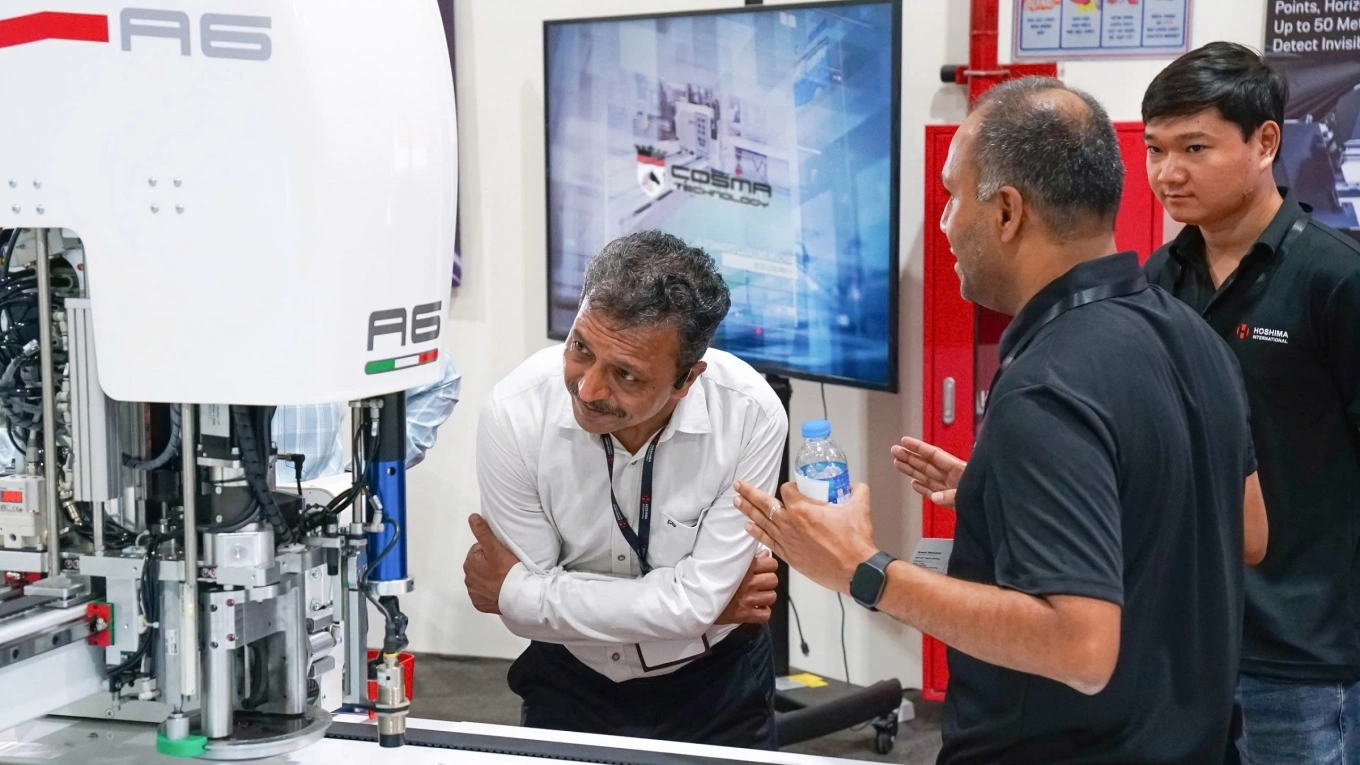
    Hoshima International, a leader in garment automation technology based in Singapore, is revolutionizing the manufacturing landscape with its innovative solutions. With over two decades of expertise, the company empowers garment producers in various countries, including Vietnam, Indonesia, and Turkey, by integrating smart technology into their production processes.

    Enhancing Operational Efficiency

    Hoshima recently showcased its cutting-edge systems at the Hoshima Operation & Development Center, emphasizing its commitment to developing smart, connected garment factories.

    These advanced solutions address key challenges in the manufacturing sector, offering improved operational efficiency and sustainability. By seamlessly integrating hardware, robotics, and software, Hoshima’s suite of technologies elevates every stage of garment production—from material handling to final packaging.

    Smart Logistics and Warehousing

    State-of-the-art logistics and warehousing technologies are at the forefront of Hoshima’s offerings. By optimizing floor space and streamlining material handling, manufacturers can improve order accuracy and reduce inventory retrieval time.

    These innovations are particularly advantageous in high-mix, high-volume settings, where efficiency and rapid material movement are essential to maintaining a seamless production flow.

    Precision in Pre-Cutting and Cutting

    Automation technologies play a pivotal role early in the manufacturing process. Hoshima’s intelligent fabric relaxing and spreading systems ensure fabrics are uniformly prepared for cutting, significantly minimizing tension-related distortions.

    The integration of automated cutters enhances precision, reduces material waste, and accelerates preparation times, benefiting manufacturers with high-volume production needs.

    Innovations in Sewing

    In the sewing phase, Hoshima introduces advanced solutions like PPA Automation and AI Robotics. These innovations improve stitching accuracy, especially for intricate seams while automated quality control systems boost productivity by minimizing bottlenecks. Such enhancements allow operators to focus on higher-value tasks, positively impacting overall output quality.

    Streamlined Finishing Processes

    Hoshima’s finishing solutions simplify end-of-line operations, ensuring garments adhere to brand standards during folding and packing.

    Automation enhances presentation quality, reduces packing times, and lessens reliance on manual labor. The systems also incorporate dust and thread removal technologies, facilitating smoother delivery preparation to meet time-sensitive order demands.

    Robust Software Solutions

    Central to Hoshima’s automation framework is the Advanced Planning & Scheduling System, designed for comprehensive production management.

    This smart software enables real-time visibility, allowing businesses to efficiently monitor resources, leverage AI and Big Data, and quickly adapt to changing production requirements. The result is a harmonious integration of departments that minimizes downtime and supports informed decision-making.

    The Human Element in Technology

    According to Han Kiong Chong, Founder and Managing Director at Hoshima International, the success of these technologies depends on more than just machines: “Strong partnerships and shared commitment are essential. Our progress over 25 years stems from the trust within our network.”

    Hoshima’s investment in localized showrooms and training facilities further illustrates its dedication to supporting garment manufacturers on their automation journeys.

    Conclusion

    Hoshima International’s holistic approach—combining advanced automation technologies with extensive field support—positions the company as a key player in driving sustainable growth in the retail sector and meeting evolving consumer demands.

    Questions & Answers

    1. What is Hoshima International’s focus in garment manufacturing? Hoshima International specializes in providing advanced automation technology to enhance operational efficiency and sustainability in garment manufacturing.
    2. How does Hoshima improve the garment production process? Hoshima integrates hardware, robotics, and software solutions to streamline processes from material handling to packaging, addressing challenges like labor shortages and inconsistent output.
    3. Why is human support crucial in Hoshima’s strategy? Human expertise is essential for creating and maintaining effective automation systems. Partnerships and a commitment to training ensure successful technology adoption in the manufacturing sector.
  • How to Meet Demand in an e-commerce Age with Supply Chain Automation  

    How to Meet Demand in an e-commerce Age with Supply Chain Automation  

    Retailers across the Southeast Asian region are under tremendous supply chain pressure due to increased demand for online orders, hyper-competitive pricing and faster delivery times. For online orders, customers want the cheapest price, shortest delivery time, up-to-date information on stock availability, access to the real-time status of their orders, and seamless return options. On top of all this, businesses continue to contend with increasing labour costs, high staff turnover, increasing costs for building space, pressures from increased regulation and safety requirements, and supply chain disruptions, be they from pandemics, natural disasters and geopolitical tensions.

    All these factors combined have made the task of cost-effective order fulfilment more challenging than ever before. However, there is a way business can tackle these challenges and turn them into an opportunity to improve competitiveness. As this new age of retail and eCommerce coerces supply chains to work faster and harder, automation and technology in Fulfilment Centres are proving to play a critical role in helping businesses streamline their processes towards achieving higher levels of efficiency in their distribution operations.

    So, what can retailers do to meet demand in an e-commerce age when the only constant appears to be disruption?

    Optimised processes make for streamlined operations

    The answer to succeeding in the future involves adopting a strategy to optimise operations around cost-effectively meeting and exceed consumer expectations. Optimisation falls into three broad categories: processes, human efficiency, and inventory management.

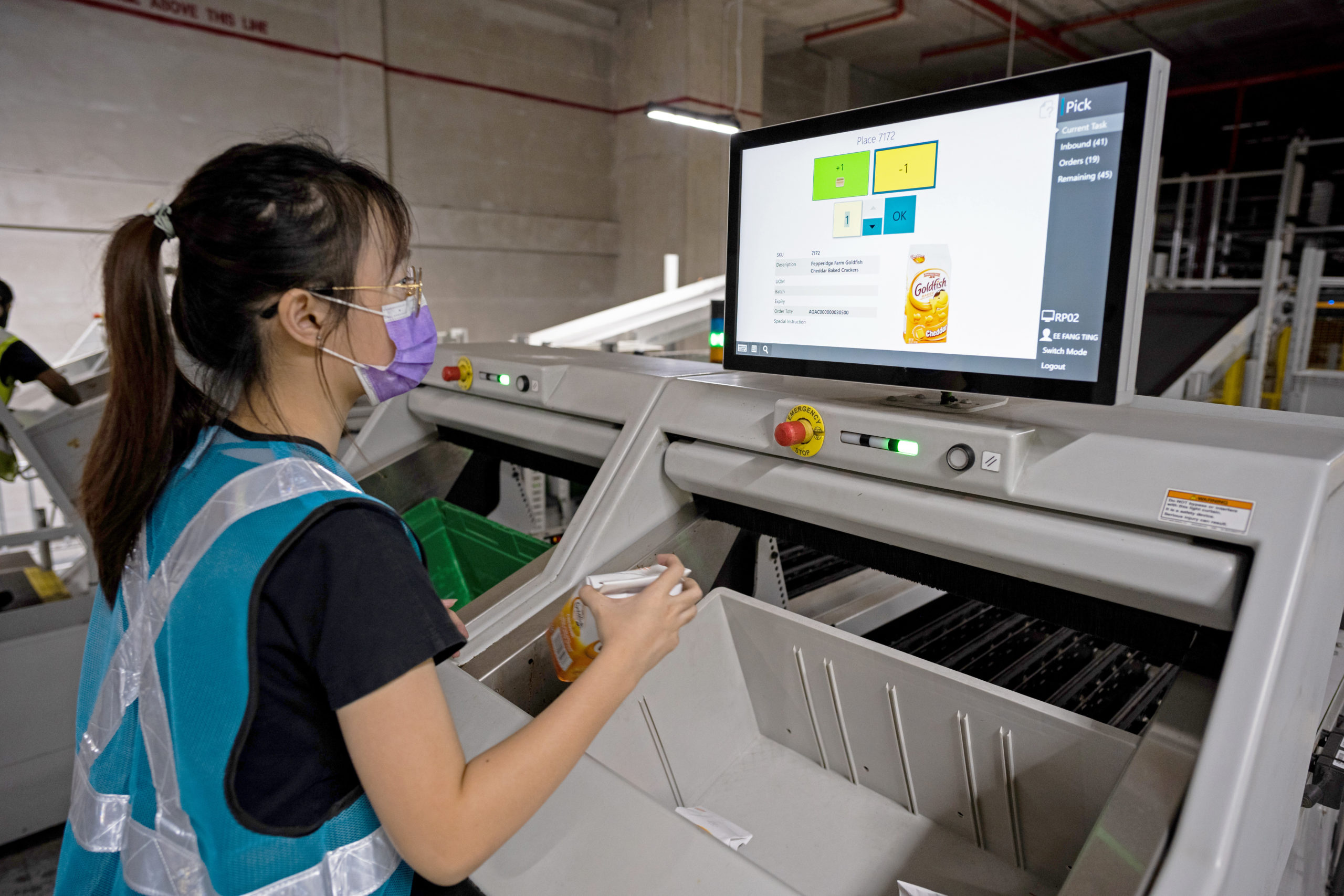
    Processes provide the structure for supply chains to function. Automation and technology help optimise processes by removing non-value-adding activities, improving productivity, reducing errors and increasing the speed of the necessary tasks. As an example, the order fulfilment processes can be improved significantly in terms of speed, productivity and accuracy with the implementation of wearable devices to provide real-time instructions and interaction with operators. The process of order tracking is automatically improved with the same software that drives the technology, also providing the capability to track every transaction and movement of inventory through the order fulfilment task.

    Inventory management is key

    Inventory storage has transitioned from being a static requirement to a dynamic one, with many supply chains now able to drive high levels of optimisation across their logistics operations and their retail operations as well.  Automation and technology often play a key role in achieving these high levels of optimisation.

    Manual forklift trucks and Automated Storage Retrieval Systems (AS/RS) are no longer the only material-handling technologies that can be used to store inventory.  Technologies such as Automated Guided Vehicles (AGVs), mobile robotics and shuttle systems can provide much more flexible, scalable and dynamic storage solutions in a wider range of supply chain facilities.

    Make your workers more effective

    In traditional order fulfilment operations, operator travel consumes the largest portion of an operator’s time in fulfilling a customer order. One of the most effective ways to improve the efficiency of operators is to minimise operator travel, or to eliminate it altogether. In terms of automation, Goods-to-Person (GTP) picking solutions can increase operator productivity by over 5 times by eliminating operator travel.  Advances in robotic fulfilment technology have enabled order fulfilment processes to be performed without the involvement of operators at all in some cases.

    Case Study: RedMart’s Advanced Online Grocery Fulfilment with GTP

    To meet surging demand and growth in online orders, RedMart – the online grocery service of e-commerce giant, Lazada – implemented automation at its logistics facility in Singapore, in order to improve productivity, speed, accuracy, and space efficiency.

    A key part of the automation solution is the Goods-to-Person (GTP) order fulfilment, powered by a Dematic Multishuttle system. At the ergonomically designed workstations, operators pick orders up to five times faster than they were previously when they would have to manually travel through multiple aisles of shelving to pick the items required for an order.

    The GTP system covers a huge product range in a small footprint, with an extremely effective picking method. Workers stay in one place as items are automatically delivered to their workstation, increasing picking speeds, improving fulfilment accuracy, and advancing operator comfort and safety.

    Optimisation with information

    With the use of new logistics automation and technologies, retailers have a pathway to improve their fulfilment operations, achieving cost-effective and efficient fulfilment processes, higher levels of inventory availability, shorter lead times and improved traceability.  Robust and real-time integration between mechatronics, control systems and software platforms across fulfilment operations and their broader supply chain networks, is a key ingredient to achieving competitiveness and sustainable success in the future landscape of retail.

    For more information on how your business can optimise its supply chain operations and meet market demands, please visit: www.dematic.com/en-au

    Written by: Michael Bradshaw, Senior Regional Director Sales & Solution Development, Dematic Asia


  • Disruptive Technology, Automation Force Change in Workers’ Skills: McKinsey

    Disruptive Technology, Automation Force Change in Workers’ Skills: McKinsey

    Changes in global demand for different types of workforce skills, caused by the rapid growth of technology, will require business organizations to provide training programs to employees.

    McKinsey Global Institute (MGI), a think-tank of consulting firm McKinsey & Co., projects that by 2030, demand for technological expertise will increase by even 55 percent, while for social and emotional skills, needed in leadership and management, will rise by 24 percent. Demand for higher cognitive skills such as creativity, critical thinking, decision making and complex information processing will rise moderately, by 8 percent.

    According to McKinsey, some 800 million workers worldwide, or one-fifth of the global workforce, will lose their jobs to artificial intelligence.

    “Preparing for and managing the growing shifts in demand for different types of workforce skills represents one of the biggest challenges of the next decade. Our research highlights the big increase in demand for tech and social skills that are currently in quite short supply and an oversupply of skills that may be less needed in the future, including physical and manual skills,” MGI director Jacques Bughin said in a statement last week.

    Demand for basic cognitive skills, like simple data input and processing, will drop by 15 percent, while demand for manual and physical skills will decrease by 14 percent.

    According to a similar study by the Asian Development Bank, though technology has changed certain job tasks, it actually contributes to higher and faster economic growth, as automation will create higher demand for more goods and services, which in turn will create more new jobs to replace obsolete ones.

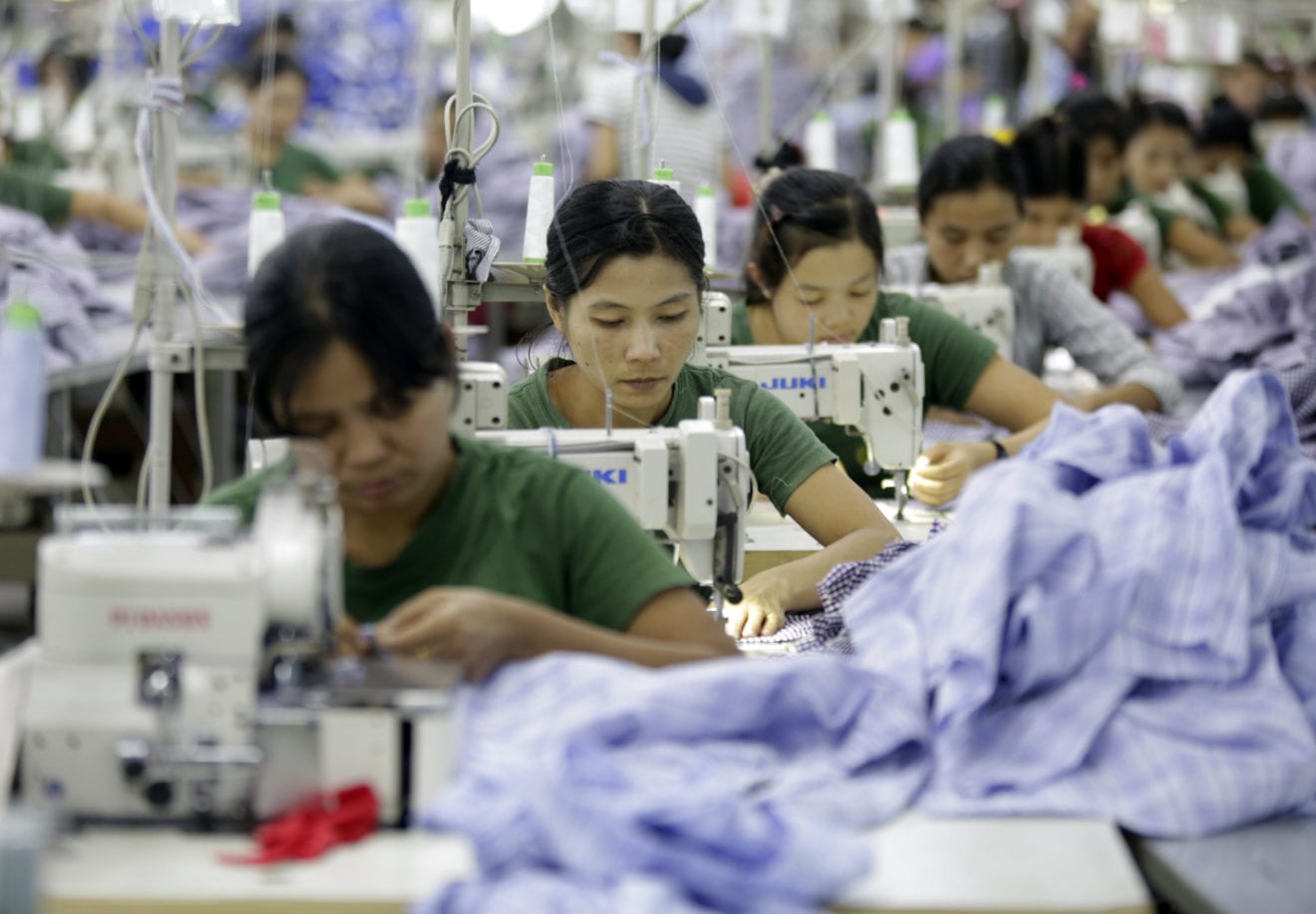
    Using data from 12 countries in Asia from 2005 to 2015, ADB estimated that 66 percent of jobs in the region, or 101 million jobs per year, were lost to automation. Among the most vulnerable are those in the manufacturing industry.

    After analyzing data in 12 Asian countries from 2005 to 2015, ADB estimated that 66 percent of jobs in the region, or 101 million jobs per year, had lost to automation. However, there was an 88 percent increase in employment over the period, or 134 million jobs per year, well offsetting the jobs lost to automation.The MGI and ADB reports are unanimous in their conclusions that working culture, training programs and organization structures must be redesigned.

    “Companies will take the lead in building their own future workforce, but all stakeholders — educators, foundations, industry associations, organized labor and of course policy makers — will have a role to play,” MGI partner Susan Lund said in the statement.

    “In our research, we identify a range of approaches and discuss the experience of some companies which are already engaging in large-scale workforce retraining,” she said.

    MGI suggests that companies and business leaders will have to decide in the coming years whether to pursue training using in-house resources or to partner with educational institutions that will provide external learning opportunities for employees.

  • Indonesia Not Yet Ready for the Automated Era

    Indonesia Not Yet Ready for the Automated Era

    The government must prepare Indonesia’s workforce to be competitive to anticipate future challenges associated with coming technological advancements, especially in business, a former deputy foreign minister said on Sunday (18/02).

    The 4th Industrial Revolution (4IR) will inevitably bring changes in the economy and social structure due to exponentially expanding technological advancements, said Dino Patti Djalal, the former deputy foreign minister and also the founder of the Foreign Policy Community of Indonesia (FICP).

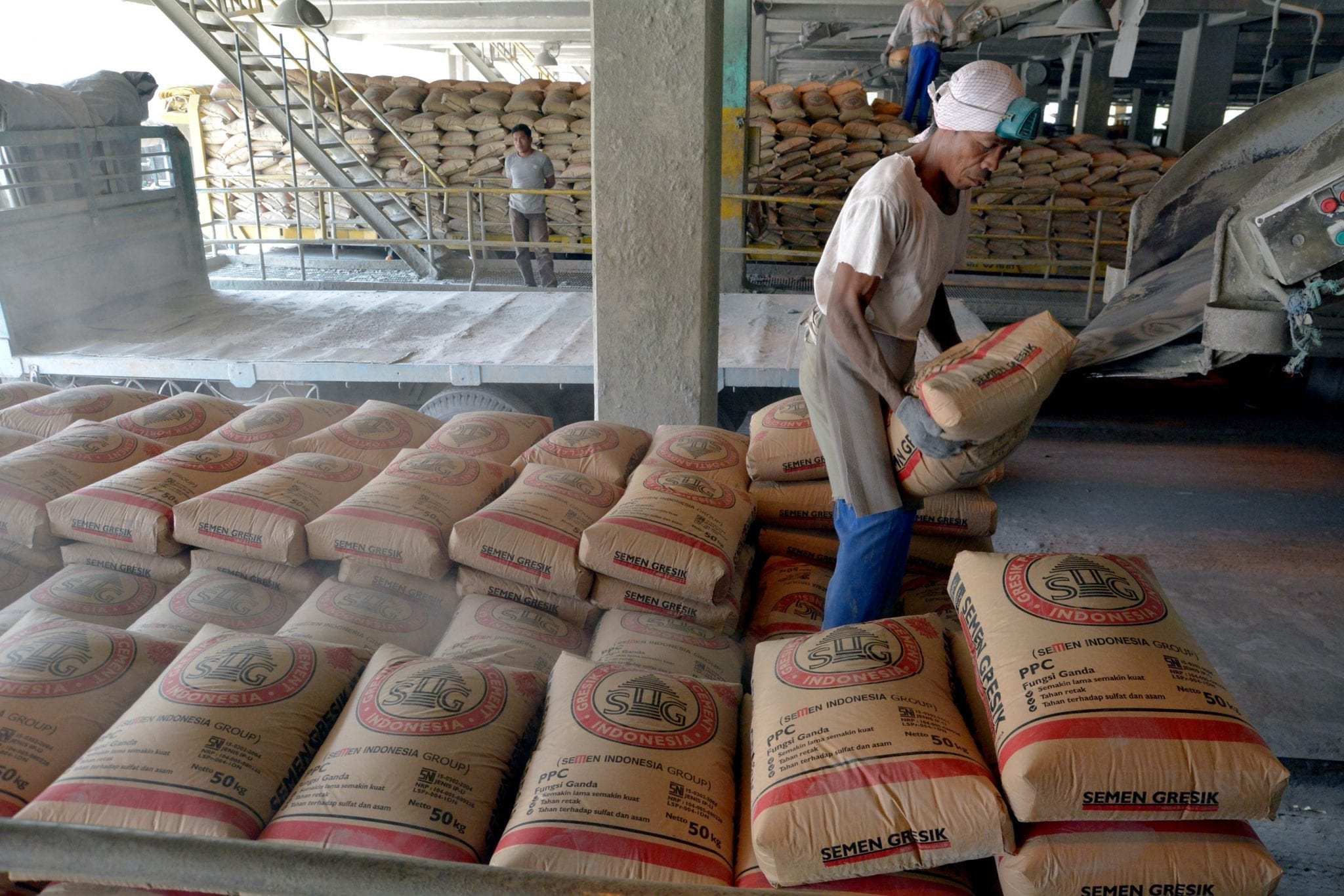
    According to Dino, jobs will face the greatest disruption from technology and is one of the major challenges expected to come about as a result of the advent of the 4IR. Automation, advanced robotics and artificial intelligence are expected to replace millions of existing jobs.

    Recently, around 10,000 toll road personnel in Jakarta were laid off after the government began to employ cashless transactions on major roads in the capital city.

    “Based on data from [global consultant] McKinsey, by 2050, hundreds of millions of people around the world will lose their jobs; that will occur mostly in China, which is expected to lose over 200 million jobs,” Dino said in a speech at the 21st Supermentor event hosted by FICP in Jakarta.

    According to state-owned China Central Television news network, Yangshan deepwater port in Shanghai, the world’s busiest container port, in December last year conducted trials on 100 pieces of intelligent equipment, including 50 driverless automatic guided vehicles, to handle cargo.

    Qingdao New Qianwan Container Terminal in China became Asia’s first automated port terminal in May last year. The port reduced the amount of workers required to unload a cargo ship from 60 to nine.

    Highly skilled workers will benefit from the technological changes but low skilled workers will have to compete with automated processes, Dino said.

    While Indonesia seems to have a long way to go before a fully automated workplace becomes commonplace, the government should start preparing to create a balance between the workforce and profitability to avoid job loss. New approaches to education are expected to rein more innovative solutions to 21st-century workplaces.

    “Nothing will change much regarding community empowerment if there is no change in education to adapt to the technology, which is currently thriving at full speed,” Dino said.

    Erik Meijer, president director of telecommunications company TelkomTelstra, said the technology utilization in jobs will increase safety as it reduces the risk of human error.

    According to Erik, jobs available over the next 10 years will be divided into “personal areas,” such as nurse practitioners, physical therapists and personal financial advisers, and “science,” which will include jobs like cybersecurity experts, developers and network engineers. Meanwhile, assembly line workers, service jobs and administrative jobs will ultimately be replaced.

    “We must be aware of the skill shifts needed in the digital era to get opportunities from technology and not be sidelined,” Erik said.

    Speakers at the event included other influential figures, including Dato Sri Tahir, founder of Mayapada Group and Tahir Foundation, and Tony Fernandes, chief executive of budget airline group AirAsia.