Retail News CRM

Tag: 2026

  • HCMC’s Overseas Remittances Drop 23% Amid Global Economic Challenges in H1 of 2026

    HCMC’s Overseas Remittances Drop 23% Amid Global Economic Challenges in H1 of 2026

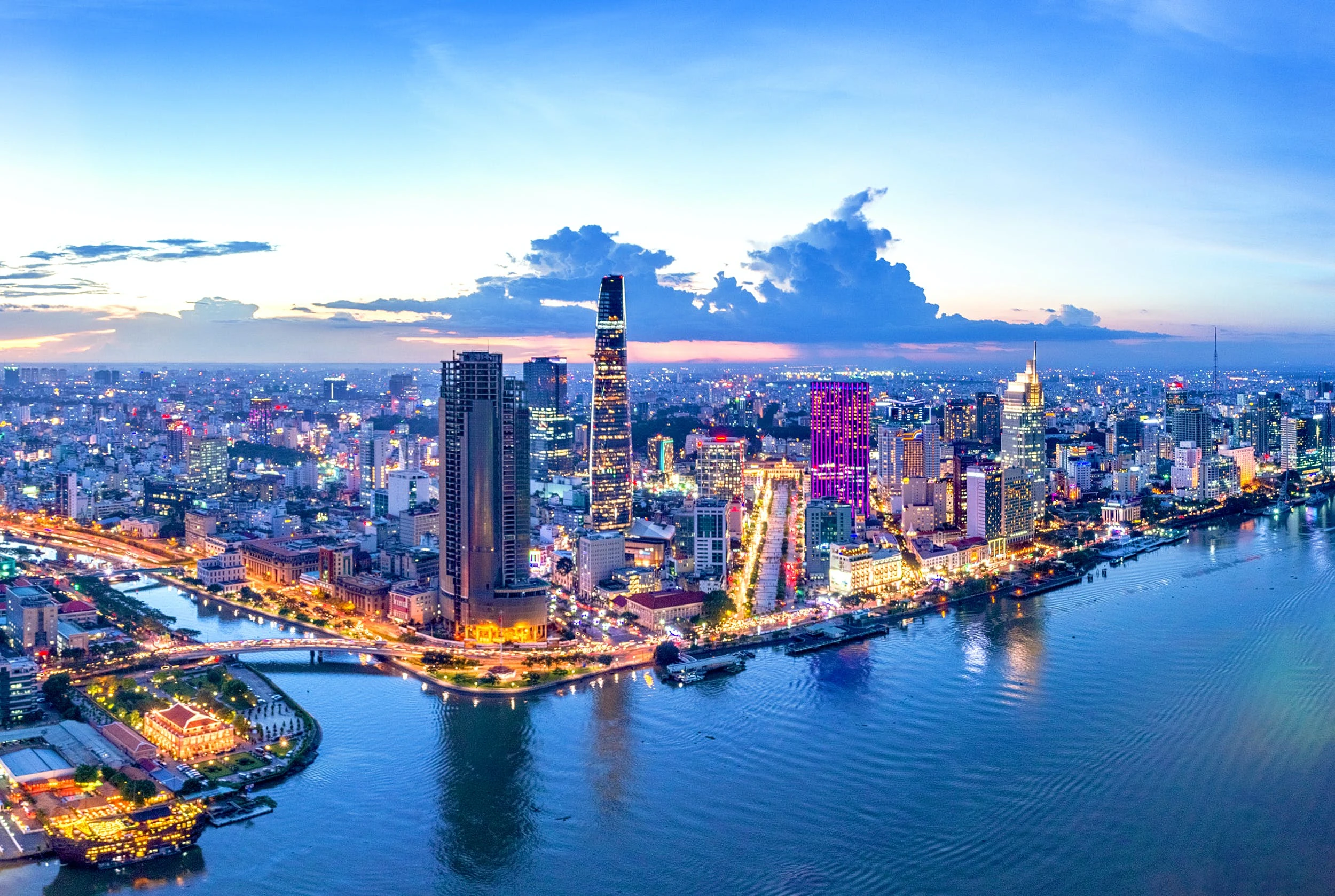
    In the first half of 2026, Ho Chi Minh City (HCMC) received over $4 billion in remittances, marking a considerable decrease of almost 23% compared to the same period in the previous year. Factors contributing to this downward trend include a sluggish global economy, more restrictive immigration policies, and shifts in capital flows, all of which negatively affected overseas Vietnamese transfers.

    During the second quarter, remittances that were transferred via credit institutions and economic organizations amounted to $2.03 billion. Although this reflects a slight increase of 1.4% from the first quarter, it is a significant decrease of 27.9% compared to the same quarter last year, as reported by the State Bank of Vietnam (SBV)’s Region 2 Branch.

    Geographical Distribution of Remittances

    Tran Thi Ngoc Lien, the Deputy Director of the SBV’s Region 2 Branch, disclosed that Asia continued to be the most significant source of remittances, contributing over $1 billion, representing 49.3% of total inflows. This figure is up by 9.8% from the previous quarter. The Americas came in second, contributing $672.6 million, making up over 33% of the total.

    In the first quarter, remittances from Asia increased by 9.8%, becoming the primary force of recovery. However, inflows from Europe, the Americas, and Oceania decreased.

    For the first six months, Asia and the Americas remained the leading sources, accounting for over 81% of total remittances. Asia led the way with $1.92 billion, accounting for 47.5% of the total. The Americas followed with $1.38 billion, or 34.1%, and Oceania contributed $418.3 million or 10.4% of the total.

    Contributing Factors and Future Projections

    According to Lien, the decline in remittances is attributed to a mix of international and domestic factors. Slow global economic growth, the strong U.S. dollar, and stricter immigration policies in several countries have all affected employment and income, impeding the ability of overseas Vietnamese to send money home.

    Inflationary pressures, increased living costs, labor market changes, and tax policy adjustments related to certain money transfer transactions have also impacted the Americas, particularly the U.S. – a significant remittance market for HCMC.

    Domestically, the SBV’s Region 2 Branch pointed out that some investment channels have not been attractive enough to absorb remittance capital. Moreover, the interest rates for foreign currency deposits have remained at 0%, leading some overseas Vietnamese to keep their funds abroad or shift them to other investment assets.

    Nevertheless, the SBV’s Region 2 Branch predicts a potential recovery, provided the global economy avoids major disruptions, and the current recovery trend persists in the second half of the year. The projections suggest that HCMC’s total remittance inflows in 2026 could reach between $8.6 and $8.9 billion.

    Despite being below levels recorded in previous years, remittances are expected to recover more noticeably on a quarterly basis, bolstered by the easing of international interest rate conditions, exchange rate stability, and the continued effectiveness of banks’ remittance promotion programs.

    Questions & Answers

    Why have remittances to HCMC reduced significantly in the first half of 2026?
    The decline can be attributed to global economic challenges, tighter immigration policies, and shifts in capital flows that have affected overseas Vietnamese transfers.

    Which regions are the main contributors to remittances to HCMC?
    Asia and the Americas are the two principal sources of remittances to HCMC, collectively accounting for over 81% of total remittances.

    What are the expectations for HCMC’s remittances in the second half of 2026?
    If the global economy remains stable and the current recovery trend continues, HCMC’s total remittance inflows are projected to reach between $8.6 and $8.9 billion in 2026.


  • Vietnam’s Economic Surge: Standard Chartered Uplifts 2026 GDP Growth Forecast to 9.5%

    Vietnam’s Economic Surge: Standard Chartered Uplifts 2026 GDP Growth Forecast to 9.5%

    Standard Chartered has increased its projection for Vietnam’s economic growth in 2026 to 9.5%, a considerable increase from its previous estimate of 7.2%. This revision comes on the heels of Vietnam’s robust economic performance in the first half of the year, with key growth sectors showing continuing momentum. Moreover, the bank expects this positive trend to extend into 2027, anticipating a GDP growth of 11%. This revision signifies one of the most substantial forecast upgrades the bank has made for Vietnam in recent times.

    Forecast Adjustments and Economic Stability

    In tandem with this increased growth projection, Standard Chartered has decreased its inflation forecast for 2026 and 2027 to 4.4% and 3.3% respectively. This reduction comes as the bank predicts a further easing of price pressures. Consequently, the State Bank of Vietnam is expected to keep its policy rates unchanged, maintaining a balance between supporting economic growth and ensuring macroeconomic stability.

    According to Tim Leelahaphan, Senior Economist for Vietnam and Thailand at Standard Chartered, Vietnam has shown significant resilience and adaptability during the first half of 2026. Growth has exceeded expectations, largely due to the robust recovery of the manufacturing-processing industry, services, and investment sectors, as well as the beneficial impact of pro-growth policy measures.

    Outlook for the Future

    Despite existing global economic uncertainties and inflationary risks, Vietnam is stepping into the second half of the year with a solid foundation. Continuous domestic demand, persistent investment in infrastructure, enhanced production capacity, and ongoing economic restructuring are expected to cultivate a balanced and sustainable growth model. These factors are predicted to support the nation’s long-term development goals.

    With its revised 9.5% growth projection for 2026, Standard Chartered stands as one of the most optimistic international institutions regarding Vietnam’s economic future. Other international financial institutions have also echoed this upbeat outlook. This growing confidence in the resilience and prospects of the Vietnamese economy emphasizes the positive direction the country is headed in, despite varying forecasts. The principal factors supporting this economic expansion include recovering domestic demand, sustained investment inflows, pro-growth policies, and accelerated infrastructure development. However, external uncertainties still necessitate careful monitoring to ensure sustainable growth.

    Questions & Answers

    What is Standard Chartered’s revised economic growth projection for Vietnam in 2026?
    The bank has revised its growth projection to 9.5%, up from its previous forecast of 7.2%.

    What factors have contributed to Vietnam’s positive economic performance in the first half of 2026?
    The robust recovery of the manufacturing-processing industry, services, and investment sectors, along with the positive impact of pro-growth policy measures, have contributed to this positive performance.

    What are the main drivers expected to support the Vietnamese economy’s expansion in the coming years?
    Factors such as recovering domestic demand, sustained investment inflows, pro-growth policies, and accelerated infrastructure development are expected to remain the principal drivers supporting the country’s economic expansion.

  • VinFast Shatters Records with Over 115,000 EVs Sold in H1 2026: Dominates Vietnamese Auto Market

    VinFast Shatters Records with Over 115,000 EVs Sold in H1 2026: Dominates Vietnamese Auto Market

    In the first six months of 2026, Vietnamese electric vehicle manufacturer VinFast marked significant growth in the domestic market, reporting a 72% year-on-year increase with a record preliminary domestic delivery of 115,916 electric vehicles (EVs). This impressive performance positions VinFast as the first automotive brand in Vietnam to exceed 100,000 vehicle deliveries within the first half of the year.

    VinFast’s Strong Market Presence

    The month of June alone saw the delivery of 17,955 units, maintaining VinFast’s status as the country’s top automobile brand for the 21st consecutive month. With the Limo Green leading in sales with 3,868 vehicles delivered in June, closely followed by the VF 3 model which saw 3,550 units moving into the hands of customers.

    The success of the VF 5 and its derivative model, the Herio Green, continued with combined deliveries reaching 3,364 units. This was ahead of the VF 6’s total of 2,988 units. The VF 7 and the VF MPV 7 models also had a steady sales performance with 1,437 and 1,254 units delivered respectively.

    Over the span of six months, the Limo Green and the VF 3 emerged as VinFast’s leading models in the Vietnamese market with cumulative deliveries of 27,927 and 23,781 units respectively. Furthermore, the VF 5 and the Herio Green saw a combined delivery of 20,167 vehicles. Other models such as the VF 6, VF MPV 7, and VF 7 also maintained a steady performance with 14,045, 9,177, and 6,849 units delivered respectively.

    New Arrival in the Product Line

    VinFast is not just resting on its laurels. The automaker recently unveiled the VF 2, a compact urban EV, and has opened pre-orders in Vietnam with a price tag of VND188 million (US$7,200). Deliveries to customers are scheduled to begin as early as September.

    Questions & Answers

    What milestone did VinFast achieve in the first half of 2026?
    VinFast became the first automotive brand in Vietnam to surpass 100,000 vehicle deliveries within the first half of the year.

    What are the top-selling models of VinFast in Vietnam?
    The Limo Green and the VF 3 are the top-selling models of VinFast in Vietnam, with cumulative deliveries of 27,927 and 23,781 units respectively in the first half of 2026.

    What is the latest model introduced by VinFast?
    VinFast recently introduced the VF 2, a compact urban EV, which is currently available for pre-orders in Vietnam.

  • Vietnam’s Sparkling Affair: $121.5M Diamond Imports in H1 2026, India Emerges as Top Supplier

    Vietnam’s Sparkling Affair: $121.5M Diamond Imports in H1 2026, India Emerges as Top Supplier

    In the first half of 2026, Vietnam saw diamond imports totalling an estimated US$121.5 million. Of this figure, India emerged as the main supplier, accounting for approximately 52% of the total imports, around $63.2 million. This figure is a significant increase compared to the previous year, where diamond imports from India totalled $107.6 million over the year.

    Other Notable Diamond Suppliers

    Belgium, another key player in the diamond market, came in second as a supplier. The country’s diamond exports to Vietnam amounted to $17.9 million, a decrease from the previous year’s total export value of $51.7 million. Israel followed closely as the third largest supplier with $9 million worth of diamond imports. Botswana and Thailand completed the list of top five suppliers, with imports valued at $7.7 million and $5.1 million, respectively.

    Other noteworthy suppliers to Vietnam included the U.S., contributing $3.6 million worth of diamonds, Hong Kong at $2.8 million, Japan at $2.7 million, and finally China at $2.2 million.

    Under current regulations, the Department of Customs stated that rough diamonds can only be imported from markets that participate in the Kimberley Process Certification Scheme (KPCS). The accompanying shipment must have a valid KPCS certificate issued by the appropriate authority of the exporting market, and it must comply with all customs documentation and clearance procedures.

    Customs authorities bear the responsibility of examining documentation, inspecting consignments, issuing certificates for imported rough diamond, and managing imports in line with the law. Customs clearance is executed based on import declarations, KPCS certificates, and other relevant documents submitted by importers.

    Recent Diamond Smuggling Incident

    These import figures have come under public scrutiny following the recent crackdown on a significant cross-border diamond smuggling operation. This operation, dismantled by police in the central province of Thanh Hoa, led to charges against 22 suspects and the seizure of 1,100 diamonds. According to police reports, the network had conducted 141 smuggling operations since 2024, trafficking more than 28,000 diamonds from Hong Kong into Vietnam. The estimated turnover of this operation was VND280 billion (roughly US$10.6 million).

    Questions & Answers

    Who is Vietnam’s largest diamond supplier in the first half of 2026?
    India was Vietnam’s largest diamond supplier in the first half of 2026, accounting for 52% of total imports.

    What is the Kimberley Process Certification Scheme (KPCS)?
    The KPCS is a scheme that regulates the trade of rough diamonds, ensuring the diamonds are legally mined and sold, to prevent the sale of conflict diamonds.

    What were the details of the recent diamond smuggling incident in Vietnam?
    A major cross-border diamond smuggling operation was recently dismantled by police in the central province of Thanh Hoa. The operation had trafficked more than 28,000 diamonds from Hong Kong into Vietnam since 2024, netting an estimated turnover of VND280 billion (roughly US$10.6 million).

  • Vietnam’s Coffee Exports Hit $4.78B Despite Challenges: A Closer Look at H1 2026 Results

    Vietnam’s Coffee Exports Hit $4.78B Despite Challenges: A Closer Look at H1 2026 Results

    In the first half of 2026, Vietnam’s coffee exports amounted to US$4.78 billion, marking a decrease of 14.4% compared to the same period in the previous year. This decline in value comes despite a 9.7% year-on-year increase in exported volume, reaching 1.1 million metric tons. June alone accounted for shipments of 150,000 tons, valued at $552.6 million.

    Coffee Export Market Dynamics

    The average coffee export price during the first half of the year was around $4,435 per ton, a 22% year-on-year decrease after a period of elevated prices in 2024-25, as reported by the Ministry of Agriculture and Environment. The three largest markets for Vietnam’s coffee exports remained Germany, Italy, and the U.S., accounting for 14.1%, 7.9% and 6.9% of total exports, respectively. However, the first five months of the year saw a decline in shipments to these markets by 21.7%, 9.6% and 2.2% in value respectively, compared to the previous year.
    On the other hand, exports to China experienced a significant 70.7% surge in value, representing the strongest growth among the top fifteen importers of Vietnamese coffee.

    Domestic Coffee Market and Global Trends

    Domestically, coffee prices have rebounded to over VND90,000 (US$3.42) per kilogram, but trading remains cautious as the remaining inventory is limited. The Vietnam Coffee Cocoa Association indicates that the global coffee market is moving into a challenging phase where supply growth, largely driven by Brazil, is outpacing moderate consumption growth.

    Moreover, the association predicts that the large supply will continue to put downward pressure on prices in the coming months, particularly in the Robusta segment, which is Vietnam’s principal export product. This situation poses a challenge to achieving the year’s export revenue target due to the continuous fall in export prices and the historically lower shipments in the second half of the year.

    However, the association also highlights an opportunity for the industry to shift its focus from increasing output to enhancing value. This can be done by exporting higher quality coffee beans with sustainability certifications, and increasing exports of roasted, instant, and blended coffee products. Currently, around 30% of Vietnam’s coffee-growing area is certified under sustainable production standards, which provides a strong basis for meeting the increasingly rigorous requirements in export markets.

    In addition to this, the association recommends stronger trade promotion in promising markets such as China, Russia, South Korea, Algeria, and Nordic countries. It also encourages expanding connections with major retail chains in Asia and Europe to foster processed coffee exports.

    Questions & Answers

    What is the current state of Vietnam’s coffee exports?
    The value of coffee exports from Vietnam declined by 14.4% in the first half of 2026 despite an increase in export volume.

    Who are the major importers of Vietnamese coffee?
    Germany, Italy, and the U.S. are the three largest markets for Vietnam’s coffee exports, but exports to these markets have declined in value. Alternatively, exports to China have surged by 70.7%.

    What adjustments does the Vietnam Coffee Cocoa Association suggest for the coffee industry?
    The association suggests a shift in focus from output expansion to value enhancement. This could be achieved by increasing exports of sustainably certified, high-quality coffee beans and boosting shipments of roasted, instant, and blended coffee products.

  • Vietnam’s Fruit and Vegetable Exports Skyrocket 17.8% in First Half of 2026: A Boom in Durian Trade

    Vietnam’s Fruit and Vegetable Exports Skyrocket 17.8% in First Half of 2026: A Boom in Durian Trade

    In the first half of 2026, Vietnam saw a significant increase of 17.8% in its fruit and vegetable exports, reaching a total of US$3.65 billion. This upward trend was notably reflected in the second quarter, where exports alone generated a revenue of $2.18 billion, as reported by the Ministry of Agriculture and Environment.

    Strong Export Performance and Market Expansion

    The Ministry predicts that the continued growth of fruit and vegetable exports throughout 2026 will have minimal impact on domestic prices, facilitated by a steady demand from international markets and abundant local supply. Durian, one of Vietnam’s leading fruit exports, is currently shipped to 28 global markets and has yielded nearly $562 million within the first five months of 2026. This represents a notable increase of 46% compared to the previous year.

    Vietnam currently possesses approximately 192,000 hectares dedicated to durian farming. The Crop Production and Plant Protection Department anticipates that durian output will surge from 1.8 million tonnes in 2025 to around 2-2.1 million tonnes this year. Additional exports, including lychees and coconuts, have also experienced double-digit growth due to robust demand from major markets such as China, the U.S., and South Korea.

    Nguyen Quoc Manh, the deputy director of the department, highlighted China as Vietnam’s primary market for fruit and vegetable exports. The country has witnessed an annual growth of approximately 65-70% in shipments to China over recent years. To reduce reliance on one market, the Ministry is working to secure access to more fruits within high-value markets like the U.S., Japan, South Korea, and Australia.

    The Future of Vietnam’s Fruit and Vegetable Industry

    Manh emphasized that Vietnam’s fruit and vegetable industry has been transitioning towards a different growth model. The focus is now on enhancing the quality of produce, increasing its value, and driving sustainable development, as the capacity for further cultivation expansion is restricted. Strict quality and food safety standards imposed by high-value markets such as the European Union and China present significant challenges for the industry.

    In addition, producers face mounting pressure from increasing input costs brought about by global economic and geopolitical uncertainties. Manh shared that over the coming five years, the ministry intends to amplify research and breeding of fruit and vegetable varieties that align with domestic production capabilities and market demand. This will include promoting deep processing, expanding export markets, and implementing a low-emission crop production strategy for 2025-2035. The aim is to foster a greener, more competitive, and sustainable fruit and vegetable industry that can boost farmers’ incomes.

    Questions & Answers

    What led to the significant increase in Vietnam’s fruit and vegetable exports in 2026?
    The increase was driven by an abundant supply of produce, stable market demand, a notable surge in durian exports, and double-digit growth in lychees and coconuts exports.

    What challenges does Vietnam’s fruit and vegetable industry face?
    The industry faces challenges imposed by strict quality and food safety standards in high-value markets, and increasing input costs due to global economic and geopolitical uncertainties.

    What measures is the Ministry taking to sustain the growth of Vietnam’s fruit and vegetable industry?
    The Ministry plans to increase research and breeding of suitable fruit and vegetable varieties, promote deep processing, expand export markets, and implement a low-emission crop production strategy to drive a greener and more sustainable industry.

  • Cambodia Adjusts 2026 Growth Forecast Down to 4.2% Amid Global Crises and Climate Change Impacts

    Cambodia Adjusts 2026 Growth Forecast Down to 4.2% Amid Global Crises and Climate Change Impacts

    The Cambodian Government has revised its economic growth expectation for 2026, dropping it from an earlier prediction of 5% to a more conservative 4.2%. Prime Minister Hun Manet, in the recently published medium-term fiscal framework for 2027-2029, cited a number of global crises as the reasons for this adjustment.

    Challenging Global Crises

    The Prime Minister indicated that Cambodia is undergoing a transition in the midst of prolonged global difficulties. This includes the rise in protectionism, trade conflicts, geopolitical and geoeconomic strife, and escalating impacts from climate change and natural disasters.

    The report also highlighted three consecutive storms that struck Cambodia in the past two years, causing significant damage. Additional challenges noted include the reciprocal tariff policies rolled out during former US President Donald Trump’s tenure, the ongoing border dispute between Cambodia and Thailand, and the turmoil in the Middle East which has led to an energy crisis.

    Future Economic Forecast

    Amid these struggles, the growth forecast for 2027 has also been decreased from 5.5% to 5%, as the economic drag from 2026 is anticipated to carry over into the following year. However, the government remains optimistic that growth will bounce back to an average of approximately 5.5% between 2028 and 2029. This projection is based on the expectation that socio-economic activities will gradually recover to pre-crisis levels.

    Questions & Answers

    **What is Cambodia’s revised economic growth forecast for 2026?**
    The Cambodian Government has reduced its economic growth forecast for 2026 to 4.2%, down from an initial projection of 5%.

    **What are some of the global crises affecting Cambodia’s economy?**
    Cambodia’s economy is being impacted by a series of global crises, including escalating protectionism, trade wars, geopolitical and geoeconomic tensions, and the increasing effects of climate change and natural disasters.

    **What is the anticipated economic growth for Cambodia beyond 2026?**
    Despite lower forecasts for 2026 and 2027, the Cambodian Government expects that economic growth will rebound to an average of around 5.5% from 2028 to 2029 as socio-economic activities gradually return to pre-crisis conditions.

  • Thailand’s Export Boom: Record-Breaking $35.16B Earned in March 2026 Amid Threats of Global Volatility

    Thailand’s Export Boom: Record-Breaking $35.16B Earned in March 2026 Amid Threats of Global Volatility

    Thailand’s merchandise exports experienced a surge for the 21st month in a row in March 2026, reaching a new high of US$35.16 billion, an increase of 18.7% when compared to the previous year. The Ministry of Commerce reported these figures, highlighting a significant growth compared to the 9.9% increase recorded in February. This data further underscores the crucial role of exports in boosting the Thai economy.

    Driving Factors for Growth

    This remarkable performance can largely be attributed to the strength of technology-related products, a robust global supply chain activity, and the temporary relief from certain U.S. tariff measures. Nantapong Chiralerspong, the Director-General of the Trade Policy and Strategy Office (TPSO), added that the recovery in global manufacturing, evident from the stable demand and new orders from international markets, also contributed to this export growth.

    Despite the positive indicators, Chiralerspong issued a word of caution. He pointed out the presence of emerging challenges, particularly the disruptions in shipping through the Strait of Hormuz, which is starting to impact Middle Eastern markets, indicating a potential slowdown.

    Imports and Trade Deficit

    On another note, Thailand witnessed a significant rise of 35.7% in imports in March, bringing the figure to $38.50 billion. This resulted in a trade deficit of $3.34 billion. The first quarter of the year saw total exports from Thailand reaching $96.17 billion, marking an increase of 17.6%. On the other hand, imports surged by 32.4% to $105.65 billion, leading to a trade deficit of $9.48 billion.

    Future Outlook

    The Ministry of Commerce expressed concerns over the uncertain future of export prospects due to global volatility. The ongoing tensions in the Middle East are driving up logistics, energy, and production costs, thereby increasing the pressure on Thailand’s export sector.

    Questions & Answers

    What are the main drivers of Thailand’s recent export growth?
    The recent export growth in Thailand can mostly be attributed to the robust sales of technology-related products, active global supply chain activity, and the temporary relaxation of certain U.S. tariff measures. The recovery in global manufacturing has also supported this growth.

    What challenges is Thailand facing in its export sector?
    Emerging challenges, including disruptions in shipping through the Strait of Hormuz, are starting to impact the Middle Eastern markets, indicating a potential slowdown. Additionally, ongoing Middle East tensions are escalating logistics, energy, and production costs.

    How has the import activity been in Thailand recently?
    Thailand has seen a sharp increase in imports, rising by 35.7% in March 2026 to $38.50 billion. In the first quarter of the same year, imports surged by 32.4% to $105.65 billion.

  • Thailand’s Lunar New Year Spending to Skyrocket by 5% in 2026: Forecast Reveals Most Vibrant Celebrations in Six Years

    Thailand’s Lunar New Year Spending to Skyrocket by 5% in 2026: Forecast Reveals Most Vibrant Celebrations in Six Years

    The year 2026 is forecasted to observe a surge in market circulation during the Lunar New Year holiday in Thailand, with an estimated value of THB54.2 billion (US$1.75 billion). This anticipated figure would be the highest in six years, indicating an increase of 5% year on year.

    Consumer Spending Predictions

    According to a consumer spending survey conducted by the Centre for Economic and Business Forecasting at the University of the Thai Chamber of Commerce (UTCC), 25% of the respondents anticipate a more animated celebration this year, while others expect festivities similar to the previous year. Interestingly, 43% of the respondents have plans to pay tribute to Chinese gods and offer items of sacrifice to their ancestors.

    Among the participants, a third mentioned plans to increase their spending during the festival, mainly attributing this to escalated prices. However, 35% of the respondents anticipate the prices of products to remain unchanged.

    Perceptions of Market Prices

    Approximately 70% of the respondents believe that the prices of sacrificial offerings, such as meat and fruits, would be higher than last year. A prudent approach was noticed among one-third of the respondents who intended to buy only necessary items, whereas one-fifth planned to reduce their spending compared to the previous year.

    Travel Trends

    A noteworthy portion of the respondents, over 90%, expressed intentions to travel domestically. This indicates that a rise in local travel is expected during the Lunar New Year holiday.

    Economic Outlook

    Thanavath Phonvichai, President of the UTCC, stated that a large number of consumers are optimistic about an economic recovery after the election. This optimism stems from consumers being able to foresee who will spearhead the government’s economic team.

    Interestingly, it was found that more than half of the respondents view the current economy as worse or significantly worse than during the same period of the previous year. They anticipate economic recovery to start in the third or fourth quarter of this year.

    The respondents suggested that the new government should concentrate on enhancing infrastructure, fostering new industries for economic growth, fortifying the grassroots economy, upgrading regional infrastructure to boost tourism, attracting foreign investment, and supporting exporters. These suggestions mirror the concerns of the Thai people towards economic conditions and the necessity for a clear long-term strategy for sustainable economic growth.

    Future Government Initiatives

    The incoming government is expected to take office by May, with significant stimulus schemes projected to be initiated by the third quarter. Phonvichai urged the government to promptly eliminate corruption and crackdown on scams, as these issues significantly affect confidence in the tourism sector.

    Questions & Answers

    What is the estimated value of market circulation during the 2026 Lunar New Year holiday in Thailand?
    An estimated value of market circulation during the Lunar New Year holiday in Thailand in 2026 is THB54.2 billion (US$1.75 billion).

    What is the general outlook of the Thai people towards the economy?
    More than half of the respondents view the current economy as worse or significantly worse than during the same period of the previous year. They anticipate economic recovery to start in the third or fourth quarter of this year.

    What are the key suggestions provided by respondents for the new government?
    Respondents suggested that the new government should focus on improving infrastructure, developing new industries for economic growth, fortifying the grassroots economy, upgrading regional infrastructure to support tourism, attracting foreign investment, and supporting exporters.

  • Ring in New Year 2026 with a Four-Day Break: Boosting Rest, Spending, and Tourism

    Ring in New Year 2026 with a Four-Day Break: Boosting Rest, Spending, and Tourism

    Thursday, January 1, 2026, brings a national holiday to celebrate New Year’s Day. However, the jubilance of embarking on a fresh chapter may be dampened somewhat by the fact that the holiday falls in the middle of the week. This means that workers will return to the office for a day before once more enjoying a break over the weekend.

    An Auspicious Start

    The significance of New Year’s Day may differ from the vibrant Lunar New Year often celebrated in mid-February, but it still carries an aura of tranquility and renewal. It is a moment of introspection as people reflect on the past year and look forward to the new one with anticipation and optimism. This sentiment of hope and positivity is especially pertinent in navigating the complexities of contemporary life.

    A One-Day Holiday Conundrum

    However, as the holiday falls smack in the middle of the week, it presents an awkward predicament. A mere 24-hour respite may not suffice for workers wishing to travel, relax, or spend quality time with family and friends. The disruption in the regular work week can lead to feelings of wasted opportunities and rushed activities.

    Advocacy for Extended Breaks

    In response to this, there has been a recent proposal to allow students in Ho Chi Minh City to enjoy a four-day break for the New Year. An extension of such an initiative to the working population seems plausible and beneficial. Companies could allow employees to take Friday off and compensate by working on the preceding Saturday, December 27.

    This modification would not reduce the total number of working days, and it is unlikely to significantly impact business operations. The potential benefits of a longer break include a more meaningful holiday for millions of workers. It could also stimulate spending and boost the service and tourism sectors.

    Societal Implications

    The societal impact of such an arrangement could be far-reaching. The extended holiday period would enhance the shared festive spirit and positively impact the workforce’s wellbeing. The potential for increased spending and tourism could also stimulate economic growth.

    Questions & Answers

    What is the significance of New Year’s Day?
    New Year’s Day marks the start of a new year, offering a fresh start. It’s a time for people to reflect on the past year and look forward with hope and positivity to the year ahead.

    What is the issue with New Year’s Day falling on a weekday?
    When a holiday falls in the middle of the week, it can disrupt the regular work week and may not provide sufficient time for workers to rest or spend quality time with their families.

    How could extending the New Year’s holiday benefit society?
    An extended holiday could provide a more meaningful break for workers, stimulate spending, and boost the service and tourism sectors. This shared festive spirit could potentially enhance societal well-being and stimulate economic growth.

  • China Mobile Hong Kong Set to Phase Out 2G Services in 2026 to Drive Advanced Network Growth

    China Mobile Hong Kong Set to Phase Out 2G Services in 2026 to Drive Advanced Network Growth

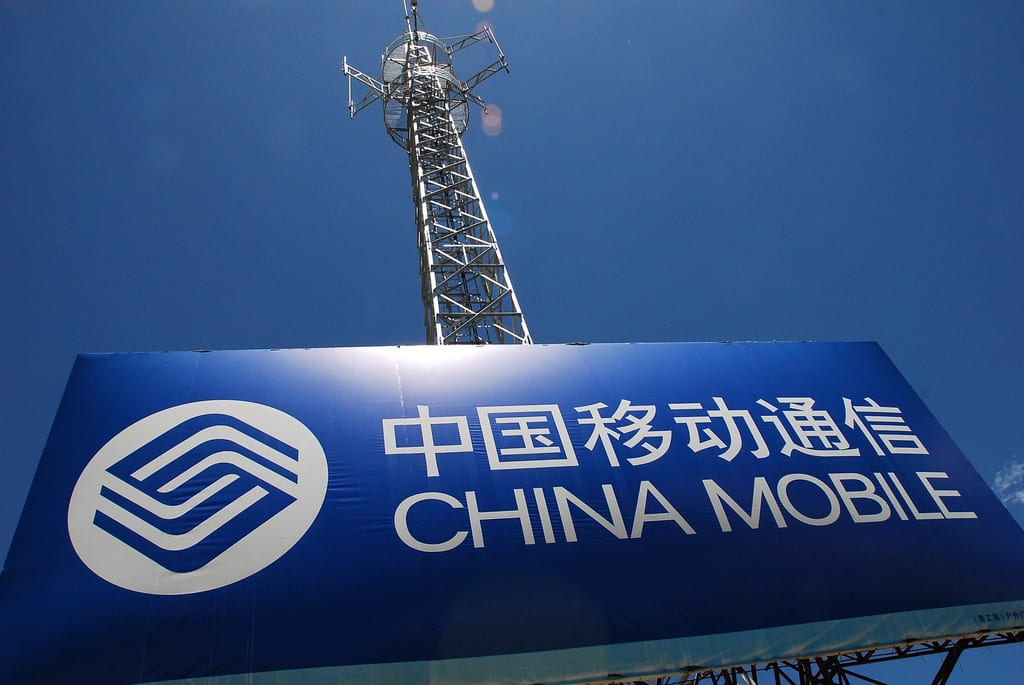
    China Mobile Hong Kong Company Limited (CMHK) has publicized its plans to phase out its 2G services by midnight on June 23, 2026. The aim behind this decision is to sharpen its focus on the development of more sophisticated network technologies.

    Decline in 2G Service Demand

    Following a comprehensive analysis of its services, CMHK has chosen to discontinue its 2G services in response to a slump in demand. By November 2025, less than 2.27% of CMHK’s overall mobile customer base was using 2G. This percentage includes those with service plans, prepaid card products, and mobile virtual network operator (MVNO) products.

    Transitioning to Advanced Mobile Services

    In order to facilitate an effortless transition to next-generation mobile services, CMHK has been proactive in reaching out to impacted customers. Since the fourth quarter of 2023, the company has been advising these customers to upgrade their SIM cards and, where necessary, their mobile phones or devices.

    Commitment to High-Quality Communication Services

    CMHK remains committed to delivering superior quality communication services to both domestic residents and business customers in Hong Kong. The company’s focus is on developing future-ready network technologies.

    Questions & Answers

    Why is CMHK discontinuing its 2G services?
    CMHK is discontinuing its 2G services due to a significant decrease in demand. The company aims to concentrate more on developing advanced network technologies.

    Who will be affected by this discontinuation?
    Less than 2.27% of CMHK’s total mobile customer base, which comprises service plan holders, prepaid card users, and mobile virtual network operator product users, will be impacted.

    What is CMHK doing to ensure a smooth transition for customers?
    CMHK has been in contact with affected customers since the fourth quarter of 2023, advising them to upgrade their SIM cards and, if required, their mobile phones or devices.

  • Forrester Predicts Imminent Bust for Majority of APAC Stablecoin Ventures in 2026

    Forrester Predicts Imminent Bust for Majority of APAC Stablecoin Ventures in 2026

    In the coming year, the majority of stablecoin launches in Asia are predicted to fail, according to recent projections from research and advisory firm Forrester. In their 2026 Payments Predictions report, they estimate that 80% of local stablecoin launches in Asia Pacific will not succeed. The report cites several reasons for this projected failure, including a lack of practical uses, high compliance costs, and competition from Central Bank Digital Currencies (CBDCs) and tokenized deposits.

    The Future of Stablecoins in Asia

    Forrester’s predictions suggest that stablecoins pegged to the US dollar will continue to dominate the global supply. This is anticipated to occur as regional banks and regulatory authorities prioritize the development of scalable alternatives such as mBridge, ISO 20022, and CBDCs.

    However, stablecoins as a whole are not expected to find scalable use cases within the retail payments sector during 2026. This is due to several factors, including a poor user experience, complex infrastructure requirements, trust issues, and competition from existing digital payment options. The firm proposes that there may be more practical applications for stablecoins in the realms of B2B cross-border payments and the crypto-native economy.

    Predictions on AI Agents

    In addition to their projections on stablecoins, Forrester has also predicted trends for artificial intelligence (AI) agents. They anticipate that “true agentic payment” – transactions executed autonomously by AI – will make its debut in the B2C space in 2026. However, this technology is expected to remain experimental due to technical challenges and issues around consumer trust. Widespread implementation is predicted to start in 2027.

    In the B2B sector, AI agents are forecasted to execute one-third of all payments, as the technology can effectively address complexities in associated processes like invoicing and accounts payable.

    Senior Analyst at Forrester, Meng Liu, remarked, “Agentic and stablecoin payments are set to reshape global payment ecosystems by 2026, introducing diverse standards, protocols, business models, and blockchains that will drive significant fragmentation.”

    Questions & Answers

    Why are most stablecoin launches in Asia projected to fail in 2026?
    Forrester cites reasons such as lack of utility, high compliance costs, and competition from Central Bank Digital Currencies and tokenized deposits.

    What is the future outlook for stablecoins in retail payments?
    Forrester predicts that stablecoins will not find scalable use cases for retail payments in 2026 due to a range of challenges including poor user experience and trust issues.

    What are the predictions around AI agents in the B2B sector?
    In the B2B sector, AI agents are expected to handle one-third of all payments by resolving complexities in adjoining processes like invoicing and accounts payable.

  • Uniqlo’s Bold Expansion In U.s. Amid Rising Tariffs: A Strategy For Success?

    Uniqlo’s Bold Expansion In U.s. Amid Rising Tariffs: A Strategy For Success?

    In the face of ever-changing tariffs and an increase in living costs that have impacted consumer spending, many brands are struggling to maintain a physical retail presence, let alone expand it. However, one international retailer is boldly rising to this challenge: Uniqlo.

    Uniqlo’s Expansion Plans

    This week, the Japanese retail and lifestyle behemoth Uniqlo announced plans to expand its retail footprint in the United States by 2026. The expansion entails the opening of flagship stores in Chicago and San Francisco, and four new locations in New York City.

    Uniqlo plans to inaugurate a total of 11 new stores across the United States in the forthcoming spring/summer season, increasing the total number of its American stores to 89. This is a significant milestone for the clothing titan.

    Uniqlo’s management had previously announced their intention to add between 20 and 30 new locations every year in North America, aiming for a goal of 200 stores by 2027.

    Christine Russo, Principal of Retail Creative and Consulting Agency (RCCA), noted that although Uniqlo is slightly off its projected schedule with its current 76 stores, geopolitical instability and tariffs are likely the cause.

    Russo explained that the timing of Uniqlo’s expansion aligns with the rise of “recession-core”, a consumer behavior trend that emerges during economic downturns. This trend is characterized by a preference for minimalism, with consumers opting for practical, versatile, and durable clothing over more flamboyant items that have a shorter shelf life.

    Uniqlo’s Appeal to Consumers

    Uniqlo has garnered consumer attention with its commitment to steadfast quality, a stark contrast to other fast-fashion brands. The company offers durable basics and a limited number of designs per season, and their dedication to technological innovation is evident in their patented Heatech and Airism fabrics.

    Neil Saunders, Managing Director of Global Data, also believes that Uniqlo’s appeal lies in its commitment to creating sturdy, yet stylish basic wardrobe items. He stated that Uniqlo’s reputation for quality distinguishes it from other fast-fashion competitors, a characteristic that appeals to shoppers who prefer to buy durable items that last.

    Moreover, Uniqlo has made significant efforts to create engaging store environments in its U.S. locations that encourage consumers to browse and make purchases. For instance, several U.S. stores now offer services that were once exclusive to its Asian locations, including custom embroidery and clothing repair services.

    The Brand’s Future Growth

    Despite its success in the U.S. market, Uniqlo has yet to fully penetrate this retail region. Saunders believes that Uniqlo’s expansion plans will allow the brand to establish a presence in larger cities where they can open flagship stores, thus increasing brand visibility and potentially boosting sales volume in the U.S.

    Uniqlo’s unique differentiation points, according to style publications such as Esquire and GQ, include a carefully curated selection of items ranging from innovative products designed to combat extreme temperature variations to the perfect everyday white t-shirt. The brand’s methodical approach to growth and consistency in quality underscore its enduring appeal.

    Questions & Answers

    What is Uniqlo’s expansion plan in the U.S.?
    Uniqlo plans to open 11 new stores across the U.S. in the forthcoming spring/summer season, bringing the total number of its American stores to 89.

    What makes Uniqlo stand out from other fast-fashion brands?
    Uniqlo distinguishes itself with its commitment to quality, offering durable, basic clothing items and a limited number of designs each season. The company’s focus on technological innovation is also prominent, as reflected in their patented Heatech and Airism fabrics.

    How is Uniqlo planning to increase its brand visibility and sales in the U.S.?
    Uniqlo aims to increase its brand visibility and sales by expanding into larger cities where it can establish flagship stores. It also continues to offer engaging store environments and services that encourage consumers to browse and make purchases.

  • Royal Enfield Flying Flea C6 Electric Bike To Launch In 2026

    Royal Enfield Flying Flea C6 Electric Bike To Launch In 2026

    Royal Enfield, a leading motorcycle brand, has announced its foray into the electric motorcycle market with the introduction of its new brand, Flying Flea. The first model under this brand will be the C6, scheduled for launch in the fourth quarter of the fiscal year 2026. The company plans to follow up with the introduction of model S6, an entirely different product that will further diversify the brand’s offerings. Information pertaining to the operations and dealership network for the new electric vehicle brand is yet to be disclosed.

    The Flying Flea C6

    The Flying Flea C6 was first unveiled at the EICMA exhibition and has subsequently been showcased in India. The motorcycle’s test model has been spotted during multiple trial runs, providing insights into its unique features and design elements. The C6 sports circular LED lighting, a sleek frame with an aluminium chassis and girder forks, a design infused with a blend of retro and modern aesthetics that is indicative of the brand’s distinct style. Other notable features include a split seat configuration and black alloy wheels.

    The aerodynamically designed body of the bike integrates a magnesium casing that facilitates airflow. Although Royal Enfield has not yet revealed the specifications of the C6, it is anticipated that the vehicle will offer a range of approximately 100 kilometers, making it suitable for urban use. To further enhance its city-riding capabilities, the company has focused on reducing the weight of the motorcycle to less than 100 kilograms.

    Technological Innovations

    Royal Enfield has invested significantly in incorporating advanced technology into the design of the C6. It is expected to be the most feature-packed motorcycle ever produced by the company, with a round touchscreen display that provides a host of functionalities including voice control, connectivity, and more. The bike is powered by Qualcomm’s Snapdragon processor to support these advanced features. During the C6’s unveiling, Mario Alvisi, Royal Enfield’s Chief Growth Officer for Electric Vehicles, stated that the motorcycle will boast the most innovative and state-of-the-art features.

    Questions & Answers

    When is the launch of Royal Enfield’s first electric motorcycle, the Flying Flea C6, scheduled?
    The Flying Flea C6 is slated for launch in the fourth quarter of the fiscal year 2026.

    What are the notable design features of the Flying Flea C6?
    The C6 is designed with circular LED lighting, a sleek frame with an aluminium chassis and girder forks, a split seat configuration, and black alloy wheels. The motorcycle’s body includes a magnesium casing that regulates airflow.

    What advanced technology features will be incorporated into the Flying Flea C6?
    The C6 will be equipped with a round touchscreen display that enables various functions such as voice control, connectivity, and more. It will be powered by Qualcomm’s Snapdragon processor.