Retail News CRM

Tag: abuse

  • Thai Beer Tycoon Dismisses Family Exec Following Brothers Abuse Claims

    Thai Beer Tycoon Dismisses Family Exec Following Brothers Abuse Claims

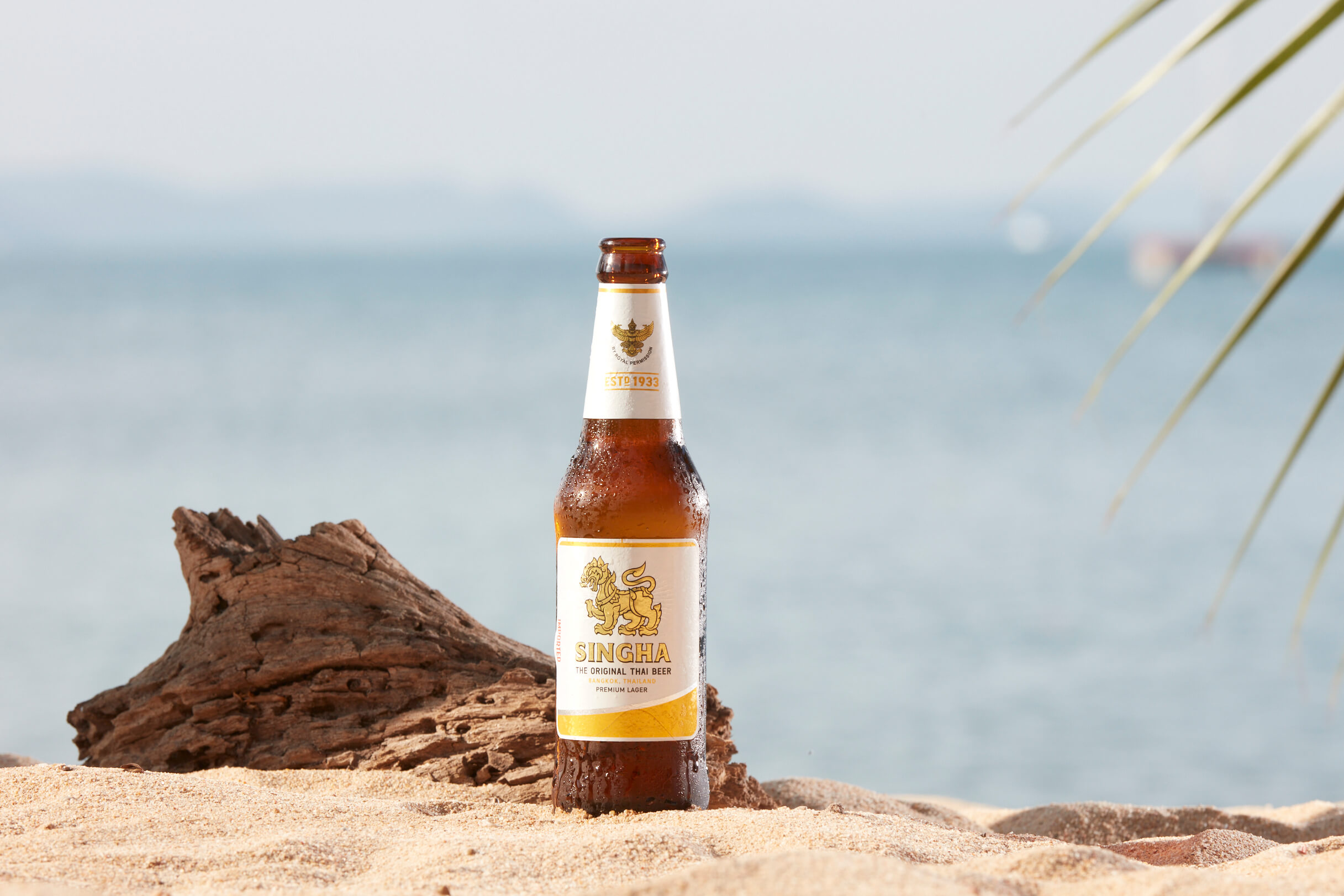
    A prominent member of Thailand’s Bhirombhakdi family, known for their control of Singha Beer, was dismissed from the family’s business empire due to allegations of sexual abuse. The dismissal followed several days of public controversy ignited by the allegations.

    A Family Rift

    Siranudh Scott, an environmental activist from the Bhirombhakdi family, accused his elder brother of sexually abusing him during his teenage years. Scott announced these allegations in an emotional video posted on his Facebook page. He claimed that his family was aware of the abuse, citing a taped confession as proof, but took no action against it.

    Scott expressed his disillusionment with his family, stating his unwillingness to be identified as a Singha heir and his desire to distance himself from a family that he felt lacked empathy for him. Scott, a marine conservationist known for his work with his group Sea You Strong in southern Thailand, is the son of a Scottish father.

    Company Response

    Following the allegations, the family’s business conglomerate, Boonrawd Brewery Company, announced the dismissal of Sunit, Scott’s brother, from all his positions within the company. In a statement, the company expressed regret for Scott’s experiences and declared their cooperation with authorities in ongoing investigations.

    The statement was given by the company’s CEO, Bhurit Bhirombhakdi, who is also a cousin of the two men. Bhurit additionally shared a letter from Sunit, in which the accused resigned from all his duties until the matter could be thoroughly investigated and resolved. Although Sunit has denied the allegations of sexual abuse, he admitted to instances of rough play between boys.

    The Bhirombhakdi family, who are identified as Thailand’s fifteenth wealthiest family by Forbes, with an estimated net worth of $1.75 billion, have interests extending beyond Singha Beer. They are also engaged in food manufacturing, hotel operations, power, and property.

    Questions & Answers

    What led to the dismissal of a member from the Bhirombhakdi family’s business empire?
    The dismissal occurred following allegations of sexual abuse made by Siranudh Scott against his elder brother, Sunit, which stirred public controversy.

    Who announced the dismissal from the family’s business empire?
    CEO Bhurit Bhirombhakdi, the cousin of the two men, announced the dismissal in a statement.

    What are the other business interests of the Bhirombhakdi family?
    Apart from Singha Beer, the family’s business interests include food manufacturing, hotels, power, and property.
  • Luxury Brand Loro Piana Under Judicial Administration Amidst Labour Exploitation Allegations

    Luxury Brand Loro Piana Under Judicial Administration Amidst Labour Exploitation Allegations

    Luxury fashion brand Loro Piana, a subsidiary of LVMH, has been placed under judicial administration for one year by a Milan court following allegations of labour exploitation within its Italian supply chain.

    Labour Exploitation Allegations

    The court ruled that Loro Piana had failed to properly supervise its subcontractors, leading to labour violations through indirect suppliers. This makes Loro Piana the fifth luxury label to face such allegations since last year, joining the ranks of Dior, Valentino, Armani, and Alviero Martini.

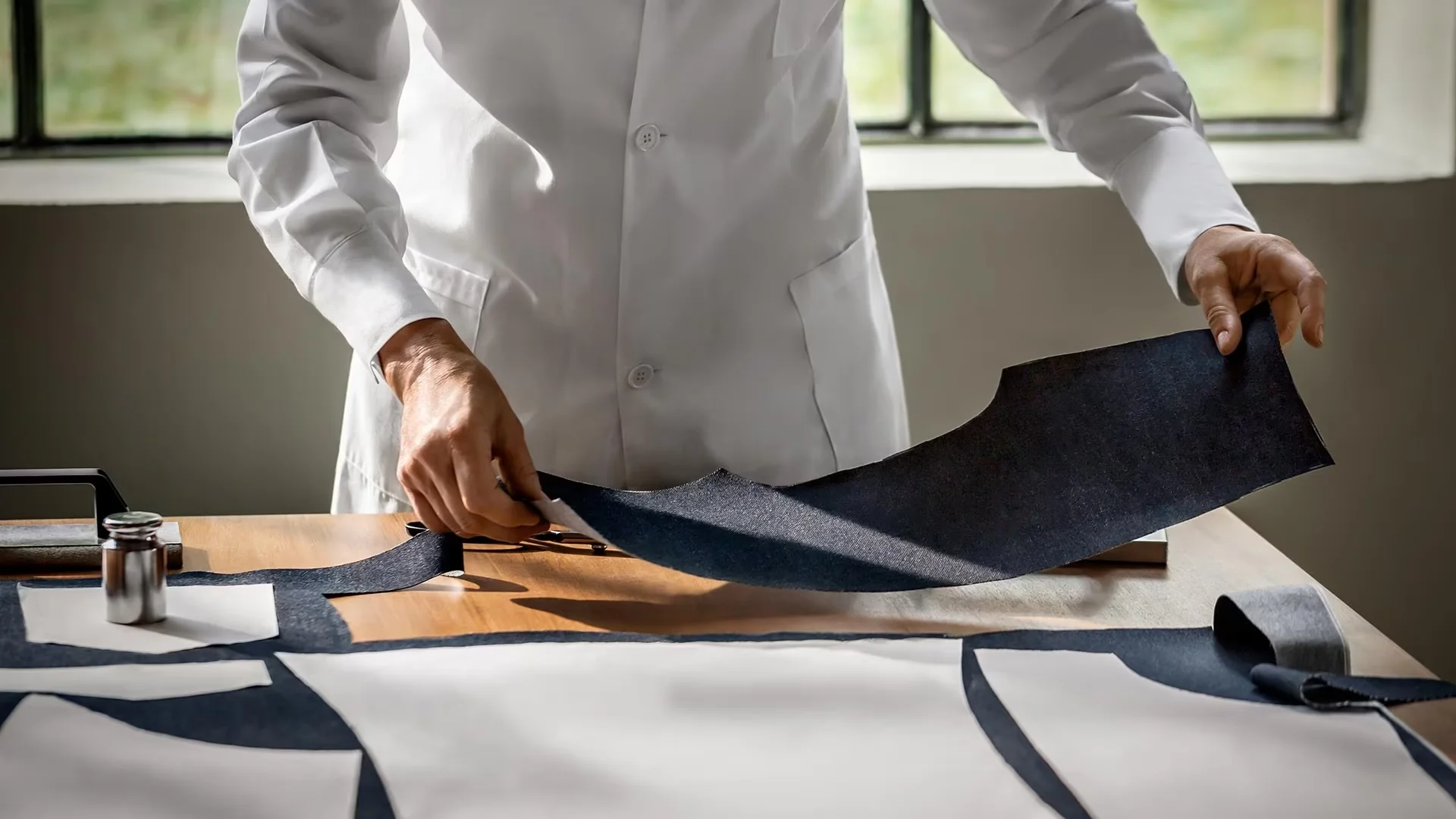
    Investigations conducted by Italy’s Carabinieri labour protection unit unveiled that one of the workshops had employed 10 Chinese workers, five of whom were undocumented. These workers were allegedly forced to work up to 90 hours per week and were paid only EUR4 per hour (US$4.6). They were also illegally housed at the site.

    These allegations surfaced when a worker reported being assaulted over unpaid wages, leading to the arrest of the workshop owner and the closure of the facility.

    Judicial Administration

    Although Loro Piana is not subject to a criminal investigation, the court has appointed an external administrator to oversee improvements to the brand’s supply chain oversight. If the company demonstrates substantial progress, the judicial administration could be lifted early, as has happened in similar cases involving Dior and Armani.

    Loro Piana has attributed these violations to unauthorised subcontracting. It was discovered that the company had outsourced work via two front companies to Chinese-owned workshops in Milan. These workshops lacked the necessary capacity for manufacturing.

    The company has since severed ties with the supplier and pledged to reinforce its control and audit activities as a means of ensuring compliance with its ethical and quality standards.

    Company Background

    Loro Piana, acclaimed worldwide for its luxury cashmere and wool products, was acquired by LVMH in 2013. The founding family still retains a 20% stake in the company. This past June, Frederic Arnault, son of LVMH’s chairman and CEO Bernard Arnault, was appointed as the company’s CEO.

    Questions & Answers

    What led to the legal action against Loro Piana?
    A worker reported being physically assaulted over unpaid wages, sparking an investigation that revealed labour violations within the company’s supply chain.

    What measures has the court imposed on Loro Piana?
    The court has appointed an external administrator to supervise reforms to the brand’s supply chain oversight. The company has also been placed under judicial administration for a year.

    What steps has Loro Piana taken since the allegations surfaced?
    Loro Piana has ended its relationship with the implicated supplier and committed to enhancing its control and audit activities to ensure compliance with its ethical and quality standards.

  • Vietnam may become a target as Trump set to curb ‘trade abuses’

    Vietnam may become a target as Trump set to curb ‘trade abuses’

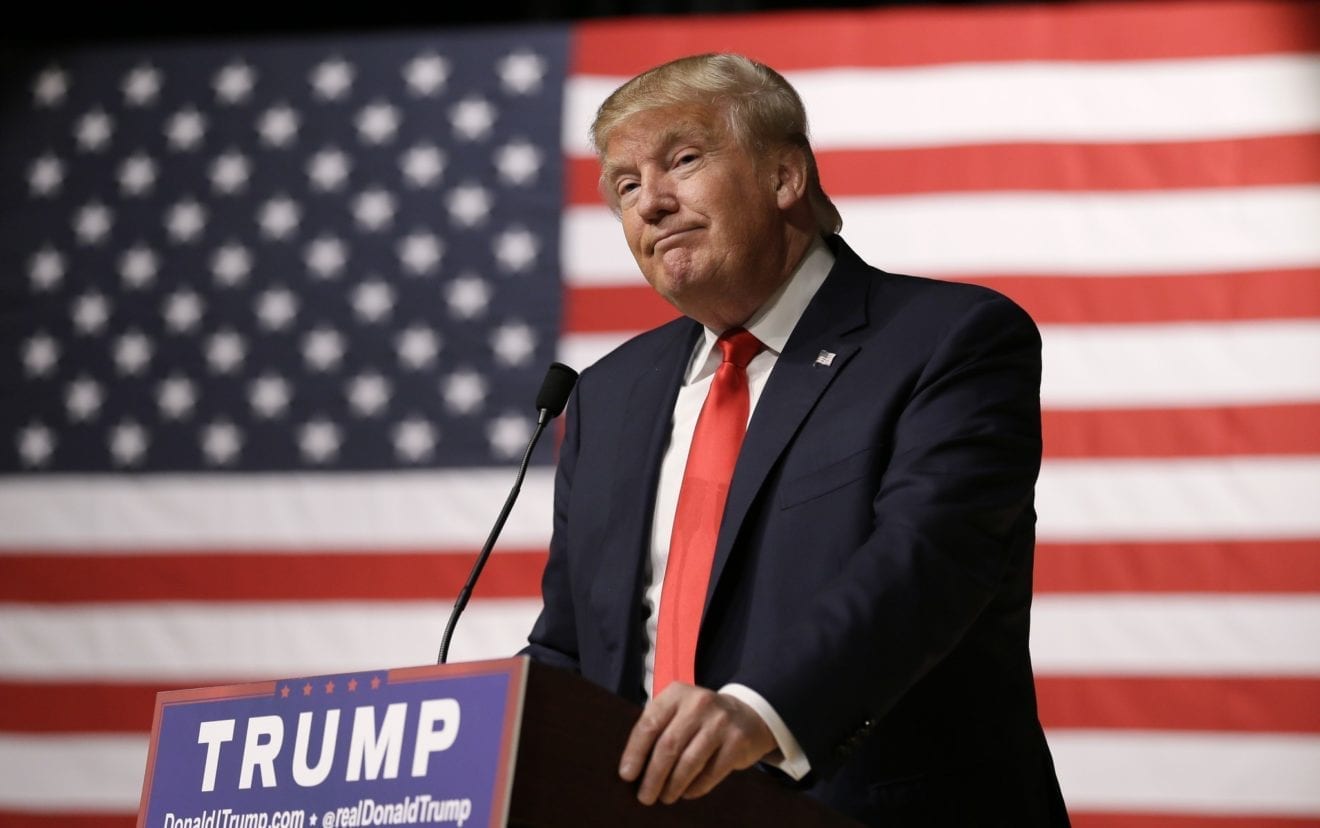
    U.S. President Donald Trump will sign executive orders on Friday aimed at identifying abuses that are causing massive U.S. trade deficits and clamping down on non-payment of anti-dumping and anti-subsidy duties on imports, his top trade officials said.

    The orders come as Trump prepares for his first face-to-face meeting with Chinese President Xi next week in Florida, where trade issues promise to be a major source of tension. China was the biggest contributor to the $734 billion U.S. goods trade deficit last year.

    The directives allow Trump to focus on meeting his campaign promises to combat the flow of unfairly traded imports into the United States just a week after his pledge to repeal and replace Obamacare imploded in Congress.

    Commerce Secretary Wilbur Ross told reporters that one of the orders directs his department and the U.S. Trade Representative to conduct a major review of the causes of U.S. trade deficits. These include trade abuses such as dumping of goods below costs and unfair subsidies, “non-reciprocal” trade practices by other countries and currencies that are “misaligned.”

    Ross took pains to say that currency misalignment was not the same as manipulation, and only the U.S. Treasury could define currency manipulation. But he said in some cases, currencies can become misaligned from their traditional valuations unintentionally, citing the Mexican peso’s sharp decline late last year after Trump’s election.

    The study also will examine World Trade Organization rules that Ross said do not treat countries equally, such as on taxation. The United States has long complained that WTO rules allow exports to be exempt from value-added taxes, but do not allow export exemptions from the U.S. corporate income tax. The study also will examine the effects of trade deals that have failed to produce forecast benefits, Ross said.

    Ross said he aims to complete the study and report the findings to Trump in 90 days — a time frame that coincides with the expected start of negotiations to revamp the U.S.-Canada-Mexico North American Free Trade Agreement.

    The study’s findings will underpin the Trump administration’s future trade policy decisions, Ross said, and will be the first “systematic analysis” of the trade deficit’s causes, “country-by-country, product-by-product.”

    “It will demonstrate the administration’s intention not to hipshoot, not to do anything casual, not to do anything abruptly,” Ross told a White House briefing.

    Ross has promised tougher enforcement of U.S. trade laws and more anti-dumping and anti-subsidy cases initiated by the Commerce Department, rather than relying on companies to claim injuries from imports.

    He said the study would focus on those countries that have chronic goods trade surpluses with the United States.

    China tops the list, with a $347 billion surplus last year, followed by Japan, with a $69 billion surplus, Germany at $65 billion, Mexico at $63 billion, Ireland at $36 billion and Vietnam at $32 billion.

    The second trade order to be signed by Trump is aimed at halting the non-payment and under-collection of anti-dumping and anti-subsidy duties the United States slaps on many foreign goods.

    White House National Trade Council Director Peter Navarro said that some $2.8 billion in such duties went uncollected between 2001 and the end of 2016 from companies in some 40 countries.

    Navarro said the order directs the Commerce and Homeland Security departments to close these gaps by imposing tougher bonding requirements to ensure duty collections and new legal requirements for assessing risks associated with importers.

    Navarro, a harsh critic of China’s trade practices, insisted that the orders were not aimed at sending a message ahead of Xi’s visit.

    “Nothing we are saying tonight is about China,” he said. “This is a story about trade abuses, this is a story about under-collection of duties, this is a story about 40 countries that basically subsidise their products unfairly and send them into our country or dump their products.”