Retail News CRM

Tag: Ahead

  • Shein’s Q1 Losses: Tariffs, Slowing Sales, and Their Toll Ahead of Hong Kong IPO

    Shein’s Q1 Losses: Tariffs, Slowing Sales, and Their Toll Ahead of Hong Kong IPO

    Online retailer Shein recently reported a notable quarterly loss of $99 million, as indicated in its pre-IPO financial filings. This downturn comes in the wake of the United States lifting an import duty exemption on small packages along with a significant, one-time accounting charge. These events led to the company’s first quarter of 2026 posting a loss, in contrast to the net income of $395 million that was recorded during the same period in the previous year.

    Challenges and Changes

    Shein, a company that originated in China but is now headquartered in Singapore, is currently faced with an array of challenges. These include a new €3 fee imposed by the European Union on low-value e-commerce imports, a measure designed to address what the EU perceives as unfair competition from China. The company’s financials now reveal the strain these new circumstances are putting on Shein, as it contends with rising costs, slower growth, and heightened regulatory scrutiny from its key markets.

    Shein’s first quarter loss in 2026 was partly influenced by an accounting change that resulted in a $328 million fair-value charge on convertible redeemable preferred shares, which are investor shares that can later convert into ordinary shares. This accounting loss occurred as Shein, a company that sells affordable fashion to approximately 160 countries, experienced a sharp decrease in its valuation, largely resulting from the fading online shopping boom produced by the pandemic and the closure of the ‘de minimis’ duty loophole in the US.

    In the wake of the ‘de minimis’ exemption being removed in May 2025, Shein acknowledged a negative impact on its sales in the US, its largest market. The ‘de minimis’ rule had previously allowed packages valued at under $800 to enter the US without duties. Shein is now grappling with tax rates ranging from 10% to 87.5% on Chinese-origin products sold by the company or through its marketplace and shipped to the US. In an effort to counteract these increased duties and taxes, Shein is considering a range of options, including raising its prices in the US market.

    The company reported a 14.3% drop in US revenue to $2.04 billion in the first quarter, down from $2.38 billion during the same period in the previous year. With Europe accounting for about one-third of Shein’s revenues in 2025, the company has also expressed concerns about the potential impact of the new EU duty.

    Regulatory Concerns and Future Plans

    Regulatory scrutiny and trade tensions between the US and China have put Shein in a challenging position. Criticisms have been raised regarding the retailer’s working conditions in supplier factories, the potentially addictive features of its shopping app, and the environmental impact of air shipping large volumes of goods.

    In response, Shein has reiterated its zero-tolerance policy on labor abuses and has pledged to invest in risk assessments and mitigation frameworks to safeguard its users. Shein also revealed that the majority of products manufactured by its supply chain partners are stored in central warehouses in China before being shipped. Proceeds from its IPO will be used to improve technology, raise brand awareness, expand its global presence, and promote corporate responsibility.

    Questions & Answers

    What factors contributed to Shein’s recent quarterly loss?
    Shein’s loss was influenced by the US lifting an import duty exemption on small packages, the introduction of a fee on low-value e-commerce imports by the EU, and a one-time accounting charge related to a change in the valuation of investor shares.

    How has the removal of the ‘de minimis’ rule affected Shein’s operations?
    The removal of the ‘de minimis’ rule has resulted in a notable decrease in Shein’s sales in the US and an increase in the company’s expenses.

    What measures is Shein considering to counteract these increased costs?
    Shein is currently exploring several options, including the possibility of raising prices in the US market to offset a portion of the increased costs.

  • Vietnam’s Auto Market Zooms Ahead: 15% Hike in Sales with Hybrids and Imports in the Lead

    Vietnam’s Auto Market Zooms Ahead: 15% Hike in Sales with Hybrids and Imports in the Lead

    The Vietnamese auto market has witnessed a significant growth of 15% in sales during the first half of 2026, as compared to the same period last year. A substantial portion of this growth can be attributed to the robust sales of imported and hybrid vehicles. Cumulative sales during this period amounted to 149,761 vehicles, which presents an increase of 4% from the previous month with total sales reaching 31,104 vehicles, as per a report by the Vietnam Automobile Manufacturers’ Association (VAMA).

    The Uneven Recovery of the Auto Market

    Despite the substantial growth, the auto market recovery in Vietnam appears to be inconsistent. When compared to June 2025, the sales for June 2026 reflect a decrease of approximately 2.7%. The first half of the year marked the sales of over 100,000 passenger cars, around 38,000 commercial vehicles, and nearly 10,865 hybrid vehicles, which witnessed a remarkable growth of 83% year-on-year.

    The surge in the sales of hybrid vehicles suggests a growing preference for fuel-efficient and environmentally friendly vehicles. VAMA reported the sale of 2,347 hybrid vehicles in June alone, marking an increase of 41% from the previous month and nearly double the sales in June 2025, making hybrid vehicles the most rapidly growing sector in the auto market.

    Competitive Landscape and Market Growth Prospects

    Among the brands under VAMA, Toyota secured the leading position with the sale of 6,494 vehicles in June, accounting for nearly 27% of the total sales. They were followed by Mitsubishi with 3,158 units sold, and then Ford with 2,741 units. Kia and Mazda, both distributed by THACO, sold 2,675 and 2,361 vehicles respectively, making it to the top five best-selling brands of June.

    The competition has been intensifying in the market, as reflected by the narrowing gap in sales among the leading brands. It spans across various segments including B-segment sedans, urban SUVs, MPVs, and pickup trucks.

    Industry experts anticipate that the positive performance in the first half of 2026 will lay a strong foundation for greater growth in the second half. Several automakers are planning to introduce new models, expand their hybrid and electric vehicle lineups, and implement promotional programs to boost demand.

    Given the competitive auto loan interest rates, stable supply of vehicles, and a diverse product range, Vietnam’s automotive market is likely to sustain its growth momentum for the rest of 2026. SUVs, MPVs, and hybrid vehicles are expected to continue to drive overall market sales.

    Questions & Answers

    What is the growth rate of sales in the Vietnamese auto market in the first half of 2026?
    The Vietnamese auto market recorded a growth rate of 15% in sales in the first half of 2026.

    Which are the top-performing vehicle brands in June 2026?
    Toyota, Mitsubishi, Ford, Kia, and Mazda were the top-performing vehicle brands in June 2026.

    What type of vehicles are expected to drive overall market sales for the rest of 2026?
    SUVs, MPVs, and hybrid vehicles are expected to be the key drivers of overall market sales for the rest of 2026.

  • Surging Ahead: Luckin Coffee Topples 35,000-Store Milestone with Rapid Global Expansion

    Surging Ahead: Luckin Coffee Topples 35,000-Store Milestone with Rapid Global Expansion

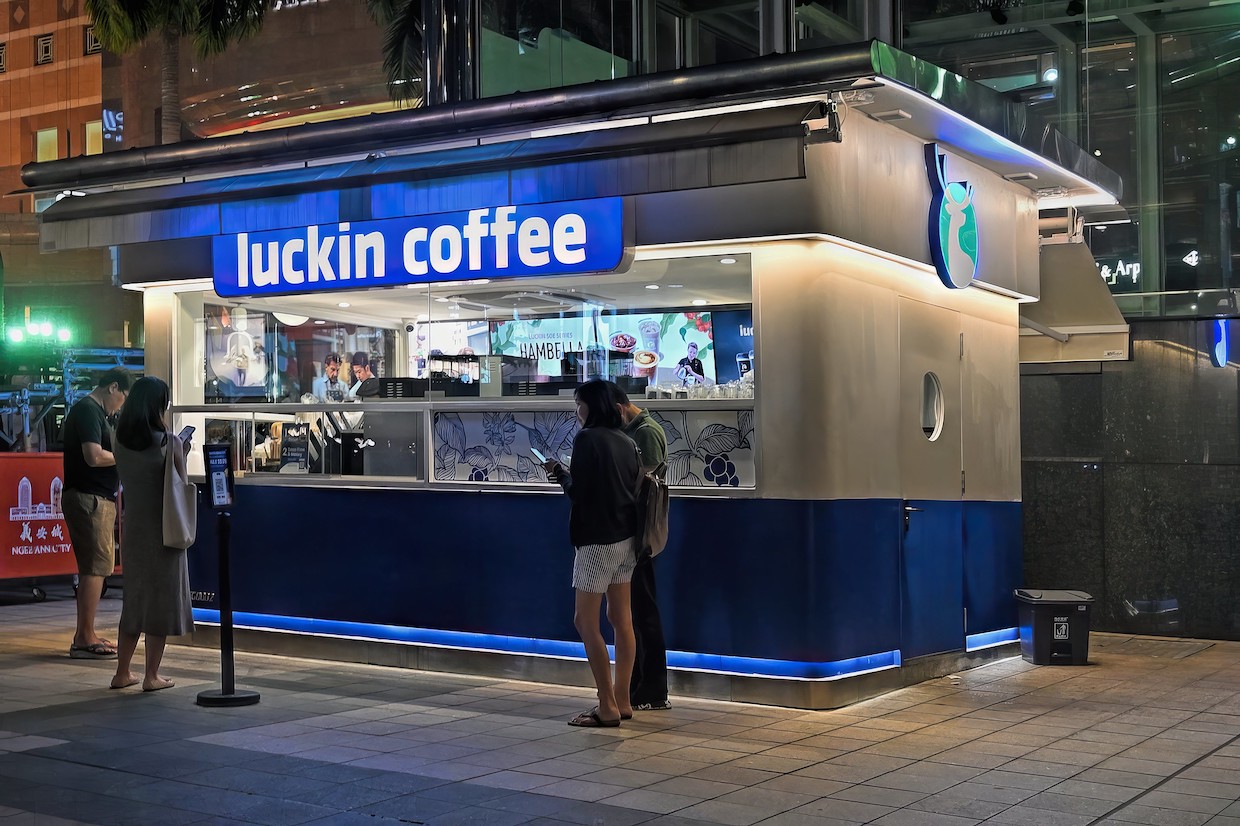
    Luckin Coffee, a leading coffee chain in China, recently celebrated a significant expansion mark. The brand’s international presence now spans over 35,000 locations across the globe. This development underscores Luckin’s rapid growth both in its home country and abroad, further solidifying its reputation as one of the most extensive coffee and beverage retail chains in terms of store count.

    Impressive Expansion Strategy

    Luckin’s monumental growth is primarily attributed to its aggressive expansion strategy. This strategy is rooted in establishing a dense urban presence, standardizing store layouts, and leveraging technology to facilitate rapid deployment and high-volume service.

    The chain’s growth trajectory has been consistent, with the opening of its 30,000th store earlier this year. This milestone was marked by the debut of a new ‘Origin Flagship’ store in Shenzhen, a significant departure from the brand’s usual small-scale, pickup-focused outlets. The two-story establishment covers an area of approximately 420 square meters.

    Sustained Revenue Growth and Product Demand

    Luckin Coffee has also enjoyed consistent double-digit revenue growth as the brand continues to expand its footprints. As of May 31, the company reported that its non-coffee beverages’ cumulative sales had exceeded RMB 20 billion (equivalent to US$ 2.9 million). The sales report also noted that 22 of its products had sold over 100 million cups each. This shows the strong consumer demand for its extensive beverage offerings beyond coffee.

    Over the years, the company has constructed an integrated supply chain and operational infrastructure designed for large-scale operations. This includes expanded global sourcing from key regions such as Brazil, Ethiopia, and Indonesia, and domestic agricultural areas like Yunnan and Guangxi.

    Questions & Answers

    How many locations does Luckin Coffee have worldwide?
    Luckin Coffee’s global presence now spans over 35,000 locations worldwide.

    What is the foundation of Luckin Coffee’s expansion strategy?
    Luckin Coffee’s expansion strategy is rooted in establishing a dense urban presence, standardizing store layouts, and leveraging technology to facilitate rapid deployment and high-volume service.

    How has Luckin Coffee’s non-coffee beverages performed in terms of sales?
    As of May 31, Luckin Coffee reported its non-coffee beverages’ cumulative sales had surpassed RMB 20 billion (equivalent to US$ 2.9 million). Furthermore, 22 of its products had each sold over 100 million cups.

  • Magnum Ice Cream: Sweet Independence Ahead as Unilever Spinoff Approaches Amid Health Trends and Trade Challenges

    Magnum Ice Cream: Sweet Independence Ahead as Unilever Spinoff Approaches Amid Health Trends and Trade Challenges

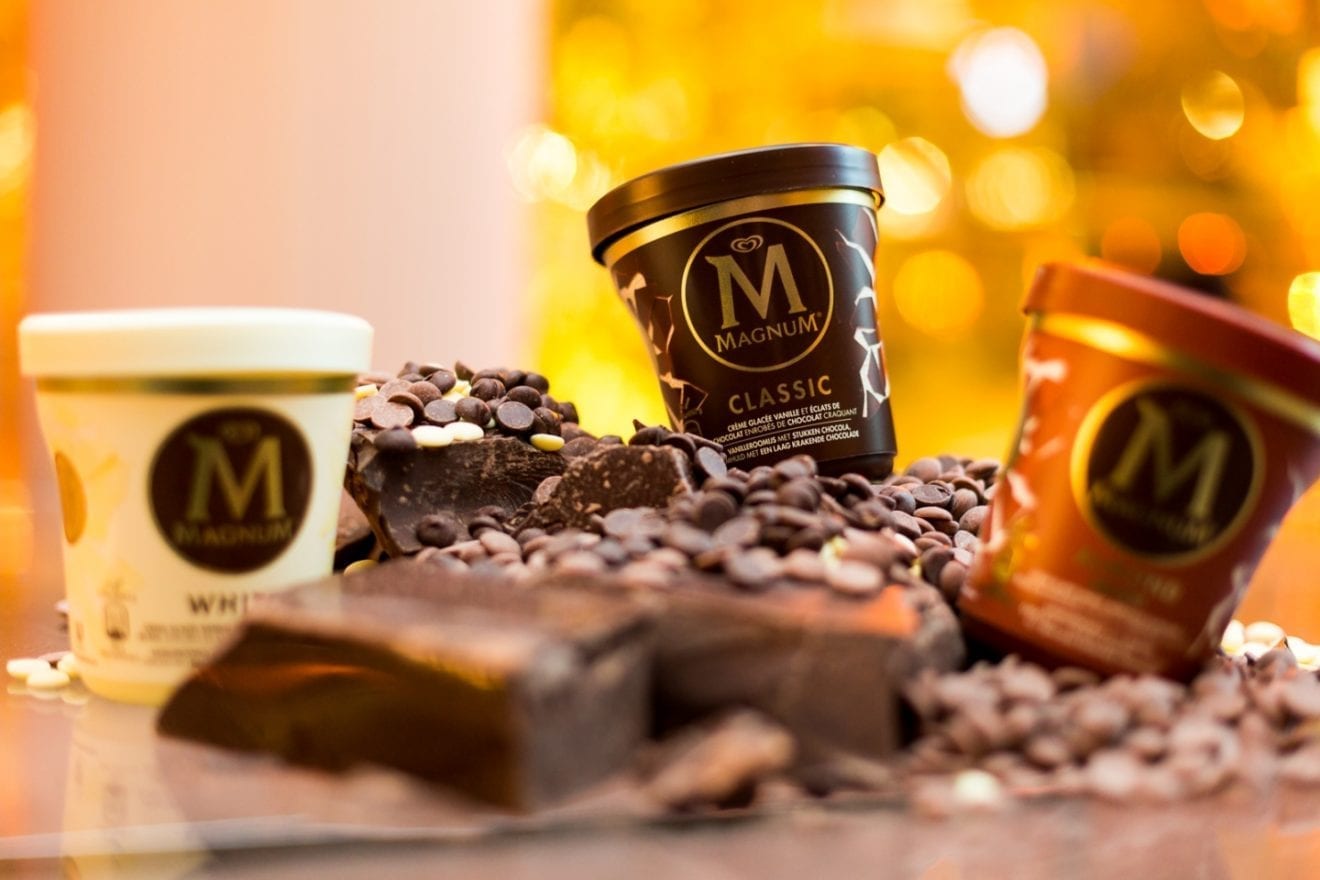
    Unilever’s ice cream subsidiary, Magnum Ice Cream Company, is preparing for a significant spin-off worth billions next month. As it separates, the business is set to navigate various obstacles, including logistics issues and the emerging popularity of weight loss medications. The head of its supply chain, Sandeep Desai, discussed these challenges and the company’s strategies.

    Positioning as an Ice Cream-Focused Business

    Magnum Ice Cream Company is gearing up for its listing in Amsterdam on December 8th, a move that will put its sugar-rich products to the test in terms of investor interest. This comes at a time when GLP-1 weight loss drugs are shifting consumer behaviors and amidst a health campaign in the U.S. The company is presenting itself as a business centered around ice cream and is banking on the lingering appeal of ‘treat’ foods that consumers continue to desire. It includes its own Magnum ice creams and other brands like Solero, Viennetta, and Ben & Jerry’s.

    Desai stated, “We are focused on ice cream and ice cream only.” He mentioned the company-wide mindset of finding ways to produce and sell more ice cream, arguing that this provides a unique level of focus.

    Addressing the Impact of Weight-Loss Drugs

    Magnum recognizes the potential impact of GLP-1 drugs on its business but remains optimistic about the long-term demand for its products. Desai acknowledged the importance of the weight-loss drug trend but emphasized that ice cream remains a sought-after indulgence.

    In an effort to adapt, the company is introducing products that emphasize hydration and protein. Jamie Farrell, the head of the company for UK and Ireland, highlighted the lower-sugar options and smaller portions that Magnum has already introduced. When asked about the rising popularity of weight-loss drugs, Farrell stated, “We see it as a challenge. Can we create… more new products that move with the times?”

    Overcoming the Impact of Tariffs

    The company has invested 50 million pounds ($66 million) in its Gloucester factory in West England, as part of a 350-380 million euro ($403-438 million) plan to overhaul its supply chain as it separates from Unilever. This investment is projected to increase capacity by 50% from 2023 levels by 2027, with the factory currently churning out 600 million ice creams annually.

    The singular focus on ice cream increases Magnum’s exposure to price fluctuations in cacao bean and sugar but also offers an opportunity to tailor its commodities hedging and risk management strategies. Although trade restriction could disrupt its supply chain and escalate costs, Desai mentioned that local production in the U.S. has largely protected the company from the impact of U.S. tariffs on imports.

    Questions & Answers

    How is Magnum Ice Cream Company positioning itself in the market?
    Magnum is positioning itself as a business solely focused on ice cream, relying on the enduring appeal of indulgent treats.

    How is Magnum responding to the rising popularity of weight-loss drugs?
    Magnum recognizes the challenge but remains optimistic about long-term product demand. Adaptation strategies include the introduction of products more focused on hydration and protein, as well as lower-sugar options and smaller portions.

    How is Magnum handling the impact of trade tariffs?
    Despite potential disruptions to its supply chain and increased costs due to trade restrictions, local production in the U.S. has largely mitigated the impact of these tariffs, according to Sandeep Desai.

  • Vietnam’s Auto Market Zooms Ahead: 24% Sales Growth in October Fueled by Promotions & EV Surge

    Vietnam’s Auto Market Zooms Ahead: 24% Sales Growth in October Fueled by Promotions & EV Surge

    In a significant rebound from an initially sluggish year, the Vietnam Automobile Manufacturers Association (VAMA) reported a 24% surge in car sales in October, with a total of 37,910 vehicles sold. This increase reflects a revival in consumer demand coupled with an abundant supply, and is also attributed to the appeal of promotional programs during the year-end shopping season. The association, which comprises more than a dozen major auto companies, provided this information in its latest report.

    October Sales in Detail

    Breaking down the October sales, passenger cars dominated, with 27,246 units sold marking a 33% rise from September. Commercial vehicles also saw a boost, accounting for 10,162 units, a 6.6% increase. However, special-purpose vehicles experienced a slump in sales, dropping 15% to 502 units. Locally assembled vehicles saw a 19% increase in sales to 17,129, while imports, or completely built-up (CBU) units, witnessed a 28% surge with 20,781 units sold.

    SUVs, sedans, and MPVs were the top selling segments, aligning with the urban mobility needs of consumers.

    Factors Driving the Surge

    Industry experts pin the October sales boom on a confluence of factors. Aggressive promotional campaigns, improved supply chains, more flexible consumer credit, lower interest rates, and rising urban demand all played a role. The launch of multiple new models from Japanese, Korean, Chinese, and European brands also fueled the increase in sales.

    In the year to date, VAMA members have sold a total of 289,331 units, a 9.5% hike year-on-year. Sales of domestically assembled vehicles increased by 2%, while imports saw a significant 18% jump, indicating a growing consumer preference for imported vehicles with diverse designs and advanced technology.

    VinFast’s Record Performance

    However, it’s worth noting that these figures from VAMA may not fully represent the market, as the association does not include several major players such as VinFast and Hyundai, the two leading carmakers by market share in Vietnam, along with other brands like Audi, BYD, and Jaguar Land Rover.

    VinFast, a local automaker, reported a record delivery of 20,380 electric vehicles in October, bringing its total for the first ten months of 2025 to 124,264 units, the highest ever for a Vietnamese automaker. This milestone solidifies VinFast’s leadership in the electric vehicle segment and underscores its significant contribution to the local automotive industry.

    Looking Forward

    Vietnam’s auto market is poised for a promising year-end, with the influx of new models, growing demand for imported cars, and VinFast’s record performance shaping a dynamic, competitive, and technology-driven industry landscape.

    Questions & Answers

    What were the factors driving the surge in October auto sales in Vietnam?
    Promotional campaigns, improved supply chains, flexible consumer credit, lower interest rates, and rising urban demand, along with the launch of new models, primarily contributed to the surge.

    Which was the top-selling vehicle type in October?
    Passenger cars dominated the sales in October, registering a 33% rise from September.

    What does VinFast’s record delivery of electric vehicles indicate?
    VinFast’s record delivery underlines its leadership in the electric vehicle segment and marks a significant contribution to the Vietnamese automotive industry.

  • Link Asset Management Prepares For Ceo George Hongchoy’s Retirement With Interim Leadership Plan

    Link Asset Management Prepares For Ceo George Hongchoy’s Retirement With Interim Leadership Plan

    Hong Kong’s premier property management company, Link Asset Management, has unveiled an interim leadership plan to prepare for the imminent departure of its Group CEO, George Hongchoy.

    Leadership Transition

    George Hongchoy, who also holds the position of Executive Director, has recently declared his intent to retire at the end of this year after a long service tenure of 16 years with the company.

    In response, Link has secured John Saunders, the current Group Chief Investment Officer, for an executive director role on its board from the start of next year. Saunders will be joining forces with Kok-Siong Ng, the Executive Director and Group CFO, to form an interim leadership team. This collaborative effort will temporarily assume the responsibilities of the Group CEO.

    Steering the ship

    The company’s chair, Duncan Owen, along with a newly constituted Chairs Committee, will be responsible for providing oversight, support, and independent counsel to the executive directors. Their role will be crucial in implementing strategic decisions and key initiatives during this transitional phase.

    Owen highlighted the rationale behind this interim arrangement, stating that it will allow the retiring CEO to depart, while capitalizing on the strong and established leadership team that Link currently has. This will ensure smooth operations and continuity until a new Group CEO can assume the office.

    Questions & Answers

    Who is set to retire from Link Asset Management?
    George Hongchoy, the Group CEO and Executive Director is set to retire on December 31.

    Who will form the interim leadership team at Link?
    John Saunders, the current Group Chief Investment Officer, and Kok-Siong Ng, the Executive Director and Group CFO, will form the interim leadership team.

    What role will Duncan Owen and the Chairs Committee play during this transition?
    Duncan Owen and the newly formed Chairs Committee at Link will be providing oversight, support, and independent guidance to the executive directors in their execution of strategy and key initiatives.

  • South Korean Retailers Innovate To Welcome Returning Chinese Tour Groups Amid Changing Consumer Trends

    South Korean Retailers Innovate To Welcome Returning Chinese Tour Groups Amid Changing Consumer Trends

    As South Korea prepares for the much-anticipated return of Chinese tour groups from September 29, retailers are taking proactive measures to welcome them. To cater to these visitors, who will be allowed visa-free entry, a wave of new promotions is on the horizon, and retailers are expanding their product ranges. Instead of focusing solely on luxury cosmetics, retailers are branching out to incorporate fashion, lifestyle, and even convenience store exclusive items.

    Change in Chinese Tourists’ Preferences

    In the mid-2010s, Chinese travelers, often referred to as “Youke,” were known for their bulk purchases of high-end skincare products. However, recent industry data indicates a significant shift in their preferences. Currently, eyewear brands such as Gentle Monster, K-fashion labels, health foods, and lifestyle goods are gaining popularity among these travelers.

    Retailers’ Innovative Strategies

    In response to these changing demands, Lotte Department Store has launched curated boutiques as part of the “Kinetic Ground” platform. These boutiques will feature trendy domestic brands. In addition, the department store’s duty-free branch has plans to inaugurate a new “K-Beauty Hall” in Myeongdong, accompanied by an expansion of local specialty food offerings.

    Shinsegae Department Store is orchestrating a “Global Shopping Festa” around the Chuseok holiday, with a focus on categories popular with foreign shoppers. Convenience chains are also making preparations. GS25 is advertising Greek yogurt, highballs, and K-pop albums as emerging favorites. They have even released a “K-Convenience Store Guidebook,” presenting product rankings and celebrity snack choices. Additionally, 7-Eleven is promoting souvenir items that represent Korean symbols like the national flag and old currency.

    Duty-Free Shops Gear Up

    Duty-free shops, known to benefit most from group tourism, are also gearing up. Lotte Duty Free is bolstering relationships with agents in second- and third-tier Chinese cities such as Chongqing and Qingdao, while Shilla is setting its sights on corporate travel groups. Shinsegae Duty Free is honing in on smaller groups that tend to spend more. Retailers are further enhancing the shopping experience by introducing experiential attractions like revamped “Star Avenues” and Artificial Intelligence (AI)-aided translation services to facilitate shopping for international visitors.

    Challenges Ahead

    Despite these proactive measures, retailers face several challenges. One critical issue is the shift in travel patterns towards individual tourism, making it uncertain whether duty-free operators will regain their past dominance. Another concern is the increase in hotel costs since the pandemic, which could potentially impact package competitiveness.

    A duty-free executive expressed optimism, stating that visa-free entry for Chinese group tourists might signal a turning point for Korea’s tourism recovery. However, the real litmus test lies in whether spending bounces back. The industry is eagerly waiting for the APEC summit in late October, hosted by Seoul, as it could provide more clarity on the situation. The event is also likely to attract China’s President Xi Jinping.

    Questions & Answers

    What changes are South Korean retailers making to accommodate the return of Chinese tour groups?
    Retailers in South Korea are launching new promotions and expanding their product offerings. They are diversifying their product lineups to include not just luxury cosmetics, but also fashion items, lifestyle goods, and exclusive convenience store products.

    How are duty-free shops preparing for the return of Chinese tour groups?
    Duty-free shops are looking to strengthen ties with agents in Chinese cities, targeting corporate travel groups, and focusing on smaller, high-spending groups. They also aim to improve the shopping experience by introducing experiential attractions and AI-powered translation services.

    What challenges do retailers face with the return of Chinese tour groups?
    Retailers are facing challenges such as the shift in travel patterns towards individual tourism, which raises questions about the future dominance of duty-free operators. Additionally, rising hotel costs since the pandemic could impact package competitiveness.