Retail News CRM

Tag: airline

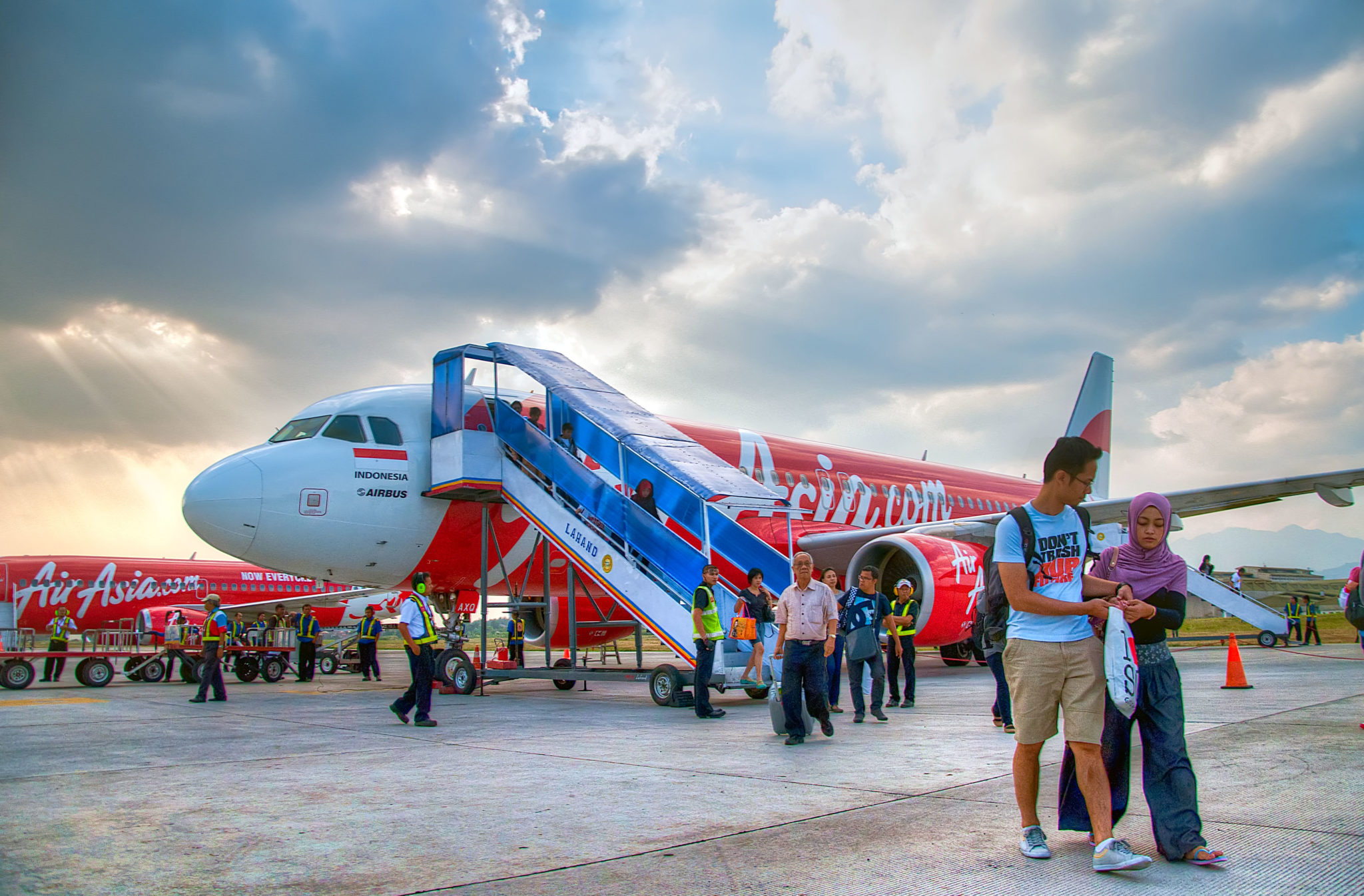
  • Air Asia X named cheapest airline in the world

    Air Asia X named cheapest airline in the world

    ASIA dominates the world’s cheapest airlines list, but the other results may surprise you.You’d think it would be difficult to find out which operator is the cheapest since airlines don’t all share the same routes on the same days. But Rome2Rio’s expert team of data scientists analyzed economy-class airfares sold on the site over  a two-month period to get the definitive answer.

    AirAsia X was declared the cheapest airline in the world for economy class tickets based on price per kilometre in US dollars. According to the survey, the carrier’s international flights cost US$0.07 per kilometre – cheaper than driving.

    Trailing closely behind AirAsia X is Air India Express, Indonesia AirAsia, Primera Air (Iceland), and IndiGo. Further down the list at number 18 is AirAsia Philippines, meaning AirAsia brands dominate the top 20.

    This, however, may not come as a surprise to those who have flown with any of the AirAsia brands before. The airline is constantly offering travel promotions, including the latest Free Seats deal where flyers only have to pay airport taxes.

    The surprising results

    However, there were a few unexpected results in the top 25 cheapest airlines, including higher-end airlines such as Etihad, Qatar Air, and Emirates.

    “Although Qantas ranks highly for value, we are often seeing travelers from the UK to Asia and Australia booking with carriers such as Etihad, Royal Brunei Airlines, China Southern and Emirates,” Rome2Rio chief operating officer Kirsteene Phelan told.

    Rome2Rio found Etihad’s economy tickets to be the fifth cheapest in the world at US$0.10 per kilometre. Etihad Airways’ first class service couldn’t look more different though. The airline boasts the world’s only three-room suites on board a commercial airline.

    Travelers flying from Abu Dhabi to New York, London, Melbourne, Sydney, and Paris can enjoy a living room, bedroom, en-suite shower and a personal Savoy-trained butler for the cool price of US$17,000.

    The report revealed “minor shifts” in pricing and ranking for airlines since the last gathered information in 2016.

    “In general, the low end of both the international and domestic rankings have shifted up in cost per km,” the report stated. “With reports of flight prices headed upwards, largely due to increased fuel costs, this may, unfortunately, be a trend that continues.”

    As aviation proceeds to push boundaries in the sky, flyers can only anticipate how airlines will keep costs down and improve economy comfort.
  • Cebu Pacific Less Profitable in 2017

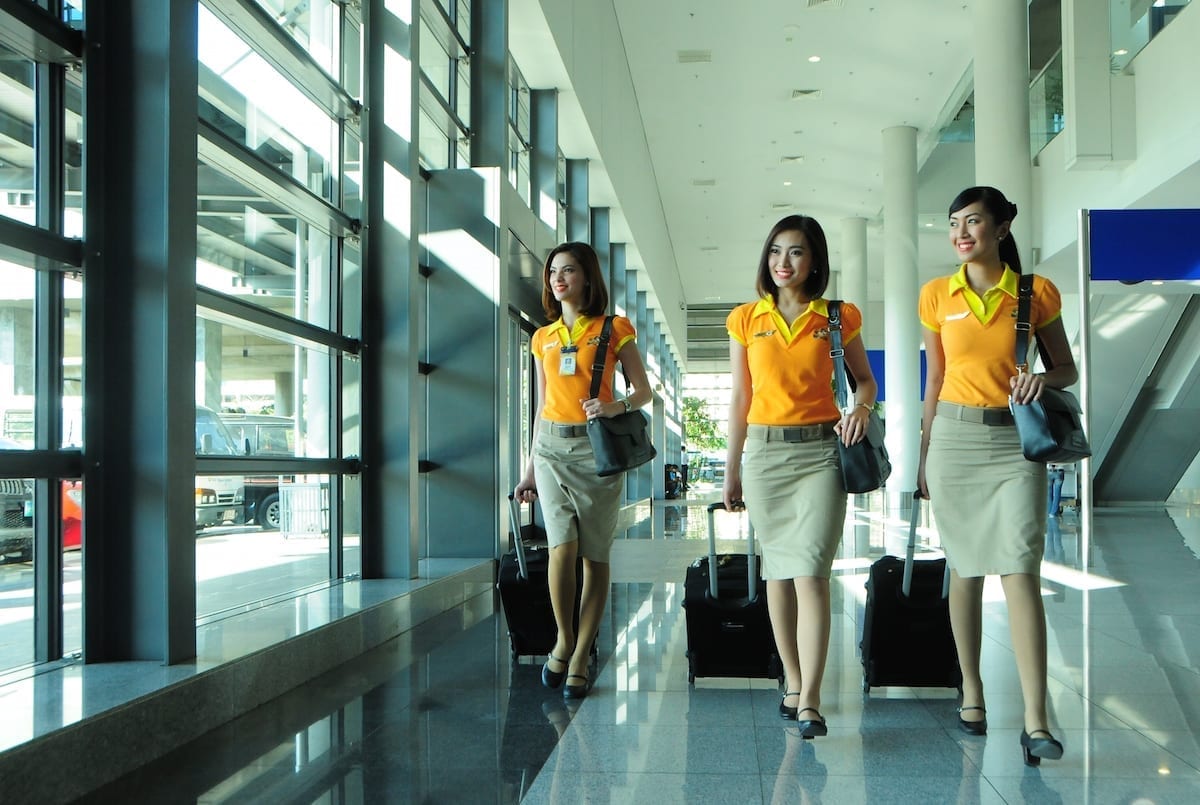
    Cebu Pacific Less Profitable in 2017

    Cebu Air operator of the country’s largest carrier Cebu Pacific, said net income in 2017 dropped by 18.9 percent to P7.91 billion from P9.75 billion in 2016 due to higher fuel prices and operating expenses.

    Operating expenses swelled by 16.6 percent to P57.90 billion in 2017 from the P49.65 billion recorded in the previous year.

    “The increase was primarily due to the rise in fuel prices in 2017 coupled with the weakening of the Philippine Peso against the US Dollar,” the company said in a disclosure.

    Cebu Air Inc is the parent company of airline brands Cebu Pacific and Cebgo.

    Cebu Air said that the Philippine peso ended 2017 at an average of P50.40 per US dollar compared to the previous year’s P47.50 per US dollar.

    “The growth in the airline’s seat capacity from the acquisition of new aircraft also contributed to the increase in expenses,” Cebu Air added.

    The airline company said revenues went up by 9.9 percent from P61.90 billion in 2016 to P68.03 billion in 2017, as passenger revenues increased by 7.2 percent to P49.931 billion.

    “This was mainly attributable to the 3.2 percent growth in passenger volume to 19.7 million from 19.1 million last year, driven by the increase in number of flights by 3.6 percent in 2017 as the Group added more aircraft to its fleet,” the company said.

    Cargo revenues reached P4.60 billion, increasing by 29.2 percent from the previous year, while ancillary revenues went up by 14.9 percent to P13.49 billion.

  • Vietnam Airlines is one of top 10 companies in Vietnam

    Vietnam Airlines is one of top 10 companies in Vietnam

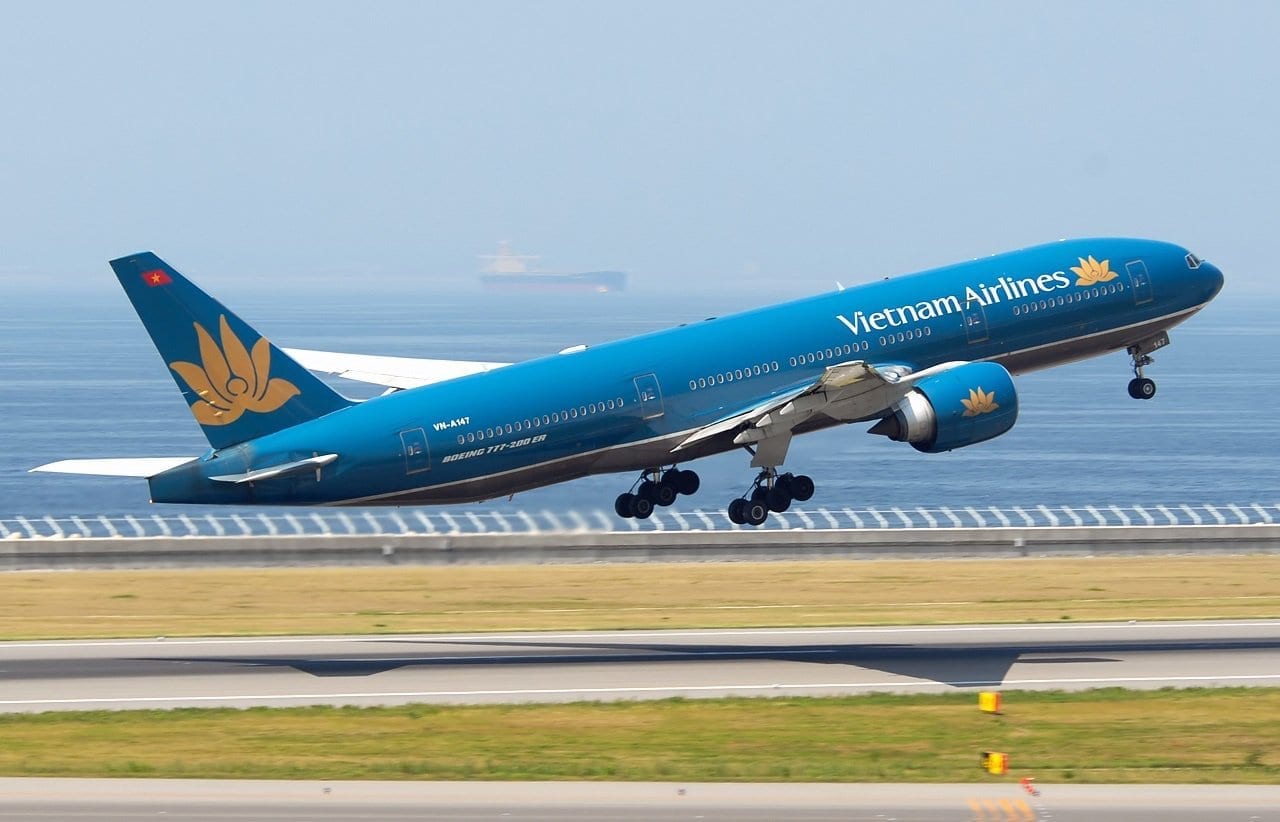
    Vietnam Airlines Corporation has ranked 9th in the Top 50 Vietnam The Best.

    This was revealed at the launch of Việt Nam’s Top 500 largest enterprises (VNR500) in 2017 held in Hà Nội on Friday.

    Last year, the total consolidated revenue of the corporation was estimated at VNĐ88.4 trillion, marking a record pre-tax consolidated profit of VNĐ2.8 trillion, exceeding 72 per cent of the plan and up 8.3 per cent compared with the same period last year.

    The ranking has affirmed Vietnam Airlines’ leading role in the country’s aviation industry as well as its position as a global four-star international airline.

    The firm last year ranked 10th in the same list.

    To feature in the list of Top 50, an enterprise has to be named for three consecutive years in the VNR500 ranking in terms of revenue. Criteria such as good capital use, efficiency, stable profit growth potential and good social and community responsibility are also used for referencing and evaluating.

    VNR500 is based on the Fortune 500 model, which lists the top 500 US companies by revenue of the previous year. In Việt Nam, the ranking of 500 largest enterprises is based on the results of independent research and evaluation as per international standards of the Vietnam Report Company. It has been announced annually since 2007, with the advice of domestic and international experts, especially GS. John Quelch, former vice president of Harvard Business School.

    The VNR500 rankings give people an idea of Vietnamese businesses and let the local business community recognise its position in the context of global integration, business strategy and corporate governance. Basing on this reality, enterprises can set up plans to reach out large businesses in the region and around the world.


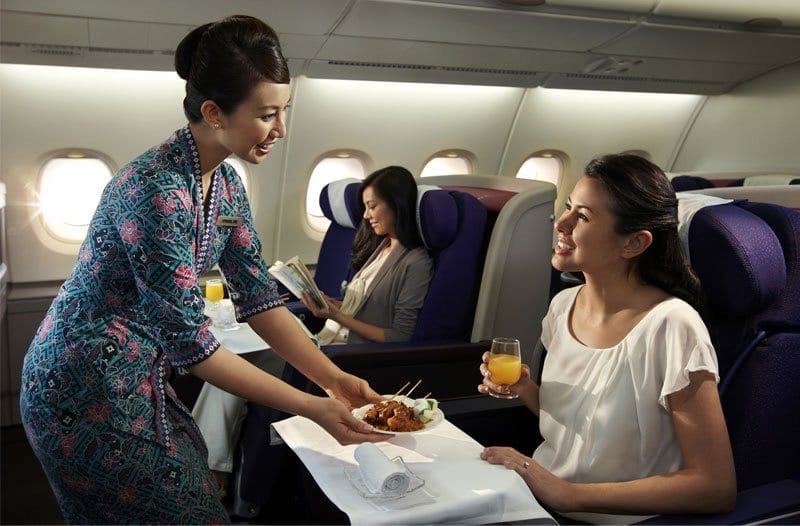
  • Malaysia Airlines moves fully to the cloud

    Malaysia Airlines moves fully to the cloud

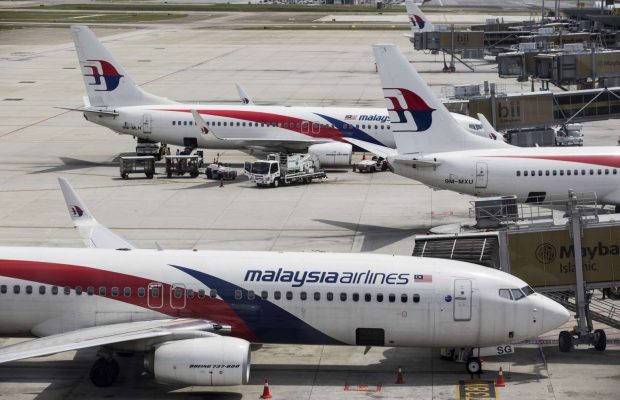
    Tata Consultancy Services has implemented an industry-first transformation project to migrate Malaysia Airlines’ data center to a 100% hybrid cloud model.

    To better enable a competitive-edge and future readiness for the airline, TCSorchestrated the large and complex project to migrate the airline’s core mission-critical data center infrastructure and myriad applications to a hybrid-cloud model operating 80% on Microsoft Azure and 20% on a private cloud.

    The pioneering move makes Malaysia Airlines the world’s first full-service airline to completely replace its existing data centers and adopt full-scale cloud solutions for its entire range of nearly 200 applications running mission critical commercial, operations and corporate systems.

    “We set out with an ambitious goal to digitally transform core IT operations to an as-a-service model, to achieve a quantum leap in cost savings, scalability, efficiencies, agility, and other key factors,” Malaysia Airlines CIO Tan Kok Meng said.

    The cloud-centric model is achieving exemplary results, including a 51% cost reduction forecast over the a 5-year period from mid-2016; productivity improvements up to 80% for core applications; application delivery times accelerated from days to hours in some cases; enhanced security and compliance capability and reporting.

    TCS Asia Pacific president Girish Ramachandran said this industry-first transformation not just drives improved value and enhanced operational efficiencies, but equally important, it enables Malaysia Airlines to deliver a better customer experience that results from a digitally-reimagined all-cloud IT model.

    As primary service partner, TCS collaborated with Microsoft, SAP, and numerous other vendors to ensure Malaysia Airlines’ current phase of digital evolution is seamless and cost-efficient and delivered without business disruption.

    The project scope included re-platforming of legacy applications for cloud compatibility and network service provisioning for large and complex airline operations. See the cloud transformation story in a single snapshot here.

  • Garuda Indonesia reigns as world’s best airline cabin crew for fourth consecutive year

    Garuda Indonesia reigns as world’s best airline cabin crew for fourth consecutive year

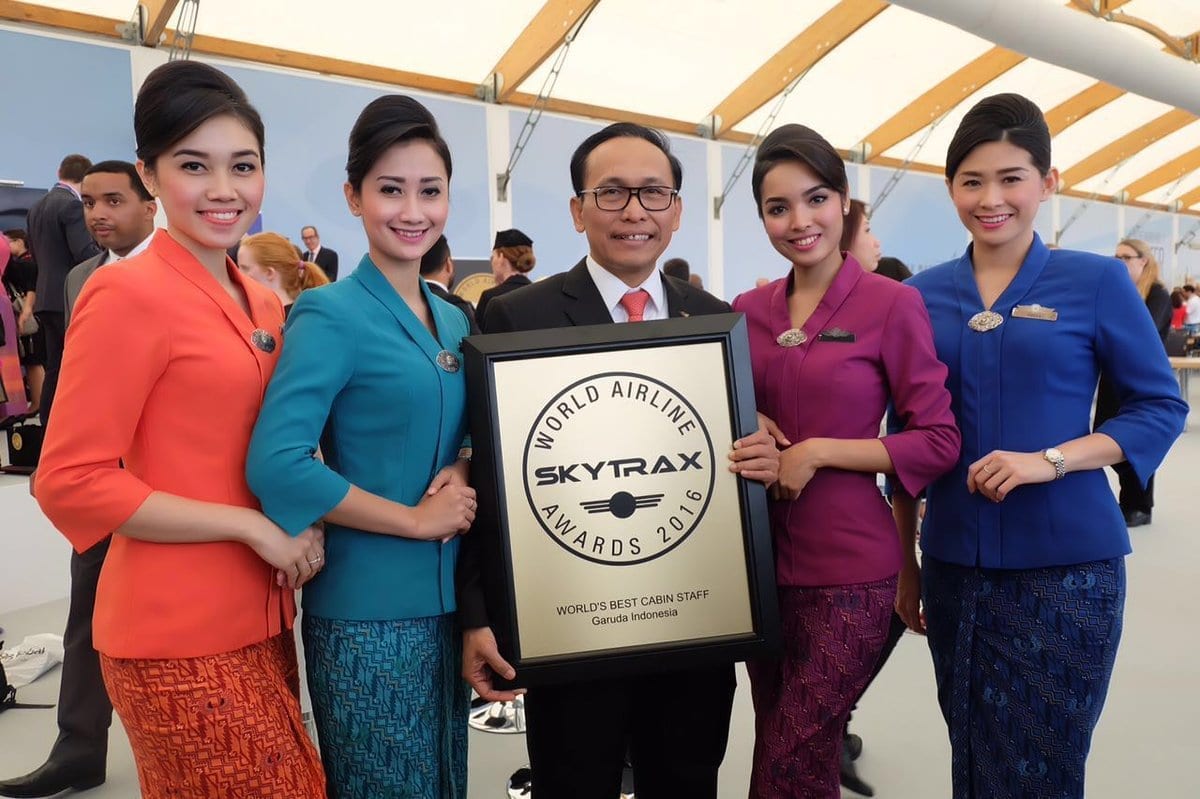
    Indonesia’s flag carrier Garuda Indonesia has won the world’s best airline staff award for the fourth year in a row according to a survey conducted by international rating organization Skytrax.

    Garuda Indonesia took first spot in the category at this year’s World Airline Awards, dubbed as the Oscars of the aviation industry, beating other prestigious airlines in the region such as Singapore Airlines and Thai Airlines.

    In the same category, Japan’s largest airline All Nippon Airways came second, followed by Taiwan-based international airline Eva Air and Thai Airways and Singapore Airlines.  The awards were announced at the Paris Air Show yesterday.

    According to Skytrax, the award “recognizes the highest all-around performance of an airline’s cabin staff” as well as the quality of staff members’ techniques and efficiency and their enthusiasm, attitude and overall hospitality.

    The survey was conducted from August 2016 to May 2017, involving 19.8 million votes.

    This year, Garuda Indonesia improved its position in the best airline category, climbing one spot to enter the top ten carriers on the world’s best airline list.

    The world’s best airline award for 2017 went to Qatar Airways, which took the title from fellow Middle Eastern carrier Emirates.

  • Value of Vietnam’s ‘bikini airline’ overtakes national carrier

    Value of Vietnam’s ‘bikini airline’ overtakes national carrier

    Vietnamese private budget airline VietJet’s market cap surpassed that of state-owned Vietnam Airlines on Monday.

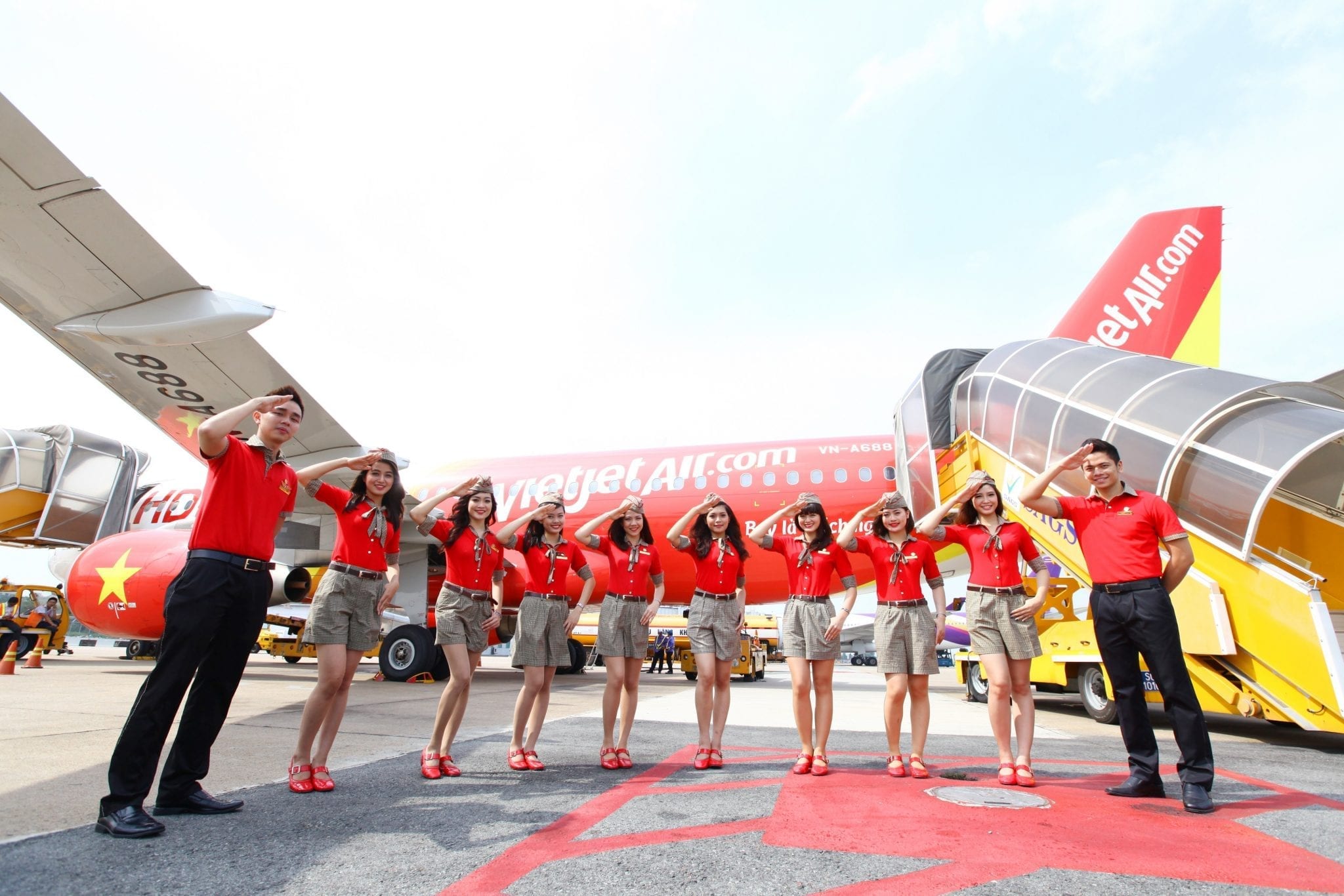
    VietJet grabbed headlines with bikini-clad flight attendants when it was launched in 2011 and its success on the Ho Chi Minh stock exchange reflects its rapid ascent since.

    It has become known in Vietnam as the “bikini airline” and female crew do still wear them, but only on some flights.

    Its market share is expected to top that of Vietnam Airlines this year, a feat it has achieved by tapping into a fast-growing economy and a young population starting to travel more.

    VietJet shares hit VND137,400 ($6.03) each, valuing it at $1.8 billion, ahead of Vietnam Airlines at $1.7 billion.

    On its first trading day VietJet was valued at $1.4 billion and its rival, which listed in January, at $2.1 billion.

    Growth in the Vietnamese market, which is one of the fastest in Asia Pacific, and a relatively small free-float in VietJet shares for retail investors, had driven the price of the shares, brokers said.

    VietJet’s stock has a lower price-to-earnings (PE) ratio of 15.75 compared with 16.63 for Vietnam Airlines, Thomson Reuters data showed.

    The CAPA Centre for Aviation has said that VietJet, which currently commands 40 percent of Vietnam’s domestic market, will likely become the country’s biggest domestic carrier this year.

    Future growth

    Some analysts forecast VietJet shares will jump to more than VND143,000 per share.

    “(The) VietJet story just begins so investors still have a lot of expectation on its shares,” Nguyen Van Dung, manager of the securities consulting department at Saigon Securities, said.

    “But if from investing perspective, I will buy Vietnam Airlines share as the firm has much potential to grow sustainably in (the) long-term and the price now is very good to buy,” he added.

    The listings of VietJet and Vietnam Airlines were part of the government’s push on privatization to boost investment.

    Vietnam, which is slowly opening up its domestic market amid considerable investment interest, has completed several major share sales and listings in recent months, including a $3.72 billion flotation of its top brewer Sabeco SAB.HM in which the government owns nearly 90 percent.

  • Singapore Airlines Q3 operating profit up 1.7%

    Singapore Airlines Q3 operating profit up 1.7%

    Singapore Airlines reported on Tuesday a 1.7 percent rise in third-quarter operating profit, helped by an unexpected growth from cargo and mail, while net fuel costs fell.

    Profit reached S$293 million ($207 million) for the three months ended Dec. 31, S$5 million up from the same period last year.

    The carrier, a barometer of the health of Asia’s airline industry, said “2017 is expected to be another challenging year amid tepid global economic conditions and geopolitical concerns, alongside other market headwinds such as overcapacity and aggressive pricing by competitors.”

    The company has come under pressure due to weakening demand for full-service long-haul travel amid competition from low-cost carriers and Middle Eastern network carriers.

    Operating profit in its main SIA brand fell 16.6 percent to S$151 million. Profit fell 9.1 percent in its Silkair regional airline, and was flat-to-slightly-higher for low-cost subsidiaries, Tiger Airways and Scoot.

     SIA Cargo posted an operating profit of S$53 million, its best third quarter performance in nine years, due to stronger-than-expected demand. In the same period of last year, SIA Cargo only managed a S$2 million profit.

    Net fuel costs declined $200 million, largely due to a $256 million reduction in fuel hedging loss, the company said.

  • Thai airlines raise domestic fares

    Thai airlines raise domestic fares

    Thailand’s low-cost airlines are increasing fares on domestic routes in a respond to a massive increase in excise tax on jet fuel that came into effect last week. The government increased the fuel tax on all domestic flights from 20 satang to THB4  per litre, claiming it was overdue, while bringing the tax more inline with the THB6 a litre tax on diesel fuel.

    Nok Air, Thai Lion Air and Thai AirAsia issued statements, Tuesday, saying they would raise fares on domestic routes to reflect the “real cost increase by THB150 per sector”. It will increase roundtrip fares by THB300.

    This additional cost will be included in all fares posted on Nok Air’s website as of 6 February 2017 onwards, the statement read.

    Thai AirAsia and Thai Lion Air announced the same increase, effective 1 February (Air Asia) and 6 February (Lion Air).

    Bangkok Airways announced later in the day  that it would increase fares by THB200 per sector, effective 8 February.

    Excise Department  director general, Somchai Poolsavasdi, said the increase should generate more than THB4 billion from domestic jet fuel consumption, which is expected to reach 1.2 billion litres a year.

    Excise tax on lubricants has also been raised, to THB5 a litre from zero previously, he said.

    He noted that land transport companies pay THB6 in excise tax on a litre of diesel fuel, while airlines have enjoyed a 20 satang tax (100 satang = THB1) for years. The  tax is not applied to international flights originating or transiting in Thailand.

    The department hiked the fuel tax to create fairer competition in business, he said. It was a reference to rail and bus transport that has suffered a mass migration to airline travel.

    Inter-city bus fares will be slightly more competitive when compared with airline fares after the THB150 is added to air fares. By 2016,  jet fuel costs had declined by 36% since 2014 and this allowed low-cost airlines to quote fares that were almost identical to long-distance bus fares (air-conditioned buses).

    While offering a token helping-hand to bus operators, the government’s other hand will snatch THB4 billion in taxes ultimately from travel consumers.  It is unlikely  to persuade travellers to return to long-distance bus transport noted as the second most dangerous form of transport after the infamous Toyota commuter van.

    Thai aviation has been rising rapidly in recent years powered by low-cost airlines at the expense of land transport. Jet fuel consumption, will exceeds 1 billion litres this year, the director general reported.

    Association of Domestic Travel advisor, Yutthachai Soonthronrattanavate, told Voice TV media that the tax increase would impact badly on domestic tourism.

    “As airlines increase fares to compensate, the burden falls squarely on the consumer’s’ shoulders,” he said.

    “The tax measure will hurt airlines operating domestic flights flying about one hour and using 8,000 to 9,000 litres per trip …it will increase an airline’s costs…in turn passengers will then have to spend more on flights.”

    In the past when fuel prices were high, airlines immediately passed part of the cost to consumers in the form of a “fuel surcharge.”   They eventually were forced to include the surcharge as part of the base fare rather than lumping it with service fees and taxes at the close of the transaction.

    Thailand’s Ministry of Tourism and Sports is counting on domestic tourism to boost earnings and share the benefits of tourism beyond the main gateways.  Low-cost airlines are the main driver allowing urban Thais to explore their country safely and at competitive prices.

    Government officials will argue there are alternatives such as rail and road transport, but the standard and safety of those alternatives lags far behind air travel.

    It would take a massive investment to upgrade rail transport to offer fast inter-city rail travel that could be considered  a credible alternative to low-cost airline travel. It’s decades away which means for most travellers  low-cost airlines continue to be the only choice to get around the country quickly and safely.

    In the TV interview, Yutthachai said the excise department should have staggered increases step by step to give airlines a chance to adjust while cushioning the impact on consumers.

  • Lalique links with Singapore Airlines for elevated travel retail

    Lalique links with Singapore Airlines for elevated travel retail

    French lifestyle brand Lalique is bringing its crystal wares to new heights through an alliance with Singapore Airlines.

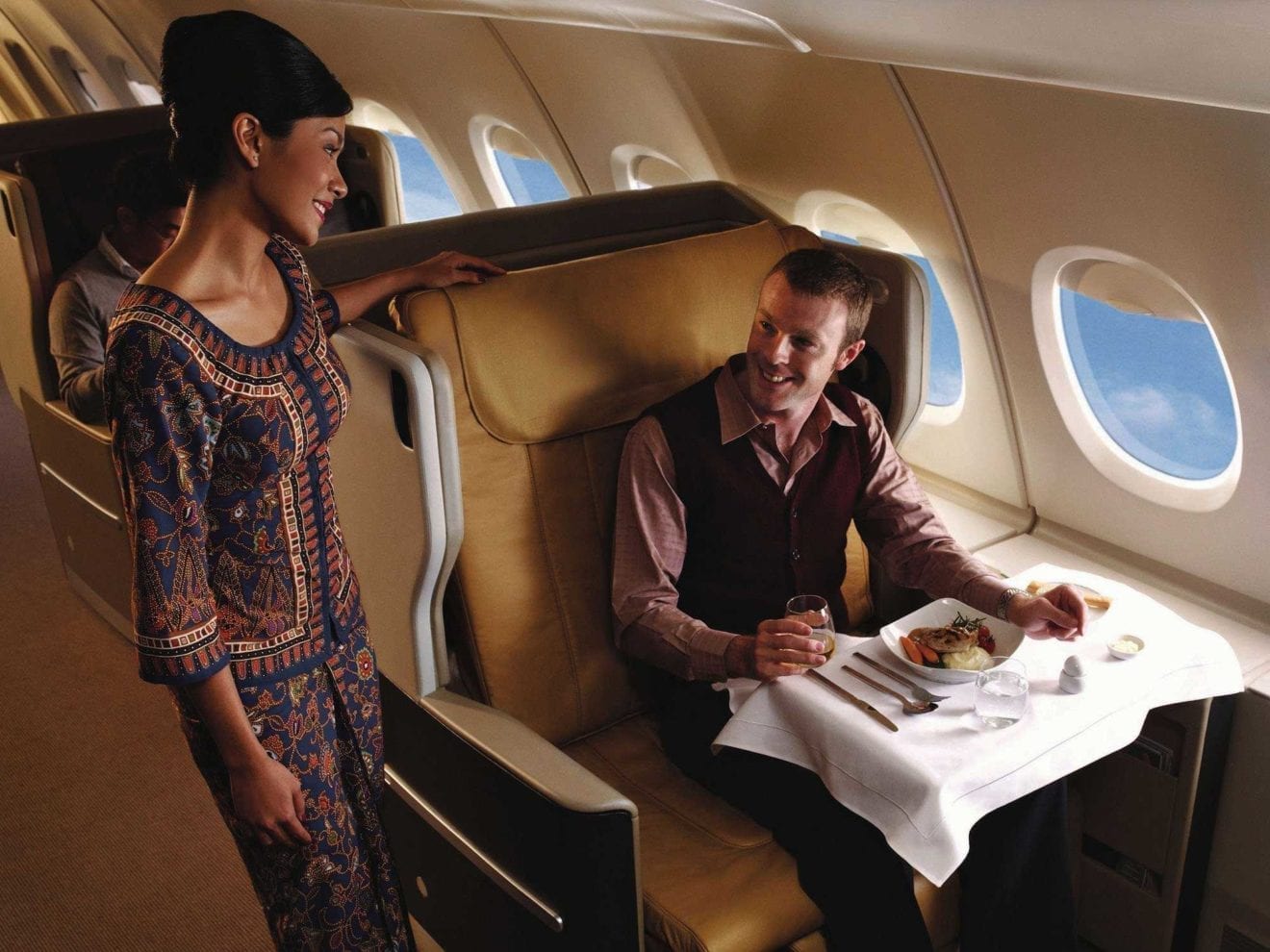
    Through the partnership, the airline will retail co-branded in-flight products such as toiletries and glassware in its suites and first class cabins. For Lalique, this represents an opportunity to introduce its brand range to a captive audience of affluent travelers.

    In-flight branding
    Singapore Airlines (SIA) and Lalique have signed a memorandum of understanding, which reflects their shared goal of enhancing the on-board experience for suite and first class travelers. Together they will market a co-branded collection that includes loungewear, bedding, toiletries, amenity kits and glassware.

    The amenity kits available to these passengers will feature both lifestyle and crystal gifts. Additionally, travelers will be able to take advantage of special offers for Lalique’s manufacturing site, its five-star hotel Villa René Lalique and its two-Michelin star restaurant in France.

    SIA’s KrisShop Magazine will advertise Lalique items that can be purchased in-flight or via mail order from the consumers’ home.

    This partnership will launch with SIA’s next round of Airbus A380s starting in the second half of 2017. From there, the two companies are considering a long-term working relationship, with the possibility of additional collaborations and an exclusive agreement a possibility in the future.

    “We are very pleased to partner with Lalique to offer our premium customers exquisite luxury in the air,” said Marvin Tan, senior vice president, product and services at Singapore Airlines. “Both Lalique and SIA have a long heritage. Leveraging the strengths of both companies, we look forward to bringing the finest traveling experience to our customers through this co-brand initiative.”

    Department store chain Saks Fifth Avenue is similarly establishing in-transit placement by partnering with United Airlines’ newly redesigned business class experience.

    For the United Polaris front cabin passengers, Saks teamed with the airline to create a custom bedding. This first-of-its-kind collaboration represents an opportunity for Saks to be part of travelers’ flight experience, giving them a tactile interaction with the brand on their journey.

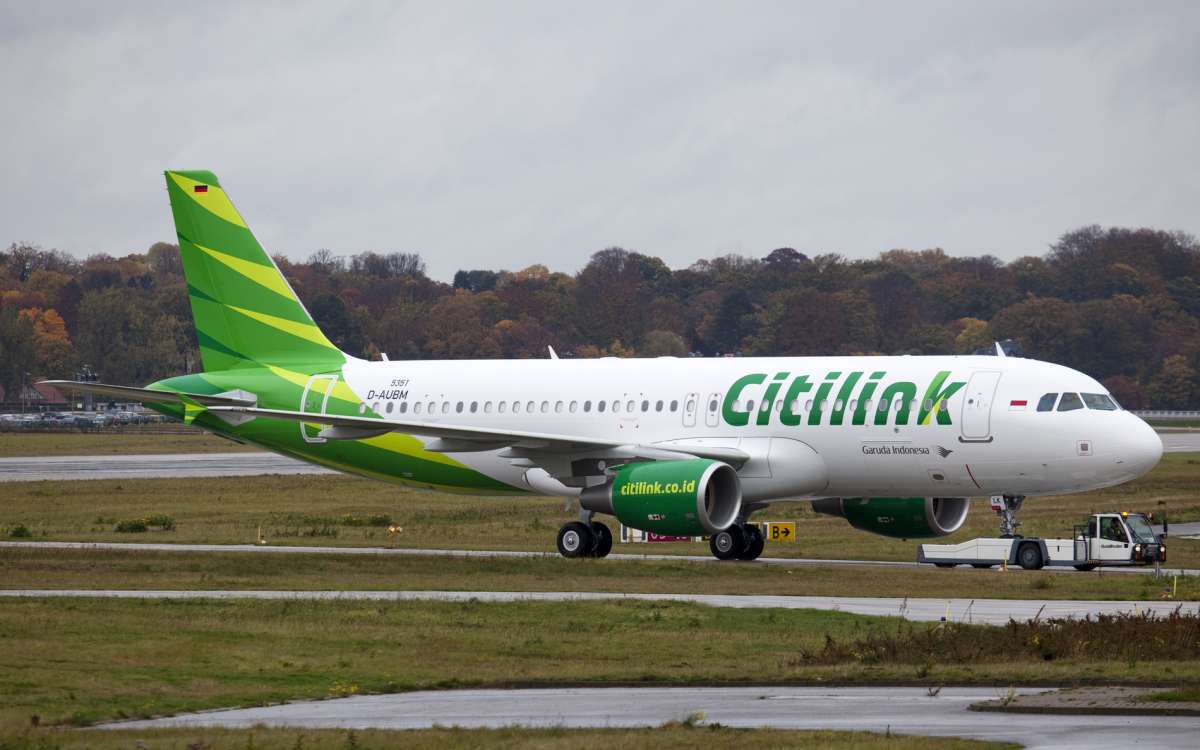
  • Citilink to concentrate on flights to eastern Indonesia

    Citilink to concentrate on flights to eastern Indonesia

    Chief Executive of Citilink Indonesia Albert Burhan said the airline would focus on expanding flights to eastern Indonesia this year.

    Albert said there are potential routes to eastern Indonesia, which have not attracted other airlines.

    “There will be plan to open routes to other areas in Papua, but we start from Jayapura. In 2017 we want to focus on expanding flights to eastern regions of the country,” he said.

    He said he knew not all airports in eastern Indonesia could take wide bodied aircraft like Airbus, the main aircraft of the subsidiary of the nations flag carrier Garuda Indonesia.

    “Only a few could be used for Airbus A320. We might have to rely more on ATR aircraft to be safe,” he said.

    He said eastern Indonesia still needs more airlines to serve flight to and from eastern Indonesia.

    He said he was optimistic Citilink could chalk up quite high load factor in flights between Jayapura and Jakarta, although there are already a number of other airlines serving the route.

    “Our target is a load factor of 80 percent. In our first flight from Jakarta to Jayapura the load factor was almost 100 percent,” he said.

    Citilink Indonesia officially started serving the Jakarta Jayapura route on Monday using Airbus A320 with a seat capacity of 180 passengers.

  • Cambodia’s new airline prepares to launch

    Cambodia’s new airline prepares to launch

    JC International Airlines expects to take delivery of its first aircraft in the coming weeks, ahead of the start of commercial operations from Phnom Penh in February 2017. The carrier has acquired two Airbus A320s from airberlin.

    Part-owned by China’s Yunnan Jingcheng Group, which also operates Kunming-based Ruili Airlines, JC International Airlines is planning to serve domestic and international routes to countries including Malaysia, Singapore and China.

    Cambodia was without an airline for several years until the launch of Cambodia Angkor Air in 2009. Since then a further four airlines have started operating in the country, including Apsara International Air, Bassaka Air, Cambodia Bayon Airlines and Sky Angkor Airlines.

    As such, JC International Airlines will become Cambodia’s sixth commercial airline.

  • Vietnam’s ‘bikini airline’ put to the test

    Vietnam’s ‘bikini airline’ put to the test

    VietJet Air has gone from start-up to Vietnam’s largest private airline in five years. Now it is pushing overseas to keep up that growth and absorb a bumper order of more than 200 planes – no easy task in a cutthroat Asean market.

    The airline, which was set up in 2011, grabbed headlines with its bikini-clad flight attendants. It tapped a rich vein – a fast-growing economy and a young population that was starting to travel more.

    But VietJet’s next step will be more challenging, industry analysts and executives say, as it expands further beyond Vietnam into choked Asean, competitive China or Russia, where VietJet’s fleet of narrow body jets would confine it to the country’s east.

    Infrastructure in the region is clogged and new airport slots are rare. Even Kuala Lumpur, a less crowded airport, is highly competitive, thanks to airlines like Air Asia.

    That has raised questions about VietJet’s ability to absorb one of the region’s largest aircraft orders. “VietJet have been extremely successful in the first five years but what they have done has been entirely domestic,” said Singapore-based analyst Brendan Sobie at consultancy CAPA.

    “The domestic market will start to slow and it is more difficult to expand internationally – some people doubt that they can continue growing at the current rate.”

    According to CAPA, Vietnam’s domestic aviation market grew 30 percent in 2016 to 28 million passengers – nearly five times the growth rate of the broader economy.

    At VietJet’s gleaming offices in Ho Chi Minh City, its chief executive and founder, Nguyen Thi Phuong Thao – also Vietnam’s first female billionaire – outlines plans to push into China, Australia and Russia, where she studied and first worked.

    She dismisses concerns of excess competition, even in China, where local airlines have boomed. More than 10 Chinese carriers have begun flying since the aviation regulator relaxed a six-year suspension on new airline licenses in 2013.

    “Other countries are still doing business with China and VietJet also has its own advantages,” she told.

    “We can ally with Chinese airlines when wanting to expand in the country’s local market.”

    Unlike other new generation carriers in the region who have sought to set up alliances to gain clout without merging, VietJet has resisted.

    Among the airline’s most imminent concerns will be its large aircraft order – more than 200 planes, including more than 100 Airbus A320 family aircraft and 100 Boeing 737 Max 200s – a mixed approach rarely taken by low-cost or new generation airlines, who prefer to streamline engineering needs.

    The Boeing order in particular, announced during a visit by US President Barack Obama, prompted questions over whether the order was placed for political reasons. Ms. Thao dismissed this.

    Industry sources, however, say some of the 200 planes on order may be subject to reconfirmation or other get-out clauses.

    Ms. Thao says the airline has support to finance its orders, worth over $20 billion, but has given no detail. The group has five trillion dong ($221 million) in debt.

    A Boeing spokesman said it had no change to its order. Airbus, which analysts say is most exposed to budget airlines in Southeast Asia including VietJet, declined to comment.

    VietJet ended 2016 with some 40 aircraft but is targeting more than 200 by 2023.

    And it is not without growth potential. Asia Pacific passenger growth is the fastest in the world. The carrier’s pre-tax profit almost doubled last year to over $100 million and it sees its bottom line rising by almost a third this year, thanks to a low cost base.

    An initial public offering to raise $170 million valued VietJet at $1.2 billion. Shares start trading in February.

    “So far, so good,” said analyst Shukor Yusof of Endau Analytics, describing growth so far as “a feat.”

    “But I’m a bit skeptical if this rapid growth can be sustained without affecting the airline’s bottom line.”

  • Cebu Pacific collects donation for sick children

    Cebu Pacific collects donation for sick children

    Low-cost airline Cebu Pacific strengthens its partnership with the United Nations Children’s Fund to reach millions of undernourished children in the country.

    The endeavor is a part of the global organization’s Change for Good program which accepts contributions from passengers on board flights of partner airlines.

    Proceeds contribute to the UN children’s agency’s First 1,000 Days campaign which provides optimal nutrition, from a mother’s pregnancy to a child’s second year of life.

    Since July 1, 2016, Cebu Pacific began accepting contributions of all currencies from passengers. The contributions are being used to fund nutritional supplements distributed to poor households with pregnant mothers or malnourished children. A portion of the funds also support barangay-level information drives on nutrition in Unicef’s focus areas in Northern Samar, Zamboanga and Maguindanao.

    “We are very pleased with how warmly our passengers are receiving the Change for Good Program. Thank you for sharing in our vision of a better future for our children and in Unicef’s advocacy of uplifting lives through the First 1,000 Days campaign,” says Cebu Pacific president and chief executive Lance Gokongwei.

    “Children have the right to survive and thrive. It is important for all of us to pitch in and lift each other up, so that every Filipino child grows up happy and healthy. Your continued support to UNICEF will help make this happen,” says Unicef Philippines representative Lotta Sylwander.

    Sylwander explains the transformative impact of these small acts of generosity. “The nutrition received by children from the womb to their second birthday is crucial for their physical and intellectual development. If these children are able to grow to their full extent, they perform better in school and eventually get better jobs as adults.” A healthy and productive workforce, Sylwander says, is key to nation-building.

    In the Philippines, around four million Filipino children are “stunted.” These children are undernourished, causing irreversible damage to their health, physical growth and brain development.

    The global program Change for Good targets these children by cashing in donations for life-saving materials and services for vulnerable children in more than 150 countries.

    Cebu Pacific has piloted the program in the East Asia and the Pacific region and focuses its collection efforts exclusively to Unicef Philippines’ First 1000 Days program.

  • Malaysia Airlines’ recovery plan on track

    Malaysia Airlines’ recovery plan on track

    Malaysia Airlines Bhd (MAB) has performed well in 2016 and the momentum is expected to continue in the year ahead, backed by its 12-point MAS Recovery Plan (MRP), said Khazanah Nasional Bhd.

    Managing director Tan Sri Azman Mokhtar expressed confidence that the five-year recovery plan, after its 28 months of implementation, was on track and on schedule.

    “They (MAB) are making good progress. Insya Allah (God willing), next year or the year after, (even MAB) have come out publicly to say they are on track to break even and be profitable,” he told a press conference on Khazanah’s financial and strategic performance for 2016 and outlook for 2017 in Kuala Lumpur on Friday.

    Khazanah is the sole shareholder of MAB.

    In August 2014, the Government investment arm unveiled its RM6bil MRP in the quest to return MAB to sustained profitability and revive the flag carrier of Malaysia.

    The plan included cutting 30 per cent of its workforce of 20,000 employees and introducing a new restructured entity which is now called MAB.

    On July 1, 2016, MAB appointed its chief operating officer, Peter Bellew, to replace Christoph Mueller as chief executive officer.

    On the ringgit performance throughout 2016, Azman believes that the currency is “clearly undervalued”.

    “Whether (the depreciation rate is) 10%, 8% or 12%, we believe that our ringgit is undervalued,” he said, adding that Khazanah had also undertaken internal research on the currency performance.

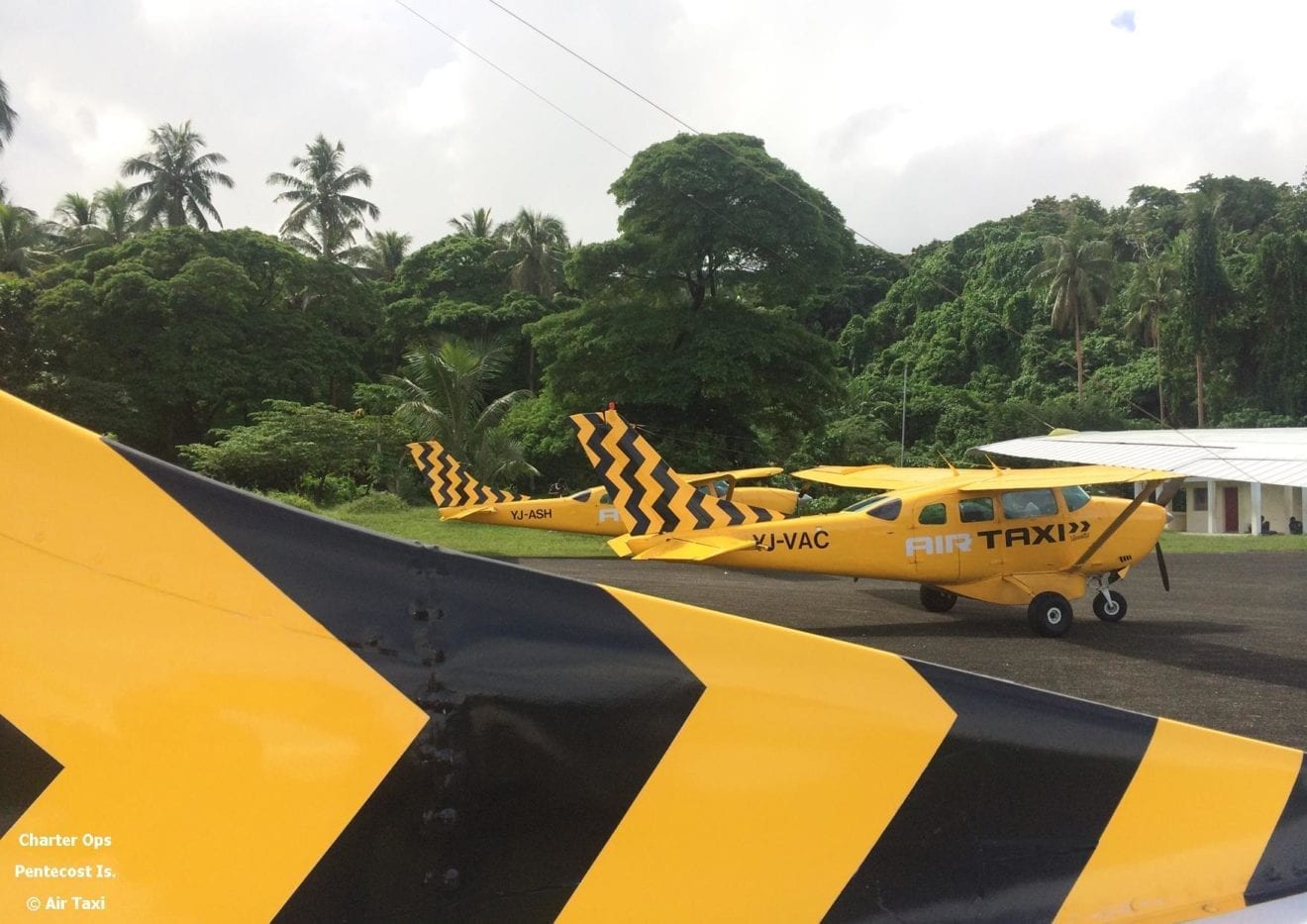
  • Vietnam seeks to establish another airline for taxi, rescue services

    Vietnam seeks to establish another airline for taxi, rescue services

    The military-owned company will have to compete with four others in the general aviation service sector. Vietnam’s aviation authorities are seeking a license for fifth airline to offer chartered domestic and rescue flight services.

    The Civil Aviation Administration of Vietnam (CAAV) has formally petitioned the government to grant the military-owned Saigon Newport Corporation in Ho Chi Minh City an aviation business license.

    According to a business plan submitted to CAAV, the marine and port service company expects to establish a firm to operate two tourist aircraft in south-central Vietnam in 2018.

    In the long term, the company will provide air taxi services, geological surveillance, aerial filming and air ambulance services.

    If licensed, Tan Cang will have to compete with four other companies in the general aviation service sector, including state-owned Vietnam Air Service Company and Vietnam Helicopter Corporation.

    Vietnam defines “general aviation” activities as flying operations in the service of industry, agriculture, forestry, fishery or for the purpose of search and rescue, scientific research, flight training, and other civil ends.

    The operator would be permitted to offer various commercial and civil services, but cannot offer scheduled passenger flights.