Retail News CRM

Tag: appartments

  • Tokyo’s Mid-Sized Apartments Experience Unprecedented Rental Growth in Q3

    Tokyo’s Mid-Sized Apartments Experience Unprecedented Rental Growth in Q3

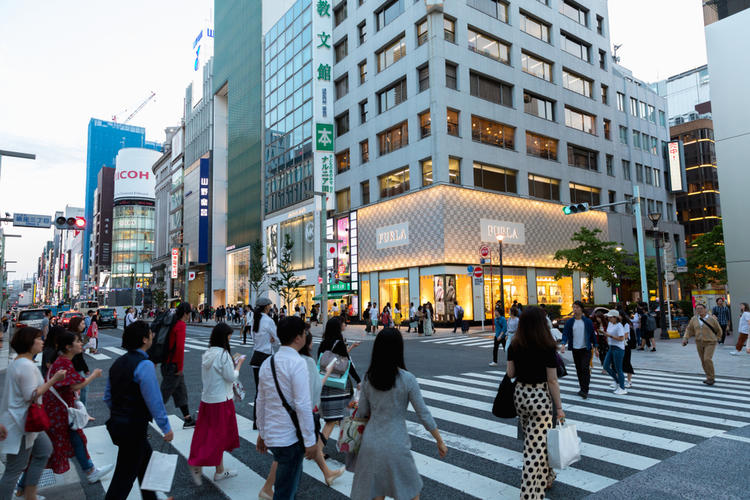
    In the heart of Tokyo, the rental landscape tells a distinct story. A recent report from Savills reveals that the city is dominated by compact living spaces, with apartments typically ranging from 30 to 45 square meters—ideal for the single urban professional. Almost 70% of rental listings in the 23W area feature units that fall into this compact category, signifying a clear preference for smaller residences among tenants.

    A Unique Market Segment

    Unlike cities like New York or London, where apartment sharing has become commonplace, Tokyo’s rental market boasts a large, stable demand for small- to mid-sized units. This trend is particularly noteworthy, as it highlights a cultural difference in living preferences. As the Savills report indicates, “there is a large, stable market for small- to mid-sized units,” catering to a population that seeks both comfort and convenience.

    Rising Rents Reflect Demand

    Average rental prices across various apartment sizes have seen steady growth in the C5W region throughout the third quarter of 2025. The medium-sized units, measuring 30 to 45 square meters, experienced the most substantial increase at 2.4% quarter-on-quarter. Larger apartments, sized between 45 and 60 square meters, followed closely with a 1.2% rise, while the smallest units, spanning 15 to 30 square meters, saw a modest uptick of 0.9%. This upward trend is viewed as a necessary adjustment, addressing the limited availability of these mid-sized apartments that strike an optimal balance between space and affordability.

    Demand Dynamics in Larger Units

    Even with an increasing supply of larger units in 2024, the Ministry of Land, Industry, Transport and Tourism (MLIT) notes that these properties continue to command a premium. The demand remains robust, driven by well-paid professionals who prefer to live close to their workplaces. With flexible work arrangements becoming more common, many residents are now opting for larger spaces that double as home offices—a trend that not only reflects lifestyle changes but also adds a creative twist to the rental market.

    Toward a Balanced Future

    Overall, the rental market in Tokyo appears set for continued growth across all apartment size bands. Following a slight correction in the previous quarter, rents are now on the rise, backed by a steady influx of foreign residents that promises to sustain the momentum. As the city evolves, so do the choices available to its inhabitants—whether it’s a cozy nook for one or a larger space designed for living and working, Tokyo’s rental market is a reflection of its dynamic and diverse citizenry.

    Questions & Answers

    What size apartments dominate the Tokyo rental market?
    Apartments between 30 to 45 square meters make up the majority of Tokyo’s rental listings, accounting for approximately 70% of the 23W area market.

    How have rents changed in the recent quarter?
    Average rents have increased across all size bands, with the 30-45 sq m range seeing a 2.4% rise quarter-on-quarter, highlighting strong demand for these compact living spaces.

    What factors contribute to the demand for larger rental units?
    The demand for larger units is largely driven by well-paid professionals desiring home office space in response to the growing trend of flexible work arrangements, which has reshaped the way many approach urban living.
  • Hong Kong Real Estate Sees Record-breaking Sales Amid Developer’s Financial Struggles

    Hong Kong Real Estate Sees Record-breaking Sales Amid Developer’s Financial Struggles

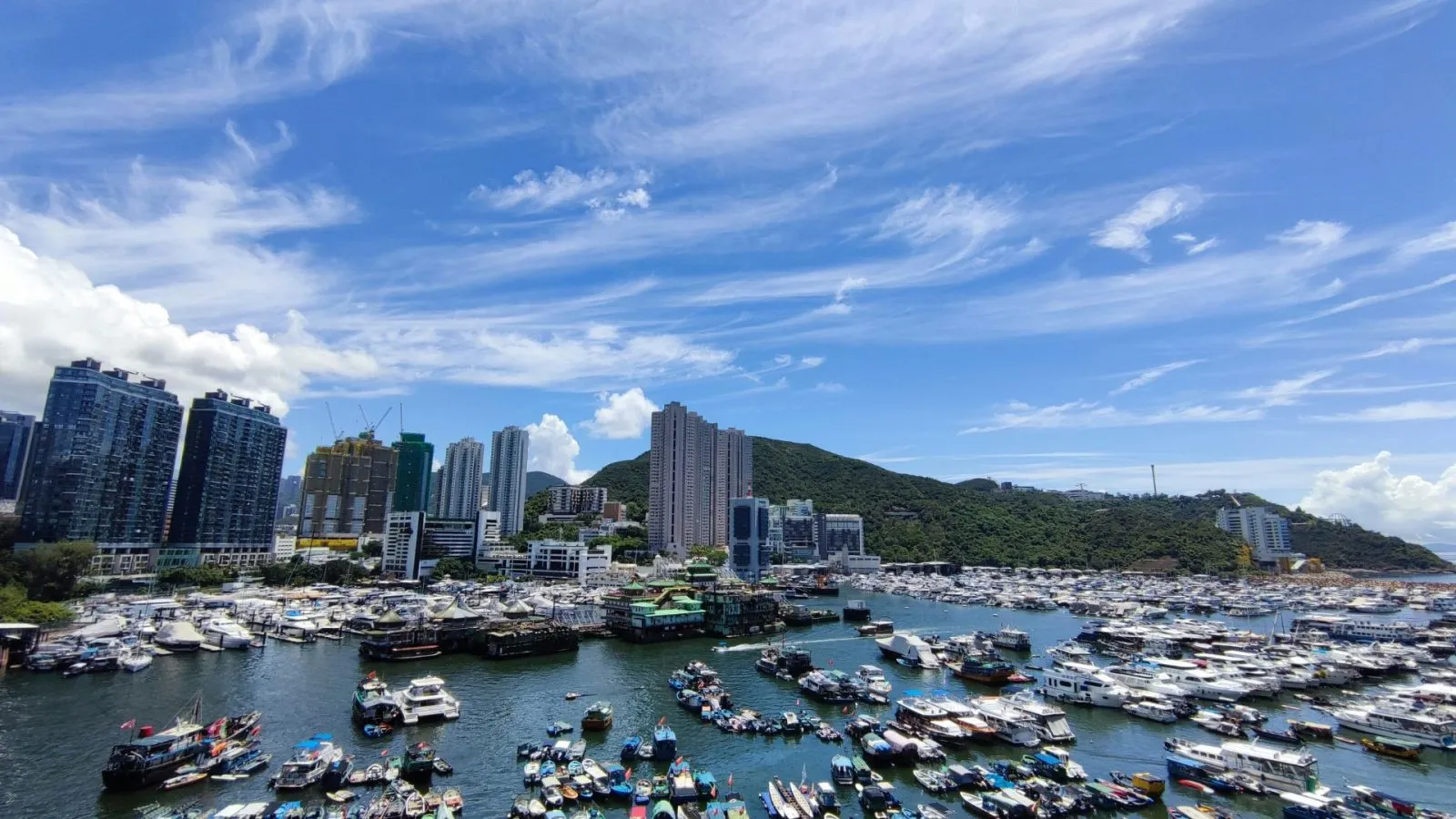
    All 138 units in the Wong Chuk Hang neighborhood were sold within just seven hours of their launch on Saturday morning, raising a staggering HK$1.53 billion (US$196 million), as reported by property agents in the South China Morning Post.

    Record-Setting Prices and Swift Sales

    The new apartments, which feature two to four bedrooms, were priced between HK$8.5 million and HK$37.2 million each. This pricing resulted in an average cost of approximately HK$21,000 per square foot (US$28,800 per square meter)—a remarkable record low for new homes in the area, according to Bloomberg. This price point was about 4.5% less than that of CK Asset Holdings’ Blue Coast project, which ignited a buying spree in the same locale last year.

    In a splendid turn of events, Deep Water Pavilia was developed by New World, the flagship real estate company of the billionaire Cheng family and one of Hong Kong’s “big four” developers, alongside Empire Group Holdings, CSI Properties, Lai Sun Development, and MTR Corporation.

    Investor Interest and Market Dynamics

    Louis Chan Wing-kit, the CEO of Centaline Property Agency, noted that the project has attracted both end-users and investors alike, thanks to its competitive pricing and prime location directly above a mass transit railway station. The allure was further cemented by the fact that around 40% of buyers were investors seeking rental income, a reflection of current market trends, as reported by Sammy Po Siu-ming, CEO of Midland Realty’s residential division for Hong Kong and Macau.

    The robust sales are a welcome financial boost for New World, which has been facing rising financial pressures. Just weeks prior, in late May, the developer announced it would defer US$77.2 million in coupon payments on four perpetual bonds due that month. New World became the second Hong Kong property firm to take such a step in recent years, highlighting the ongoing struggles within the city’s property market plagued by price declines, sluggish sales, and high-interest rates.

    New World faces significant challenges, holding one of the highest debt ratios among its competitors. The company is under increasing pressure to manage its HK$87.5 billion in borrowings, especially after pledging around 40 properties—including its flagship commercial complex at Victoria Dockside—as collateral.

    Navigating Succession and New Horizons

    Amidst these financial challenges, the Cheng family—Hong Kong’s third-richest clan with an estimated fortune of US$19.5 billion according to Forbes—finds itself navigating complex succession issues. The group underwent two CEO changes last year following a record HK$19.7 billion loss for the fiscal year ending June 2024, with Adrien Cheng, once seen as the heir apparent, stepping down. His successor lasted only two months, leaving many eyebrows raised about the family’s leadership stability.

    With these developments unfolding, it seems that the property’s rapid turnover is not just a fleeting trend, but perhaps the beginning of a new era in the Hong Kong real estate landscape.

    Questions & Answers

    What types of apartments were sold in Wong Chuk Hang?
    The sold apartments ranged from two to four bedrooms.

    How much money did New World raise from the sales?
    New World raised a total of HK$1.53 billion (US$196 million) from the sale of the 138 units.

    What financial challenges is New World facing?
    New World is dealing with high debts, including HK$87.5 billion in borrowings, and has deferred coupon payments on bonds amid a struggling property market.

  • Rents for Hanoi serviced apartments plunge to three-year low

    Rents for Hanoi serviced apartments plunge to three-year low

    Hanoi serviced apartment rents fell by 3 percent to a three-year low of VND547,000 (US$24.16) per square meter per month last quarter, according to Savills Vietnam.

    Compared to a year earlier the average rents for grades A-C apartments decreased by 4 percent to VND705,000, and 11 percent to VND233,000.

    The average occupancy remained unchanged from the third quarter at 69 percent but increased by 2 percent year-on-year.

    Nam Tu Liem District saw the highest rate of 83 percent, followed by Hai Ba Trung with 79 percent and Long Bien with 78 percent.

    Ten grade A and B projects has an occupancy of more than 90 percent.

    Post-Covid-19 tenants have higher requirements of the place they live in, prioritizing a good healthcare system, air quality and green space, according to a global survey done last year. Branded serviced apartments that collaborate with epidemiologists to improve their healthcare and safety quality are thus favored by tenants now.

    Savills said investors are opting to build serviced apartments on a smaller scale, and studio and one-bedroom apartments account for 49 percent of the market now.

    Apartments with two and three bedrooms account for 35 percent and 14 percent.

    The four projects that came into the market last year have small units with an area of 15-56 square meters accounting for some 65 percent.

    The revenue per square meter from small apartments is 4-15 percent higher than from larger ones.

    Studio and one-bedroom serviced apartments are becoming flexible, offering dual keys and both long-term and short-term lease.

    Savills said thanks to having double the space (kitchen, living room and office), dual-key apartments serve tenants’ demand for working remotely.