Retail News CRM

Tag: Argos

  • JD.com Eyes UK Retail Expansion with Potential Acquisition of Argos from Sainsbury’s

    JD.com Eyes UK Retail Expansion with Potential Acquisition of Argos from Sainsbury’s

    British supermarket titan Sainsbury’s is currently exploring a potential sale of Argos, the general merchandise retailer it acquired for £1.1 billion (about $1.5 billion) back in 2016. The discussions involve Chinese e-commerce behemoth JD.com, hinting at a transformation for Argos in the increasingly competitive retail landscape.

    Shifting Focus and Future Prospects

    Under the leadership of CEO Simon Roberts since 2020, Sainsbury’s has sharpened its focus on food, signaling a strategic shift away from non-food segments. The supermarket chain stated that a partnership with JD.com could bolster Argos by infusing the brand with world-class retail technology and logistics expertise. This, according to Sainsbury’s, would catalyze growth for Argos and elevate the customer experience to new heights.

    Commitments on the Table

    While the discussions are underway, Sainsbury’s clarified that no agreements have been finalized, and there remains uncertainty regarding the outcome of any potential transaction. The retailer emphasized that any sale would come with commitments aimed at benefiting customers, employees, and partners alike.

    Argos: A Retail Game-Changer

    Argos holds its ground as the U.K.’s second-largest general merchandise retailer, claiming the title of the third most visited retail website in the country. In addition, the brand boasts over 1,100 collection points, making it a familiar name for consumers across the region.

    Sainsbury’s Commitment amid Evaluations

    Despite contemplating a potential sale, Sainsbury’s remains dedicated to steering Argos toward a successful future, reporting that its existing strategy is yielding “solid progress.” With a market capitalization of £7 billion ($9.5 billion), Sainsbury’s stands as Britain’s second-largest supermarket group, just behind Tesco. In juxtaposition, JD.com, a Nasdaq-listed giant valued at $48 billion, is looking to broaden its horizons beyond its established market in China.

    Global Aspirations for JD.com

    As part of its international ambitions, JD.com is also navigating a €2.2 billion takeover of German consumer electronics retailer Ceconomy, which is currently awaiting regulatory review. The company had previously eyed British electronics retailer Currys, only to withdraw from negotiations last year.

    Questions & Answers

    What prompted Sainsbury’s to consider selling Argos?
    Sainsbury’s is shifting its focus more toward food under CEO Simon Roberts, leading to a strategic reassessment of its non-food assets like Argos.

    What advantages does JD.com bring to the table regarding Argos?
    JD.com could provide extensive retail, technology, and logistics expertise, which would help enhance Argos’ growth and improve the overall customer experience.

    What are the current market standings of Sainsbury’s and JD.com?
    Sainsbury’s holds a market capitalization of £7 billion ($9.5 billion) while JD.com is valued at $48 billion, showcasing the vast difference in their market positions.
  • Sainsbury’s management ‘playing the long game’

    Sainsbury’s management ‘playing the long game’

    Sainsbury’s management appeared unphased after emerging as the underperforming grocer of the UK top four this quarter. Should investors be worried? In the short term, Sainsbury’s may struggle, but they have solid long term prospects.

    Margins have dropped to 1.9 per cent and like-for-like sales increased by only 1.6 per cent which is poor when it is reportedly passing on inflation of 1.7 per cent. All the other major supermarkets performed above expectations, even the floundering ASDA moved into positive like-for-likes after 12 consecutive quarters of negative growth.

    The theme within the food retail sector has been one of anticipating inflation, moving to offset the impact on margins with cost savings programmes and range manipulation, along with efficiency targets. This has resulted in relatively stable margins for the majority of the grocers, alongside impressive cost reduction, and the best sales growth for five years. Sainsbury’s is therefore the anomaly here.

    This can mean one of two things: Sainsbury’s is struggling more than the other grocers to weather the storm; or Sainsbury’s is less short-term focused than the other grocers and thus playing the long game.

    Muted sales growth and a lack of evidence for the momentum from the first quarter continuing into the second (Q1 like-for-likes were 2.3 per cent and Q2 0.6 per cent) is problematic for Sainsbury’s, and with its positioning as a more premium grocer, consumers trading down in store and to cheaper competitors is more pertinent. However, they are still growing and the poor weather has a strong effect this quarter due to its high proportion of fresh food.

    If we look at the factors eating into Sainsbury’s profit, we can see that it comes from (in order of size) price investment, input cost inflation, and Argos losses (Argos posted a loss in the first-half year, making most of its profit over the festive period). Ignoring Argos losses, the contributors to margin decline are therefore factors which all other supermarkets are experiencing.

    The other grocers implemented strict cost saving programmes and margin targets in the run-up to Brexit. Tesco, for example, expects 3.5-4 per cent operating margin by 2019/20 and is seeking to achieve £1.5 billion of cost savings in its turnaround period. Morrisons is in full transformation mode with a number of efficiency savings still to take advantage of, and Asda is potentially recovering from a dismal three years. However, as much as many of these changes were needed, there is the risk that the other grocers are damaging their prospects in the long term by maintaining momentum in the short term. Lower investment and more short cuts, refurbishment, aggressive consolidation, a lack of development, and focus on cash flow might hamper the chances of long term growth. Short term gains may cause long term pain.

    Sainsbury’s did not suffer to the same extent as the other grocers from the onslaught of the discounters, and thus has less to turnaround from. Therefore, as it survived through one difficult period, we think that its lack of action is actually a tactic. Sainsbury’s is highly focused on adapting to consumer consumption trends – its product innovation and range consolidation is unrivalled, same day delivery is being extended, and space repurposing has been successful with Argos. In addition, in the first half of 2017/18 it chose to absorb much of the cost inflation without offsetting it against efficiency savings, thus dragging on margins, and allegedly this level of investment is unlikely to happen again.

    Fundamentally, Sainsbury’s needs to improve its growth in the third quarter to avoid losing market share, but one bad quarter hasn’t prompted them to “chase unprofitable volume” as Mike Coupe put it. We have confidence that Sainsbury’s is adapting to the consumer the best out of all of the supermarkets, but the problem is that its niche is slightly more upmarket than the others of the big four, and thus in a time of critical uncertainty, without offsetting, margins are going to take a temporary hit.

    Sainsbury’s management know the company is well placed to chase the consumer and develop with demand, and thus we think that this strategy of allowing margin decline (within reason) is actually more of a tactical long term play, than disguising short term panic.

  • John Lewis fashion sales soar

    John Lewis fashion sales soar

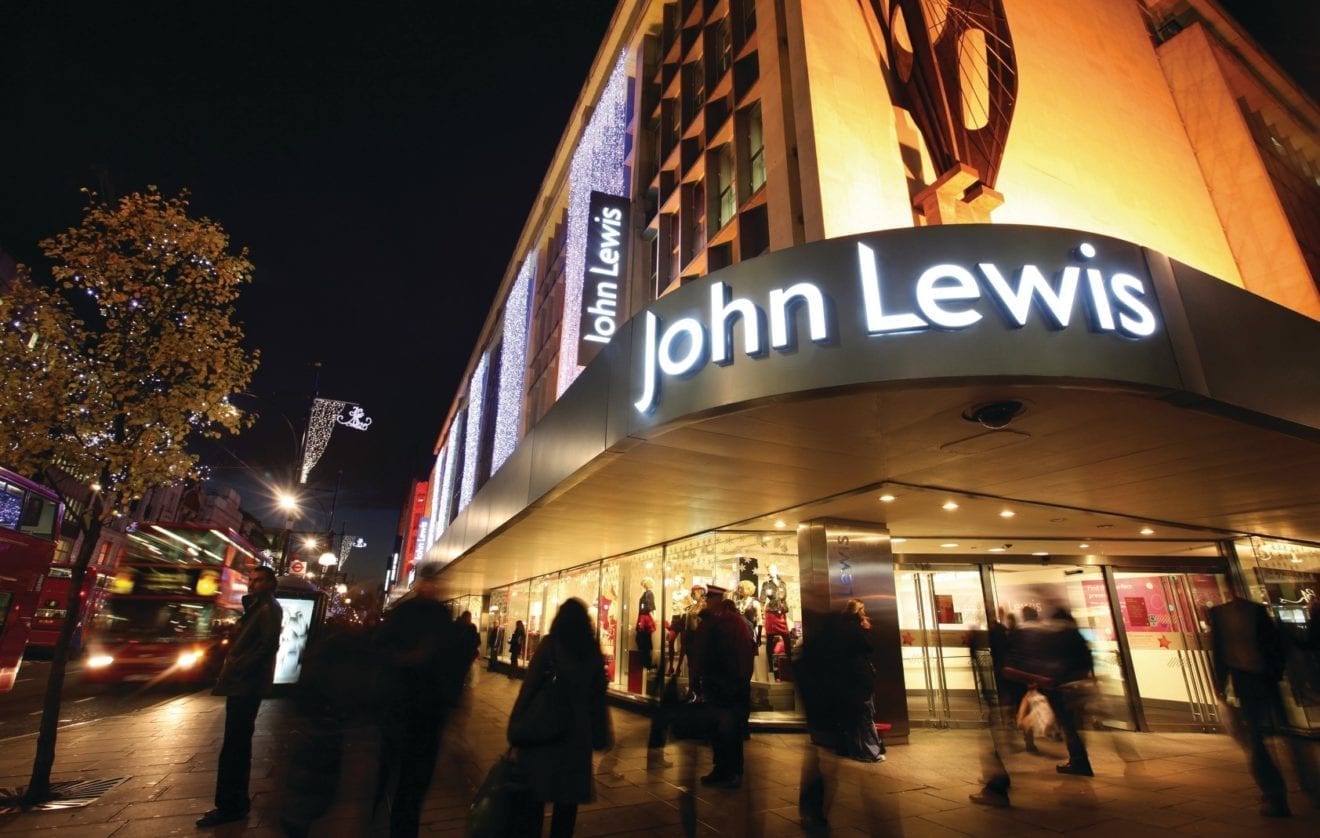
    John Lewis fashion sales rose a tremendous 7.2 per cent over Christmas – eclipsing the UK department store’s rivals, even robust performances by Debenhams, M&S and House of Fraser.

    Own brand collections continued to strengthen throughout 2016, with the inclusion of Modern Rarity filling a gap in its private label brand portfolio by appealing to a stylish, design-led shopper and taking Cos on as a direct rival. John Lewis should consider taking this brand into menswear, given the outperformance of menswear in 2017 versus other clothing sectors, and the current gaps in the market for brands targeting the 30-45 year old male shopper.

    Its Electricals Home & Technology division was up against the strongest comparative, rising 4.8 per cent against a 9.6 per cent rise last Christmas. The department faced huge discounting pressure from rivals Amazon, Argos and Dixons Carphone, particularly over Black Friday when promotions were offered over a week ahead of the main event. However, John Lewis’ strategy of selling the latest models across technology categories will have limited its exposure to the breadth of discounts available elsewhere.

    As one of the leading players in selling affordable smart home technology, John Lewis can expect to see a greater uptake in demand in 2017 following its significant investment in the department during 2016 and increasing consumer awareness.

    Home reported the slowest sales growth at 2.7 per cent against a 5.1 per cent rise last year, though this is outperforming both the home and furniture markets and is resilient given the fall in housing transactions.

    Paula Nickolds takes over the reins this month from Andy Street, marking the start of a new era for the department store. Nickolds’ understanding of the business will ensure Street’s legacy and strategy will be carried forward, but her new appointment begins at the start of what will be a challenging and unpredictable three year (at least) period, so new initiatives will be important to stimulate demand.

    -Honor Strachan

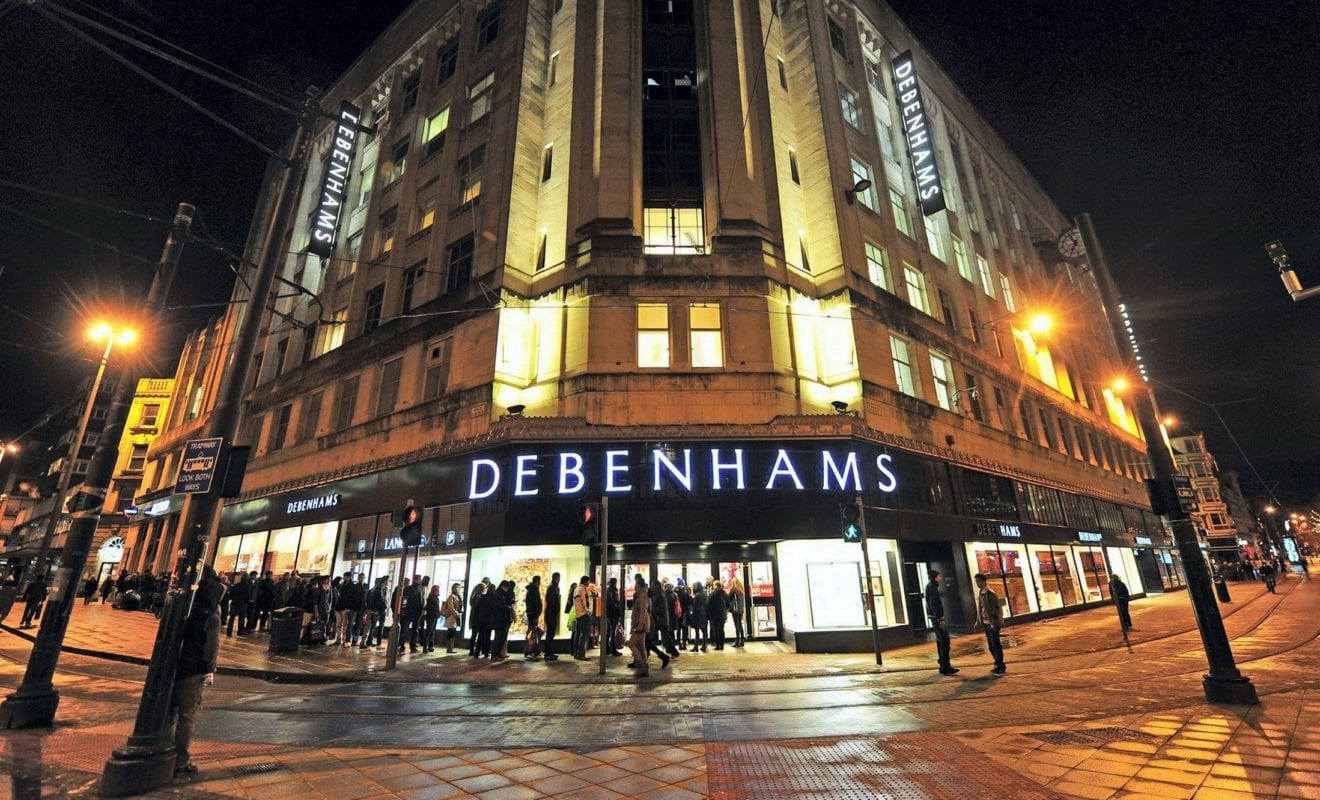
  • M&S, Debenhams stand most to gain from BHS breakup

    M&S, Debenhams stand most to gain from BHS breakup

    Only the very bravest of investor should consider retaining BHS in its current dilapidated state. But if such a buyer cannot be found, and a BHS breakup ensues, with the store estate sold to other retailers, Marks & Spencer and Debenhams would be the main beneficiaries.

    As the deadline for bids for BHS looms, hopes are rising that a buyer can be found for the entire store estate and that its 11,000 employees can be protected. Even if such a buyer is found, it is likely to have to conduct major surgery to revive the moribund brand. Verdict data shows that it has consistently lost market share to its competitors in all its key sectors, and its weak multichannel offer, dated brand and underinvested store environment mean any buyer would have to think seriously about retaining the BHS name.

    BHS’ clothing proposition has become ever more irrelevant over the years, and many of its clothing shoppers have already defected to more agile competitors, leading to its market share more than halving in the 10 years to 2015.

    BHS clothing market share 2010-15

    BHS’ predominantly 45+ shopper base enjoy the convenience of shopping for a disparate variety of products under one roof, which means that department store rivals such as Debenhams and M&S would be first in line to benefit from its fallout. The grocers should also receive a much-needed boost given the similarity of their clothing proposition to BHS in terms of design and affordability.

    This is backed up by looking at where BHS clothing shoppers also tend to shop (from Verdict’s March 2016 How Britain Shops survey of 10,000 consumers) – M&S is the clear leader, and should be able to translate this into an increase in market share.

    Where BHS clothing shoppers also shop for clothing

    Clothing specialists at the value end of the market, such as Matalan, Primark and New Look are also likely to benefit; as are online pureplays such as Amazon – albeit to a lesser extent.  It is, however, those retailers that make a concerted effort to draw in BHS shoppers, through customer acquisition initiatives such as targeted promotions or local marketing campaigns that will see the maximum gains.

    BHS homewares market share 2010-15

    BHS’ unopposed trudge toward mediocrity has had a significant impact on where its remaining shoppers are likely to now go for homewares purchases. The retailer’s brand positioning means its shoppers will have also shopped at the ever growing homewares discounter set, like B&M and Home Bargains. However, it is Amazon and Argos, both value focused retailers with modern and extensive delivery/channel offers that have been the main beneficiaries of disaffected BHS shoppers in the past and will undoubtedly be so in the future.

    High street retailers M&S and Debenhams are also in line to see a marginal upswing as high street focused customers seek out alternatives. The former has the most similar customer profile to BHS and hence is more likely to be a first choice. However, M&S has made some strategic moves to appeal to younger, more fashion-conscious homewares shoppers in recent years, therefore BHS’ customers may be a little surprised about what is on offer when they visit, aside from its core bedding and bathroom offer.

    Living room textiles: Home Retail Series market share 2015

    BHS is currently strongest in softer, more aesthetic categories, such as living room textiles and lighting, as opposed to functional products such as cookware. Therefore its demise would be unlikely to have a significant impact on the grocers. Conversely, Dunelm and Next share a similar emphasis on textiles and design-led categories, and as such, their already strong performance in the homewares category is likely to be bolstered further should BHS disappear altogether.