Retail News CRM

Tag: Asia-Pacific

  • Starbucks and Jay Chou Ignite the Summer with Fantasy Experience Across Asia-Pacific

    Starbucks and Jay Chou Ignite the Summer with Fantasy Experience Across Asia-Pacific

    In a creative move, Starbucks has teamed up with Mandopop sensation Jay Chou to introduce a unique ‘Fantasy’ Summer Experience throughout the Asia Pacific. This novel initiative includes exclusive beverages, limited-edition merchandise, and music-themed in-store experiences influenced by the superstar’s discography.

    The campaign kicked off in Taiwan on June 20 and will gradually unfold in Hong Kong, Macau, Malaysia, and Singapore at various points during the summer season.

    A Unique Blend of Music and Merchandise

    This one-of-a-kind partnership draws inspiration from Chou’s iconic ‘Fantasy’ musical universe. The collaboration features themed drinkware and lifestyle products, along with personalised beverage recommendations. These drink suggestions are based on the star’s favourite Starbucks drinks, offering customers the option to customize them to their preferences.

    Furthermore, select Starbucks locations will offer immersive experiences, such as music-inspired displays and creatively designed spaces. These interactive elements aim to highlight Chou’s unique artistic style and his enduring bond with his fanbase.

    Nancy Lo, Starbucks Asia Pacific’s VP of Product and Marketing, said, “Music and coffee both have a unique way of connecting people and transporting us to a particular memory in time. With this partnership with Jay Chou, we hope to celebrate those small, yet significant moments in our daily lives – like the pleasure of sipping a favourite drink or listening to a beloved song.”

    In further collaboration news, Starbucks and Jay Chou joined forces earlier in May to unveil a unique partnership in China. This venture introduced exclusive beverages and merchandise across more than 8,000 stores.

    Questions & Answers

    What is the ‘Fantasy’ Summer Experience?
    The ‘Fantasy’ Summer Experience is a unique initiative launched by Starbucks in collaboration with Mandopop star Jay Chou. It features exclusive beverages, limited-edition merchandise and music-themed in-store experiences influenced by Chou’s music.

    Where and when will the ‘Fantasy’ Summer Experience be available?
    The experience kicked off on June 20 in Taiwan and will gradually unfold in Hong Kong, Macau, Malaysia, and Singapore throughout the summer season.

    What does this partnership entail for Starbucks store guests?
    Customers will have access to customized beverages based on Jay Chou’s favorite Starbucks drinks, themed drinkware, lifestyle products, and immersive in-store experiences celebrating Chou’s unique artistic style.


  • Buccellati Unveils Palatial Asia-Pacific Flagship Store in Bangkok, Boosting Presence in Southeast Asia

    Buccellati Unveils Palatial Asia-Pacific Flagship Store in Bangkok, Boosting Presence in Southeast Asia

    Renowned Italian jewelers Buccellati have recently expanded their presence in the Asia-Pacific region with the inauguration of their largest store in Thailand. The store, situated on the M Floor of Siam Paragon in Bangkok, signifies the brand’s debut in the Thai market, contributing to its burgeoning retail network across the region.

    An Italian Heritage in a Modern Setting

    The design of the store is a tribute to Buccellati’s Italian lineage, featuring wooden paneling, handmade stucco finishes, and adornments reminiscent of European palaces. The store’s interior also includes a collection of antique furniture and mirrors from the 18th and 19th centuries. Two 16th-century mirrors from Naples, preserved with their original mirror plates and made using the traditional doratura a mecca gilding technique, are among the notable pieces on display. According to Buccellati, these mirrors were handpicked for the Bangkok location.

    The store offers a diverse range of Buccellati’s jewelry collections, such as Macri, Opera, and Tulle. In addition, customers can find high-end jewelry pieces, silverware, flatware, and giftware. The boutique also provides customers with an opportunity to witness the hand-engraving techniques that have become a signature of the Italian fashion house.

    Buccellati was established in Italy by Mario Buccellati and has since carved a niche for itself for its handmade jewelry and silverware. The brand is currently under the ownership of Richemont, and members of the Buccellati family continue to serve in key managerial positions of the enterprise.

    Questions & Answers

    What is unique about the new Buccellati store in Bangkok?
    The Buccellati store in Bangkok is the brand’s largest in the Asia-Pacific region and features a design that reflects the company’s Italian heritage.

    What does the store offer to its customers?
    In addition to offering a selection from Buccellati’s various jewelry collections, the store features high-end jewelry pieces, silverware, flatware, and giftware. Customers can also experience the brand’s signature hand-engraving techniques.

    Who currently owns the Buccellati brand?
    Buccellati is currently owned by Richemont, and members of the Buccellati family continue to hold senior management positions within the company.

  • Keppel & Uniqlo Parent Ink Deal for Exciting Retail Expansion in Asia-Pacific

    Keppel & Uniqlo Parent Ink Deal for Exciting Retail Expansion in Asia-Pacific

    Singapore’s Keppel Corporation and Japan’s Fast Retailing, Uniqlo’s parent company, have entered into a Memorandum of Understanding (MOU) to investigate the potential for retail-oriented real estate opportunities throughout the Asia-Pacific region.

    Key Signatories

    Christina Tan, CEO of fund management and chief investment officer at Keppel, and Takayuki Miki, group executive officer at Fast Retailing, were the signatories to the agreement.

    Promising Collaboration

    The partnership is already bearing fruit with Uniqlo set to become a tenant in Keppel’s forthcoming Hanoi Centre in Vietnam. Slated to open next year, the Hanoi Centre is expected to be the city’s largest shopping destination.

    Uniqlo first made its entrance into the Vietnamese market in 2019 and has since established 30 stores nationwide. These are primarily located within major malls and shopping centres.

    A Year of Record Profits

    Fast Retailing recently announced record profits for the year ending in August. The company also forecast a fifth straight year of record earnings for fiscal 2026, attributing this predicted success to its aggressive expansion in North America and Europe.

    Questions & Answers

    What is the purpose of the MOU between Keppel Corporation and Fast Retailing?
    The MOU signifies the two companies’ intent to explore retail-focused real estate opportunities in the Asia-Pacific region.

    What is the first visible outcome of this collaboration?
    The first notable outcome of this partnership is that Uniqlo is set to become a tenant in the Hanoi Centre, a major retail mall being developed by Keppel in Vietnam.

    How is Fast Retailing performing financially?
    Fast Retailing recently reported a record profit for the year ending in August, and anticipates a fifth consecutive year of record earnings by fiscal 2026, largely due to its rapid expansion in North America and Europe.

  • Singapore Soars to Global Crypto Leadership: Asia-Pacific Emerges as the Epicenter of Digital Finance Revolution

    Singapore Soars to Global Crypto Leadership: Asia-Pacific Emerges as the Epicenter of Digital Finance Revolution

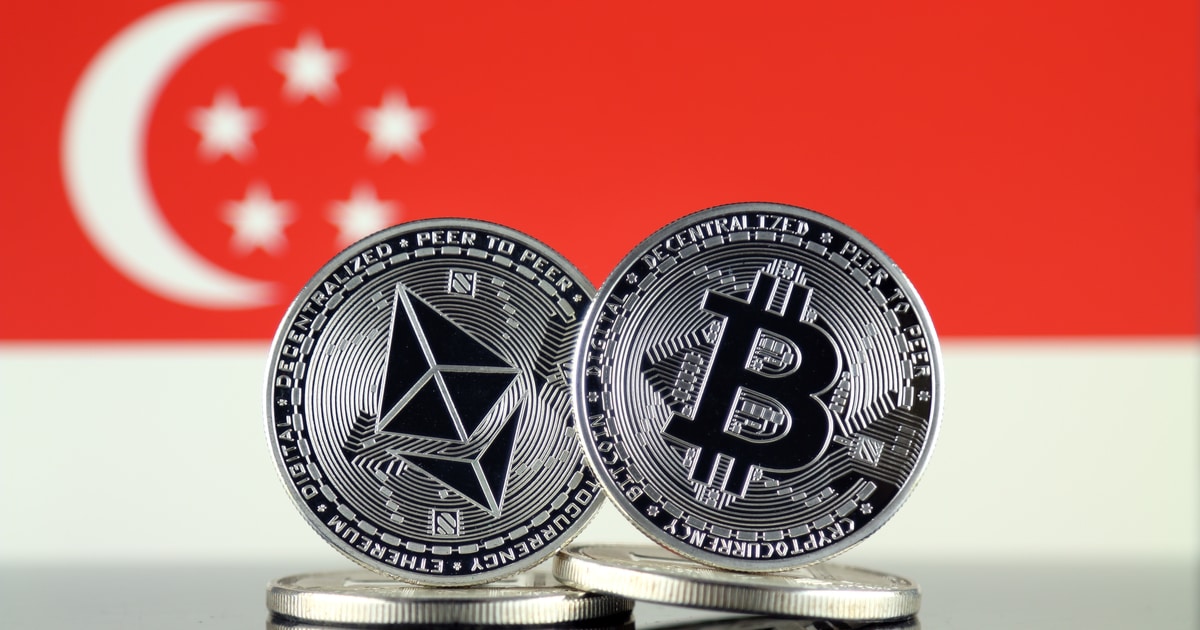
    The 2025 World Crypto Ranking Report by Bybit has uncovered a significant shift in the worldwide adoption of digital assets. Singapore has superseded the US as the global leader in the crypto sphere, with six economies from the Asia-Pacific region entering the global top twenty. This shift implies that Asia-Pacific is rapidly becoming the epicenter of the forthcoming digital finance era.

    Singapore: The New Crypto Hub

    According to the World Crypto Rankings (WCR) 2025, which encapsulates data from 79 countries, Singapore has risen to the top spot globally. This ascent can be attributed to clear regulatory policies, the maturity of institutions, and extensive public engagement. Over 11 percent of Singapore’s citizens hold digital assets, reflecting a high rate of public engagement. The WCR report, founded on 28 metrics and 92 data points, underscores the structural strengths that reinforce Singapore’s position as a crucial hub for long-term crypto developments.

    Asia-Pacific’s Strong Presence

    Apart from Singapore, other markets in the Asia-Pacific region have shown significant advancements in adoption. Vietnam, ranking 9th globally, has driven this growth with close to 20 percent crypto ownership and top-tier usage for remittances, savings, and DePIN devices. Hong Kong has secured a place in the top 10, driven by a regulatory overhaul and a surge in institutional activity. Other regional players like Australia, the Philippines, and South Korea have strengthened the region’s representation in the top 20, each spurred by unique adoption factors.

    Contrasting Market Trends

    The report points out the coexistence of institutional hubs and grassroots ecosystems across the Asia-Pacific region. Different strategies have been employed. For instance, Hong Kong focuses on merging global finance with China’s capital framework via tokenization and stablecoin infrastructure, while Vietnam’s crypto economy is fueled by innovation driven by necessity.

    The Philippines is progressing financial inclusion via mobile-first adoption, while South Korea’s intense retail interest is set to accelerate once there is regulatory advancement.

    Growth of Tokenized Real-World Assets

    A crucial global trend highlighted in the report is the swift enlargement of tokenized real-world assets. The value of these assets, measured on-chain, has increased by over 63 percent to more than $25.7 billion since January 2025.

    Countries high on the institutional readiness scale, led by the US and trailed by the Philippines and Australia, are in the best position to harness this upcoming wave of digital asset innovation.

    Impacting Global Crypto Landscape

    Co-CEO of Bybit, Helen Liu, has stated that the rise of the Asia-Pacific in the crypto sphere is altering the boundaries of global finance. Liu emphasized that the region is leading the industry through regulatory innovation, grassroots engagement, and institutional growth.

    The findings in the WCR 2025 suggest that local breakthroughs in the region now affect global capital flows, market structure, and policy discussions on digital assets.

    Guiding the Future of Crypto

    The report posits the Asia-Pacific not only as a quick adopter but also as a defining force in the structural evolution of digital finance. The region, with increasing institutional involvement, evolving regulatory frameworks, and broad retail adoption, is surfacing as a pivotal engine for crypto innovation. The WCR 2025 serves as a diagnostic tool and strategic guide for policymakers, investors, and industry leaders to navigate the next phase of global digital asset growth.

    Questions & Answers

    What factors contributed to Singapore’s rise to the top of the global crypto market?
    Singapore’s rise can be attributed to regulatory clarity, institutional maturity, and widespread public engagement, with over 11 percent of citizens holding digital assets.

    Which Asia-Pacific countries have shown significant advancements in crypto adoption?
    Singapore, Vietnam, Hong Kong, Australia, the Philippines, and South Korea have all shown remarkable growth and adoption in the crypto sphere.

    What global trend has been identified in the report in relation to digital assets?
    The report identifies the rapid expansion of tokenized real-world assets as a key global trend, with total on-chain RWA value growing by over 63 percent since January 2025.

  • 5G Revolution in Asia-Pacific: Skyrocketing Adoption Set to Reach 4.6 Billion Connections by 2030

    5G Revolution in Asia-Pacific: Skyrocketing Adoption Set to Reach 4.6 Billion Connections by 2030

    5G technology is quickly gaining traction in the Asia-Pacific region, with its compound annual growth rate (CAGR) projected to climb by 11.4%. This surge is anticipated to elevate the number of 5G connections from 2.7 billion in 2025 to 4.6 billion by 2030. The escalation is primarily attributed to the increasing availability of cost-effective 5G devices, continual network expansions, particularly in India, Malaysia, and Thailand, and the imminent unveiling of services in Pakistan and Sri Lanka.

    Key Drivers of 5G Adoption

    Government initiatives, corporate digital transformation efforts, and the burgeoning demand for high-performance connectivity necessary for evolving application areas are the primary drivers of this growth. Emerging application areas include smart manufacturing, autonomous mobility, and cloud gaming. Additionally, government and telecom regulatory bodies in Australia, China, India, South Korea, Japan, and Taiwan have introduced national 5G strategies and action plans. These outline the vision and guidelines to establish 5G ecosystems, expand 5G coverage, and drive adoption. These strategies feature supporting initiatives such as public sector investment in 5G applications, favorable tax incentives, industry-government collaboration forums, promotion of 5G-led technological innovations, and license arrangements to optimize spectrum use.

    China Leading the 5G Market

    China is projected to maintain its position as the world’s largest 5G market throughout the forecast period. Approximately 75% of its total mobile subscriptions are expected to be on a 5G network by 2029, fueled by investment and regulatory efforts to extend 5G service coverage to rural areas and industrial parks. For instance, China had installed close to 4.2 million 5G base stations by 2024, increasing this figure to 4.6 million by the end of September 2025, significantly enhancing its network capacity and coverage. This continued expansion of 5G networks by telecom operators is also propelling the market forward throughout the Asia-Pacific region.

    Investments in 5G Infrastructure

    Regional telecom companies are planning to invest approximately USD 254 billion in network infrastructure by 2030, with a primary focus on 5G deployments. These expansions present telecom companies with opportunities to increase revenue through the sale of premium 5G mobile plans and the provision of enterprise connectivity solutions, such as private 5G. The synergy of 5G’s speed and reliability with emerging technologies like AI, data analytics, and M2M/IoT will allow telecom companies to innovate and extend their customer base into sectors like healthcare, manufacturing, and mining.

    Questions & Answers

    What is the projected compound annual growth rate (CAGR) of 5G in the Asia-Pacific region?
    The CAGR of 5G in the Asia-Pacific region is expected to be 11.4%.

    Which country is anticipated to remain the world’s largest 5G market?
    China is projected to retain its position as the world’s largest 5G market.

    What is the planned investment by regional telecom companies in network infrastructure by 2030?
    Regional telecom companies plan to invest an estimated USD 254 billion in network infrastructure by 2030, primarily focusing on 5G deployments.

  • Singapore’s Pension System Clinches Top Grade In Global Index, First In Asia-pacific Region

    Singapore’s Pension System Clinches Top Grade In Global Index, First In Asia-pacific Region

    The Central Provident Fund (CPF) of Singapore has been recognized as the leading pension system in the Asia-Pacific region, achieving an unprecedented A grade in a global index. This milestone marks Singapore as the first in the region to receive such a high grade.

    Singapore’s pension system has seen constant improvement since 2009 when it was rated a C, advancing to a B+ in 2023, and finally securing its first-ever A grade in the annual Mercer CFA Institute Global Pension Index. Owing to this breakthrough, Singapore now belongs in the upper echelons of the 2025 ranking alongside the Netherlands, Iceland, Denmark, and Israel.

    The Global Pension Index measures 52 retirement income systems worldwide across more than 50 indicators organized into three essential pillars: adequacy, sustainability, and integrity. Adequacy assesses whether a system can provide sufficient income to maintain a decent living standard; sustainability gauges the system’s long-term ability to fulfill future commitments, and integrity measures trust in the system.

    Singapore’s pension structure hinges on the CPF, a system that encompasses all employed citizens and permanent residents through compulsory contributions from both workers and employers.

    In the latest ranking, Singapore achieved a score of 80.8, the highest in Asia and the fourth highest globally, signifying a considerable upgrade. Notably, no systems experienced a downgrade this year.

    The enhancement in Singapore’s position was primarily due to improved outcomes in sustainability and integrity, which balanced a minor decrease in adequacy. Tim Jenkins, the report’s primary author, noted that Singapore authorities have made substantial efforts to boost transparency in recent years. This enables citizens to have a clearer understanding of their anticipated retirement disbursements.

    He also pointed out the contribution of Singapore’s economy towards achieving this feat. The long-term economic growth has positively impacted the sustainability metric.

    Within the Asia-Pacific region, Australia’s retirement system ranked second with a score of 77.6, followed by Hong Kong at 70.6. Other Southeast Asian countries listed in the ranking included Malaysia (60.6), Vietnam (53.7), Indonesia (51.0), Thailand (50.6) and the Philippines (47.1).

    Interestingly, Hong Kong and Malaysia saw improvements in their systems, moving up to B and C+ grades, respectively.

    Globally, the Netherlands, Iceland, and Denmark continued to spearhead the index with scores of 85.4, 84.0, and 82.3, respectively.

    Questions & Answers

    What grade did Singapore’s Central Provident Fund (CPF) achieve in the Global Pension Index?
    The CPF achieved an A grade, making it the highest-rated pension system in the Asia-Pacific region.

    How does the Global Pension Index assess retirement income systems?
    The Global Pension Index measures retirement income systems using more than 50 indicators organized into three pillars: adequacy, sustainability, and integrity.

    What other countries ranked high in the Global Pension Index?
    Other top-ranking countries include the Netherlands, Iceland, Denmark, and Israel.

  • FedEx report: Micro-business boom in APAC

    FedEx report: Micro-business boom in APAC

    Micro-multinational businesses in the Asia Pacific are experiencing a business boom, according to new FedEx research.

    Its study shows that 63 per cent of these businesses are achieving annual revenue growth, a success rate achieved by only half of small- to medium-size enterprises (SMEs).

    A previous study last year revealed the greater potential for business growth among SMEs that export goods to overseas markets compared to those that do not. Taken together, the two studies underscore the business benefits of export markets generally, either through simple exports or, like the micro-multinationals in the latest study, by establishing a more direct presence.

    Conducted in September by Harris Interactive for FedEx Express, the study examined trends and characteristics among micro-multinationals, a subset of SMEs that either set up with a presence in multiple markets, or leverage online business platforms and the increased openness of the global economy to expand into overseas markets.

    Another key finding was that APAC micro-multinationals have a marked preference for markets within the region. Other APAC markets make up six of the top eight overseas markets targeted by APAC micro-multinationals, with China topping the list of markets with a micro-multinational presence.

    “We’ve long believed that businesses don’t need to be big to be global, and this study confirms that small businesses that have established a presence in other markets are seeing this strategy pay off substantially,” says FedEx Express Asia Pacific president Karen Reddington.

    “Asia Pacific micro-multinationals have overwhelmingly chosen to set up in other Asia Pacific markets, strengthening regional interconnectivity and driving growth in the intra-Asia trade corridor, the world’s fastest-growing international trade lane. This will translate into job creation, a more efficient pipeline for goods and services and, ultimately, economic growth across the region.”

    As well as accelerated growth opportunities, APAC micro-multinationals believe their presence in multiple markets provides other advantages unavailable to SMEs in a single market. These include access to lower-cost workers (46 per cent), lower overheads (37 per cent) and the availability of different skill sets (36 per cent).

    Also, 63 per cent of micro-multinationals say that running a business in multiple markets is easier than it would have been even five years ago, while 19 per cent do not even believe this would have been possible for them then.

    Harris Interactive used a mix of telephone and online interviews to survey 595 senior decision-makers in micro-multinational companies (companies with 1-249 employees based in more than one country). The research covered 12 global markets across four regions.

  • Reebonz teams up with Japan’s Komehyo

    Reebonz teams up with Japan’s Komehyo

    Singapore’s e-commerce platform Reebonz has partnered with Japanese offline pre-owned luxury product boutique Komehyo.

    Reebonz is expected to make Komehyo’s products available to an estimated 5.5 million members on its platform, supporting both companies’ missions to bring authentic pre-owned luxury to consumers around the world.

    “The next step for us is to continuously support their growth in sales across Asia Pacific,” commented Nupur Sadiwala, Reebonz CFO.

    “Furthermore, with the growing demand for authentic pre-owned luxury complemented by growing demand for new luxury products, we believe that this partnership will allow us to further deepen our ecosystem strategy of offering the broadest selection of quality new and pre-owned luxury products.”

    “In addition to the opportunity for us to amplify our brand awareness, we believe that by working with Reebonz, we will be able to further improve our consistency in delivering authentic high quality products to aspiring consumers across the region,” added Shinji Kai, Komehyo’s IT department assistant GM.

    Established in 1979, Komehyo currently has 40 retail stores across Japan and an online platform, selling bags, jewellery, leather goods and accessories, to watches, shoes and apparel.

  • Payment security is paramount as Asia Pacific strives to become the global leader in cashless transformation

    Payment security is paramount as Asia Pacific strives to become the global leader in cashless transformation

    The importance of payments security was reinforced today at the Visa Asia Pacific Security Summit as the region is poised to lead the global transformation from cash to digital payments.

    Urbanization and increasing mobile usage are driving the appetite for digital payments across Asia Pacific. Half of the region’s population lives in towns and cities, and more than two thirds (1.3 billion) of the 1.9 billion internet users in Asia Pacific access the internet via their smartphones.

    Asia Pacific is an US$11 trillion market in terms of payment volume. Currently, more than half (55 percent), of all transactions are still cash, meaning there is a US$6.1 trillion cash opportunity waiting to be converted into digital payments.

    While new innovations are set to enhance the payments experience for consumers, security and maintaining the integrity of the payments system is key to growing commerce. The fast-changing payments ecosystem will require security measures that do not come at a cost of convenience for both customers and merchants.

    Joe Cunningham, Head of Risk Asia Pacific Visa, said: “Payments security and convenience were once considered opposing forces. Not anymore. We have reached a point where security is embedded in the process. It doesn’t come at the cost of convenience but, rather, it enables innovation.

    “Visa is committed to ensuring our network operates at the highest level of security available and will continue to steer the industry towards the adoption of strong technologies based on industry-standards such as EMV chip, tokenization and point-to-point encryption.”

    Closer to home in Thailand, around 75 percent of all transactions are still cash. However, the increased adoption of mobile and contactless payments technology will see electronic payments continue to penetrate into everyday payment segments like supermarkets, coffee shops, and cinemas, reducing the reliance on cash.

    Visa also reinforced the importance of taking a standards-based approach to innovation and applying a consistent set of principles for security, reliability and interoperability.

    “Visa advocates a standards-based approach to new innovations so all stakeholders in the ecosystem can benefit and participate. We want to promote standards that make it easier for all parties in the payments ecosystem to adopt and deploy new technologies that meet the highest security standards,” added Mr. Cunningham.