Retail News CRM

Tag: back

  • Vietnams Gold Market Springs Back: Global Bullion Rates Trigger Significant Rise

    Vietnams Gold Market Springs Back: Global Bullion Rates Trigger Significant Rise

    Gold prices in Vietnam experienced a resurgence on Monday morning, reflecting a similar upsurge in worldwide bullion rates. The Saigon Jewelry Company increased their gold bar prices by 0.3%, reaching VND162 million (approximately US$6,145.44) per tael. This rise comes after a significant four-month dip that peaked last week.

    Global Gold Prices on the Rise

    In similar fashion, the price of gold rings in Vietnam elevated by 0.31%, equating to around VND161.5 million per tael. A tael, for those unfamiliar, is roughly equivalent to 37.5 grams or 1.2 ounces.

    On a global scale, gold prices experienced a noteworthy increase of more than 1% on Monday. This shift can be attributed to a combination of a weakening US dollar and decreasing oil prices. These economic fluctuations have led investors to ponder the possibility of a breakthrough in peace negotiations between the United States and Iran.

    Spot gold saw an increase of 1.1%, reaching $4,559.29 per ounce. Similarly, US gold futures for June delivery experienced a 0.8% increase, bringing the cost up to $4,560.30. The declining strength of the dollar means that gold priced in greenbacks is now more accessible to those dealing in other currencies.

    Looking at the larger picture, despite the recent price increase, bullion remains approximately 13% lower than it was prior to the onset of conflict in late February.

    Questions & Answers

    What prompted the rebound of gold prices in Vietnam?
    The resurgence can be primarily attributed to a similar increase in global bullion rates, coupled with economic factors including a weakening US dollar and decreasing oil prices.

    What has been the impact of the US-Iran peace negotiations on gold prices?
    The consideration of a possible breakthrough in US-Iran peace talks has led investors to lean towards gold, contributing to the recent rise in prices.

    How has the recent conflict affected the overall price of bullion?
    Despite the latest increase, bullion prices remain around 13% lower than before the conflict began in late February.

  • Nike Franchise Collapse Sparks Debate: Is The Retail Franchise Model Nearing Its Limits?

    Nike Franchise Collapse Sparks Debate: Is The Retail Franchise Model Nearing Its Limits?

    The franchise model has long been an effective method for expanding retail reach. However, the downfall of AF-1, an Australian franchisee that managed seven Nike stores in Sydney, has sparked questions about whether this model is reaching its limits.

    Challenges Facing Franchisees

    Operating costs are increasingly high, consumer demand is unpredictable, and the space for mistakes is shrinking. As global brands evolve at a rapid pace towards direct-to-consumer, data-informed decision-making, and experience-focused retail, franchisees that adhere to older structures and slower cycles are under strain.

    The closure of AF-1 led to more than 110 job losses, immediate store closures across Sydney, and the nullification of all existing store credits and gift certificates. This liquidation took place amidst difficult conditions for Australian retailers and marked the termination of almost twenty years of AF-1’s operations of Nike franchises in Sydney.

    Transformation of the Retail Landscape by 2025

    By 2025, the retail landscape is predicted to have undergone a significant shift, influenced by retailers’ digital integration, changing consumer expectations, and the move towards brand centralisation.

    This shift is indicative of a larger trend towards a centralised brand strategy. Here, the importance of consistency, data ownership, and customer experience surpass the benefits of decentralised franchising. Today’s consumers expect smooth, omni-channel experiences, and maintaining consistent brand standards across multiple franchises can pose a challenge.

    Although the franchise model remains feasible, it is less dominant than before, particularly for brands with the capability and resources to manage their own stores.

    The Potential Advantages of Nike Controlling Its Operations

    If Nike were to take full control of its retail stores, it could unlock significant benefits. This would mean prioritising brand control, customer experience, and data integration over rapid growth through franchising.

    A centralised brand control would enable Nike to offer a consistently premium worldwide experience, from cutting-edge store design to unified customer engagement and merchandising.

    Full ownership of data would give Nike the ability to apply insights from every customer interaction to strategic decisions, enabling a tailored customer experience. The brand would also gain operational agility, quickly introducing new technologies, sustainable practices, or innovative merchandising without dealing with delays from franchise partners.

    Direct ownership would also eliminate the need for profit-sharing with franchisees, allowing Nike to maintain higher margins and control pricing and promotions for maximum value.

    Enhancing the Nike Experience

    For consumers, store ownership by Nike would mean an improved and seamless journey, regardless of whether they are shopping online, in-store, or through the Nike app.

    Store teams directly trained by Nike would provide consistent expertise and premium service. Owned stores could offer exclusive access to unique product releases, customisation experiences, community events, and tech integrations specific to Nike’s brand ethos. The customer would also benefit from increased trust and transparency, with authenticity, ethical standards, and sustainability consistently maintained throughout the shopping experience.

    Questions & Answers

    What are the challenges facing franchisees in the retail industry?
    High operational costs, unpredictable consumer demand, and shrinking margins for error due to rapid changes in retail trends are some of the key challenges faced by franchisees.

    What are the potential benefits if Nike were to fully control its operations?
    Nike could unlock significant advantages such as prioritising brand control, customer experience, and data integration, maintaining higher margins, and controlling pricing and promotions for maximum value.

    What would store ownership by Nike mean for consumers?
    A seamless shopping journey across various platforms, consistent expertise and premium service, increased trust and transparency, and exclusive access to unique product releases and experiences would be the benefits for consumers.


  • Gong Cha Exits Singapore Market After Franchise Agreement Ends; Plans For A Revamped Return Underway

    Gong Cha Exits Singapore Market After Franchise Agreement Ends; Plans For A Revamped Return Underway

    Taiwan’s popular milk tea brand, Gong Cha, has ceased operations and shuttered all its outlets island-wide as of October 1. This move follows the expiration of its franchise agreement with Gong Cha Singapore, which has been running the brand’s operations since 2017.

    All the physical stores were abruptly closed, and the brand’s digital presence was also taken down, including its website, social media accounts, and listings on food delivery platforms.

    Kang Puay Seng, Gong Cha Singapore’s CEO, confirmed these developments, expressing his gratitude to customers, staff, and business partners for their support.

    Future Prospects

    Gong Cha’s Global has confirmed plans to re-enter the Singapore market next year. The global CEO, Paul Reynish, stated that the company is currently in the process of selecting a new master franchisee and will relaunch with an updated ‘Gong Cha 2.0’ store concept, which has already been successfully implemented in select international markets.

    Gong Cha initially entered the Singapore market in 2009 but later withdrew due to a franchise dispute. The brand then re-entered the market under a new agreement with its now-former franchisee.

    The decision to exit the Singapore market follows a period of strong global performance for the brand. Earlier this year, Gong Cha reported an impressive US$600 million in system-wide sales for the 12 months ending in December, a milestone attributed to its aggressive international expansion.

    Questions & Answers

    What is the reason for Gong Cha’s exit from the Singapore market?
    Gong Cha’s exit from the Singapore market followed the end of its franchise agreement with Gong Cha Singapore.

    Will Gong Cha return to the Singapore market?
    Yes, Gong Cha Global has announced plans to re-enter the Singapore market in the coming year with a new master franchisee and an updated ‘Gong Cha 2.0’ store concept.

    What has been Gong Cha’s performance in the past year?
    Gong Cha reported strong global performance, with system-wide sales reaching $600 million for the 12 months ending in December. This success is mainly attributed to the brand’s rapid international expansion.

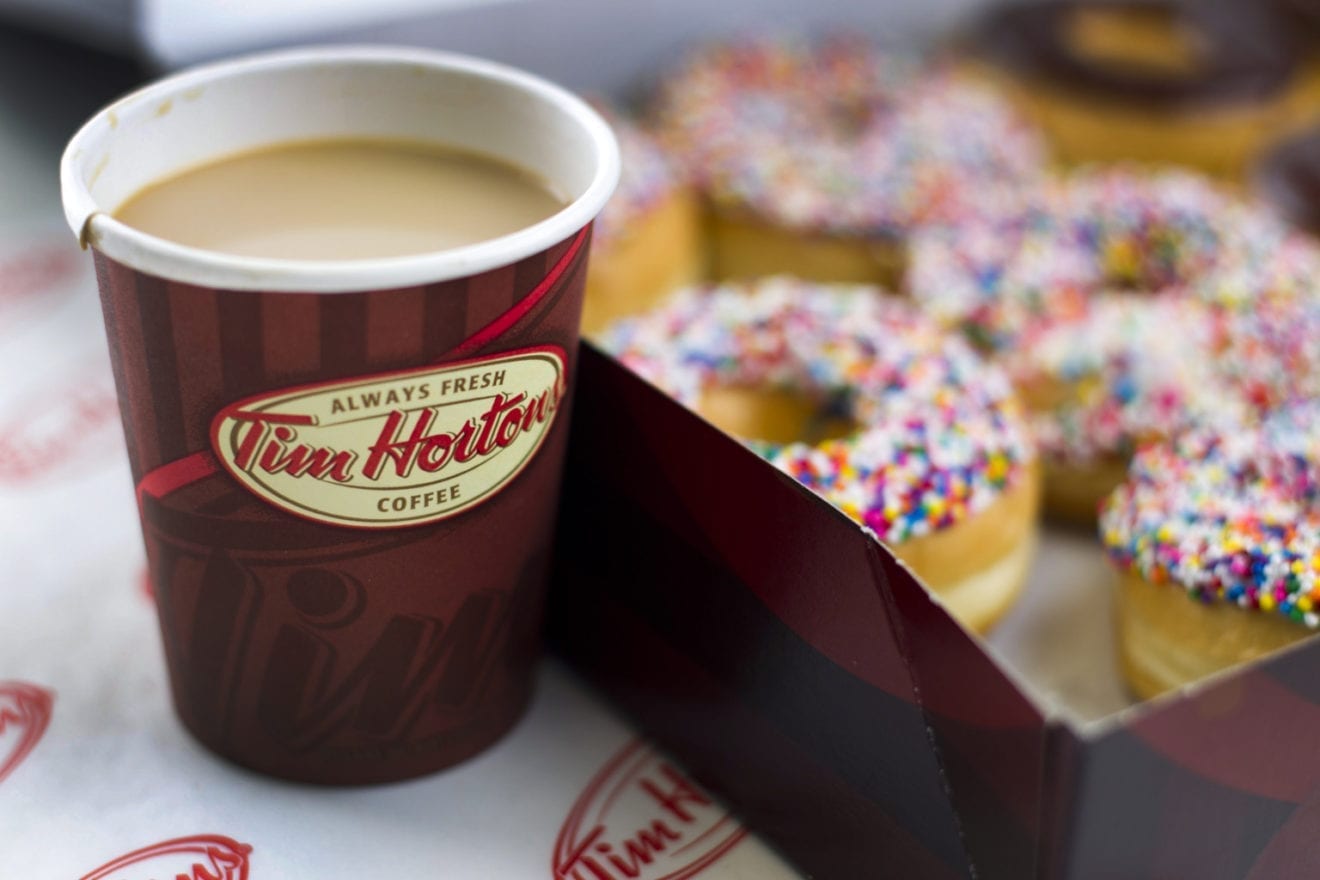
  • Tim Hortons China Sees Q2 Recovery, Cites New Strategy And Franchise Growth As Key Drivers

    Tim Hortons China Sees Q2 Recovery, Cites New Strategy And Franchise Growth As Key Drivers

    TH International Limited, the company responsible for operating Tim Hortons coffee shops in China, has reported a slight recovery in the second quarter. This recovery has helped to counterbalance the economic strain resulting from store closures and decreased revenue from company-operated outlets.

    Financial Performance

    The system sales experienced a 1.4 percent increase since last year, reaching a total of $57.2 million. Despite this growth, total revenues decreased by 4.9 percent, amounting to $48.7 million. However, the company recorded a positive adjusted EBITDA of $300,000 and a reduced adjusted net loss of 16.2 percent, which amounts to $5.5 million.

    The company’s CEO, Yongchen Lu, stated the company’s “Coffee + Freshly Prepared Food” strategy as the driving force behind the improved results. New product offerings led to an increase in food revenue by 8.6 percent from last year. Consequently, the contribution of food revenue to system sales rose to a record 35.2 percent.

    Albert Li, the CFO, pointed out the efficiency enhancements in the company’s operations. The costs of food, packaging, and labor dropped as a percentage of store revenues. He attributed the improved financial performance to the refinement of store unit economics and operational efficiencies at both store and corporate levels.

    Growth and Challenges

    During the quarter, the company introduced 40 made-to-order stores while discontinuing 49 non-made-to-order outlets, mainly smaller Tim Hortons Express units. Despite this, the contribution from company-operated stores dropped to $3.8 million, a decrease from the previous year. This decrease can be attributed to store consolidation and declining same-store sales.

    Franchising proved to be a successful venture. Revenues from franchised stores increased by 50.7 percent, reaching $9.4 million. The franchise network expanded from 333 to 449 locations. In addition, other revenues, including sub-franchise and retail businesses, more than doubled compared to last year.

    Despite a net loss of $10.6 million, the management remains optimistic. They believe the operational enhancements and an improved food mix put the company in a position for steady growth.

    Questions & Answers

    What was the company’s strategy that drove its stronger results?
    The company employed a “Coffee + Freshly Prepared Food” strategy that particularly improved results through new product offerings.

    How did the company improve its financial performance?
    The company refined store unit economics and enhanced operational efficiencies at both the store and corporate levels.

    What changes occurred in the company’s franchising operations?
    There was a revenue increase of 50.7 percent from franchised stores. The franchise network also expanded to 449 locations from 333 in the previous year.

  • Shein Group Considers China Relocation For Favorable IPO Conditions In Hong Kong

    Shein Group Considers China Relocation For Favorable IPO Conditions In Hong Kong

    Fast-fashion retailer Shein Group is reportedly mulling over the idea of relocating its headquarters to China. This move is supposedly aimed at gaining approval from Beijing authorities for its proposed Initial Public Offering (IPO) in Hong Kong.

    Relocation for IPO Approval

    Shein Group, which currently has its headquarters in Singapore, is said to be in preliminary discussions with legal advisors about the possibility of setting up a parent company in mainland China. This information, however, has not been confirmed, as the discussions are still in the early stages. There is also no certainty as to whether Shein will proceed with this move.

    Previous Attempts at Listing

    Originally founded in China, Shein Group has spent a considerable amount of time trying to list, first in New York, then in London. The company, however, has met with resistance from politicians in both the US and the UK. These difficulties have been compounded by the inability to secure approval from China’s securities regulator for an offshore IPO, amidst rising tensions between China and the US.

    At present, Shein Group is focusing on getting listed on the Hong Kong stock exchange.

    Questions & Answers

    Where is Shein Group’s current headquarters?
    Shein Group’s headquarters is currently located in Singapore.

    Where is Shein Group planning to list its IPO?
    Shein Group is planning to list its IPO in Hong Kong.

    What challenges has Shein Group faced in its previous attempts at listing?
    Shein Group has faced criticism from politicians in the US and UK during its previous attempts at listing in New York and London, respectively. The company has also struggled to get approval from China’s securities regulator for an offshore IPO.

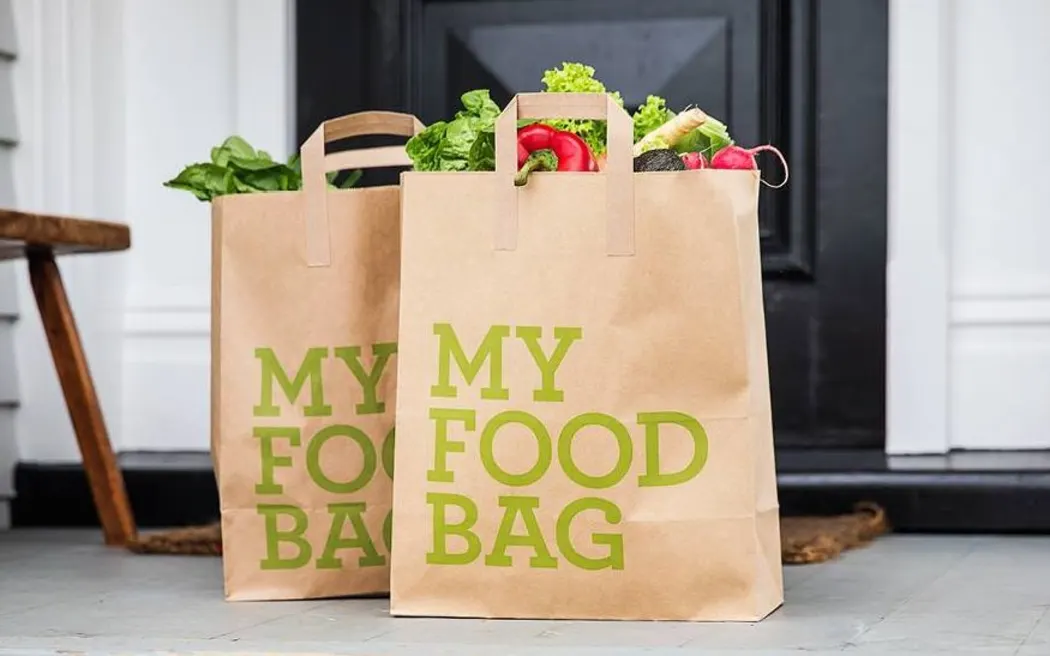
  • My Food Bag Group Sees Profit Surge, Launches Innovative Non-subscription Platform Amid Continued Growth

    My Food Bag Group Sees Profit Surge, Launches Innovative Non-subscription Platform Amid Continued Growth

    My Food Bag Group, a prominent meal kit company, has experienced a favorable upward trend in growth during the second half of the fiscal year 2025 (FY25). This positive trajectory is reflected in the company’s increased profitability and the successful launch of its innovative non-subscription sales platform.

    For the financial year ending on March 31, the company reported a steady revenue of $162.1 million, mirroring the previous year’s figures. The second half of the financial year, however, saw a 5% growth in revenue compared to FY24, and an uptick of 1.9% from the first half of FY25.

    The company’s annual net profit surged by 5%, totaling $6.3 million. The Earnings Before Interest, Taxes, Depreciation, and Amortization (EBITDA) also experienced a slight increase, reaching $16.1 million. Concurrently, the margins improved and the net debt plunged from $11.8 million to $6.9 million.

    Strategic Developments and Partnerships

    The company’s CEO, Mark Winter, expressed his optimism about the company’s efforts translating into sustained business performance and renewed growth.

    A primary strategic progression was the launch of My Food Bag Shop in November, an online platform offering one-time meals and gift boxes catering to non-subscribers.

    The company also enhanced its primary brands, namely My Food Bag, Fresh Start, and Bargain Box, by relaunching its Gluten-Free range and incorporating new specialized options. These new offerings include Low Carb, High Protein, and a Diabetes Plan, which was designed through a collaboration with Diabetes New Zealand.

    FY25 marked digital advancements, such as a revamped website and application to augment user experience. The company joined forces with the NZ Olympic Team and Auckland FC to enhance brand engagement.

    According to Winter, the enhanced user experience on the web and app facilitates an easier navigation for customers to find suitable meals. The partnerships with the NZ Olympic Team and Auckland FC have strengthened the company’s local foothold and boosted its relevance among New Zealanders.

    Future Focus

    The company reported a positive start to the early FY26 trading. Its focus remains on personalization, expanding its Bargain Box offering, and broadening the Shop platform to cater to cost-conscious and flexible consumers.

    Questions & Answers

    What was a significant strategic move by My Food Bag Group in FY25?
    In FY25, My Food Bag Group launched My Food Bag Shop, an online platform that provides one-time meals and gift boxes to non-subscribers.

    How did My Food Bag Group enhance its brand offerings?
    The company reintroduced its Gluten-Free range and added new specialized options including Low Carb, High Protein, and a Diabetes Plan, which was developed in collaboration with Diabetes New Zealand.

    What are the company’s plans for FY26?
    The company plans to focus on personalization, expand its Bargain Box offering, and broaden the Shop platform to meet the demands of cost-conscious and flexible consumers.