Retail News CRM

Tag: capacity

  • Chinese Airlines Secure $17.8 Billion Airbus Deal to Boost Capacity and Modernize Fleets

    Chinese Airlines Secure $17.8 Billion Airbus Deal to Boost Capacity and Modernize Fleets

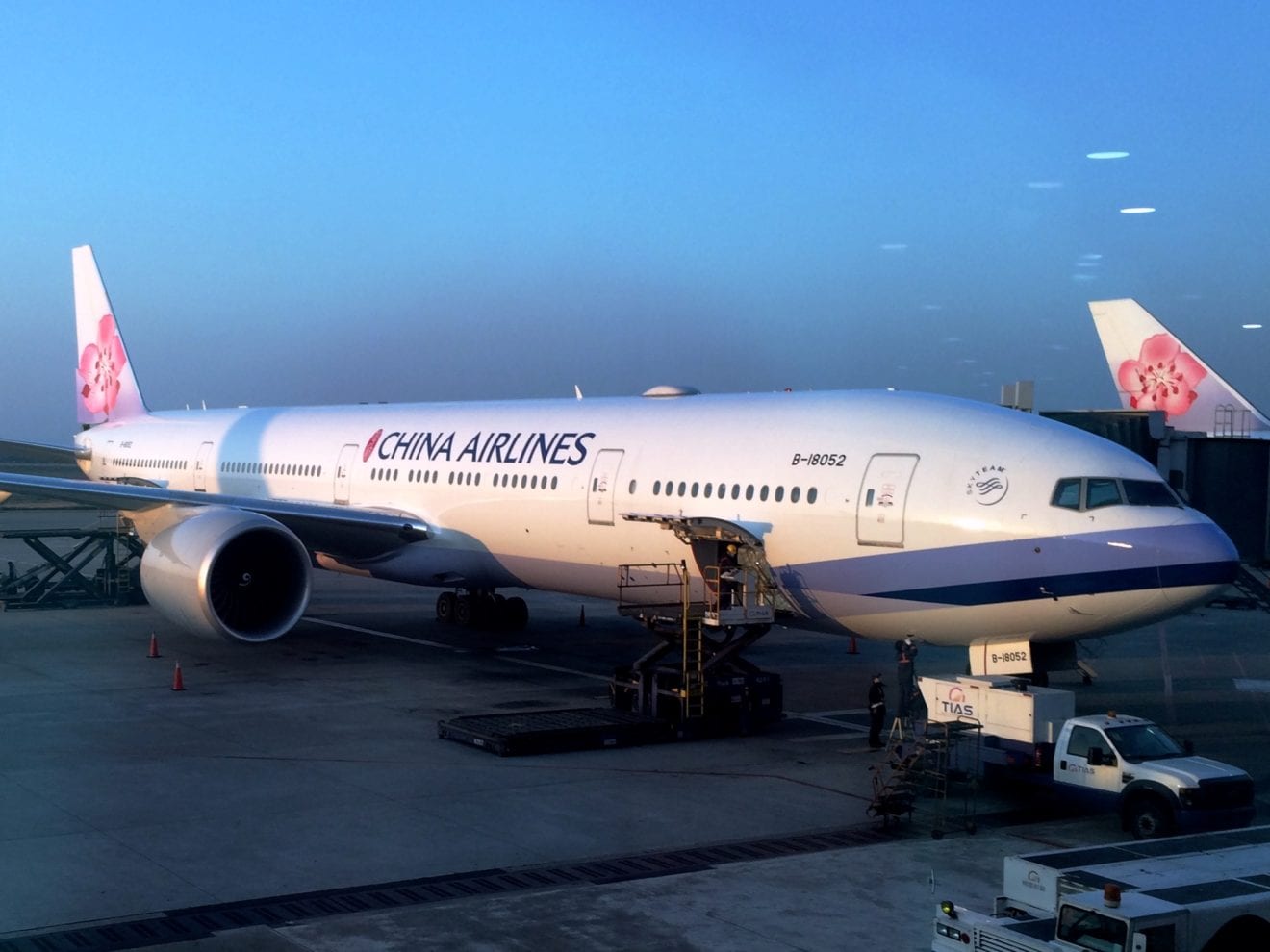
    Three major Chinese airline companies are set to acquire 95 aircraft from Airbus, in deals collectively valued at approximately $17.8 billion. This comes as part of a concerted effort by these airlines to expand their capacities and modernise their fleets with more fuel-efficient aircraft amidst the bourgeoning growth of China’s aviation market – the second-largest globally.

    Air China and its subsidiary Shenzhen Airlines have agreed to purchase 55 Airbus aircraft for a total value of $12.4 billion. Conversely, Hainan Airlines has independently agreed to buy 40 A320neo-family jets, with a list price of up to $5.4 billion.

    Air China will acquire 15 A350-900 wide-body jets, while Shenzhen Airlines will separately buy 40 narrow-body A320neo-family aircraft. The A350-900 jets, valued at roughly $6.09 billion, are set for delivery between 2030 and 2032. The 40 A320neo-family aircraft, worth approximately $6.35 billion, are slated for delivery between 2029 and 2032. Meanwhile, Hainan Airlines has scheduled the delivery of its 40 A320neo jets between 2028 to 2032.

    However, Air China has clarified that the actual transaction prices will be lower than the listed values, stating that Airbus has granted significant discounts in line with standard practice for large-scale aircraft orders.

    This surge of orders is indicative of the ongoing recovery and expansion of Chinese carriers post-pandemic, despite notable challenges. Recently, Air China reported a potential net loss of up to 2.6 billion yuan for the first half of this year, attributing the financial squeeze to rising fuel prices.

    Other Chinese carriers have also been investing in large orders with Airbus. Previous notable investments include those by China Eastern Airlines and China Southern Airlines, which have made substantial aircraft purchases in recent months.

    These new jets are predicted to increase the total capacity of the Air China group and Shenzhen Airlines by 7.1% and 4.3% respectively, based on their combined passenger and cargo capacity as of December 31, 2025. In addition, some of the new aircraft will replace older models set to be retired.

    Competition-wise, the A320neo family rivals the Boeing 737 MAX on medium-haul routes, while the A350-900 is favored for long-haul international services.

    According to the IATA World Air Transport Statistics, the U.S. remained the world’s largest aviation market last year with 890.1 million passengers, with China following closely at 776.1 million passengers.

    Questions & Answers

    What is the total value of the Airbus aircraft orders by the three Chinese airlines?
    The total list price of the 95 Airbus aircraft ordered by Air China, Shenzhen Airlines, and Hainan Airlines is approximately $17.8 billion.

    Which aircraft models are being purchased by the Chinese airlines from Airbus?
    The three airlines have agreed to purchase various models, with Air China acquiring 15 A350-900 wide-body jets and Shenzhen Airlines buying 40 narrow-body A320neo-family aircraft. Hainan Airlines will be purchasing 40 A320neo-family jets.

    How will these purchases affect the total capacity of the Air China group and Shenzhen Airlines?
    The acquisition of these new jets is expected to boost the total capacity of the Air China group by about 7.1% and Shenzhen Airlines by 4.3%, based on their combined passenger and cargo capacity as of December 31, 2025.
  • Thai AirAsia Trims Seat Capacity by 30% Amid Soaring Fuel Prices and Slowing Travel Demand

    Thai AirAsia Trims Seat Capacity by 30% Amid Soaring Fuel Prices and Slowing Travel Demand

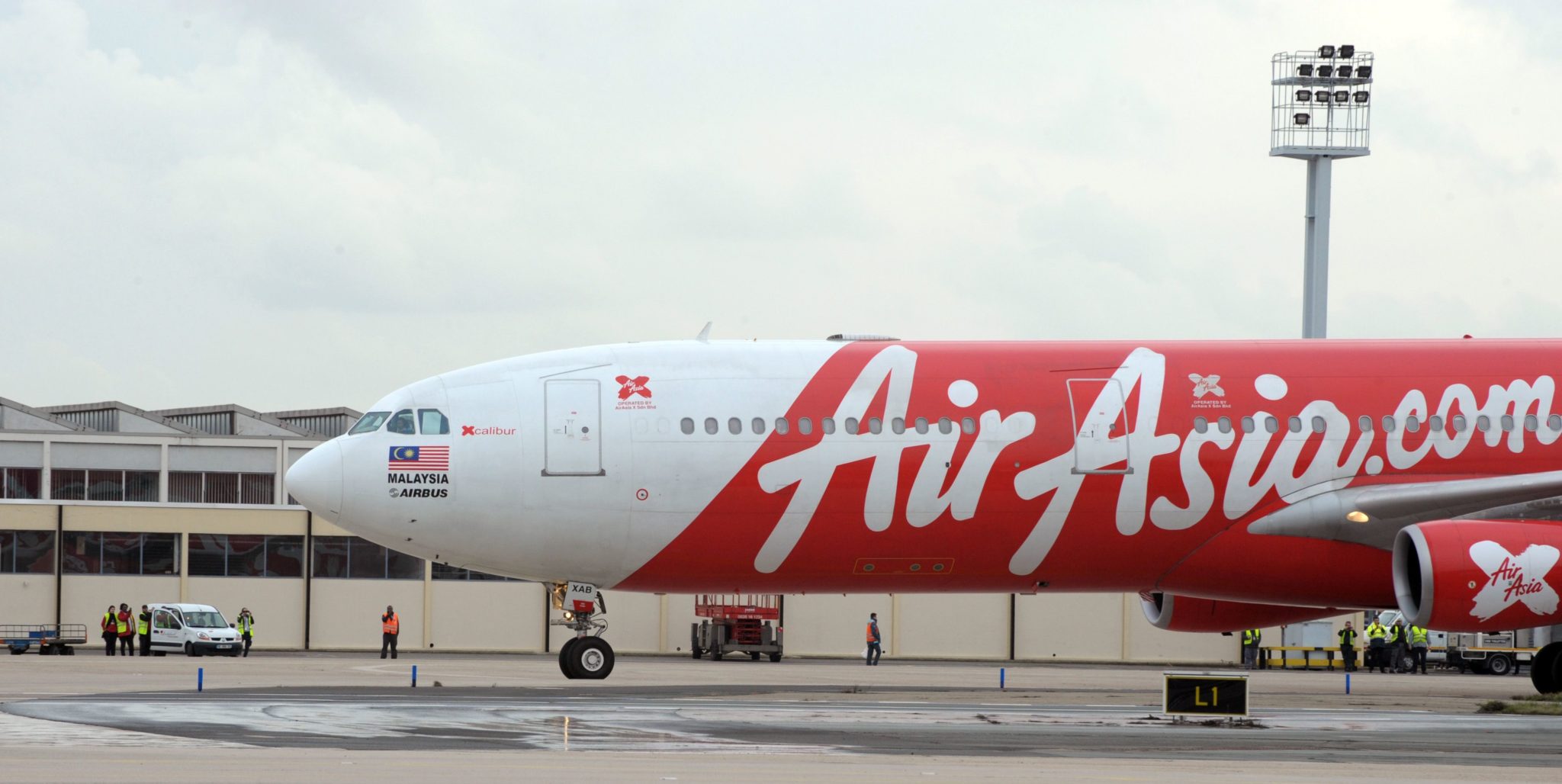
    In response to escalating aviation fuel costs and a decrease in mid-year travel demand, Thai AirAsia is set to curtail its overall seat capacity by about 30% for the months of May and June.

    Adapting to Market Changes

    The airline stated on Tuesday that it would meticulously adjust flight frequencies for domestic routes. Internationally, the airline has temporarily suspended and decreased frequencies, primarily on Indian routes, due to elevated operating costs.

    Phairat Pornpathananangoon, the CEO of the budget airline, reported that they are actively working on cost management strategies to counterbalance the sustained surge in aviation fuel prices and the expected mid-year travel downturn.

    Managing Seat Capacity and Flight Frequencies

    The airline is also focusing on effectively managing seat capacity to aptly meet the travel demand. Simultaneously, it is maintaining a balance by ensuring the fares reflect actual costs while remaining affordable for its customers.

    In the case of Thailand’s domestic network, the airline plans to reduce its flight schedules at Suvarnabhumi Airport. During May and June, it will only maintain direct services from Suvarnabhumi to Chiang Mai and Phuket.

    Meanwhile, for Don Mueang Airport, the airline intends to persist with its complete network across all destinations. The flight frequencies will be strategically adjusted to mirror actual passenger demand.

    Questions & Answers

    What measures is Thai AirAsia taking in response to the increase in aviation fuel prices and decreased mid-year travel demand?
    Thai AirAsia is reducing its overall seat capacity by approximately 30% for May and June. It is also adjusting flight frequencies for domestic routes and has temporarily suspended and decreased frequencies on certain international routes.

    How is Thai AirAsia managing its fares amid these changes?
    The airline is working to ensure that fares remain reflective of actual costs while still being reasonable for its customers.

    What changes will be made to Thai AirAsia’s domestic network?
    The airline plans to scale back its flight schedules at Suvarnabhumi Airport, retaining only direct services from Suvarnabhumi to Chiang Mai and Phuket during May and June. However, it will continue to operate its full network at Don Mueang Airport, adjusting flight frequencies to match passenger demand.

  • DHL Supercharges Asia-Europe Trade Lanes with Expanded Air Freight Capacity

    DHL Supercharges Asia-Europe Trade Lanes with Expanded Air Freight Capacity

    DHL Global Forwarding, which is part of the DHL Group and specializes in air and ocean freight, is looking to increase its dedicated air capacity between Asia and Europe. This will be achieved through the introduction of new weekly flights that will connect the primary logistics centers of Shanghai-Leipzig and Liège-Hong Kong. The new service offering highlights the synergy between DHL Global Forwarding and DHL Express, thereby bolstering the Group’s capacity to cater to the burgeoning Asia-Europe trade routes.

    Launch of Weekly Boeing 777F Rotations

    Coinciding with the initiation of the summer flight schedule, DHL Global Forwarding will commence weekly Boeing 777F rotations. These rotations will connect Shanghai-Leipzig and Hong Kong-Liège, facilitating further distribution across Europe. These flights will significantly augment the uplift available for DHL Global Forwarding’s client base.

    Henk Venema, the Global Head of Air Freight at DHL Global Forwarding, stated that the expansion of their company’s controlled capacity on the Asia-Europe route underscores their commitment to delivering reliability, speed, and resilience for their clients. He mentioned that the demand on this specific trade lane is escalating at a remarkable rate, and bolstering their network will allow them to remain a step ahead of their customer’s needs.

    Enhancing DHL’s Asia-Europe Air Freight Capacity

    Leipzig was selected as it is a pivotal DHL Express aviation hub and boasts robust infrastructure for operational processing. It will act as a crucial gateway for shipments received from Shanghai. This move aligns with DHL’s larger strategy of utilizing its European hubs to optimize efficiency and cater to demand spikes during high season.

    The Liège-Hong Kong route will include a stop in Tel Aviv, which is crucial in maintaining market support and ensuring consistent service for clients. In collaboration with the operating airline partner, the flight may also accommodate limited cargo loading or offloading if necessary. The return trip from Hong Kong will feed directly into DHL’s European distribution network.

    Enhancements Across Intercontinental Air Network

    DHL is also planning to make further improvements to its intercontinental air network, alongside the new Asia-Europe capacities. This includes the planned increase in transpacific uplift between Southeast Asia and the United States later this year.

    Travis Cobb, EVP Global Operations and Aviation at DHL Express, commented on the cross-divisional collaboration, stating that it exemplifies their commitment to facilitating global trade flows. This collaboration between DHL Global Forwarding and DHL Express will allow customers to capitalize on their combined strength as the world’s premier logistics provider.

    By offering additional flight capacities, DHL Global Forwarding and DHL Express are closely aligning to provide customers with enhanced reliability, flexibility, and global reach across the supply chain. Leveraging shared assets and operational strengths within DHL, the divisions continuously deliver integrated solutions that complement each other.

    Questions & Answers

    Why is DHL Global Forwarding expanding its air capacity between Asia and Europe?
    DHL Global Forwarding is expanding its dedicated air capacity to cater to the increasing demand on the Asia-Europe trade lanes and to enhance the Group’s ability to serve this rapidly growing market.

    What role will Leipzig play in DHL’s expanded services?
    Leipzig will serve as a key gateway for shipments arriving from Shanghai, leveraging its status as a major DHL Express aviation hub with a strong operational processing infrastructure.

    How is DHL working to enhance its intercontinental air network?
    In addition to the new Asia-Europe capacities, DHL is preparing further enhancements across its intercontinental air network. Plans include increased transpacific uplift between Southeast Asia and the United States later in the year.

  • DHL Express Boosts Trade Potential with Expanded Cargo Capacity on Hong Kong-Penang Route

    DHL Express Boosts Trade Potential with Expanded Cargo Capacity on Hong Kong-Penang Route

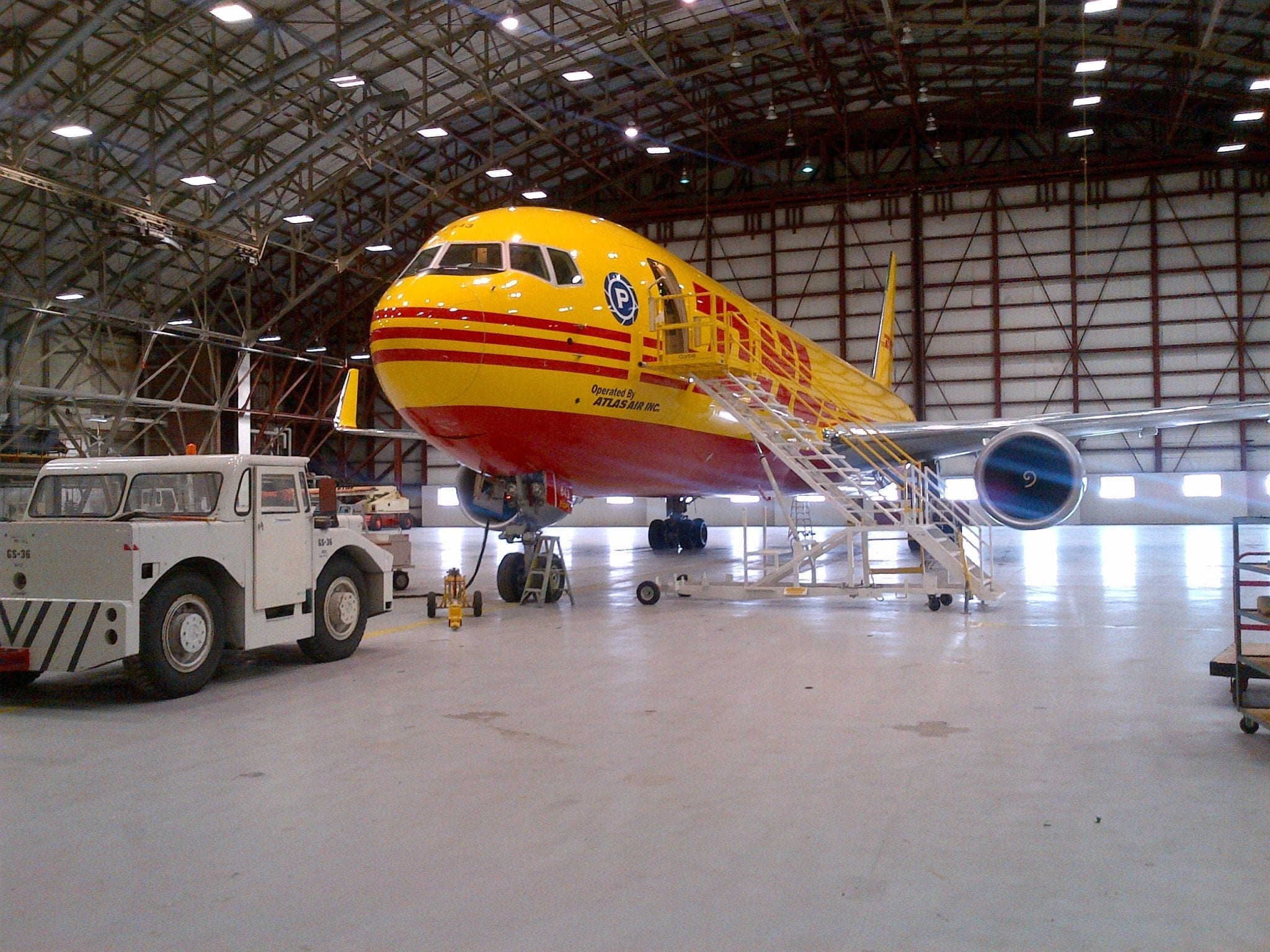
    DHL Express has enhanced its network with increased capacity for the Hong Kong to Penang route. A Boeing 767 freighter will now ply the route, taking over from the previous Airbus A321, adding an extra 20 tons of cargo capacity per flight.

    Meeting Rising Demand

    Operating on a daily basis with its partner Raya Airways, DHL is poised to meet the increasing demand for time-sensitive shipments from technology and semiconductor manufacturers in Malaysia’s northern manufacturing hub. The Boeing 767 freighter provides enhanced payload and range capabilities, thus accommodating more shipments. This ensures that clients in Penang are better linked to their trading partners in Hong Kong and beyond.

    Peter Bardens, Senior Vice President for Network Operations & Aviation – Asia Pacific, DHL Express, expressed pride in the firm’s significant footprint and network that have contributed to the growth in Penang, a long-standing attractive destination for tech giants. “The introduction of a larger aircraft and a daily schedule not only increases capacity, but it also reaffirms our commitment to connecting Asia’s innovation hubs with the rest of the world. As trade routes evolve, we remain focused on maintaining our network’s flexibility and agility to cater to changing customer needs,” Bardens said.

    Supporting Malaysia’s Growing Role

    This strategic enhancement reflects DHL’s commitment to bolster Malaysia’s growing role in global supply chains, particularly in the electronics and semiconductor sectors. This move is timely as Penang continues to attract high-value investments and expand its footprint in the global tech ecosystem. The state marked a significant manufacturing investment of approximately EUR2.56 billion (RM12.5 billion) in the first half of 2025, a 150% increase compared to the same period in 2024.

    Julian Neo, Country Manager, DHL Express, Malaysia, affirmed that the network enhancement aligns with findings from the DHL Global Connectedness Tracker 2025. It showed that Asia Pacific is increasingly central to global trade, despite geopolitical tensions and tariff disruptions. “Intra-Asia trade continues to show momentum, with Malaysia ranked among the top 10 fastest-growing trading nations globally in the first half of 2025,” said Julian Neo.

    Strengthening Partnerships

    “Our partnership with DHL Express has grown over the years through operational reliability and close collaboration. The introduction of the Boeing 767 further strengthens our support for Penang’s expanding electrical and electronics industries, while enhancing Malaysia’s connectivity to global markets. We look forward to continuing this partnership as we grow our capacity and serve the evolving needs of our customers,” said Mohamad Najib Ishak, Group Managing Director, Raya Airways.

    Malaysia’s trade value growth highlights its resilience and increasing significance in global supply chains, despite shifting trade dynamics. DHL Group has identified Malaysia as one of the 20 global markets with the highest growth potential. The recently concluded DHL GoTrade Summit 2025, held for the first time outside Germany in Kuala Lumpur, also underscores the logistics provider’s commitment to elevating local enterprises and reinforcing Malaysia’s position as a key player in the global marketplace.

    Questions & Answers

    What is the significance of the Boeing 767 freighter in DHL’s operations?
    The Boeing 767 freighter adds an extra 20 tons of cargo capacity per flight, offers enhanced payload and range capabilities, and accommodates more shipments.

    How does the network enhancement impact Malaysia’s position in global trade?
    The enhancement bolsters Malaysia’s growing role in global supply chains, particularly in the electronics and semiconductor sectors, and strengthens Malaysia’s connectivity to global markets.

    What does the DHL GoTrade Summit 2025 signify?
    Held in Kuala Lumpur, the summit underscores DHL’s commitment to supporting local enterprises and reinforces Malaysia’s position as a key player in the global marketplace.

  • China Telecom Launches Asia Direct Cable Capacity Ahead of Schedule

    China Telecom Launches Asia Direct Cable Capacity Ahead of Schedule

    This milestone was achieved two months earlier than planned, following the completion of the ADC wet segment last November. In the past eight years, no new submarine cables have been operationalized in the Asia Pacific. This has led to a shortage of resources and created challenges in the market.

    The launch of the ADC’s capacity has been eagerly anticipated by the industry. China Telecom Global Limited, acting as the Co-chair of the ADC consortium, has worked closely with all consortium members and suppliers to overcome unexpected challenges and bring the ADC’s capacity into service ahead of schedule. This has helped to ease the strain on submarine cable resources.

    The availability of capacity will support the growth of artificial intelligence (AI), cloud computing, and big data, as well as facilitate digital transformation across various industries. Looking forward, China Telecom plans to expand its presence into international markets and enhance its global network resources to further contribute to the advancement of the global digital economy.

  • BMW, Northvolt, Umicore team up on battery recycling

    BMW, Northvolt, Umicore team up on battery recycling

    BMW will team up with Northvolt, which is building Europe’s largest battery factory in Sweden, and Belgium’s Umicore to develop a process for electric car batteries to be recycled, the automaker said in a statement. BMW had a funding investment of undisclosed size in the venture, the Swedish startup, which plans to build a factory in Sweden to produce 32 gigawatt hours (GWh) of battery capacity a year by 2023, said on Monday.

    The partnership could indicate that BMW will source batteries from Northvolt, giving investors confidence to fund the project that is expected to raise debt and equity next year.

    The project aims to create a “closed life cycle loop” for battery cells, which will be manufactured using a recyclable design and used in electric vehicles, then possibly as stationary storage devices before finally being recycled and reused.