Retail News CRM

Tag: Capex

  • MyNews to open 500 CU convenience stores across Malaysia

    MyNews to open 500 CU convenience stores across Malaysia

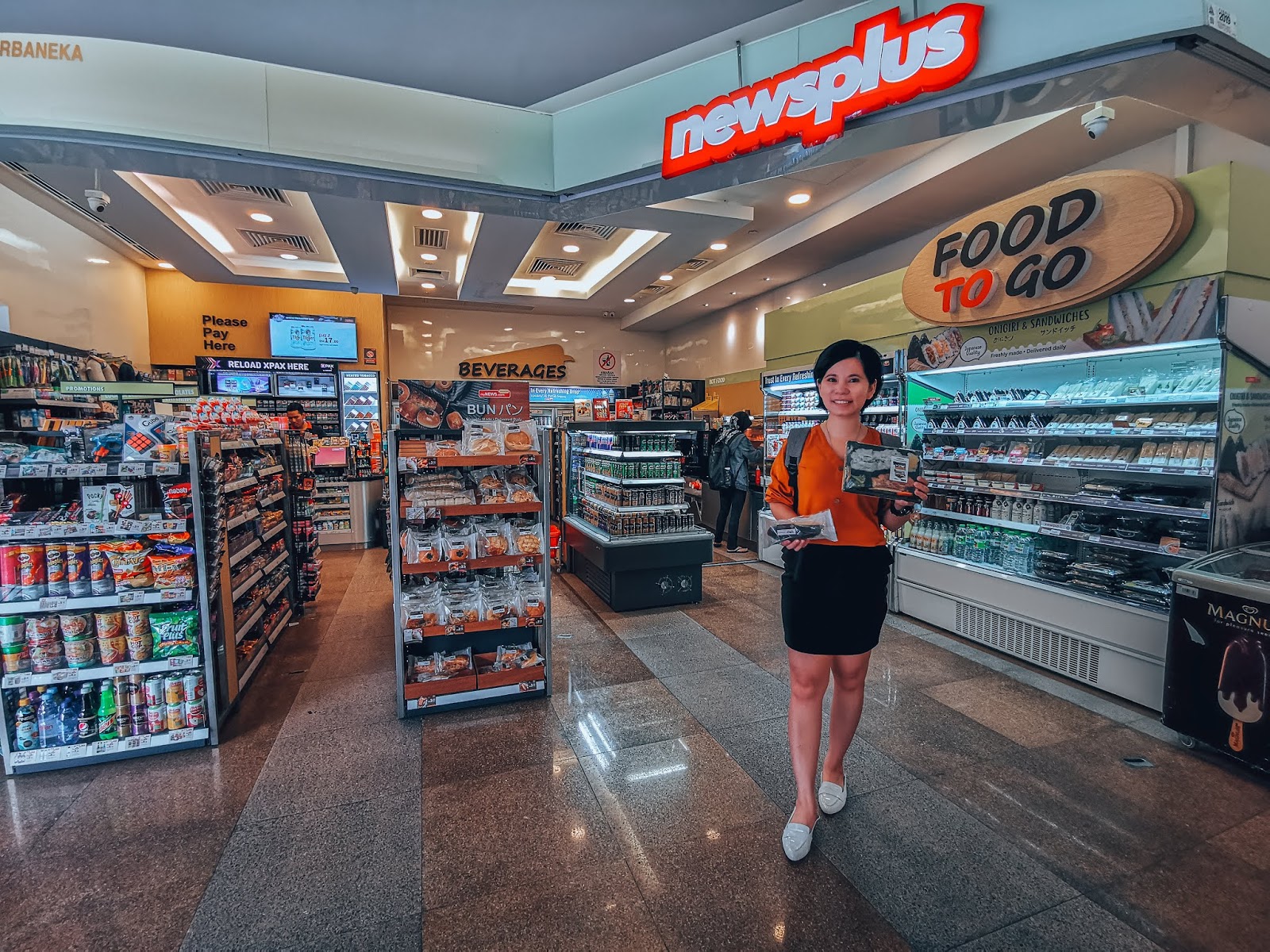
    Home-grown MyNews Holdings Bhd, which already operates some 570 stores, is bringing a South Korean convenient store brand to the Malaysian market.

    At its headquarters in Kota Damansara, the convenience store operator announced that its wholly-owned subsidiary MYCU Retail Sdn Bhd had signed a licensing agreement with BGF Retail Co Ltd, which runs the CU line of convenience stores in South Korea.

    There are some 15,000 CU stores in the republic.

    MyNews chief executive officer (CEO)-cum-founder Dang Tai Luk said the group will open 500 CU stores in five years’ time, with the first set of stores set to be open in Malaysia by early 2021.

    When asked about the geographical location spread of the new stores, Dang said the group will look at launching the stores in bigger cities first.

    “The Klang Valley is where we would start our CU journey,” he said, noting that onboarding the CU stores is part of the group’s expansion strategy.

    In the first year, Dang said, the group will be looking at opening 30 to 50 CU stores first to monitor how they perform.

    He noted that CU will be using MyNews’ food processing center (FPC) and, as a result of this, the center’s utilization rate will be increased to around 70%, partly aided by CU products at end-2021, from 35% currently.

    The group expects the CU stores to break even in two to three years’ time, with MyNews spending RM30 million to RM40 million in capital expenditure (capex) on the stores.

    In terms of earnings contribution, he noted that group will see higher revenue as a result of the new stores that are expected to achieve better gross margins when compared to the MyNews stores, whose margins tend to be 30% to 40% currently.

    He noted that there is a gestational period for the CU stores and that initially the MyNews outlets will continue to be the group’s main earnings contributors, but opined that as the CU stores grow, they will contribute more to the bottom line.

    Dang was not concerned about oversaturation in the convenience store market, noting that the market in Malaysia is still young and growing with the penetration rate still low.

    The licensing agreement will last for 10 years, with an option to renew for another 10 years.

    There are currently 570 MyNews stores at the moment. When queried about whether it will slow the launch of MyNews stores in favor of the CU stores, Dang noted that the group will monitor the situation and adjust its portfolios accordingly.

    MyNews was last traded at 67 sen, with a market capitalization of RM457.04 million.

  • Globe Q1 profit grows 44%

    Globe Q1 profit grows 44%

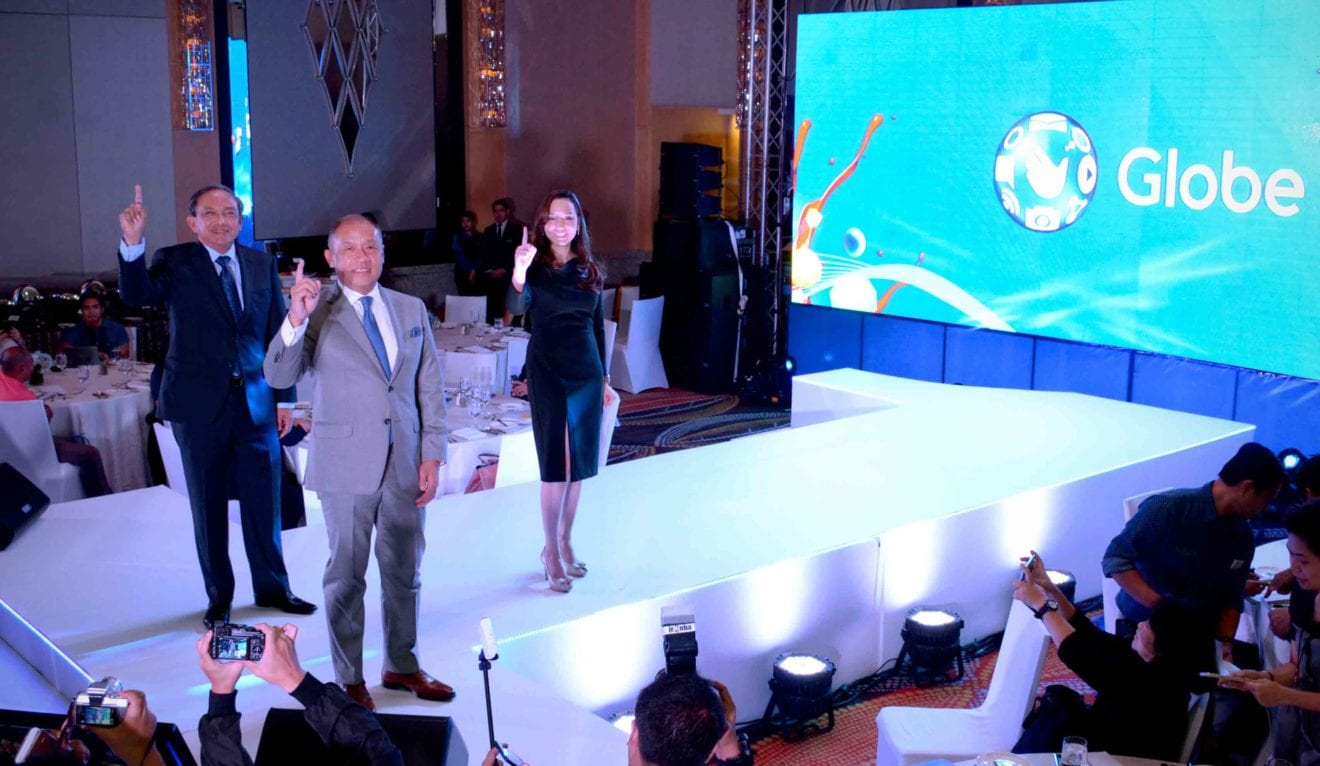
    The Philippines’ Globe Telecom has reported a 44% year-on-year increase in net profit for the first three months of 2019 to 6.7 billion pesos ($129.1 million), partly as a result of strong data revenue growth.

    The company reported revenue for the quarter of 36 billion pesos, up 13% year-on-year. Growth was mainly fueled by increasing data usage across the operator’s service offerings.

    Mobile revenue grew 11% to 27 billion pesos, with mobile data revenues reaching 16.5 billion pesos, representing 61% of gross service revenues. Total mobile data traffic surged to 370 petabytes for the quarter.

    But mobile voice revenues fell 15% to 6.3 billion pesos, with SMS revenues down 22% to 4.2 billion pesos.

    Globe’s home broadband business reported 21% higher revenue of 5.2 billion pesos, with the company’s total subscriber base increasing 22% year-on-year to 1.7 million. Of these, 63% are fixed wireless subscribers. Enterprise data revenues grew 16% year-on-year to 2.7 billion pesos.

    Globe’s capex for the quarter reached 8.8 billion pesos, representing 24% of topline revenues.

    “As we continue to invest in our LTE network, we are also excited with the growth opportunities of our 5G commercial pilot launch in June this year,” Globe CEO Ernest Cu commented.

    “Through this launch, we will be able to offer our customers a whole new ecosystem of devices to enhance the way they experience data to the home. This is in line with our proven strategy of making our customers a priority, by providing them a superior digital and network experience, despite all the industry challenges that we face ahead.”


  • Hyperscale operator capex jumped 43% in 2018

    Hyperscale operator capex jumped 43% in 2018

    New data from Synergy Research Group revealed that hyperscale operator capex reached over $32 billion in Q4, outperforming the first three quarters of the year, which had themselves set records.

    Full-year hyperscale capex jumped 43% to almost $120 billion. Meanwhile telco capex was over double that of hyperscale operators, but notably telco spending remained at the same level as the previous two years. The top five hyperscale spenders in 2018 were Google, Amazon, Microsoft, Facebook and Apple. Coincidentally their aggregate 2018 capex was almost identical to the capex of the top five telco spenders – China Mobile, AT&T, Verizon, NTT and Deutsche Telekom.

    The hyperscale data is based on analysis of the capex and data center footprint of 20 of the world’s major cloud and internet service firms, including the largest operators in IaaS, PaaS, SaaS, search, social networking and e-commerce.

    Outside of the top five, other leading hyperscale spenders in 2018 included Alibaba, Tencent, IBM, JD.com and Baidu. Much of the hyperscale capex goes towards building, expanding and equipping huge data centers, which have now grown in number to 439.

    The telco data is based on tracking and analysis of the world’s 40 largest telcos, which in aggregate account for 85% of the communications services market.

    “The hyperscale operators are quickly becoming the capex kings of the IT world,” said John Dinsdale, a chief analyst at Synergy Research Group. “On average hyperscale operator revenues are growing by 20% per year driven by expansion of cloud services, e-commerce, social media and online advertising; and it is notable that the leading players are investing an ever-increasing share of their revenues into capex. This is in stark contrast to telcos who are seeing neither revenues nor capex growing. We do not see these trends changing any time soon.”

  • Cisco announces $5b financing for operators’ 5G transition

    Cisco announces $5b financing for operators’ 5G transition

    Cisco announced that it is planning to fork out $5 billion funding over the next three years to help its customers for network transitions to 5G. Cisco said “the 5G movement is in steep ascent and service providers face significant financing pressures as they prepare for this 5G revolution.”

    Cisco’s recent Mobile VNI Forecast shows that by 2022, the average 5G connection (22 GB/month) will generate nearly three times more traffic on the networks than the average 4G connection (8 GB/month).

    Service providers must expand their networks to support this growth. At the same time, they must invest in new 5G services to stay competitive, the vendor said in a statement. Cisco said it is planning to commit $5 billion in 5G funding via Cisco financing over the next three years to help its customers succeed with their network transitions to 5G.

    Meanwhile, Cisco has also announced a raft of announcements with Asian mobile carriers including Bharti Airtel, KT, Softbank and Rakuten

    Cisco is helping Bharti Airtel to build India’s largest 5G-ready, IP-based automated network. Airtel aims to deliver enhanced subscriber experiences and offer high-speed mobile access for its mobile customers in the country.

    Airtel’s IP-based network architecture will enable new functionality, including segment routing, traffic engineering and Ethernet VPN that helps ensure seamless interoperability and the ability to leverage existing investments in its MPLS-TP network. The automated IP network architecture will also give Airtel the ability to enhance its services to SMBs and enterprises.

    The deal with KT will see Cisco transitioning KT’s network architecture to better manage 5G traffic with advanced routing and automation software, intelligent analytics and machine learning.

    The network includes a 5G routing backbone with Cisco Network Convergence System Router 6000 and ACI on Nexus 9000 switching platform at KT’s distributed data centers in the country.

    In Japan, Cisco is helping SoftBank to deploy Segment Routing IPv6 (SRv6) in its 5G mobile network to help the Japanese telco reduce capex and opex. It is also helping Rakuten Mobile Network to launch the world’s first virtualized, cloud native mobile network by October 2019.

    Cisco is also using the MWC2019 to unveil a host of products and services covering 5G, WiFi 6, smart city and connected cars.

  • Operator capex to return to growth in 2018

    Operator capex to return to growth in 2018

    Global operator capex will to return to growth this year after two consecutive years of decline, research firm Dell’Oro predicts.

    The company is expecting a compound annual growth rate of 1% in constant currency terms between 2017 and 2020. This is an improvement on the company’s previous forecast for the period.

    The more optimistic projection is largely due to signs of improvement in both the US and Chinese markets, Dell’Oro carrier economics lead Stefan Pongratz said in a blog post.

    But total capex spend in China [Figure 1] is still expected to decline year-on-year in 2018 and stay flat in 2019 before returning to growth in 2020.

    Pongratz noted that constrained operator revenue growth is expected to be one of the primary inhibitors of further capex acceleration that could be expected with the introduction of 5G.

    Currency adjusted operator revenues are projected to remain flat between 2017 and 2020, with operators expected to struggle to find new revenue streams to offset slower smartphone revenue growth.

    Likewise, while the IoT has long-term revenue generation possibilities, there is expected to be limited benefit over the next few years. Dell’Oro estimates that carrier IoT revenues will account for just 2% of total mobile revenues by 2020. This could be even lower if current pricing trends prevail.

  • Globe sets 2017 capex budget at $750m

    Globe sets 2017 capex budget at $750m

    The Philippines’ Globe Telecom has allocated a capex budget for 2017 of around $750 million as the operator invests to expand its data network.

    The operator will spend the majority of its capex budget for the year on data network expansion, including investing towards its target of providing ultra-fast fiber broadband to 2 million homes by 2020.

    Globe also plans to take advantage of the spectrum it acquired from the joint purchase of San Miguel Corporation’s telecoms assets last year by investing heavily in LTE.

    But the $750 million figure marks a significant planned reduction from the operator’s roughly $1 billion in capital expenditures last year.

    The report cites Globe CEO Ernest Cu as stating that the reduction marks a rebalancing from 2016, when the company needed to borrow money to fund its network spending.

    Cu told BusinessWorld Online that the operator’s priority with its capital investments will be revenue generation, which the company plans to achieve by focusing on high-value customers in order to improve ARPU.

    This will be important in light of the agreement Globe and rival PLDT signed with the government late last year to reduce their fixed and mobile voice interconnection rates.