Retail News CRM

Tag: CapitaMall

  • CapitaLand sells stake in CapitaMall Wuhu

    CapitaLand sells stake in CapitaMall Wuhu

    CapitaLand Retail China Trust (CRCT) and CapitaLand will divest their combined 100 per cent interests in CapitaMall Wuhu to an unrelated third party.

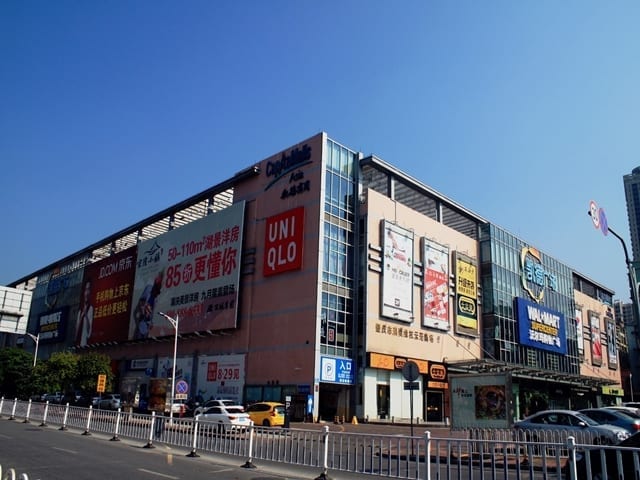
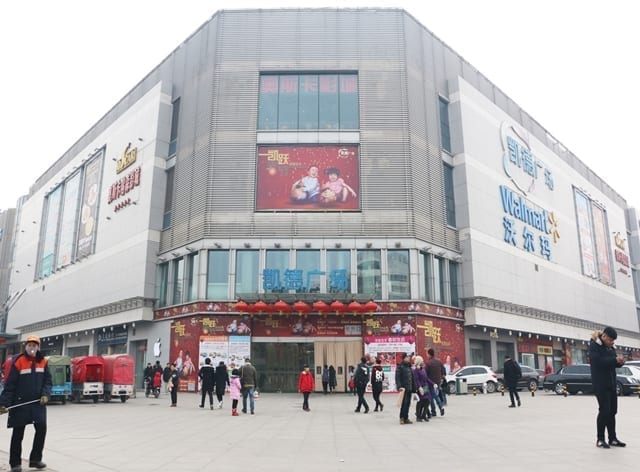
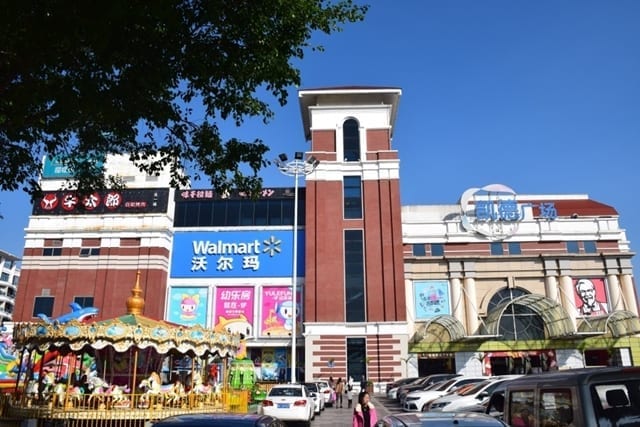
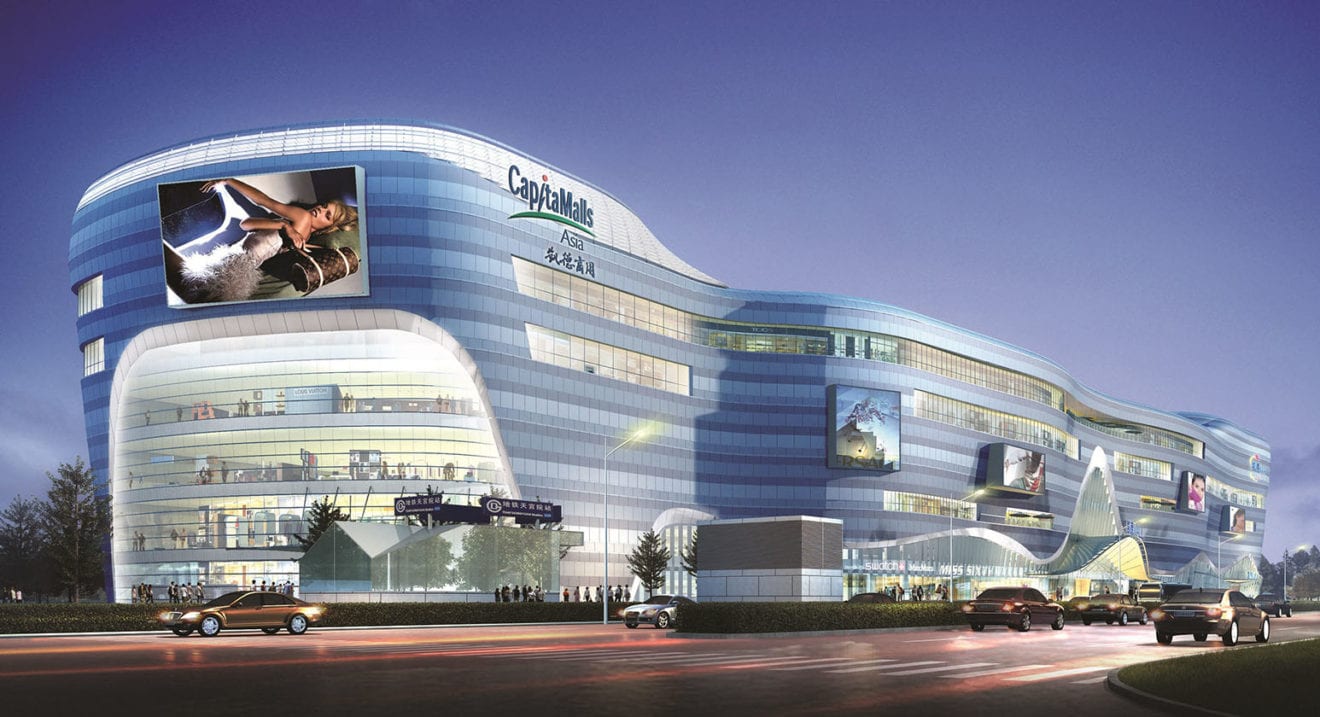
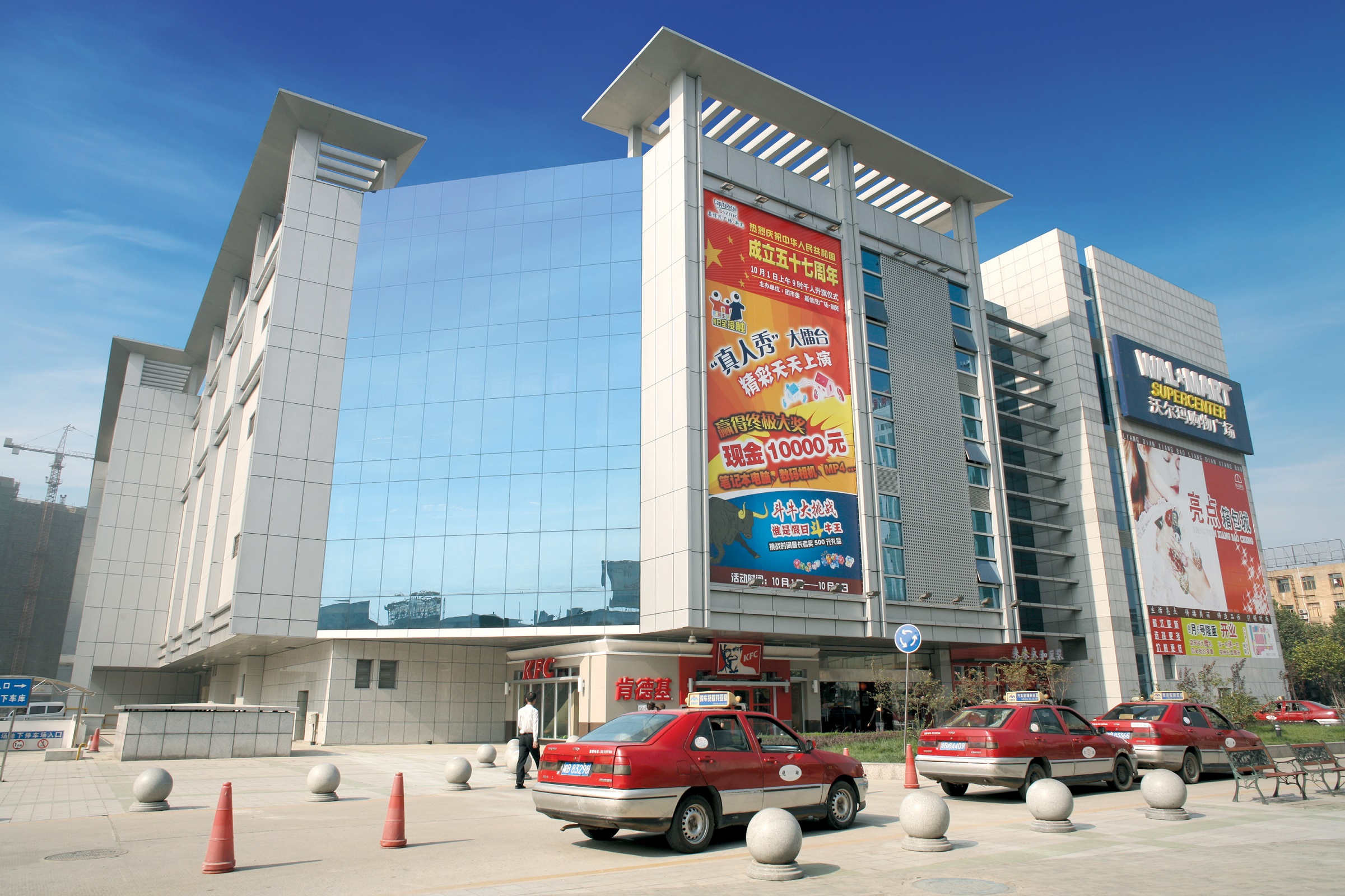
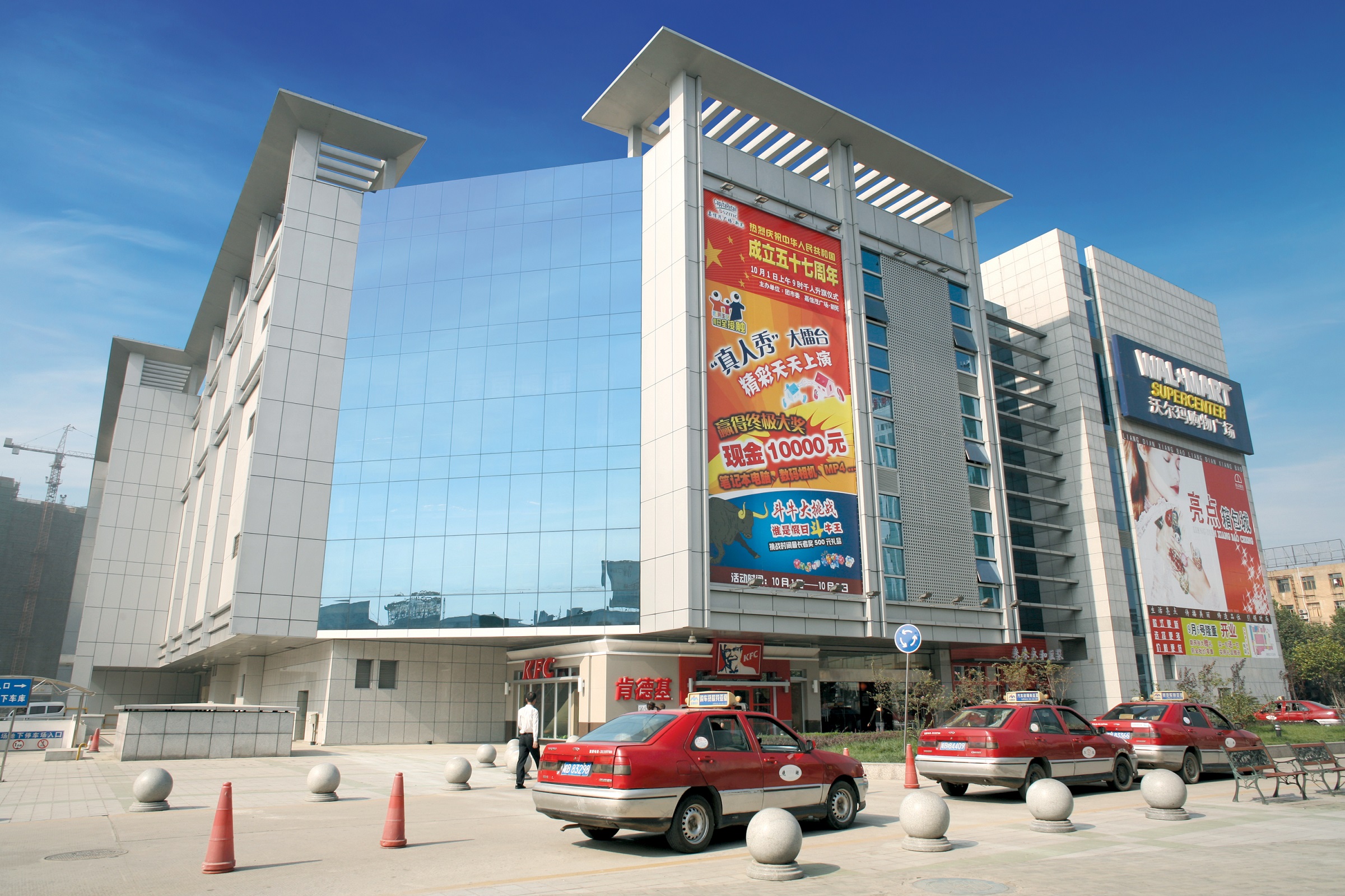
    Located in Wuhu city in China’s Anhui Province, CapitaMall Wuhu is a five-storey shopping mall of around 45,000sqm that has been closed since the third quarter of last year, following the exit of its anchor tenant.

    “The divestment of CapitaMall Wuhu is in line with our proactive asset-management strategy to optimise CRCT’s portfolio and enhance returns,” said CRCT Management Ltd CEO Tan Tze Wooi.

    “As our 51-per-cent stake in CapitaMall Wuhu accounts for less than 1 per cent of CRCT’s asset size, its sale is expected to have minimal impact on CRCT’s core business. The sale proceeds will provide CRCT with greater financial flexibility to take advantage of market opportunities. We remain on the lookout for strategic opportunities to reconstitute and strengthen our portfolio.”

    The transaction between the firms’ respective subsidiary and associate is based on the company’s adjusted net asset value – including (but not limited to) its interest in CapitaMall Wuhu of RMB210 million (US$31.25 million).

    After taking into account the estimated fees, taxes and other related expenses, it is estimated that the net proceeds from the divestment would be RMB90.6 million ($13.48 million). The net divestment proceeds may be used for reducing existing debt and/or financing general corporate or working capital requirements.

    CapitaLand Group’s president Lucas Loh commented: “The sale of CapitaMall Wuhu will unlock capital that can be redeployed to core assets in cities where CapitaLand enjoys scale and competitive advantage. We will stay disciplined in our capital-recycling efforts and continually review opportunities to optimise CapitaLand’s portfolio, which includes divestment of assets that are non-core or have limited growth.”

    The divestment of CapitaMall Wuhu is expected to be completed in the second half of this year.

    Following the divestment, CRCT’s portfolio will have 10 malls in seven Chinese cities, while CapitaLand’s retail network in China will comprise 51 malls in 21 cities.

  • CRCT and CapitaLand to divest their interests in CapitaMall Wuhu

    CRCT and CapitaLand to divest their interests in CapitaMall Wuhu

    CapitaLand Retail China Trust (CRCT) and CapitaLand today announced that their respective subsidiary and associate have entered into an agreement to divest their combined 100% interests in a company, which owns CapitaMall Wuhu, to an unrelated third party.  The transaction is based on the company’s adjusted net asset value, including but not limited to its interest in CapitaMall Wuhu of RMB210 million (about S$41.5 million).

    Mr Tan Tze Wooi, CEO of CapitaLand Retail China Trust Management Limited, said: “The divestment of CapitaMall Wuhu is in line with our proactive asset management strategy to optimise CRCT’s portfolio and enhance returns.  As our 51% stake in CapitaMall Wuhu accounts for less than 1% of CRCT’s asset size, its sale is expected to have minimal impact on CRCT’s core business.  The sale proceeds will provide CRCT with greater financial flexibility to take advantage of market opportunities.  We remain on the lookout for strategic opportunities to reconstitute and strengthen our portfolio.”

    Mr Lucas Loh, President (China & Investment Management), CapitaLand Group, said: “The sale of CapitaMall Wuhu will unlock capital that can be redeployed to core assets in cities where CapitaLand enjoys scale and competitive advantage.  We will stay disciplined in our capital recycling efforts and continually review opportunities to optimise CapitaLand’s portfolio, which include divestment of assets that are non-core or have limited growth.”

  • Funan set to open Singapore’s first O&O shopping mall ahead of schedule in 2Q 2019

    Funan set to open Singapore’s first O&O shopping mall ahead of schedule in 2Q 2019

    Funan is racing ahead to open Singapore’s first online-andoffline (O&O) shopping mall integrating online, offline, data and logistics aimed at empowering retailers’ omnichannel strategy and transforming the customer experience. The retail as well as its office components are now slated to open in 2Q 2019, instead of the earlier announced 3Q 2019. The opening of lyf Funan Singapore, a coliving serviced residence component within Funan, managed by The Ascott Limited, has also been brought forward from 2020 to 4Q 2019.

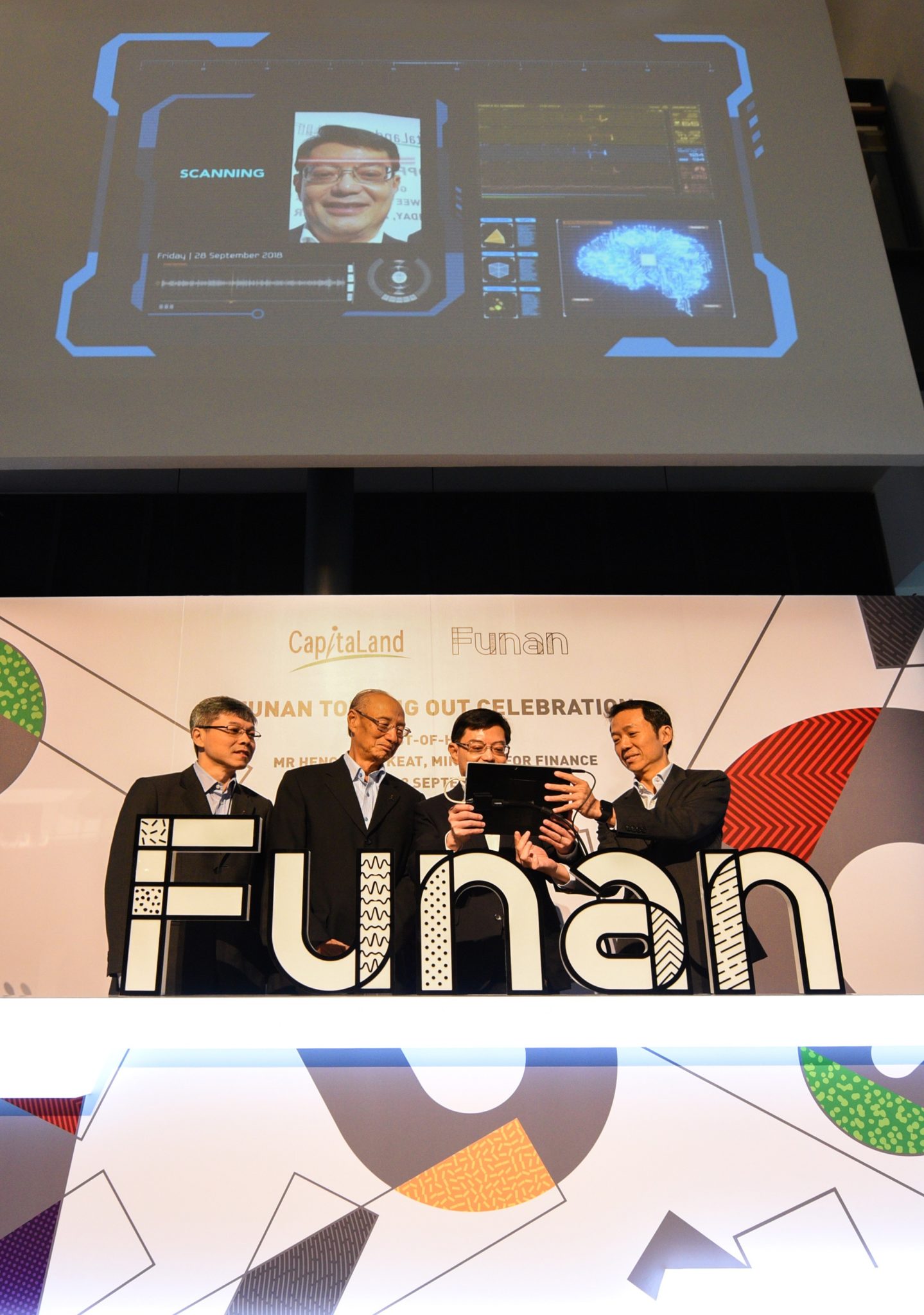
    Owned by CapitaLand Mall Trust and managed by CapitaLand Retail, Funan celebrated its structural completion ahead of schedule. The topping out ceremony held at Funan Showsuite was officiated by Guest of Honour Mr Heng Swee Keat, Singapore’s Minister for Finance. From groundbreaking to structural completion, Funan took about 19 months. To date, 72% of the overall construction has already been completed.

    Mr Lee Chee Koon, President & Group CEO of CapitaLand Group, said: “To succeed in tomorrow’s economy, all players must find a way for the physical and digital realms to coexist. While the current market share of online sales is small, its pace of growth will only speed up as tomorrow’s consumers enter the market. Brick-and-mortar businesses must thus go beyond passively selling products and services, to generating quality retail experiences and emotional connections that are ‘on-brand’ with consumers. Against this backdrop, CapitaLand is committed to help our current and future tenants stay ahead of the curve. We have conceived Funan to embrace new opportunities, with a focus on gathering and building a young and vibrant community by integrating an experiential mall with dynamic coworking and coliving spaces. This starts with top quality building design and space planning, complemented by the right mix of tenants and partners who can breathe life into the building. A digital layer of techenabled customer experience further enriches Funan’s offerings.”

    Mr Lee added: “As Singapore’s largest mall owner and manager, CapitaLand knows that past success is no guarantee of future success. We are taking a close examination of our retail portfolio, in Singapore and abroad, to identify areas for reinvention. The location and catchment of Funan make it the ideal test bed for an O&O mall, where tomorrow’s consumers can shop, sweat, work, bond, live and play. Funan demonstrates CapitaLand’s commitment to reinvention, to always retain our market leadership. As ecommerce becomes a reality, CapitaLand will continue to ensure that the real estate we develop is conducive and complementary to tomorrow’s consumers and economy.”

    Mr Tony Tan, CEO of CapitaLand Mall Trust Management Limited, said: “Including leases signed and in advanced negotiations, the leasing for Funan’s retail and office components has already reached 70% and 60% respectively. Such early commitment of a strong slate of partners from diverse fields, many of whom CapitaLand is working with for the first time, marks a very encouraging start for Funan’s mandate to inspire innovation and create a unique lifestyle proposition for digitally savvy customers in an experience economy. What is even more heartening is that many of these partners have committed to push the boundaries by experimenting with new-to-market experiences at Funan. The significant interest in Funan points to the continued market demand for centrally-located and well-designed retail spaces that enjoy inherent shopper traffic as part of a quality integrated development.”
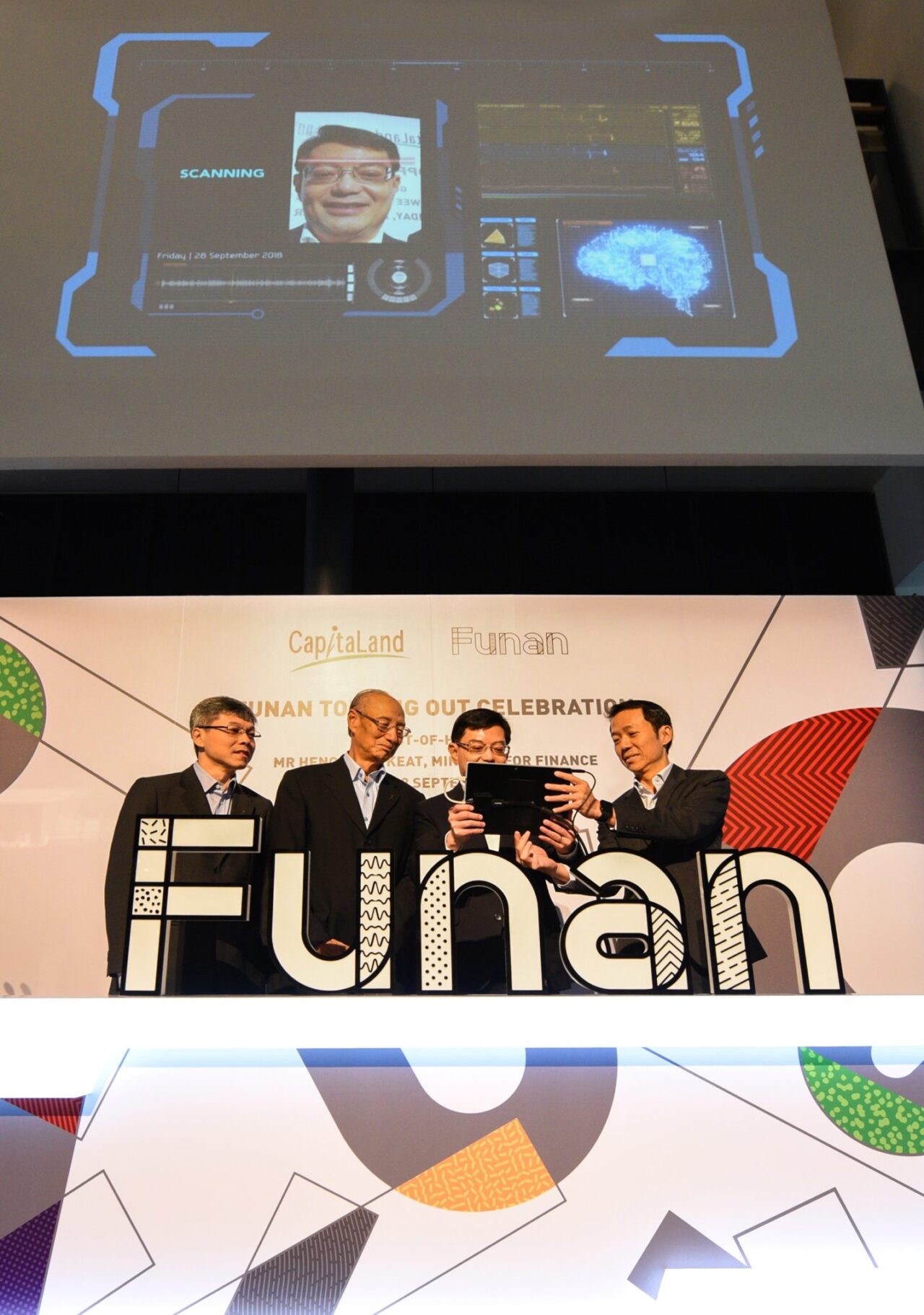
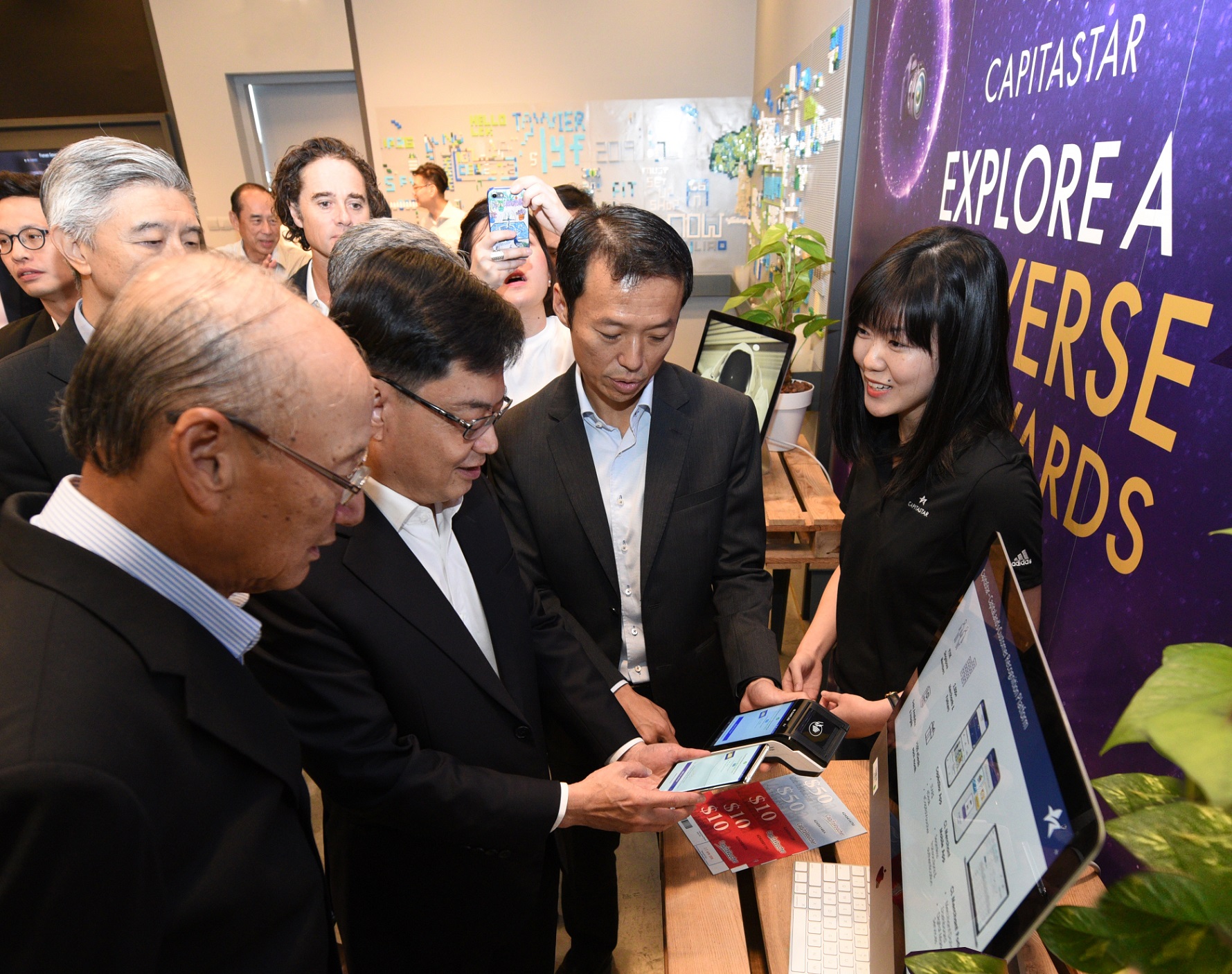
    At the topping out event, Minister Heng Swee Keat was given a preview of a range of digital innovations coming up at Funan. These include a smart interactive directory that uses facial recognition to provide shoppers with customised recommendations, video analytics that studies shopper traffic and crowd density and an all-in-one app for Ascott’s lyf coliving serviced residence – the first app by a serviced residence company that will allow social networking and room booking; and will also serve as a mobile key. CapitaLand also showcased its groupwide innovations as part of its digitalisation strategy, including a merchant dashboard that enables retailers to tap consumer insights generated by CapitaLand’s CapitaStar loyalty programme and eCapitaVoucher, the digital version of CapitaVoucher – Singapore’s most popular shopping mall voucher – launching this November.

    Funan’s innovation journey has scored several “firsts” in Singapore. These include the first to deploy automated guided vehicles to provide shoppers with a hands-free shopping experience and the first to utilise a robotic arm for its twenty-four-hour drive-through click-and-collect service. As part of Funan’s tech-enabled user experience, building users can also expect conveniences such as app-based booking of facilities within the development, video-based smart carparking facilities and facial recognition turnstiles at its office towers.

    Adopting smart construction technologies

    Despite challenges such as a tight site with limited access, time savings are achieved through innovation in construction methods, and the choice of building materials and equipment to avoid redundancies and inefficiencies in Funan’s construction process. These include applying Virtual Design and Construction at the onset, and adopting a top-down construction method, which allows for the building’s basement and superstructure to be built concurrently. Precast concrete structural building components are also used to further reduce the construction time.

    In addition, the construction of the underpass connecting Funan and City Hall MRT station will deploy the Rectangular Tunnel Boring Machine as it saves time and manpower, and minimises traffic disruption. The underpass is targeted for completion in 2021.

    Upcoming experiential offerings at Funan

    As Singapore’s first commercial development to allow cycling through the building at Level 1, Funan will bring to life cycling amenities and end-of-trip facilities such as cafés and shower facilities. English premium folding bike brand Brompton Bicycle has chosen Funan to be the location of its first flagship store in Singapore. Cycling enthusiasts can take the bikes out for a spin along the cycling lane within Funan before deciding on their purchase.

    Strengthening the tech cluster that already comprises local consumer electronic goods stalwarts Newstead Technologies, AddOn Systems and T K Foto, well-established homegrown gaming store GamePro will be hosting eSports tournaments in a dedicated eSports zone at Funan. Aspiring chefs can whip out their best dishes at a new concept by ABC Cooking Studio, which allows members to conduct their own classes and collaborate with others. On Level 7, diners can look forward to a farm-to-table dining experience by Spa Esprit Group. Edible Garden City will be operating Funan’s rooftop urban farm, with plans to host workshops for the community.

    Ark Futsal has committed to operate the only futsal court in the CBD at Funan, complementing the offerings from Climb Central, the largest rock-climbing facility in the CBD. These new names will synergise with and complement the previously announced tenants including Golden Village cineplex, Kopitiam foodcourt, W!ld Rice theatre and flagship of Carrie K. and Keepers.
  • CapitaLand signs MoU to explore investing in an integrated development in Wuhan,

    CapitaLand signs MoU to explore investing in an integrated development in Wuhan,

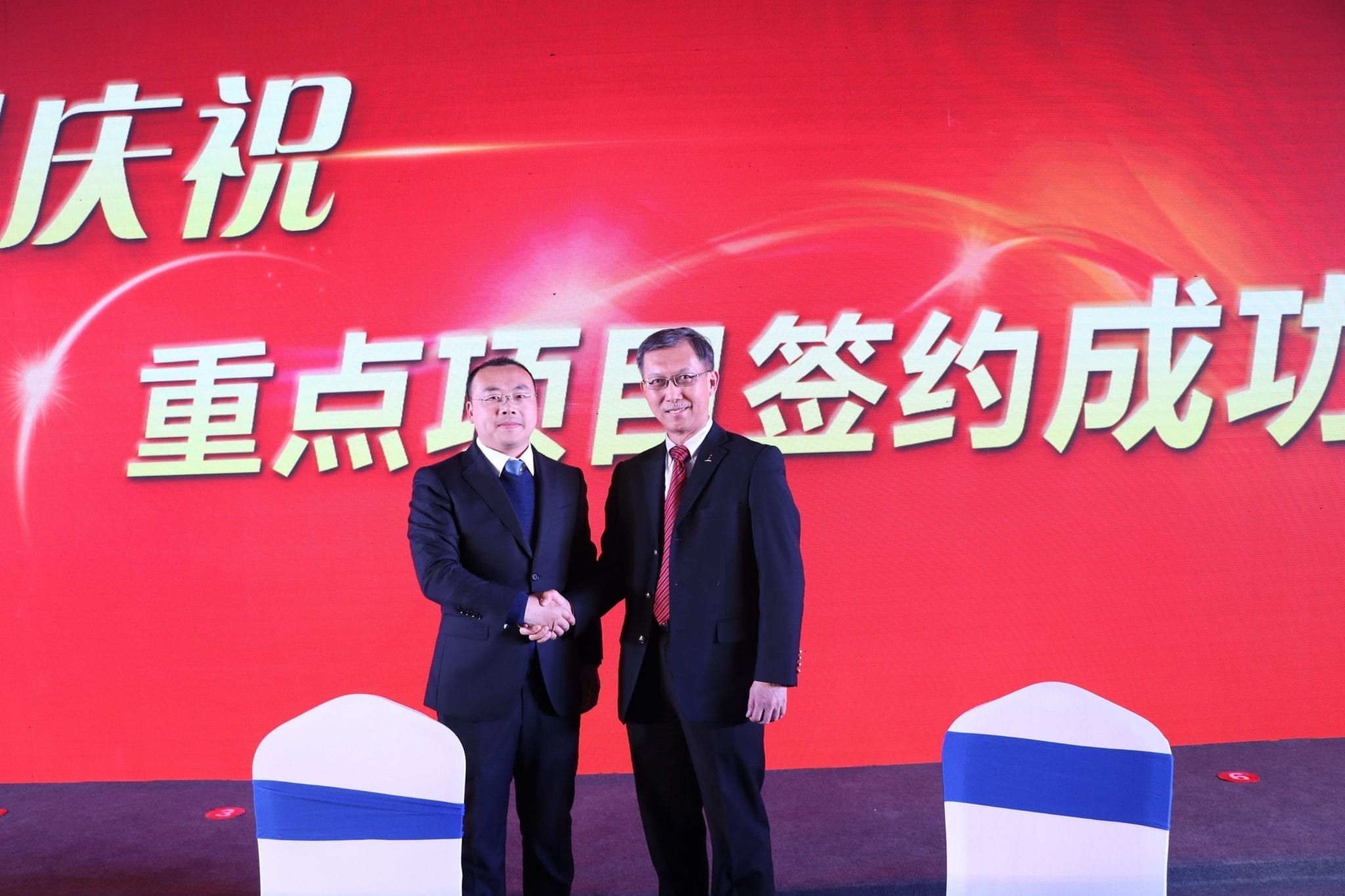
    Following a major reconstitution of its China shopping mall portfolio, CapitaLand is eyeing expansion opportunities under its “core city clusters, dominant assets” strategy. Through its wholly owned subsidiary CapitaLand China, CapitaLand today signed a Strategic Cooperation Memorandum of Understanding (MoU) with the district government of Wuchang – known as the urban core and one of three key areas of Wuhan, the capital of Hubei Province. The MoU sets out the general principles of collaboration between CapitaLand and the district government in developing a prime site in Wuchang. The potential scale of the proposed integrated development on the site is expected to surpass all CapitaLand’s existing properties in central China.

    Mr Lim Ming Yan, President and Group CEO of CapitaLand Limited, said: “Unlocking the value of mature assets for reinvestment into new growth opportunities is a hallmark of CapitaLand’s capital recycling strategy. As part of our proactive capital management, the Group has divested S$2.5 billion worth of assets and deployed some S$5.8 billion toward new properties in 2017. The proposed divestment of 20 non-core retail assets announced in early January, will further enhance our financial flexibility to invest in other compelling opportunities.”

    Mr Lim added: “In China, we are focused on deepening our presence in core city clusters where we can leverage our existing operations to grow faster. As the major transport and commercial hub in central China with strong economic fundamentals, Wuhan is a high-growth city that is set to benefit further from China’s Belt and Road Initiative. The city’s rapid urbanisation has created a high demand for quality real estate products and services, particularly integrated developments that will make efficient use of land to fulfill consumers’ intertwined live, work and play aspirations in one central location. CapitaLand looks forward to making greater contributions to Wuhan’s urban development through quality projects.”

    Mr Lucas Loh, CEO of CapitaLand China, said: “CapitaLand’s leadership in integrated developments is fast gaining market recognition. Serving as an enabler to catalyse an area’s economic growth, our integrated developments are well-sought after by Chinese urban planners around the country. To date, the Group owns and manages 23 integrated developments with over 6.2 million square metres (sq m) of gross floor area (GFA) in China’s first- and second-tier cities, making CapitaLand the foreign developer in China with the largest portfolio of integrated developments. Last year, CapitaLand marked the successful opening of six of these – namely Raffles City Changning in Shanghai, Raffles City Shenzhen, Raffles City Hangzhou, Capital Square in Shanghai, Suzhou Center, and CapitaMall Westgate in Wuhan. We will continue to build on our growing track record to take on more integrated developments in strategic locations that maximise the returns on our investments.”

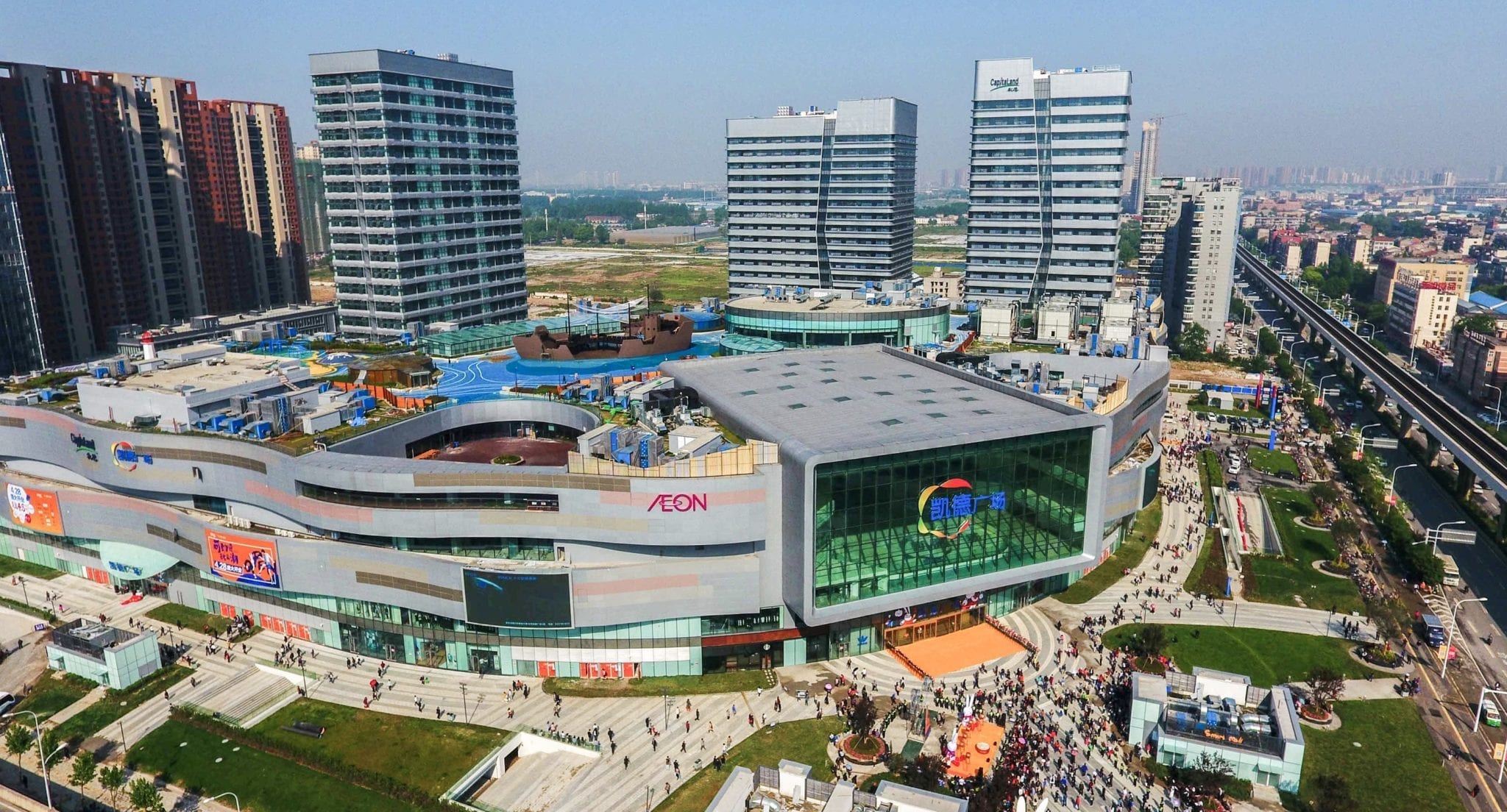
    The MoU signing followed last April’s opening of CapitaMall Westgate in Wuhan’s Hankou area. Comprising a shopping mall, two office towers and one SOHO block that span about 250,000 sq m in GFA, it is CapitaLand’s fifth largest integrated development in China and its biggest in central China to date. Opened with a high committed occupancy of about 93%, the retail component of CapitaMall Westgate drew more than 435,000 shoppers over its first four days of operations.

    Besides CapitaMall Westgate, CapitaLand owns and manages a second integrated development in Wuhan’s Hankou area, namely CapitaMall Wusheng, which also comprises a serviced residence Somerset Wusheng. CapitaLand’s portfolio in Wuhan also includes two other shopping malls, namely CapitaMall 1818 in Wuchang and CapitaMall Minzhongleyuan in Hankou. In addition, The Lakeside, Wuhan – a 2,246-unit residential project by CapitaLand is currently under development; 1,526 units launched to date have been fully sold. Through its wholly owned serviced residence arm The Ascott Limited, CapitaLand also manages four serviced residences in Wuhan.

    Wuhan is the largest city in central China, with a population of about 12 million people. Based on advance estimates, Wuhan achieved a GDP growth of 8% in 2017 – outpacing the national average. A major transport hub, Wuhan connects the rest of the country via well-established highway and railway networks, and one of the largest inland ports in China. With its central location and fast-growing economy, Wuhan has attracted strong international trade and foreign direct investment. Its key industries are car manufacturing, steel production and optical-electronics, including housing China’s largest production centre for optical-electronic products. Leading multinational corporations such as Citroen, Foxconn, Hewlett-Packard, Honda, Nissan, Philips and Siemens have established operations in Wuhan. In addition, Wuhan is home to several well-known local companies such as Dongfeng Motor, FiberHome Technologies Group and Wuhan Iron and Steel.

    Wuhan is part of the five core city clusters under CapitaLand’s China strategy, which also include Beijing/Tianjin, Shanghai/Hangzhou/Suzhou/Ningbo, Guangzhou/Shenzhen, and Chengdu/Chongqing/Xi’an.

  • CapitaLand sharpens China focus by selling 20 malls to Vanke

    CapitaLand sharpens China focus by selling 20 malls to Vanke

    CapitaLand China is about to sell 20 malls across China, following a year of record openings for the Singapore group.

    Through its wholly owned subsidiary CapitaLand Mall Asia, CapitaLand has signed agreements with unrelated parties to divest its share of interest in a group of companies that hold 20 retail assets with an agreed value of RMB8.3 billion (S$1.7 billion/US$1.2 billion).


    Each mall has an average gross floor area (GFA), excluding car park, of about 40,000sqm. They are spread across 19 cities, of which 14 are non-core cities in which CapitaLand has a single mall.

    Set for completion in the second quarter of this year, the transaction is expected to generate net proceeds of about S$660 million and a net gain of about $75 million for CapitaLand. The resultant loss of recurring income will be limited as the 20 malls account for about 4 and 7 per cent of CapitaLand’s respective total and China shopping mall portfolio valuation.

    The move follows CapitaLand’s divestment of CapitaMall Kunshan last month, and the formation of a JV between CapitaLand and CapitaLand Retail China Trust in November to acquire Rock Square, a 84,000sqm mall in Guangzhou.

    ‘Cusp of change’

    “China is sitting on the cusp of transformative changes to its retail industry, characterised by a burgeoning middle class and the rising popularity of omni-channel retailing,” says CapitaLand president/group CEO Lim Ming Yan. “CapitaLand is seizing this window of opportunity to reconstitute its mall portfolio with a sharper geographical focus.”

    He says that unlocking the value of mature assets for reinvestment into new growth opportunities is a hallmark of CapitaLand’s capital recycling strategy. “We will continue to invest in dominant assets in core Chinese city clusters, where we already enjoy a competitive advantage.”

    Lim sees China as an important core market for CapitaLand, with its competitive advantage in integrated developments acting as a key differentiator.

    CapitaLand last year opened a record 1 million square metres of retail space across eight developments in Singapore, China and Malaysia – its largest retail space offering in a single year. Of these, six are retail components of large-scale integrated developments in China, averaging about 130,000sqm. They are in fast-growing Chinese cities such as Hangzhou, Shanghai, Shenzhen, Suzhou and Wuhan.

    Post-divestment, CapitaLand’s mall network in China will be concentrated in 22 cities, compared to 36 before. It will comprise 491 malls, 45 of them in first- and second-tier cities. More than half are the retail component of integrated developments.

    CapitaLand’s largest retail presence is in Beijing and Shanghai, where it owns/manages eight malls each, followed by Chengdu with six and Wuhan with four. Following the acquisition of Rock Square, CapitaLand will have two malls in Guangzhou.

    The five core city clusters under CapitaLand’s China strategy are Beijing/Tianjin, Shanghai/Hangzhou/Ningbo/Suzhou, Guangzhou/Shenzhen, Chengdu/Chongqing/Xi’an, and Wuhan.

  • Capitaland Retail China Trust sees 4.4% rise in Q4 DPU to 2.59 cents

    Capitaland Retail China Trust sees 4.4% rise in Q4 DPU to 2.59 cents

    Capitaland Retail China Trust (CRCT) reported on Thursday (Feb 4) a 4.4 per cent rise in distribution per unit (DPU) to 2.59 Singapore cents for its fourth quarter ended Dec 31, 2015 from 2.48 cents for the year-ago quarter.

    Gross revenue increased 6.7 per cent to S$56.2 million while net property income rose 5.2 per cent to S$35.3 million.

    The rental growth came mainly from CapitaMall Qibao and CapitaMall Saihan. This increase was partially offset by lower revenue from CapitaMall Wuhu due to lower occupancy rate as the mall is undergoing tenancy adjustments and a one-off forfeiture of security deposits at CapitaMall Xizhimen.

    The bottomline in Singapore dollar terms was stronger than in yuan terms due to the appreciation of the Chinese currency against the Singapore unit during the quarter.

    Said Mr Tony Tan, CEO of the trust’s manager: “For FY 2015, CRCT’s gross revenue crossed the RMB1.0 billion mark for the first time. Portfolio occupancy remained high at 95.1 per cent as at Dec 31, 2015, while rental reversion for the full year was 8.1 per cent. Annual tenants’ sales increased 11.6 per cent and shopper traffic rose 1.8 per cent year-on-year.”

    “We will continue to strengthen our malls’ tenant mix and uplift the shopping experience through continual asset enhancement initiatives to remain relevant and attractive to the communities we serve,” he said.

    DPU for the full-year was up 7.9 per cent to 10.60 cents from 9.82 cents a year ago.

    Based on CRCT’s closing price of S$1.460 on Feb 3, the distribution yield for FY 2015 was 7.3 per cent.

    Unitholders can expect to receive their DPU of 2.59 cents for the fourth quarter along with their DPU of 2.64 cents for the third quarter, totalling 5.23 cents, on March 30. The book closure date is 16 February 2016.

  • CapitaMall Singapore shrugs off retail gloom

    CapitaMall Singapore shrugs off retail gloom

    CapitaMall Singapore’s shopping centres have improved their performance despite a lacklustre first quarter retail market in the city state.

    CapitaMall Trust Management Limited (CMTML), the manager of CapitaMall Trust (CMT), has reported first quarter distributable income of S$92.9 million, a 4.2 per cent increase over the same quarter last year.

    Wilson Tan, CMTML CEO, said shopper footfall in the three months to March 31 rose 4.7 per cent and tenant’s sales by 2.5 per cent. The occupancy rate of its portfolio “remained resilient” at 97.2 per cent.

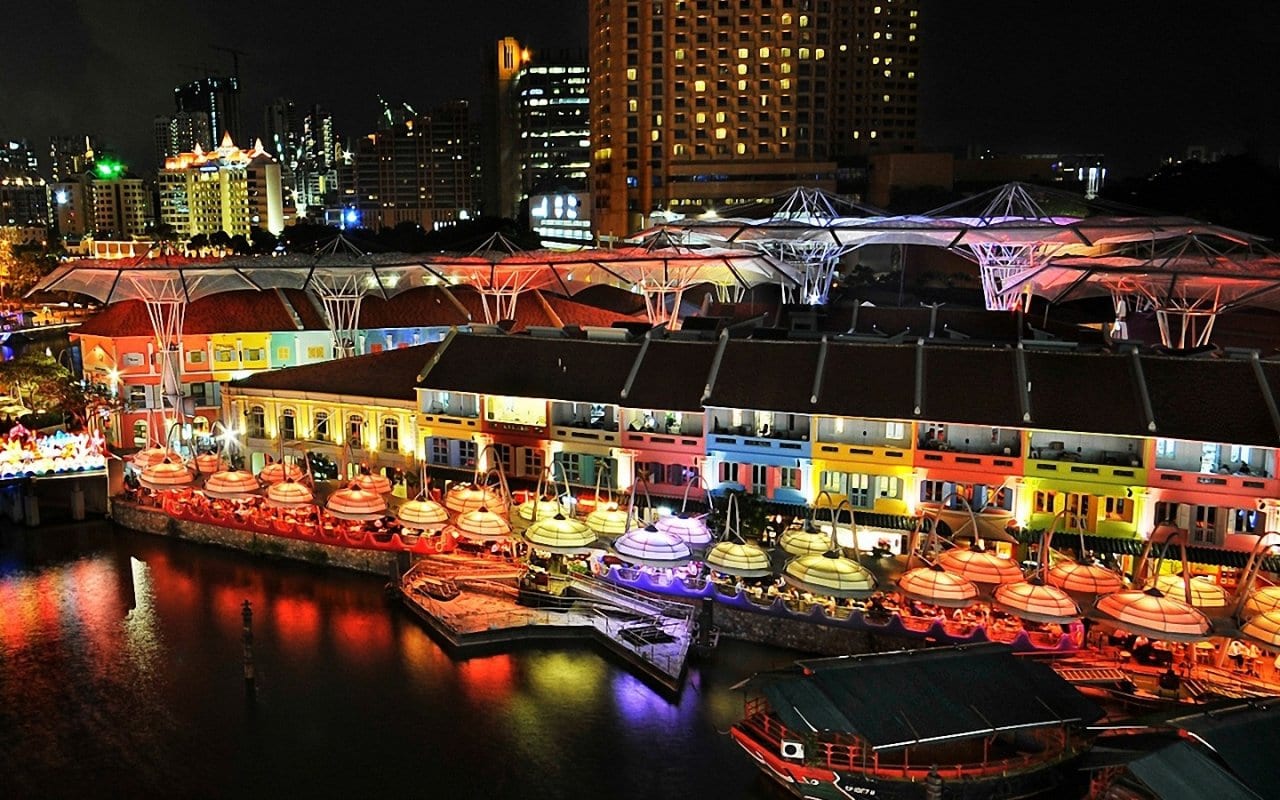
    CMT has 16 shopping malls and almost 3000 tenants, strategically located in the suburban areas and downtown Singapore. Its centres are Tampines Mall, Junction 8, Funan DigitaLife Mall, IMM Building, Plaza Singapura, Bugis Junction, Sembawang Shopping Centre, JCube, Raffles City Singapore (40 per cent), Lot One Shoppers’ Mall, 90 out of 91 strata lots in Bukit Panjang Plaza, Rivervale Mall, The Atrium@Orchard, Clarke Quay, Bugis+ and Westgate (30 per cent).

    “We constantly reinvent and rejuvenate our malls with a view to reap future benefits for our unitholders,” said Tan in a statement.

    “We are pleased to update that Clarke Quay has completed its reconfiguration works at Block A. New-to-market brands include McGettigan’s, an authentic modern Irish pub from Ireland; Motorino, a popular pizza joint from New York; and Catch!, a new homegrown eatery offering fish and chips.

    “In addition, the asset enhancement works for IMM Building, Bukit Panjang Plaza and Tampines Mall have made good progress and are on track to be completed as scheduled.”

    CMT’s gross revenue grew 1.6 per cent year-on-year to S$167.3 million in the first quarter, mainly due to the completion of the second phase of the Bugis Junction refurbishment last September.

    Net property income increased three per cent to S$117.7 million.