Retail News CRM

Tag: Carlyle

  • US-Based Carlyle Group Acquires KFC Korea: Sets Sight on Nationwide Expansion

    US-Based Carlyle Group Acquires KFC Korea: Sets Sight on Nationwide Expansion

    The US-based private equity firm, The Carlyle Group, has successfully acquired KFC Korea. With this acquisition, the firm aims to expand the existing 200-store portfolio of the popular restaurant chain in South Korea.

    The deal, which was initially announced in December, has now been finalized, with Carlyle gaining full ownership of KFC Korea. KFC Korea operates in South Korea under a master franchise agreement with Yum! Brands. The Carlyle Group bought the stake from Orchestra Private Equity.

    Envisioning Growth and Expansion

    John Kim, a partner and the head of Carlyle Korea, expressed enthusiasm about the partnership with Yum Brands. Kim said that Carlyle is eager to work with KFC Korea’s management team to grow the iconic brand in South Korea.

    Kim spoke highly of KFC Korea, stating that the brand’s strong heritage and market position make it ripe for expansion. He also mentioned the growing demand for quick-service dining among Korean consumers, which KFC Korea could effectively cater to.

    Carlyle’s current holdings include A Twosome Place, a dessert cafe chain boasting over 1700 stores in South Korea, as well as KFC in Japan.

    An Exciting Milestone

    Tony Shin, CEO of KFC Korea, also voiced his excitement about the partnership with Carlyle. He highlighted Carlyle’s extensive experience in the quick-service restaurant and F&B sectors, expressing optimism that the partnership will drive continued growth and innovation.

    Questions & Answers

    Who has acquired KFC Korea?
    The Carlyle Group, a US-based private equity firm, has acquired KFC Korea.

    What is the Carlyle Group’s plan for KFC Korea?
    The Carlyle Group plans to expand the restaurant chain’s existing 200-store portfolio in South Korea.

    Who previously owned the stake in KFC Korea that The Carlyle Group purchased?
    The stake was purchased from Orchestra Private Equity.
  • McDonald’s to buy Carlyle’s stake in China business

    McDonald’s to buy Carlyle’s stake in China business

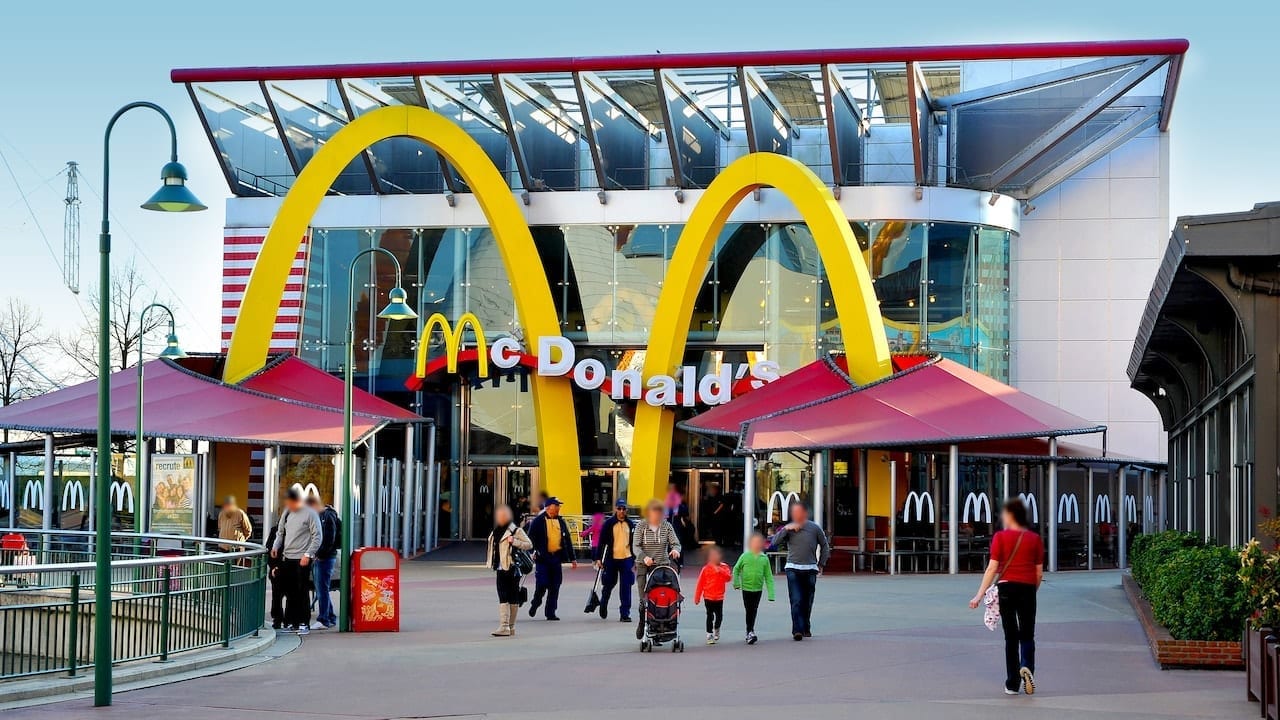
    Fast food chain McDonald’s Corporation has agreed to acquire Carlyle’s 28 percent stake in the consortium that operates the McDonald’s business in Mainland China, Hong Kong and Macau.

    Through its equity affiliate Citic Capital, the Citic Consortium will maintain a 52 percent controlling stake while McDonald’s will increase its ownership in the business to 48 percent.

    “Our strategic partnership with CITIC and Carlyle has been extremely successful in growing McDonald’s presence in the region since it began. China is now our second largest market; we’ve doubled our restaurants to more than 5500 since 2017,” said Chris Kempczinski, McDonald’s president and CEO.

    “We believe there is no better time to simplify our structure, given the tremendous opportunity to capture increased demand and further benefit from our fastest-growing market’s long-term potential.”

    The acquisition comes amid the consortium’s target to reach more than 10,000 McDonald’s stores in the region by FY28 and nearly six years after the burger chain agreed to sell 80 percent of its China and Hong Kong businesses to Citic and Carlyle for up to $2.1 billion.

    “As McDonald’s China’s controlling shareholder, we are thrilled by McDonald’s Corporation’s continued commitment to our long-term partnership and the China market,” said Yichen Zhang, Citic Capital CEO and McDonald’s China chairman.

    The deal is expected to close in the first quarter of next year.

  • Carlyle eyes investing in Malaysia’s Caring Pharmacy

    Carlyle eyes investing in Malaysia’s Caring Pharmacy

    Multinational private equity investor Carlyle Group is reportedly in talks with Caring Pharmacy to acquire a majority stake in the Malaysian drugstore chain.

    According to DealStreetAsia, the deal is projected to reach more than US$300 million in size.

    Earlier this year, Caring Pharmacy’s majority owner, 7-Eleven Malaysia Holdings was said to be in talks with several potential Japanese investors about a potential divestment of Caring Pharmacy. The chain was previously estimated to be worth around US$400 million.

    Established in 1994 by five pharmacists who were course-mates in the School of Pharmacy at Universiti Sains Malaysia (USM), Caring offers pharmaceuticals, healthcare, and personal care products. As of 2019, the company had more than 120 stores nationwide.

    7-Eleven Malaysia recently forayed into the Indonesian pharmacy business through a joint venture between Caring Pharmacy and PI Era Prima Indonesia.

  • Goldman Sachs linked to The Body Shop bid

    Goldman Sachs linked to The Body Shop bid

    Investment bank Goldman Sachs is reportedly preparing a £600 million bid for The Body Shop.

    Owner L’Oreal decided to put the ethical cosmetics brand on the market last month, apparently unwilling to invest in arresting falling sales and market share.

    The Body Shop bid price would fall considerably short of the £850 million L’Oreal is said to be seeking – a figure roundly considered as highly optimistic in the investment community.

    Private equity companies Carlyle, CVC Capital Partners, Advent International and Apax Partners have all been reported to have shown an interest in the business. L’Oreal paid £650 million for the business in 2006.

    Founded by Dame Anita Roddick and her husband Gordon in 1976, The Body Shop has grown to more than 3000 stores in 66 countries. The original concept was to create an ethical approach to cosmetics with fewer chemicals and no animal testing.

    Sales fell 3.2 per cent in the first half of 2016 and by 2.8 per cent in the third quarter. Another decline is expected to be reported when L’Oreal releases its results this month.

    Charlotte Pearce, an analyst with GlobalData, warns The Body Shop needs to freshen its offer or face its eventual demise.

    “The brand has become outdated and has failed to provide an innovative offer with exciting new products to entice customers into stores, causing the retailer to lose out to brands with more relevant beauty and skincare ranges,” said Pearce.

  • Tesco Asia carve up likely

    Tesco Asia carve up likely

    A carve-up of Tesco Asia operations seems increasingly likely with credible reports in three different nations now of serious expressions of interest.

    While markets await firm news of progress of HSBC’s quest to find a buyer for the Tesco Korea business, the latest news is that Japan’s Aeon has expressed interest in buying Tesco Malaysia, reportedly valued in the region of £900 million.

    That follows an approach from Thai billionaire Dhanin Chearavanont late last year who prepared a speculative bid by his company Charoen Pokphand Group (CP) to buy back the troubled Tesco Plc’s Thai business, which he sold during the Asian financial crisis. That bid was initially rejected but if Tesco is selling its Korean and Malaysian operations it is likely to let Thailand go as well if it can gain a fair price.

    If all three sales were to proceed, it would almost certainly see the Tesco Asia operations rebranded under new owners – in Thailand, most likely under the Lotus brand, in Malaysia stores would be merged into Aeon’s existing network and in Korea – that would entirely depend on the successful bidder.

    Reuters has reported reliable sources confirming Aeon’s interest in Tesco Malaysia. Aeon is cashed up, has a heavy focus on expanding across Southeast Asia and a merger of its network with Tesco’s would give it 29 stores, making it a formidable competitor to local hypermarket operator Giant, which has a lower market positioning to Aeon’s more premium offer.

    The Japanese retail and property giant entered Malaysia by acquiring the Carrefour operation in 2012 for €250 million.

    Meanwhile, KKR has reportedly rejoined the race to buy Tesco Korea’s Homeplus network which is estimated to be worth US$6 billion, after sweetening its preliminary offer. All the prospective shortlisted buyers reported by the UK and Korean financial press are private equity companies, including Affinity Equity Partners, Goldman Sachs, Carlyle Group and MBK Partners.

    However in a market as complex as Korea, it is highly likely any of those bidders would want to partner with a local retail operator for the business connections and local market knowledge.

  • Tesco Korea technique paying off

    Tesco Korea technique paying off

    Tesco’s obvious technique to attract out bidders for its Korean Homeplus operation is already paying off.

    Whereas personal fairness gamers have been apparently despatched invites to bid, the best way the information of the as but formally unconfirmed sale plan has unfold, has drawn two public declarations of curiosity.

    One is decidedly mischievous – from snack maker Orion, well-known for its “Choco Pie” dessert bought in supermarkets throughout Asia. Simply the place it might discover £6 billion to purchase Tesco Korea is unclear.

    The opposite is from Korea’s Hyundai Division Retailer (no relation to the automotive firm). Hyundai is value about US$three billion, so the probability of it pulling off a reverse takeover in its personal proper is slim. However it might make a worthy companion for a personal fairness investor, comparable to KKR, Carlyle, Affinity Fairness Companions, CVC or MBK, all of whom have been formally invited to bid. Native information, overseas capital and the looks of native possession to a finicky native shopper base would show a strong basis for progress and capital achieve.

    The top results of these two declarations creates the looks that there’s robust curiosity and demand within the Tesco Korea operation which, whereas worthwhile, faces challenges in sustaining market share.

    At the very least one of many events says it has acquired an info memorandum which tends to place past doubt Tesco Plc’s intentions.

    Tesco CEO Dave Lewis has already confirmed at Unilever he was unafraid of robust selections. And he’s dealing with many in his new position – his largest but to place Tesco Korea on the block.

    With a worth of circa £6 billion, it brings an entire new definition to the time period ‘hearth sale’. But when consumers are in search of a reduction given Tesco’s UK operational woes, they’ll be disenchanted.

    The method has been managed by HSBC and an obvious collection of leaks to information media, which, to date, are working properly, presents a protected and risk-free technique of testing the water. If the bids are available and the provides appear affordable, Tesco has a excellent news story of a robust return, a big discount in its debt and a stronger monetary base with which to proceed its residence market reforms and strengthen market share and income. If nobody significantly bites, Tesco can break its silence, deny a sale was ever on – and blame the media and market hypothesis for a misunderstanding.

    Our prediction: Tesco will promote the Korean operation and it’ll get a great worth for it, as a result of one or two or extra of these personal fairness gamers, working with a Korean associate with information of the retail business, will be capable of extract worth out of the enterprise that has hitherto eluded Londoners pulling strings from afar.