Retail News CRM

Tag: carsales

  • Toyota’s Domestic Sales Down By 7% In May

    Toyota’s Domestic Sales Down By 7% In May

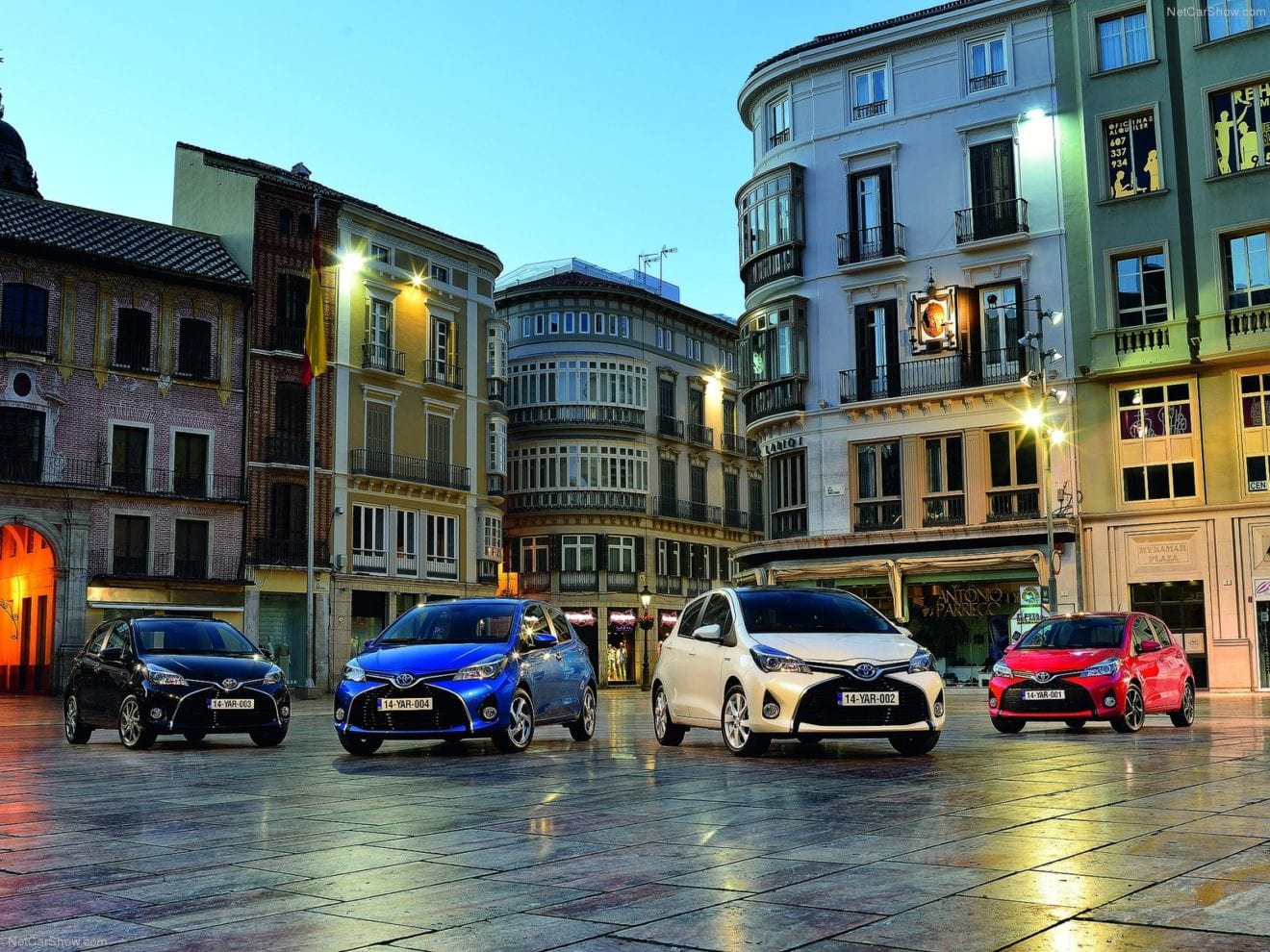
    The downward trend in the automotive industry continues in May 2019 as well. Toyota Kirloskar Motor announced its sales figure for the month of May and it has sold a total of 12,138 units in the domestic market, which was a de-growth of 7 per cent as compared to the same period last year. The company exported 928 units of the Etios series this month thus bringing the company’s total sales to 13,066 units. In comparison, Toyota Kirloskar Motor sold a total of 13,940 units in May 2018 thus registering a decline in sales of 6 per cent.

    N. Raja, Deputy Managing Director, Toyota Kirloskar Motor said, “The customer demand had witnessed a continued slowdown before the election results. Customers have been cautiously spending which has led to sluggishness in the domestic auto sales. Added factors like liquidity tightening, high insurance costs, increase in fuel costs have also weakened the retails.”

    However, he says that there is an increase in customer walk-ins post the election results announcement which would brighten the sales in upcoming months.The company is all set to launch the Glanza in India on June 6, 2019 and this would mark the company’s entry into the premium hatchback segment. The company thinks that the slowdown will soon be gone and things will look bright for the automotive industry.
  • Hyundai Registers 5.6 Per Cent Sales Decline In May 2019

    Hyundai Registers 5.6 Per Cent Sales Decline In May 2019

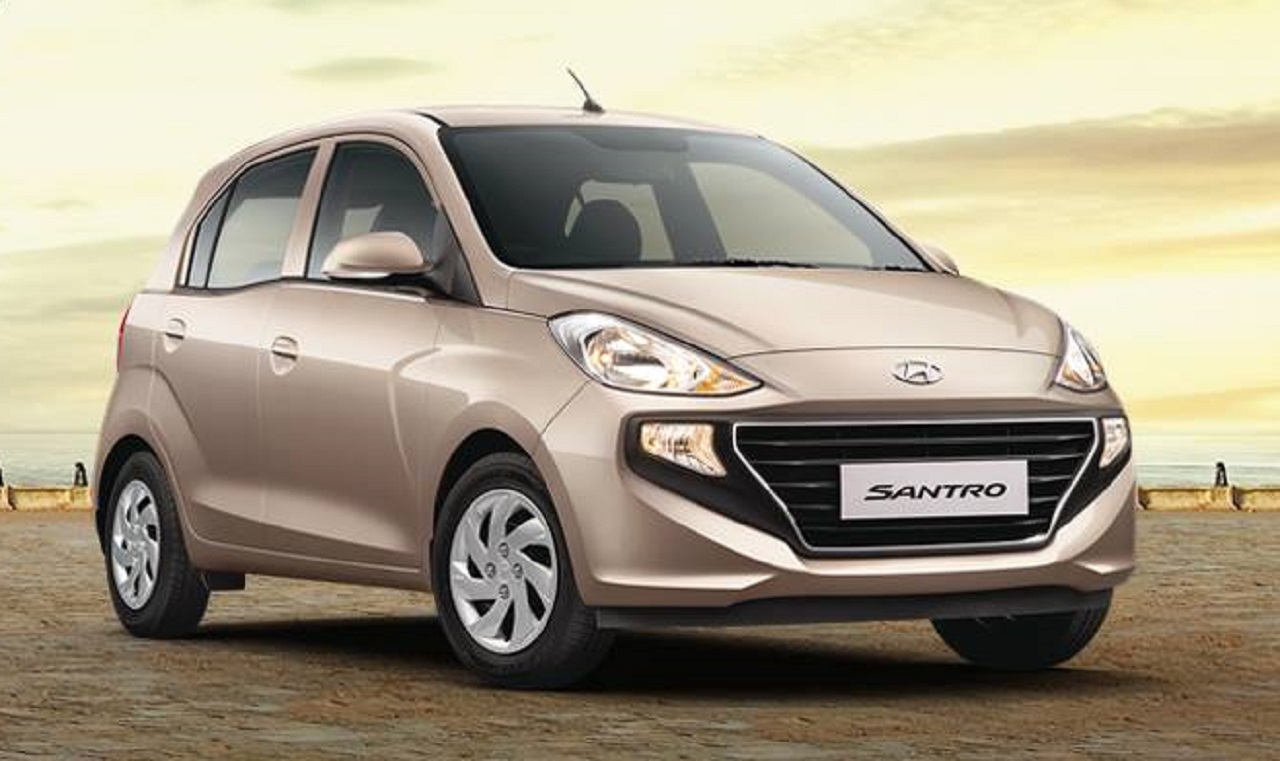
    Affected by the slump in the Indian auto market, Hyundai Motor India’s domestic volumes witnessed a decline in May 2019 at 42,502 units, dropping by 5.6 per cent as against 45,008 units sold in May 2018. Exports, however, saw a major increase in volumes by 50.8 per cent with the company shipping 16,600 units last month, as against 11,008 units in May last year. Despite the poor domestic performance, the automaker’s overall volumes for the previous month still over the red line. Hyundai sold a cumulative (domestic+exports) 59,102 units last month, growing by 5.5 per cent over 56,016 units sold during the same period last year.

    The drop in domestic volumes isn’t too different from other manufacturers that have reported a steeper decline in sales for the last month. Both Maruti Suzuki and Tata Motors registered double-digit de-growth, while Mahindra sales dropped by just one per cent. Meanwhile, sales for Hyundai are expected to improve in the coming months, backed by the strong demand for the newly launched Venue subcompact SUV. With booking numbers at 20,000 and counting, the new offering is off to a good start and will help stabilise the Korean auto giant’s falling numbers.

    With the elections have come to a close and the new government in power, the buyer sentiment is also expected to see a favourable change towards the purchase of new vehicles. The auto industry is also looking forward to a normal monsoon this year to boost growth in rural areas. Hyundai also has a few new products lined up for a launch this fiscal that will include the Kona Electric SUV and the Tucson facelift. The automaker has also repositioned itself as the country’s first smart mobility solutions company, diversifying its presence in other vehicle categories.

  • Mercedes-Benz Shakes Off ‘Dad’s Car’ Image in Indonesia

    Mercedes-Benz Shakes Off ‘Dad’s Car’ Image in Indonesia

    German automaker Mercedes-Benz is focusing on young Indonesians as part of its strategy to boost sales in the country, shaking off the “dad’s car” image along the way.

    “We’re opening up new segments that are characterized by younger buyers, people who may not have considered Mercedes-Benz previously,” Roelof Lamberts, Mercedes-Benz Indonesia’s sales and marketing director, said on Thursday.

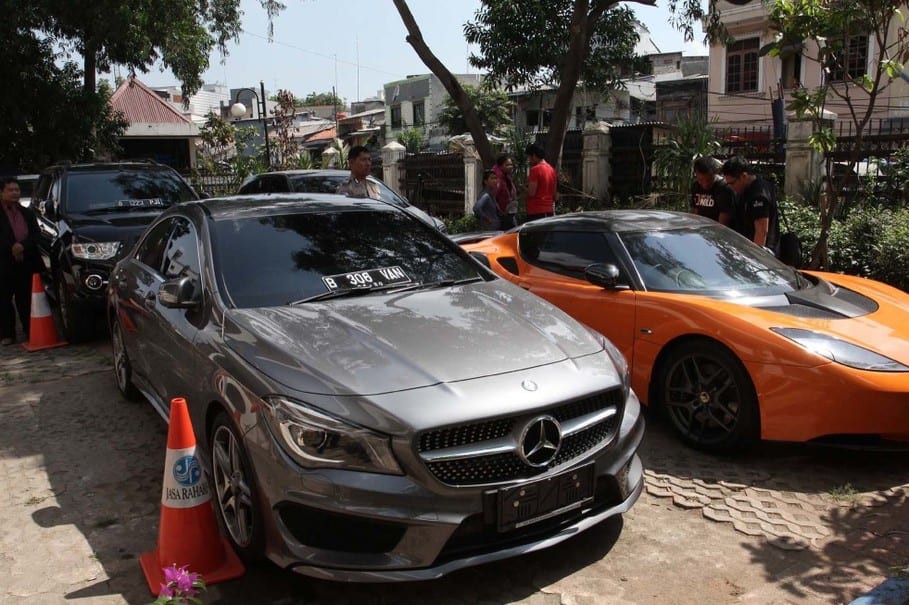
    The company has rolled out six new models so far this year including the latest B-Class and CLA-class, catering to young entrepreneurs’ demand for more sporty and compact premium cars.

    “We are shifting generations,” said Ananta Wisesa, a Mercedes-Benz spokesman, “So, [Mercedes-Benz] will lose its dad’s car image.”

    Cars introduced this year, including the A-Class and GLA-Class, are sold for less than Rp 1 billion ($71,000), and “have seen very positive demand,” said Lamberts. The introduction of these models has helped the company buck the trend of a shrinking auto market in Indonesia amid slowing economic expansion.

    The German company sold 1,800 cars during the first seven months this year, a 20 percent increase from the 1,500 cars it sold in the same period last year.

    In contrast, total car sales in Indonesia shrunk 21 percent to 581,106 units during the period, according to the Indonesian Automotive Manufacturers Association, or Gaikindo.

    Mercedes-Benz now controls 49 percent of the premium car market, up from 38 percent in the same period last year.

    “Our strategy basically is in line with the overall Mercedes-Benz strategy, and that is to become number one in the premium segment,” Lamberts said. “In Indonesia, we’re number one. Our objective is to defend that position.”