Retail News CRM

Tag: cashless payment

  • Cashless-payments will be launched soon in Japan

    Cashless-payments will be launched soon in Japan

    More than 50 Japanese banks are joining Tokyo bank J-Coin to set up a cashless payment system developed by Mizuho Financial Group, to be launched late next month. The new service will initially be rolled out to existing account holders at regional banks. Mizuho Bank will initiate the service on March 1, with regional banks to follow after a period of around three weeks.
    Around half of Japan’s regional banks are participating in the scheme at a time when the Japanese government is advocating cashless payments in advance of the 2020 Tokyo Olympics and Paralympics.

    J-Coin payments will be processed via an app using a QR barcode, a phone number or a Line messenger personal ID number. Unlike the prepaid smart cards commonly used in Japan, J-Coin allows transactions between individuals without the need for dedicated scanning devices at point of sale.

    A number of major retailers, including East Japan Railway Co and FamilyMart, have already indicated interest in adopting the system.

    Observers have noted that partnerships with international cashless payment providers such as Alipay could see J-Coin become a preferred method of payment among visitors to Japan.

    The Japanese government, aiming to double digital payments to 40 per cent of all transactions by 2025, will offer rebates of 2 per cent of convenience-store cashless purchases and 5 per cent of cashless purchases at other small- or medium-sized stores for nine months after its consumption tax is raised from 8 per cent to 10 per cent in October this year.
  • Wirecard expands cooperation with Singtel’s Dash to enable mobile payments with Apple Pay

    Wirecard expands cooperation with Singtel’s Dash to enable mobile payments with Apple Pay

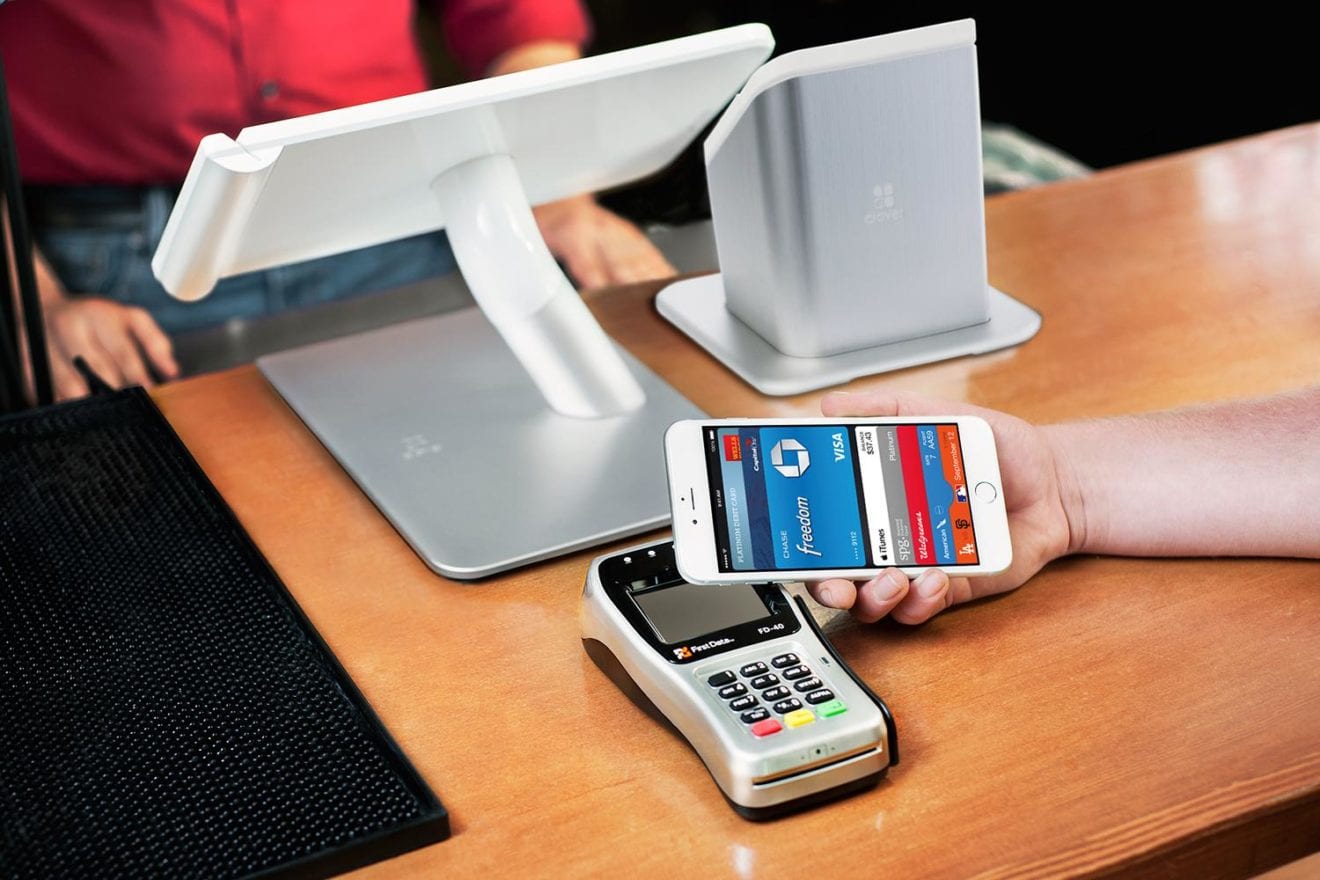
    Wirecard, the global innovation leader in digital financial technology, has deepened its partnership with Singtel’s Dash to support the Dash mobile wallet’s Visa Virtual Account on Apple Pay. From now on, Dash’s customers can make payments using Apple Pay at millions of participating on- and offline merchants worldwide.

    Brigitte Haeuser-Axtner, Executive Vice President, Sales Asia, Digital & Telecommunications at Wirecard said, “As leaders in digital financial technology, we are proud to work with Singtel to bring Dash to an even larger group of potential customers, and to connect consumers with merchants around the globe. Asia continues to be the leader of the digital payments revolution worldwide, and we are excited to be at the forefront of these innovations.”

    “With the increasing popularity of mobile and online payments, Dash enables easy, secure and seamless payment options between our partner merchants and our more than half a million Dash customers on the platform of their choice,” said Gilbert Chuah, Head of mCommerce at Singtel. “Our expanded partnership with Wirecard to bring Dash to Apple Pay reflects our commitment to enhance the digital payment experience for both merchants and customers.”

    Singtel Dash is Singapore’s only all-in-one digital wallet which provides a safe and secure mobile payments solution for shopping, commuting, and remitting money. Dash’s Visa Virtual Account is the first of its kind in Singapore and was introduced in 2017.

    The inclusion of Dash into Apple Pay complements the increasing popularity of online shopping in Singapore. Wirecard’s 2018 International Holiday Shopping Report found that 67% of Singaporeans surveyed prefer shopping online, either via desktop or mobile, while 20% prefer shopping in-store. The ability to use mobile payments in-store is also a welcome innovation with 51% of respondents saying it would improve their shopping experience.


  • Amazon-go to open more stores in the airports

    Amazon-go to open more stores in the airports

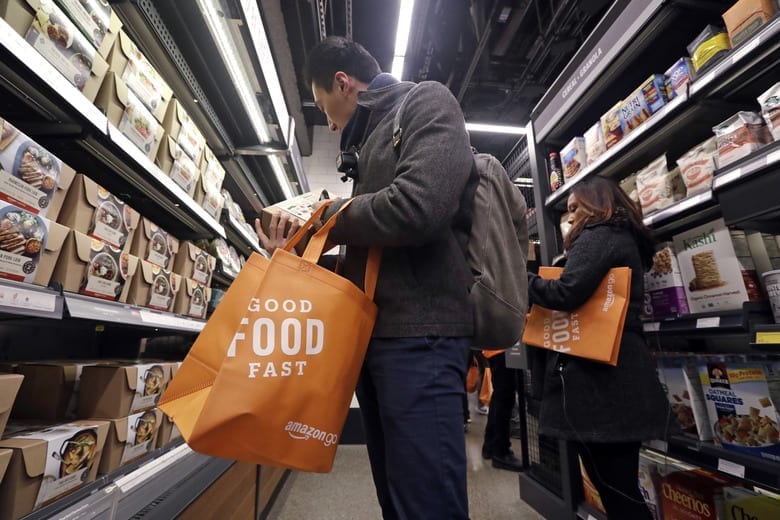
    Online giant Amazon is looking to expand the reach of its automated bricks-and-mortar Amazon Go offer by opening stores in airports, according to a report by Reuters. The retailer’s Go stores utilise myriad cameras which are able to identify customers as they enter, see what they pick up and leave with, and subsequently charge the customer’s Amazon account without the need for any staff interaction – a natural fit for customers needing to get from gate to gate in a short amount of time.

    According to emails obtained by Reuters, Amazon requested a meeting with staff from several airports, including Los Angeles International and San Jose International, referencing Amazon Go as “one of many possibilities we can discuss”.

    Beyond the meetings, which took place in June, officials from both airports confirmed they have had no further correspondence with the business, and that it would need to undergo a competitive bid process in order to acquire the locations necessary.

    The move would put Amazon in front of the more than 350 million people who boarded flights from the country’s top 12 airports last year, according to data from the US Department of Transportation.

    Amazon has been slowly expanding its physical retail offering through numerous Whole Foods, seven Amazon Go stores, and three reviews-driven Amazon 4-star stores, spread across the US, though efforts to bring these offers internationally are reportedly heating up.

    Telegraph UK has learned that Amazon is planning to open an Amazon Go store near Oxford Circus in London, with the location serving as a flagship store for the UK.

  • Cashless services explode in Vietnam

    Cashless services explode in Vietnam

    Vietnam’s central bank says the value of cashless transactions more than doubled over the first three quarters of 2018. The Department of Payments at the State Bank of Vietnam reported a strong rise in payments over electronic channels between January and September, compared to the same period last year. Accordingly, the value of online payments rose by 18.3 percent, while transactions over mobile apps and e-wallets rose by 126 percent and 161 percent respectively.

    The number of transactions over Internet, mobile and e-wallet channels also rose 33 percent, 30 percent and 28 percent respectively.

    “Mobile payment is becoming a new trend with the rise of technologies such as QR codes, contact and contactless payments, and the tokenization of card information,” said Nghiem Thanh Son, deputy director of the department.

    The first months of 2018 saw the number of users and the value of transactions through electronic channels such as online, mobile and e-wallets rocket at many banks.

    At Sacombank, statistics show that as of October, the number of registrations for online banking reached over 1.3 million accounts and for mobile banking 1.1 million accounts. The total value of transactions per month through both channels exceeded VND108 trillion ($4.63 billion).

    For VietinBank, the country’s second largest lender by assets, the number of internet banking users in the first half of this year surged 114 percent over the same period last year to a total of 1.5 million accounts and VND44.26 trillion ($1.90 billion) in total transaction value.

    Its mobile banking users also reached 1.5 million, engaging in transactions totalling VND64.35 trillion ($2.76 billion) between January and June.

    Over 7 million people are using digital services provided by MBBank. The average transaction value per month reached VND27.4 trillion ($1.17 billion), with digital transactions making up approximately 2.6 million out of 3 million total monthly transactions seen at this bank.

    Nguyen Hoang Minh, deputy director of the State Bank’s HCMC branch, noted that the number of online banking customers has seen average annual increase of 20 percent in recent years.

    Minh said that in order to continue developing non-cash payment channels, credit institutions should pay attention to linking their cashless systems with the public sector, specifically in areas like health, education, payroll and utilities.

    Cashless services should also expand to include online payment options for public services like buses, trains and other smart urban solutions, he said.

  • Visa and GARMIN launch GARMIN Pay in Thailand

    Visa and GARMIN launch GARMIN Pay in Thailand

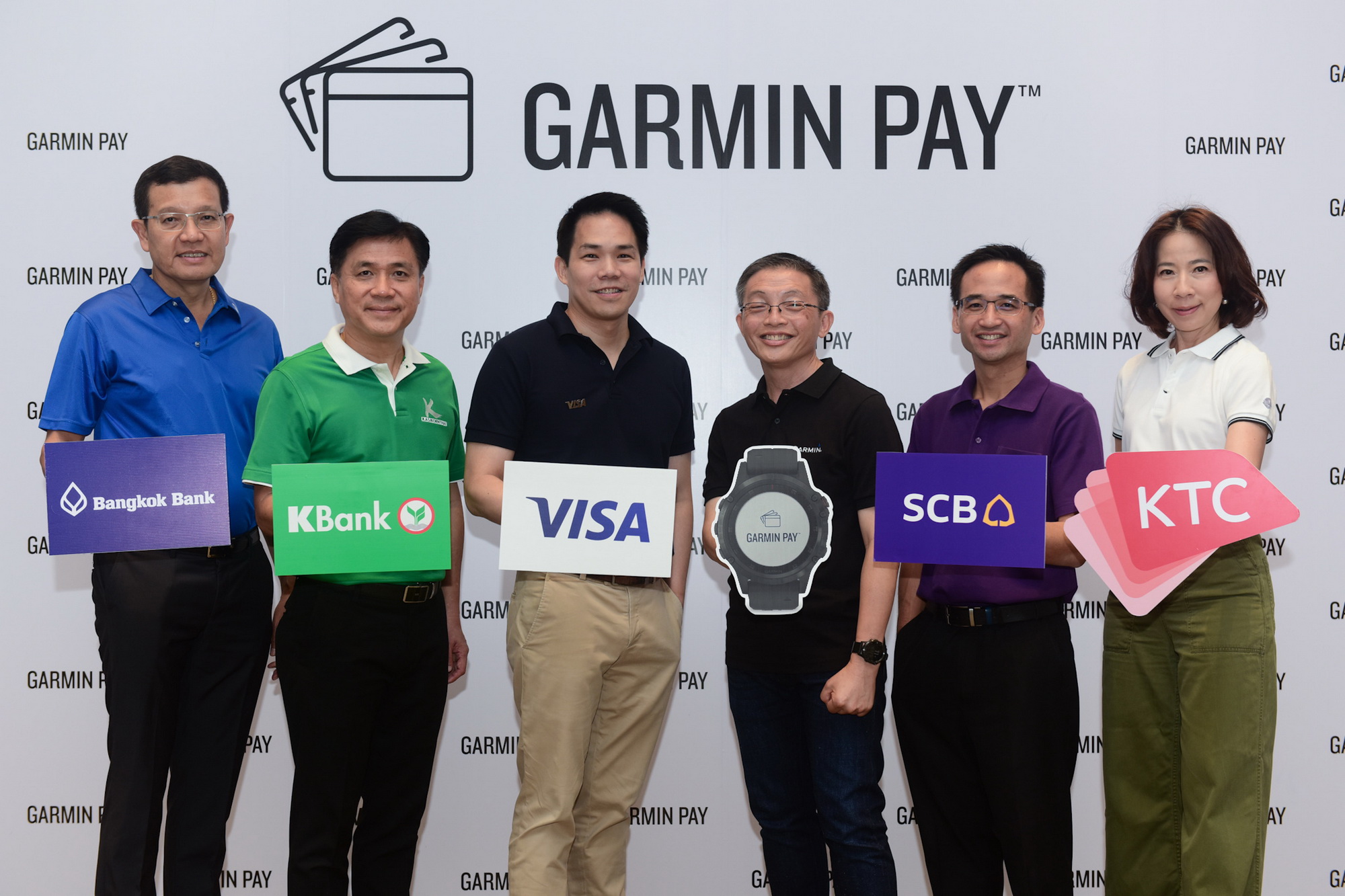
    Visa, the world’s leader in digital payments and GARMIN, in partnership with leading financial institutions, announced the launch of GARMIN Pay, a new contactless payment feature on GARMIN smartwatches. Starting 15 November, customers of Kasikornbank, Krungthai Card and Siam Commercial Bank can add their Visa credit or debit card to their GARMIN smartwatches, while Bangkok Bank is in line to launch by first quarter 2019.  The feature offers a new cashless experience, where purchases can be made seamlessly at growing contactless-accepted merchant locations. The emergence of payment innovation and technology mark yet another milestone helping to transform Thailand into a less-cash society.

    Mr. Suripong Tantiyanon, Visa Country Manager for Thailand said: “Visa is pleased to support the launch of Garmin Pay, bringing Visa contactless payments to Garmin smartwatches in Thailand.  Visa believes payments wearables are the future of fast, simple and secure payments, for people who lead an active lifestyle. According to Visa’s “sweaty money” survey, 57 percent of people who bring cash or a payment.

    card along on their workouts are stashing it somewhere uncomfortable and inconvenient. Garmin Pay will be a welcome solution for anyone looking for an effortless way to pay while on the go.  This launch is another milestone in Visa’s commitment to continue providing payment innovations and experiences across a wide range of form factors to consumers in Thailand.”

    Mr. Krairop Luang U-Thai, General Manager of GIS, the authorized distributor of GARMIN products in Thailand said: “GARMIN Pay is the latest feature on the GARMIN smartwatch.  Select the credit card you want to connect to the watch and create the GARMIN Pay Wallet by filling in the card information on the GARMIN Connect application along with your passcode. All customers then have to do is place their wrist near a card reader that supports contactless payments to purchase goods and services.  GARMIN Pay uses tokenization offered by the global payment networks to secure users’ information. The tokenized data is saved in an isolated safety chip which is in device, so to keep sensitive data from malware or virus. In addition to Thailand, GARMIN Pay is also currently available in 22 countries around the world.”.

    GARMIN Pay is available on vivoactive 3 series, forerunner 645 series, fenix 5 plus series. Check back for future additions and more information about GARMIN Pay, visit Garmin.co.th/Garmin-Pay


  • Momo becomes first Vietnamese Fintech 100 firm

    Momo becomes first Vietnamese Fintech 100 firm

    Vietnam’s mobile, electronic wallet and payment application Momo is among the top 100 innovative fintech companies in the world. This is the first time a Vietnamese firm has broken into this special group, positioned 84th. Momo is also in the “Emerging 50” category, which includes newer companies that are at the forefront of innovative technologies and practices.

    Its products help customers in Vietnam make nationwide cash transfers, pay more than 100 types of bills, recharge mobile phone accounts, settle personal loans, and purchase services like software licenses and online game cards, airline and movie tickets, etc.

    The company’s payment system partners with 24 domestic banks and foreign payment networks, including JCB, MasterCard, and Visa.

    A judging panel comprised of senior partners from H2 Ventures and KPMG decided the final composition of the Fintech100 list.

    H2 Ventures is a global thought leader in fintech venture capital investment while KPMG is a global network of independent member firms offering audit, tax and advisory services.

    Companies were ranked based on total capital raised, rate of capital raising, location and degree of sub-industry disruption and the judging panel’s subjective rating of the degree of product, service, customer experience, and business model innovation.

    Other newcomers to the list include Argentina, Bahrain, Colombia, Czech Republic, Indonesia, Jordan, Malaysia, Myanmar, United Arab Emirates, and Thailand.

    Leading the ranking this year are China’s Ant Financial, the world’s largest third-party payments platform, JD Finance, a digital technology company and Singapore’s ride hailing firm Grab.

  • Twenty4 opens cash-free retailer in Ipoh Malaysia

    Twenty4 opens cash-free retailer in Ipoh Malaysia

    Malaysian convenience store Twenty4 has opened in Ipoh as the region’s first cash-free retailer of its kind. The “smart” convenience store accepts only cashless transactions, earning it a spot in the Malaysia Book of Records. The brand’s CEO Kenny Ng said: “The shop is open round-the-clock and customers can purchase a variety of items, including food and personal care items, through cashless transactions.

    Customers can buy products at the store using debit cards, credit cards, Paywaves, Samsung Pay, Apple Pay or use other E-Wallet payments. We hope the concept will set the pace … be a pioneer in Malaysia, where people buy items without using cash.”

    Twenty4 sells various local and international products via self-service machines.

  • OVO lead in Cashless Payment Race in Indonesia

    OVO lead in Cashless Payment Race in Indonesia

    Lippo-backed cashless payment service OVO has announced a partnership with Tokopedia, Indonesia’s largest e-commerce platform. OVO said in a statement on Wednesday that the deal would help it cement its position as the country’s largest mobile payment platform in terms of transaction volume and reach.

    “The partnership will add Tokopedia’s close to 80 million active monthly users to OVO’s existing userbase of 60 million. It will also add more than 4 million Tokopedia merchants to what is already a market-leading merchant network, covering malls, smaller retailer, as well as GrabFood partners and Kudo agents,” the company said in the statement.

    OVO has been partnering with online-based ride-hailing service Grab since December last year, while also targeting brick-and-mortar shops and restaurants across Indonesia.

    “We see this landmark partnership as a validation of our strategy to enable payments for all Indonesian companies, both online and offline. Cash is a very difficult habit to break and consumers will only switch to cashless if it’s easier and safer than cash,” said Harianto Gunawan, director of enterprise payments at OVO.

    OVO chief executive Jason Thompson said the company expects a surge in new users and additional transactions from the e-commerce platform.

    “We have a very bullish outlook as we close out 2018. Having established ourselves as the No. 1 mobile payment platform by transaction volume, this partnership with Tokopedia and our push into e-commerce will further accelerate our growth,” Thompson said.

    The company said OVO is now available in 90 percent of shopping malls across the country, offering cashless payment options to customers at hypermarkets, department stores, coffee shops, cinemas, parking operators, hospital chains and food and beverage outlets.

    It has also set a target to expand QR-code payments to 100,000 small and medium enterprises by the end of this year.

    OVO’s online-to-offline business comprises its partnerships with Grab and Kudo, a service that allows individual agents to sell digital products, such as phone credit, tickets or insurance, to customers. Kudo currently has about 1.7 million agents in its network.

    OVO said its latest deal with Tokopedia would allow it to reach 93 percent of districts in Indonesia currently served by the e-commerce platform. It also plans to secure more deals with other e-commerce platforms.

  • Starbucks Coffee Korea boosts cashless store ranks

    Starbucks Coffee Korea boosts cashless store ranks

    Starbucks Coffee Korea is adding 300 more ‘cashless shops’ in addition to the 103 stores currently in operation, starting on Monday. Cashless stores require customers use a means of payment other than cash. The company noted that adding 300 more cashless stores would amount to one-third of the 1200 Starbucks shops in South Korea.

    “Instead of cash, customers will be asked to use credit cards, Starbucks cards, mobile transactions and other means of payment,” a company representative added.

    Over the past three months, Starbucks reduced the ratio of cash transactions at its stores from 3.4 per cent to 0.2 per cent on average. The average number of cash transactions per store dropped from 19 to 1.1 per day.

    “Cashless stores can better focus on customer satisfaction since employees don’t have to spend time going to the bank to balance cash,” Starbucks Coffee Korea said.

  • China’s central bank regulates forced cashless payment

    China’s central bank regulates forced cashless payment

    China’s central bank is taking measures to ban business practices of refusing or discriminating against cash payments to deal with over-hype of a cashless society.

    Some consumers have complained about being denied the ability to use cash in places like tourist areas, restaurants, and retail stores, which harms the legal status of the Chinese yuan as well as consumers’ rights to choose means of payment, according to a statement released Friday by the People’s Bank of China.

    Banking institutions and non-banking payment platforms should not require or induce business entities or individuals to refuse or take discriminatory measures against cash payments, and these practices should be rectified within one month, the statement pointed out.

    Mobile payments are popular across the country with a growing community of consumers using WeChat Pay, Alipay, and other mobile payment tools to pay for a wide range of products and services.

    A report from global market research firm Ipsos showed that China reached about 890 million mobile payment users in the first half of this year.

    For product sales or services from online or unstaffed stores, cashless payment only is allowed if cash payments are impossible.

    However, businesses and individuals should not hype up the “cashless” idea when promoting non-cash payment, the central bank said.

  • Vietnam seeks more non-cash payments for public services

    Vietnam seeks more non-cash payments for public services

    The Government has set itself a target of collecting 80 percent of tax payments in cities through banks and enabling treasuries in all provinces and cities to have cashless payment systems by 2020.

    This has been announced in the Prime Minister’s Decision No 241/QD-TTg on fostering non-cash payments for public services like water and electricity and transactions related to social welfare.

    Non-cash payments are expected to be accepted by 70 per cent each of electricity and water suppliers, all universities and colleges, and 50 per cent of hospitals in major cities.

    Around 20 per cent of social welfare payments will be made through banks.

    According to a State Bank of Vietnam’s report, non-cash payments have been becoming a trend in recent years.

    The Government plans to develop modern means of bank payments and accept bank cards at treasuries, hospitals, and schools.

    It has instructed banks to offer cards with multiple methods of use so that they can be used to pay directly, through smart phones and others.

    It has encouraged co-operation between banks and other organisations to offer more forms of non-cash payments, especially for making payments related to social welfare.

    But it has made it clear that these forms should be user-friendly so that even people in rural and remote places without bank accounts can use them.


  • Singapore makes cashless payments push

    Singapore makes cashless payments push

    In 2014 Singapore was one of the first countries in the world to build a 27/7, real-time interbank fund transfer system, called Fast.

    However, cash in circulation is 8.8% of GDP, compared to 4.4% in Australia and 2.12% in Sweden. Nearly 13 cheques per person were written in the country in 2014, compared to seven in Australia and effectively none in Sweden.

    According to research from the Monetary Authority of Singapore and KPMG, the social costs of this heavy reliance on cash and cheques is around 0.5% of GDP, or S$2 billion a year.

    In a speech, MAS managing director Ravi Menon says that the fact that Singapore is so far behind these other countries shows that the Fast infrastructure is “grossly under-utilised”.

    One of the key reasons for this is that people do not know the bank account numbers of people that they want to send money to. Therefore, MAS and the country’s banks are developing a Central Addressing Scheme (CAS) that will allow payments to be made through Fast using only a recipient’s mobile number, or NRIC number, or Unique Entity Number.

    “If all goes well, by this time next year, we will no longer need to remember bank account numbers for a majority of our electronic fund transfers,” says Menon.

    In his speech, the MAS MD also says that cost is holding back the take up of Fast among small businesses. Some banks charge up to S$10 to transfer funds through the system while cheque payments are free.

    Menon also bemoaned Singapore’s complicated point-of-sale situation, which sees many stores cluttering up counters with multiple terminals to accept different cards.

    To tackle this, the country is pushing ahead with a unified POS terminal that can read all kinds of cards at retail and hospitality outlets. About 1000 of them have been deployed at convenience stores such as 7-Eleven, with more to follow.

    Meanwhile, Singapore’s Land Transport Authority is teaming up with MasterCard for a pilot that will see participants pay for their train and bus journeys by tapping their contactless credit and debit cards.

    On MAS’s own role, Menon says that the central bank will streamline and strengthen the payments regulatory framework to create a single and modular regime that will be applied on an activity basis, rather than specific payment systems.

    KPMG’s report also recommends strengthening the governance model and creating a national payments council that fosters innovation, competition and collaboration, coordinating key initiatives, such as promoting interoperability and adopting common standards.