Tag: Central Pattana

  • Heytea Enters Thailand with Three-In-One Lab Flagship at CentralWorld

    Heytea Enters Thailand with Three-In-One Lab Flagship at CentralWorld

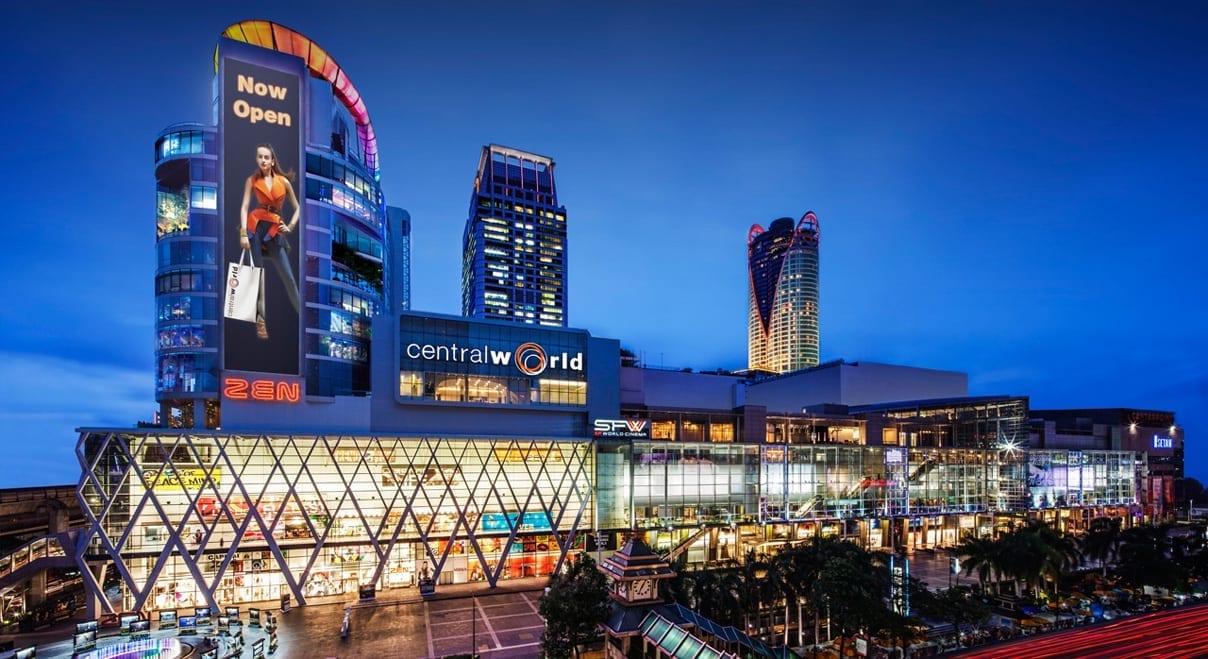
    Heytea opened its first store in Thailand at Bangkok’s CentralWorld on September 25, 2026. The launch brings its three-in-one Lab format to Southeast Asia for the first time.

    It gives the Chinese tea chain its third experimental Lab venue outside mainland China, following rollouts in New York and Toronto.

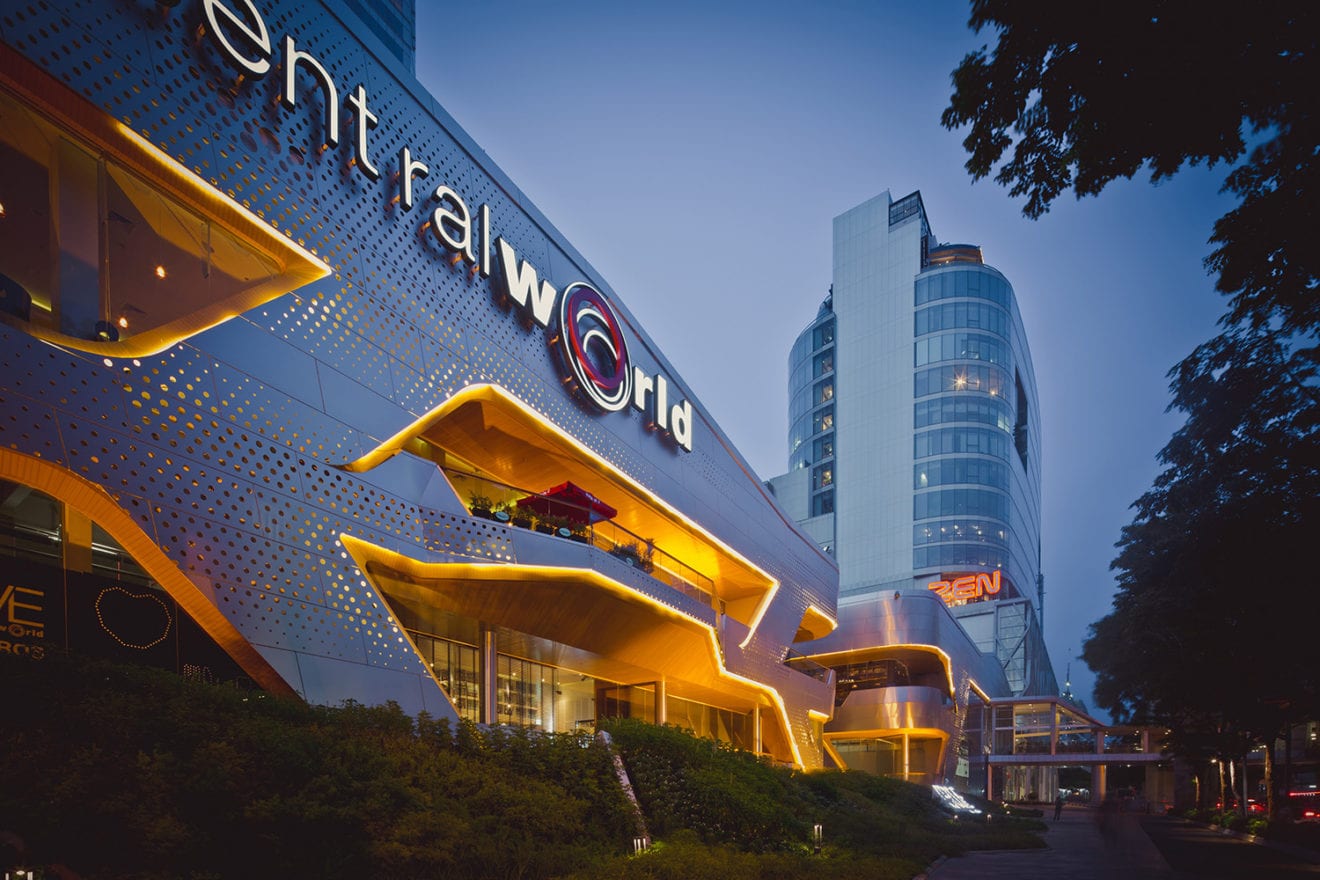
    Located on the first floor of CentralWorld in central Bangkok, the flagship combines a tea lab, a bake lab, and a gelato lab into a single retail unit. Customers order past open counters. Staff assemble teas, pastries, and ice creams in plain view of the floor. The store design takes cues from Thai floating markets, using curved timber joinery and boat-shaped counters across the dining area.

    Three formats under one roof

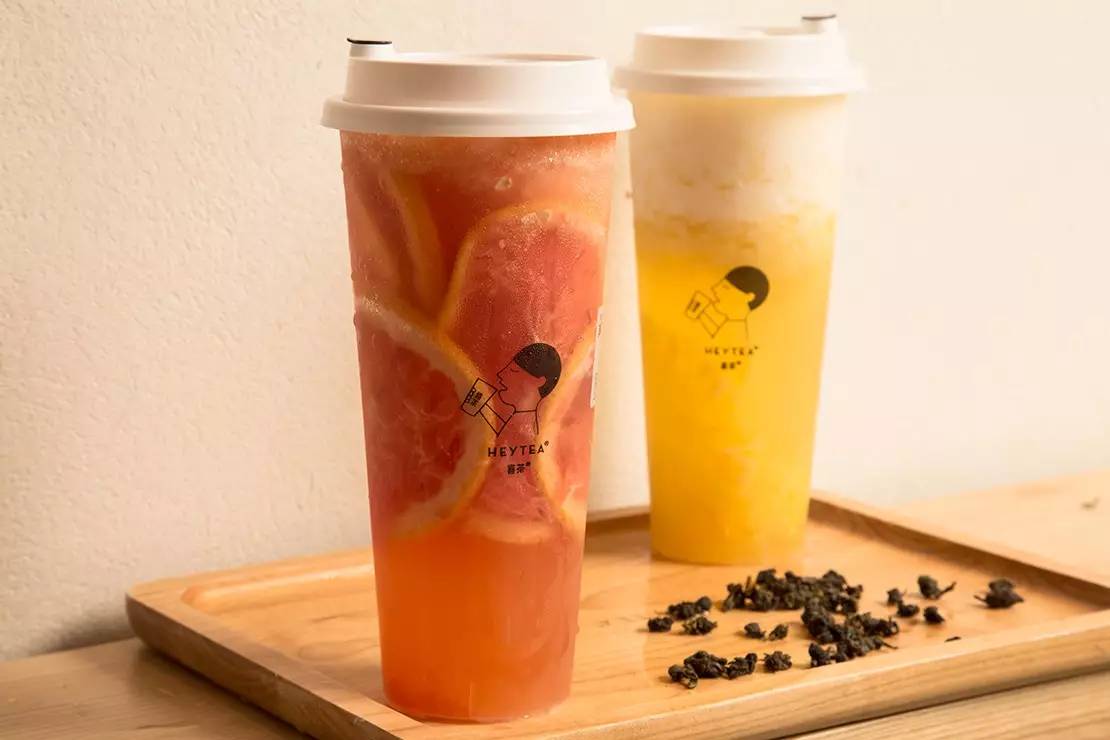
    Bangkok serves as the testing ground for teaAir, a proprietary foam preparation combining brewed tea, coconut, milk fat, and aerated texture. The chain launched the line with a Rock Oolong Jackfruit recipe. The drink blends oolong tea with jackfruit, papaya, and coconut bases.

    Next to the beverage bar, the bake lab sells localized pastries including a Thai Milk Tea croissant egg tart. The adjacent gelato section serves lime-infused Thai milk tea gelato. That puts its cold desserts in direct competition with established dessert cafes inside the mall.

    CentralWorld draws heavy foot traffic from Ratchaprasong commercial district office workers and downtown tourists. Heytea vice-president of communications and public relations Cheng Hao noted that the Thai capital combines high tourist volumes with consumers who scrutinize ingredient origins.

    “Bangkok is a global leader in trends. The heytea lab is designed for markets where consumers are not simply following trends but actively shaping them.”

    Battle for Southeast Asian tea market

    Heytea enters an entrenched field of domestic and regional tea operators across Bangkok’s prime shopping centres. CentralWorld already houses domestic giant ChaTraMue and Taiwanese boba chains. Chinese rival Mixue also competes nearby, targeting mass-market street locations on low price points.

    Deploying the capital-intensive Lab format rather than a standard kiosk targets premium spenders. The strategy relies on experiential dining and higher transaction values to offset prime retail rents in Bangkok’s top malls. For operators like Central Pattana, experiential food and beverage units generate steady daytime dwell time. Traditional fashion retail no longer delivers that traffic reliably.

    Suppliers in Thailand face tighter technical requirements as Chinese beverage brands import complex equipment and custom ingredient formulations. Meanwhile, regional operators must defend margin share. Well-funded Chinese chains continue to use cross-category merchandise, intellectual property partnerships, and proprietary drink textures to command price premiums.

    Ten years of retail evolution

    Founded nearly fifteen years ago, the business introduced cheese-foam tea to Chinese consumers before expanding across major metropolitan hubs. It created the experimental Lab concept in 2016 as a testing facility for new recipes, interior architecture, and retail formats.

    Management later took the Lab model overseas, opening standalone flagship sites at Times Square in New York and the Toronto Eaton Centre in Canada. Past brand marketing has relied on global partnerships with luxury house Fendi, artist Yayoi Kusama, and collectible toy maker POP MART.

    Bangkok now anchors the chain’s retail expansion across Southeast Asia. Management has not disclosed the number of secondary standard-format stores planned for the Thai capital. Real estate leasing teams and franchise partners will track sales productivity at CentralWorld through the final quarter of 2026.
  • Central Park Draws 25 Million Visits in First Year

    Central Park Draws 25 Million Visits in First Year

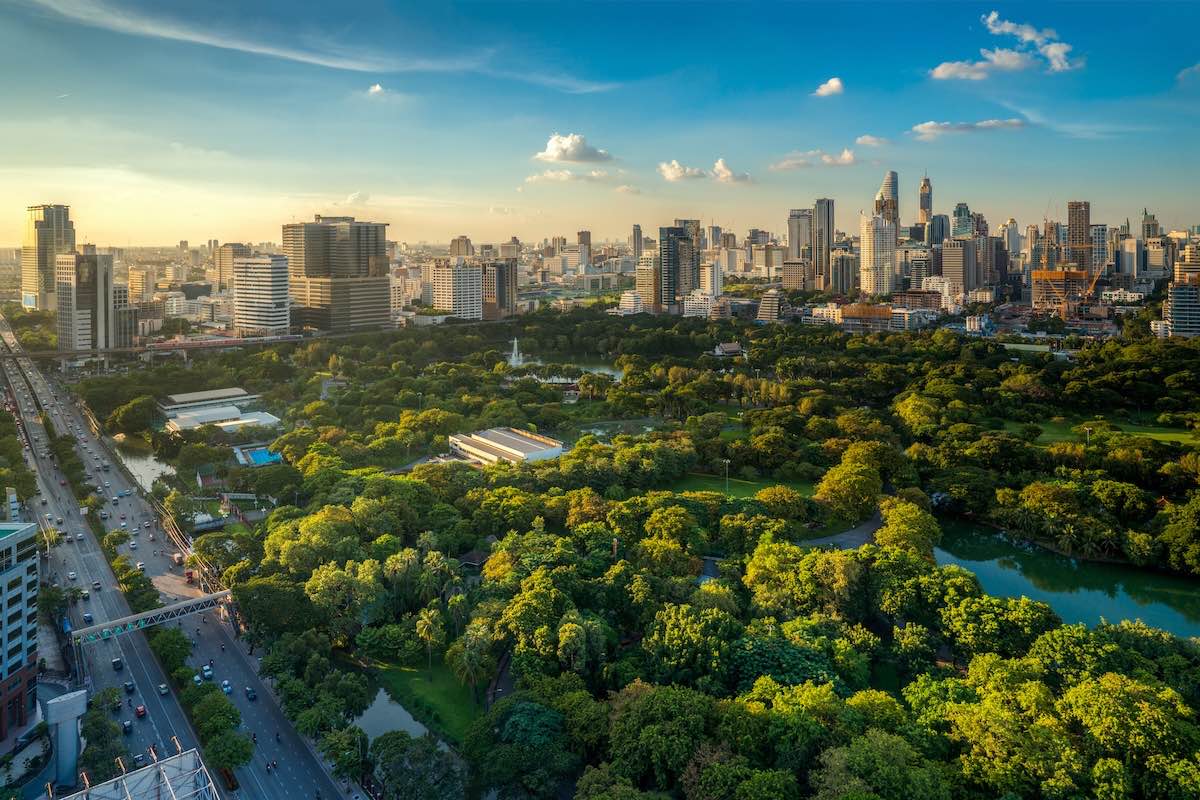
    Thailand’s Central Pattana has unveiled the next phase of growth for Central Park in Bangkok as the shopping centre marks its first anniversary in September 2026.

    The centre welcomed more than 25 million visits in its first year, including over 10 million visits from international tourists, placing it among the top-tier performers in the developer’s portfolio.

    Three Pillars for International Footfall

    Work on the next stage centres on a campaign dubbed Bangkok’s World Stage. This framework splits tenant curation and event programming into three tracks: Global Firsts, Global Culture, and Global Audience.

    Global Firsts secures exclusive product launches, debut store formats, and international brand partnerships new to Thailand. Global Culture runs live music, design exhibitions, and art installations throughout the complex. Global Audience steers marketing spending toward overseas tourists, touring creators, and commercial partners beyond Southeast Asia.

    Mixed-Use Integration in Central Bangkok

    The mall anchors the wider Dusit Central Park mixed-use development alongside grade-A corporate offices, a luxury hotel, and private residential towers. It features more than 1.12 hectares of elevated public green space. That parkland channels foot traffic between the retail concourses and the surrounding Silom and Rama IV commercial districts.

    Across Southeast Asia, retail developers are pivoting away from standard leasing toward event-driven programming. Operators in Bangkok, Singapore, and Kuala Lumpur compete for big-spending tourists through regional brand exclusives and large cultural draws. But the strategy carries higher execution costs. Continuous programming and rapid turnover of experiential concepts demand heavier capital commitments than traditional leases.

    Building Out the Dusit Joint Venture

    Central Pattana conceived the retail asset to replace the historic Dusit Thani hotel through a joint venture between Central Group’s property arm and Dusit International. Construction launched under a multi-billion-baht master plan to protect downtown market share against rival mega-projects along the Sukhumvit and Chao Phraya corridors.

    Tenant handovers and new flagship openings under Global Firsts will roll out over the coming quarters. Remaining office and residential towers across Dusit Central Park will hit completion in phases over that stretch.

  • Siam Center Adds Three New Concepts in Three Weeks to Anchor Local Brands

    Siam Center Adds Three New Concepts in Three Weeks to Anchor Local Brands

    Siam Piwat opened three concept stores across fashion, beauty and wellness at Bangkok’s Siam Center over three weeks. The openings add local labels alongside Italian apparel brand Subdued.

    Among them is domestic apparel maker Maison Keeps, which opened its largest flagship to date on the first floor on September 4.

    The brand started in 2017 as an officewear line called Keeps. During pandemic lockdowns, it shifted into durable everyday basics for young adults and children. Earlier, on August 17, nail artist Grace Kantima Banjobdee opened Kantima House on the first floor. Her salon is styled like a living room and takes bookings through Line and Instagram. Local fragrance house 3rd Sense opened its first physical counter near the first-floor escalator on August 26. The brand sells scents themed around four energy paths, featuring artwork by Thai painter Juart Woraset.

    Local flagships and first-floor concepts

    These domestic labels join Italian Gen Z fashion retailer Subdued, which entered Thailand on Siam Center’s ground floor in July. Securing space requires tenants to follow Siam Piwat’s exclusivity mandate. The mall operator requires multi-branch brands to reserve a fixed share of their inventory exclusively for Siam Center. This keeps tenants from simply replicating standard mall assortments.

    That policy turns the venue into an incubator rather than a volume driver. By demanding bespoke stock allocations and custom store designs, the landlord trades standard chain rollouts for distinct merchandising. The goal is keeping foot traffic from migrating to larger neighbouring complexes.

    Exclusivity rules test tenant margins

    For independent labels like Maison Keeps and 3rd Sense, physical retail drives up overhead through staffing, fit-outs and custom production runs. Yet a ground- or first-floor lease in the Siam interchange district provides high footfall. It draws younger domestic shoppers and regional tourists that digital channels cannot match.

    Inventory management poses the main challenge. Carrying dedicated stock for a single branch ties up working capital. Smaller designers must maintain fast sell-through rates to justify prime-district rents against rivals in less restrictive centres.

    Competing along the Rama 1 corridor

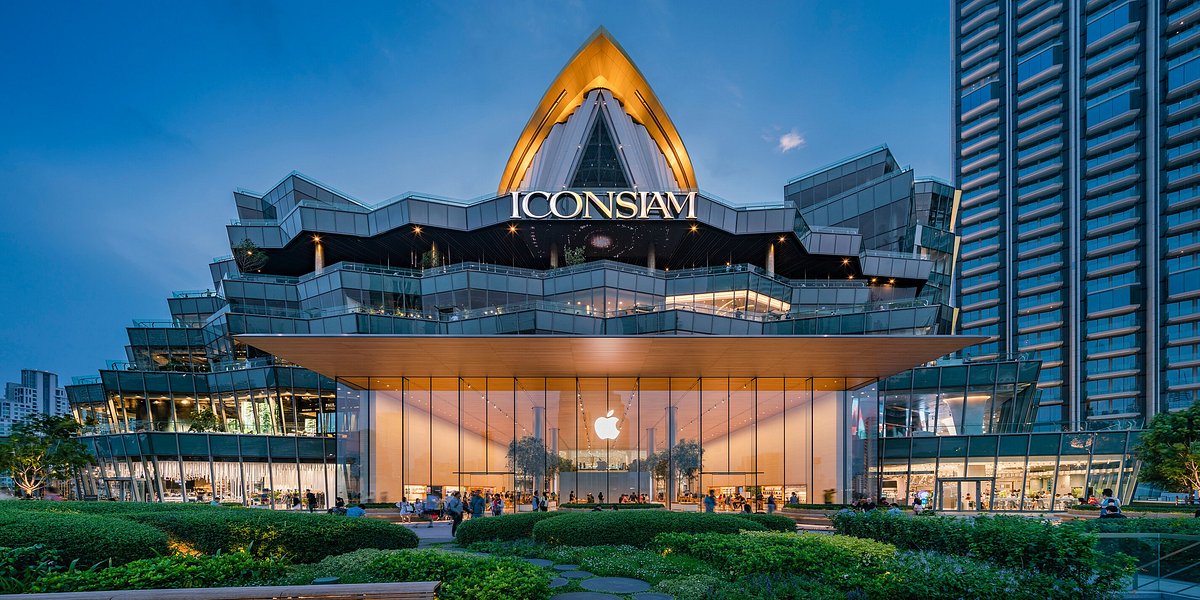
    Siam Piwat also operates Siam Discovery and Iconsiam, and holds a stake in Siam Paragon. It has spent years positioning Siam Center against retail rivals Central Pattana and The Mall Group. Competition along Rama 1 Road and Ploenchit Road is tight as operators chase discretionary spend.

    Just over a kilometre to the east, Central Pattana’s renovated Central Chidlom department store is hosting its Time and Treasures luxury watch exhibition. The show runs from September 2 to October 11, displaying limited pieces priced up to US$15,000.

  • Central Pattana Targets 10% Footfall Growth at Central Park Mall

    Central Pattana Targets 10% Footfall Growth at Central Park Mall

    Central Pattana aims to increase foot traffic at its Central Park mall in Bangkok by 10 per cent year on year during its second year of operation.

    The retail hub inside the Dusit Central Park mixed-use development drew roughly 25 million visitors in its first twelve months after opening on Sept 4, 2025. International tourists accounted for 10 million of those visits, while retail occupancy reached 98 per cent with daily visitor counts averaging between 65,000 and 75,000 people.

    Office tenants and residents drive traffic

    Office and residential handovers will feed additional pedestrian volumes into the retail podium over the coming quarters. Central Park Offices currently records an occupancy rate above 80 per cent, with corporate tenants finishing interior fit-outs before moving staff into the tower.

    Residential transfers at The Residences at Dusit Central Park will begin in the fourth quarter of 2026, following pre-sales that reached 96 per cent. Kunayudh Dej-udom, asset director of centralwOrld and Central Park at CPN, stated that these incoming occupants will provide a built-in customer base for the property’s food, service, and lifestyle tenants.

    Bangkok’s prime retail landlords increasingly rely on integrated mega-projects to shield themselves from retail oversupply in the city centre. By embedding high-density office towers and luxury residences directly above retail concourses, developers like CPN and rival One Bangkok secure regular baseline spend before counting on discretionary tourist inflows.

    Transit links and brand launches

    CPN is positioning the mall around first-in-Thailand brand debuts, exclusive merchandise drops, and cross-cultural art installations to broaden international visitor recognition. The strategy pairs global creative partnerships with experiential retail formats to capture high-spending travellers.

    Physical access will expand with a direct pedestrian connection linking the complex to the underground MRT Silom station, scheduled for completion between late first quarter and early second quarter of 2027.

  • Moshi Moshi Lifts First-Half Profit 21.5% as Thai Network Expands

    Moshi Moshi Lifts First-Half Profit 21.5% as Thai Network Expands

    Thai lifestyle retailer Moshi Moshi increased its first-half net profit by 21.5 per cent to 352.83 million baht, driven by new store openings and stronger gross margins.

    Operating revenue rose 17.3 per cent year on year to 1,654 million baht across the six months, keeping pace with management’s annual growth target of 15 to 20 per cent.

    During the second quarter, operating revenue climbed 17.2 per cent to 956.1 million baht, while net profit gained 20 per cent to 161.86 million baht. Gross margin widened 140 basis points to 56.4 per cent. Same-store sales grew 4.0 per cent in the quarter, building on a 15.2 per cent jump in the prior-year period.

    The company operated 218 stores at the end of June, an increase of 37 outlets over 12 months. Most of Thailand’s 76 provinces and Greater Bangkok now host at least one location. Management plans 35 net new store openings for the full 2026 financial year, having completed roughly half that target by mid-year.

    Inventory Velocity and Mall Pipeline

    Product turnover drives customer traffic across the chain’s 13 merchandise categories, which span stationery, beauty, plush toys, apparel and home accessories. Moshi Moshi manages an inventory catalogue of more than 25,000 stock-keeping units and releases approximately 1,000 new items every month at accessible price points.

    Physical malls remain the core sales channel. Key landlords Central Pattana, Central Retail’s Robinson lifestyle malls, Berli Jucker’s Big C, and CP Axtra’s Lotus’s offer about 500 commercial sites nationwide. The company is also opening stand-alone outlets near some of Thailand’s 150 universities, including a campus branch at Chulalongkorn University in Bangkok.

    Wholesale revenue, which represents 11 per cent of total turnover, expanded at a slower rate during the half. Disruption from bridge construction near Bangkok’s Platinum Fashion Mall cut pedestrian traffic and limited tour bus access to the company’s wholesale unit. Digital channels accounted for just 3 per cent of total sales across Shopee, Lazada and TikTok.

    Regional Competition and Overseas Targets

    Domestic mall coverage will eventually hit saturation as Moshi Moshi fills out second-tier provincial cities and campus locations. Maintaining double-digit annual sales growth beyond Thailand requires entering neighbouring Southeast Asian markets with matching demographics.

    Competitors are already securing positions across the region. Singapore-based lifestyle brand Oh!some operates stores in Cambodia across three Aeon malls in Phnom Penh, runs outlets in Hanoi and Ho Chi Minh City, and trades from three stores inside Bangkok. For Moshi Moshi, replicating its format in Vietnam, Indonesia and Cambodia represents the logical next leg of expansion once Thai site availability narrows.

    The company continues store renovations and floor-space expansions across its domestic mall network while tracking toward its target of 35 net new store additions by December 2026.

  • Central Pattana Invests $640m In Transformative Northern Bangkok Lifestyle Hub

    Central Pattana Invests $640m In Transformative Northern Bangkok Lifestyle Hub

    Central Pattana, a division of Thailand’s Central Group that specializes in property development, plans to infuse a staggering 21 billion baht (US$640 million) into the creation of an expansive new shopping and lifestyle hub in northern Bangkok.

    The Central Phaholyothin: More than Just a Mall

    The development, dubbed The Central Phaholyothin, will grace the Phaholyothin Road with its vast 457,000 square metre footprint. The complex will be a blend of retail, dining, entertainment, and cultural facilities, incorporating a concert hall and a convention centre tailored to accommodate international events. Furthermore, the prime location of the site will allow for a direct train connection to Don Mueang International Airport.

    Chanavat Uahwatanasakul, the Retail and Development President at Central Pattana, commented on the strategic placement of the development. “We have chosen a prime location that enables us to cater to more than 2.5 million people in northern Bangkok. However, The Central Phaholyothin aims to be more than just a shopping mall; it will be a world-class destination for entertainment, culture, and business.”

    Key Features of The Central Phaholyothin

    The Central Phaholyothin is set to be peppered with several distinctive features, all designed with a view to draw visitors and create a vibrant, energetic space. Some of the key features include:

    – Central Stage: This will serve as a connection between an upper-level international dining area and a ground-level street food zone.
    – Market Hall: A revolving pop-up space envisioned to host food and cultural events.
    – Waterfall Courtyard: An eco-friendly centerpiece featuring an Edible Garden, reflecting the ‘from farm to table’ concept.

    Moreover, other areas will be dedicated to fashion, family lifestyle, and creative arts.

    Nattakit Tangpoonsinthana, the Chief Marketing Officer at Central Pattana, mentioned that the project is designed to redefine northern Bangkok and enhance the city’s status as an international destination. “Through our developments, we have been successful in transforming key districts into significant landmarks. With The Central Phaholyothin, we aim to establish a new cultural and business hub that can rival the likes of global cities such as New York, London, Seoul, and Tokyo.”

    The Central Phaholyothin is expected to be completed by the end of next year.

    Questions & Answers

    What is the aim of The Central Phaholyothin project?
    The project aims to redefine northern Bangkok and enhance the city’s status as an international destination for entertainment, culture, and business.

    What are some of the key features of The Central Phaholyothin?
    Key features include the Central Stage, Market Hall, and Waterfall Courtyard, along with zones dedicated to fashion, family lifestyle, and creative arts.

    When is The Central Phaholyothin expected to be completed?
    The Central Phaholyothin is scheduled for completion by the end of next year.

  • Thai retail developer Central Pattana to rejuvenate Central World

    Thai retail developer Central Pattana to rejuvenate Central World

    Thai shopping centre owner Central Pattana says it is revitalising its premium malls to “pioneer future trends of retail and tackle the digital era”.

    Under a “five-year vision” it calls ‘Co-creating Center for Life” – a name which appears to have lost its actual meaning in translation from Thai – it will invest US$3.1 billion (100 billion baht) on five new and existing centres in Thailand and abroad. They are CentralWorld in downtown Bangkok, Central Phuket, Central i-City near Kuala Lumpur in Malaysia, CentralPlaza Ayutthaya and Central Village.

    Preecha Ekkunagul, president and CEO of CPN said the only way to survive In the era of digital disruption currently happening around the world is to adapt.

    “CPN sees this change as a challenge and opportunity that will allow us to create a new chapter of retail industry again, similar to what we have done over the past 38 years. Our new vision for the next five years is to … make CPN’s shopping centers destinations for all, where everyone can live life. The important pieces of the jigsaw are all our business partners and tenants that will co-create these new things for business success and sustainable growth.”

    The renovation of CentralWorld will be launched in November 2018.

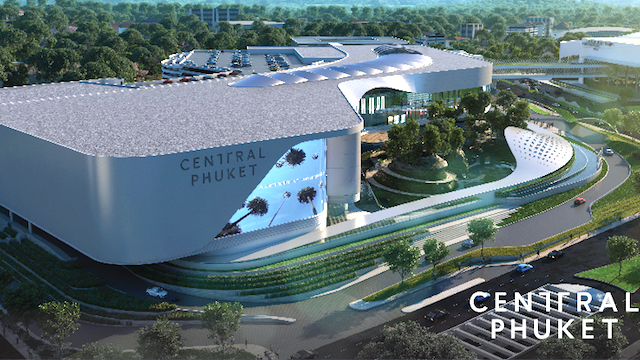
    Central Phuket, which will open in September, mixes leisure lifestyles with world-class attractions: ‘Tribhum’ – the Mystery of Three Worlds in a 3D-walkthrough theme park – and Aquaria, which is claims will be the largest aquarium in Thailand.

    CentralPlaza Ayutthaya is a new lifestyle destination in the world-heritage city, which was once Thailand’s capital and is a popular tourist destination. That will open in December next year.

    Central Pattana describes Central Village as “the first international retail outlet in Thailand”.

    Co-creating life

    Meanwhile, the company has described its vision ‘Co-Create Center of Life’ as a blend of three strategies:

    • Create Destination Concepts: “Develop destinations for all customers by lifestyle and preferences and also categorise products and services based on lifestyles.”
    • Create Digital Platforms: “Offer seamless experience by delivering the real-time personalised offers, enhancing the online experience to conveniently and quickly connect customers’ mobile devices to services in shopping centres and integrating market platforms by teaming with Central JD to add a sales channel that is more seamless.”
    • Create Partnerships with business partners such as I-Berhad “to create the I-City ultra-metropolis,” and co-operating with Ikea to create the first in the world of a new store format at one of its largest malls in Bangkok.

    Central Pattana, part of the huge retail and FMCG conglomerate Central Group, currently has 32 shopping centers in Thailand.

  • Central Pattana forms JV with Tesco

    Central Pattana forms JV with Tesco

    Retail property developer Central Pattana (CPN) has set up a JV with British retail giant Tesco to co-develop property in the Thai market.

    The  Central Group subsidiary has told the Stock Exchange of Thailand (SET) that the new company, Synergistic Property Development, will support business expansion. It has registered capital of THB100,000 (US$3000) with ordinary share capital of 1000 shares at a par value of THB100 each.

    CPN holds a 50 per cent stake in the JV company while the other 50 per cent belongs to Ek-Chai Distribution System, which runs Tesco Lotus hypermarkets in Thailand.

    Details of the business model to be developed under the new company are under study, says CPN executive VP for marketing Nattakit Tangpoonsinthana.

  • Tourists boost Central Group revenue

    Tourists boost Central Group revenue

    Thai retailer Central Group expects revenue to rise 21 per cent to Bt320 billion ($9.17 billion) this year following strong growth in overseas business plus tourist spending.

    Controlled by Thailand’s Chirathivat family, Central is seeking to expand in Southeast Asia, says CEO Tos Chirathivat, citing Cambodia, Laos, Myanmar and Vietnam.

    He expects overseas revenue to account for 40 per cent of total in the next five years from 30 per cent now.
    Central bought superstore chain Big C‘s Vietnam business from French retailer Casino in April, comprising 43 stores and 30 malls. Vietnam is Southeast Asia’s fastest-growing market for Central, and the company expects sales to reach Bt37 billion this year.

    Central has also benefited from rising tourist numbers in Thailand, with sales up 15 per cent this year versus 5 per cent for Thai customers, says Tos.

    The group, whose interests include shopping mall developer Central Pattana, Robinson Department Store and Central Hotel Plaza, plans to spend more on its online retail business, which currently accounts for just 1 per cent of revenue.

    Central bought fashion-focused eCommerce site Zalora in April as part of a push to win back shoppers who increasingly prefer internet shopping.

  • Central Pattana plans to enter Malaysia

    Central Pattana plans to enter Malaysia

    Shopping mall developer Central Pattana, which runs 29 malls in Thailand, plans to open its first foreign outlet in Malaysia in 2018.

    It will work through a joint venture with a Malaysian company in which it holds a 60 per cent stake. The new mall, under the Central brand, will be in Shah Alam, west of Kuala Lumpur.

    To be built on about 44,000 sqm of land, the mall will have a net leasable area of 89,700 sqm, and cost about 8.3 billion baht (US$232 million) to build.

    Senior executive VP Naparat Sriwanvit says Central Pattana plans to open 15 malls by 2020, three of them outside Thailand. Indonesia and Vietnam have been listed as potential targets because of their large populations and rising incomes.

    As with Malaysia, the company plans to enter other markets through joint ventures with local partners.

    Naparat says the Thai market is still promising, with room for expansion in the suburban areas of Bangkok and the provinces. The company plans to open a 1.9 billion baht mall in the southern city of Nakhon Si Thammarat at the end of next month, as well as two other locations outside Bangkok next year.

    Central Pattana, with CentralWorld mall in central Bangkok as its flagship, saw its net profit rise 7 per cent last year.

  • Central Pattana plans four new malls

    Central Pattana plans four new malls

    Thai shopping centre operator Central Pattana has announced plans for another four or five shopping malls to be completed by 2018.

    The company says it has allocated THB30 billion (US$838 million)  for the new properties – which it says are in addition to a raft of previously announced planned properties.

    Central Pattana is the listed property development subsidiary of Central Group which owns shopping centres the length and breadth of Thailand and in Italy, Germany and China.

    The new malls will be built in the capital city of Bangkok and in larger regional cities. It has already announced plans to build centres in Phuket, Nakhon Ratchasima and Nakhon Si Thammarat.

    “CPN still aims for further expansion in major economic cities, as well as locations with potential business both in Thailand and neighbouring countries to demonstrate its sustainable growth,” said CFO Naparat Sriwanvit.

    Besides its Thai plans, the company is proceeding with a Malaysian joint venture to open a shopping mall in Kuala Lumpur and it is conducting feasibility studies on entering Vietnam and Indonesia.

    Parent Central already operates a Central Department Store in the Indonesian capital of Jakarta and the group has assets including a joint venture electronics chain and a department store in Vietnam.

    CPN runs 26 shopping malls in Bangkok and in major provinces, including Hat Yai.