Retail News CRM

Tag: close

  • End of an Era: Singapores Iconic Carnivore Brazilian Buffet to Close Doors After Two Decades

    End of an Era: Singapores Iconic Carnivore Brazilian Buffet to Close Doors After Two Decades

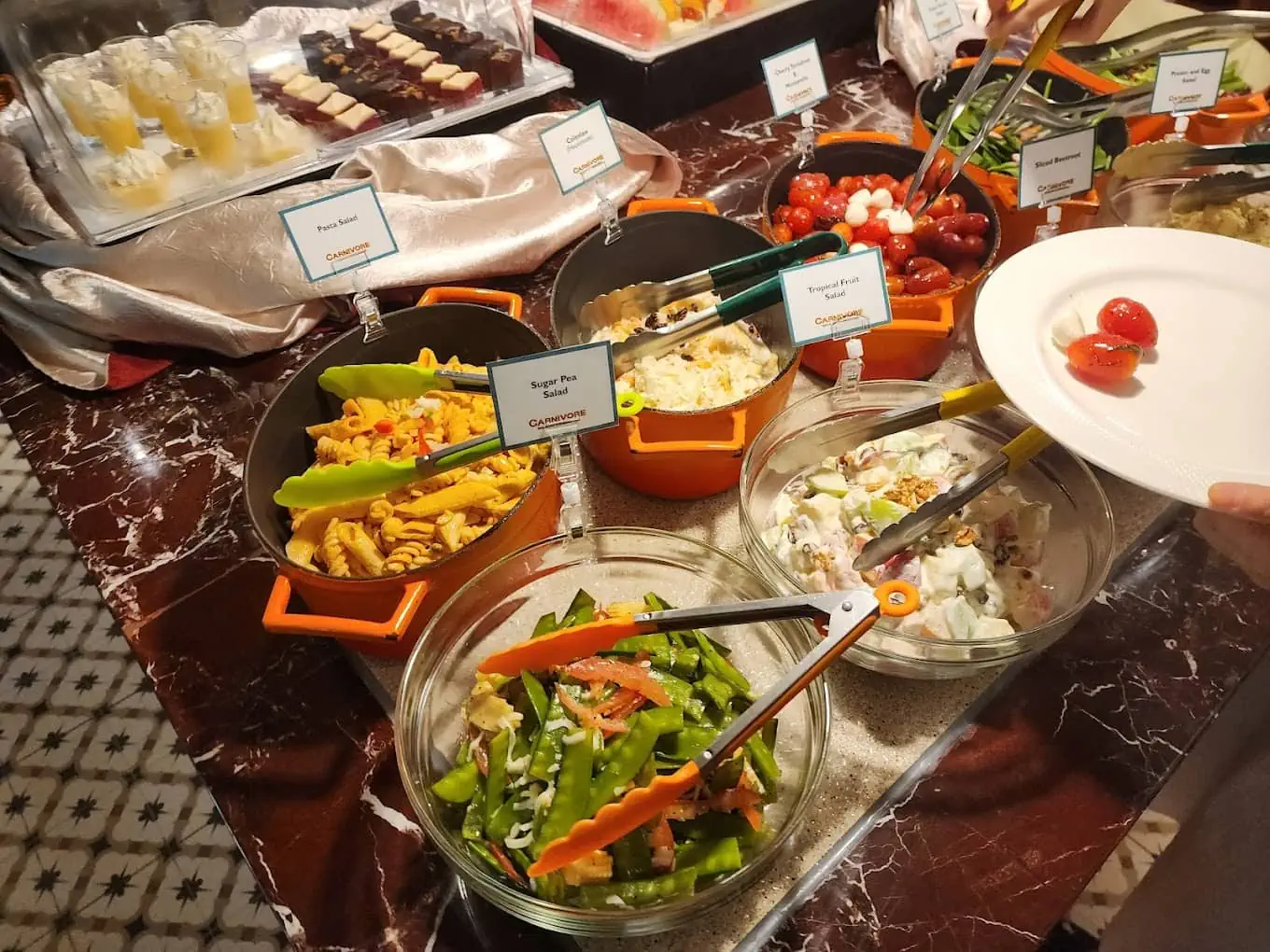
    After two decades of operation, the well-known Singapore buffet restaurant, Carnivore Brazilian Churrascaria, has announced its impending closure at the end of September. The establishment, situated at Riverside View in Robertson Quay, shared the news via social media on Tuesday, expressing gratitude to its patrons for their unwavering support.

    A Farewell to a Beloved Dining Spot

    “We now approach the moment to carve our final slice,” the restaurant shared in its statement. “Over the past 20 years, we’re grateful for the warm acceptance of our passadores and for the opportunity to be a part of your lives.”

    Since its inception in 2005, Carnivore Brazilian Churrascaria has won the hearts of many, gaining popularity for its unique serving style. The restaurant was celebrated for its rotisserie-grilled meats, flawlessly carved at the table by trained servers, known as passadores.

    A Journey Across Iconic Singaporean Locations

    Throughout its tenure, the restaurant has graced six different locations in Singapore. After the closure of its flagship outlet at Chijmes in October 2023, the restaurant relocated to its current locale in Robertson Quay.

    The restaurant’s journey has led it to operate in some of the city’s most renowned locales. From its origins at VivoCity, incredible vistas of Marina Bay Sands, the verdant allure of Dempsey, to lively weekends at The Grandstand, and its unforgettable chapter at Chijmes, the restaurant’s presence has been felt across the city. “Being part of your celebrations has been an absolute honor,” the restaurant added in its farewell message.

    Questions & Answers

    When will Carnivore Brazilian Churrascaria close?
    The restaurant will close at the end of September.

    What is the restaurant known for?
    Carnivore Brazilian Churrascaria is known for its rotisserie-grilled meats served by roaming passadores, trained servers who carve the meats at the table.

    How long has the restaurant been in operation?
    The restaurant has been in operation for 20 years.
  • Daiso to Close Another Singapore Store in Four Months: An 18-Year Legacy Ends

    Daiso to Close Another Singapore Store in Four Months: An 18-Year Legacy Ends

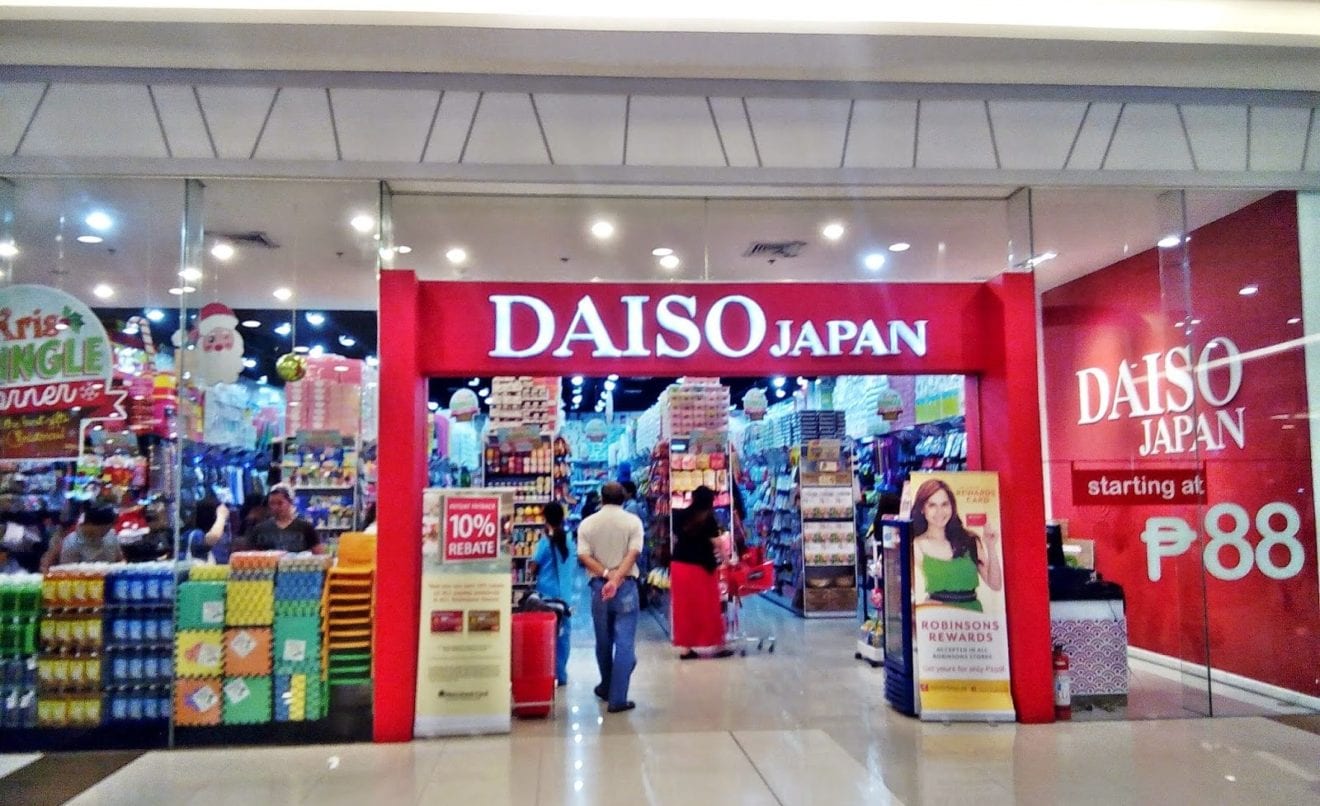
    Daiso, a well-known Japanese retail chain offering a variety of economical household items, is preparing to shutter its second store in a span of four months after a lengthy 18 years of operation. The Daiso Sembawang Shopping Centre location is scheduled to cease operations beginning April 6, 2026, according to an announcement from Daiso Singapore. The company has not provided an explanation for the impending closure.

    A Look at the Store’s History

    The Daiso Sembawang Shopping Centre first opened its doors in 2008 and underwent a significant expansion in 2021. This expansion introduced the Threeppy concept store, specializing in an array of “cute and fashionable” products.

    The upcoming closure of this location follows on the heels of two other recent closures — the Daiso outlets at the 100 AM mall, which closed in January, and the Kinex location in Tanjong Katong, which shuttered last July.

    Daiso’s Presence in Singapore

    As of March 26, Daiso maintains a notable presence in Singapore. The retail chain, renowned for its flat SGD2 (US$1.56) price point on its most affordable items, operates a total of 33 stores throughout the country. Daiso’s pricing can reach up to SGD20 for specialized items, with these prices not inclusive of tax.

    Daiso’s product line is diverse, encompassing a wide range of goods, from housewares, toys and stationery to decorations and gifts.

    Questions & Answers

    Why is Daiso closing its Sembawang Shopping Centre location?
    The company has not yet released a statement regarding the reason for the store’s impending closure.

    When did the Daiso Sembawang Shopping Centre location first open?
    The store first opened in 2008 and expanded in 2021 to include the Threeppy concept store.

    How many Daiso stores are in operation in Singapore as of March 26?
    As of this date, there are 33 Daiso retail stores in operation across Singapore.

  • Ikea to Close Seven Stores in China Amid Retail Struggles, Focuses on Online Growth and Precise Market Cultivation

    Ikea to Close Seven Stores in China Amid Retail Struggles, Focuses on Online Growth and Precise Market Cultivation

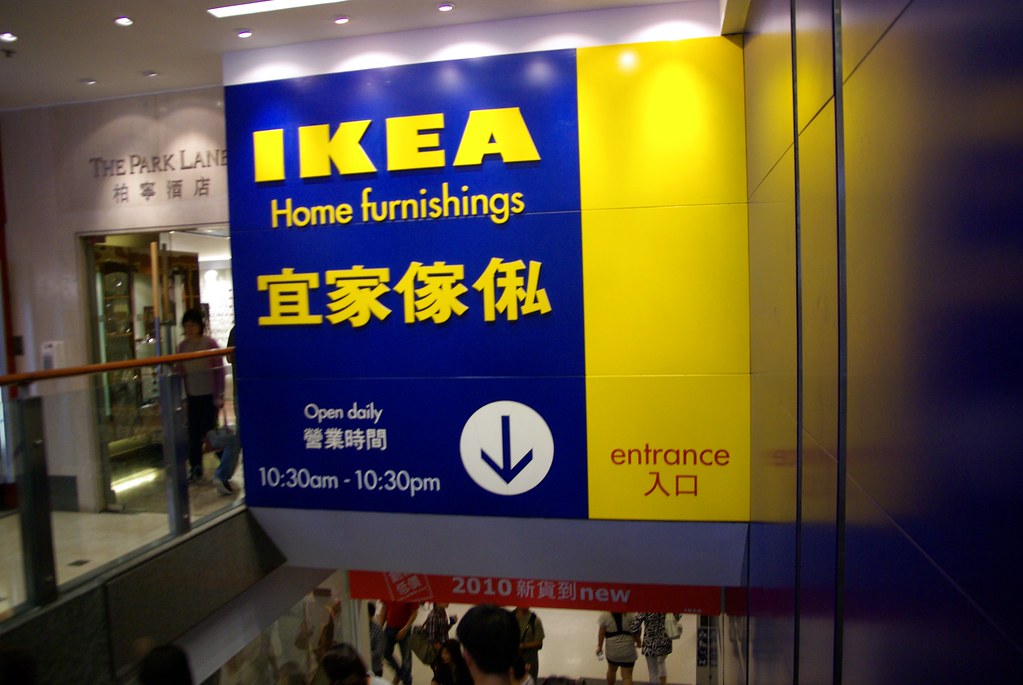
    Swedish furniture giant, Ikea, has announced that it will be shutting down seven of its outlets in China, effective from February 2. The decision was revealed in a statement issued by the company on Wednesday.

    The targeted locations for the shutdown include a branch in Shanghai’s suburbs, another in Guangzhou, as well as several others scattered across secondary cities such as Nantong, Xuzhou, and Harbin.

    Retail businesses, in general, have been grappling with sales growth in China, as consumer confidence continues to wane, stemming from a long-standing property crisis, job security worries, and stagnant wages.

    Presently, Ikea has approximately 40 stores operating on the Chinese mainland. The company disclosed in its statement that five new stores of varying sizes have commenced operations recently.

    China, being the world’s second-largest economy, contributes approximately 3.5% to Ikea’s global sales. However, an increasing proportion of these sales originates from online flagship stores. To further nurture this online sales growth, Ikea inaugurated a new store on JD in August of the previous year.

    The company stated that it will be shifting its strategy from large-scale expansion to precise cultivation, focusing on major markets such as Beijing and Shenzhen. This strategy includes the launch of over ten smaller stores within the next two years. The company also stated that it anticipates new store openings in the cities of Dongguan and Beijing during the first half of 2026.

    Questions & Answers

    Which Ikea stores in China are slated for closure?
    Ikea plans to close stores in suburban Shanghai, Guangzhou, and several other locations in secondary cities such as Nantong, Xuzhou, and Harbin.

    What proportion of Ikea’s global sales does China account for?
    China accounts for about 3.5% of Ikea’s global sales.

    What is Ikea’s strategy going forward in China?
    Ikea plans to shift from large-scale expansion to precise cultivation, focusing on major markets like Beijing and Shenzhen, and opening more than ten small stores over the next two years. There are also plans for new store openings in Dongguan and Beijing in the first half of 2026.

  • Takashimaya Closing Shanghai store

    Takashimaya Closing Shanghai store

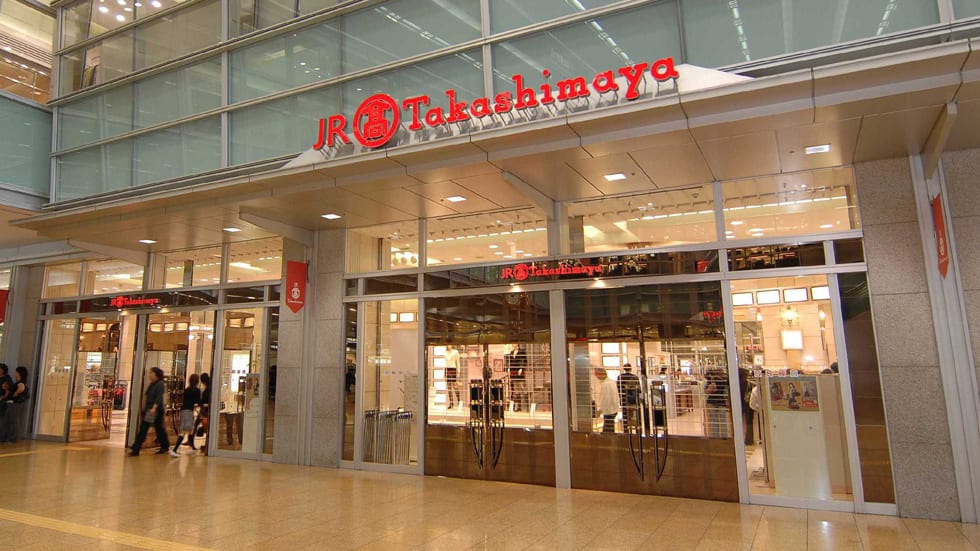
    Japanese department-store operator Takashimaya is to close its Shanghai department store after years of losses, and exit China.

    The company said it would recommend to shareholders at a special meeting on August 25 that its Shanghai Takashimaya Co subsidiary be liquidated after it failed to negotiate a rent reduction from its Chinese landlord. Assuming approval – essentially a formality – the store will close on the same date.

    Located in the city’s Changning District, the store had sought to deliver an authentic Japanese-style department store experience, and Takashimaya says it had developed “a large local following”.

    However, figures supplied by the company show net sales rose from US$59.2 million in the year to February 2017 to $65.44 million last year and then slumped to just $29.78 million this year. The division’s loss attributable to shareholders was $15 million in 2017, $28.84 million last year and $14.28 million this year.

    Takashimaya says the proposed dissolution and liquidation may lead to a further loss for the parent company of $18.69 million to $28.04 million.

    In a statement, Takashimaya said the lack of profitability is largely due to tough competition within the industry coupled with delays and changes in development projects for adjacent commercial facilities.

    “These problems have been compounded by China’s economic slowdown and falling consumer spending, which reflect the protracted US-China trade friction. In view of these developments, the board of directors concluded that it was no longer feasible for Shanghai Takashimaya to continue.”

    The Japanese company will now focus its growth and expansion planning to Southeast Asia where it sees greater opportunities. It currently has stores in Singapore, Bangkok and Ho Chi Minh City, Vietnam. The company will expand the Ho Chi Minh City store to carry more items suited to families and is considering opening another department store in Vietnam.

    The Takashimaya Shanghai store opened in 2012 and has a floor space of 40,000sqm, a similar size to one of its larger stores in Japan.

  • Michael Kors to shut over 100 stores

    Michael Kors to shut over 100 stores

    Michael Kors, the once-popular retailer that has been trying to turn itself around, said it expected same-store sales to continue to fall in 2018, and that it would shut more than 100 full-price retail stores in the next two years.

    Shares of the company slumped nearly 11 percent to $32.38, their lowest in more than five years.

    Michael Kors Holdings Ltd, once the hottest name in affordable luxury, has been grappling with declining same-store sales for the past seven quarters as fewer people visit its stores, flocking instead to rival Coach Inc and shopping online.

    Kors said on Wednesday sales at stores established for more than a year fell 14.1 percent in the fourth-quarter ended April 1. Analysts had estimated a fall of 13.4 percent, according to research firm Consensus Metrix.

    To deal with the lull in sales, the retailer has been expanding into dresses and menswear, investing in its online business, and reducing supplies to department stores, which have been discounting heavily to bring back shoppers.

    These efforts, however, are yet to show the results that investors are looking for. Kors said it expected revenue of $4.25 billion for fiscal year 2018 and also forecast a high single-digit drop in same-store sales.

    Analysts on average had estimated revenue of $4.37 billion. “If you walk into a Michael Kors store, they basically have the same handbags over and over again,” said Gabriella Santaniello, founder at research firm A-Line Partners.

    “It is basically an entire wall of the Mercer handbags -small and large – and another wall of Hamilton bags,” she said, referring to Kors’ flagship handbag lines.
    The company said on Wednesday it would close 100-125 full-price stores over the next two years due to intense price competition from other retailers. It expects to take $100 million-$125 million in related one-time costs.

    For the fourth quarter ended April 1, total sales fell 11.2 percent to $1.06 billion. Analysts had expected $1.05 billion.

    Excluding certain items, Kors earned 73 cents per share, while analysts had expected 70 cents per share. Kors, whose shares have fallen nearly 16 percent this year, also said it would buy back $1 billion worth shares.

  • Rough patch for Smoothie King as it closes outlets here

    Rough patch for Smoothie King as it closes outlets here

    American food chain Smoothie King has closed all seven of its stores in Singapore over the past month – although it says it is still keen to operate here within a franchise agreement.

    The news has shocked observers as the food and beverage segment is said to be one bright spot in an otherwise gloomy retail scene.

    While Smoothie King did not comment on the performance of its stores here, a company spokesman said its owner and chief executive Wan Kim recently sold his interest in the South Korean operations.

    Smoothie King Singapore is wholly owned by Smoothie King Korea, according to a company search.

    “As a result of this transaction, Smoothie King Company has chosen to not own and operate outside the United States. This decision has led to the strategic closing of all operations in Singapore,” the spokesman told The Straits Times on Monday.

    The company appears to have quietly exited the market. No mentions were made on its website and Facebook page, which were both unavailable yesterday.

    Smoothie King has been on a rapid expansion path over the past few years. It opened its first store here in December 2012, and said it planned to launch at least 30 shops in three years.

    Apart from the US, it is also open in the Cayman Islands and South Korea. The only Smoothie King- owned outlets are in the US. The rest are franchise agreements, the company spokesman said.

    It has agreements to open stores in the Middle East and will be announcing further international developments in the coming days.

    “Smoothie King vigorously continues to seek operating partners in Asean… It will be exploring opportunities to operate in Singapore within a franchise agreement,” she said.

    The company may have had limited appeal here. Staff at a store opposite its former Nex outlet said that while it would be packed with students from Friday to Sunday, it would typically not even be half full at lunchtime on weekdays.

    It was a similar story at its former Marina Bay Link Mall outlet, with staff at nearby outlets noting it would not be a full house during lunch hours.

    Mr Steven Goh, who runs retail consultancy SG Retail Network, said the chain’s growth and pricing strategy were not suited to the Singapore market.

    “It’s a premium to pay $6, $7 for a smoothie and they are, unlike coffees, not something most people will drink every day.

    “Smoothie King was in a very niche category but also expanded fast, with outlets in prime locations and high rental costs. Not all the stores may have been performing… But for chain store operations to be sustainable, at least 90 per cent of the stores should be profitable.”

  • Walmart shuts 269 stores worldwide

    Walmart shuts 269 stores worldwide

    On Friday, Walmart announced it will close 269 stores globally as it struggles to compete with online retailers like Amazon.

    The news came as US retail figures showed lower than expected holiday sales figures across the market.

    Sales rose just 3% in November and December, falling short of the expected 3.7% growth according to the National Retail Federation.

    The Walmart closures will affect 10,000 US workers and 16,000 worldwide.

    The announcement came three months after Walmart chief executive Doug McMillon told investors the company would focus on becoming more nimble.

    “Closing stores is never an easy decision. But it is necessary to keep the company strong and positioned for the future,” Mr McMillon said in October.

    The national shortfall in holiday shopping came even as retailers offered steep discounts to attract customers.

    Online retailing did see a significant increase, rising 9% to $105bn (£73.4bn), but it was not enough lift the overall figures.

    Concerns about holiday shopping added to market concerns as stocks fell sharply. The Dow Jones fell 400 points in morning trading.

    Neil Saunders, chief executive of retail analysts Conlumino, said it was a significant move: “Walmart’s decision to scale back its store numbers in the US underlines how much the retail landscape has changed over the past few years. The blunt truth is that while stores remain a vital part of the retail mix, they are not quite as relevant as they used to be.

    “The growth of online, and especially of Amazon, has undermined that advantage and has given almost all consumers easy access to a comprehensive and relatively cheap assortment of products.”

    He added that where Walmart was going, others would follow.

    Weak

    The weak economic outlook was not confined to the service sector.

    On Friday, the Federal Reserve reported industrial production in December shank by 0.4% the second month of contractions.

    Industrial production, which includes manufacturing, mining and utilities has been hit by a strengthening dollar and global economic weakness.

    “With the dollar still rising at a rapid pace and global demand clearly pretty weak we don’t expect much from the US manufacturing sector this year,” Paul Ashworth, chief US economist at Capital Economics, wrote in a research report.

    Warm weather also hit industrial production figures.

    The unusual temperatures pushed utility output down 2% in December following a 5% decline in November.