Retail News CRM

Tag: closure

  • Coles Plans Closure of Crime-Plagued Elizabeth Street Store in Melbourne CBD by 2027

    Coles Plans Closure of Crime-Plagued Elizabeth Street Store in Melbourne CBD by 2027

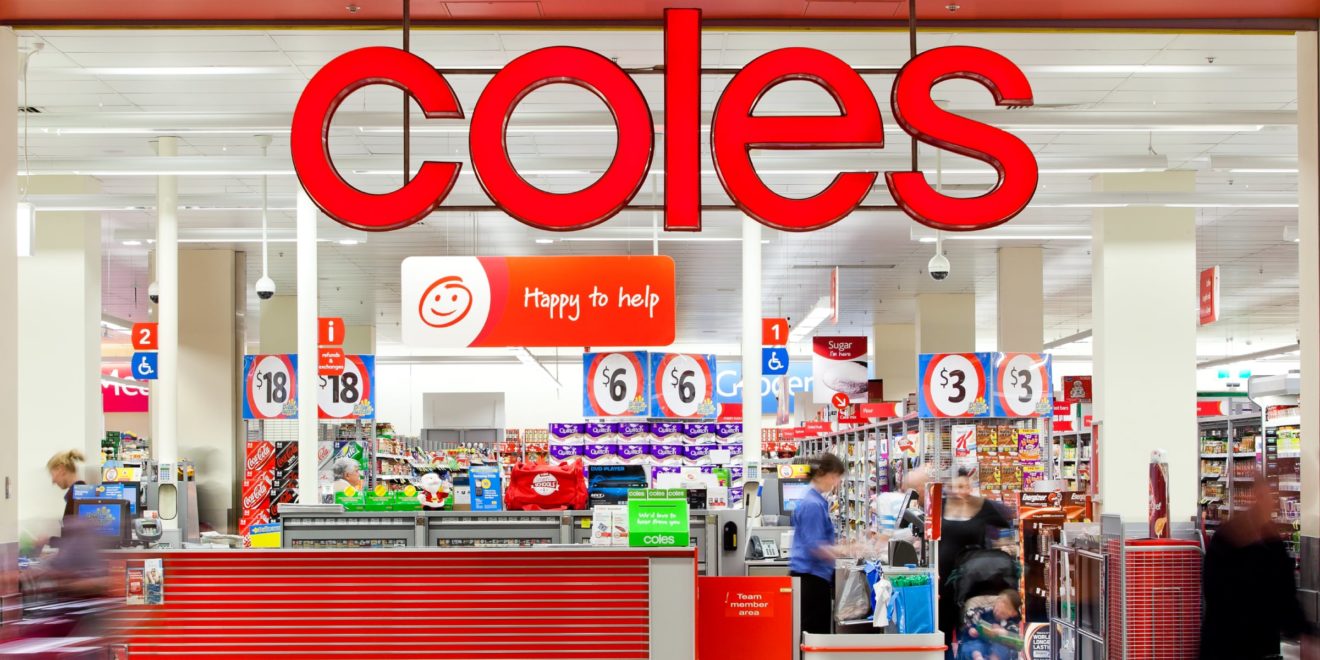
    Coles, a leading supermarket chain in Australia, has disclosed plans to shutter its store on Melbourne’s infamous Elizabeth Street due to the location’s ongoing issues with crime and antisocial behaviour. The location, which has once again come under the spotlight following two separate machete attacks recently, is situated across from Melbourne’s Flinders Street station. The Coles Central store shares its vicinity with Woolworths Metro, located just a few doors down.

    A Strictly Commercial Decision

    Coles has stressed that the decision to vacate the premises at the end of their lease agreement in 2027 is purely a business move. This will result in the supermarket maintaining only one store in Melbourne’s Central Business District (CBD), based in Melbourne Central.

    The supermarket chain has recently made public its extended collaboration with Crime Stoppers Victoria, aiming to address the issue of crime within retail settings. Increasing instances of theft, abuse and hostility towards frontline workers have contributed to a progressively challenging environment within the retail sector, a Coles representative explained.

    Martin Smithson, General Manager of Supermarket Operations at Coles, stated that the rise in retail violence was absolutely unacceptable. He emphasized that the partnership with Crime Stoppers was just one of the steps being taken to tackle it, and called for a collaborative approach involving industry, retailers, government and police.

    Victoria: A Hotspot for Retail Crime

    Victoria, and particularly Melbourne, has been a focal point of Australia’s escalating retail crime issue. In 2025, the state recorded 95,181 criminal incidents at retail locations, marking an increase of 25.7% over the preceding decade.

    According to Chris Rodwell, CEO of the Australian Retail Council, the trend is irrefutable. Retail crime in Victoria continues to surge, posing a persistent, widespread threat to frontline workers and customers.

    Questions & Answers

    What is the reason for Coles’ decision to close its store on Elizabeth Street?
    The decision is strictly commercial, according to a Coles spokesperson.

    How is Coles addressing the issue of retail crime?
    Coles has announced an extension of its partnership with Crime Stoppers Victoria to help tackle retail crime.

    What has been the trend in retail crime in Victoria over the past decade?
    The state has seen a 25.7% increase in criminal incidents in retail locations over the past decade.
  • Singapore’s Metro Redefines Retail, Plans Closure of Two Major Stores for Smaller Multi-Concept Outlets

    Singapore’s Metro Redefines Retail, Plans Closure of Two Major Stores for Smaller Multi-Concept Outlets

    Metro, a well-known retailer based in Singapore, has announced plans to shutter its department stores located at Paragon on Orchard Road and Causeway Point. This decision comes in line with the company’s strategic pivot away from traditional large-format department store models, as their leases approach expiration.

    Embracing a New Retail Model

    Metro’s future plans revolve around introducing a flexible retail model that focuses on smaller-format and multi-concept stores. The company is currently exploring potential locations and liaising with landlords to advance the rollout of these innovative multi-concept stores.

    To ensure the financial viability and success of its new retail approach, Metro is considering several key factors. These include the location, rental terms, and implementation timelines of these proposed stores. This strategic move is aimed at meeting the fundamentally different consumer expectations of today’s market, while allowing more flexibility for the introduction of new concepts, brands, and partnerships.

    Commenting on the new direction, Yip Hoong Mun, Group CEO and Executive Director of Metro, said that the company’s refreshed retail strategy is designed to tackle the challenging operating environment and align with customers’ evolving expectations.

    Transforming the Retail Landscape

    Tan Soo Khoon, the chairman of Metro, further highlighted that this repositioning would pave the way for a more agile retail platform. This transformation is expected to support the company’s long-term growth ambitions. “As the retail landscape continues to transform, it is vital for us to evolve alongside it,” Tan noted.

    In the past year, Metro has been revamping its offerings through various partnerships and experiential concepts. However, despite its initiatives, the company reported a net loss of US$8.8 million for the fiscal year ending March 31, attributing the downturn to lower revenue, weaker margins, and impairment charges.

    Meanwhile, potential plans are being reviewed to optimise and selectively reconfigure parts of the Orchard Road mall, which presently houses Metro.

    Questions & Answers

    What is the new retail model that Metro is adopting?
    Metro is shifting towards a flexible retail model centred on smaller-format and multi-concept stores.

    Why is Metro shifting away from traditional department stores?
    Metro’s shift is prompted by changing consumer expectations and a desire for greater flexibility to introduce new concepts, brands, and partnerships.

    Will Metro continue to operate in the Orchard Road Mall?
    Metro has expressed interest in remaining at the Paragon on Orchard Road under its new retail concept, and discussions are ongoing.

  • Michelin-Starred Terra Tokyo Italian Announces Closure Amid Market Challenges: A Decade-Long Journey Ends in December

    Michelin-Starred Terra Tokyo Italian Announces Closure Amid Market Challenges: A Decade-Long Journey Ends in December

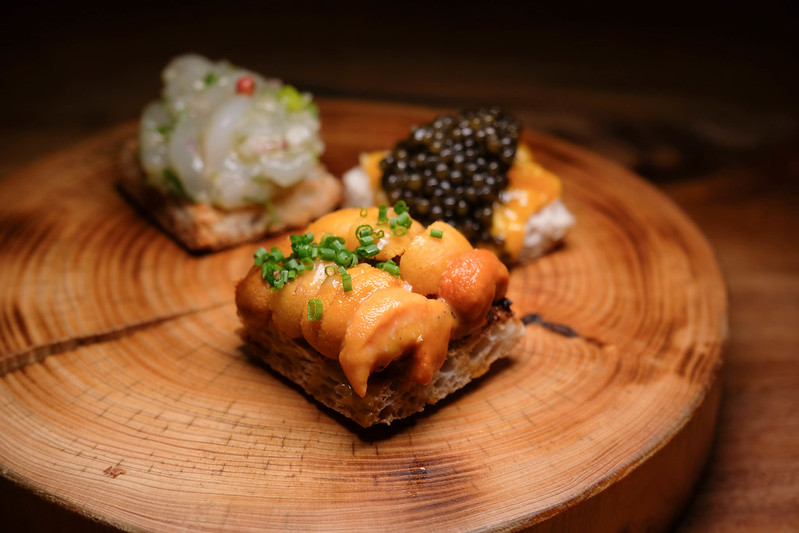
    Terra Tokyo Italian, a unique fusion of Japanese and Italian dining in Singapore, has announced it will be saying farewell this coming December. The Michelin-star restaurant broadcasted the disheartening news in an Instagram post earlier this week, stating that its final day of service will be December 20, 2025.

    A Fond Farewell

    The restaurant’s statement expressed a heartfelt goodbye, reminiscing over its journey that was marked by shared meals, warm conversations, celebrations, and memorable moments. It extended gratitude to its loyal patrons who have shaped the establishment over the past decade.

    “We are deeply grateful for the decade we have spent together. Your trust, your smiles, your support has meant everything to us. We hope to spend these remaining days together, just as we have done for the past ten years. We welcome you wholeheartedly until our very last service,” the statement said.

    Reason For Closure

    The restaurant attributed its impending closure to the challenges imposed by the current market conditions.

    Terra Tokyo Italian was originally established as an omakase-style restaurant by Japanese chef Seita Nakahara, who later left the establishment in 2023. It first earned a Michelin star in 2016, lost it the subsequent year, but managed to reclaim it from 2019 through 2024. Despite losing its star this year, the restaurant still remains a Michelin-selected establishment for its quality.

    Other Closures and Changes

    Terra Tokyo Italian is not alone, as eight other one-star Michelin restaurants also closed their doors between 2024 and now. Several other establishments that managed to retain their stars have also ceased operations or announced their closures, including restaurants like Alma by Juan Amador, Restaurant Euphoria, and Esora.

    In addition, other Michelin-starred restaurants are undergoing changes. For instance, Sushi Sakuta, a two-star restaurant, is moving from the Capitol Kempinski Hotel Singapore to Millenia Walk this month, while three-star French restaurant Odette is currently undergoing renovations and is set to reopen next month.

    The broader food and beverage industry in Singapore is also experiencing significant closures. Last year saw the closure of some 3,047 eateries, the highest figure in last two decades. The first ten months of this year already witnessed 2,431 closures, 63% of which did not last more than five years.

    Questions & Answers

    When will Terra Tokyo Italian close its doors?
    The restaurant plans to cease operations on December 20, 2025.

    What has been the impact of current market conditions on the restaurant scene in Singapore?
    The food and beverage industry in Singapore has seen a significant number of closures due to market conditions. In the past year, over 3,000 eateries have shut down, marking the highest closure rate in two decades.

    How has the Michelin Guide impacted Terra Tokyo Italian?
    The restaurant first earned a Michelin star in 2016, lost it the following year, but reclaimed it from 2019 to 2024. Despite losing its star in 2025, the restaurant still remains a Michelin-recognized establishment for its quality.

  • First quarter sees 16 percent rise in business closures

    First quarter sees 16 percent rise in business closures

    Around 23,800 are temporarily closed, up 28.2 percent, and more than 5,000 have permanently ceased to do business, a 26.4 percent increase, while 11,300 others are completing dissolution procedures.

    The majority are small, newly-established companies that were vulnerable to the impacts of the Covid-19 pandemic.

    Some 29,300 enterprises were established during the quarter, down 1.4 percent, and 14,700 others resumed operations after temporarily closing.

    A survey of the manufacturing sector by the GSO found 68.6 percent of firms saying their business situation is better than in the previous quarter, and 85 percent believing it would improve next quarter.

    The majority said strong competition was the main factor affecting their business. Other factors included low demand, resource crunch, raw material shortage, and lack of human resources.

    Only 27.8 percent of firms reported an increase in the number of domestic orders from the previous quarter, and 25 percent said there was an increase in exports.

  • Closure of Ralph Lauren Hong Kong flagship store

    Closure of Ralph Lauren Hong Kong flagship store

    “We are in the midst of transforming our presence in China, a region that we believe will become an important driver of growth for us over the long term,” Ralph Lauren said in 2012 after the fashion conglomerate of which he was then chief executive announced plans to open 60 stores in greater China by 2015.

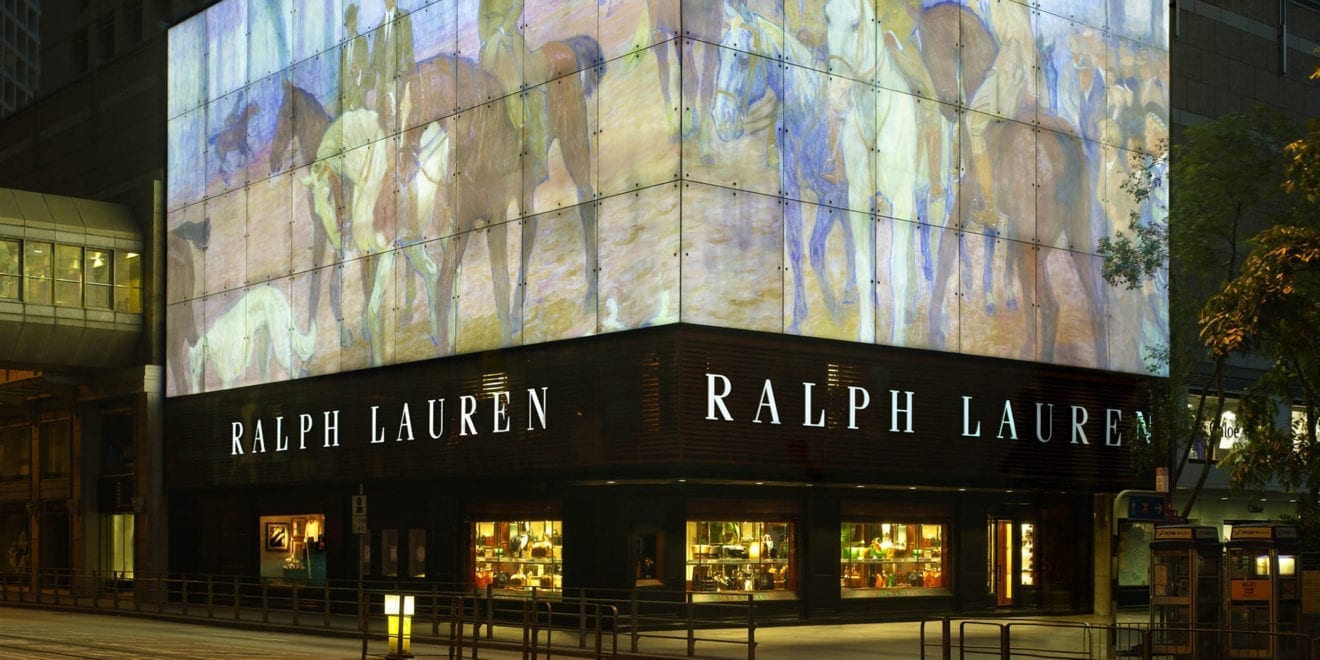
    A year later, Ralph Lauren launched its first men’s flagship store in Asia in the Landmark Prince’s in Hong Kong’s Central district, and in October 2014 it opened an enormous “mansion” store at the Lee Gardens complex, presenting accessories, watches and jewellery as well as men’s and women’s fashions.

    Fast forward two years, and the 20,000 sq ft store in Causeway Bay is no more, having closed overnight late last week.

    Contacted for comment about its abandonment of the doubtless expensive space in the Lee Gardens, a representative of the brand said the closure was “part of our strategic and financial plan”, adding: “We are redeploying assets to focus on new concept stores and transition away from unprofitable formats and locations.”

    We are redeploying assets to focus on new concept stores and transition away from unprofitable formats and locations

    Ralph Lauren spokeswoman

    Ralph Lauren is “combining men’s and women’s flagships in the recently renovated Prince’s Building location, as well as remaining focused on providing our customers with the authentic style and luxury shopping experience they expect from us,” the spokeswoman said.

    The move is part of a new strategy from Stefan Larsson, who worked for Swedish fast-fashion retailer H&M for 15 years and who replaced Lauren as chief executive in late 2015 (Lauren remains executive chairman and chief creative officer). The restructuring will, according to reports, cut over 50 stores and 1,000 jobs worldwide and save the publicly traded company between US$180 million and US$220 million a year. Its share price has been under pressure in the past 12 months, twice falling below US$85. Ralph Lauren shares closed at US$108.19 on Monday, down more than 9 per cent on their US$119.59 close on December 7, 2015.

    Ralph Lauren’s sudden exit from its Causeway Bay flagship store is the latest high-profile fashion closure to have occurred or been flagged in 2016. American fast-fashion label Forever 21 has announced it will close its multi-storey Causeway Bay flagship store. British label Paul Smith closed its Times Square store and Abercrombie & Fitch is set to leave its prime location in the Pedder Building in Pedder Street, Central – although, with a flailing brand reputation, poor sales and that famous HK$7 million monthly rent to pay, the move by Abercrombie & Fitch came as no surprise. Italian luxury clothing and accessories label Tonino Lamborghini also shut down more than 10 stores and in-store counters in the city earlier this year.

    Abercrombie’s Pedder Street closure will leave it with no stand-alone stores in Hong Kong, an effective withdrawal from the market, following on the closure of some 50 stores in the US in 2016.

    Although the “umbrella revolution” protests in 2014 that were a factor in a downturn in Hong Kong’s retail sales have long ended, political turmoil continues and visitor numbers, having dropped, have not fully recovered. Competition for high-spending Chinese consumers has been stiff, with destinations such as Japan, South Korea, Milan and London stealing some of the traffic from Hong Kong.

    The city’s retail sales dropped 10.5 per cent in the first half of 2016, their worst performance since 1999.

    Still, for all the negative news there are nuggets of hope. Italian brand Versace is opening a huge flagship store opposite the Landmark in Central next year, and mega brand Louis Vuitton is revamping its Hong Kong stores and continuing to invest in the city. Louis Vuitton chief executive and chairman Michael Burke told me a few months ago that “the leader in the market still believes in Hong Kong”.

    However, Louis Vuitton and Versace are definitely in the minority.

    With little sign of major recovery, Hong Kong’s economic outlook uncertain and retail sales continuing to fall, the fashion industry is on tenterhooks and braced for tougher times ahead. Since I wrote about Gucci’s rent dispute with its landlord Hongkong Land in 2015, there have been a spate of big-brand store closures, and threats by more prestige brands to shut up shop if rents aren’t adjusted.

    A few agile, smaller brands may exploit their departure, and subsequent rent drops, but times continue to be tough for the majority. Ralph Lauren probably won’t be the last big brand to close an expensive Hong Kong flagship store. Swire Properties chief executive Guy Bradley said in August he saw no signs of a retail turnaround.

  • Big discounts and store closures expected as luxury brand Tonino Lamborghini exits Hong Kong

    Big discounts and store closures expected as luxury brand Tonino Lamborghini exits Hong Kong

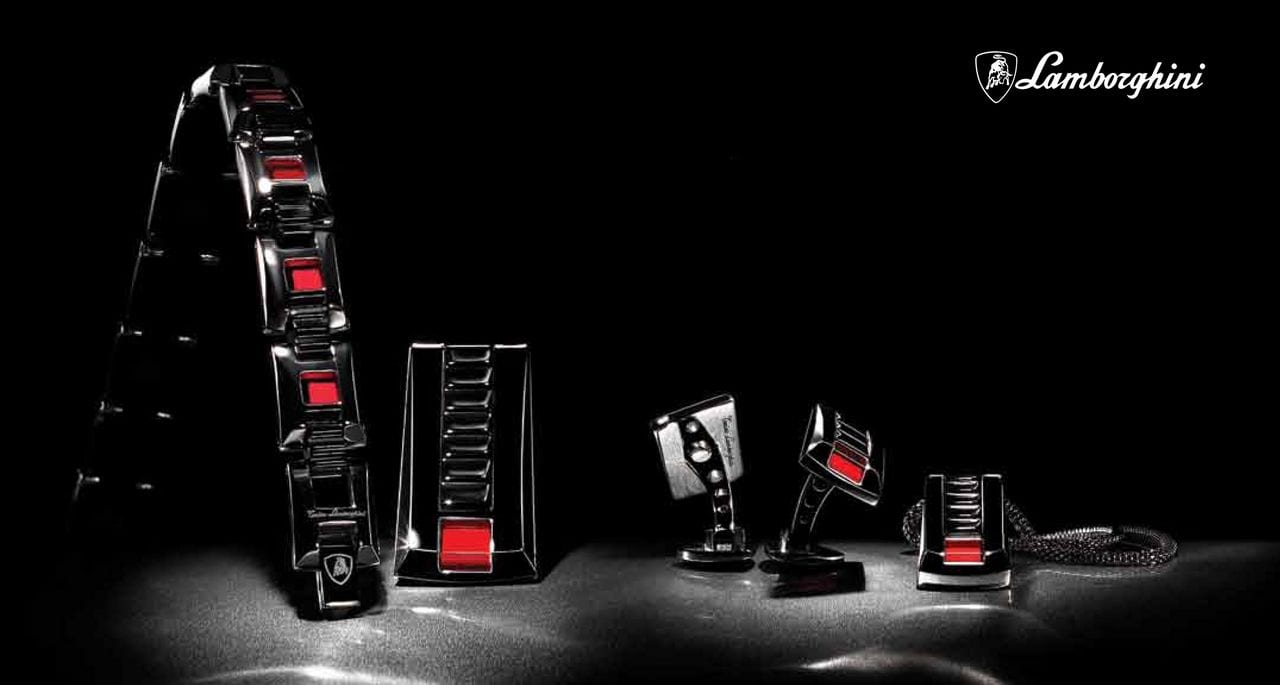
    Luxury brand Tonino Lamborghini, which carries apparel, accessories and leather goods, will exit Hong Kong amid poor sales performance of the city’s luxury market, with more than 10 independent shops and in-store counters shutting down soon.

    A shop assistant at its Tsim Sha Tsui store, who has worked for the company for more than 10 years, told the Post that she and other staff members would soon have to find new jobs.

    “We were told all the stores in Hong Kong would be closed, but the company didn’t say exactly when,” she added.

    This comes as another blow to Hong Kong’s battered luxury goods market, after American brand Coach closed its four-storey flagship store in Central and British fashion house Burberry reduced the size of its Pacific Place store, its largest in the city, by 50 per cent.

    Tonino Lamborghini, an Italian brand, was started in 1981 by the son of sports car maker and industrialist Ferruccio Lamborghini, though the two companies remain separate.

    The brand has retail stores in Hong Kong and Macau which sell a variety of luxury products including apparel, bags, shoes and watches.

    Discounts of as much as 70 per cent were offered to the customers in the retailer’s last battle to empty its warehouses in the city. In one of its shops in Jordan, signs which said “Exit Hong Kong” and “Closing Down Sales” had appeared in the store window.

    According to Tonino Lamborghini’s official website, it has 18 shops and in-store counters all over Hong Kong, with many of them located in tourist districts such as Mong Kok and Tsim Sha Tsui.

    Since last year, the luxury retailer has been quietly closing down some of its stores and in-store counters, said the long-time staff member. She added that only a few stores remain open currently.

    Rebecca Tse So-han, general manager of marketing at Yata department store, where the brand had occupied a counter for more than 10 years, said the counter closed in January after its lease expired.

    “Their sales performance was not particularly good … but it was not too bad either,” she said, adding that the retailer had chosen not to renew the lease, not the other way around.

  • Furniture Retail Iwannagohome to shut Singapore outlets

    Furniture Retail Iwannagohome to shut Singapore outlets

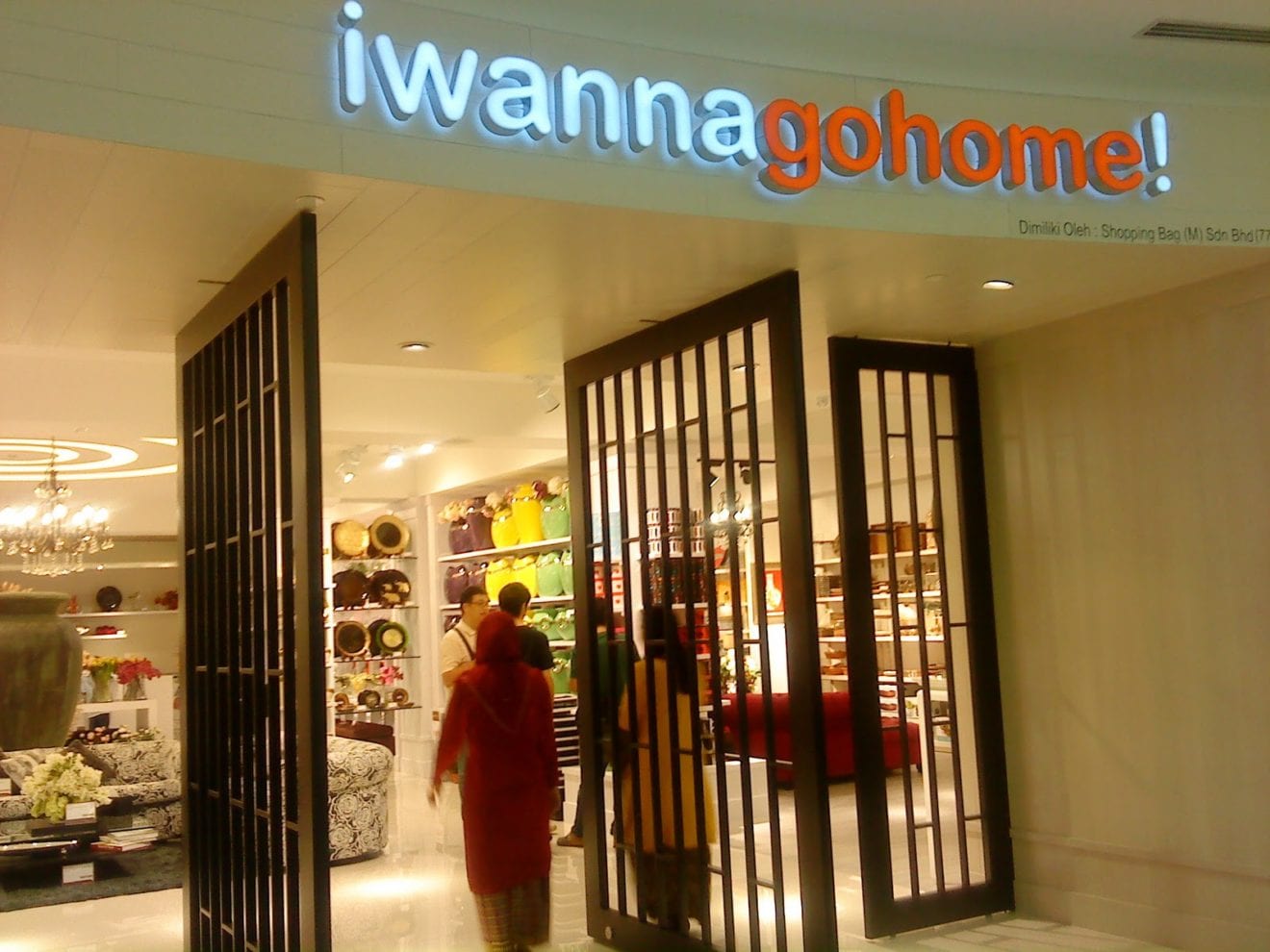
    Home furnishing and accessories shop iwannagohome will close its outlets in Singapore, its parent company confirmed on Friday (Feb 26).

    Both its branches at Tanglin Mall and Great World City will be closed, said a spokesperson for the brand, which debuted in Singapore in 2007. Clearance sales have begun at both outlets.

    A retail employee told Channel NewsAsia that he was told the shop would close “around May or June” this year.

    No employees will be affected, the spokesperson added. “As we have other businesses, all employees will be transferred to other outlets.”

    Among the other brands managed by parent company, Gill Capital, are fashion store H&M and candy store Candylicious.

    No details were provided in response to queries about whether iwannagohome’s other outlets in Malaysia and Australia would be affected.

  • Indonesia orders new Bali airport closure due to volcano

    Indonesia orders new Bali airport closure due to volcano

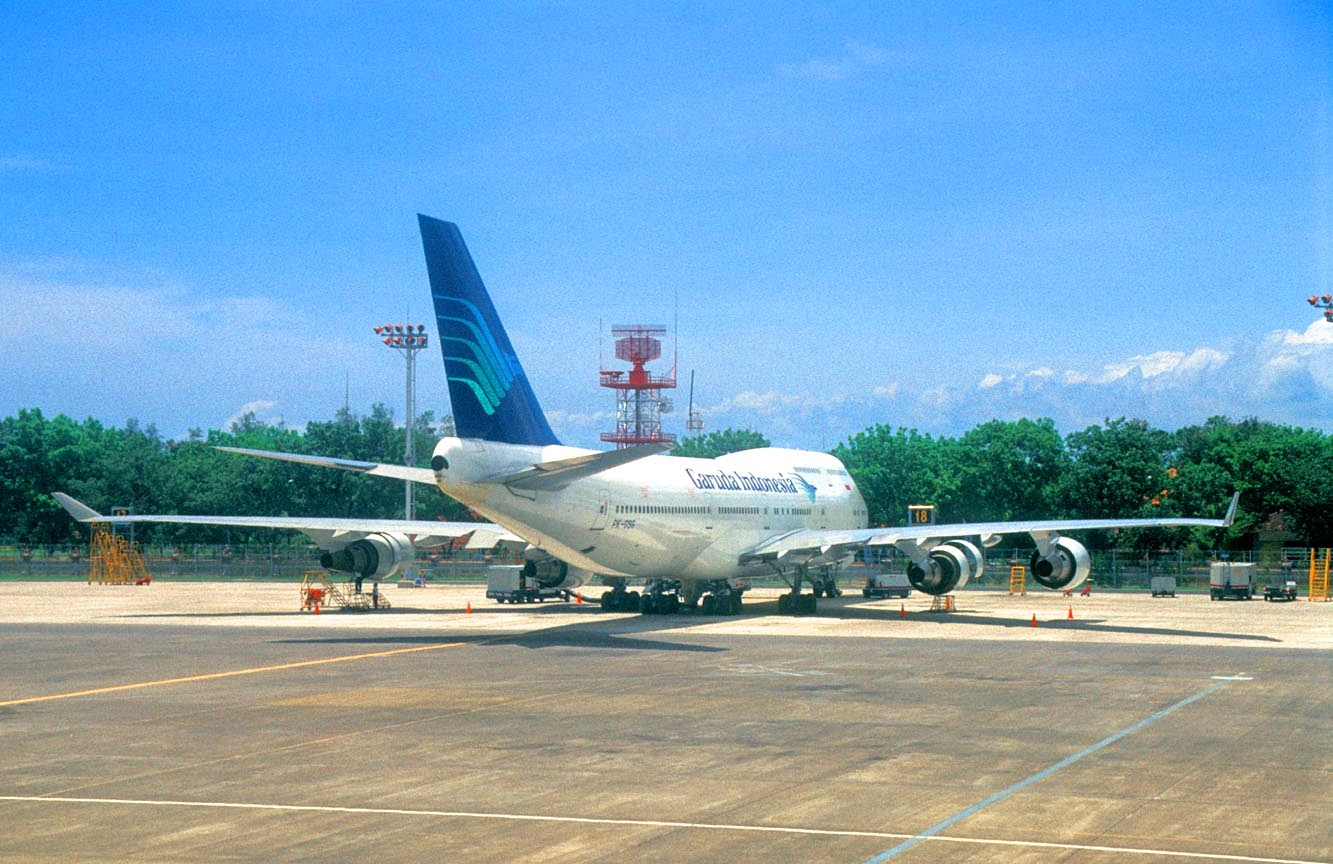
    Indonesian authorities ordered a fresh shutdown of the airport on the resort island of Bali today, sparking flight cancellations and travel misery for tourists during peak holiday season.

    Transport ministry spokesman J A Barata said Ngurah Rai airport would be closed for several hours from midday (0930 IST) due to ash drifting from Mount Raung, on Indonesia’s main Java island.

    Australian carriers Jetstar and Virgin Australia announced they were canceling flights in and out of Bali today, a popular holiday destination that attracts millions of tourists from around the world every year.

    The closure was the fourth shutdown of Bali airport in recent weeks due to the volcano, which has been spewing ash and lava high into the air since late June.

    The disruption has come during peak holiday season, leaving thousands of tourists stranded.

    The most serious period was between July 9 and 12, when two closures forced almost 900 flights to be canceled or delayed and created a backlog that took days to clear.

    Indonesian government vulcanologist Gede Suantika told AFP that the volcano was today shooting out ash clouds that were larger than those it had recently been emitting.

    “The volcano normally shoots out ash 700 to 800 metres but it’s around 1,000 metres today,” he said.

    Air traffic is regularly disrupted by volcanic eruptions in Indonesia, which sits on a belt of seismic activity running around the basin of the Pacific Ocean and is home to the highest number of active volcanoes in the world, around 130.