Retail News CRM

Tag: clsa

  • Hong Kong retailers may benefit from missile row

    Hong Kong retailers may benefit from missile row

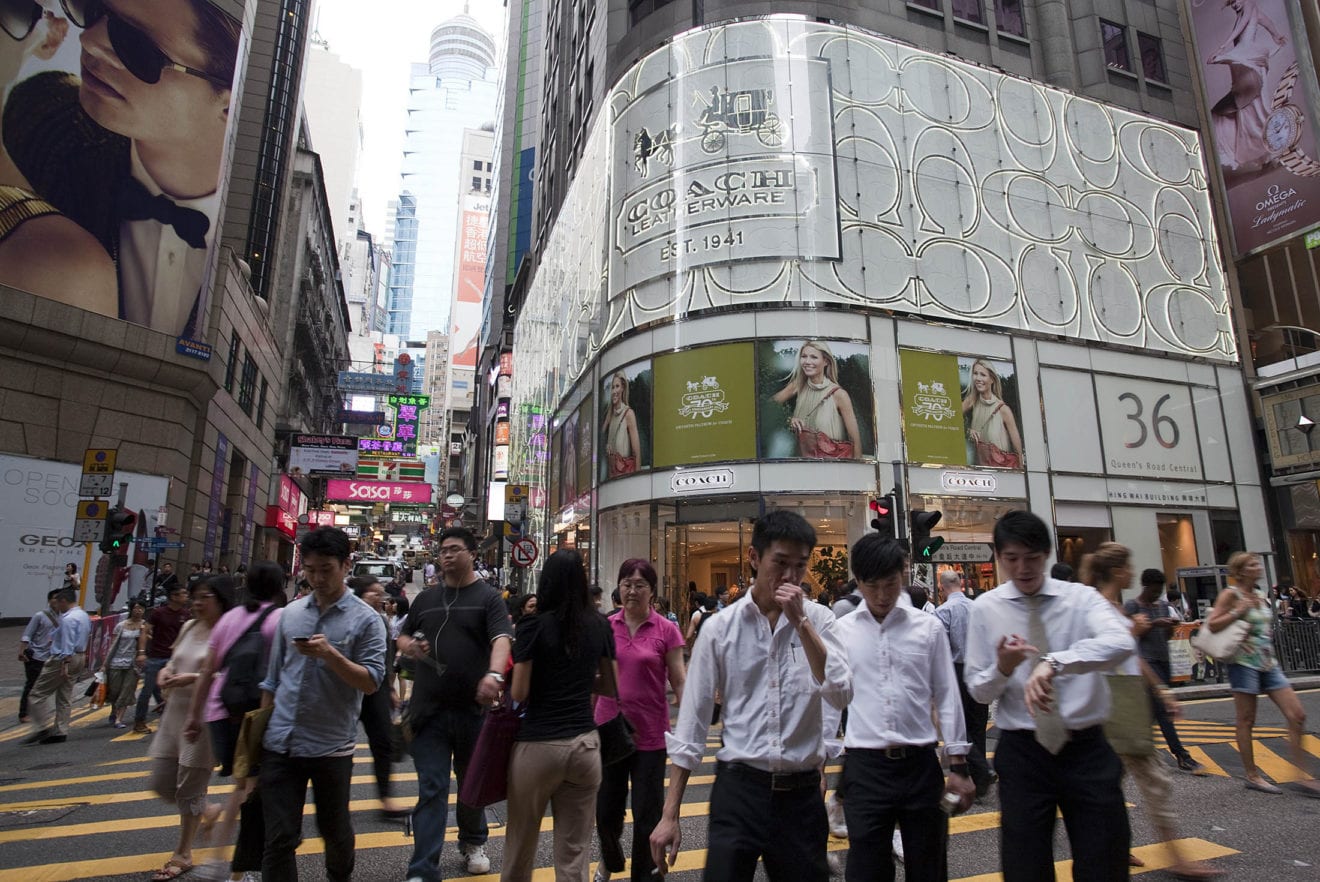
    China’s ban on group tours to South Korea in retaliation against a planned deployment of a missile defence system there could see a revival of tourism to Hong Kong, where retailers have been struggling.

    “South Korea, Southeast Asia and Hong Kong are all short-haul attractions favoured by mainlanders, and if one market faces headwinds there can often be a knock-on effect on the others,” says investment firm CLSA head of Hong Kong consumer research Mariana Kou.

    Beijing last week ordered domestic travel agents to stop offering group tours to South Korea, as well as hotel and flight booking services for individual travellers.

    Although designed to protect against attacks from North Korea, South Korea’s installation of THAAD radar is considered by Beijing as a threat.

    Mainland Chinese visitors to South Korea rose to 8 million last year, almost quadruple the level of 2012. The Korea Tourism Organisation estimates that a 50 per cent drop in mainland tourism would hit the tourism sector to the tune of US$9.6 billion.

    People speaking Chinese were noticeably absent from the shopping district of Myeong-dong in Seoul yesterday, just as the Chinese government’s ban went into effect, reports The Korea Times.

    “I think the number of Chinese tourists has declined almost 70 to 80 per cent,” says an information officer helping foreigners. “There are obviously fewer Chinese tourists here than Japanese visitors these days.”
    Previously, Chinese tourists were crowding shops to buy cosmetics and luxury goods. Now the owners of so-called “road shop brands”, such as Innisfree, Nature Republic and The Face Shop, are struggling to attract custom. Now their workers are speaking Japanese and distributing leaflets and maps in the language.

    Meanwhile, some tourist buses have been taking Chinese groups to the main Lotte Department Store, but tourism officials expect this mark to dry up by the weekend. “Those who came to Korea before the measure have yet to leave,” says one official.

    Experts say the situation could see middle-class shoppers from China’s less affluent cities flock to Hong Kong as an affordable alternative, reports The South China Morning Post.

    Hong Kong Tourism Board data shows that spending by individual travellers has been trending downward. The average overnight visitor to the city spent HK$6602 (US$850) last year, down from HK$7234 in 2015. The board predicts a further 5.2 per cent drop to HK$6256 this year.
  • Chinese sports brands back in the race

    Chinese sports brands back in the race

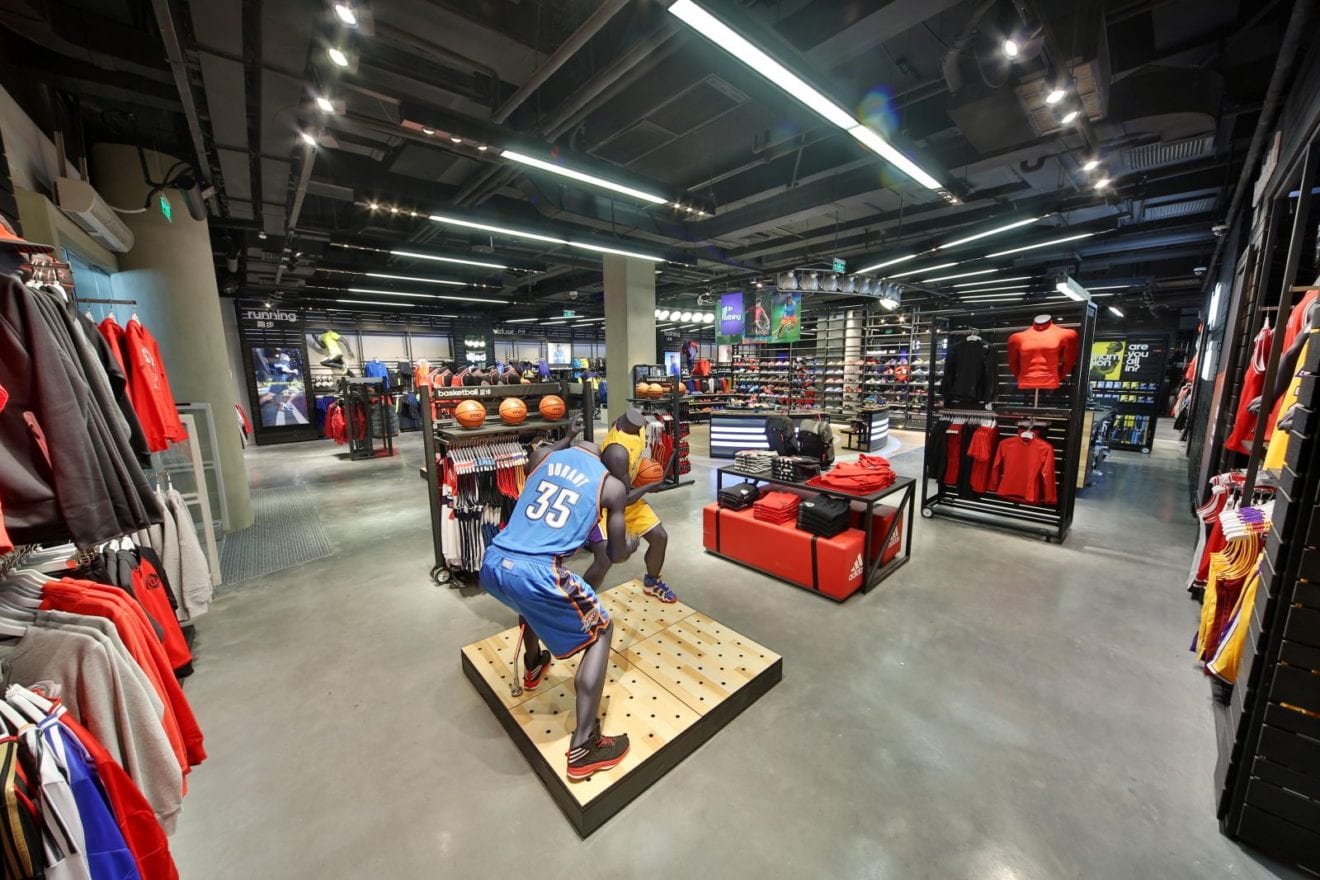
    A government-backed campaign to encourage healthy living is helping give Chinese sports brands traction again in the domestic consumer market.

    After three tough years with the slowing economy and over-expansion following the Beijing Olympics in 2008, the brands are ready to compete again, thanks to cutbacks in store networks and more choice in online sales channels.

    When Beijing was preparing to host the Olympics, sportswear companies began to expand aggressively, with leading brands adding nearly 1000 points-of-sale each every year between 2007 and 2011, according to Hong Kong brokerage and investment group CLSA analyst Dawei Feng.

    However, sales were undermined by cheap knock-offs and competition from expanding overseas fashion chains such as H&M, Uniqlo and Zara.

    Between 2012 and 2013, China’s biggest sports brand Anta closed 900 shops across the country. Also cutting stores from 8255 to 6133, Li Ning became profitable last year after three years of losses.

    Anta has been working with its stores on marketing, says Bloomberg Intelligence analyst Catherine Lim. It also started a children’s brand after China scrapped its one-child policy.

    Anta, which holds distribution rights to the Fila brand in China, is the official sportswear sponsor of the Chinese Olympic Committee.

    China’s five publicly traded sportswear companies have a combined market value of about $9.4 billion, or less than a 10th of Nike, the world’s largest sporting-goods maker.

  • China will bounce back and continue to drive global growth for decades

    China will bounce back and continue to drive global growth for decades

    Economists have often said “when America sneezes, the world catches a cold” reflecting the importance of the US to the global economy.  But the past 12 months suggest the world’s immune system is more sensitive to China’s sniffles than was previously thought.

    The country’s economic slowdown and the overdue lancing of the bubble in its stock market have made the world’s central bankers and policymakers realise that China now has a huge influence on global markets.

    I was in Beijing and Shanghai last week in part to attend the G20 summit in my role as a board member of the Institute of International Finance but also to see for myself what is happening in China. There is no substitute for visiting a country if you really want to understand what is going on there. Get there, meet companies and policymakers and listen to what the people you meet have to say.

    This is especially the case with somewhere like China because it can be opaque and a lot of what is written about the country is nonsense. You can only get so much information to form a view from sitting in an office 6,000 miles away.

    One of my most interesting meetings was with Dr Pan Gongsheng, deputy governor of China’s central bank. It is true that the economy is slowing. Never mind the validity of the official figures, the 6.9pc growth achieved last year is a far cry from the double-digit expansion achieved a few years ago.

    But is this slowdown really so bad? The change in the pace of growth is as much by design as by accident. China’s policymakers made a deliberate decision a few years ago, to move the economy away from an investment-led, export-driven model towards one in which domestic consumption plays the dominant role. The country’s leaders want growth that is sustainable.

    For a long time investors have focused on China’s manufacturing data as an indicator to how well or badly the economy is doing. Recent weakness in the manufacturing data has been interpreted as a big negative and has ignored the growth of service industries, especially in the private sector.

    Real estate, finance, hospitality, retail, transport, construction and other services accounted for some 55pc of GDP in 2014, up from 47pc in 2006, according to data compiled by CLSA and Citic Securities.

    As the economy continues to move to a more domestic focus, this share will continue to rise. This is not to say everything is rosy in China. In recent years, western leaders watched with wide-eyed wonder at their Chinese counterparts’ handling of the economy. They looked on in envy at Beijing’s ability to manage the economy at a time when the world seemed to be closing in.

    That reputation has taken a major dent recently. They successfully deflated a bubble in the property market but that meant that China’s army of retail investors piled into the domestic stock markets. The authorities should not have tried to prop this over-leveraged and speculative bubble. They should have let it pop but chose to intervene and then did so in a messy, unclear and unsuccessful way.

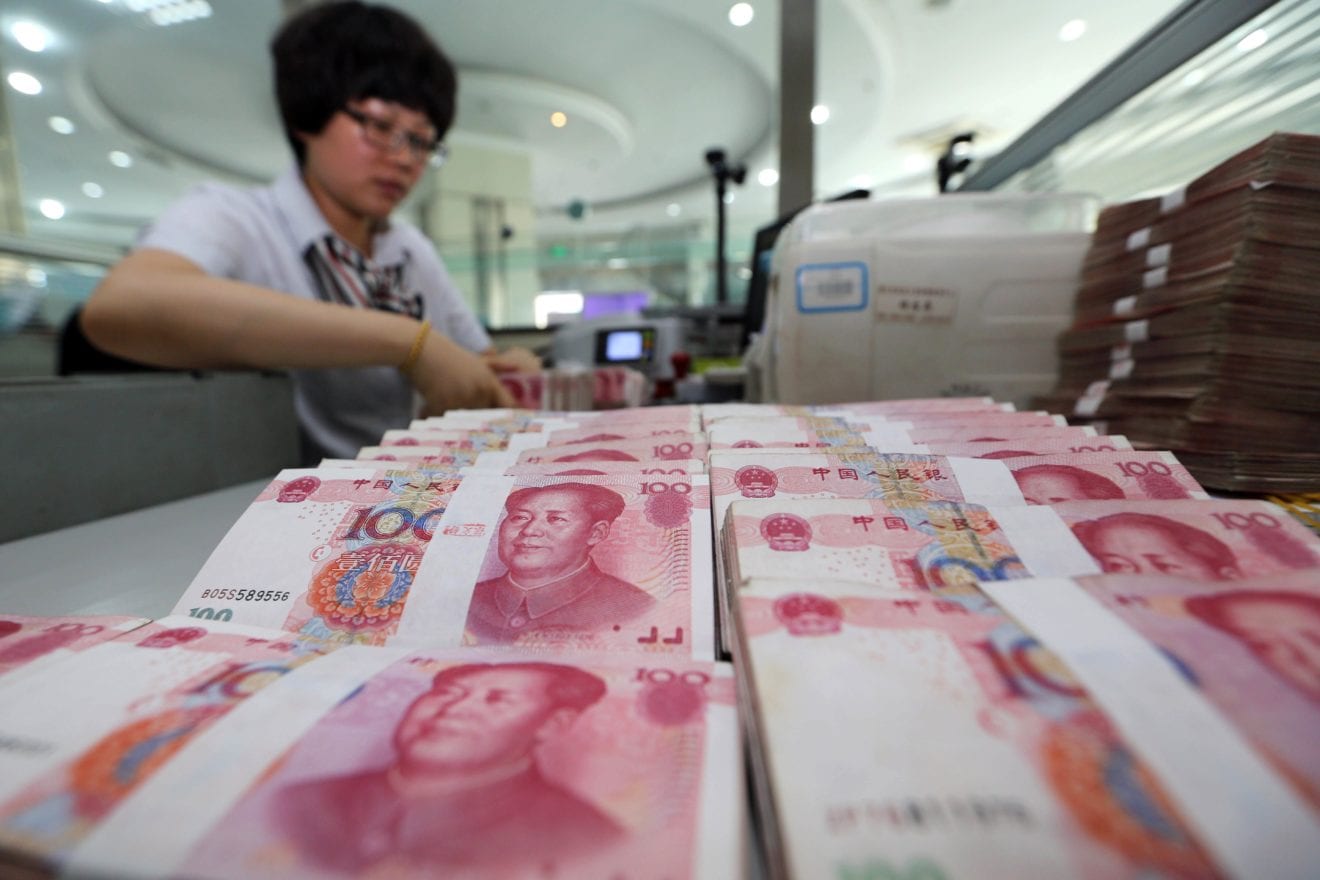
    While they were bungling the rescue of the stock market, the authorities made a mess of communicating a loosening in renminbi policy, which fuelled suspicions the country was seeking to devalue its way out of trouble. This is prompting wealthy locals to move their cash offshore and in response the government is making it harder for money to be moved overseas.

    Local government and corporate debt are big problems, the state sector is bloated and inefficient, while the property market remains fragile. Whilst my trip provided comfort on the state of the economy, my views on the stock market remain unchanged. We have always been very cautious about investing in Chinese companies because so many are opaque and many have woeful corporate governance.

    It’s obvious if you spend time in China to see that the Shanghai and Shenzhen stock markets operate like casinos. Trading activity is dominated by retail investors who buy on rumours and flee at the first sign of trouble. It’s much more sensible to expose yourself to China’s growth by investing in companies which aren’t based there but do business there.


    It’s a much easier way of investing in companies with decent growth prospects, that have quality management and adhere to good levels of transparency and accounting standards. From speaking to companies, economists and analysts in China, it’s clear to me that the country is heading for a softer, rather than harder, landing. You need to look beyond the stock market for the clues of why, though. China’s consumer spending is still motoring. Consumers have taken to internet shopping at a startling pace.

    Barely 15pc of the population had shopped on the internet a few years ago. Now over 40pc have. Chinese shoppers spent nearly $8bn (£5.7bn) in the first 10 hours of the country’s equivalent of Cyber Monday or Black Friday. Chinese authorities might have lost some of their reputation for financial competency, but they have $3.4 trillion in foreign exchange reserves to soften the blow of a slowing economy.

    Unlike many policymakers in the West, those in Beijing still have plenty of tools at their disposal to avert economic disaster and to help the country to develop. The announcement last week of the opening up of the bond market to long-term international investors is a prime example and is a step in the right direction.

    Ultimately China will shake off its current sniffles to continue to be a driver of global growth for decades to come.

  • Hong Kong retail has lost its edge

    Hong Kong has lost its edge as the go-to destination for international tourists seeking retail therapy.

    In a presentation to the 22nd CLSA Investors Forum, CLSA’s  head of consumer and gaming research Aaron Fischer, said luxury retail prices in Hong Kong are now higher than in other markets and if they stay that way “the retail market will suffer”.

    He cited an example of a Louis Vuitton handbag priced 20 per cent cheaper in Tokyo than in Hong Kong.

    Tourists – especially those from the Mainland – are now considering the price differential with Europe and other Asian destinations – and concluding there are more exciting tourist attractions, or new experiences, so deciding against Hong Kong.

    He said while there is no danger of the Hong Kong retail market “collapsing” – it would take threats to personal safety from terrorism or a pandemic to cause that – the sector needed to adjust.

    He said Hong Kong luxury brands were over-stored here. Brands like Louis Vuitton and Prada had about 10 stores in Hong Kong – and more in Macau – yet in cities like New York they had just two or three. If the profitability of these brands in Hong Kong was to be maximised, store networks would need to be cut by 20 or 30 per cent.

    “While sales declined, it does not mean these stores are loss-making. They might close one or two stores but they definitely won’t leave Hong Kong,” he added.

    The 22nd CLSA Investors’ Forum provides more than 1400 global fund managers and 230 leading listed corporations from 30 countries a platform for discussion and debate on market drivers including foreign policy and currency volatility; financial, political and structural reform; capital preservation, corporate governance and more.