Retail News CRM

Tag: cold

  • St Ali Surfs the Cold Coffee Wave: Italo Disco Espresso Hits Coles Supermarkets Nationwide

    St Ali Surfs the Cold Coffee Wave: Italo Disco Espresso Hits Coles Supermarkets Nationwide

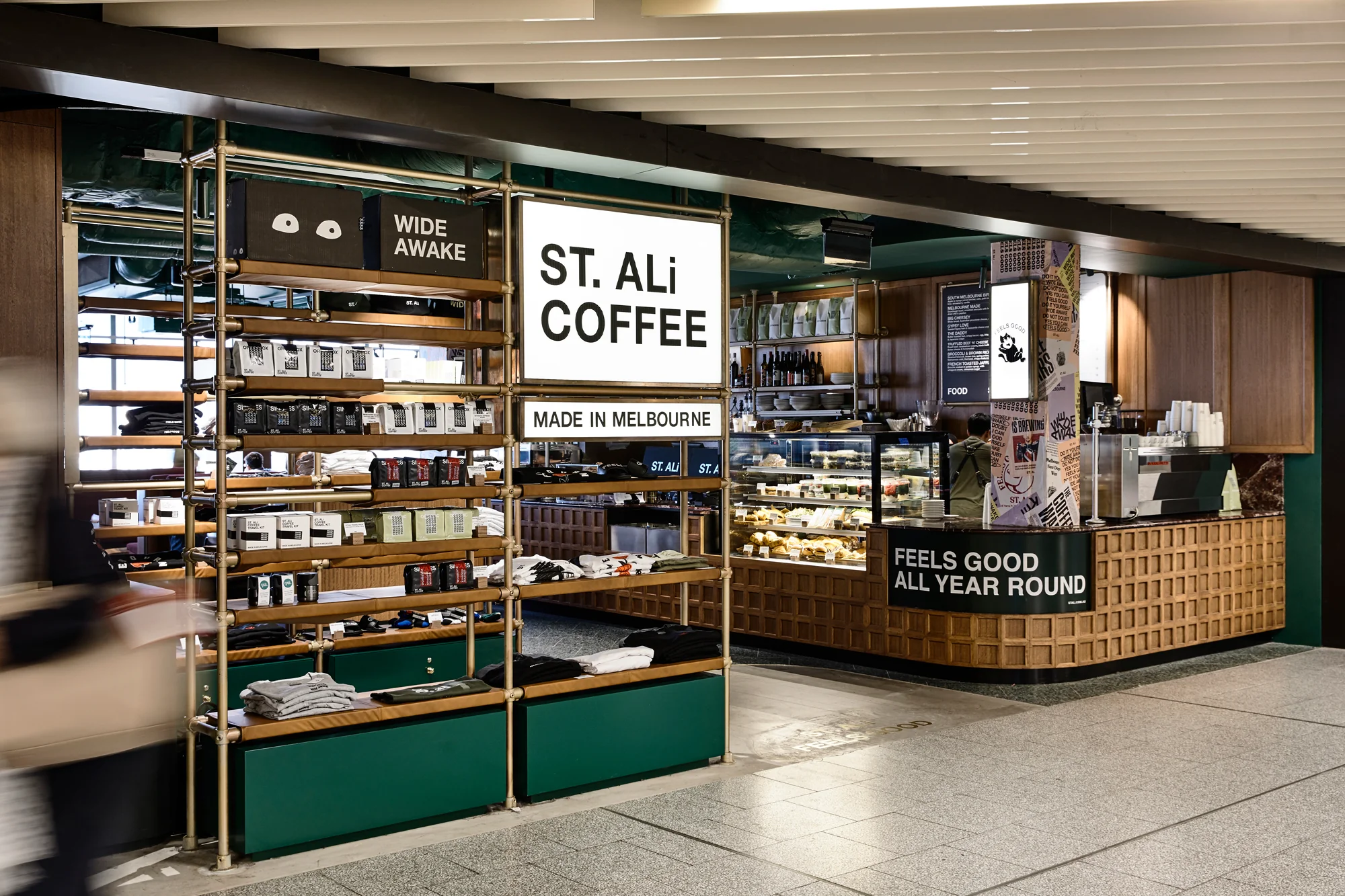
    Melbourne’s prominent coffee roaster, St Ali, has broadened its retail scope with the nationwide launch of its Italo Disco Espresso Concentrate in Coles supermarkets. This move comes after the successful introduction of the brand’s primary assortment of freshly roasted coffee beans in Coles stores in July 2024.

    Meeting Consumer Demand

    This expansion is a strategic response to evolving consumer preferences towards chilled coffee formats. Company data from St Ali’s South Melbourne cafe suggests that cold coffee variants account for approximately 35% of all their beverage sales. Cold coffee has emerged as a significant trend, with St Ali’s CEO, Lach Ward, identifying it as the most noticeable shift in consumption patterns throughout the brand’s 21-year history.

    Sales figures further underline this trend. Innovative cold beverages like the Biscoff Fredo have surged in popularity, becoming the company’s best-selling signature products, outpacing traditional options like magics and black coffee.

    Availability and Trends

    The Italo Disco Espresso Concentrate is accessible to coffee lovers across Australia in a 750ml pouch, retailing at $22. St Ali affirms that the shift towards chilled beverages is not confined to independent specialty outlets. Worldwide statistics reveal that cold beverages represent approximately 60% of total sales in major commercial coffee chains, including notable ones like Starbucks.

    Earlier this year, St Ali further diversified its product range to accommodate the summer season. This expansion included the introduction of two new beverages and the return of a larger-format cold brew.

    Questions & Answers

    What is the Italo Disco Espresso Concentrate?
    It’s a product by Melbourne coffee roaster St Ali, recently made available nationwide at Coles supermarkets.

    What has been the most significant shift in St Ali’s consumption patterns?
    The company has noticed a significant tendency towards cold coffee beverages, marking the most significant shift in their 21-year history.

    What is the current trend in coffee consumption?
    Chilled coffee beverages are the growing trend, with cold drinks accounting for about 35% of St Ali’s sales and 60% of sales in major commercial coffee chains.


  • Overnight Race for Affordable Housing: Hanoi Residents Brave the Cold for a Shot at Social Accommodation”

    Overnight Race for Affordable Housing: Hanoi Residents Brave the Cold for a Shot at Social Accommodation”

    In a show of high demand for affordable housing in Hanoi, individuals queued overnight during the past weekend to submit their applications for the social housing project, Calyx Residence. With the limited quantity of 466 apartments available in the development, applicants arrived well before the submission start time at 8:30 am on Sunday, in hopes of securing their chance at purchasing a home.

    Braving the Cold for a Chance at a New Home

    Applicants prepared for a long wait, bringing along food and water to endure the overnight queue in Hanoi’s chilly weather that dipped to 18-19 degrees Celsius. Among those was Tuan, a freelance worker, who arrived as early as 11 pm on Saturday to secure his place in line. Reflecting on the experience, he noted that just a few minutes could have been the difference between his application being accepted or rejected, making the overnight wait a necessary hardship.

    By 6 am on Sunday, the queue had significantly grown. Bich, a resident of Phuc Thinh Commune, arrived at 7 am with her husband, only to find a considerably long line already formed. Despite the high demand that exceeded morning application numbers, those unable to submit their applications were allowed to register and apply the next day.

    Providing Comfort in the Wait

    The Ministry of National Defense’s 319 Corporation, the project developer, acknowledged the situation and provided amenities such as tarps for shelter, drinking water, and dry rations for the people waiting in line.

    The Calyx Residence project, which started construction late last year, is set on a 1.5-hectare plot. It will consist of four nine-story buildings and is projected to be completed by the end of 2026. The majority of the apartments, 419 units, will be sold directly, while 47 others will be subject to rent-to-own agreements. The prices range from VND824 million to VND1.5 billion, translating to approximately VND20.6 million per square meter, significantly less than Hanoi’s average apartment price of VND85.6 million per square meter.

    Rising Demand Meets Limited Supply

    Given the project’s prime location near Co Loa Road, a main artery in Dong Anh, and the rising prices of social housing, it is expected that the competition for securing an apartment in this development will be fierce.

    Despite the launch of several social housing projects in Hanoi, the market remains dominated by commercial developments. This has led to an increase in prices for social housing units, which have risen from VND20 million to VND25-29 million per square meter over the past three years.

    As part of a national plan to build at least one million social housing units, Hanoi is expected to contribute 56,200 units by 2030. The city has set a target to complete 4,670 units this year alone.

    Questions & Answers

    How many apartments are being built in the Calyx Residence project?
    There are 466 apartments being built in the Calyx Residence project.

    What measures were taken to accommodate the people waiting in line to submit their housing applications?
    The project developer, the Ministry of National Defense’s 319 Corporation, provided amenities such as tarps for shelter, drinking water, and dry rations for the people waiting in line.

    Who gets priority for purchasing the housing units?
    Priority is given to those who do not own a house, people in low-income groups, and employees of defense and security agencies.

  • Cookie Dough range can be baked or eaten raw

    Cookie Dough range can be baked or eaten raw

    Snacking on raw cookie dough is a lot like watching reality TV: You know it’s bad for you, you know other people will judge you if you admit to it, but it just feels so good. Well, if you’re someone who likes munching on break-and-bake cookie dough while bingeing Love Is Blind (that sounds AMAZING right now), I have great news for you. Pillsbury has been swapping out its traditional cookie dough recipe for dough that you can safely eat raw!

    We first spotted this news on the Instagram @Candyhunting, who posted a photo of some new packaging that boasted Pillsbury Chocolate Chunk & Chip cookie dough was safe to eat raw or baked.

    This content is imported from Instagram. You may be able to find the same content in another format, or you may be able to find more information, at their web site.

    Not only that, Candyhunting said that this would soon be the case for ALL Pillsbury cookie dough thanks to using “heat-treated flour and pasteurized eggs to kill off possible foodborne pathogens.”

    That might sound way too good to be true, but it is, in fact, true! Pillsbury confirmed to Delish that it is transitioning all its refrigerated cookie doughs to be safe to eat raw or baked by the end of summer 2020. Not only that, but also all of its refrigerated brownie dough will be safe to eat raw or baked too!

    They also clarified that this recipe will just be tweaked to use ingredients to make it safe to be eaten raw—it will still taste like the classic cookies you know and love.

    If you follow the world of food closely though, you might know that it can take a while for products to be swapped in though, so for now and always, you should be checking to make sure you see the “safe to eat raw” seal on packaging before going to town. If you see that though, well, fire up The Bachelor and get to snacking!

  • Hydro Flask Starts in Hong Kong

    Hydro Flask Starts in Hong Kong

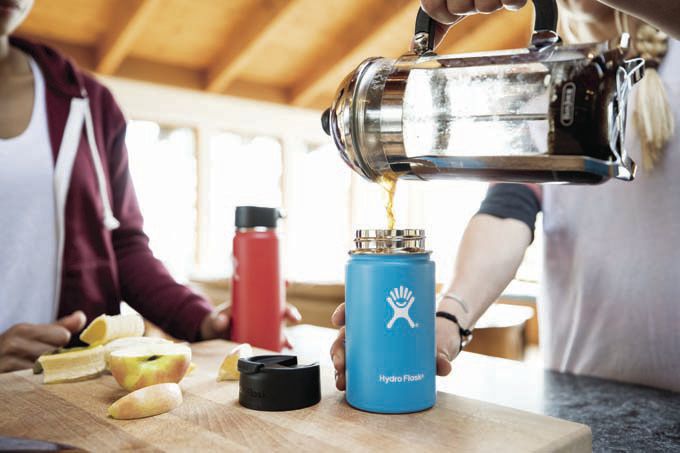
    Hydro Flask, the US brand of high-performance, insulated stainless-steel flasks targeting the outdoors market, has launched in Hong Kong.

    From this month, Hydro Flask products are being sold by Hong Kong retailers through an expansion of the company’s partnership with the Primer Group. Products will be stocked through outdoor and sporting goods retailers, lifestyle stores, travel retailers and gourmet grocers.

    “We’re excited to expand our strong relationship with Primer to bring Hydro Flask to Hong Kong. It’s a key part of our global expansion and influences markets beyond Asia,” said Mike Wallenfels, VP of global sales at Hydro Flask.

    The brand’s launch is timely as growing numbers of Asian consumers are purchasing reusable containers in preference to single-use plastic and paper cups, for environmental reasons.

    The company produces containers suited to cold drinks, coffee, beer, wine and food, along with backpacks, casual clothing and accessories.

    Hydro Flask is a subsidiary of listed company Helen of Troy Limited.

  • Starbucks patents cold-pressed espresso process

    Starbucks patents cold-pressed espresso process

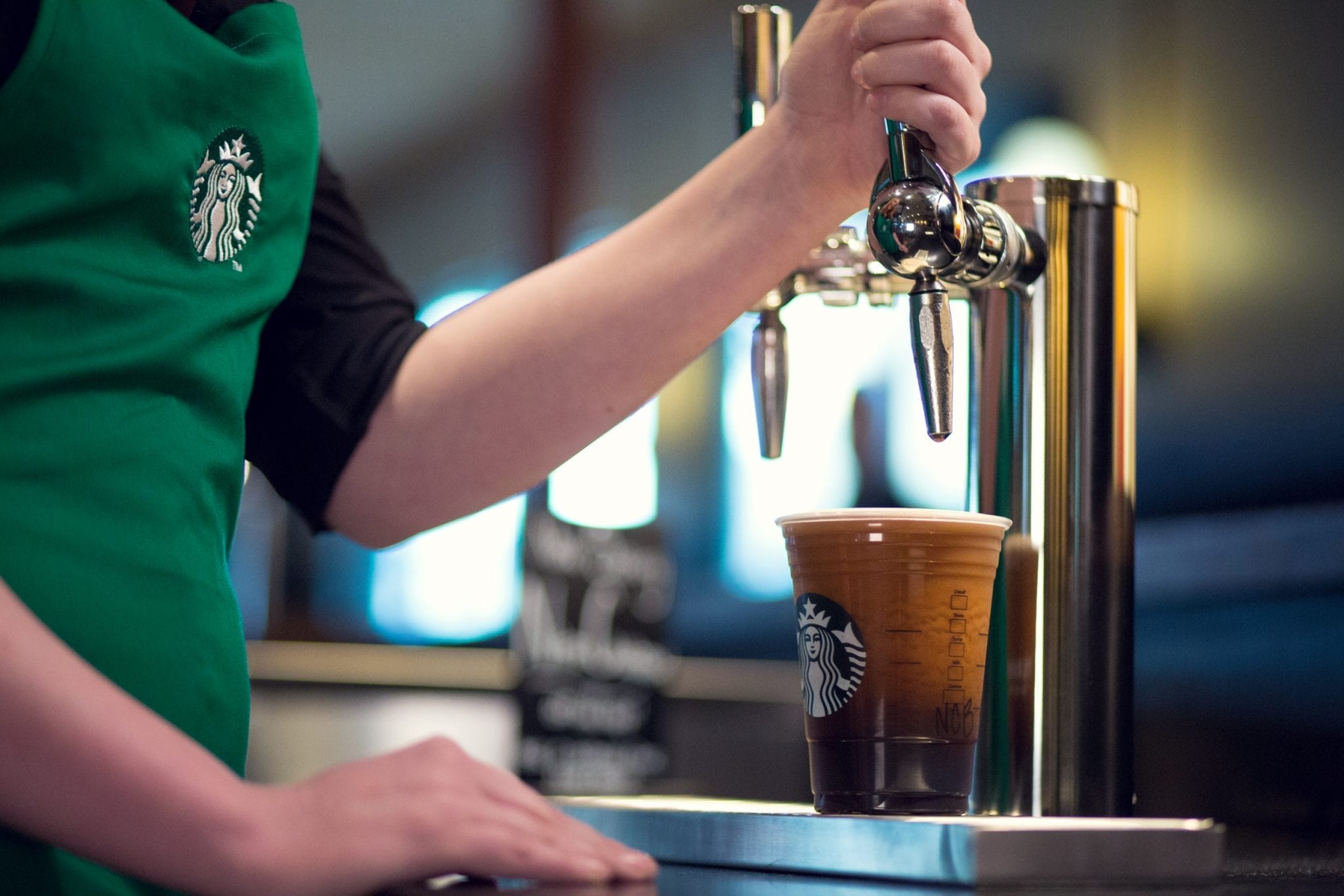
    Starbucks has developed a new, patent-pending cold extraction process that produces a concentrated, smooth tasting shot of cold-pressed espresso.

    The cold-pressed espresso shot will serve as the foundation for a new suite of in-store menu options focused on cold espresso beverages and which has been launched at the company’s premium, Starbucks Reserve Roastery in Seattle this week. Since opening in December 2014, the Seattle Roastery has served as a pipeline of innovation for Starbucks including the introduction of Nitro Cold Brew which is now available in more than 1000 stores across the US and 16 markets globally.

    “From Cold Brew to Starbucks Draft, we have been building a cold coffee platform that not only appeals to our customers, but acknowledges that cold beverages are no longer just seasonal,” said Kevin Johnson, Starbucks president and CEO. “This new technique, which produces a dense shot of cold-pressed espresso, is the next step in our cold coffee journey and the perfect ingredient to design a menu of cold espresso or coffee options. We believe the opportunities are limitless.”

    Designed by Starbucks Research and Development team, the new Aqua Tamp Technology uses an ascending flow filtration system that is pressurised by cold water. The inverted process allows for a precise release of flavour characteristics resulting in a dense concentration of cold espresso. In doing so, it allows the release of a sweeter coffee flavour and smooth finish to break through making the cold-pressed espresso extracted the ideal pairing to a variety of cold liquids allowing it to retain the intensity of the espresso flavour.

    This new breakthrough builds on the company’s ongoing investment in the category of iced beverages. During its 2016 Investor Conference, Starbucks said it expects to quadruple the Cold Brew business by 2021 and its overall cold beverage mix to move from over 35 per cent in 2013 to nearly 50 per cent by 2021. US iced coffee consumption has grown by 75 per cent in the past decade and cold brew sales grew 338.9 per cent between 2010 and 2015, according to industry data.

    The Seattle Roastery Cold-Pressed Espresso Menu will include:

    • Sparkling Cold-Pressed Americano: A shot of cold-pressed espresso poured over sparkling water, served on ice.
    • Cold-Pressed Americano Exploration Flight: A tasting flight featuring one Cold-Pressed Americano, one traditional Iced Americano, and one Sparkling Cold-Pressed Americano.
    • Cold-Pressed Ginger Fizz: Crisp, refreshing ginger ale infused with a shot of cold-pressed espresso, poured over barrel-aged vanilla syrup. Finished with grapefruit bitters.
  • DHL beefs up cold chain to US and Asia

    DHL beefs up cold chain to US and Asia

    DHL Global Forwarding, the air and ocean freight specialist of Deutsche Post group, says it is going to accelerate the supply chain for the north Norwegian seafood industry.

    DHL has started shipping live crabs and seafood from the Lakselv Airport Banak in north Norway to Asia and Northern America.

    On dedicated weekly flights, DHL transports the fresh seafood to the DHL terminal in Oslo, from where the freight is sent to South Korea and other destinations such as Japan or the United States.

    From the origin, which is only 100km from the North Cape, to its destination in Asia the whole logistics is exactly timed, ensuring the shipments are delivered in perfect condition.

    Tim Robertson, head of Air Freight, DHL Global Forwarding, Americas, said: ‘Thanks to our team of experts, who understand temperature control requirements, regulations, food safety and quality control guidelines, this seafood and fish is able to get to market and to consumers in the most expedient way possible.’

    DHL said transporting the fresh seafood by plane allows it to cut the lead time nearly by 50 per cent. This ensures that living crabs and other fresh seafood arrive at their destination in the best condition.

    Bjørn-Erik Stabell, marketing manager for salmon and trout at the Norwegian Seafood Council, said: ‘Time is of the essence when it comes to delivering fresh seafood of the very best quality. Norway is a long country, and with a large proportion of seafood being produced in the north, this air freight route is an important contribution to efficiently reaching seafood consumers across the world.’

    DHL is aiming to increase the frequency of deliveries from Oslo to Asia to three flights per week. From Oslo, almost 90 per cent of the fish is flown directly to Seoul in South Korea, while approximately 10 per cent is further directed to destinations in the US, Japan and China.

  • Yusen opens cold storage facility in Cambodia

    Yusen opens cold storage facility in Cambodia

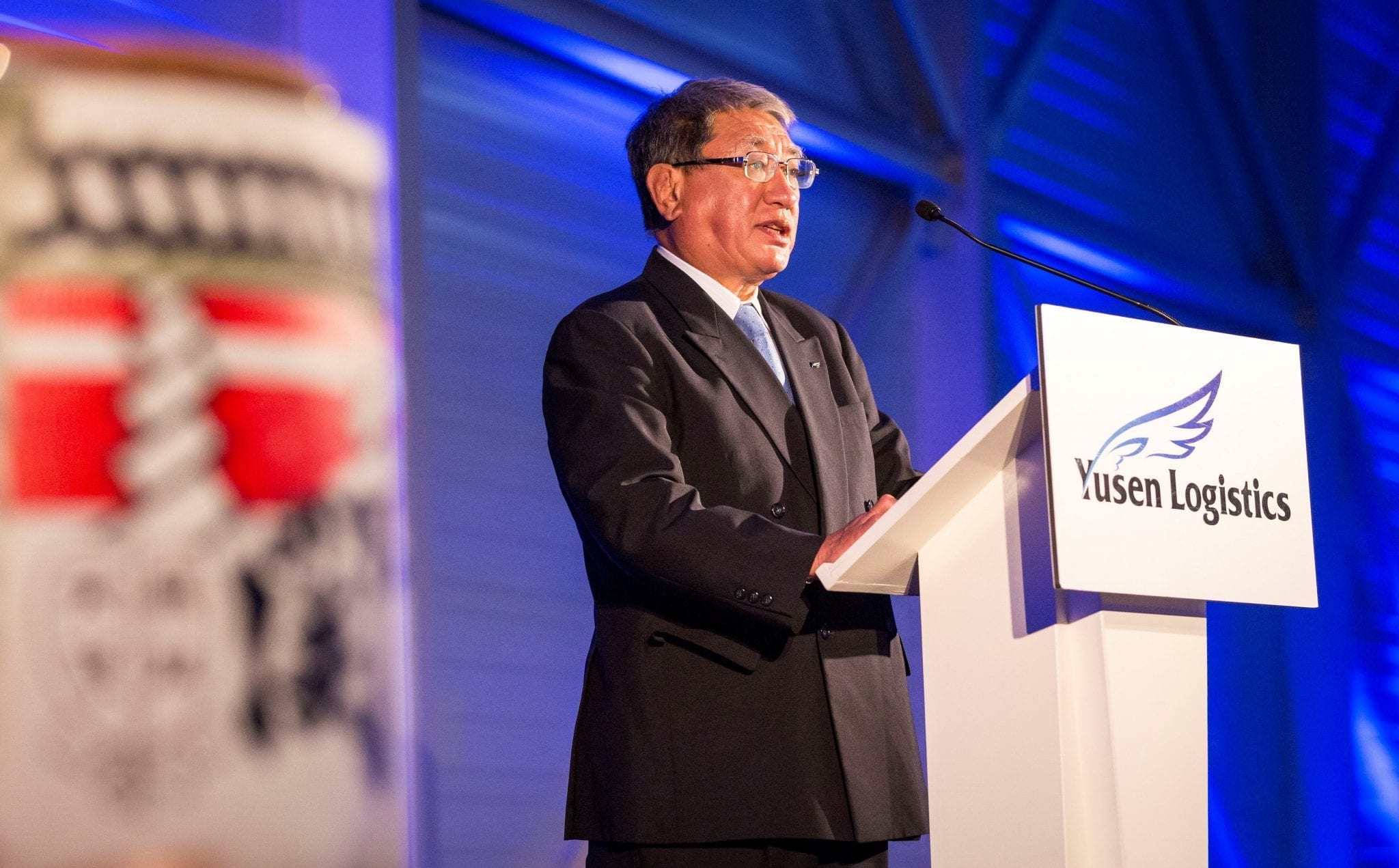
    Yusen Logistics is establishing a temperature-controlled distribution center in Phnom Penh, Cambodia.

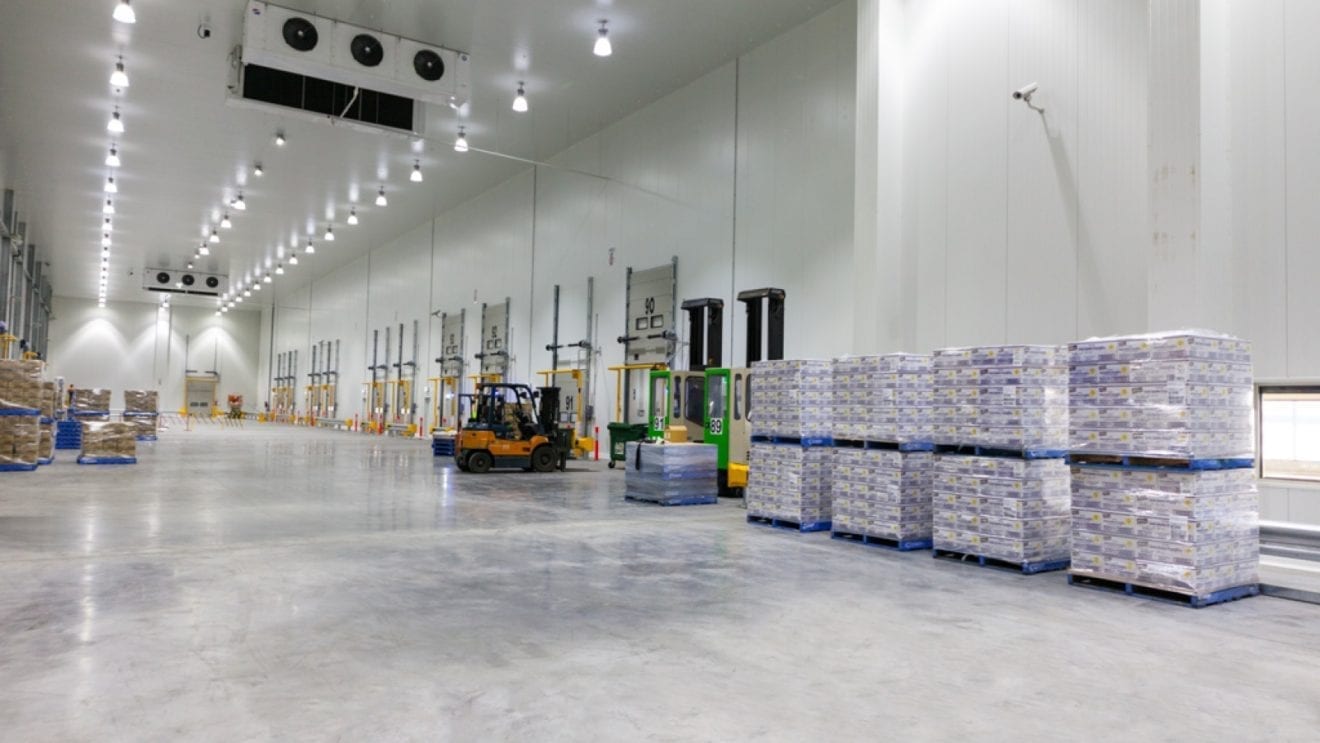
    It is one of Cambodia’s largest cold storage facilities. The facility strengthens Yusen Logistics distribution network in Asia and will support Cambodia’s growing demand for warehouse storage for imported general consumer goods and chilled and frozen goods.

    In addition, the company will be offering Cambodia’s first consolidated delivery service in Phnom Penh for retailers and wholesalers.

    The new facility has about 3,000 -square-meter, almost double the capacity of the existing warehouse which included the 120 -cubic-meter temperature-controlled storage area. The expansion will enable the company to handle the storage, processing and distribution of chilled and frozen goods with quality assurance and compliance.

    The consolidated delivery service will be available to customers in Phnom Penh on a daily basis, excluding weekends. Yusen Logistics will also provide the same service for chilled and frozen goods using cold-storage boxes and will ensure product quality is maintained up to the point of delivery.

    The group’s Medium-Term Business Plan, “GO FORWARD, Yusen Logistics – Next Challenges”, positions the ASEAN region as a critical region. The Cambodia subsidiary, which began operations in 2013, has provided a diverse and varied range of logistic services, including ocean and air freight forwarding, customs clearance, domestic delivery, and cross border transportation.

    It has contributed to the smooth supply of goods to Cambodia’s domestic market with the knowledge it has built up in the import of a wide range of goods, especially foods, as well as everyday items. The company is striving to meet the logistics needs of its customers in Cambodia by blending a diverse range of services with the capabilities of new facilities.

  • Australia’s Cold Store Operator Seeks Partner for Asian Expansion

    Australia’s Cold Store Operator Seeks Partner for Asian Expansion

    Australia’s largest privately-ˇowned cold storage operator, Oxford Cold Storage is seeking an operational and financial partner to expand its world-ˇclass cold storage services across Asia.

    In a global first, Oxford is piloting a system of Automated Guided Vehicles (AGVs) in a third party temperature controlled environment to ensure accuracy, improve safety standards and allow for 24-ˇhour operation, delivering significant competitive advantage in the industry leader’s push for international expansion.

    Founded by the Fleiszig and Stern families over four decades ago, Oxford is a third-ˇgeneration business, now operated by brothers, Paul and Mark Fleiszig, alongside their cousin, Rodney Fleiszig. At the helm are brothers Stephen, Gabor and Luis Fleiszig. “Oxford is extremely well positioned to take advantage of the thriving Asian middle-ˇclass’ skyrocketing demands for produce. As this demographic develops, there is less time for people to wait for fresh food in a traditional market sense, so cold storage is becoming a vital component of the food chain,” said Oxford Director, Paul Fleiszig.

    Paul Profile Pic copy[3IxI]

    “We are at the forefront of logistics technology, designing our own systems with growth in mind to ensure scalability for the next phase, supported by our expertise in data mining and high-ˇdensity operation.” Delivering an annual turnover of $80 million within a robust growth industry (5% p.a. in Australia), Oxford was the first company to introduce a real-ˇtime radio frequency track and trace warehouse management system in 1995.

    “A key priority for us is staying ahead of the logistics technology curve through continuous improvement across warehouse operations. Our R&D team is responsible for ensuring we exceed national and international regulations, meeting the increased need for “paddock to plate” tracing while delivering the best possible service for our customers,” Paul explained.

    As the operator of the largest third-ˇparty temperature controlled warehouse in the country and 20th largest operator globally, Oxford offers racked storage for over 175,000 pallets, with the capacity to freeze 12,000 cartons and carcasses daily. Mike Robbins, Oceania Head of Physical Logistics at Nestlé Australia Ltd said: “Oxford Cold Storage is the most innovative operator in the Australian temperature controlled supply chain. The business invests heavily in technology, offering benefits within and beyond the warehouse.”

    “Oxford is extremely agile and are able to react quickly to changing customer requirements. Through the application of flexible IT solutions applied to operations optimisation Oxford have been able to deliver end to end supply chain efficiencies in warehousing, transport and inventory management.”