Retail News CRM

Tag: Customs

  • Vietnam vows to cut down the time for customs clearance

    Vietnam vows to cut down the time for customs clearance

    According to the World Bank, Viet Nam’s commercial transactions across borders index, a measurement of time and cost in import and export activities, has fallen for two consecutive years (2014-2015) due to inadequate management.

    A study conducted by the Viet Nam Chamber of Commerce and Industry and the General Department of Viet Nam Customs showed that the total time for customs clearance takes about 28 per cent of the time while the other 72 per cent is spent on other procedures and management including specialised checks on imports and exports.

    These are indications that specialised management for imports and exports has prolonged the time for customs clearance and increased costs for enterprises.

    In your opinion, what are the main causes then?

    The first thing I should mention is cumbersome legal documents on customs checks. In addition, many goods have no data provided on them for commercial transactions across borders index.

    Coupled with that is that most specialised checks are done by hand or the application of modern information technology to dossiers classification or information exchange between Vietnamese government agencies.

    What is the key reason for increasing the time for customs clearance for specialised checks in our country four times slower than that of other country?

    Before 2016, in our country about 30-35 per cent of goods had to go through specialised checks at customs while in other countries, the rate was just from 5-8 per cent. That is one of the reasons why Resolution 19/2016 has laid emphasis on improving the business environment and national competitive capacity.

    The government’s resolution sets specific targets for each year. For example by the end of last year (2016) only 15 per cent of specialised goods should have been checked and eight per cent by 2020.

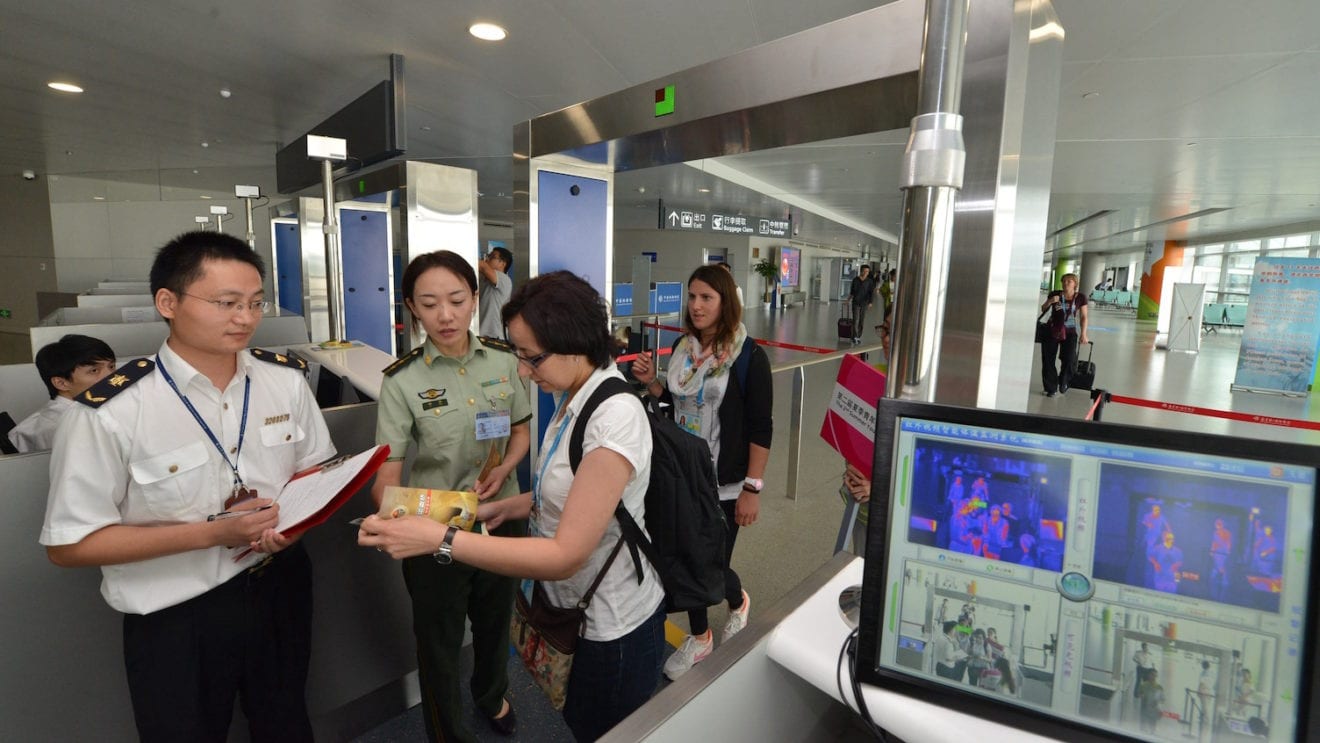
    To achieve these targets, it is imperative for the customs sector to make a change in their management methods and in their specialised checks. To achieve these targets, the customs office must practice risk assessments and common international customs clearance procedures, including using IT in information sharing between concerned agencies and the customs office.

    To shorten the customs clearance time, many countries perform customs checking in factories. Can we do that in Viet Nam?

    Checking goods right at factories is common in many countries now.

    With this method, instead of checking the goods at the border gate, representatives of the importing countries go to exporting countries and check the goods in the factories. After finishing their checks on the goods quality, pattern, production chains and more, if they meet required standards, the goods will be certified to go through customs procedures.

    Of course, some international practice and norms will be applied, including risk assessment. However, for imported goods coming from countries with higher standards than ours like the US, EU, Japan or South Korea they will enjoy special treatment when they go through customs. Vice versa, for countries that have often encroached upon our laws, they will be subject to tight checks.

    The PM has set a target that by 2020, all import and export goods must not take more than five days to go through customs clearance. Is this feasible?

    If Government Resolution 19/2017 is implemented, by late 2017 customs clearance will take on average 160 hours. So to achieve the target set by the PM by 2020 for five days (120 hours) customs clearance will be a big challenge.

    To achieve this target, all concerned ministries and sectors have to review and revise 362 legal documents, of which 87 of them have to change in the next few months. Of course, the task is demanding. But we’ll try to do our best to meet the target.
  • Xiamen Airlines takes on board EzyCustoms

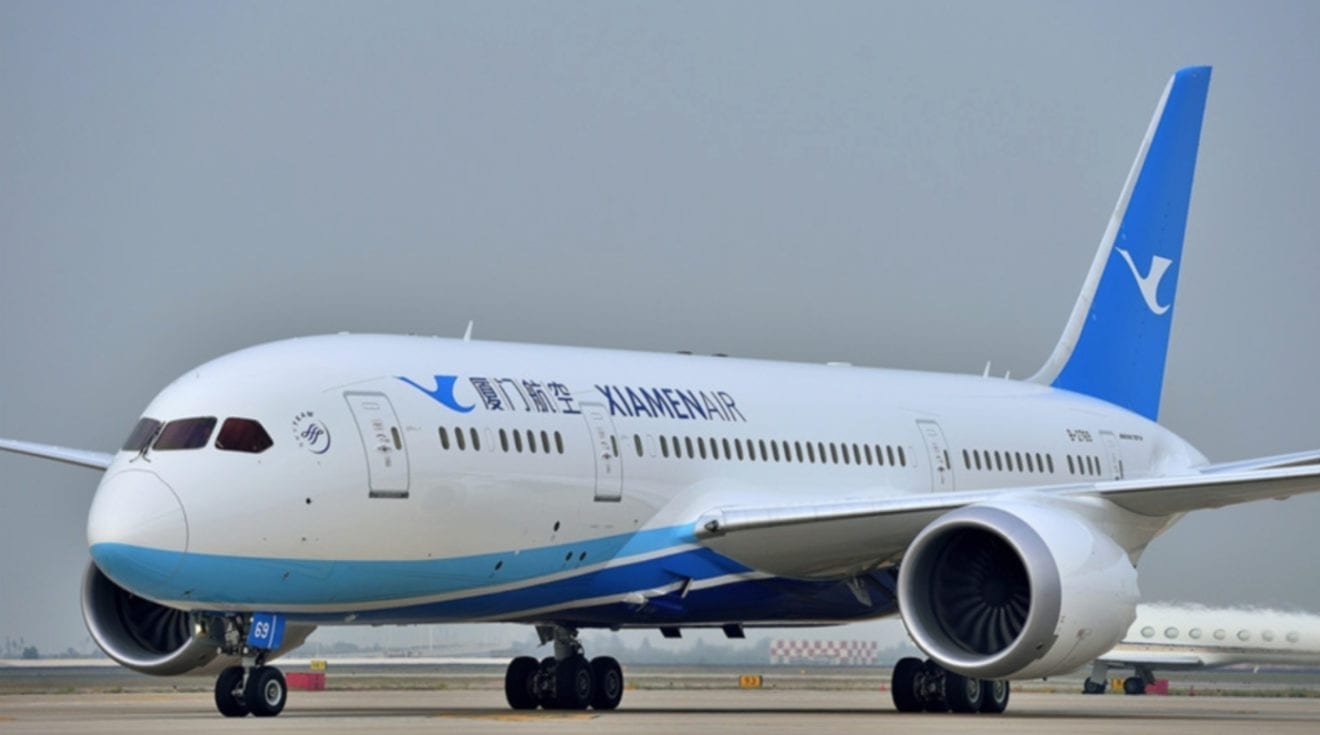
    Xiamen Airlines takes on board EzyCustoms

    Global Logistics System (HK) Co., Ltd (“GLS”) welcomes Xiamen Airlines to the EzyCustoms service after the successful implementation of this single platform with multi-Customs integration.

    Xiamen Airlines is extending its network to Canada from July 2016.  The airline is looking for a reliable partner that provides a solution to enable its full compliance with the Canada Border Service Agency (CBSA) Advance Commercial Information (ACI) requirements.

    The ACI programme requires air carriers to electronically transmit air conveyance and cargo information (including supplementary cargo reports where applicable) to the CBSA prior to the arrival in Canada. This requirement allows the CBSA to effectively identify threats to Canada’s health, safety, and security prior to the arrival of cargo and conveyance in Canada.

    EzyCustoms is a one stop web-based multi-Customs clearance platform that fully compliant with the diverse ACI requirements.  It complies with different Customs authorities including: the European Union (EU) Customs, the US AAMS and the ACE (scheduled to start by the end of 2016), the Canada CBSA, as well as the other customs authorities in India, Bangladesh and the Philippines.  At present, a number of China carriers are clients to EzyCustoms service.

    Tony Sham, CEO of Global Logistics System (HK) Co., Ltd said: “GLS is pleased to welcome Xiamen Airlines joining the EzyCustoms community. As an experienced and expert service provider in the industry, we are grateful to be appointed by Xiamen Airlines to fulfil the application, registration and the certification with CBSA.  We look forward to seeing EzyCustoms performs proficiently in the airline’s operations, and to extending our other EzySuite service to Xiamen Airlines in the near future.”

    Yang Gaorong, General Manager of Cargo at Xiamen Airlines said: “Thanks to the GLS support to the implementation of EzyCustoms in Xiamen Airlines.  As EzyCustoms not only fully complies with the ACI requirements in Canada, but also with customs authorities in the other regions around the world, we are better placed with quality assurance while the airline continues to grow.  In addition, we choose to co-operate with GLS as we share the same language and time zone, we can obtain support swiftly.”

  • Chinese customs breaks $4.4m smuggling ring

    Chinese customs breaks $4.4m smuggling ring

    Mainland Chinese Customs recently smashed a $4.4m South Korean cosmetics smuggling racket operating between the Chinese port of Ningbo and Incheon Port, South Korea.

    This follows a crackdown on organised crime smuggling branded goods into China, according to the General Administration of Customs in the People’s Republic of China.

    According to China Customs, this latest raid which it has made public involved the seizure of more than 110,000 pieces of cosmetics in the Ningbo port and industrial hub in east China’s Zhejiang province [south of Shanghai on Hangzhou Bay-Ed].

    The smuggled South Korean brands included Sulwhasoo, Whoo, Mamonde and Laneige. Customs said in a statement that the head of the operation – referred to only as ‘Li’ – admitted that the operation has smuggled nine containers into China worth more than $4.4m from South Korea since November 2013, using false declarations.

    Customs officers examine the smuggled cosmetics from South Korea

    Customs officers examine the smuggled cosmetics brands originally labelled as ‘plastic particles’ from South Korea.

    The operation also smuggled charcoal back into China using the empty containers which were labelled as ‘plastic particles’ on the official documentation.

    Customs officers smashed the ring after raiding cargo storage facilities on the wharf at Ningbo where the cosmetics were temporarily stored before being distributed into the Chinese black market.

    TRACING THE SOURCE…

    Exactly where these cosmetics brands were originally sourced within South Korea will obviously be a matter of some interest to the original manufacturers, distributors and retailers.

    Meanwhile, the General Administration of Customs in the People’s Republic of China says it is now employing considerable resources to try to stem the tide of all branded smuggling – both in and outside of China.

  • Korean Customs to issue more duty free licenses?

    Korean Customs to issue more duty free licenses?

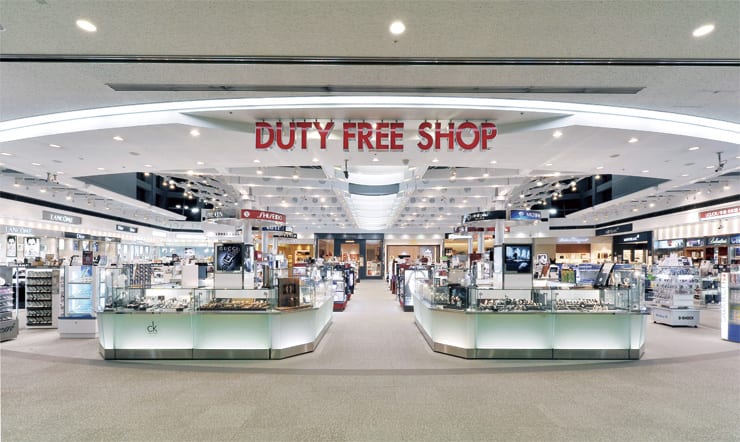
    Park Geun-Hye’s South Korean government has commissioned a formal review of the domestic duty free industry, its impact on tourism and what it perceives as the dominance of Lotte Duty Free and Shilla Duty Free in the sector.

    A private consulting firm has been commissioned to undertake the review, which is expected to forward its findings to government before releasing the results into the public domain.

    We understand that Korea Customs Service officials have informally told duty free industry executives that new Seoul downtown duty free shop licenses could be issued in 2016 – and possibly other key locations – as part of government efforts to reduce Lotte’s and Shilla’s present duty free industry dominance.

    “The government is researching the duty free environment and will announce the results including whether new downtown licenses will be issued and where, and the number of new licenses,” commented a reliable duty free industry source in Seoul.

    “The government has asked a private consulting company to research the duty free market here to boost tourism and reduce the present duty free market duopoly. The government is looking at a different solution to taking away existing licenses; instead they are planning to have more licenses. We hope there will be a positive result from the government’s announcement.”

    Although no decision has been made so far, Korea Customs Service officials are understood to have told duty free industry executives that new downtown licenses may be issued this year. Seoul, the South Korean capital, and Busan are the most likely locations for new downtown shop licenses, along with Jeju Island.

    ‘RUMOURS’ OF MORE LICENSES…

    “KCS is leaking rumours that there will be new duty free licenses around March 2016. There is still a debate in our National Assembly about diluting existing duty free retail monopolies by giving new licenses,” said the source.

    “KCS is thinking to issue more duty free licenses for Seoul and Busan. Tourism in Busan is growing, but not like Seoul. Lotte’s grip already is weaker as they have lost their Lotte World Tower license; also, Shinsegae Duty Free is coming into central Seoul with their new Namdaemun super store, which will take a significant part of Lotte’s Sogong shop’s sales.”

    News of the government’s duty free industry review comes as speculation continues to grow over the future use of Seoul’s Lotte World Tower duty free store and the Walkerhill downtown duty free shop, after both retailers recently lost licenses to successful rival bids from Shinsegae Duty Free and Doosan Duty Free.

    Under KCS regulations, losing duty free license holders may continue to operate their shops for a grace period of six months after license expirations to allow them to sell off stock, find new employment for staff and wind up their businesses.

    Both the Lotte World Tower and Walkerhill downtown stores are continuing to trade while their owners decide future arrangements for their outlets.

    PRESIDENT PARK GEUN-HYE SAID TO BE ‘CONCERNED’

    South Korean President Park Geun-Hye (top right) has only recently voiced concern about the large financial losses that both Lotte and Walkerhill face under KCS’s new non-renewable license arrangements, after investing in multi-million dollar new duty free facilities, only to lose their licenses soon afterwards.

    “There is a rumour that Lotte will try to pass its Lotte COEX duty free shop license in Seoul to Lotte World Tower duty free shop,” the source said. In the Lotte World Tower shopping complex there are already duty paid Louis Vuitton, Chanel and other luxury brand boutiques.

    “Without its Lotte World Tower duty free license there is no reason for Lotte to keep its former duty free boutiques there as well and have double stores in one location. Lotte will have to destroy all its investment in these duty free boutiques. The government does not want to see this happen, so it is thinking of different options.”

    Other possibilities apart from Lotte being permitted to transfer its COEX downtown duty free store license are that it could win a new license if KCS issues a new series in Seoul this year. Alternatively, another company winning a new duty free license might be permitted to operate the Lotte World Tower outlet, though it is unlikely that Lotte would agree to this.

    WALKERHILL RECONFIRMS IT IS LEAVING THE BUSINESS

    While Lotte continues to search for a solution, the SK Group parent of Walkerhill Duty Free has reconfirmed that it is to leave the duty free industry altogether and it will not seek a new duty free license in future.

    The Walkerhill duty free store actually represents only a very small share of the SK Group’s total revenue compared with its major business activities, that include telecommunications, transportation, oil refining and other energy-related interests.

    SK recently invested more than US$30m in upgrading and expanding its Walkerhill duty free store which forms part of the Walkerhill hotel and entertainment complex in eastern Seoul. The retailer’s options now include converting the duty free store back to hotel use, or leasing the shop to another retailer.

    Paradise Casino, which operates the Walkerhill complex casino, is understood to be disappointed at the loss of the duty free license as many high spending Chinese visitors to the duty free store visited the casino after shopping.

    In fact, the Walkerhill duty free shop and casino rely upon each other to attract customers, as many visitors to Paradise Casino also visit the ajoining duty free shop, which has built a strong reputation for its wide range of high-priced watches, along with other luxury goods.

  • Hong Kong police seize 30,000 fake bags

    Hong Kong police seize 30,000 fake bags

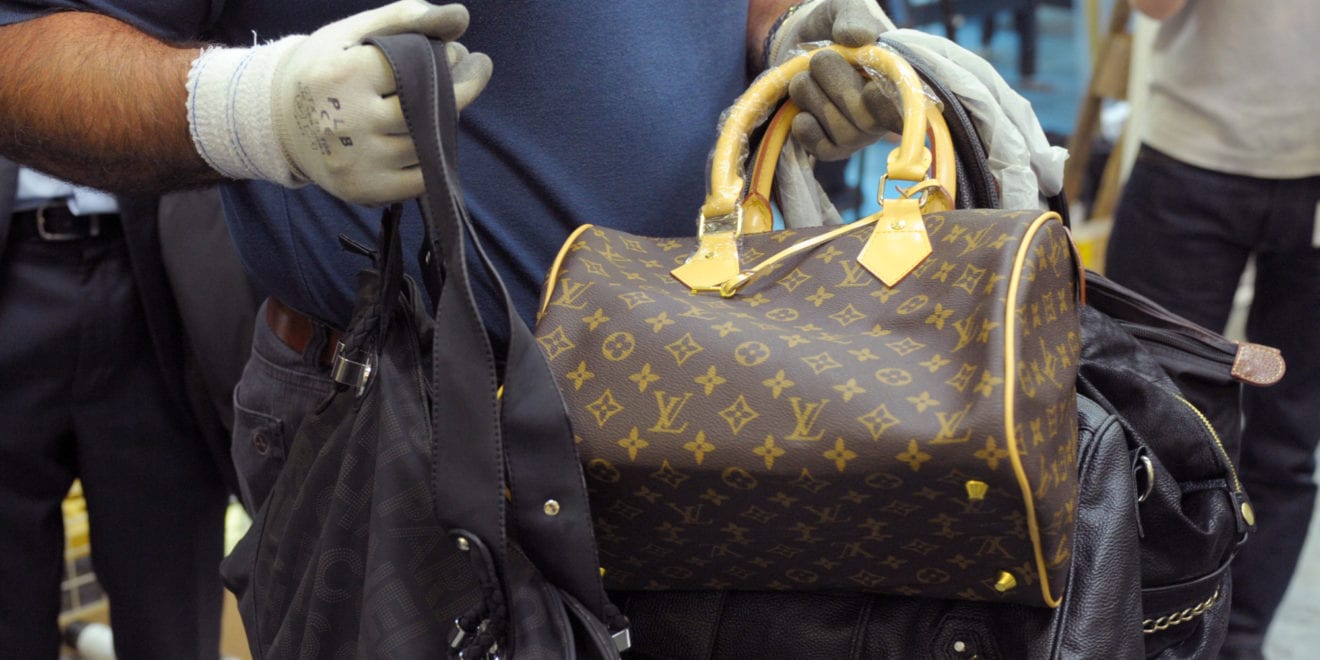
    Hong Kong police and customs officers have made the biggest seizure of counterfeit bags and accessories in a decade.

    The authorities say they netted 30,000 bags in a two day operation on July 28 and 29, details of which have only just been revealed.

    Customs and police say they successfully smashed a syndicate suspected of selling counterfeit goods by operating two upstairs showrooms and a storehouse in Tsim Sha Tsui and Tsuen Wan.

    The operation involved a record seizure in terms of quantity among similar cases in the past decade. The more than 30,000 suspected counterfeit products have an estimated street value of about $3 million, including leather goods, watches, apparel products, footwear, sunglasses and perfume, were seized.

    The syndicate was suspected of establishing a sales network with a membership scheme.

    A man thought to be the mastermind of the syndicate and two women, aged between 32 and 37, were arrested and released on bail pending further investigation.

    The Divisional Commander (Intellectual Property Transnational Investigation) of the Intellectual Property Investigation Bureau of Customs, Cheuk Tak-wai, and the Police assistant divisional commander (operations) of Tsim Sha Tsui Division, Ho Siu-tung, said at a press conference that Customs and the Police would continue to combat counterfeit activities with stringent joint enforcement actions. Customs also appealed to members of the public to shop at retail stores with a good reputation or at official brand stores.

    Under the Trade Descriptions Ordinance, any person who sells or possesses for sale any goods with any forged trademark commits an offence. Upon conviction, offenders are liable to a maximum fine of $500,000 and imprisonment of five years.

  • Malaysian customs urges small retailers to invest in GST-compliant sales system

    Malaysian customs urges small retailers to invest in GST-compliant sales system

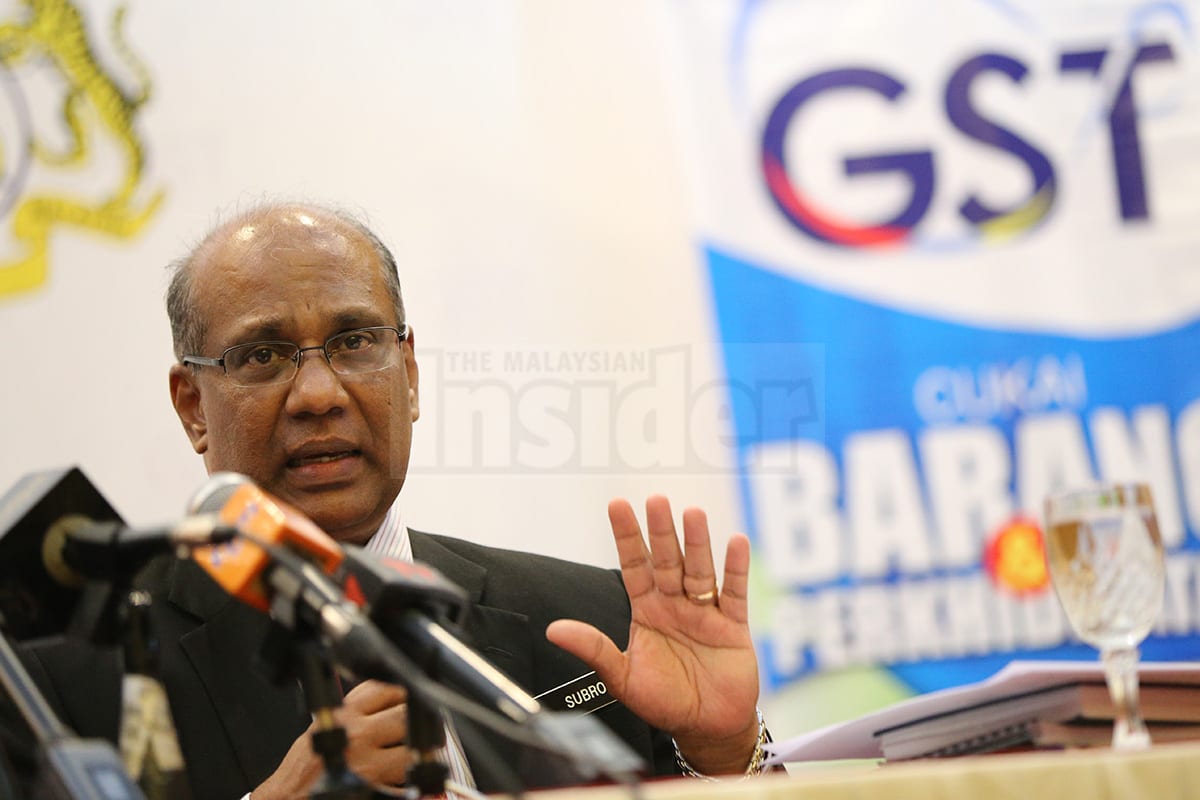
    Installing a point-of-sale (POS) system to issue printed receipts as part of implementing the goods and services tax (GST) will only be a one-time investment, the Malaysian Customs Department’s GST division told operators of small businesses on Thursday.

    GST division director Datuk T. Subromaniam said the system will be usable for a long-term basis and would help businesses identify standard and zero-rated items, adding that adopting POS would cost between MYR3,000 (USD828) and MYR4,000.

    He also said tax deductions were available under Accelerated Capital Allowance (ACA) for businesses on purchases of information communication technology equipment, hardware and training.