
Retail News CRM

Tag: deposits

  • Hong Kong Sees Modest 0.2% Rise in Total Deposits This July

    Hong Kong Sees Modest 0.2% Rise in Total Deposits This July

    As Asian consumers continue to shift their shopping preferences towards digital platforms, retailers are racing to innovate and meet this growing demand. According to recent data, e-commerce in the region is projected to reach a staggering $4.9 trillion by 2025, reflecting a significant increase in online shopping habits. The rise of mobile commerce, coupled with a surge of digital payment solutions, is transforming the retail landscape as never before.

    Retail Giants Adapt to Changing Consumer Behavior

    In response to these trends, major retailers are reimagining their strategies. Companies such as Alibaba and JD.com are not just enhancing their online offerings; they’re also integrating augmented reality (AR) experiences and AI-driven personalization to captivate customers. Imagine walking through your living room and being able to visualize a new sofa in your space, all thanks to an AR app—retailers are pushing the boundaries of technology to create unique shopping experiences.

    Local Brands Tapping Into E-Commerce Opportunities

    Interestingly, it’s not just the big players making strides. Smaller, local brands are also embracing e-commerce, often with remarkable success. Brands in Southeast Asia, such as the fashion label Zalora, are harnessing social media to engage with shoppers directly, turning Instagram and Facebook into powerful sales platforms. The agility and creativity displayed by these brands demonstrate the vitality of the local retail sector amidst fierce competition.

    Challenges of Rapid Digital Transformation

    However, this rapid digitization is not without its challenges. Issues such as logistics, cybersecurity, and maintaining customer trust are paramount. Retailers are increasingly investing in robust supply chain solutions to ensure timely deliveries, but the question remains—can they keep up with the soaring demand? As the race intensifies, businesses must find the right balance between technology and customer service to avoid a misstep.

    Why Sustainability is the New Buzzword

    Amid all these changes, sustainability has emerged as a significant concern for consumers in Asia. Brands that prioritize eco-friendly practices are not just favored, but are also seeing increased loyalty from a consumer base that is more environmentally conscious than ever. Witness the innovative approaches taken by companies like Uniqlo, which focuses on sustainability in its production processes, capturing the interest of younger shoppers who deeply value ethical consumption.

    The Future of Retail in Asia: A Thriving Hybrid Model

    Looking ahead, many industry insiders predict a hybrid model where physical stores coexist with vibrant digital platforms. This approach allows retailers to offer a seamless omnichannel experience, empowering customers to shop however they please—be it online from the comfort of their couch or in-store for those tactile experiences. As the lines between online and offline blur, the industry’s capacity for adaptation and resilience will undoubtedly shape the future of retail in Asia.

    Questions & Answers

    What is driving the growth of e-commerce in Asia?
    The growth of e-commerce in Asia is driven by a rising preference for online shopping, advancements in mobile commerce, and an increase in digital payment options, projected to reach $4.9 trillion by 2025.

    How are local brands finding success in e-commerce?
    Local brands like Zalora are successfully leveraging social media platforms to engage directly with consumers, turning these channels into potent sales avenues and showcasing their agility in the market.

    What challenges do retailers face with digital transformation?
    Retailers face several challenges, including logistics, cybersecurity, and maintaining customer trust, as they strive to keep pace with the rapid demand for online shopping.

  • India Enhances Guidelines for Unclaimed and Inoperative Deposit Accounts: What You Need to Know

    India Enhances Guidelines for Unclaimed and Inoperative Deposit Accounts: What You Need to Know

    Retail News is proud to highlight the latest innovations and trends shaping the retail landscape in Asia.

    The Rise of Omni-Channel Retailing in Asia

    In an increasingly competitive market, retailers across Asia are embracing the omni-channel approach, providing seamless shopping experiences that blend online and offline interactions. This transformation isn’t just about having a website; it’s about creating a cohesive brand experience that resonates with customers no matter where they choose to engage.

    Leading the charge, prominent brands are leveraging technology to redefine customer service, enhance convenience, and foster loyalty. From integrating artificial intelligence in inventory management to harnessing data analytics for personalized marketing, the deployment of tech is proving vital. It’s as if retailers are saying, “Why settle for one experience when you can have them all?”

    Consumer Behavior is Changing

    Trends reveal that today’s consumers crave instant gratification, further accelerating the shift toward swift delivery options. Nearly 80% of shoppers in Asia now expect same-day delivery, prompting retailers to rethink their logistics and supply chains. Fast is no longer just a luxury; it’s an expectation. Retailers that can meet these demands are not just surviving; they’re thriving, with some even turning logistics into their unique selling proposition.

    Moreover, the influence of social media cannot be ignored. Platforms like Instagram and TikTok are morphing into shopping destinations, allowing retailers to foster community and drive sales simultaneously. After all, who says you can’t scroll and shop at the same time?

    Sustainability as a Driving Force

    As consumers become more environmentally conscious, sustainability emerges as a key consideration in retail strategies. Brands are now actively working to reduce their carbon footprints and implement eco-friendly practices. Whether it’s through sustainable sourcing or innovative recycling programs, the push for green retailing is stronger than ever. This shift speaks volumes about consumer expectations: It’s no longer just what you sell, but how you sell it that matters.

    Innovation shines bright as companies experiment with various initiatives, from biodegradable packaging to circular economy models. It’s a thrilling time when retailers not only satisfy shopping cravings but also contribute to a healthier planet—talk about a win-win!

    Challenges Ahead

    Nonetheless, challenges loom on the horizon. Retailers must navigate economic uncertainties and supply chain disruptions, not to mention rising competition. Preparing for the unexpected is more crucial than ever, as agility and adaptability define the winners in this dynamic market landscape.

    Companies are investing in robust digital infrastructures to ensure they can pivot quickly—a savvy move in an ever-evolving environment. Surprises are around every corner, and those who dare to be one step ahead will be the ones leading the way.

    It’s a wild world out there in the retail sector, but with innovation, sustainability, and a touch of agility, the future looks promising!

    Questions & Answers

    What is omni-channel retailing?
    Omni-channel retailing is a strategy that integrates multiple shopping methods—online, mobile, and physical stores—into a seamless customer experience.

    How important is speed in delivery for today’s consumers?
    Speed has become essential, with nearly 80% of consumers in Asia expecting same-day delivery as standard.

    What role does sustainability play in modern retail?
    Sustainability is increasingly vital, as consumers prefer brands that demonstrate eco-friendly practices and a commitment to reducing their environmental impact.

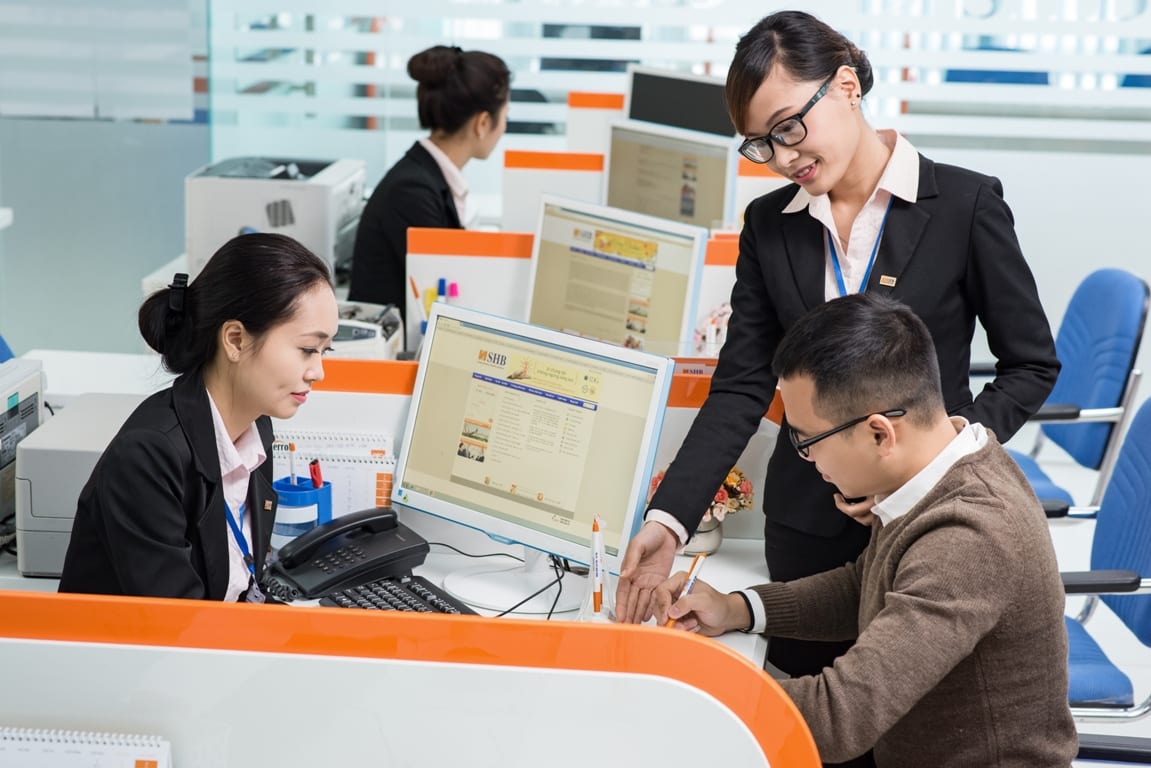
  • SHB Finance issues certificates of deposit worth millions

    SHB Finance issues certificates of deposit worth millions

    SHB Finance has issued its fourth tranche certificates of deposits worth a total of VND300 billion ($12.88 million). These were 12-month deposits with an annual interest rate of 10.3 percent and no transfer fees.

    The SHBank Finance Company Limited (SHB Finance) issued the certificates of deposits for its fourth tranche as part of its book-building process. This issuance attracted prestigious institutional investors, including one domestic investment fund and one securities company.

    On April 25, SHB Finance had successfully issued its third tranche certificates of deposit with the same interest rate.

    Explaining the factors that make SHB Finance’s certificates of deposits attractive to investors, CEO Dinh Quang Huy said that although the company was a new player in the consumer finance market (official launch in August 2018), it has gained the attention of many institutional investors, thanks to its efficient and speedy operating system.

    “We always try to be transparent to investors at all time, not just when we need to raise funds. Therefore, our certificates of deposits are always welcomed by investors, even though timing of tranches are quite close,” Dinh said.

    The company announced positive business results in the first four months of 2019, very soon after it commenced operations. SHB Finance ended April 2019 with outstanding loans of VND1.44 trillion ($61.84 million), up 103 percent compared to 2018, fulfilling 39 percent of the plan for 2019. With the fourth tranche, SHB Finance has successfully raised VND900 billion ($38.65 million), VND810 billion from certificates of deposit and VND90 billion from deposits. The funds will help SHB Finance serve immediate consumer finance demands of low to medium income customers across the country, contribute to the development of a healthy consumer finance market and eliminate rampant shadow banking activities.

    Its profit before tax as of April 2019 had reached VND71.6 billion ($3.08 million).

    The company has served over 150,000 customers.