Retail News CRM

Tag: Digi

  • Revolutionizing Workplace Wellness: CelcomDigi Debuts 5G-Enhanced MediHub for Comprehensive Employee Healthcare

    Revolutionizing Workplace Wellness: CelcomDigi Debuts 5G-Enhanced MediHub for Comprehensive Employee Healthcare

    CelcomDigi Berhad, a leading telecommunications company, has launched MediHub, a state-of-the-art healthcare facility utilizing 5G technology. The aim of this facility is to provide its employees with readily available professional healthcare services within their work environment.

    The MediHub: A Comprehensive Healthcare Solution

    MediHub, located within the CelcomDigi compound, is a comprehensive health solution offering both physical and mental health services. It functions as an accessible platform for employees to engage in virtual consultations with licensed healthcare professionals, including medical practitioners, psychiatrists, and psychologists. The primary objective of MediHub is not just to treat illnesses, but also to create a safe and supportive atmosphere for employees to thrive professionally.

    Specialized Areas within MediHub

    The facility comprises two main areas: the Care Room and the Mind Room. The former is a virtual clinic that allows employees to consult with licensed medical practitioners via MediDoc, a secure telehealth platform. As such, employees can receive medical advice, diagnoses, and prescriptions without leaving their workplace. Alongside this, the MediKiosk, a smart health station, performs quick vital checks and provides instant health reports to ensure accurate, real-time data forms the basis of each consultation.

    The Mind Room, on the other hand, focuses on mental wellness. It provides a private space for employees to receive counselling and emotional support from licensed psychiatrists and psychologists. This room also houses stress management sessions and a relaxation area. Moreover, the Mind Room offers self-assessment tools like DASS-21 (Depression, Anxiety, and Stress Scale-21) to help employees understand their emotional health and proactively work towards mental resilience.

    CelcomDigi’s Commitment to Employee Wellbeing

    T. Kugan, Chief Innovation Officer of CelcomDigi, emphasized the company’s dedication to utilizing technology for improving everyday healthcare for its employees. He highlighted how the integration of 5G connectivity with AI-driven solutions from CelcomDigi’s AI Experience Centre (AiX) can deliver accessible healthcare facilities. He further noted that these innovations are contributing to the betterment of Malaysian enterprises and the nation, as well as supporting the holistic wellbeing of their organization.

    CelcomDigi is deeply committed to the wellbeing of its employees and exemplifies this by consistently promoting an inclusive, high-performing work environment. In 2024, it became the first Malaysian organization to achieve ISO 45003:2021 certification, underlining its commitment to a resilient, people-centric culture.

    AiX Innovations in Healthcare

    MediHub represents the application of CelcomDigi’s AiX innovations, combining 5G connectivity and AI to deliver scalable and convenient healthcare solutions. With the support of over 56 local and international ecosystem partners, AiX integrates more than 61 solutions across eight verticals, with 28 use cases already in place. This initiative demonstrates the practical applications of digital healthcare in providing real-time connectivity, AI-driven insights, and a seamless experience.

    Questions & Answers

    What is the purpose of the MediHub?
    The MediHub is designed to provide accessible professional healthcare services to CelcomDigi’s employees within their workplace. It focuses not only on treating illnesses but also fostering a supportive environment for professional growth.

    What services does the MediHub offer?
    The MediHub offers both physical and mental health services. It enables virtual consultations with medical practitioners, psychiatrists, and psychologists. The hub also provides stress management sessions, a relaxation area, and self-assessment tools for mental health.

    How does CelcomDigi use technology to enhance healthcare?
    CelcomDigi utilizes 5G connectivity and AI-driven solutions to provide scalable and convenient healthcare services. The company’s AI Experience Centre (AiX) integrates these technologies to deliver real-time connectivity and insights, demonstrating the practical applications of digital healthcare.


  • CelcomDigi Launches Innovative AI Traffic Solution to Alleviate Congestion in Petaling Jaya, Malaysia

    CelcomDigi Launches Innovative AI Traffic Solution to Alleviate Congestion in Petaling Jaya, Malaysia

    CelcomDigi has joined forces with several Malaysian government authorities to launch a pilot program featuring an artificial intelligence-powered traffic intelligence platform in Petaling Jaya. This ambitious initiative unites MyDigital Corporation, Malaysia Digital Economy Corporation (MDEC), Digital Nasional Berhad (DNB), and Majlis Bandaraya Petaling Jaya (MBPJ) in a concerted effort to test a comprehensive solution aimed at managing urban mobility through advanced analytics. The project is a crucial part of the Digital Economy Blueprint, aligning with Malaysia’s vision for smart cities.

    Tackling Urban Congestion Head-On

    In collaboration with MBPJ, CelcomDigi aims to combat chronic congestion, extended wait times at intersections, and pressing road safety issues. The pilot program is being implemented in high-traffic zones such as PJ Sentral, SS2, and stretches of the Damansara–Puchong Expressway (LDP)—areas notorious for gridlock and frustration. Amidst the data streams, a little AI magic suggests there could even be a way for drivers to find a better route than the usual “shortcut through the neighborhood”.

    Transforming Traffic Management with AI

    The innovative platform will merge CelcomDigi’s data with existing council systems, allowing for real-time traffic insights to fine-tune traffic light cycles, enhance urban planning, and recommend alternative routes during peak congestion, construction, or emergencies. By deploying predictive analytics, the platform aims to alleviate bottlenecks and optimize traffic flow, serving as a critical tool for long-term infrastructure planning. The tactical suggestions generated could enable authorities to respond more swiftly to traffic snarls, showcasing the powerful intersection of AI and 5G technology in modernizing public infrastructure.

    A Collective Step Towards Smarter Cities

    At the launch event, Digital Minister Gobind Singh Deo praised this collaboration, highlighting how it exemplifies the potential of strategic partnerships among governmental bodies, industry leaders, and technology providers to propel Malaysia’s smart city ambitions. CelcomDigi’s Acting CEO, Albern Murty, emphasized that this pilot signifies a transformative opportunity where connectivity and artificial intelligence converge to tackle urban challenges effectively. Adding to the sentiment, Petaling Jaya Mayor Mohamad Zahri Samingon noted that the initiative promises not only to enhance the lives of local residents but also aims to set a precedent for other Malaysian cities to follow suit.

    Building a Digital Foundation for Future Growth

    This initiative is also in synergy with the National Digital Network (JENDELA), a broader plan focused on fortifying Malaysia’s digital infrastructure. Should the pilot yield positive results, the scope could expand to encompass other urban areas, fostering a more connected and sustainable transportation ecosystem across the nation.

    Questions & Answers

    What is the main goal of the CelcomDigi pilot program?
    The primary objective of the CelcomDigi pilot program is to leverage an AI-powered traffic intelligence platform to optimize urban mobility in Petaling Jaya, addressing issues like congestion, long wait times, and road safety.

    How does the AI platform improve traffic management?
    By integrating real-time traffic data with council systems, the platform generates actionable insights to refine traffic light cycles, guide urban planning, and suggest diversions during peak times or emergencies, ultimately aiming to reduce bottlenecks and improve traffic flow.

    What are the potential future implications of this initiative?
    If successful, the traffic intelligence platform could serve as a blueprint for other urban centers in Malaysia, supporting the development of a more connected and sustainable transportation ecosystem while complementing national digital infrastructure initiatives.

  • Celcom-Digi Merger Granted Clearance By Malaysian Authorities

    Celcom-Digi Merger Granted Clearance By Malaysian Authorities

    Malaysia’s communications regulator has given Celcom and Digi the greenlight to advance on their proposed joint venture.

    According to a statement released by Digi, Telenor Group’s Malaysian subsidiary, the two major telecom operators have “received a Notice of No Objection from the Malaysian Communications and Multimedia Commission (MCMC)” to go ahead with the proposal.

    The notice came a year after Celcom and Digi submitted the merger application to the government. With it, both companies are now moving forward to deliver improved network quality and coverage. The merged companies are expecting to invest in network expansion to back the increasing demand for data and digitalization.

    Furthermore, Digi and Celcom are now planning to boost 5G capabilities.

    Chairman of Axiata, Tan Sri Shahril Ridza Ridzuan, was quoted in the statement as saying, “We thank the MCMC for their approval and guidance to reach this significant milestone. We reiterate our commitment to ensure that the proposed merger delivers benefits to the nation as a whole. It is aimed at combining the best of Celcom and Digi so that our customers and community have good options in accessing solutions to participate more equitably in this digital era.”

    Meanwhile, Digi’s Chair of the Board of Directors, Haakon Bruaset Kjoel, added,  “Today brings us a step closer to creating a strong Malaysian company with the combined scale, experience, network, and innovation leadership to drive Malaysia’s digital growth in the coming years. Together, Celcom and Digi will bring better innovations to meet our customers’ growing digital needs and for all participating in the digital economy to capture new growth opportunities in a fast-changing world. We will now focus on completing the remaining necessary steps to conclude this transaction and work on delivering a seamless integration programme to bring the vision and value of the merged entity to reality for the benefit of many.”

    The completion of the merger will now be determined by the decision of the Securities Commission, Bursa Malaysia, by both Axiata and Digi shareholders, and other customary terms and conditions. The new merged company will then be named Celcom Digi Berhad and will continue to be listed on Bursa Malaysia.

  • Malaysia confirms utilizing SWN model for 5G implementation

    Malaysia confirms utilizing SWN model for 5G implementation

    The Malaysian government is sticking to its plan of deploying 5G through a single wholesale network (SWN). In a joint statement from the ministries of finance and communications and multimedia, up to 70% equity in the wholly state-owned 5G company, Digital Nasional Berhad (DNB), will be available to telcos.

    Malaysian finance minister Tengku Zafrul Aziz emphasized that the maintenance of the SWN model is the government’s firm stance on policy continuity. “The implementation of 5G will drive the country’s socio-economic transformation and this is estimated to contribute RM 659 billion to the value of GDP until 2030,” Aziz explained.

    The finalized decision has come in contrast to the concerns among wireless carriers that a single, shared 5G network could hamper digital competitiveness. Nonetheless, the government will retain a 30% equity stake in DNB while the majority of the stakes are intended for operators. It is worthy to note that this special-purpose vehicle company was established in early March 2021 to drive 5G infrastructure development in Malaysia.

    Accessing DNB’s 5G network is estimated to cost less than what major local telecom operators such as Celcom Axiata, Digi, Maxis, and U Mobile have incurred during 4G rollouts. In line with this, DNB has offered free 5G services to service providers until March 31 as part of its commercial trial. Aiming to achieve 80% coverage of populated areas by 2024, the trial is bound to be extended until June 30 to allow more operators to sign up.

    Access to high-quality 5G services would accelerate the recovery of the post-pandemic Malaysian economy. Moreover, “the SWN model will help bridge the urban-rural digital divide to enable all Malaysians to enjoy high-quality 5G services and be widely available to them through telecommunications companies,” said Malaysian communications and multimedia minister Annuar Musa.

    In retrospect, the Malaysian government refused the prior recommendation of having a dual wholesale network (DWN) model and selected Ericsson to develop the country’s 5G network infrastructure.

  • New Digi partnership introduces VR experiential tourism using 5G

    New Digi partnership introduces VR experiential tourism using 5G

    Visitors to the launch enjoyed a 360-degree view of Gunung Machinchang, one of the island’s most popular mountains and tourist destinations, using a cable car gondola and a virtual reality (VR) experiential zone.

    A camera that was installed at the Langkawi Skycab middle station enabled the event to be live-streamed from 20 kilometers away.

    The Digi 5G showcase, part of the 5G Demonstration Projects, have been made successful thanks to the tireless efforts of the Malaysian Communications and Multimedia Commission (MCMC) to encourage, develop and organize 5G use cases in a live but controlled environment.

    Digi’s CEO Albern Murty explained that the Langkawi 5G virtual tourism pilot is part of the telco’s objective in creating a 5G ecosystem with the support of its partners.

    “We are excited at the possibilities of 5G bringing next-gen virtual tourism to many other local destinations and connect more people to experiences that matter most to them. In partnership with Malaysia Airports and Panorama, we are pleased to bring a piece of Langkawi’s heritage to tourists from the moment they arrive at the airport,” Murty said.

    Panorama Langkawi acting COO Ir. Abu Hashim Abdul Rahman said, “We believe that 5G has the potential to deliver new and engaging digital activities that can improve tourist experiences and enhance the appeal of Langkawi and Malaysia in the eyes of foreign tourists.”

  • Legacy Banks Must Become Agile, Says Citi

    Legacy Banks Must Become Agile, Says Citi

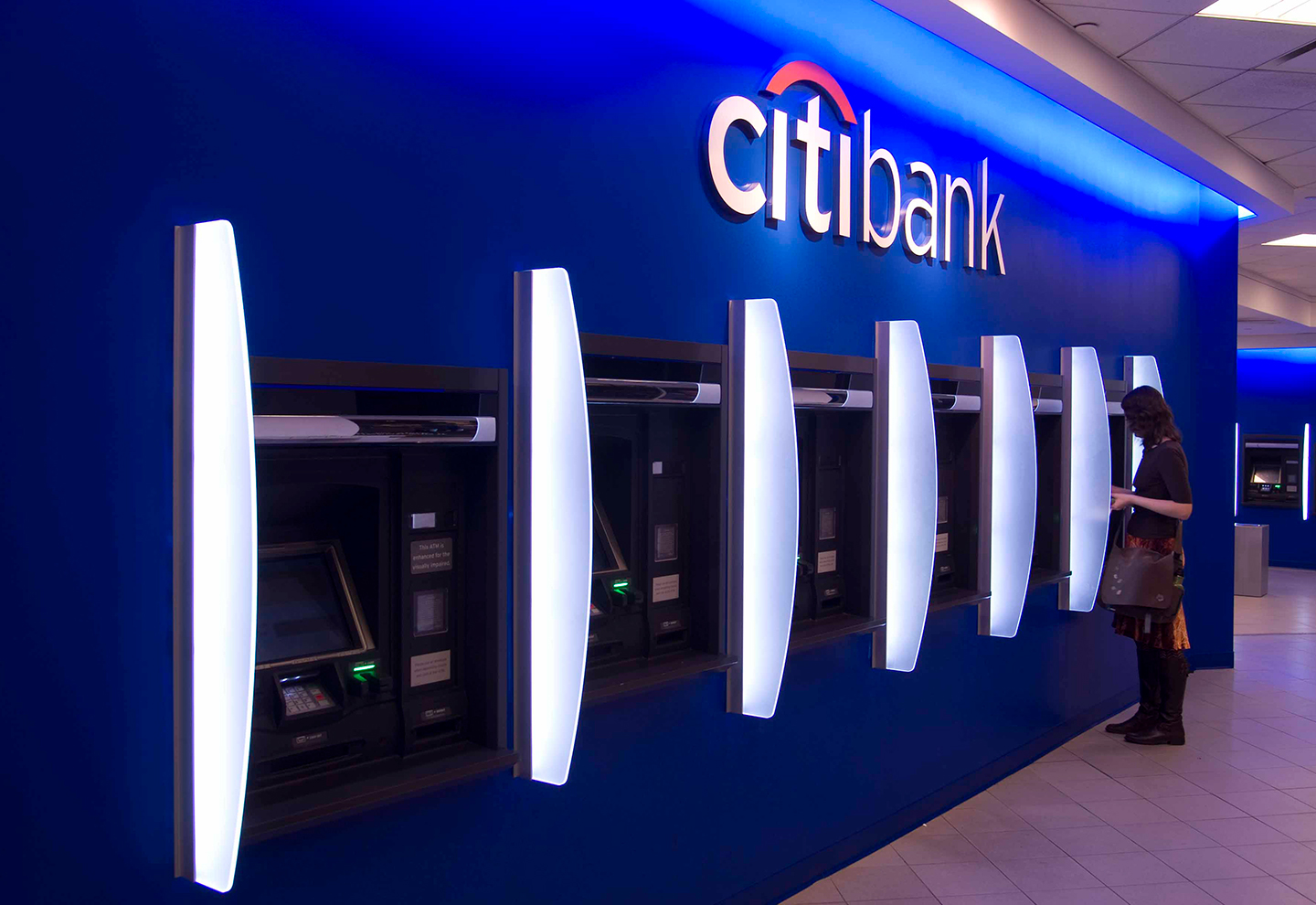
    New entrants and increased competition brought about by challenger banks could result in revenue losses of up to 30 percent among legacy banks over the next 10 years. While digitalization can lower costs for incumbent banks by 30 to 50 percent, new competition and greater transparency in the banking market, prompted by the emergence of challenger banks driven by fintech startups, are likely to lower revenues by 10 to 30 percent in the next decade, according to the report “Bank X: The New New Banks” published by Citi on Thursday.

    As legacy banks recognize the threat that new entrants into banking are posing to revenue and customers, they need to reinvent themselves and reimagine banking. This involves legacy banks partnering with technology companies to create effective joint ventures as well as moving into more disruptive technology and business models to transform themselves into digital competitors, the report said.

    If banks successfully transform digitally, their ROEs will rise from 8 percent in Europe and 16 percent in the U.S. to 15 percent and 24 percent respectively in a bullish scenario, and 5 percent and 10 percent respectively in a bearish scenario, the report noted.

    Bank X

    Built by new entrants, challenger banks designed around new digital technologies, leveraging data insights via agile technology stacks to offer customers better personalization and fully digital banking experiences. As they offer their services remotely via online or mobile banking, challenger banks tend to be quicker at incorporating new products or processes into their platforms and help easily connect with third-party products, ultimately offering more choices to the end-user.

    By creating their own Bank X, we believe legacy banks can transform themselves from slow-moving caterpillars to agile butterflies, Ronit Ghose, Citi Global Head of Bank Research, said.

    The report noted that while creating a new digital-only bank can help incumbent banks meet an evolving set of customer expectations quickly and effectively, setting up an independent challenger bank needs to be differentiated from digital transformations and core banking overhauls that they undertake. This is because creating their own Bank X requires independent application programming interfaces (APIs) and technology stacks, which is a significant departure from the operating model of incumbent banks.

    Need for Regulation in Asia

    Apart from the lower number of challenger banks in Asia compared to the U.K. and U.S., Citi noted that challenger banks in Asia are largely offshoots of big tech, telcoms, and banks. For example, WeBank, MYbank, and Kakao Bank are all backed by tech firms, KBank and Jibun Bank are backed by telcoms, while DBS has made progress in Indonesia and India with digibank, its own challenger bank.

    While Asia has several challenger banks originating from startups aiming to disrupt the financial system, Neat in Hong Kong or Paytm in India, they are exceptions. This is a result of the limited regulatory framework for challengers in Asia, with the emerging exception of Hong Kong, and the presence of large tech companies, particularly in China.

    Conversely, challenger bank activity is vibrant in the U.K. and Europe as a result of progressive regulations enacted to promote competition and break up the banking monopoly, the report said.

  • 211 operators globally investing in 5G

    211 operators globally investing in 5G

    At least 211 operators across 87 countries are investing in 5G, according to statistics compiled by consultancy company Hadden Telecoms.

    Operators investing in 5G are at a variety of stages, ranging from network deployments, to technology testing, demonstrations and pilot trials.

    To date, 15 operators have commercially launched 5G services, including Telstra and Optus in Australia, which are offering fixed wireless 5G services on the 3.6-GHz band. Vodafone Australia and the market’s national broadband network operator NBN Co are also investing in 5G.

    South Korea’s KT, LG U+ and SK Telecom meanwhile switched on their 3.5-GHz 5G networks last year, initially for enterprise customers only, and are planning to simultaneously launch commercial services for consumers shortly.

    The list of operators investing in 5G in Asia Pacific also includes China’s big three operators China Mobile, China Telecom and China Unicom, Hong Kong’s 3 Hong Kong, China Mobile Hong Kong, HKT and SmarTone, and India’s Bharti Airtel, BSNL and Reliance Jio Infocomm.

    In Japan, KDDI, NTT Docomo, Rakuten Mobile and Softbank are spending heavily on 5G, while Malaysia’s Celcom, DiGi, Maxis, Telekom Malaysia and U Mobile and the Philippines’ Globe and PLDT are also trialing the technology.

    Singapore’s M1, Singtel and StarHub, Sri Lanka’s Dialog Axiata and Mobitel, Taiwan’s APT, Chunghwa Telecom, Far EasTone and Taiwan Mobile, Thailand’s AIS, Dtac, TOT and TrueMove and Vietnam’s Viettel are also at various stages of 5G development.

    “Operators globally are preparing for the large-scale introduction of 5G, the first services have launched, and the devices ecosystem is rapidly building and poised for the imminent scale availability of a range of smartphone models,” Hadden Telecoms director Alan Hadden said.

    “Dozens more operators are expected to launch their respective 5G services in the coming 12 months.”

  • SingMeng to acquire Digi Cambodia

    SingMeng to acquire Digi Cambodia

    Cambodia’s SingMeng Telemedia has announced plans to acquire and merge with Digi to create an operator with a range of services including internet, entertainment, voice, and enterprise solutions.

    The planned merger is expected to complete in October, the companies announced this week.

    SingMeng offers triple play and smart TV services, a well as broadband, mobile TV and VoIP services businesses. The company operates over 6,000km of fiber across Cambodia.

    Digi is the market leader of Cambodia’s residential internet market, operating a FTTH network in the nation. SingMeng will be able to leverage Digi’s market footprint to expand the addressable market for its triple play and media offerings.

    “The acquisition of Digi will not only bring SingMeng entertainment and Triple Play service to Digi customers, but it will also allow us to offer more options to Cambodians,” SingMeng CEO Sarah Xiaohua Wang said.

    “SingMeng is committed to invest on innovation and bringing international service standard to the local market. Unlike other transactions that are premised on excessive cost cuts, this merger is about growth, which will create more opportunities for employees as we will serve more people in more places.”

  • Digi adds Sage solutions to Digi Business Hub

    Digi adds Sage solutions to Digi Business Hub

    Malaysia’s Digi Telecommunications has teamed up with cloud management business solutions provider Sage to add a number of new services to the operator’s newly-launched Digi Business Hub.

    Under the agreement, Sage will offer solutions including its Sage Accounting, Sage UBS accounting and billing software and Sage Easy Pay payment software at a 20% discount to Digi customers.

    The Digi Business Hub B2B platform, which soft-launched earlier this month, provides one-stop access to exclusive offers covering a range of point of sale, human resources, marketing, accounting, payroll and office supply services from Digi’s own digital solutions and those of partner companies.

    Solutions include internet leased lines, fixed telephone and mobile roaming services, a guest Wi-Fi system, e-commerce store building solutions and procurement and web hosting solutions.

    The hub also offers access to a range of IoT based services, including a device accepting credit and deibt card payments, a fleet management solution and M2M services.

    The Digi Business Hub is exclusively available for Digi business customers. Digi has revealed plans to add new solutions partners every quarter.

  • Digi to spend $217.6m on capex in 2016

    Digi to spend $217.6m on capex in 2016

    Malaysia’s Digi Telecommunications has allocated 904 million ringgit ($217.6 million) in capex for 2016, to pursue expansion projects including the rollout of VoLTE and VoWiFi.

    The operator has roughly maintained its capex budget at the same size as 2015.

    Digi is currently testing voice over LTE and Wi-Fi technologies and anticipates a commercial launch this year, according to chief marketing officer Christian Thrane.

    He said the operator’s LTE network currently covers around 72% of Malaysia’s populated areas and 150 major cities and towns.

    In response to growing data demand, Digi recently launched a postpaid plan starting at 28 ringgit per month that offers higher internet quota than previous plans, as well as the ability to roll over unused data. The operator will offer promotional discounts on the new plans until June 30.

    Digi has also introduced data roaming plans for frequent and budget travellers starting at 10 ringgit per day.