Tag: digital banking

  • Philippine Cash on Delivery Share to Stay Above 20 Percent Through 2027

    Philippine Cash on Delivery Share to Stay Above 20 Percent Through 2027

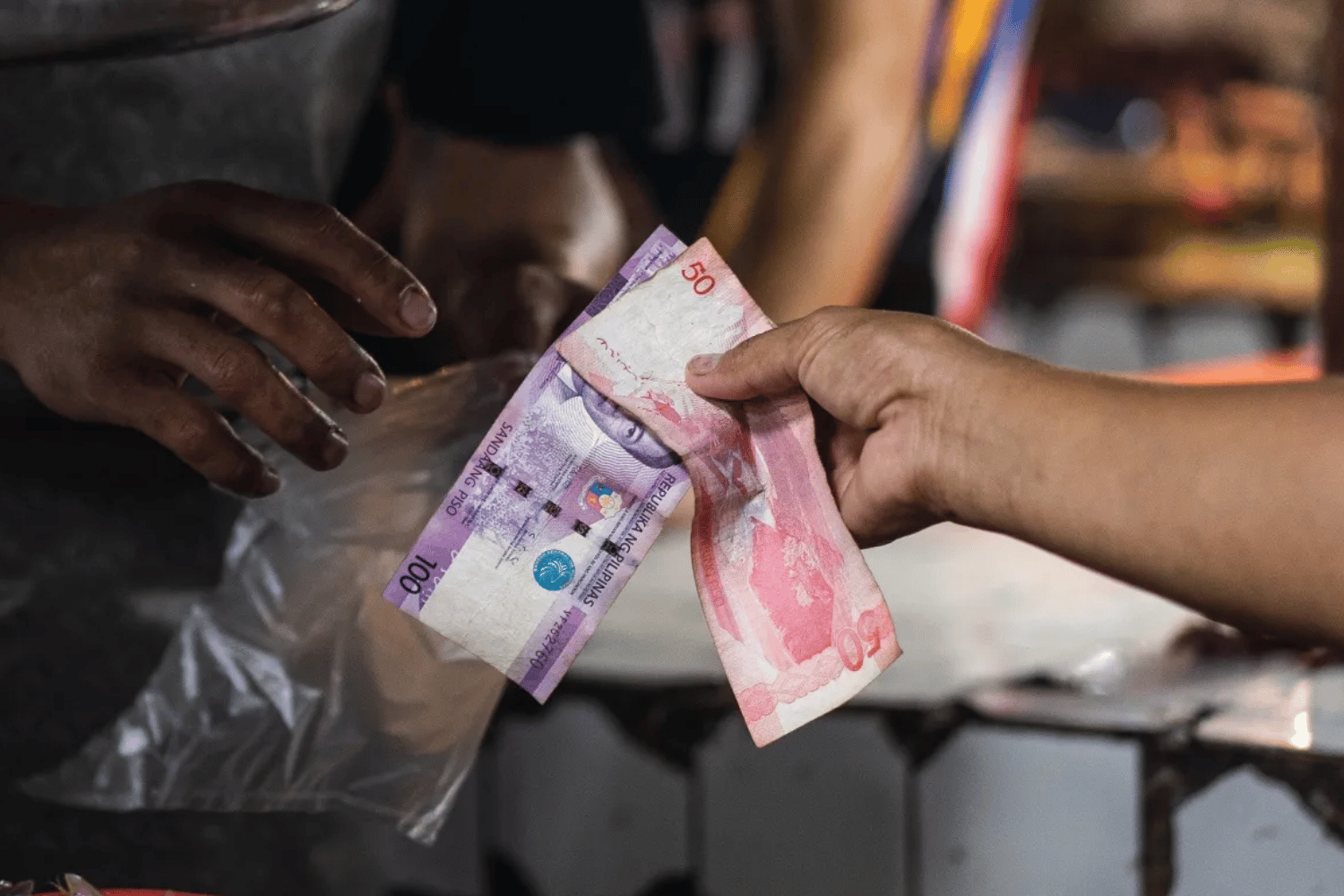
    Cash on delivery will account for more than 20 percent of Philippine e-commerce transactions through 2027. That keeps the country as Southeast Asia’s most cash-reliant online shopping market, according to payments gateway Xendit.

    Physical cash currently represents 23 percent of online transaction value on Xendit’s Philippine platform. That figure outstrips all five other Southeast Asian markets surveyed in its joint report with market research firm Cube.

    Across Southeast Asia, cash on delivery is projected to fall below 25 percent of total e-commerce gross merchandise value next year. The Philippines will remain the only major regional market where paper currency holds over a fifth of checkouts.

    Cash Holds 23 Percent Share

    A persistent unbanked population, limited formal credit, and fear of delivery fraud slow the shift away from cash. In a survey of 6,000 online shoppers across six regional markets, including 1,000 in the Philippines, 12 percent of Filipino buyers said nothing would convince them to stop using cash on delivery. That group is double the size seen in neighboring countries.

    Shopper habits are shifting at the margin. About 33 percent of surveyed Philippine consumers reported using cash on delivery less frequently than a year ago. Discounts and cashback offers prompt them to try digital alternatives. Long-term retention still requires fast refunds and fraud protections.

    “Looking ahead, across the whole Southeast Asia, COD payments will actually fall below 25 percent of all e-commerce payments, but the Philippines will still probably be one of the fewer markets that are going to be above 20 percent,” said Ina Gatan, head of go-to-market at Xendit Philippines.

    QR Ph and Bank Transfers Surge 198 Percent

    Account-to-account payments are capturing what physical cash loses. Transaction volume settled via QR codes and direct bank transfers increased 198 percent between January 2025 and April 2026 across Xendit’s merchant network.

    National payment rails QR Ph and InstaPay drove the surge. QR Ph alone processed roughly 13 percent of total Philippine e-commerce value on the platform during the period. The standard lets merchant QR codes take payments across competing banking apps and digital wallets without custom point-of-sale setups.

    Digital wallets grew by 3 percent over the same 16-month timeframe. E-wallets already dominate Philippine digital checkouts. That leaves little room for rapid percentage gains compared to account-linked instant clearing schemes.

    Cross-Border Retail Lags Regional Neighbors

    Reliance on cash creates an operational barrier for international merchants selling into the country. Cross-border purchases represented only 9 percent of total Philippine online retail volume in 2026. Only Indonesia recorded a lower share at 6 percent.

    Higher digital adoption elsewhere fuels international orders. Cross-border sales accounted for 19 percent of online retail in Singapore, 15 percent in Thailand, 14 percent in Vietnam, and 12 percent in Malaysia. Foreign sellers rarely accept cash on delivery because of return logistics risks. That shuts uncarded Philippine consumers out of international storefronts.

    Southeast Asian cross-border e-commerce is projected to expand between 11 and 19 percent annually through 2030, assuming regional instant payment linkages and customs procedures improve. Merchants relying purely on upfront card or wallet payments will miss a fifth of Philippine demand until alternative rails provide instant buyer protection.

    Roadblocks to Digital Settlement

    Handling cash on delivery imposes heavy costs on logistics providers and retailers. Couriers face higher failed-delivery rates, delayed settlement cycles of up to seven days, and cash-handling risks that drive up freight rates across the archipelago.

    Couriers and platforms have introduced OTP verification at delivery and partial advance deposits to curb return rates. Even so, Valerie Cai, head of marketing at Xendit, estimated that bringing the Philippine cash-on-delivery ratio below 20 percent will require several years of sustained infrastructure rollouts.

    Total Southeast Asian e-commerce merchandise value reached $197 billion in 2025, up from $3 billion in 2012, with Cube forecasting the market to pass $400 billion by 2031. The pace of payment digitization across the Philippine archipelago will determine how much of that regional growth turns into merchant profit rather than delivery losses.

  • Bukalapak Posts IDR 821 Billion Half-Year Loss on Investment Decline

    Bukalapak Posts IDR 821 Billion Half-Year Loss on Investment Decline

    PT Bukalapak.com Tbk reported a net loss of IDR 821 billion for the first half of 2026 in Jakarta, dragged down by an IDR 1.74 trillion investment loss.

    The result followed a loss of IDR 426 billion in the first quarter and a further shortfall of IDR 395 billion in the second quarter. Top-line performance moved in the opposite direction, with revenue rising nearly 30 percent year on year to IDR 3.99 trillion across the six-month period.

    Gaming Carries Top-Line Growth

    Gaming generated IDR 3.48 trillion during the half, making up 87.31 percent of total revenue. The division delivered an operating profit of IDR 76.3 billion, anchoring the company’s core earnings.

    Online-to-offline operations brought in IDR 326 billion in revenue and generated an operating profit of IDR 10.45 billion. Retail revenue contributed IDR 139 billion, while investment income added IDR 44.4 billion and corporate revenue stood at IDR 1.83 billion.

    Investment Portfolio Weighs on Corporate Segment

    Losses in non-core units offset the gains made by gaming and merchant networks. The corporate division posted the steepest deficit at IDR 885 billion, primarily reflecting the IDR 1.74 trillion drop in the value of its investment holdings.

    Financial statements showed a net cash outflow of IDR 2.32 trillion from investing activities during the half. Bukalapak directed IDR 3.07 trillion toward additional investments and allocated IDR 70 billion in capital injections to associated entities.

    Shift Away From Marketplace Operations

    Bukalapak exited its traditional e-commerce marketplace in early 2025. That decision eliminated the heavy merchant subsidies and logistics spending that weighed on cash flow for years, reorienting the business toward digital item distribution and treasury management.

    The pivot leaves the Emtek Group-backed company operating more like an asset allocator with a digital entertainment distribution engine than a conventional shopping platform. While gaming provides cash generation, corporate earnings remain exposed to public equity valuations and mark-to-market adjustments.

    Digital Banking Exposure and Market Pressure

    Much of that valuation pressure stems from listed holdings acquired during the tech boom. Bukalapak has held an 11.49 percent equity stake in PT Allo Bank Indonesia Tbk since January 2022, when the digital lender traded above IDR 5,000 per share.

    Shares in the digital bank have fallen to IDR 900 each, dropping almost 40 percent since the start of 2026. Investors will watch whether the board adjusts its marketable securities portfolio before third-quarter financial results are filed later this year.

  • DuitNow Caps Singapore Cross-Border Fund Transfers at RM3,000 a Day

    DuitNow Caps Singapore Cross-Border Fund Transfers at RM3,000 a Day

    Malaysian merchants processing cross-border remittances through the national DuitNow payment network face an outbound ceiling of RM3,000 a day for fund transfers to Singapore as of October 2026.

    Domestic business transfers across the same network clear up to RM10 million per transaction, highlighting the gap between local retail payment rails and regional settlement links.

    Operated by Payments Network Malaysia, known as PayNet, the retail payments platform functions under the primary ownership of Bank Negara Malaysia alongside commercial lenders. The infrastructure connects commercial banks and non-bank e-wallets into a single interoperable clearing system. Retailers and suppliers send and receive funds using proxy identifiers including mobile numbers, identity card records and verified Business Registration Numbers issued by the Companies Commission of Malaysia.

    Domestic Transfer Limits and Merchant Fees

    Consumer transactions clear up to RM50,000 per transfer through commercial banking applications, with transfers up to RM5,000 processed without consumer transaction charges. Above that threshold, financial institutions may levy a 50 sen fee, though individual retail banks retain discretion to waive the charge. Commercial users maintain higher headroom, clearing up to RM10 million per transaction subject to institutional credit and fraud underwriting terms.

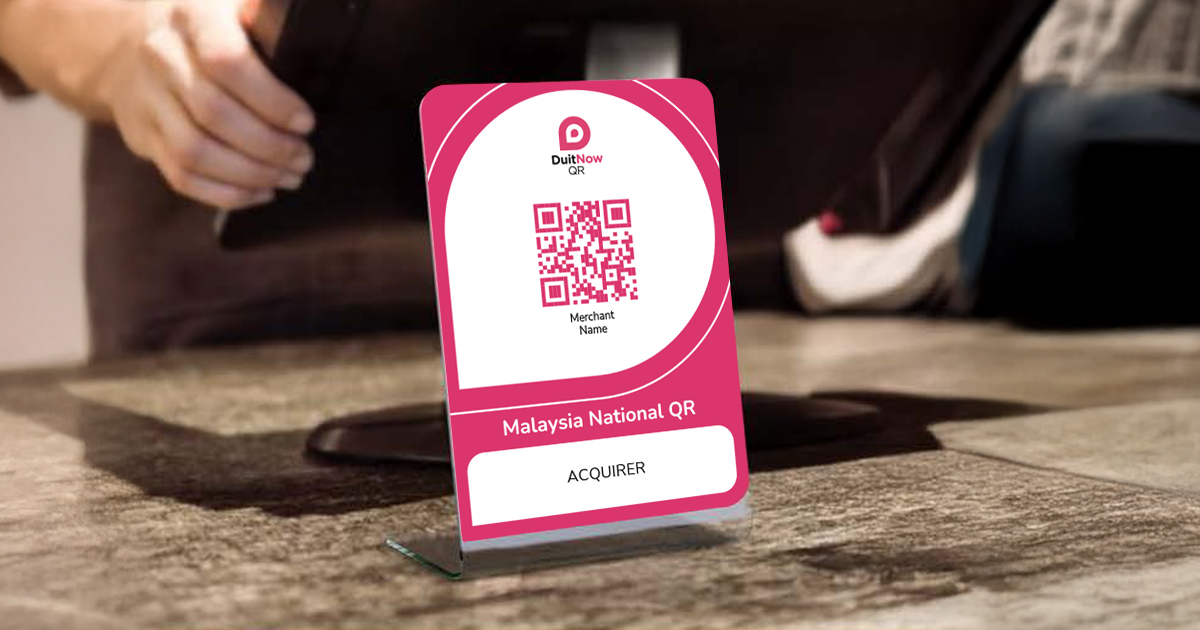
    Point-of-sale retail payments operate through unified QR standards. Merchants deploy a single static or dynamic QR code that accepts clearing requests from all domestic mobile banking applications and licensed e-wallets. Consumer payments remain fee-free at retail counters, while merchant discount rates apply to retail enterprises depending on their merchant acquirer contract.

    E-commerce checkout integrations route directly through DuitNow Online Banking and Wallets, bypassing traditional payment card rails. The direct routing pulls cleared funds directly from buyer accounts without requiring debit card credentials. For recurring invoicing, the network deploys AutoDebit protocols that clear utility billings, subscriptions and recurring wholesale invoices under pre-authorised value limits without recurring manual approvals.

    Regional Settlement Links and Currency Controls

    Inbound cross-border retail acceptance currently covers visiting consumers from six Asian economies: China, Indonesia, Singapore, Thailand, South Korea and Cambodia. Tourists and business travellers scan local merchant QR codes using their domestic banking apps. Settlements convert automatically, crediting Malaysian merchant bank accounts exclusively in Malaysian ringgit.

    Merchants cannot hold foreign currency balances directly inside the DuitNow clearing architecture. Exchange rates for incoming tourist QR spending are determined by the originating overseas payment application at the point of interaction. This leaves cross-border sellers exposed to conversion markups set by foreign issuing institutions.

    Outbound commercial transactions across the border face structural barriers. While the bilateral corridor with Singapore enables retail peer-to-peer transfers, the daily cap of RM3,000 or S$1,000 restricts corporate trade settlement. Companies paying overseas manufacturers, regional software vendors or inventory partners require separate international clearing rails or multi-currency corporate banking accounts.

    Payment Rail Fragmentation Across Retail Chains

    Retail chains across Southeast Asia are weighing single-currency domestic payment rails against cross-border fintech platforms. The local DuitNow architecture eliminates domestic card processing interchange fees, yet fails to provide working capital accounts in trade currencies such as the US dollar.

    Cross-border procurement teams that purchase stock from Mainland China or regional suppliers cannot use PayNet rails to settle trade invoices. The limitation forces operators to run dual payment workflows: national QR and real-time bank transfers for domestic store sales, and cross-border platforms such as WorldFirst or SWIFT wire transfers for import settlement. For high-volume retail chains, maintaining dual clearing mechanisms adds operational reconciliation costs and exposure to retail foreign exchange spreads.

    The operational split gives pure-play international corporate treasury providers an opening against state-backed retail clearing systems. Commercial banks capture high spreads on foreign exchange wire transfers, driving online sellers and cross-border merchants toward multi-currency accounts that issue local clearing details in overseas markets.

    Building the Regional Payment Network

    PayNet developed DuitNow to consolidate a fragmented mobile payment sector where competing digital wallet operators deployed incompatible proprietary QR codes. The central bank intervened to mandate standardisation, creating a shared national QR code and central proxy registry.

    The central bank expanded the domestic retail clearing platform through bilateral central bank linkages, starting with Thailand and Indonesia before connecting Singapore PayNow. The bilateral linkages aim to reduce regional reliance on traditional card networks and correspondent banking systems for micro-transactions and tourism spending.

    Bank Negara Malaysia and regional central banks continue testing multilateral clearing arrangements across ASEAN economies, with broader business settlement ceilings remaining the key requirement for commercial supply chain operators.

  • MSB Unifies Retail and Enterprise Banking on Single Platform

    MSB Unifies Retail and Enterprise Banking on Single Platform

    Vietnam Maritime Commercial Joint Stock Bank merged its retail and enterprise banking channels onto a single architecture built by Backbase and SmartOSC this week. The deployment removes the traditional technical divide between consumer accounts and corporate treasury services across the bank’s digital channels.

    Running both divisions on 1 unified engagement engine allows MSB to manage customer journeys from a central system. Branch staff, retail depositors and commercial clients now access shared service modules rather than independent software stacks.

    Architecture and Integration Scope

    Amsterdam-headquartered Backbase supplied the core engagement banking software layer, while Hanoi-based digital enabler SmartOSC managed local system integration and custom development. The project ties directly into MSB’s core transactional databases, consolidating mobile applications, web portals and assisted service touchpoints.

    Standardising the front-end layer cuts the software maintenance overhead created by operating two separate digital platforms. It also gives the bank a single interface to roll out payment features, credit applications and onboarding tools across both business units simultaneously.

    Regional Shifts in Digital Infrastructure

    Lenders across Southeast Asia spent a decade buying standalone retail mobile systems while maintaining older, custom-built corporate cash management portals. Maintaining these separate tracks doubled maintenance costs and delayed feature updates for mid-tier commercial clients whose owners expect consumer-grade mobile interfaces.

    Combining consumer and business engines shifts the engineering workload from platform maintenance to application programming interface management. For software vendors, the contract confirms how mid-sized commercial banks in Vietnam increasingly prefer packaged engagement layers over proprietary in-house builds.

    Operating Pressures in Vietnamese Banking

    Vietnamese commercial lenders face tightening margin pressure as competition over digital deposits and transaction fee income intensifies. MSB’s previous digital updates focused on individual consumer onboarding and merchant acquiring channels, which operated largely independently from its small and medium enterprise servicing pipelines.

    Consolidating those operations resolves data fragmentation between private consumer accounts and small commercial accounts, where business owners frequently bridge personal and business finances through one institution.

    Next Integration Targets

    The primary execution risk shifts to back-end stability as commercial volumes migrate onto the shared front-end framework. Corporate accounts require complex approval matrices, bulk payroll capabilities and custom payment permissions that place different operational loads on an engagement platform than retail shopping transactions.

    MSB and its integration partners will complete the migration in phases, transitioning legacy commercial clients to the new environment while tracking platform latency, API throughput and cross-service onboarding metrics over the coming quarters.

  • Bank Indonesia Issues 32,457 Domestic Credit Cards in First Month

    Bank Indonesia Issues 32,457 Domestic Credit Cards in First Month

    Indonesian commercial lenders issued and activated 32,457 domestic credit cards in the first four weeks following the system’s retail debut. The figures, confirmed by Bank Indonesia Governor Destry Damayanti in Jakarta on September 24, 2026, track adoption since the retail tier went live on August 17.

    Total spending across the new network reached Rp18.7 billion over 38,800 transactions. Average ticket size stood at Rp482,000, pointing to everyday retail purchases rather than high-value consumer financing.

    Transaction Volume and Merchant Spend

    The card, known locally as Kartu Kredit Indonesia (KKI), operates in its first phase as a virtual credit line linked directly to the national QRIS standard. Shoppers scan standard merchant QR codes at checkouts, drawing down an unsecured credit balance through their standard mobile banking application rather than a deposit account.

    Bank Indonesia Deputy Governor Filianingsih Hendarta reported that nearly 8,000 individual cardholders have executed live purchases across the initial network. The difference between issued cards and active spenders highlights the early onboarding curve as retail customers set up digital limits inside existing mobile banking apps.

    Bank Distribution and Market Share

    Private lender PT Bank Central Asia accounts for the bulk of early issuance, logging roughly 28,000 cardholders during the opening month. State-owned PT Bank Rakyat Indonesia and private lender PT Bank Permata follow at a distance, each recording around 1,500 active users.

    Five other payment service providers make up the initial implementation cohort: Bank Mandiri, Bank Negara Indonesia, CIMB Niaga, Bank Mega, and Bank Syariah Indonesia. For retail merchants across tier-one cities, the domestic scheme reduces dependence on foreign card networks while plugging directly into existing QR checkout hardware and printed counter placards.

    Sharia Options and Technical Integration

    Participating lenders are structuring distinct product variants to capture specific consumer segments. Bank Syariah Indonesia is developing Sharia-compliant financing structures to offer non-interest credit lines over the central switch.

    Local retailers benefit from standardized merchant discount rates tied to the domestic clearing infrastructure. By channelling unsecured revolving credit through QRIS rails, physical merchants avoid procuring separate point-of-sale terminals to accept credit payments from everyday shoppers.

    E-Commerce and Physical Card Rollout

    The central bank launched the KKI framework initially for government procurement before expanding the architecture to retail consumers on August 17, 2026. The shift forms part of a broader push to retain domestic transaction fees inside the national clearing ecosystem while expanding consumer credit access outside traditional cardholder demographics.

    Bank Indonesia is executing the consumer rollout across three distinct phases. The current phase covers QRIS-linked digital cards inside banking applications. Phase two will expand the network to online e-commerce checkout gateways, while the third phase will introduce physical cards for merchants without digital scanning terminals.

  • Grab to Acquire Atome Financial in Deal Valued at up to $4.5 Billion

    Grab to Acquire Atome Financial in Deal Valued at up to $4.5 Billion

    Grab announced on Tuesday it will acquire buy now, pay later provider Atome Financial in a transaction that could value the Singapore-based lender at up to US$4.5 billion.

    The ride-hailing and delivery platform is paying $1.49 billion for an initial 60 per cent stake. The transaction folds Atome’s consumer cash loans, instalment cards and digital lending books directly into Grab’s financial services arm.

    Valuation and Performance Terms

    Grab agreed to purchase the remaining 40 per cent stake roughly two years after completion. That second payout rests on Atome hitting revenue and EBITDA targets. The eventual valuation will land between $2 billion and $4.5 billion.

    Alex Hungate, Grab president and chief operating officer, said buying Atome bypasses years of building credit models. It also avoids the initial credit losses required to refine underwriting. Grab plans to fund Atome’s consumer loan book through its licensed digital banks in Singapore, Malaysia and Indonesia to lower capital costs.

    Lending Power Inside Southeast Asian Wallets

    Consumer credit in Southeast Asia is consolidating around apps that control daily transactions. Independent instalment lenders face high customer acquisition costs and rising borrowing expenses. Stand-alone balance sheets struggle to compete with platforms that span ride-hailing, food delivery and retail spending.

    Buying Atome prevents rival e-commerce ecosystems and standalone fintechs from locking up merchant checkouts in key growth markets. The risk shifts to default rates on unsecured consumer debt as economic conditions tighten in markets such as Indonesia and the Philippines.

    “Consumer credit in Southeast Asia is increasingly sitting inside large commerce platforms or major wallet ecosystems. As underwriting and collection increasingly become commoditised, distribution becomes more important.”

    From Credit Saison to Regional Scale

    In 2019, Grab entered instalment lending through a joint venture with Japanese credit card company Credit Saison. The platform rolled out pay-later options across Singapore and Malaysia. Regional expansion into the Philippines, Indonesia and Thailand lagged behind dedicated consumer finance specialists.

    The buyout is scheduled to close by the third quarter of 2027. Following integration, Grab expects its enlarged financial services unit to deliver $500 million in adjusted EBITDA by 2028 on a combined gross loan portfolio exceeding $6 billion.

  • Digital Banking Platform Market Poised for Remarkable Growth, Projected to Reach $168.3 Billion by 2032

    Digital Banking Platform Market Poised for Remarkable Growth, Projected to Reach $168.3 Billion by 2032

    The digital banking platform market is on a fast track to achieving remarkable growth, with projections estimating its value will soar to $168.3 billion by 2032. This surge reflects a staggering compound annual growth rate (CAGR) of 20.9% from 2024 to 2032, as reported by Allied Market Research. In 2023, the market was valued at $30.4 billion, indicating a robust upward trajectory shaped by shifting consumer behaviors and technological advancements.

    The Internet: Fueling a Banking Revolution

    At the heart of this expansion are key drivers such as the rapid growth of internet users, a significant pivot from traditional banking to digital solutions, and an increasing demand for personalized banking experiences. As more consumers embrace online banking, institutions are finding themselves at the crossroads of opportunity and challenge.

    Challenges on the Horizon

    However, the road to growth is not without obstacles. Concerns over security and compliance are significant, particularly as legacy systems struggle to integrate with emerging digital technologies. Additionally, a lack of digital literacy in several developing markets could hinder potential user engagement and limit the full benefits of online banking.

    A Bright Spot: Artificial Intelligence and Machine Learning

    Interestingly, the infusion of artificial intelligence and machine learning into digital banking platforms is opening new avenues for growth. Allied Market Research notes that these advancements present lucrative opportunities that could reshape the landscape of financial services.

    The Solution Segment Takes Center Stage

    Current trends indicate the solutions segment dominates the digital banking landscape, accounting for nearly three-fourths of the market in 2023. This segment thrives as financial institutions increasingly prioritize customer acquisition, invest in loan processing solutions, and seek to enhance communication between banking professionals and their clients. And let’s face it—the banking world could use a dash of communication spice!

    Cloud Computing: The Future Framework

    Looking ahead, the cloud segment is poised to take the lead from 2024 to 2032. With its ability to offer scalable and flexible banking solutions, the cloud promises to support the increasing complexity of a customer-driven financial ecosystem.

    Questions & Answers

    What is the projected market value for digital banking platforms by 2032?
    The digital banking platform market is expected to reach a valuation of $168.3 billion by 2032.

    What are the main drivers of growth in the digital banking sector?
    Key factors driving growth include the rising number of internet users, a transition from traditional banking to online services, and a growing demand for personalized banking solutions.

    What challenges do digital banking platforms face?
    Challenges include security and compliance issues, a lack of digital literacy in emerging markets, and technical difficulties related to integrating new technologies with existing systems.

  • Malaysia’s AirAsia applies for digital banking license

    Malaysia’s AirAsia applies for digital banking license

    Malaysian budget airline AirAsia Group Bhd said on Thursday its fintech unit has bid for a digital banking license in the country as part of a consortium.

    BigPay, the unit, has partnered with Malaysian Industrial Development Finance Berhad – a unit of the country’s largest asset manager Permodalan Nasional Bhd – and private equity firm Ikhlas Capital.

    Singapore-based Ikhlas was founded by Nazir Razak, the former chairman of CIMB Group Holdings.

    The consortium also includes a foreign conglomerate with fintech expertise, AirAsia said in a statement.

    Citing sources, Reuters reported earlier on Thursday that AirAsia and its partners were among the bidders for up to five digital banking licences that the Malaysian central bank has said it will issue by early 2022.

    Other bidders include a joint venture between ride-hailing-to-fintech group Grab and Singtel, telecoms operator Axiata and a consortium backed by Chinese tech firm Tencent.

  • Hong Kong Millennials Drive Digital Banking Delays

    Hong Kong Millennials Drive Digital Banking Delays

    While most new recipients of Hong Kong digital banking licenses were planning to begin operations by 2019-end, higher priorities are in play for the city’s millennials – the key demographic for the sector – causing lenders to delay their launches.

    Some players were believed to be launching brand and marketing campaigns as early as this month before formally launching their services. The Hong Kong Monetary Authority previously said that digital banking launches could be expected in the fourth quarter of 2019 at the earliest.

    This form of banking service is mainly aimed at the youth, millennials, and many of them are out on the street these days joining the protests, citing an unnamed source with direct knowledge. It will be difficult to launch a brand campaign around them and attract their interest when their priority is clearly not having another bank account. The source added that the digital banks will now instead launch in early 2020.

  • OCBC BANK Is First Singapore Bank To Let You Open Account Digitally

    OCBC BANK Is First Singapore Bank To Let You Open Account Digitally

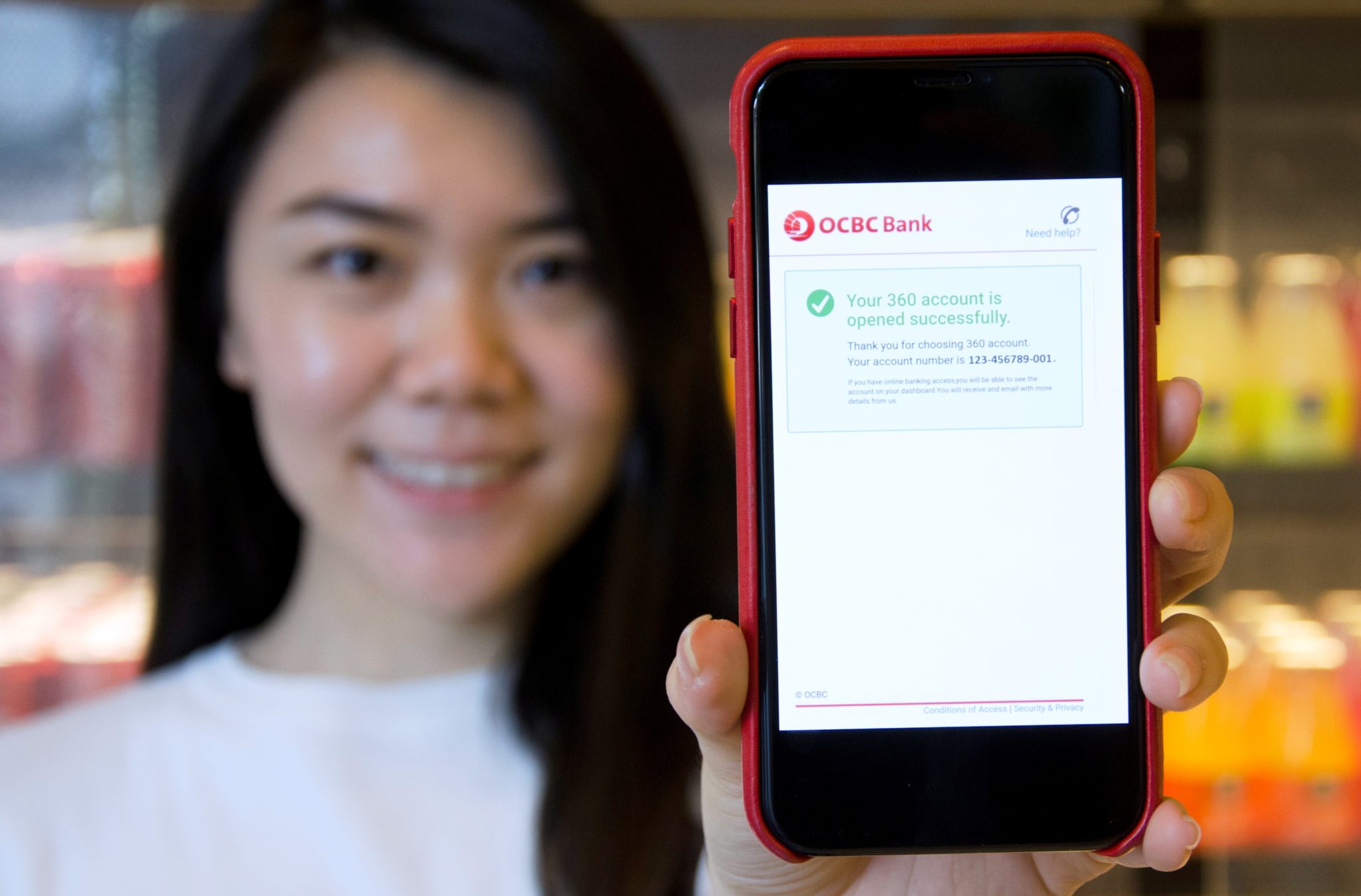
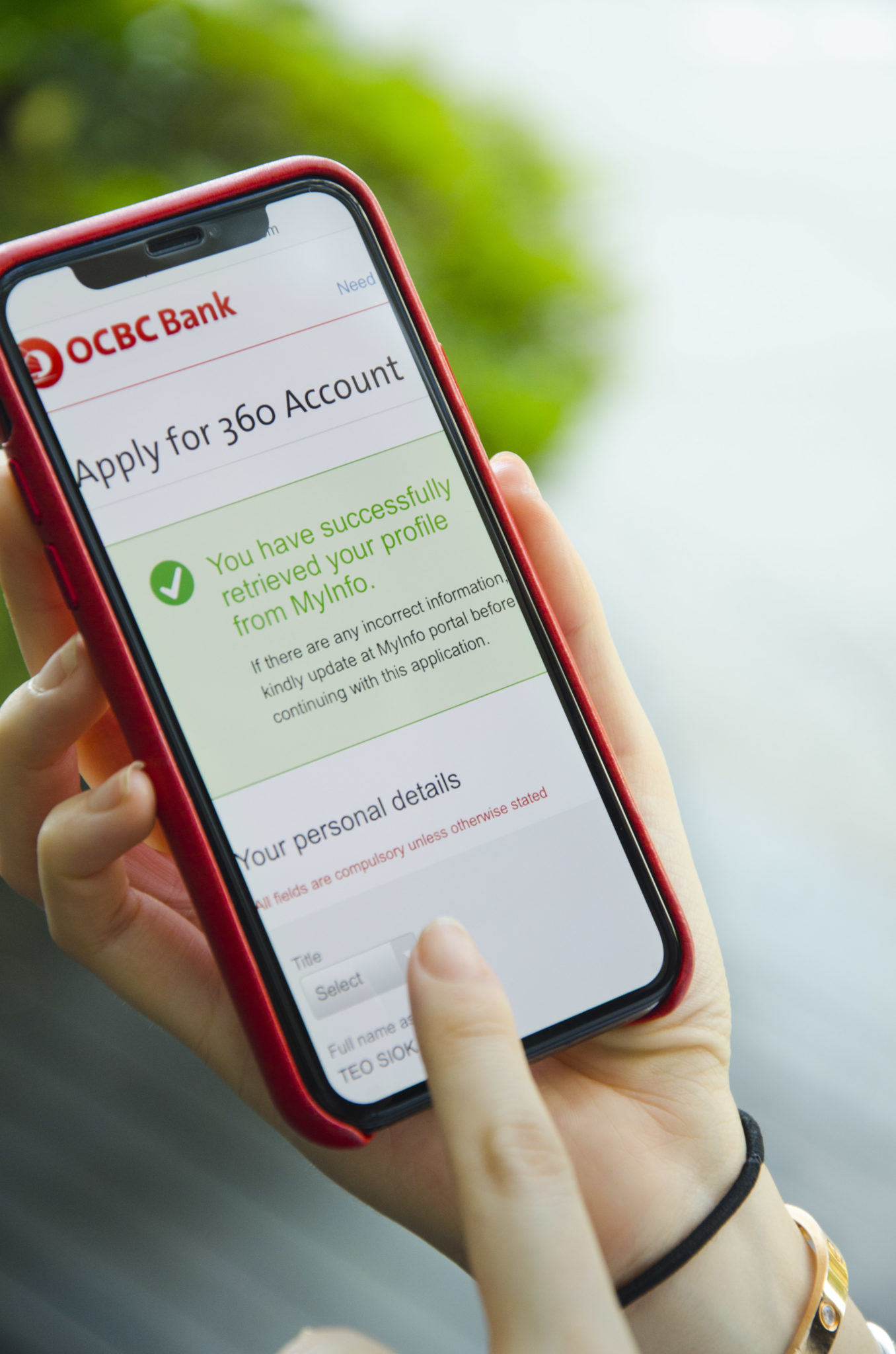
    OCBC Bank is the first Singapore bank to roll out a digital instant account-opening service for all customers who are Singaporeans or permanent residents. Even if you do not currently have any relationship with OCBC Bank, you can leverage national data repository MyInfo and – for the first time – OCBC Bank’s real-time, digital KYC process (e-KYC) to open an OCBC 360 Account using your mobile device or desktop. It all takes less than five minutes via the bank’s website, with no need to visit a bank branch or provide documents. Verification and authentication happens in real time; once this is completed, you get a new account number within seconds of a successful application. You can start using the account right away for functions like electronic transfers, rather than having to wait a few days for application approval.

    There are two main processes involved in OCBC Bank’s digital instant account opening. The first is submitting an application, which is made fussfree thanks to MyInfo, the digital vault of verified personal data designed by the Singapore government. Logging in using your SingPass, you simply consent to OCBC Bank using your MyInfo profile to set up a new account. An online OCBC 360 Account application form is then pre-filled with your personal details, so you do not need to key in details or submit any additional documentation.

    The second process is to verify that you are who you say you are, which is known as KYC or “know your customer”. Even after OCBC Bank successfully integrated its systems with Myinfo in May 2017 in a successful industry pilot – so you could pre-fill application forms with your government-verified personal particulars – you still had to wait for your account to be approved because KYC checks had to be conducted, typically using humans. Now, however, OCBC Bank has digitised the KYC process, and for the first time, is able to authenticate customers in real time using electronic means so that approval for successful account applications is granted instantly.

    Mr Aditya Gupta, OCBC Bank’s Head of E-Business Singapore, said: “Instant is the new black. I believe this instant, hassle-free and secure access to our core banking products will make it hugely compelling for people to initiate and deepen their primary banking relationship with OCBC Bank. Our ambition is to have one in every two customers on-boarded digitally with zero human intervention, and this launch is a significant milestone in that journey. We will be extending this service to a broader suite of our products shortly.”

    Driving digital with the OCBC 360 Account In 2014, OCBC Bank was the first bank in Singapore to enable customers to apply for a bank account online with the launch of the OCBC 360 Account, the first account in Singapore to reward customers with bonus interest for doing more banking transactions using their account, such as crediting their salary, making bill payments or spending on their credit cards. Since then, more than

    20 per cent of OCBC 360 Accounts have been applied for remotely on a mobile device or desktop, with account approvals taking up to three days.

    Now, with the MyInfo integration and the bank’s real time e-KYC process in the account opening journey, account approvals are instant for successful applications. Customers will be able to use the OCBC 360 Account opened online to immediately make funds transfers via PayNow or Fast, and start earning bonus interest from performing various transactions. This fast and seamless on-boarding proposition will sit well with time-strapped PMETs and young professionals who are highly digitally engaged and who make up twothirds of OCBC Bank’s existing OCBC 360 Account base. The OCBC 360 Account customer base has grown 30 per cent year-on-year and has captured a sizable base of PMETs’ salary crediting – over 40 per cent of deposits growth comes through OCBC 360 Accounts – while also driving day-to-day banking and the use of PayNow.

    More than 90 per cent of OCBC 360 Account customers are digitally active and have accessed OCBC Bank’s digital platforms at least once in the past three months. Digitally active customers are found to own twice as many banking products as those who are not digitally active, and the number of OCBC 360 Account customers who take up financial products has grown by more than 10 per cent since a wealth bonus interest was introduced in 2015.