Retail News CRM

Tag: Disney Resort

  • Starbucks Disneytown cafe opens

    Starbucks Disneytown cafe opens

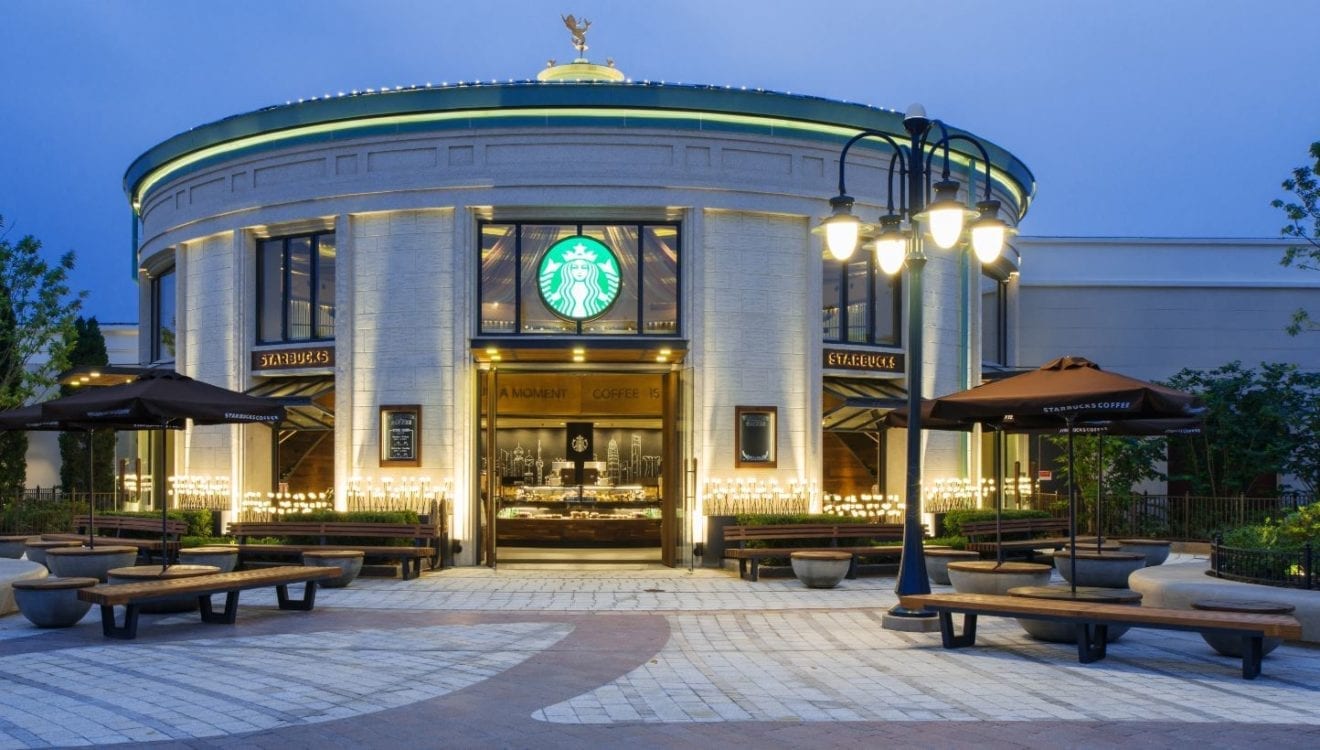
    Starbucks has opened its first flagship store within a Disney resort in Asia.

    The new Starbucks Disneytown Shanghai cafe opened on Wednesday. It will employ 110 staff creating a destination for resort-goers to relax and recharge.

    “We will bring to life the craft of coffee in an immersive environment which will include new menu ordering options through a variety of mobile devices,” said Starbucks in a statement.

    Starbucks_Disneytown_China_(2)

    With the addition of this latest flagship store in Shanghai, China will be the only market in Starbucks China and Asia Pacific region to pioneer and operate four distinct flagship stores.

    “China today represents the most significant and exciting opportunity ahead for Starbucks and our aspiration is to delight our customers and partners throughout China with an extraordinary store experience,” said John Culver, group president of Starbucks China and Asia Pacific.

    “We expect the Starbucks Disneytown flagship store to be one of our busiest stores globally, serving and bringing the unique Starbucks experience to thousands of customers daily,” said Culver.

    “This store builds on our ongoing commitment to the China market, following the announcement of our plans to open a Starbucks Roastery and Reserve Tasting Room in Shanghai late next year.”

    “First of its kind experience”

    Reflective of Starbucks unique, sophisticated and locally relevant design, customers will immediately recognise the two-story Starbucks Disneytown store located at the crossroads of the shopping, dining and entertainment district just outside the main entrance to the theme park, adjacent to the Wishing Star Park. Atop the store, a specially crafted wind vane will evoke the playfulness of Disney with the Starbucks siren.

    Starbucks_Disneytown_China_(3)

    Upon entering through grand, castle-like doors customers will be greeted by a Starbucks barista and a sweeping view of a warm, inviting environment created out of natural woods and materials reflecting the raw, agricultural roots of coffee. Seating will surround the cafe bar allowing families and friends to gather, creating connection and community as they immerse in the story of coffee.

    The first and second floors of the store will be joined by gently terraced stairs, and the copper wall panels celebrate the different degrees of coffee roasting highlighting the proud coffees in Starbucks portfolio.

    Starbucks_Disneytown_China_(5)

    Hanging from the ceiling is a delicately constructed piece of artwork designed from gold and white metal wiring inspired by latte art crafted by baristas, while a mural of the Starbucks siren is made out of Starbucks cups. A centerpiece, this mural includes intricately designed silhouette scenes inside a handful of cups designed by local artists representing China’s cultural heritage.

    Technology

    Starbucks_Disneytown_China_(1)

    For the first time in China, the traditional menu board is replaced by a digital menu. Customers can order their favorite beverages and food using a mobile handheld device available at the store or from their personal mobile device. This integration of technology offers a convenient experience that was inspired by Starbucks stores in the US, including its express format on Wall St in New York and the Starbucks Roastery located in its hometown of Seattle, Washington.

    “This new Starbucks Disneytown Flagship store will bring its own distinctive, unforgettable moments of connection while inspiring playful imagination for customers of all ages,” added Henry Xie, GM of President Starbucks Coffee Shanghai Co.

    This new Shanghai location is the 12th Starbucks store globally to open as part of a Disney resort.
  • Shanghai Village trading off Disney resort

    Shanghai Village trading off Disney resort

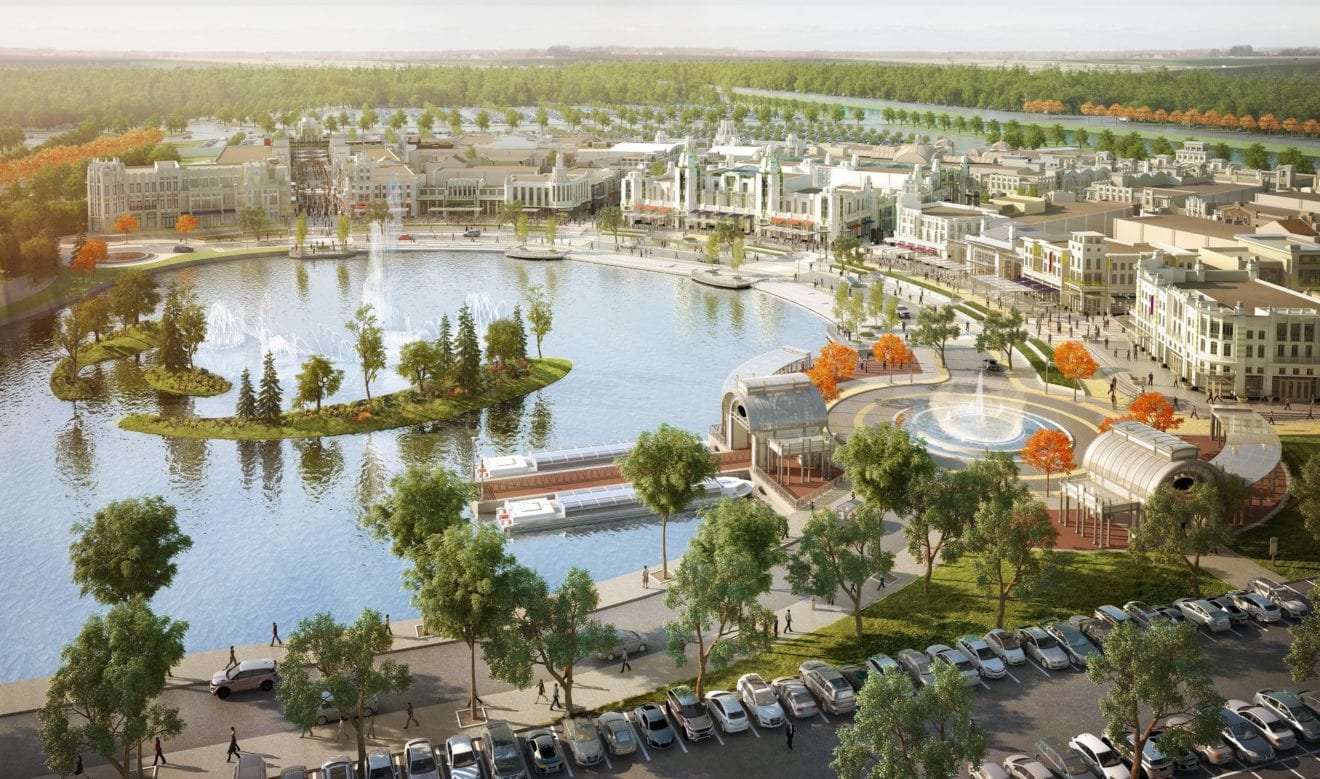
    Upmarket European outlet company Value Retail is opening a luxury shopping destination near the Shanghai Disney Resort, to be called Shanghai Village.

    Disney’s resort launches on June 16, but the village is getting in first with a planned opening date of May 19.

    SHV-rend-mark-up-123013_Page_27

    In the new 24.7 sqkm Shanghai International Tourism and Resorts Zone (SITRZ), across the manmade Wishing Star Lake from the Disney resort, Shanghai Village is the second mainland venture for Value Retail.

    Covering 55,000 sqm and with 140 boutiques, the Art Deco village features architecture styled after buildings in Milan, New York, Paris, Vienna and Shanghai. It has many lifestyle features aimed at catering to the Chinese demand for “shopping tourism”, a new concept defined by UNWTO in the wake of China’s outbound travel boom.

    While it will be Value Retail’s second location near a Disney park – the other is La Vallee Village near Disneyland Paris – it will have a difference in scale and architecture given that Shanghai Disney Resort is one of the largest destinations Disney has built, according to Value Retail Management CEO Desiree Bollier. “Shanghai Village is the same: it is our largest investment to date.”

    Value Retail Shanghai Village 2

    In addition, the village is run by a joint venture between Value Retail and Shanghai Shendi Group, the state-owned enterprise set up to manage the SITRZ, including the Disney Resort.
    “I think the government is moving to a consumer-led economy, and will want Chinese to spend money in China,” says Bollier.

    “They are looking at various ways to encourage Chinese to view China as a resort destination: hence the development of Hainan as a tourism destination, hence the development of SITRZ as an entertainment destination, hence investment in cinemas, Imax and major theatres. It’s a logical transformation in the Chinese economy.”

    Bollier says Shanghai Village will be following Value Retail model of offering goods at a minimum of 33 per cent off and an average of 40 per cent off full domestic price. It is targeting mainly upper-middle class and affluent consumers.

    Shanghai Village will offer “retailtainment” activities such as dining and exhibitions, as well as outdoor cafe seating overlooking the lake, ferry rides to and from the Disney park, and streets named after historical figures in the Art Deco movement in Mandarin and French. VIP services will include hands-free shopping, valet parking, concierge services and private lounges, as well as meeting spaces.

    A feature will be more niche labels and boutiques by Chinese designers. Brands available at the nearby Suzhou Village location, the group’s first China outlet, include Alexander McQueen, Armani, Givenchy, Gucci, Salvatore Ferragamo and Valentino.


  • Shanghai Disney Resort Launch of huge Disney theme park in China lifts stocks

    Shanghai Disney Resort Launch of huge Disney theme park in China lifts stocks

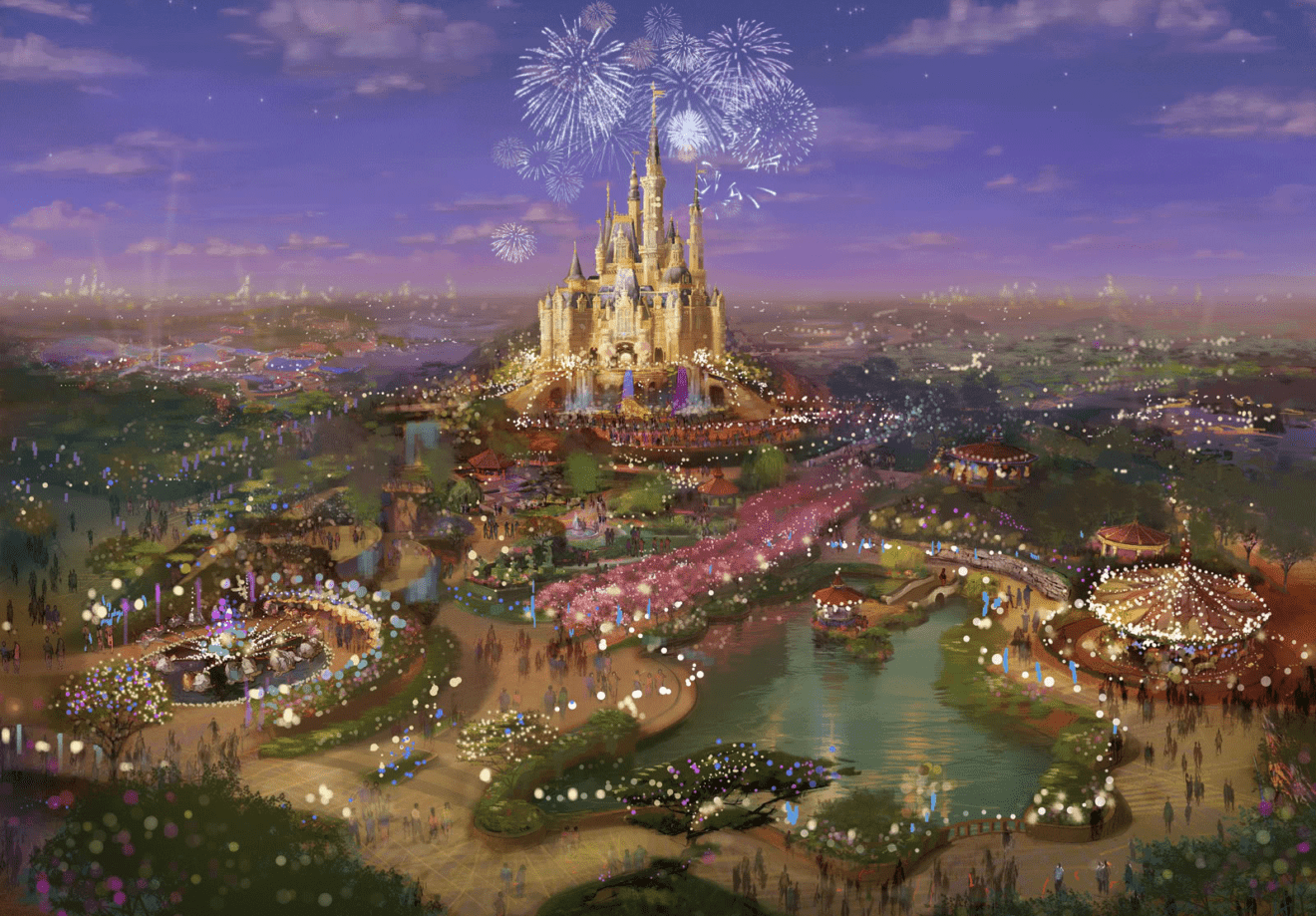
    The launch this coming June of Shanghai Disney Resort, which will be one of the largest theme parks in mainland China, is the first upbeat topic in a long time for the country which has been swayed by economic slowdown and the stock market plunge.

    Meanwhile, Hong Kong Disneyland — some 1,200km southwest of Shanghai and which celebrated its 10th anniversary last year — is concerned that the new Disneyland in mainland China could result in a decline in visitors in its home turf.

    Walt Disney of the U.S. and Shanghai Shendi Group of China, which are jointly building Shanghai Disney Resort, said Jan. 13 that the first phase of the theme park will open on June 16. The announcement boosted shares in Shanghai Jinjiang International Hotels Development, the operator of nearby hotels, and real estate developer Shanghai Jinqiao Export Processing Zone Development. These companies are expected to benefit greatly from the launch of the theme park. The stock price of Shanghai-based China Eastern Airlines, which partners with Shanghai Disney Resort, also soared on the Hong Kong stock market.

    Nearly 10 years from the plan, five years from the start of construction and two years behind the original plan, the dream of the Shanghai economic community will finally come true. Shanghai Disney Resort — which will be the sixth in the world and the third in Asia after Tokyo and Hong Kong — will be equipped with hotels and commercial complexes, with the construction cost totaling $5.5 billion.

    Structural shift

    Stock market players predict the theme park will see more than 12 million visitors in its first fiscal year, easily surpassing Hong Kong Disneyland’s 7.5 million in 2014. The numbers are expected to jump to 40 million a year once the third phase of the park is complete. The numbers could top the 31.3 million visitors to Tokyo Disneyland and Tokyo DisneySea in 2014.

    Major Chinese brokerage Haitong Securities expects Shanghai Disney Resort will “boost the city of Shanghai’s annual retail sales by 4%,” on the assumption of 15.6 million visitors and the daily average spending of 700 yuan ($106) per visitor in the first fiscal year. The theme park will also been seen as a test of whether China can shift from a manufacturing- and infrastructure-based economy to a service-driven economy.

    Meanwhile, the Hong Kong stock market was once buoyed by the Disney boom. During the period from the end of October 2004 to the opening of Hong Kong Disneyland on Sept. 12, 2005, the stock prices of luxury hotel operator Shangri-La Asia and jewelry store operator Chow Sang Sang Holdings International surged 37% and 48%, respectively, on expectation that the opening of Hong Kong Disneyland would help boost tourist numbers. The share price of Macau casino operator Galaxy Entertainment Group also jumped 120%, and the benchmark Hang Seng Index rose 16%.

    However, the share prices of retail and leisure companies in Hong Kong have remained sluggish, as the number of mainland visitors to Hong Kong has declined due to the Chinese government’s anti-corruption campaign and growing anti-China sentiment in Hong Kong.

    In a survey of mainland Chinese members conducted by U.S. travel information website operator Travelzoo on their most preferred travel destination in 2016, Hong Kong was ranked 32nd, down from 23rd place, losing out to the 31st-ranked Africa.

    Mainland-dependent

    In addition to such unfavorable trend, officials of Hong Kong Disneyland are concerned they may have to compete with their Shanghai counterpart for customers.

    Hong Kong Disneyland posted its first profit in fiscal 2012, hit by the 2008 global financial crisis and the 2009 swine flu pandemic. Its revenue base is not stable and is becoming more dependent on mainland visitors. The total number of visitors was up more than 60% to 7.5 million in 2014, from 4.6 million in 2009. The number of mainland visitors surged more than 120% during the same period, with their ratio to total visitors up from 36% to 48%.

    Comparing the share prices of Shanghai Disney Resort-related companies and retail and leisure companies in Hong Kong with the end of 2012, when the construction of Shanghai Disney Resort began full swing, property developer Shanghai Jinqiao Export Processing Zone Development and Shanghai International Airport, the operator of the two international airports in Shanghai, saw their stock prices jump 70% and 110%, respectively. On the other hand, the stock prices of Shangri-La Asia and cosmetics retailer Sa Sa International Holdings in Hong Kong fell about 60% to 70%.

    A spokesman for Hong Kong Disneyland stressed to Nikkei Quick News that the company is proud to be one of the top tourist attractions in Hong Kong over the last decade, and they strive to provide customers from around the world with a whole new experience. All eyes are on whether the two Disneylands in Hong Kong and Shanghai can coexist and prosper.

  • Disney Resort expected to bring realty-and-retail boom to Shanghai

    Disney Resort expected to bring realty-and-retail boom to Shanghai

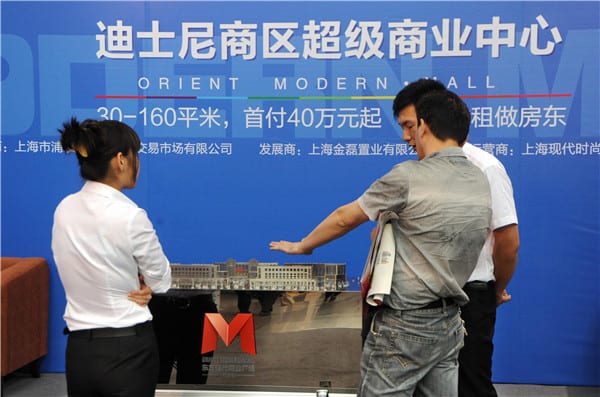
    Lu Jianxin, a real estate agent with Shanghai Huayu Property Ltd, has had some of his busiest business weeks in January since he joined the sector in 2002. Lu receives more than 50 phone calls every day asking him if he can find unoccupied retail properties near Shanghai Disney Resort, the long-anticipated multi-billion-dollar amusement project that is scheduled to open this summer (June).

    Typically, Lu tells his callers they should have acted earlier. “Supplies of retail properties are really limited now and prices have more than doubled in the past 12 months. Obviously, investors believe that even a 10 square meter space for a noodle stand will be really profitable if it is close enough to Disneyland,” said Lu.

    Disney Resort expected to bring realty-and-retail boom to Shanghai

    It’s not just business-minded people who are all excited about Shanghai Disney. Even 13-year-old Zhang Zihao in Hangzhou, Zhejiang province, can’t wait for Disney to open its gates. He has been saving his pocket money for a long time so he could visit Shanghai Disney Resort during the summer vacation.

    “The admission ticket price is expected to be announced this week. I have saved 500 yuan ($75.92) so far for the ticket alone, and another 1,000 yuan for dining and accommodation, and another 500 yuan for merchandise like stuffed animals, stationery, T-shirts and gifts for friends. That’s about 2,000 yuan in total.”

    The project has been under construction for more than six years now. Jun 16-that is, 6-16-2016-has been apparently chosen as the date of opening because the three 6s are believed to be auspicious, heralding success.

    Real estate professionals believe any success of Shanghai Disney Resort would entail all-round benefits for the area. For example, visitors in huge numbers would likely spark a retail boom in Shanghai.

    According to Centaline Property Agency, the average price of commercial properties within a 5 kilometer radius of Shanghai Disney Resort, including shops and restaurants, has grown more than 300 percent in the past five years.

    What used to cost some 20,000 yuan per square meter in 2011 would now command a price of more than 60,000 yuan per square meter. Some properties are even priced more than 72,000 yuan per square meter, about 50 percent higher than that of other suburban areas in Shanghai.

    The growth rate is among the highest for premier locations such as Nanjing Road, Huaihai Road and Lujiazui.

    In comparison, the average price of residential properties in the same area doubled from 20,000 yuan per square meter to 40,000 yuan per square meter in the same period, similar to that of the city’s average growth rate.