Retail News CRM

Tag: down

  • Meta’s Facebook, Instagram down for hundreds of thousands of users across globe

    Meta’s Facebook, Instagram down for hundreds of thousands of users across globe

    Meta Platforms-owned Facebook and Instagram were down for hundreds of thousands of users across the globe on Tuesday, according to outage tracking website Downdetector.com.

    The disruptions started around 10:00 am ET, with more than 300,000 reports of outages for Facebook and about 40,000 reports for Instagram, according to the website.

    “We’re aware people are having trouble accessing our services. We are working on this now,” Meta spokesperson Andy Stone said in a post on X social media.

    Meta’s status dashboard showed the application programming interface for WhatsApp Business was also facing issues. There were around 200 reports of outages for WhatsApp on Downdetector, which tracks outages by collating status reports from several sources, including users.

    The outage was among the top trending topics on X, formerly Twitter, with several users saying they had suddenly been logged out of the Meta-owned social media platforms.

  • iPhone 14 Pro Max price down 24%

    iPhone 14 Pro Max price down 24%

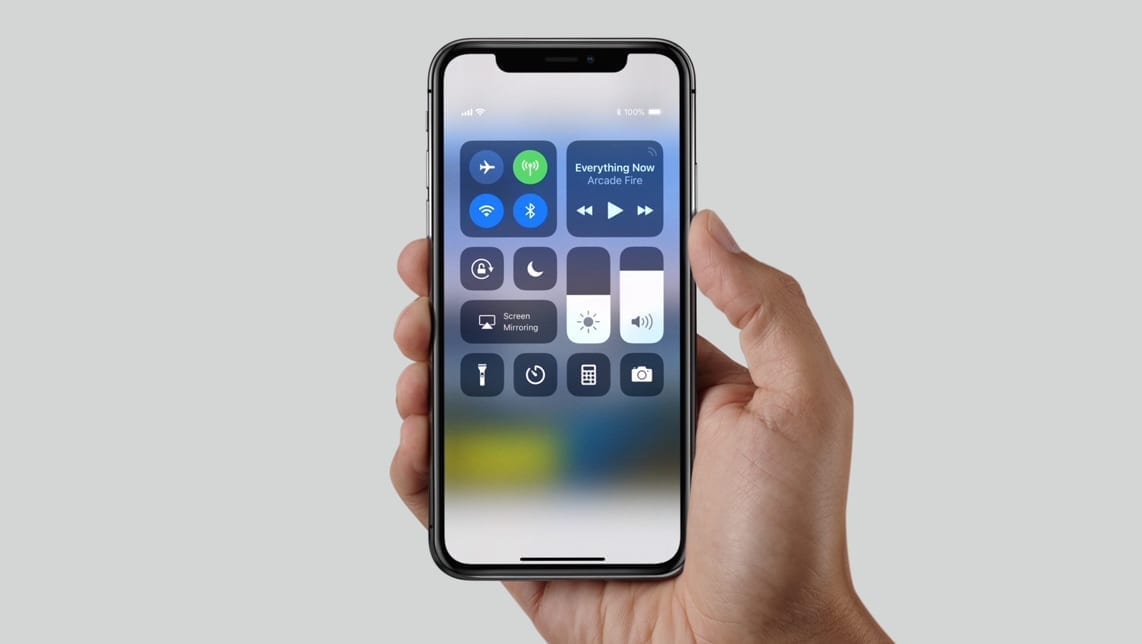
    After 10 months of being sold in Vietnam, iPhone 14 Pro Max has seen its selling price fall by 24% to VND25.7 million (US$1,089).

    In early August, some Apple authorized resellers (AARs) in Vietnam lowered the price of iPhone 14 Pro Max to less than VND26 million, the lowest since its launch in October 2022.

    Di Dong Viet is selling iPhone 14 Pro Max for VND25.7 million, Hoang Ha Mobile for VND25.9 million, CellphoneS and FPT Shop for VND26.4 million, and The Gioi Di Dong (Mobile World) for VND26.7 million.

    The current price of iPhone 14 Pro Max at AARs is some VND5 million lower than the smartphone sold at Apple Store Online Vietnam.

    Phung Phuong, a manager of Di Dong Viet, said the price decline stemmed from both Apple’s assistance given to AARs and their own efforts.

    Besides iPhone 14 Pro Max, other models of Apple have seen selling prices drop by VND300,000-500,000 per unit. The prices of iPhone 14, iPhone 14 Plus, and iPhone 14 Pro currently are at least VND18.5 million, VND21 million and VND23.6 million, respectively.

    The manager of a big AAR said the prices of iPhone 14 models have decreased the most drastically.

    After 10 months of being sold in Vietnam, the price of iPhone 13 Pro Max declined by 15.7% to VND26.9 million from VND31.9 million.

    The third quarter is always a quiet period for the market as users wait for a new model of iPhone, usually launched in September and sold in October in Vietnam.

    However, this year the price competition has become more intense, forcing AARs to offer big discounts to attract users.

    “This may be the bottom price of iPhone 14 Pro Max, and the price race is showing signs of ending,” a manager of Hoang Ha Mobile said.

    In addition to smartphones, AARs have lowered selling prices of other Apple products by VND0.5-1 million per unit to lure customers before the new school year starts in September.

    This year, AARs in Vietnam not only compete with each other but also with Apple when its online store is offering students many incentives and promotions.

  • Gold prices down

    Gold prices down

    SJC gold price fell 0.07% to VND67.35 million ($2,838.18) per tael Tuesday morning.

    Gold ring price was stable at VND57 million per tael.

    Globally gold prices rose on Friday after a slightly weaker-than-expected U.S. jobs report pushed the dollar and Treasury yields lower, offering some respite to bullion which was still on track for its worst week in six.

    Spot gold was up 0.4% at $1,940.86 per ounce by 2:52 p.m. Bullion, however, was down 0.9% so far this week.

    U.S. gold futures settled 0.4% higher at $1,976.10.

    “The jobs report has allowed the market to propose that the Federal Reserve is not as likely to raise interest rates. As a result, we’ve seen bond yields drop along with the dollar and that is certainly supporting the price of gold,” said David Meger, director of metals trading at High Ridge Futures

    Following the data, the dollar fell 0.5% against its rivals, making gold less expensive for other currency holders. Benchmark U.S. 10-year yields retreated from a nine-month high.

  • Facebook stock takes historic dive, after Zuckerberg claims Apple cost him $10B

    Facebook stock takes historic dive, after Zuckerberg claims Apple cost him $10B

    Facebook’s parent company Meta is currently undergoing one of the biggest stock price drops in the company’s history. Meta’s shares plummeted by more than 23% over the past 24 hours—which will ultimately result in Meta’s market cap crashing down by $210 billion, to about $689 billion.

    This comes as a direct result of Mark Zuckerberg’s disappointing earnings report on Wednesday evening, which revealed that the company had fallen below its projected earnings estimates for the last quarter of 2021. As a consequence, the company is forecasting another low-earning quarter in 2022.

    According to Zuckerberg’s lengthy post, Apple is largely to blame for the blow to the company’s revenue.

    He directly called out Apple and its App Tracking Transparency policy in his report, claiming that the tech giant’s privacy-friendly update in iOS 14.5 is going to end up costing Meta $10 billion, as the company is currently rebuilding its entire ad infrastructure in order to better target iOS users going forward.

    “Next up is ads,” Zuckerberg began. “With Apple’s iOS changes and new regulation in Europe, there’s a clear trend where less data is available to deliver personalized ads.”

    “But people still want to see relevant ads,” he continued, “and businesses still want to reach the right customers. So we’re rebuilding a lot of our ads infrastructure so we can continue to grow and deliver high-quality personalized ads.”

    As part of this restructuring process, Meta has announced that it will be an increasing focus on Instagram Reels—which have been becoming increasingly popular with users’ decreasing attention spans—as well as other investments that may prove profitable in the long run. A huge part of that is Meta’s grand plans to revolutionize the internet by introducing the Metaverse.

    Zuckerberg also revealed that for the first time in history, Facebook has seen a visible decline of active users on the platform during the fourth quarter of 2021. Yet the company is holding on to the hope that things will take a turn for the better with the new ad infrastructure, as well as project Metaverse.

  • Facebook, Instagram, WhatsApp, Messenger are all up again

    Facebook, Instagram, WhatsApp, Messenger are all up again

    If you’re having a problem using Instagram, WhatsApp, Messenger, and Facebook this morning, it’s not you. It’s them. subscribers to the two social media sites and the two messenger apps have been having problems refreshing their screens this morning as a worldwide outage is affecting those apps. These sites are also not working on desktop devices as well.

    If you’re wondering why those four sites are having problems at the same time, it might have slipped your mind that Facebook owns Instagram, Messenger, and WhatsApp. DownDetector shows that the outages started this morning at 11:45 am ET. The number of complaints about the loss of Facebook connectivity surged to 124,000 on DownDetector from 22 in just 30 minutes.

    Facebook was forced to turn to Twitter to issue a statement that says “We’re aware that some people are having trouble accessing our apps and products. We’re working to get things back to normal as quickly as possible, and we apologize for any inconvenience.”

    Facebook issuing a tweet to make an important statement about a major worldwide outage is like the CEO of Pepsi enjoying a Coke at lunch. Or imagine if Tim Cook was caught with the Samsung Galaxy S22 Ultra in his hands.

    Third-party experts believe that the problem is related to a change made to networking instructions that are used globally to access Facebook’s systems. It could take some time for everything to return to normal for Facebook and its apps. That’s because the outage has been described by DownDetector as “widespread and global in scale.

    An internal memo sent to all Facebook employees says that the company’s global security team “was notified of a system outage affecting all Facebook internal systems and tools.”

    Those familiar with what is going on inside the company say that the outage has also impacted Facebook’s internal systems as well as with voice calls and work apps used for calendar appointments. The office staff is reportedly communicating with each other via Zoom.

    In a company memo, Facebook’s global security operations center said that the outage was “a HIGH risk to the people, MODERATE risk to Assets and a HIGH risk to the reputation of Facebook.” There have been messages posted on social media that have tied today’s global outage with some of the scrutiny and bad publicity Facebook has recently received. On CBS-TV’s 60 Minutes newsmagazine, a Facebook whistle-blower named Frances Haugen, who worked on the company’s civic misinformation team, said Facebook would always choose “profit over safety.”

    Among those who enjoy passing along conspiracy theories, the timing of the outage seems suspicious having occurred the morning after Haugen’s interview on national television. Those who believe that the outage was created on purpose by Facebook say that the company didn’t want subscribers posting negative comments about.

    Instagram was acquired by Facebook in 2012 for $1 billion in a deal that many consider the most lucrative in tech history. Today, Instagram is valued at over $100 billion. A little more than two years later, Facebook closed on its acquisition of WhatsApp, a deal that was valued at over $21 billion by the time it closed.

    The outage has currently been going on for over five hours which is unusually long for such a service disruption. Tom Daly, a networking expert who co-founded internet company Dyn, explained this by noting that “They have a massive infrastructure with a massive amount of complexity and they have to resolve all of that complexity to recover.”

  • Pricerite closes stores, culls staff to weather downturn

    Pricerite closes stores, culls staff to weather downturn

    Furniture and housewares retail Pricerite has closed four stores and will cut staff and executive salaries as it rides out the combined impact of the protests and now the coronavirus on sales.

    Four stores have been closed, the company said in a statement, without identifying their locations. The leases on another eight stores are due to expire this year and management is evaluating which of these will be renewed.

    Store staff numbers have been reduced by 10 percent, but the company said this has not resulted in any effect on service quality.

    Wages of senior management have been cut by 20 percent and directors’ salaries by 40 percent, from now until May and June respectively. Logistic employees have been asked to take unpaid vacations.

    “Under the current economic downturn, the sales of local consumer goods such as furniture have been under great pressure,” said the chairman of Pricerite’s parent, Cash Group, Guan Baihao.

    “The flow of customers has been reduced by 30 percent in the past nine months under the influence of epidemics and social movements. The new retail model is convenient for customers to enjoy online shopping and delivery services. However, the supply of major furniture and household goods has also been affected by the impact of the epidemic, and the supply chain is almost terminated,” he said in a statement translated from Chinese.

    “Under the situation of severely affected supply and demand, if the economic situation does not improve in the short term, the group will be forced to take other measures, including further reduction of branches and layoffs.”

    Meanwhile, the company is negotiating with landlords for temporary rent relief.

    Baiho said the current series of cost-saving measures have gone far beyond the Sars crisis of 2003.

    Along with declining retail sales since the social unrest commenced last June, Buildings Department data shows that only 12,923 private homes were completed in the first 11 months of last year, a decrease of nearly 18 percent over the previous year and the lowest figures in three years. That in turn impacts on the sale of furniture.

    As of December 31, Pricerite had 28 branches across Hong Kong and employed 800 full- and part-time employees.

  • Jaguar Land Rover Sales Decline Last Month

    Jaguar Land Rover Sales Decline Last Month

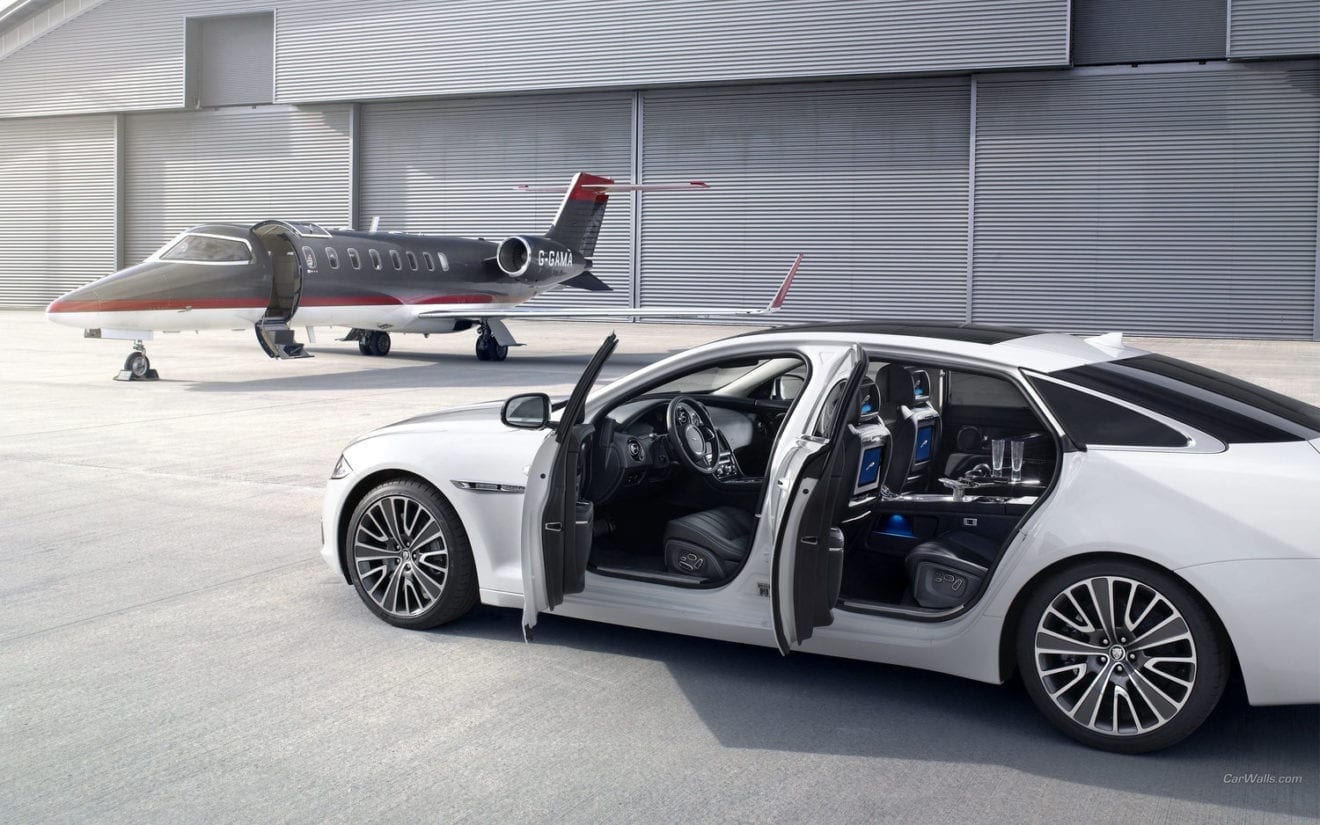
    UK-based auto giant Jaguar Land Rover (JLR) has posted a decline of 13.3 percent in sales for April 2019. The Tata Motors-owned automaker sold 39,185 units last month, a sharp decline in year-on-year volumes when compared to April 2018. The carmaker attributed to the weak demand for its vehicles largely due to the subdued market conditions in China. JLR, did, however, stated that sales of the new Jaguar I-Pace electric SUV and the new generation Range Rover Evoque continued to be encouraging during this period. Markets like the US and the UK also showed impressive growth last month.

    Felix Brautigam, Jaguar Land Rover Chief Commercial Officer, said, “Although this was a tough month for us due to continuing pressures in China, we are delighted to see good growth in the UK and the US. Once again we strongly outperformed the UK market and the US marked its best-ever April sales. This reflects the strength of our brands and continued demand for our unique and evolving product line-up. This month was a historic milestone for Jaguar, with the all-electric Jaguar I-PACE winning an extraordinary hat trick of awards – the 2019 World Car of the Year, World Car Design of the Year and World Green Car – which no car has ever done before.”

    He further added, “This is in addition to scooping the European Car of the Year and the China Green Car of the Year 2019 trophies, to name just a few of the accolades for the I-Pace. We continue to be encouraged by the market response to this incredible vehicle.”

    Retail sales increased in the UK by 12.1 percent, while in North America were raised by 9.6 percent. However, sales in China saw a dramatic drop of 45.7 percent. Sales in overseas markets also slowed down by 22.3 percent with retails in Europe down by 5.5 percent.  Jaguar retail sales in April 2019 stood at  11,462 units, a drop of 13.7 percent year-on-year, while Land Rover sold 27,723 units last month, a drop of 13.1 percent over the same period last year.

    Between January and April 2019, Jaguar Land Rover’s total retail sales stood at 198,101 units, down by 9.1 percent compared to the same period last year.

  • iPhone sales declined in every part of the World

    iPhone sales declined in every part of the World

    As Apple confirmed in its two most recent earnings calls, iPhone sales have been consistently down year-on-year since October. The Cupertino giant blamed this primarily on weak demand in China, but recent SEC filings show this isn’t the full story.

    Apple’s recent Form 10-Q filing with the SEC (US Securities and Exchange Commission) contains a detailed breakdown of performance over the past six months by both product category and geographical region.

    iPhone sales, as mentioned above, have been down for the past six months. The Greater China region which includes China, Hong Kong, and Taiwan has undoubtedly impacted Apple’s total shipments the most, but in actual fact, the company has been experiencing “lower iPhone unit sales in all the reportable geographical segments” since October. This has resulted in year-on-year revenue declines for all regions except the Americas (North and South America), with Greater China being the most affected followed by Europe and Japan.

    In almost every geographical segment, Apple’s lower iPhone shipments were partially offset by improved performance in other product categories. For example, in Europe, the company’s Services and Wearables businesses grew significantly, while over in Japan Services and iPad were key. In the Americas, however, strong Services and Wearables performance managed to entirely offset weak iPhone shipments and push year-on-year growth to a decent 4%.

    Taking a look at the company’s performance over the past three months rather than six, it seems as though Apple’s efforts in certain regions are finally beginning to pay off. Other markets, however, seem to be in decline.

    As mentioned by Apple in its recent earnings call, the company noticed improved demand in Greater China towards the end of the quarter. It didn’t elaborate on the matter, but it seems to have translated into slightly better financial results for the brand as, for the three months ending March 31st, the year-on-year sales decline was 22%. This is still pretty major, but it represents an improvement over the -25% average Apple has experienced in the region since October.

    Another region that has improved in Japan. Over the past six months, Apple’s sales have dropped an average of 2%, but throughout the first three months of 2019 sales were actually up 1%. Similarly, the Americas continued to experience growth throughout the past quarter.

    Moving on to Europe and the Rest of Asia Pacific, these two geographical segments didn’t fare as well. Since October, Apple has experienced an average revenue decline in these regions of 4% and 2% respectively. But during the first quarter of the year, these numbers nosedived to 6% and 9% due primarily to even lower iPhone demand.

    Regarding Apple’s performance throughout the rest of 2019, the Cupertino giant now appears confident that it can improve the situation in Greater China and ultimately slow down its year-on-year decline. Nevertheless, it’s still forecasting a drop for this current quarter and, with business in Europe and the Rest of Asia Pacific seemingly struggling, it’ll remain to be seen how Apple handles the situation.

    Towards the end of 2019, Apple’s next-gen iPhones should provide a decent boost to demand. However, analyst Ming-Chi Kuo recently predicted almost no growth. Instead, Kuo expects iPhone sales to pick up towards the end of 2020 as a result of the first 5G models which should feature modems from both Samsung and Qualcomm.

  • Tata Motors Group’s Global Wholesales Down By 5%

    Tata Motors Group’s Global Wholesales Down By 5%

    Tata Motors has officially come out with its global wholesale numbers for the month of March 2019, and the company has reported a 5 per cent de-growth. Last month, Tata Motors’ total wholesales, including Jaguar Land Rover sales, accounted for 1,45,459 vehicles, compared to the 1,53,114+ units sold by the company during the same month in 2018.

    The company’s passenger vehicle wholesales for the month stood at 88,314 units, witnessing a decline of 9 per cent, as against the 97048 vehicles sold during the same month last year. This also includes the combined global wholesales of Jaguar Land Rover and CJLR (JV between JLR and Chery Automobiles) which sold 70,171 vehicles in March 2019. CJLR contribution to this was 4,812 units. Furthermore, Jaguar wholesales for the month were 20,985 vehicles, while Land Rover wholesales for the month were 49,186 vehicles.

    On the other hand, global wholesales of all Tata Motors’ commercial vehicles and Tata Daewoo range in March 2019 reached up to 57,163 vehicles. The company bagged a marginal growth of 1 per cent in commercial vehicle sales, compared to the 57,740 vehicles sold in March 2018. As for the company’s performance in India, Tata Motors’ CV and PV sales combined, accounted for 68,709 units, witnessing a drop of 1 per cent, against the 69,409 units sold in March 2018.