Retail News CRM

Tag: duty

  • EU Imposes New €3 Duty on Chinese E-commerce Imports, Shaking up Online Retail Giants

    EU Imposes New €3 Duty on Chinese E-commerce Imports, Shaking up Online Retail Giants

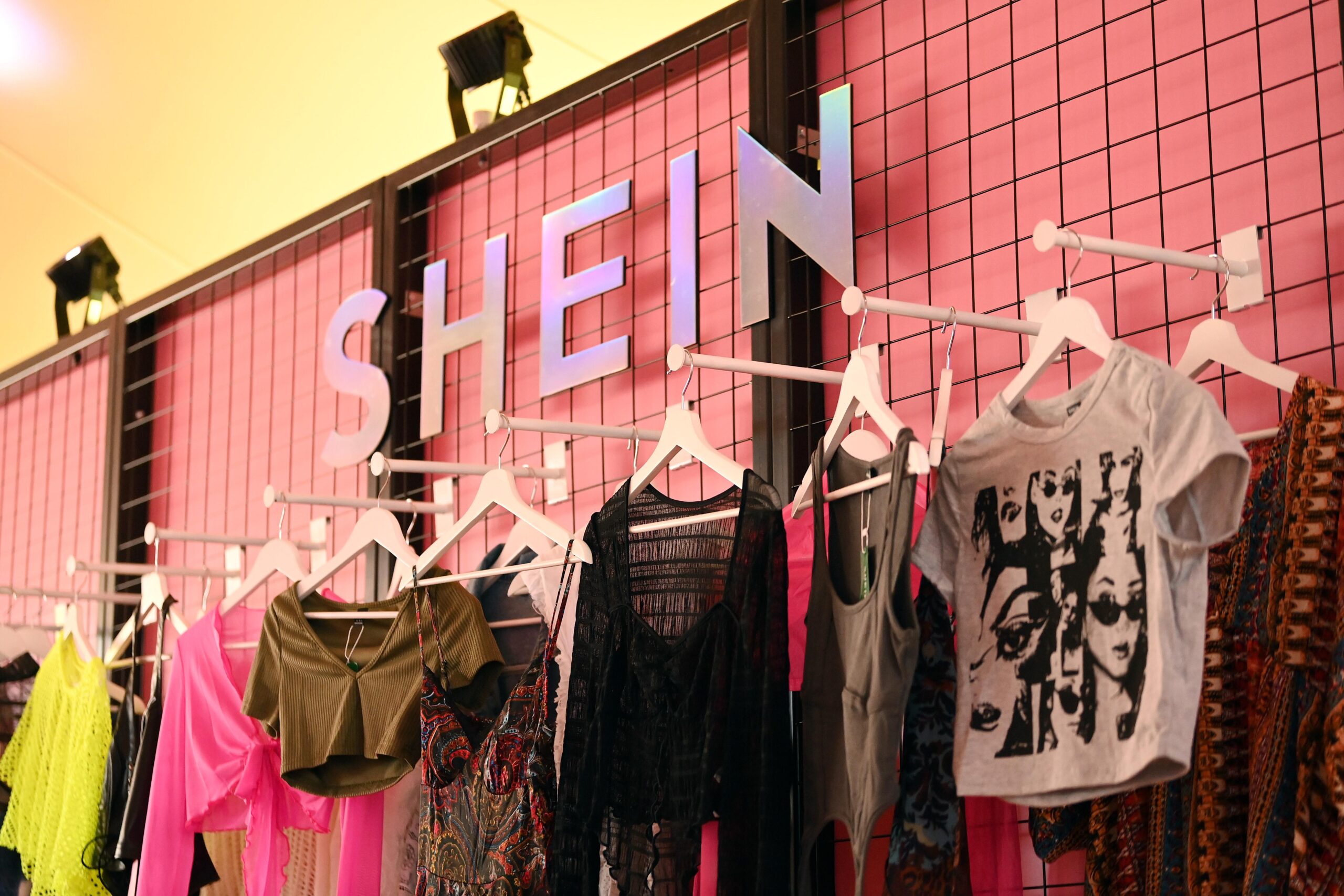
    As part of its agenda to curb perceived unfair competition from online retailers like Shein, Temu, and AliExpress, Europe has initiated a €3 charge on low-value e-commerce imports from China that were previously duty-free. This move constitutes a significant challenge for platforms which leveraged customs exemptions in order to offer goods at extremely competitive rates, driving fast-paced growth. The new charges, effective since Wednesday, apply to each customs classification within a shipment. For instance, the total fee for a shipment with three different item categories would be €9, while a single-category shipment, such as multiple dresses or toys, will cost €3.

    Duty Exemptions and e-Commerce

    Duty exemptions for low-value imports have been a norm for many years, with the current threshold of €150 introduced in 2008. However, the surge in the number of e-commerce parcels entering the European Union under exemption rules has led to a rethink. The number of such parcels increased from 1.4 billion in 2022 to 5.8 billion by 2025. Dirk Gotink, an EU lawmaker spearheading customs reform in the European Parliament, argued that these exemptions were manipulated on an industrial scale to secure a competitive edge at the expense of EU businesses. He stated that the old trading world, which justified these exemptions, has been upended by the rise of e-commerce, particularly from China.

    Impact on Air Cargo and Consumer Prices

    In the aftermath of this decision, experts predict that e-commerce air cargo volumes to the EU could decrease by 10% to 35%. This could have wider repercussions on global air cargo volumes. Online platforms may also pressurize suppliers to offset some of the additional costs to avoid significant price hikes for consumers and maintain profitability.

    The €3 charge is a temporary measure, slated to be replaced by category-specific duties from July 1, 2028, in accordance with the new EU Customs Authority’s operational timeline. Consumer prices are likely to increase as platforms pass on some of the additional costs to buyers. Amazon, after its rival platforms Temu and Shein’s rapid growth, has argued that 97% of its EU shipments last year were delivered from warehouses within the bloc.

    Questions & Answers

    What is the new charge imposed by Europe on low-value e-commerce imports from China?
    A €3 fee has been imposed on each customs classification within a shipment of low-value e-commerce imports from China.

    What was the reason behind the implementation of this new charge?
    The charge is designed to curb what Europe perceives as unfair competition from online retailers who leveraged customs exemptions to offer goods at extremely low prices.

    How might this charge impact consumers?
    With the imposition of this charge, consumer prices are likely to increase as platforms pass on some or all of the additional costs to buyers.

  • Malaysia Rattles Bullion Trade with 10% Duty on Gold Bar Imports

    Malaysia Rattles Bullion Trade with 10% Duty on Gold Bar Imports

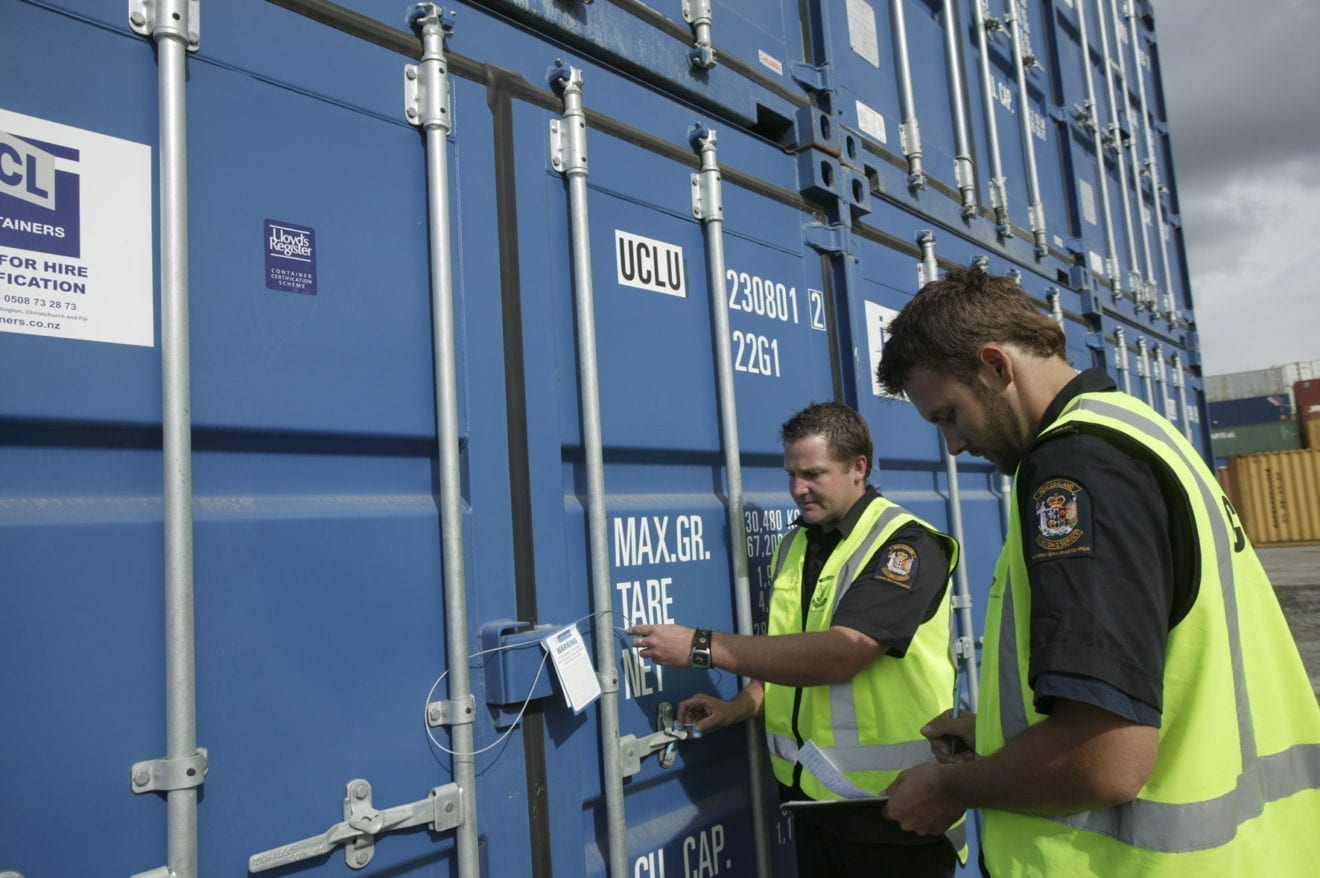
    In the latest regulatory development, Malaysia has imposed a 10% import duty on certain inbound shipments of gold bars. This unexpected decision has jolted the nation’s gold trade, with effects felt since early May, as per anonymous reports from traders and dealers. Consequently, some shipments have been detained at customs or rerouted due to the absence of a corresponding rise in local gold prices, which rendered the imports unprofitable.

    The Impact on Customers

    Bank Muamalat Malaysia, a local Islamic bank offering gold investment products, has stated that the imposition of a 10% import tax on bullion will inevitably be transferred to customers. This could lead to a considerable price hike for investors. For instance, purchasing a one-kilogram bar via a Malaysian bank after June 8 could cost approximately MYR45,000 (US$11,300) more than it would have a week before.

    A representative from the Royal Malaysian Customs Department has noted that the Ministry of Finance plans to discuss the issue of “minted gold products” imports with industry leaders.

    Increasing Interest in Gold

    The value of gold surged to a record high earlier this year, stoking investor interest in the precious metal, including in Asia. In response to this trend, several Malaysian banks have debuted gold investment products over the past year. Furthermore, bullion logistics firm, Loomis AB, has established a vault near the nation’s capital to cater to the growing demand.

    According to the country’s Department of Statistics, Malaysia imported around US$2.5 billion worth of non-monetary gold up until April this year.

    This move by the Malaysian government mirrors a similar abrupt shift in import policies in India, the world’s second-largest gold and silver market. This change has yielded a domino effect across its metals and currency markets.

    Questions & Answers

    How has Malaysia’s imposition of a 10% import duty on gold bars affected the bullion trade?
    This move has disrupted the bullion trade, with some shipments being held at customs or diverted due to the increased cost, which, without a corresponding rise in local gold prices, made the imports unprofitable.

    What is the likely impact of this decision on customers?
    Bank Muamalat Malaysia has indicated that the imposition of this import tax will eventually be passed on to the customers, leading to increased prices for investors.

    Has there been a change in the demand for gold?
    Yes, there has been a growing interest in gold, spurred by its record high value earlier this year. In response, several Malaysian banks have launched gold investment products, and bullion logistics company, Loomis AB, has opened a vault near the country’s capital.

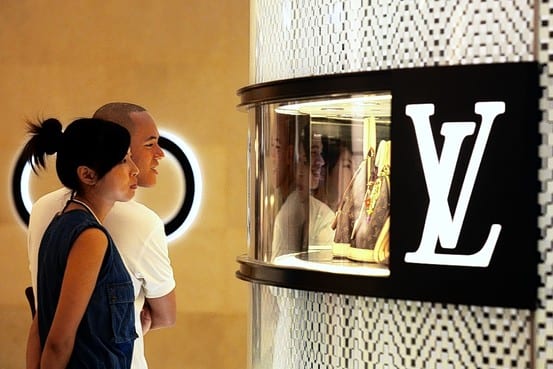
  • CTG Duty Free Acquires DFS: LVMH’s Strategic Luxury Retail Sale Boosts China’s Travel Market

    CTG Duty Free Acquires DFS: LVMH’s Strategic Luxury Retail Sale Boosts China’s Travel Market

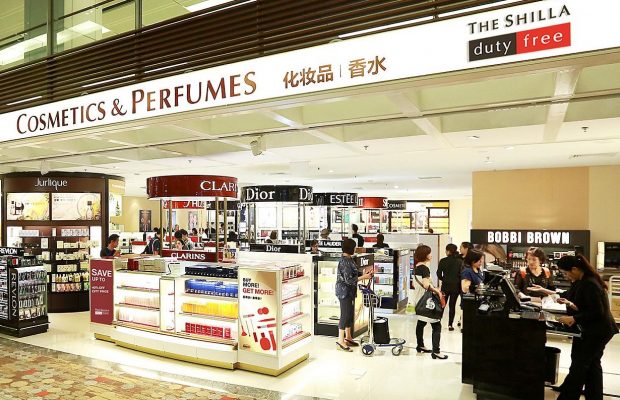
    Global luxury travel retailer DFS, which is owned by LVMH and Robert Miller, DFS’ co-founder and shareholder, has revealed they are set to sell their retail business across Greater China to the China Tourism Group (CTG) Duty Free. According to the agreement, CTG Duty Free is set to acquire businesses in Hong Kong, Macau, and Greater China.

    Acquisition of DFS Brands

    Aside from acquiring businesses, CTG Duty Free will also obtain a variety of DFS brands and intellectual properties exclusively for usage across Greater China. The proceeds from this transaction will be received in cash. Post-transaction, DFS will maintain operations of its other luxury travel retail businesses worldwide.

    Luke Chang, executive director and president of CTG Duty Free, shared that this move is expected to broaden the service network of CTG Duty Free across the Greater Bay Area. The goal is to establish a platform for promoting China-influenced brands globally while setting up an international business mid-platform.

    Chang also emphasized CTG Duty Free’s commitment to provide superior travel retail experiences to both domestic and international tourists. This aligns with their responsibility as a central state-owned enterprise-controlled listed company to facilitate the high-quality development of the retail economy in Hong Kong and Macau.

    A Significant Step for DFS

    DFS has described the sale as a significant step for the company. Ed Brennan, chairman and CEO of DFS, stated that the company is proud of its well-established presence and operational excellence in Hong Kong and Macau. The DFS shopping experience is expected to improve and progress with the fresh skills and perspectives that CTG Duty Free will introduce.

    Michael Schriver, president of LVMH for North Asia, expressed that the move highlights LVMH’s confidence in the long-term potential of the Chinese market. The transaction is anticipated to be finalized in approximately two months.

    Questions & Answers

    What is the agreement between DFS and CTG Duty Free about?
    The agreement is about the sale of DFS’ retail business across Greater China to CTG Duty Free.

    What will CTG Duty Free acquire from DFS?
    CTG Duty Free will acquire businesses in Hong Kong, Macau, and Greater China as well as a series of DFS brands and intellectual properties for exclusive use in Greater China.

    What will be the impact of this transaction on DFS?
    After the transaction, DFS will continue to operate its other luxury travel retail operations worldwide. The sale is seen as an important step for DFS and is expected to enhance the shopping experience they offer with new skills and perspectives from CTG Duty Free.

  • Malaysia reviewing palm oil export duties

    Malaysia reviewing palm oil export duties

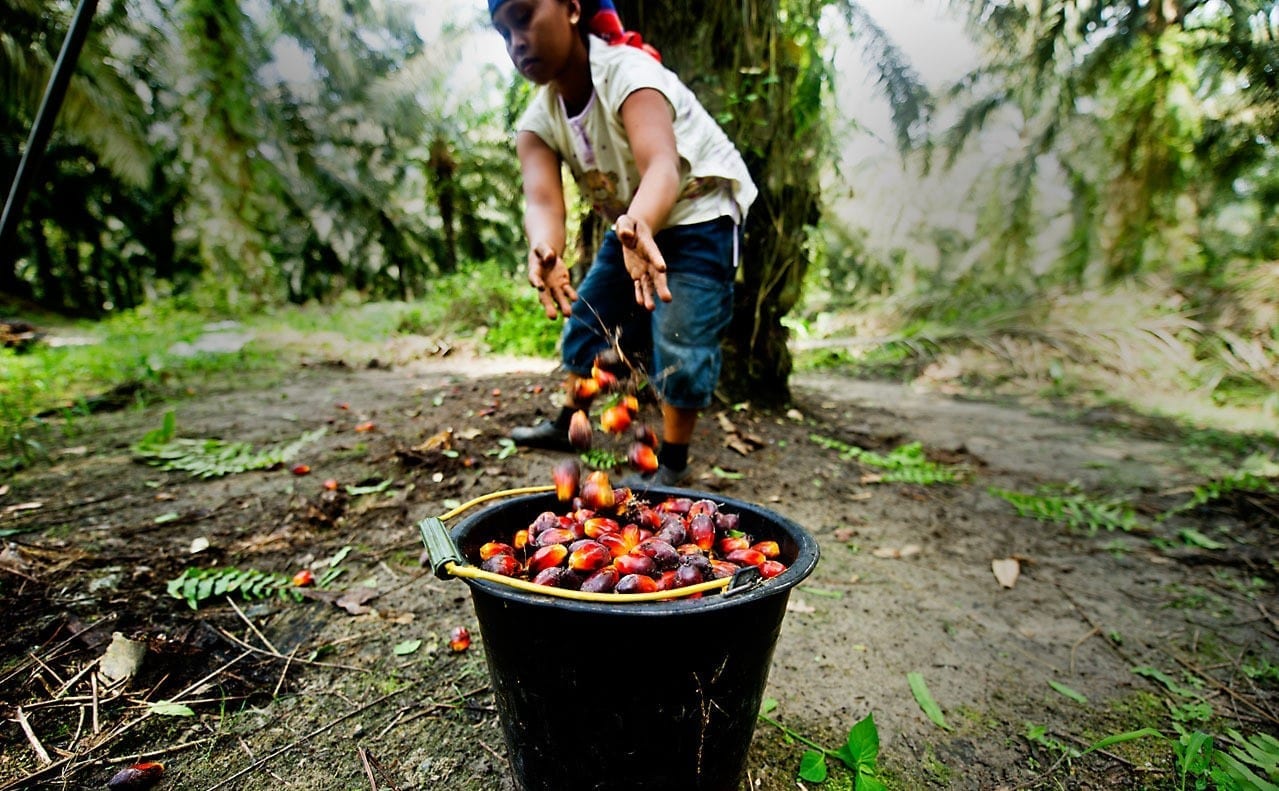
    Malaysia, the world’s second-largest palm oil producer, is reviewing the duty structure for its exports of the edible oil, according to its minister in charge of agriculture produced for export, to boost demand and reduce burgeoning stockpiles.

    “We are currently reviewing our present export duty structure to ensure a level playing field in the market,” said Primary Industries Minister Teresa Kok in an emailed response today to questions submitted earlier by Reuters.

    Palm oil producers in Southeast Asia have been grappling with slow exports as demand has waned on weaker currencies and higher import taxes. The demand slump has caused inventories in Malaysia to build to their highest in nearly 18 years while stockpiles in Indonesia, the world’s biggest palm producer, have also climbed.

    Palm oil prices fell to their lowest in three years earlier this month amid the demand slump, and were down 0.9% at RM2,108 a tonne today morning.

    Despite Malaysia cutting its export tax on crude palm oil to zero since September, industry participants say Indonesian palm is still more competitive as the country’s producers have sharply discounted their prices, causing Malaysia to actually increase imports from Indonesia. Production costs in Indonesia are also typically less than in Malaysia.

    Earlier this month, Indonesia also eased its rules on palm oil levies and derivative products to boost its exports.

    To counter the Indonesian import, Kok said the government is “currently encouraging our companies to use domestically produced palm oil to reduce the stockpile.”

    “By reducing imports, we could see a significant reduction in palm oil stocks in Malaysia and this would boost prices.”

    Prices next year are expected to be supported by demand from traditional markets as they replenish stocks, said Kok, adding that the implementation of a higher biodiesel mandate in 2019 will also help palm prices.

    Malaysia will raise the minimum bio-content in biodiesel to 10% for the transport sector and 7% for the industrial sector.

    Kok also said she expected production “in the region of 20 million tonnes” in 2019. The government last month forecast output of 20.5 million tonnes for 2019 and 19.8 million tonnes for this year.

  • Korean duty-free sales to see first drop in 14 years

    Korean duty-free sales to see first drop in 14 years

    “The Korean duty-free industry may see a drop in on-year annual sales in 2017, which would make it the first decline in 14 years, according to data from the customs regulator Sunday.”

    Since the outbreak of the Severe Acute Respiratory Syndrome virus in 2003, the duty-free industry had seen steadily rising sales until last year.

    Especially in 2016, sales had risen sharply to 12.3 trillion won (US$10.83 billion), breaking the 10 trillion-won mark thanks to the popularity of Korean music and dramas and heavy marketing aimed at the Chinese market by duty-free operators.

    However, those numbers had been heavily reliant on large tourist groups from China which were brought to downtown duty-free outlets by travel agencies. This demand spiraled down beginning in mid-March when Beijing imposed an unofficial ban on travel packages to Korea.

    The loss of inbound traffic from China took a heavy toll on duty-free operators such as Lotte Duty Free, who had previously pulled in up to 70 percent of its revenues from Chinese tourists.

    The blow was even harder for newer duty-free operators who do not have the brand power of industry leaders Lotte and Shilla, and are heavily dependent on tourist groups.

    Earlier this month, Hanwha Galleria announced that it would be returning its permit to operate a duty-free outlet at Jeju International Airport due to continued losses.

    The move followed months of repeated bidding for the fashion and accessories duty-free area of the second terminal at Incheon International Airport, which eventually went to Shinsegae DF after Incheon Airport agreed to lower the rent prices by 30 percent.

    Recent developments have indicated a sharp turn away from the optimism that had previously surrounded the duty-free industry, which had led to intense bidding wars between operators to win licenses for downtown outlets.

    Analyst Choi Min-ha wrote for Korea Investment & Securities that this year‘s annual sales for the duty-free sector was likely to reach around 10.5 trillion won, marking the first drop since the SARS crisis.

    “Although numbers of Koreans leaving the country are rising, they are not enough to make up for the losses from Chinese tourists,” Choi said.

  • Indonesia asks New Zealand to lower import duty

    Indonesia asks New Zealand to lower import duty

    Indonesia has asked New Zealand and Australia to lower import duties on two export products from Indonesia-herbicides and insecticides-from 5 percent to zero percent under the ASEAN-Australia New Zealand Free Trade Agreement (AANSFTA).

    “To increase trade with Indonesia, import duties for herbicide and insecticide, which are high at 5 percent need to be made zero percent,” said Industry Minister Airlangga Hartarto here on Thursday.

    Airlangga said this after holding a meeting with the Ambassador of New Zealand to Indonesia, Trevor Matheson at the Industry Ministry Building, Jakarta.

    Meanwhile, the Director General of Security and Development Access International Industry, Ministry of Industry, Harjanto explained, there are two ASEAN member countries that export herbicide and insecticide to New Zealand, namely Indonesia and Malaysia.

    Unfortunately, since the cooperation agreement has been in force, the import duty for Indonesian products is higher than for Malaysia, which is zero percent.

    This makes the products from Malaysia more competitive than the products from Indonesia.

    “Herbicide and insecticide is used by New Zealand for work on the farm. We hope products from Indonesia can be as competitive as from Malaysia through the liberalization of this market,” said Harjanto.

    Harjanto speculated that outside the AANZ FTA agreement, Malaysia and New Zealand have other agreements, which allow import duties for Malaysian products to be zero percent.

    According to data from the Industry Ministry, trade value between Indonesia and New Zealand reached US$1.07 billion, of which Indonesia is experiencing a deficit of US$200.8 million.

    Harjanto hoped that with zero percent import duty, the trade balance between Indonesia and New Zealand would become more balanced, so that cooperation between the two countries can be strengthened further.

  • China duty cuts details released

    China’s mainland government will halve duties on imported clothing, accessories, skincare products and nappies from Monday June 1.

    The China duty cuts were first flagged early this month as Beijing’s lawmakers sought a way to revive flagging retail sales growth and encourage locals to spend more at home rather abroad.

    The cuts are aimed at incentivising travellers to purchase luxury goods from local retailers rather than abroad, and discourage cross-border trading, especially through Hong Kong.

    The duty cuts average 50 per cent and will go a long way towards addressing an imbalance where mainlanders can pay as much as 40 per cent premium on foreign made goods due to import duties and other taxes.

    While the biggest impact of the duty cuts will be on luxury goods, Hong Kong’s border traders and cosmetics and personal care chains will take a significant hit. The mainland government has already clamped down on cross-border runs, limiting mainlanders to one trip a week to Hong Kong. That has reduced sales of nappies, cosmetics and infant milk formula in Hong Kong, for resale in Shenzhen and beyond.

    Hong Kong General Chamber of Pharmacy committee member Cheung Tak-wing told the South China Morning Post that local pharmacies had seen sales drop by one-fifth in April year-on-year. Drugstores in the northern district were hardest hit by the loss of bulk buyers from across the border.