Retail News CRM

Tag: economy growth

  • Vietnam Poised to be Southeast Asia’s Second-Largest Economy by 2036

    Vietnam Poised to be Southeast Asia’s Second-Largest Economy by 2036

    Vietnam Set to Become the Second Largest Economy in Southeast Asia by 2036

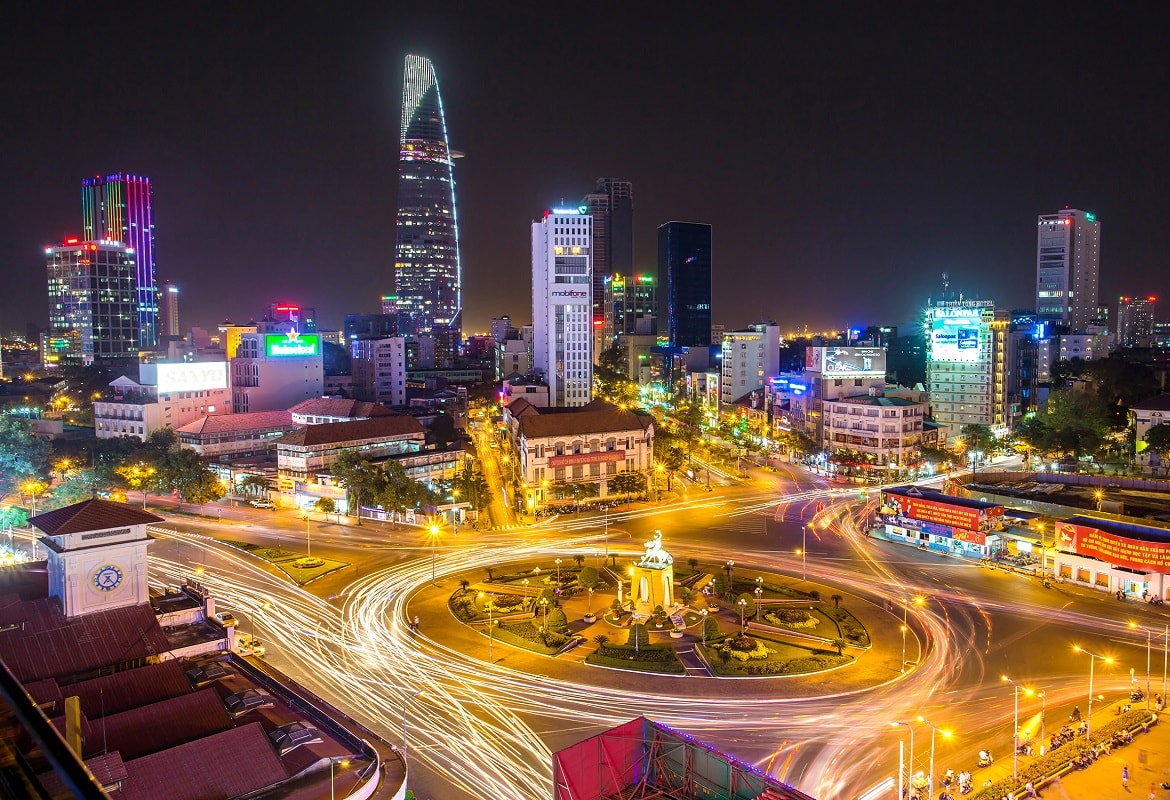
    In a groundbreaking projection by the Center for Economic and Business Research (CEBR), Vietnam is anticipated to climb the ranks to become the second-largest economy in Southeast Asia, trailing only Indonesia, by 2036. Additionally, this robust growth trajectory is expected to catapult Vietnam into the 20th slot in the global economic standings.

    Remarkable Economic Growth

    According to the latest CEBR report titled “World Economic League Table 2022,” Vietnam’s rise has been meteoric. Since the inception of the Đổi Mới (Renovation) reforms in the mid-1980s, the nation has seen a tremendous transformation from a low-income to a lower-middle-class economy. These reforms, combined with favorable global economic trends, have set the stage for Vietnam’s success.

    Today, Vietnam is boasting a purchasing power parity adjusted GDP per capita of US$11,608, a testament to its relentless pursuit of economic advancement. The nation is ambitiously aiming for high-income status by 2045, which requires maintaining a robust annual growth rate of around 5% per capita.

    Navigating Through Challenges

    Despite its impressive growth, Vietnam faces significant hurdles on its path to becoming a high-income nation. Issues such as the declining global trade landscape, the impending impacts of automation, and the challenges posed by climate change necessitate vigorous policy reforms, especially in vulnerable sectors.

    Moreover, with a demographic trend towards an aging population, Vietnam is pressed to strategically manage its human resources and health care systems to maintain its economic momentum.

    Positioning for the Future

    By 2036, Vietnam’s position in the CEBR’s World Economic League Table is expected to leap from 41st to 20th place, a remarkable rise reflecting the country’s economic resilience and strategic planning.

    Implications for the Retail Sector and Consumers

    Vietnam’s ascent in the economic rankings hints at burgeoning opportunities within the retail sector and significant shifts in consumer trends. As the economy grows, retail markets are likely to expand, bringing in new brands and increasing consumer purchasing power. This growth presents a considerable opportunity for international retailers and local businesses alike to tap into a vibrant, emerging market. The enhancements in Vietnam’s economic landscape could redefine consumer behavior and retail dynamics in Southeast Asia, making it a focal point for brand expansion and a hotspot for economic activity.

  • 2 Reasons Why Indonesia’s Economy Could Grow Much Faster Than Singapore’s

    2 Reasons Why Indonesia’s Economy Could Grow Much Faster Than Singapore’s

    The World Bank had recently released its October 2016 edition of the Indonesia Economic Quarterly (IEQ), titled, Pressures Easing. In the report, which goes through the state of Indonesia’s economy, the World Bank shared a few pillars that are supporting the growth of the country’s economy.

    The World Bank’s latest projections are for Indonesia’s economy to expand at 5.1% in 2016. This compares favourably to Singapore’s expected economic growth rate of 1% to 2% this year.

    Here are some of the pillars the World Bank shared in its report:

    1. Higher tax revenue from tax amnesty

    Indonesia’s government had rolled out a tax amnesty program in June this year that is scheduled to run till next March. The tax amnesty program has been highly successful so far and has already gathered IDR 93.4 trillion (around US$7 billion) in revenue for the Indonesian government in the first phase alone.

    The revenue was higher than estimated. The World Bank thinks that the additional revenue is “expected to raise capital spending and hence have a positive impact on Indonesia’s growth.”

    2. Effective social policies and plans for tourism growth

    The better fiscal position of the Indonesia government is not the only pillar supporting growth for Indonesia.

    The World Bank thinks it is possible that the Indonesian government’s policies that stabilised rice prices and expanded social assistance programs over the past few years have helped reduced Indonesia’s poverty rate by 0.4 percentage points in the first-quarter of 2016.

    Indonesia is also looking to boost the appeal of its tourism sector by attracting US$10 billion in private investments for tourism by 2019. Data from the World Travel and Tourism council show that every US$1 million spent on tourism in Indonesia helps support 200 jobs and US$1.7 million in GDP (gross domestic product).

    There are a number of stocks in Singapore’s market with heavy exposure to Indonesia’s economy and one of them is Lippo Malls Indonesia Retail Trust, a real estate investment trust that owns retail malls and spaces in Indonesia. Since the start of the year, Lippo Malls Indonesia Retail Trust’s unit price has climbed by 22%.

  • Here’s why Singapore can depend on F&B industry for economic growth

    Here’s why Singapore can depend on F&B industry for economic growth

    It contributes $14.4b to the city-state’s GDP.

    The food industry has done more than relieving hunger as it has also made huge impact in the overall economic growth of Singapore, contributing a bulk to the city-state’s GDP.

    According to the Food Industry Asia report by the Oxford Economics, F&B industry contributes an estimated $14.4 billion to GDP and employs nearly 300,000 people.

    The study revealed that overall impact of the food industry is dominated by food distribution.

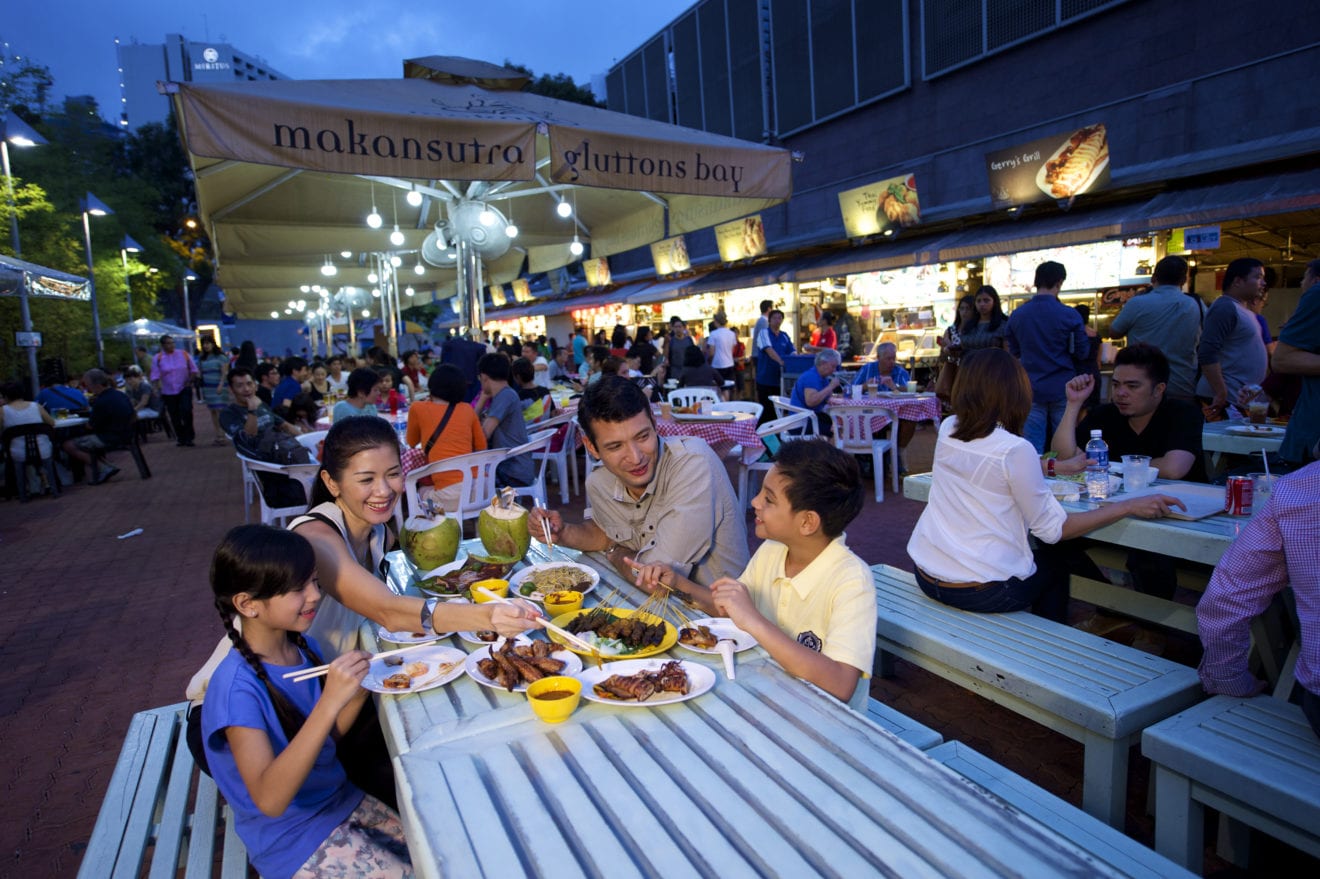
    “The wholesale and retail of food, along with activities linked to Singapore’s 6,700 food service locations (which include restaurants, coffee shops and street hawker stands) account for two-thirds of the food industry’s GDP contribution, and four-fifths of the employment it supports,” the study said.

    Meanwhile, the food manufacturing industry has also made a huge impact on Singapore’s GDP, with its direct support for 38,800 jobs.

    In 2014, the food manufacturing industry earned S$9.8 billion from sales in Singapore.

    More so, food manufacturers’ supply chain spending within Singapore supported $1.6 billion of domestic procurement, $610 million of GDP, 6,100 jobs, $31 million in tax revenues, and S$37 million in Central Provident Fund contributions in the same year.

    “Based on the report’s findings, the food manufacturing industry is equivalent in size to Singapore’s aerospace industry, and larger than industries such as speciality chemicals, petrochemicals, medical technology and land transport engineering,” the study noted.