Retail News CRM

Tag: entry

  • Casino Operators Battle Proposed Doubling of Monthly Entry Fees to $1,900: A Game Changer?

    Casino Operators Battle Proposed Doubling of Monthly Entry Fees to $1,900: A Game Changer?

    Casino operators are voicing their concerns over a proposed plan by regulatory bodies to increase the monthly casino entry fee to VND50 million ($1,900). Some operators suggest this amount should instead be set as the annual entry fee.

    Increased Entry Prices

    The Ministry of Finance is currently inviting feedback on an initiative to raise the entry fees for casinos. The proposal also includes an increase in the price of a one-day ticket by 2.5 times to VND2.5 million. At the moment, there is no option to purchase annual tickets.

    The Ho Tram Project Company, the entity operating the Ho Tram Casino in Ho Chi Minh City, has put forward a suggestion for the introduction of an annual ticket at a cost of VND50 million, with no changes to the existing rates. This initiative would equate to approximately VND4.2 million per month, or 16.8% of the present VND25 million. The company states that this pricing structure aligns with that of Singapore, where visitors pay VND3 million for a 24-hour pass and VND60 million for an annual pass.

    The Corona Casino, located on Phu Quoc Island, has proposed fixing the one-day ticket price at VND1.5 million, with a VND35 million monthly pass. These prices are 30-40% lower than the new proposed rates.

    Opposition to the Proposal

    The ministry, however, has dismissed both proposals, arguing that increased pricing is necessary to dissuade individuals with insufficient funds from engaging in gambling activities. The Ministry of Justice previously stated that using entry prices as a measure of a player’s finances is not an effective approach.

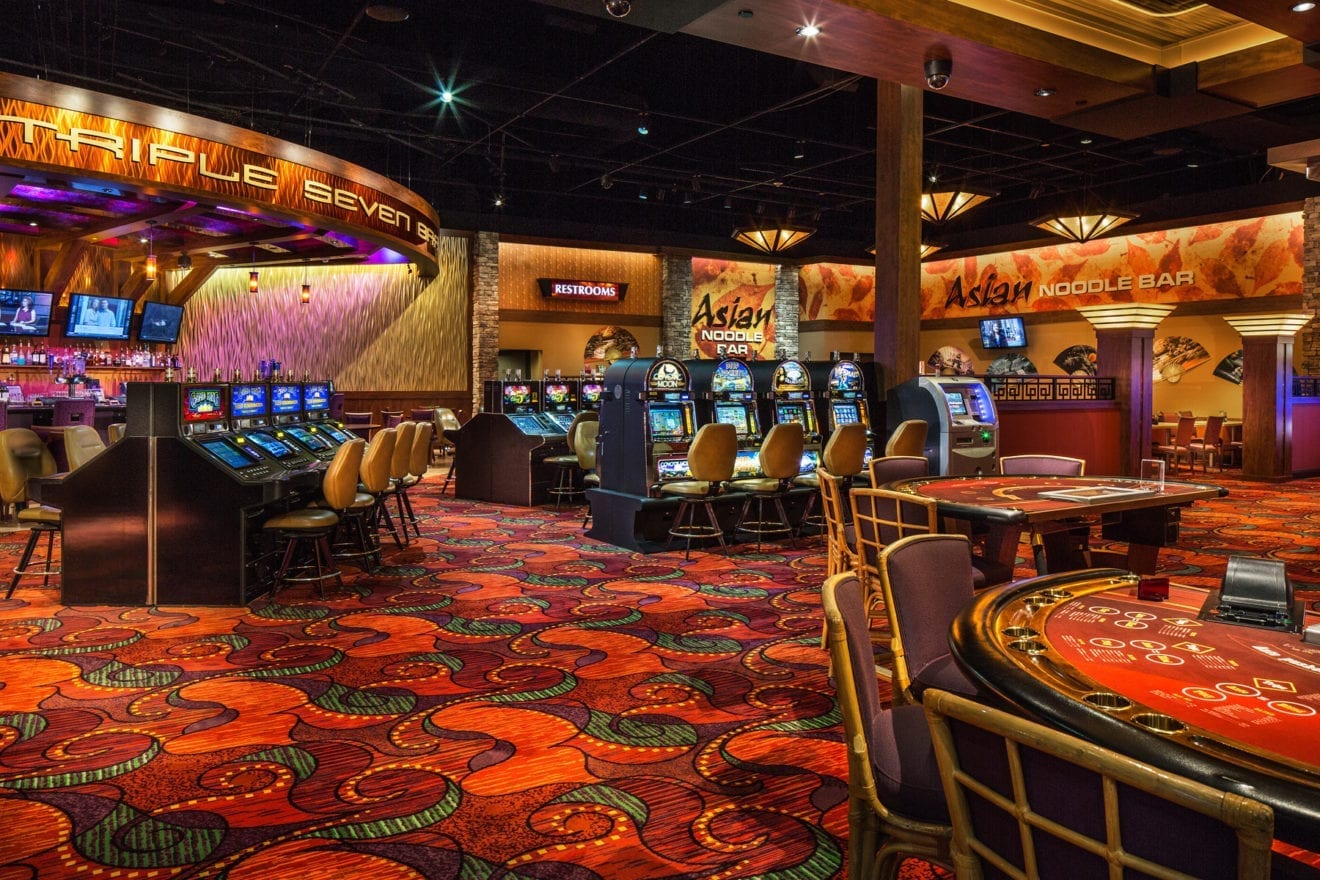
    At present, Vietnamese citizens are permitted to enter three casinos, the third being the Van Don Casino in Quang Ninh province near the Chinese border. Vietnam has six other casinos; however, these are exclusively open to foreign visitors, as the government continues to maintain strict control over the gambling industry.

    The Phu Quoc casino, which is operated by a subsidiary of Vingroup, was the pioneer in allowing local entry through a pilot program initiated in 2016. The venue houses 1,470 slot machines and 147 gaming tables. Over the past five years, Vietnamese patrons have made up 52% of the casino’s clientele and contributed to 88% of its revenue. However, these figures have seen a downward trend following the Covid-19 pandemic, with local patronage dwindling to a mere 12% last year.

    Questions & Answers

    Why have casino operators objected to the proposed increase in entry prices?
    Casino operators argue that the suggested price hikes could deter visitors, leading to a decrease in revenue. They propose that these increased fees should instead be applied to annual tickets.

    Why does the Ministry of Finance believe higher entry prices are necessary?
    The Ministry of Finance maintains that increased entry prices are a means to discourage individuals who may not have sufficient financial resources from indulging in gambling activities.

    Why have the numbers of Vietnamese patrons at the Phu Quoc casino decreased since the onset of the Covid-19 pandemic?
    The reduction in local patronage may be due to factors such as economic hardship caused by the pandemic, increased health concerns, and the implementation of social distancing measures.
  • South Korean Retailers Innovate To Welcome Returning Chinese Tour Groups Amid Changing Consumer Trends

    South Korean Retailers Innovate To Welcome Returning Chinese Tour Groups Amid Changing Consumer Trends

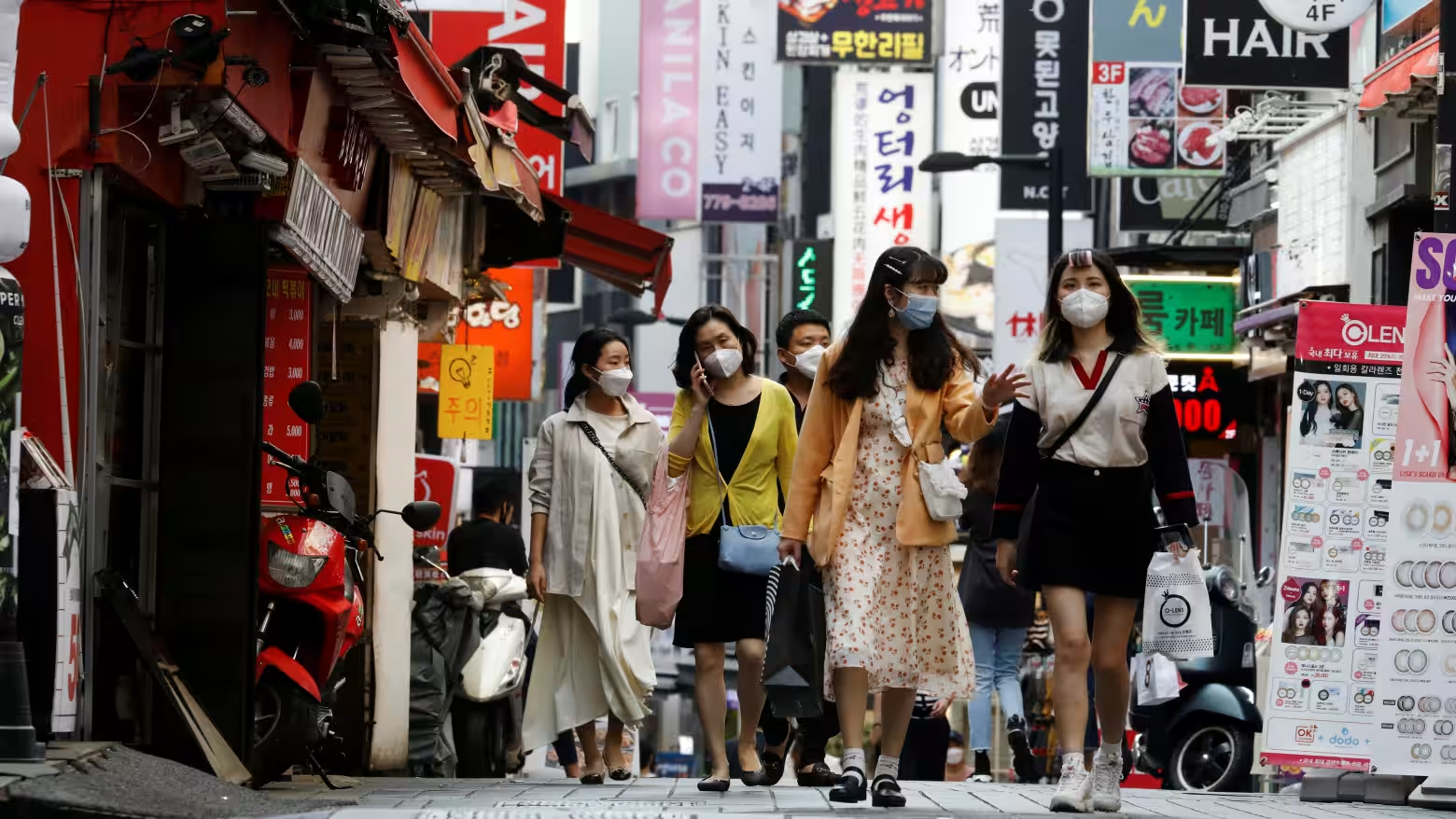
    As South Korea prepares for the much-anticipated return of Chinese tour groups from September 29, retailers are taking proactive measures to welcome them. To cater to these visitors, who will be allowed visa-free entry, a wave of new promotions is on the horizon, and retailers are expanding their product ranges. Instead of focusing solely on luxury cosmetics, retailers are branching out to incorporate fashion, lifestyle, and even convenience store exclusive items.

    Change in Chinese Tourists’ Preferences

    In the mid-2010s, Chinese travelers, often referred to as “Youke,” were known for their bulk purchases of high-end skincare products. However, recent industry data indicates a significant shift in their preferences. Currently, eyewear brands such as Gentle Monster, K-fashion labels, health foods, and lifestyle goods are gaining popularity among these travelers.

    Retailers’ Innovative Strategies

    In response to these changing demands, Lotte Department Store has launched curated boutiques as part of the “Kinetic Ground” platform. These boutiques will feature trendy domestic brands. In addition, the department store’s duty-free branch has plans to inaugurate a new “K-Beauty Hall” in Myeongdong, accompanied by an expansion of local specialty food offerings.

    Shinsegae Department Store is orchestrating a “Global Shopping Festa” around the Chuseok holiday, with a focus on categories popular with foreign shoppers. Convenience chains are also making preparations. GS25 is advertising Greek yogurt, highballs, and K-pop albums as emerging favorites. They have even released a “K-Convenience Store Guidebook,” presenting product rankings and celebrity snack choices. Additionally, 7-Eleven is promoting souvenir items that represent Korean symbols like the national flag and old currency.

    Duty-Free Shops Gear Up

    Duty-free shops, known to benefit most from group tourism, are also gearing up. Lotte Duty Free is bolstering relationships with agents in second- and third-tier Chinese cities such as Chongqing and Qingdao, while Shilla is setting its sights on corporate travel groups. Shinsegae Duty Free is honing in on smaller groups that tend to spend more. Retailers are further enhancing the shopping experience by introducing experiential attractions like revamped “Star Avenues” and Artificial Intelligence (AI)-aided translation services to facilitate shopping for international visitors.

    Challenges Ahead

    Despite these proactive measures, retailers face several challenges. One critical issue is the shift in travel patterns towards individual tourism, making it uncertain whether duty-free operators will regain their past dominance. Another concern is the increase in hotel costs since the pandemic, which could potentially impact package competitiveness.

    A duty-free executive expressed optimism, stating that visa-free entry for Chinese group tourists might signal a turning point for Korea’s tourism recovery. However, the real litmus test lies in whether spending bounces back. The industry is eagerly waiting for the APEC summit in late October, hosted by Seoul, as it could provide more clarity on the situation. The event is also likely to attract China’s President Xi Jinping.

    Questions & Answers

    What changes are South Korean retailers making to accommodate the return of Chinese tour groups?
    Retailers in South Korea are launching new promotions and expanding their product offerings. They are diversifying their product lineups to include not just luxury cosmetics, but also fashion items, lifestyle goods, and exclusive convenience store products.

    How are duty-free shops preparing for the return of Chinese tour groups?
    Duty-free shops are looking to strengthen ties with agents in Chinese cities, targeting corporate travel groups, and focusing on smaller, high-spending groups. They also aim to improve the shopping experience by introducing experiential attractions and AI-powered translation services.

    What challenges do retailers face with the return of Chinese tour groups?
    Retailers are facing challenges such as the shift in travel patterns towards individual tourism, which raises questions about the future dominance of duty-free operators. Additionally, rising hotel costs since the pandemic could impact package competitiveness.