Retail News CRM

Tag: escalating

  • Malaysia Slashes Subsidized Fuel Quota Amidst Escalating Global Oil Prices

    Malaysia Slashes Subsidized Fuel Quota Amidst Escalating Global Oil Prices

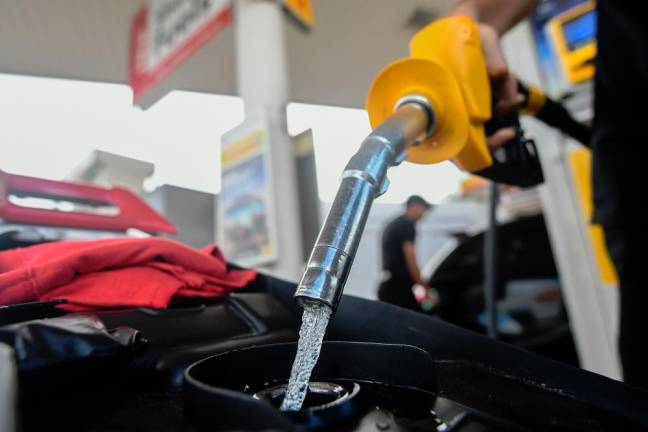
    In response to the recent spike in global oil prices, the Malaysian government has made the decision to decrease the monthly quota for subsidized RON95 fuel from 300 liters to 200 liters, with the policy effective from April.

    Reasons for the Reduction

    This reduction has been deemed necessary due to increases in the government’s subsidy bill. Malaysian Prime Minister Anwar Ibrahim has warned that, if global crude prices continue to remain above $110 per barrel, the subsidy bill could escalate to RM24 billion (US$6 billion) this year.

    Subsidized by the government, RON95 fuel is sold at a fixed price of RM1.99 per liter in Malaysia to ensure affordability for lower-income groups. Currently, eligible individuals can purchase up to 300 liters per month, after which they are charged at market rates. These rates have recently seen an increase from RM3.27 to RM3.87 per liter for the week of March 26 to April 1.

    The unsubsidized price of this fuel has also seen two increases since March 11, resulting in a combined increase of 45%. The latest weekly adjustment has also seen an increase in the pump price for RON97 to RM5.15 per liter, marking an overall increase of 58.46% since March 11, while diesel has seen an increase to RM5.52 per liter, up 76.92% over the same period.

    Global Oil Supply Disruptions

    This decision comes at a time when the global oil supply has been disrupted due to conflicts in the Middle East, specifically in the Strait of Hormuz, a crucial route that typically carries around 20% of the world’s oil flows.

    Brent crude has experienced a drop to $94.49 per barrel after peaking at nearly $120 earlier this month. However, it still remains more than 33% higher than before the conflict began in late February. Despite being an oil producer, Malaysia isn’t exempt from these shifts in the oil market, as it imports a significant proportion of its oil, nearly half of which comes via the affected route.

    In a recent social media post, Anwar noted that Malaysia exported approximately $5.5 billion in crude oil last year but imported nearly $12.6 billion. Furthermore, the country’s monthly subsidy bill for petrol and diesel has seen a significant surge from RM700 million to RM4 billion.

    Possible Implications

    While higher global prices may increase government income and benefit the national oil firm Petroliam Nasional, sustained volatility could lead to inflationary pressures and add to the fiscal burden of fuel subsidies. Announcing the weekly price adjustments, Malaysia’s Ministry of Finance declared the government’s ongoing commitment to protecting the public from rising costs and maintaining the subsidized RON95 prices at RM1.99 per liter.

    Analysts have suggested that tightening the subsidy quota could be a practical option to alleviate pressure on government funds, along with another possibility of increasing the subsidized fuel price to RM2.05 per liter.

    Questions & Answers

    What are some of the reasons for the reduction in subsidized RON95 fuel?
    This reduction has been deemed necessary due to increases in the government’s subsidy bill. If global crude prices continue to remain above $110 per barrel, the subsidy bill could escalate to RM24 billion (US$6 billion) this year.

    How has the global oil supply been disrupted?
    The global oil supply has been disrupted due to conflicts in the Middle East, specifically in the Strait of Hormuz, a crucial route that typically carries around 20% of the world’s oil flows.

    What could be some potential implications of this situation?
    While higher global prices may increase government income and benefit the national oil firm Petroliam Nasional, sustained volatility could lead to inflationary pressures and add to the fiscal burden of fuel subsidies.
  • Singapore Airlines and Scoot Extend Flight Cancellations in Middle East Amid Escalating Tensions

    Singapore Airlines and Scoot Extend Flight Cancellations in Middle East Amid Escalating Tensions

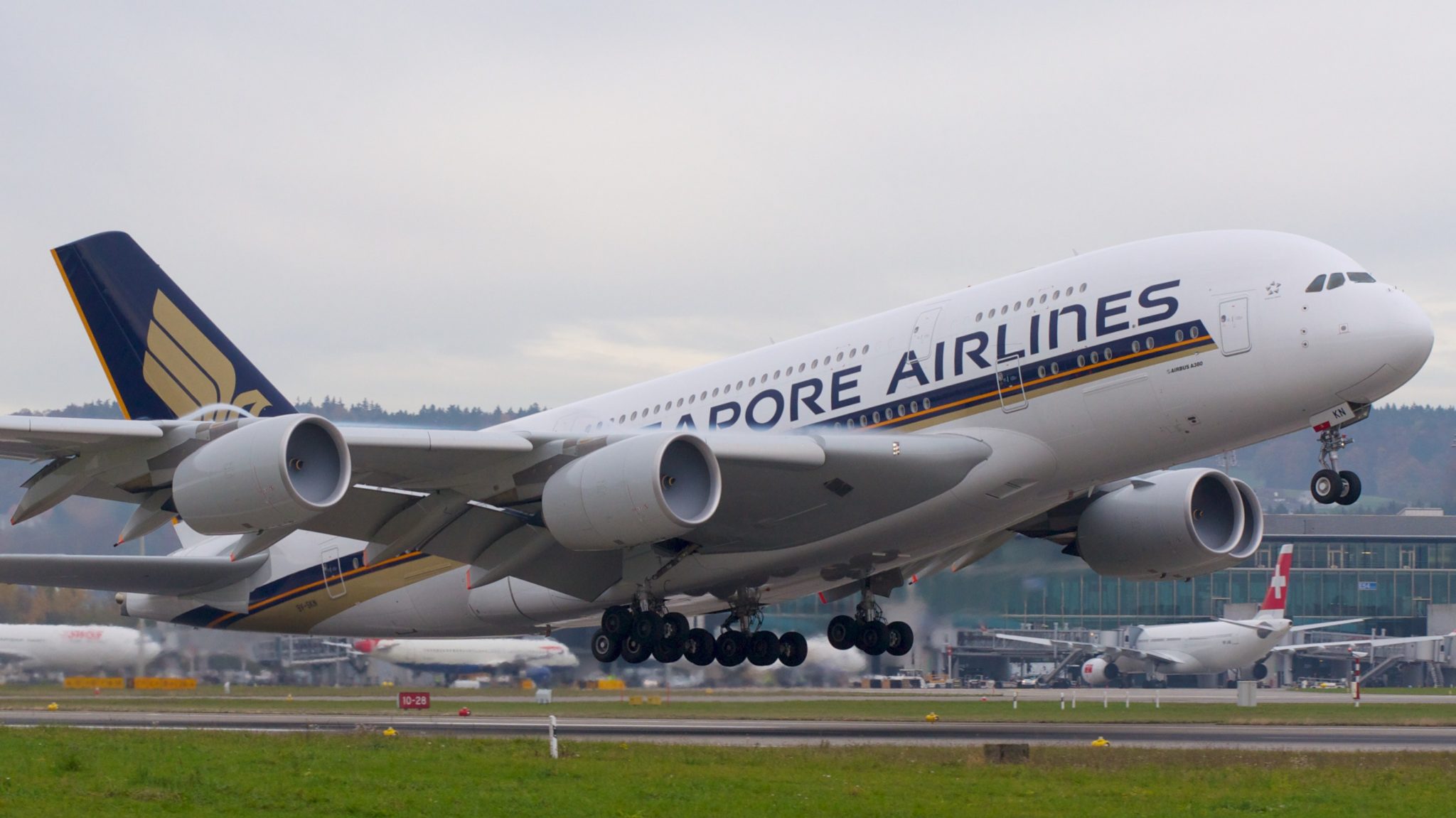
    Singapore Airlines and its budget subsidiary, Scoot, have announced further cancellations of various Middle East flights due to the ongoing tensions associated with the Iran conflict. These service suspensions are expected to last until March 15.

    Singapore Airlines Flight Cancellations

    Singapore Airlines stated on Thursday that Flights SQ494 (Singapore–Dubai) and SQ495 (Dubai–Singapore) will remain suspended until March 15 due to the volatile geopolitical situation in the Middle East. The airline further cautioned that additional flights could also be affected as the situation remains uncertain.

    Scoot Flight Cancellations

    Scoot also revealed that flights TR596 (Singapore–Jeddah) and TR597 (Jeddah–Singapore), which were scheduled for March 9 and March 10, will also be cancelled. These flights to Jeddah, which Scoot operates four times a week, have been suspended since February 28.

    Passengers Impacted by Flight Cancellations

    Passengers who have been affected by the cancellations will be accommodated on alternative flights or if they choose, they can receive a full refund for the unused portion of their tickets. The airlines also encourage their customers to keep their contact details updated via the manage booking function on their website or to subscribe to a mobile notification service to receive updates about their flight status.

    Resumption of Outbound Flights and Repatriation Efforts

    This week saw the resumption of a limited number of outbound flights from the United Arab Emirates, which were operated by long-haul carriers Etihad Airways and Emirates, based in Abu Dhabi and Dubai, respectively.

    Notably, the first plane carrying Singapore residents who were stranded in the Middle East arrived on Thursday morning.

    Singapore’s Minister of State for Foreign Affairs, Gan Siow Huang, announced that Singapore will conduct repatriation flights from Muscat, Oman on the upcoming weekend. She also noted that approximately one-fourth of Singaporeans who have e-registered with the Ministry of Foreign Affairs have requested assistance to return home since the conflict began.

    Faishal Ibrahim, Acting Minister-in-Charge of Muslim Affairs, reported that he has reached out to over 40 Singaporean students studying in various countries including Jordan, Egypt, Saudi Arabia, and Kuwait, to ensure their safety and well-being. According to him, the students are safe and there have been minimal disruptions to their studies.

    Questions & Answers

    What are the airlines doing for passengers affected by the cancellations?
    The airlines are placing the affected passengers on alternative flights. Passengers also have the option to receive a full refund for the unused portion of their tickets.

    How are the airlines keeping their customers updated about their flight status?
    The airlines are encouraging their customers to update their contact details via the manage booking function on their website or to subscribe to a mobile notification service to receive flight status updates.

    What measures are being taken to assist Singapore residents stranded in the Middle East?
    The Singapore government is running repatriation flights from Muscat, Oman. The Minister of State for Foreign Affairs noted that around one-fourth of Singaporeans who have e-registered with the Ministry of Foreign Affairs have requested assistance to return home.