Retail News CRM

Tag: exodus

  • E-Commerce Boom Sparks Exodus from Hanoi’s Prime Retail Spaces Despite Slashed Rents

    E-Commerce Boom Sparks Exodus from Hanoi’s Prime Retail Spaces Despite Slashed Rents

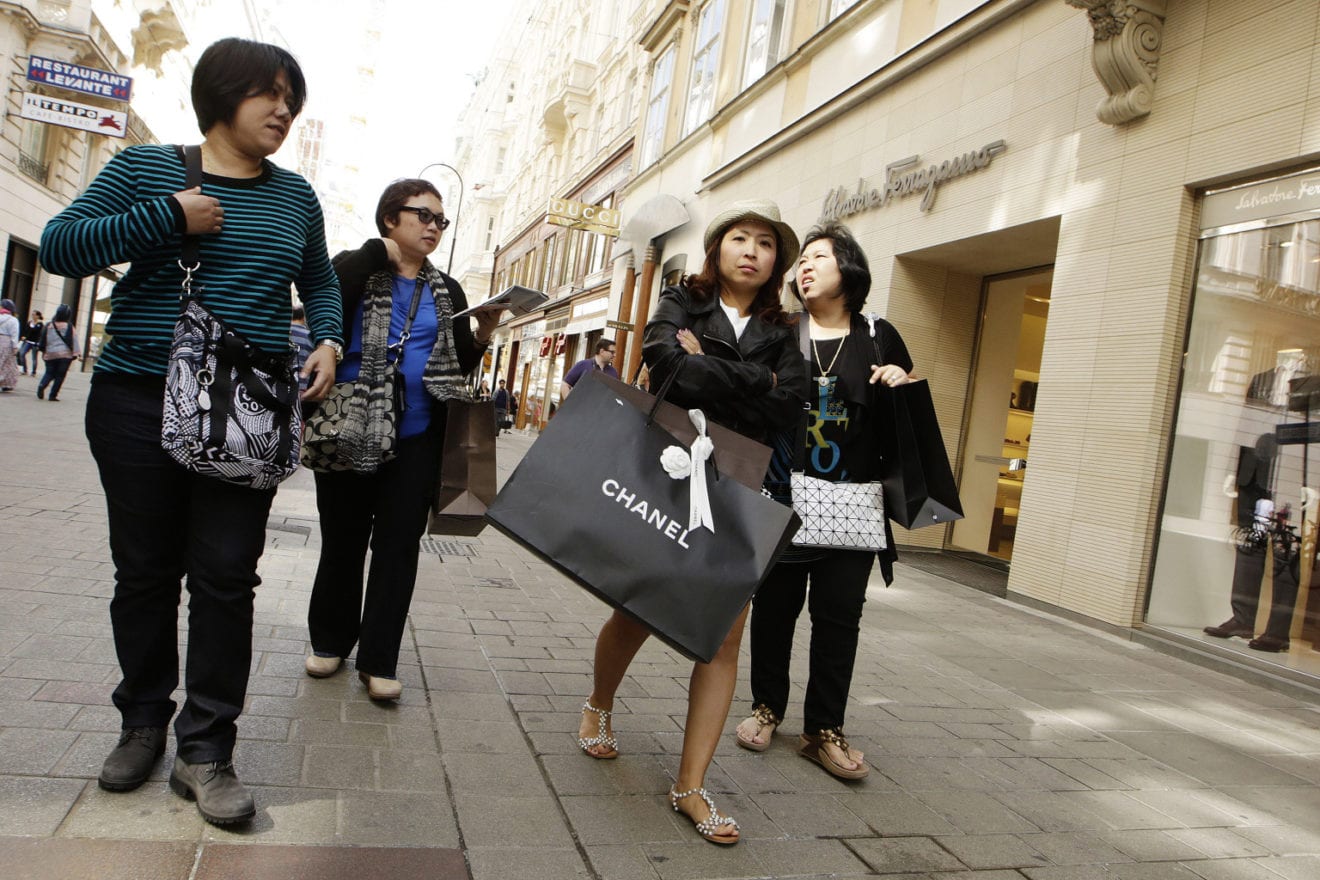
    Despite steep rent discounts offered by landlords, numerous stores in prime retail locations in Hanoi are shutting down, unable to withstand the pressure from the burgeoning e-commerce industry. Last month, Thai Hoang, a 39-year-old retailer, abandoned his spacious 40-square-meter clothing store on Thai Ha Street, a renowned fashion destination in the city. Even when faced with a 6% reduction on the monthly rent of VND35 million (approximately USD1,330), declining sales led Hoang to relocate his business online.

    A Shift in Retail Trends

    Several businesses situated on prominent retail streets such as Thai Ha, Kim Ma, and Hue have followed a similar trajectory in recent months, vacating their premises despite landlords’ desperate attempts at retention through double-digit discounts. On Kim Ma and Nguyen Thai Hoc Streets, well-known for their blend of fashion stores and food and beverage outlets, a significant number of “for lease” and “for sale” signs can be observed.

    Mai Loan, an experienced property broker in Hanoi, identifies the townhouse segment as being in a prolonged slump, with small, narrow properties with limited parking struggling to maintain viability even in prime locations.

    Not Just a Temporary Setback

    Statistics from the online listing platform Batdongsan indicate a 22% drop in private housing interest in Hanoi since the end of last year, with average asking rents for townhouses in certain areas dropping by 13-37% from their 2025 peaks.

    Mai Vo, director of retail services at property consultancy CBRE Vietnam, suggests that this lack of tenants in prime locations is not a temporary downturn but signifies a major market shift. In the past, businesses were willing to pay premium prices for central street locations for branding purposes. However, the rise of e-commerce and integrated shopping malls has drastically altered consumer behavior, diminishing the allure of standalone retail outlets.

    The Market Rebalances

    In response to this shift, landlords are compelled to reduce rents to retain tenants. “Adjusting rents is a sign that the market is rebalancing,” Vo added. Rapidly rising rents in previous years have also reduced the competitiveness of townhouses, with many properties deteriorating and unable to meet branding requirements, thus becoming less appealing.

    Hoang Nguyet Minh, general director of property consultancy Cushman & Wakefield Vietnam, added that the pressure from stringent urban management and sidewalk regulations had also made it difficult for many food businesses to continue operating in small, narrow spaces. However, she believes that this presents an opportune moment to secure prime business locations as the market currently has ample affordable supply.

    Questions & Answers

    Why are retail businesses in Hanoi vacating their premises?
    Many businesses are struggling to survive amid the e-commerce boom, with declining sales forcing them to relocate their businesses online.

    What factors are leading to this trend?
    The rise of e-commerce and integrated shopping malls have significantly affected consumer behavior, reducing the attractiveness of standalone retail outlets, even in prime locations.

    How is the market responding to this shift?
    The market is responding by rebalancing, with landlords reducing rents to retain tenants. Meanwhile, businesses are adapting by shifting their focus to online sales.

  • Guess Joins Fashion Exodus: All Mainland China Stores Shutting Down

    Guess Joins Fashion Exodus: All Mainland China Stores Shutting Down

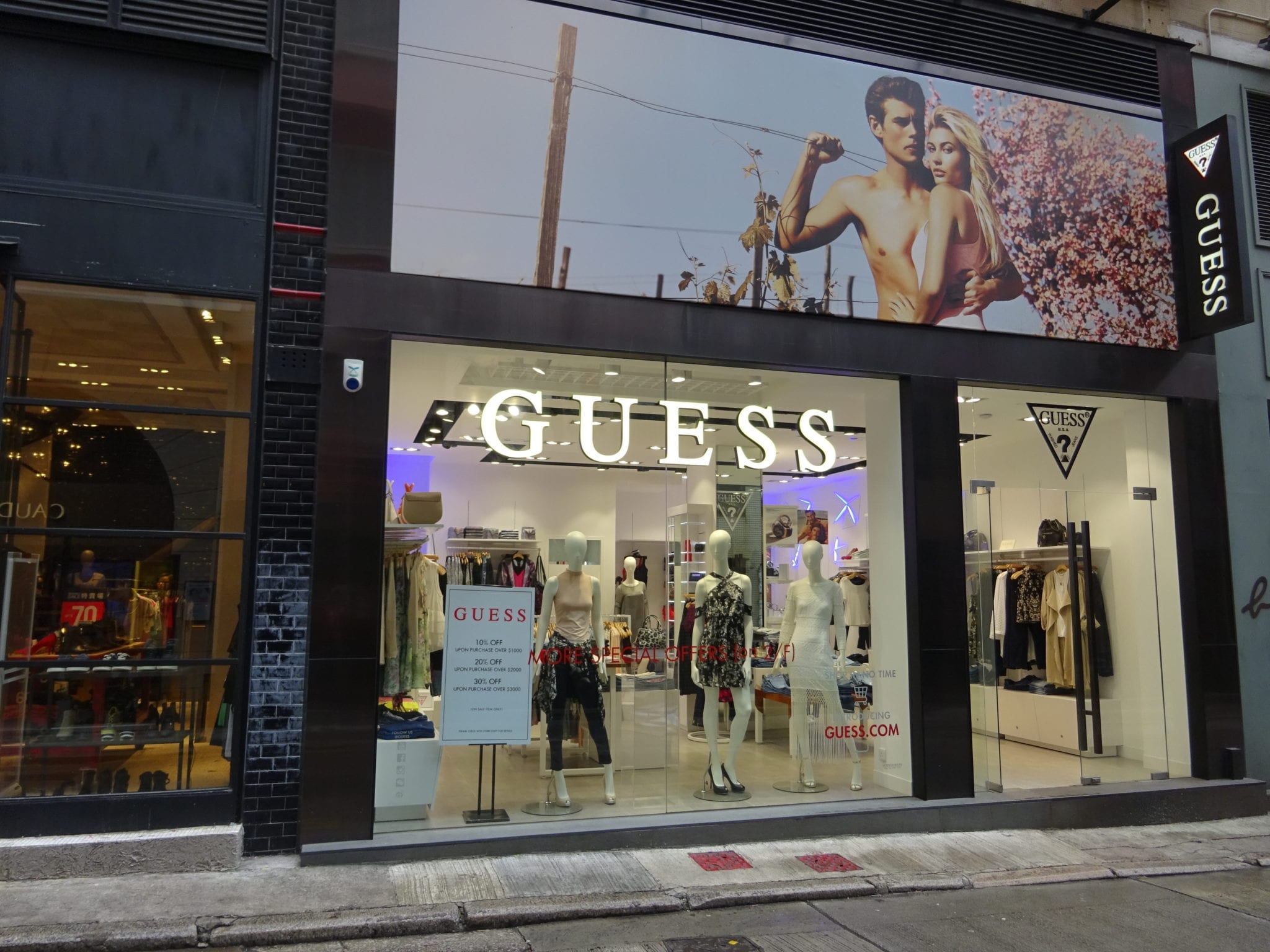
    US-based fashion behemoth, Guess, has announced plans to shutter all its outlets in Mainland China by the end of this month. This move is seen as a continuation of the trend witnessed in recent years where multiple foreign labels have ceased operations in the region.

    Guess has let its customers know of this impending closure through text messages, stating that both its brick-and-mortar and online stores will be affected. Consequently, the company has already ceased the sale of its products on its Tmall online flagship stores.

    The fashion giant has hinted towards a strategic repositioning within the Chinese market, utilizing an innovative model. However, specifics of this new strategy have not been divulged yet.

    Guess first set foot in Mainland China back in 2007, launching its inaugural store in Shanghai. The brand witnessed impressive growth, boasting around 250 stores in the region at its peak in 2019.

    Guess’s withdrawal from China echoes the actions of various international brands over the past few years. Prominent labels including Old Navy, Topshop, Bershka, Pull&Bear, Stradivarius, and Oysho have all left the Chinese market.

    Questions & Answers

    Why is Guess closing its stores in Mainland China?
    Guess is following the trend of many foreign brands that have exited the Chinese market in recent years. Specific reasons for Guess’s decision have not been provided.

    What is the company’s future plan in the Chinese market?
    Guess plans to reposition itself in the Chinese market with a new business model, although the company has not released any details regarding this plan.

    Which other foreign brands have exited the Chinese market recently?
    Several foreign brands have closed their operations in China in the past few years, including Old Navy, Topshop, Bershka, Pull&Bear, Stradivarius, and Oysho.

  • Venezuela’s Billion-Dollar Gold Exodus: Uncovering the Secret Shipment of 100 Tons to Switzerland

    Venezuela’s Billion-Dollar Gold Exodus: Uncovering the Secret Shipment of 100 Tons to Switzerland

    Between 2013 and 2016, Venezuela sent 113 metric tons of gold to Switzerland, as per data from customs authorities. This gold, valued at approximately 4.14 billion Swiss francs, or US$5.20 billion, reportedly originated from Venezuela’s central bank. This substantial transaction occurred in the early years of Nicolas Maduro’s presidency, a period when the Venezuelan government was selling gold in an effort to bolster its struggling economy.

    Understanding the Situation

    During the years from 2012 to 2016, the Venezuelan central bank engaged in significant distress selling. According to Rhona O’Connell, a markets analyst at StoneX, much of the sold gold likely ended up in Switzerland. After its arrival, the gold may have remained with financial sector counterparts, been re-sold as small bars to Asian markets, or distributed elsewhere globally.

    The customs data revealed a noticeable halt in gold exports from Venezuela to Switzerland starting in 2017. This cessation coincided with the introduction of European Union sanctions and continued until at least 2025. O’Connell from StoneX posited that this drastic reduction in exports was likely a result of the Venezuelan central bank exhausting its gold reserves.

    Recent Developments

    In more recent events, Maduro was apprehended by U.S. special forces during a raid in Caracas on January 3, and is currently facing drug-related charges in a New York court. In response to these events, Switzerland took action on Monday by freezing the assets held within the country by Maduro and 36 of his associates. However, Swiss authorities have not disclosed any details regarding the value or origin of these impounded funds.

    Questions & Answers

    Why was Venezuela selling gold to Switzerland?
    The Venezuelan government was selling gold in a bid to shore up its struggling economy during the early years of President Nicolas Maduro’s leadership.

    What happened to the gold after it arrived in Switzerland?
    Post-arrival, the gold might have remained with financial sector entities in Switzerland, been sold as small bars to Asian markets, or distributed globally.

    Why did the gold exports from Venezuela to Switzerland stop in 2017?
    The halt in gold exports coincided with the enforcement of European Union sanctions against Venezuela. Additionally, it’s speculated that the Venezuelan central bank may have depleted its gold reserves, contributing to the cessation in exports.

  • Singapore’s Millionaire Exodus Sees Dramatic Drop: Only 1,600 Expected to Migrate This Year, Report Reveals

    Singapore’s Millionaire Exodus Sees Dramatic Drop: Only 1,600 Expected to Migrate This Year, Report Reveals

    The latest Henley Private Wealth Migration Report for 2024 paints a revealing picture of high-net-worth migration trends, highlighting Singapore’s enduring allure despite a slight decline in millionaire inflow. The city-state is projected to welcome a fresh cohort of millionaires boasting a staggering $8.9 billion in wealth, solidifying its position as the sixth most popular destination for affluent migrants globally, behind the likes of the United Arab Emirates, the United States, Italy, Switzerland, and Saudi Arabia.

    Thailand: A Rising Star in Asia’s Millionaire Migration

    Shifting dynamics in Southeast Asia reveal that Thailand is emerging as a strong competitor to Singapore, particularly as its capital, Bangkok, experiences a surge in attraction from high-net-worth individuals hailing from China, Vietnam, and South Korea. The Thai capital’s appeal lies in its mix of international schools, an expanding financial services sector, and a flourishing luxury real estate market. This year alone, Thailand is expected to witness a net inflow of 450 million, marking it as a “rapidly emerging” safe haven in the region, according to the report.

    Challenges Facing Other Asian Countries

    However, not all Asian nations are basking in the glow of millionaire migration. South Korea is set to see a significant departure of 2,400 millionaires this year, more than doubling last year’s outflow amid ongoing economic and political volatility. Similarly, Vietnam is also grappling with a notable uptick in millionaire exits, with around 300 individuals expected to leave. In a global context, this trend is far from isolated; an unprecedented 142,000 millionaires are projected to relocate internationally in 2024.

    Global Insights and Shifts

    The UAE stands poised to maintain its status as the world’s foremost magnet for wealth, with an anticipated net inflow of 9,800 relocating millionaires. In stark contrast, the United Kingdom is forecast to witness the most significant outflow, with 16,500 millionaires expected to leave, followed closely by China, which looks set to lose 7,800 individuals. “For the first time in a decade of tracking, a European country leads the world in millionaire outflows,” remarked Juerg Steffen, CEO of Henley & Partners. This reflects not just shifting tax structures but a broader sentiment among the wealthy that greater opportunities, freedoms, and stability can be found in other global hotspots. The implications for Europe’s economic competitiveness and investment allure could be profound.

    Questions & Answers

    What factors are contributing to Singapore’s appeal for wealthy migrants?
    Singapore remains a top destination due to its robust economy, political stability, and high-quality education options, making it attractive for high-net-worth individuals looking for a safe place to live and invest.

    How is Thailand positioning itself in the race for millionaire inflows?
    Thailand is emerging as a competitor to Singapore by offering a strong real estate market, quality international schools, and an expanding financial services sector, particularly appealing to individuals from nearby countries.

    What are the broader implications of millionaire migration trends for Asia?
    The shifts in millionaire migration can significantly impact economic competitiveness, with countries like South Korea and Vietnam facing challenges while others like the UAE and Thailand benefit, reshaping the wealth landscape in Asia.

  • HTC Exodus is getting native support for Bitcoin Cash

    HTC Exodus is getting native support for Bitcoin Cash

    HTC has just announced it has partnered with Bitcoin to offer Exodus owners native support for Bitcoin Cash. HTC’s blockchain smartphone is the first phone to provide Bitcoin Cash support without having to download a wallet from an app store.

    Those who already own an Exodus 1 smartphone will receive a software update that will give them access to a Bitcoin.com wallet app pre-loaded on their devices. In a statement, HTC’s chief decentralization officer Phil Chen says that this is the first step in a long journey that his company and Bitcoin.com plan to take together.

    HTC and Bitcoin.com have big plans for the future, as the companies want to offer special discounts when paying for phones in BCH, as well a selling the Exodus phones on store.bitcoin.com.

    Last but not least the partnership announced today will enable Bitcoin Cash to be used as peer-to-peer electronics cash for all HTC Exodus users around the world.

  • The HTC Exodus 1 blockchain phone is getting a second generation

    The HTC Exodus 1 blockchain phone is getting a second generation

    If you don’t remember the HTC Exodus 1 don’t worry, you’re probably not alone. The $699 flagship-level device was announced last October and represents HTC’s first attempt at a so-called blockchain-powered smartphone.

    This unique focus undoubtedly limits the product’s appeal quite heavily. In fact, for the first few months the smartphone could only be purchased using cryptocurrencies. HTC, nevertheless, still seems pretty pleased with how it performed – the smartphone has already met the company’s sales target – and has now confirmed that a second-generation device is indeed on the way.

    According to the person leading HTC’s blockchain efforts, Chief Decentralized Officer Phil Chen, the Exodus 2 will be released before the end of 2019 in the hope of boosting both the brand’s blockchain ecosystem and smartphone sales. Specifics about the design or specs weren’t provided, but it seems likely that it’ll be based on the company’s next-gen flagship.

    Regarding features, the current-gen Exodus 1 focuses primarily on the management of cryptocurrencies and virtualized personal electronics wallets. But with the new phone, blockchain support will be extended to include other areas such as browsing, messaging, and even social media.