Retail News CRM

Tag: expand

  • Juspay Teams Up With Mastercard to Expand Click to Pay Across Asia (Rewritten)

    Juspay Teams Up With Mastercard to Expand Click to Pay Across Asia (Rewritten)

    Juspay, the unicorn in the payments technology industry, has become a part of Mastercard’s global partner ecosystem, aiming to speed up the adoption of the Click to Pay system. This move comes as merchants throughout Asia are increasingly looking for quicker, more secure digital checkout processes.

    As a Mastercard Engage partner network’s certified third-party partner for Mastercard Click to Pay, Juspay strengthens its position in the rapidly expanding digital payments arena. This collaboration empowers Juspay to assist financial institutions and merchants in hastening the implementation of Click to Pay, a simplified online checkout solution by Mastercard. This enables consumers to finalize card transactions without the need to manually enter payment details.

    This initiative succeeds a triumphant launch in Brazil and represents the company’s drive to boost Click to Pay usage throughout Asia. This region’s e-commerce growth and the ongoing surge in digital payment adoption continue to influence consumer behavior.

    Making Checkout Seamless

    Click to Pay is devised with the aim of minimizing checkout friction and enhancing conversion rates by simplifying the online payment procedure. By integrating with Mastercard, Juspay offers merchants a comprehensive range of advanced payment features. These encompass biometric authentication via passkeys, card tokenisation, and streamlined checkout functionality aimed at reducing cart abandonment.

    Mark Ronayne, Associate Director – International at Juspay, stated that becoming a part of the Mastercard Engage partner network is a vital landmark as they scale Click to Pay globally. He added that Juspay is determined to eradicate checkout friction while maintaining high-security standards, thus helping merchants offer consumers a uniform one-click payment experience.

    Expanding Payments Reach

    This partnership also entails Juspay to collaborate with Mastercard in supporting merchant onboarding and the global implementation of Click to Pay solutions.

    Having been founded in 2012 and based in Bengaluru, India, Juspay has risen to become one of the world’s largest payments infrastructure providers. The company facilitates over 300 million transactions daily and supports an annualised payment volume surpassing $1 trillion.

    Juspay’s clientele includes leading global brands like Amazon, Google, HSBC, Agoda, Swiggy and Zurich Insurance. The company, backed by investors such as SoftBank, Accel, VEF and Wellington Management, employs over 1,500 payment specialists spanning Asia-Pacific, the Middle East, Europe, Latin America, UK and North America. It secured a $50 million Series D follow-on funding round, led by WestBridge Capital earlier this year, valuing the company at around $1.2 billion.

    The recent Mastercard partnership follows in the wake of payment providers stepping up efforts to reduce checkout friction, bolster security, and gain a larger slice of the rapidly growing global e-commerce market.

    Questions & Answers

    What is the aim of the partnership between Juspay and Mastercard?
    The partnership aims to accelerate the adoption and implementation of Mastercard’s Click to Pay system, offering consumers a streamlined online checkout experience.

    What are the features offered to merchants through Juspay’s integration with Mastercard?
    Juspay, by integrating with Mastercard, provides merchants with a suite of advanced payment features. These include biometric authentication through passkeys, card tokenisation, and simplified checkout functionality.

    What has been the impact of Juspay’s collaboration with Mastercard on the company’s valuation?
    While the partnership’s direct impact on Juspay’s valuation is not specified, it is worth noting that the company is valued at approximately $1.2 billion following a $50 million Series D follow-on funding round.
  • Airasia Move And Air Macau Partnership Bolsters Asia Travel Opportunities

    Airasia Move And Air Macau Partnership Bolsters Asia Travel Opportunities

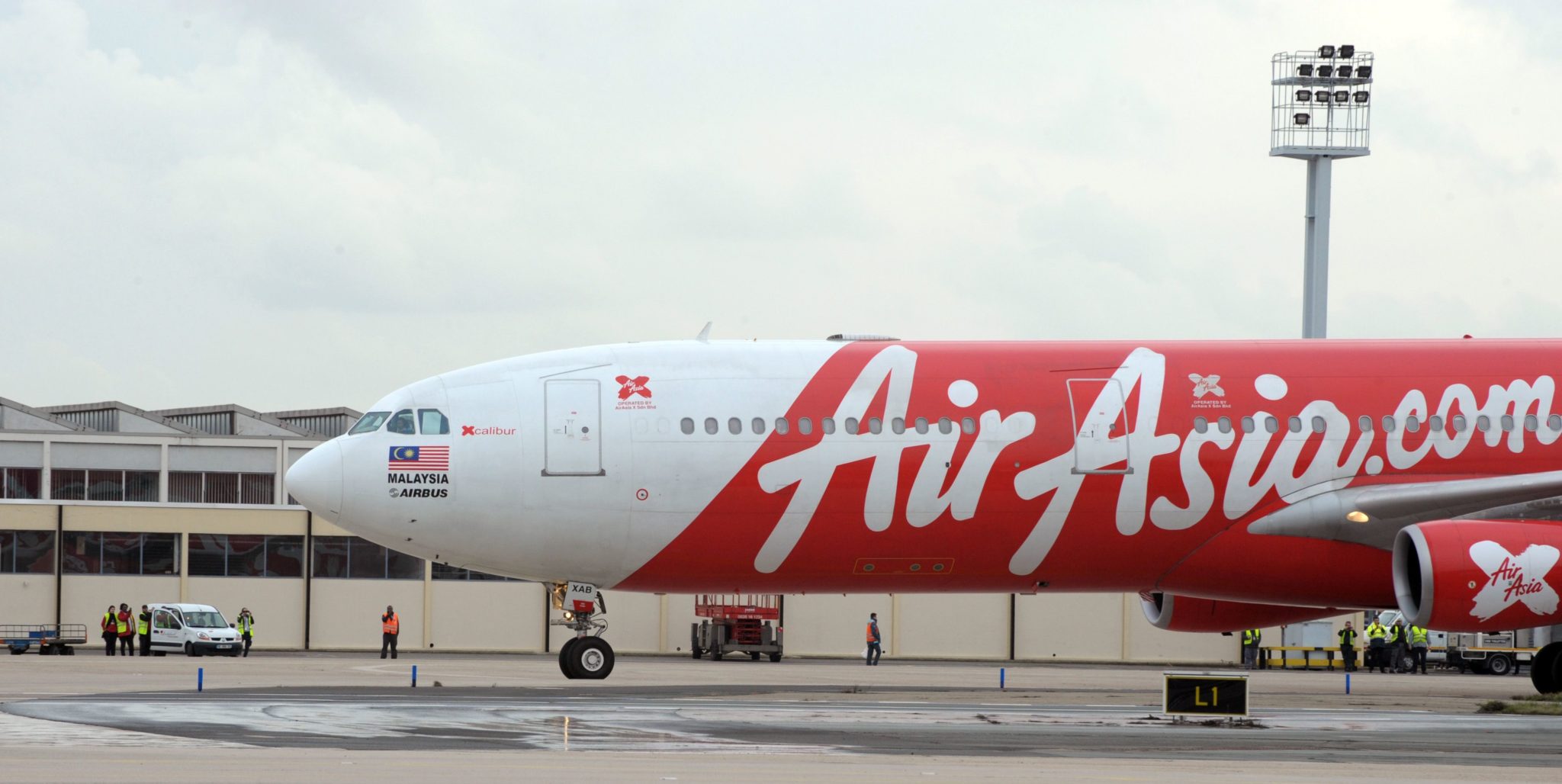
    AirAsia Move has broadened its network of airline alliances by including Air Macau to its roster. This new collaboration will create more travel opportunities for passengers journeying between Kuala Lumpur, Macau, and a host of other destinations in China and the wider Asian region. The partnership also aims to bolster Macau’s goal of welcoming 39 million visitors by 2025.

    Partnership Launch Promotions

    In celebration of this new partnership, AirAsia Move is offering its users the chance to book Air Macau flights from Kuala Lumpur to Macau via its app for prices starting from just 470 ringgit (US$111). These promotional fares will be available for booking until September 12, 2025, and are applicable for travel between September 1, 2025, and February 7, 2026.

    Extended Flight Options and Perks

    Apart from Air Macau, AirAsia Move also directly collaborates with over 70 other international carriers, such as Royal Brunei Airlines, Air Mauritius, and Etihad. In addition, the platform provides flight options from approximately 700 other airlines through authorized suppliers. It also features a selection of over a million hotels worldwide, giving users ample choices for their accommodations. Further enhancing the travel experience, the platform provides first- and last-mile connectivity with airport transfers and a plethora of other ancillary travel products, including online duty-free shopping and travel insurance.

    Contributing to Macau’s Tourism Goals

    Nadia Omer, the CEO of AirAsia Move, shared her enthusiasm about the new partnership with Air Macau. She expressed that having Air Macau as a direct airline partner on the Move platform will not only offer convenience to travelers, but it will also provide them with the opportunity to explore the fascinating city of Macau at the best possible value. She added that the company is thrilled to make Macau more accessible to its users and contribute towards the city’s tourism objectives.

    Questions & Answers

    What are some of the benefits of this new partnership between AirAsia Move and Air Macau?
    This partnership will offer more travel options for passengers traveling between Kuala Lumpur, Macau, and other destinations in China and Asia. It also supports Macau’s aim of attracting 39 million visitors by 2025.

    What promotional offers are available to mark the partnership?
    AirAsia Move users are able to book Air Macau flights from Kuala Lumpur to Macau via the app starting from just 470 ringgit (US$111). These promotional fares are available for booking until September 12, 2025.

    What other airlines does AirAsia Move partner with?
    AirAsia Move has direct partnerships with over 70 other international airlines including Royal Brunei Airlines, Air Mauritius, and Etihad. It also offers flight options from around 700 other airlines through authorized suppliers.

  • Chipotle Announces Expansion Into Asian Market Starting With South Korea And Singapore

    Chipotle Announces Expansion Into Asian Market Starting With South Korea And Singapore

    Chipotle, a popular American fast-casual restaurant chain, has announced plans to penetrate the Asian market in the coming year. The expansion will begin in South Korea and Singapore, through a strategic collaboration with SPC Group.

    Chipotle’s Asian Debut

    The rapidly growing interest in international food and exceptional culinary experiences among Koreans and Singaporeans makes these two markets the perfect launching pad for Chipotle’s Asian journey. This perspective was shared by Heesoo Hur, the Executive Vice President and Owner of SPC Group, who underscored the familiarity and appreciation for the brand in these countries.

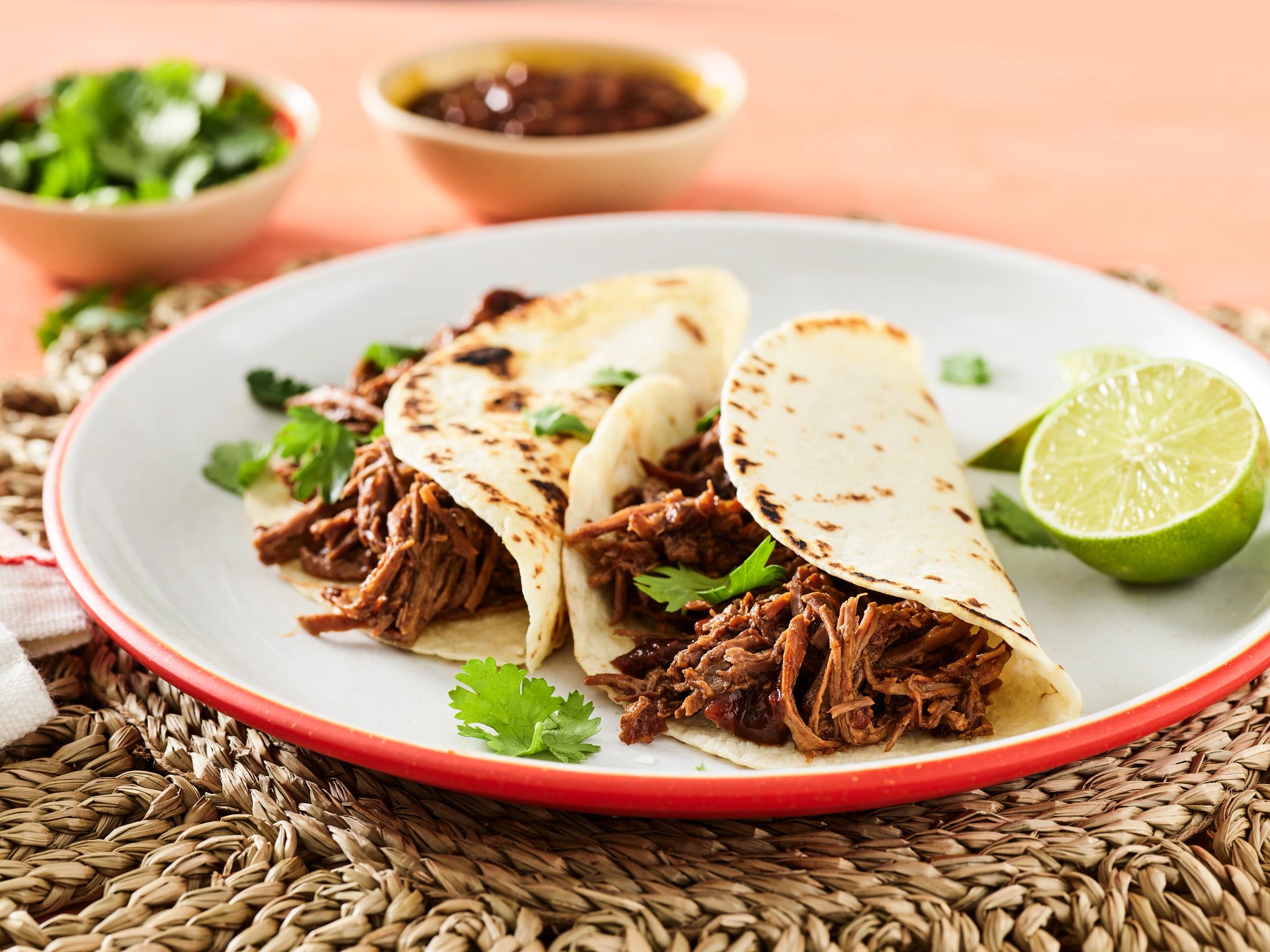
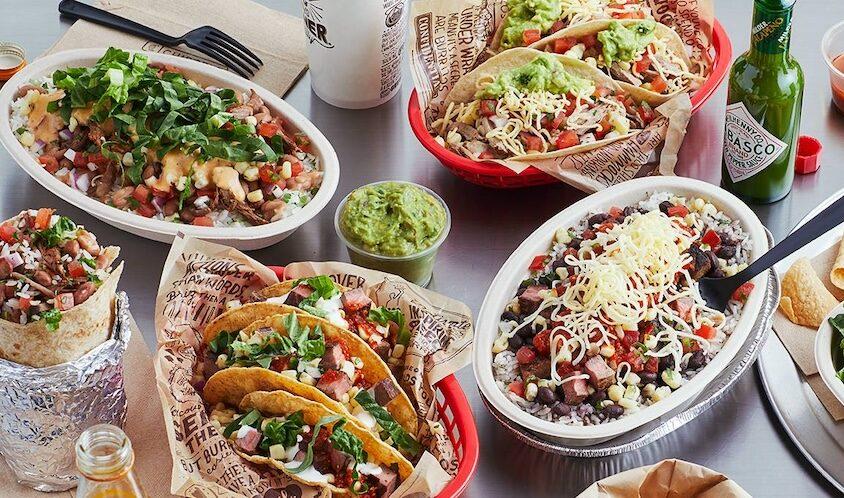
    Chipotle’s reputation for offering personalized meals using fresh ingredients, with an assortment of burritos, bowls, tacos, and salads, resonates well with the evolving food preferences in these markets. Customers can craft their meals from an array of fillings served from an assembly line, making each meal a unique dining experience.

    A Promising Growth Opportunity

    According to Chipotle’s CEO, Scott Boatwright, the move to expand into Asia represents an enormous growth potential for the brand. With the increasing demand for real, fast-prepared food coupled with significant brand recognition among consumers, he anticipates strong adoption rates from the onset.

    This expansion to Asia trails Chipotle’s series of international openings. In 2023, the company started its Middle Eastern operations by signing an agreement with Alshaya Group, resulting in six Chipotle restaurants across Kuwait and the UAE. Furthermore, Chipotle has already announced plans to establish its first eatery in Mexico next year through a deal with Alsea.

    Currently, Chipotle operates over 3,800 restaurants across the globe, with plans to inaugurate up to 345 additional locations this year. The company also aims to reach a long-term target of 7,000 restaurants in the US and Canada.

    Questions & Answers

    Why has Chipotle chosen South Korea and Singapore as its entry points in Asia?
    These markets were selected due to their familiarity with the brand and their evolving interest in international culinary experiences.

    What makes Chipotle’s dining experience unique?
    Chipotle offers customers the opportunity to customize their meals with fresh ingredients, creating a personalized dining experience.

    What are Chipotle’s future expansion plans?
    In addition to its Asian debut, Chipotle aims to open up to 345 new restaurants this year, with a long-term target of 7,000 locations in the US and Canada.

  • Chipotle Sets Sights On Asian Market With South Korea And Singapore Expansion

    Chipotle Sets Sights On Asian Market With South Korea And Singapore Expansion

    Next year, Chipotle is set to expand its international footprint into Asia, launching its first establishments in South Korea and Singapore. This expansion is facilitated by a partnership with SPC Group.

    Chipotle Finds Its Ideal Entry Points in Asia

    Executive Vice President and owner of SPC Group, Heesoo Hur, has conveyed his excitement about the venture, stating that due to the widespread recognition of the brand and the keen interest in high-quality culinary experiences among Koreans and Singaporeans, these two markets pose perfect entry points for Chipotle’s Asian expansion.

    Chipotle, a US-based fast-casual chain, has gained popularity for its customizable offerings that include burritos, bowls, tacos, and salads created from fresh ingredients. Patrons are allowed the liberty to choose their fillings from an assembly line, enabling them to tailor their meals according to their preferences.

    Chipotle Eyes Growth in Asia

    Scott Boatwright, CEO of Chipotle, has expressed his enthusiasm about the move into Asia. He believes this expansion will provide an exceptional growth opportunity for the company. He stated that there is considerable demand for fresh, quickly prepared food in the Asian markets and, coupled with existing brand recognition, he anticipates a strong initial acceptance of the brand.

    This alliance with SPC Group is the latest in a series of international moves by Chipotle. In 2023, Chipotle formed a partnership with Alshaya Group to introduce the brand to the Middle East, where it currently operates six outlets spread across Kuwait and the UAE. Earlier this year, Chipotle revealed a collaboration with Alsea, planning to inaugurate its first Mexican outlet next year.

    At present, Chipotle operates over 3,800 restaurants globally. The company harbors ambitious plans for the future, targeting the opening of up to 345 new sites this year, with an ultimate aim of reaching a total of 7,000 locations in the US and Canada.

    Questions & Answers

    What is Chipotle’s expansion plan for Asia?
    Next year, Chipotle will be launching its first outlets in Asia, beginning with South Korea and Singapore, via a partnership with SPC Group.

    What kind of dining experience does Chipotle offer?
    Chipotle is a fast-casual chain that offers personalised dining experiences. Customers can customise their burritos, bowls, tacos, and salads with fresh ingredients chosen from an assembly line.

    What are Chipotle’s broader expansion plans?
    Chipotle operates over 3,800 restaurants worldwide and aims to open up to 345 new locations this year. In the long term, the company targets a total of 7,000 outlets in the US and Canada.

  • Apple’s Possible Shift To Esim-only Iphones: Impact On Global Connectivity And Travel

    Apple’s Possible Shift To Esim-only Iphones: Impact On Global Connectivity And Travel

    Apple’s smartphones in the United States have not had a SIM card slot since the release of the iPhone 14. Instead, these devices have supported a mix of physical and eSIM technology. However, a recent rumor implies that Apple may soon discontinue the physical SIM card tray for the iPhone 17 in additional countries.

    Retail staff at Apple Authorized Resellers throughout the European Union are required to undergo training related to eSIM technology. Those in the know have disclosed that the deadline for course completion is Friday, September 5.

    Significant Event on the Horizon

    Just four days after this deadline, Apple is set to host its “Awe dropping.” event on Tuesday, September 9. The tech giant is anticipated to unveil the iPhone 17, iPhone 17 Pro, and iPhone 17 Pro Max, along with a new slim model potentially dubbed the iPhone 17 Air.

    Yet, this shift may not be confined to the European Union. The training material is accessible to European retail staff via Apple’s SEED app. This platform is utilized by employees of official Apple Stores and Apple Authorized Resellers globally, and it is not exclusive to Europe.

    Adapting to New Technologies

    It would be logical for Apple to roll out this change to other countries, particularly given the rumors circulating over the past year. Speculation that the iPhone 17 Air may be too thin to accommodate a SIM card slot began as early as last October. There have also been suggestions that the change could apply to the entire iPhone 17 range across all markets.

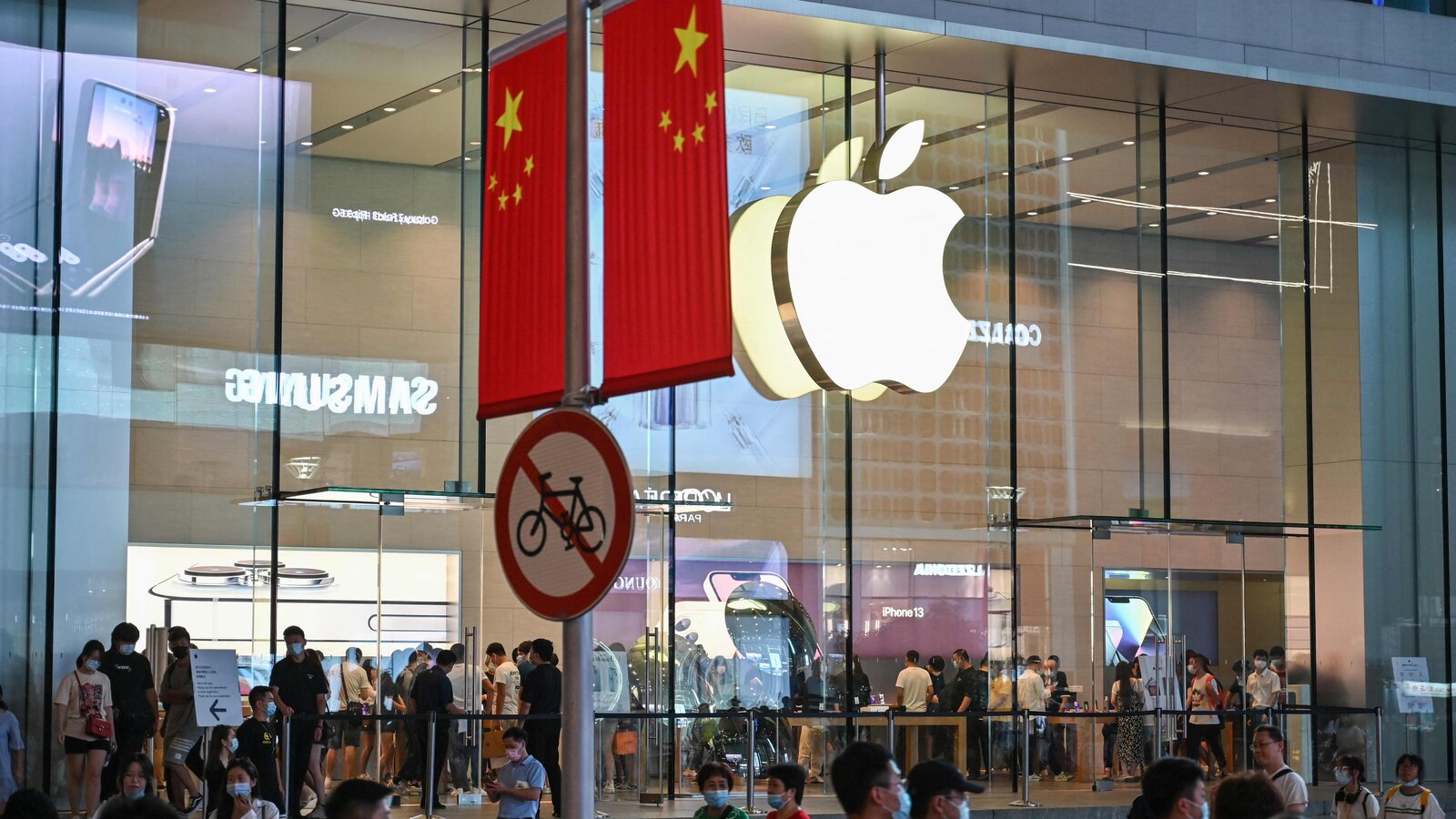
    However, it is probable that Apple will maintain the physical SIM option in certain countries, including China. Although iPhones in most countries support both eSIM and physical SIM, in China and a few other markets, they offer dual SIM with two physical cards.

    Notably, other tech companies are also following this trend. Google recently launched the eSIM-only Pixel 10 in the US, while Samsung’s Galaxy S25 offers a mix of eSIM and physical SIM support, including in the US. However, in some regions outside of the US, Samsung’s phones feature dual physical SIMs, and the Pixel 10 integrates both physical and eSIM technologies.

    Travel and Connectivity

    As a global traveler, having a variety of connectivity options is beneficial, therefore losing the physical SIM slot could be disappointing. While purchasing a local SIM can be cheaper and more convenient, there are a variety of international eSIM services that can sometimes offer more affordable and convenient options for travelers. Here’s hoping that Apple will continue to offer both options in my region.

    Questions & Answers

    Why is Apple potentially moving away from physical SIM cards?
    It is rumored that Apple may be entertaining this notion in order to make devices thinner and more streamlined, thereby improving the user experience.

    Will all countries lose the physical SIM option on the iPhone 17?
    While it seems likely that more countries will be affected by this change, it is currently unclear if this will be a global shift. Some regions, such as China, may continue to have the physical SIM option.

    How will the lack of a physical SIM card impact travelers?
    While the absence of a physical SIM card could initially prove inconvenient, the rise of international eSIM services could provide an alternative, and potentially more affordable, option for travelers.

  • Singapore’s Food Tech Startup Prefer Expands To Australia Through Strategic Partnership With The Coffee Ferm

    Singapore’s Food Tech Startup Prefer Expands To Australia Through Strategic Partnership With The Coffee Ferm

    Prefer, a Singapore-based food tech startup, is extending its reach to Australia, following the establishment of its debut domestic business collaboration.

    Expansion Down Under

    In a strategic move to expand its footprint in Australia and New Zealand, Prefer has formed a partnership with local coffee producer, The Coffee Ferm. This new alliance will see The Coffee Ferm acquiring a license for Prefer’s flavor intellectual property, enabling the firm to escalate manufacturing and distribution within the local market.

    Innovative and Sustainable Flavors

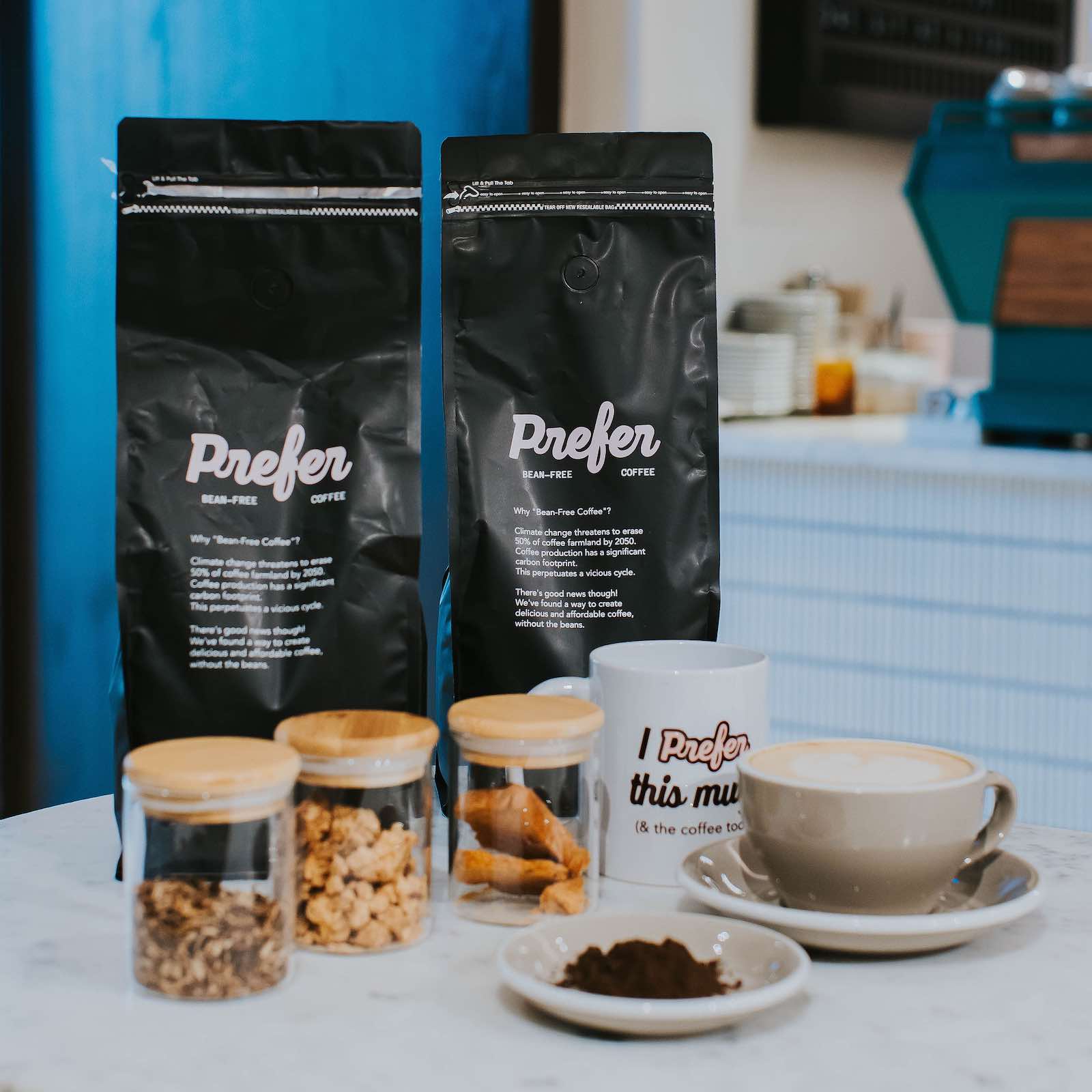
    Established in 2022, Prefer is making a name for itself in the market with its inexpensive and eco-friendly flavors and ingredients. These flavors are created using a unique fermentation and roasting technique, utilizing byproducts from food manufacturing processes, such as rice and soy. The company claims that their products deliver the same taste and operational attributes of coffee and cocoa, but with significantly lesser environmental impact.

    Supplies

    Prefer supplies its innovative flavors and ingredients to an array of businesses, from Fast Moving Consumer Goods (FMCG) brands and food manufacturers, to private label retailers, and flavor houses.

    Bean-free Coffee and Other Partnerships

    The startup has recently brought its ‘bean-free’ coffee products to the market via foodservice channels, in collaboration with the Singaporean food enterprise, Melvados. Moreover, Prefer has formed an alliance with Ajinomoto Thailand to generate sustainable innovations in the country’s coffee beverage sector.

    Funding and Future Plans

    This expansion comes in the wake of Prefer securing a successful fundraising round, which exceeded expectations at US$4.2 million. The fundraising was jointly headed by At One Ventures and Chancery Hill Capital, with Forge Ventures also participating. The influx of funds will contribute to the company’s plans to enhance their pilot production facility in key markets using toll manufacturers, further their research and development on cocoa flavor creation, and extend their global partnerships, with a continued emphasis on Asia.

    Questions & Answers

    What is the core business of Prefer?
    Prefer is a food tech startup that creates affordable and sustainable flavors from food manufacturing byproducts like rice and soy.

    What is the significance of Prefer’s partnership with The Coffee Ferm?
    The partnership will enable Prefer to expand into the Australian and New Zealand markets by licensing its flavor intellectual property to The Coffee Ferm, thus facilitating local manufacturing and distribution.

    What are Prefer’s future plans following the recent fundraising?
    Prefer plans to scale its pilot production facility, continue research and development on cocoa flavor, and broaden its global partnerships with a continued focus on Asia.

  • Mcdonald’s To Boost Ai Investment By 2027, Eyes India As Data Governance Hub

    Mcdonald’s To Boost Ai Investment By 2027, Eyes India As Data Governance Hub

    McDonald’s, the renowned fast-food chain, has announced its intention to significantly increase its investment in artificial intelligence (AI) by 2027, foreseeing India as a principal center for data governance, engineering, and platform architecture. The news was delivered by Deshant Kaila, McDonald’s Head of Global Business Services Operations, last Friday.

    India as a Key Player

    McDonald’s, which made its foray into India in 1996, has a wide network of restaurants across the nation. The company recently opened a global office in the southern city of Hyderabad, which they plan to expand into their largest international office outside of the United States.

    While the company is still in the early phases of this AI-focused initiative, the exact amount of intended investment remains undisclosed. However, Kaila has given some insights into how McDonald’s is utilizing AI technologies to enhance its operations and services.

    Artificial Intelligence in Operations

    At present, McDonald’s is leveraging AI to corroborate orders at 400 of its restaurants, mitigating errors before orders reach customers. The company has set ambitious plans to extend this AI-driven order verification system to 40,000 of its locations worldwide by 2027, as revealed by Durga Prakash, Head of Technology (Global Offices).

    Moreover, AI tools are being employed by McDonald’s to project sales, determine pricing, and evaluate product performance. The fast-food chain is also developing a personalized app that customers can use globally. As per Kaila, the strategic push in India will be primarily focused on building its AI team, with more investment directed towards technology and tools rather than personnel.

    Expansion of Global Offices

    McDonald’s is also considering establishing another global office in Poland, similar to the ones in India and Mexico. Earlier this year, it was reported that the company would inaugurate a global capability center in Hyderabad, India, which is expected to employ about 2000 individuals.

    India’s global capability centers, formerly cost-effective outsourcing hubs for global businesses, have evolved and now provide support to their parent organizations across diverse areas, including operations, finance, research, and development.

    Questions & Answers

    What is McDonald’s strategy for AI investment by 2027?

    McDonald’s plans to significantly increase its investment in artificial intelligence (AI) by 2027. The company aims to utilize AI to improve operations, predict sales, set pricing, and evaluate product performance.

    How does McDonald’s plan to utilize AI in its operations?

    The fast-food chain is currently using AI to verify orders at certain locations to prevent errors before handing them over to customers. It is also using AI tools for sales forecasting, pricing decisions, and product performance assessments.

    Why is India a focus in McDonald’s AI strategy?

    India is a key focus in McDonald’s AI strategy due to its potential as a hub for data governance, engineering, and platform architecture. In addition, the company has recently opened a global office in Hyderabad, India, with plans to make it the largest outside the U.S.

  • Reborn Coffee Seals $1.3m Licensing Deal For Expansion Into China’s Burgeoning Specialty Market

    Reborn Coffee Seals $1.3m Licensing Deal For Expansion Into China’s Burgeoning Specialty Market

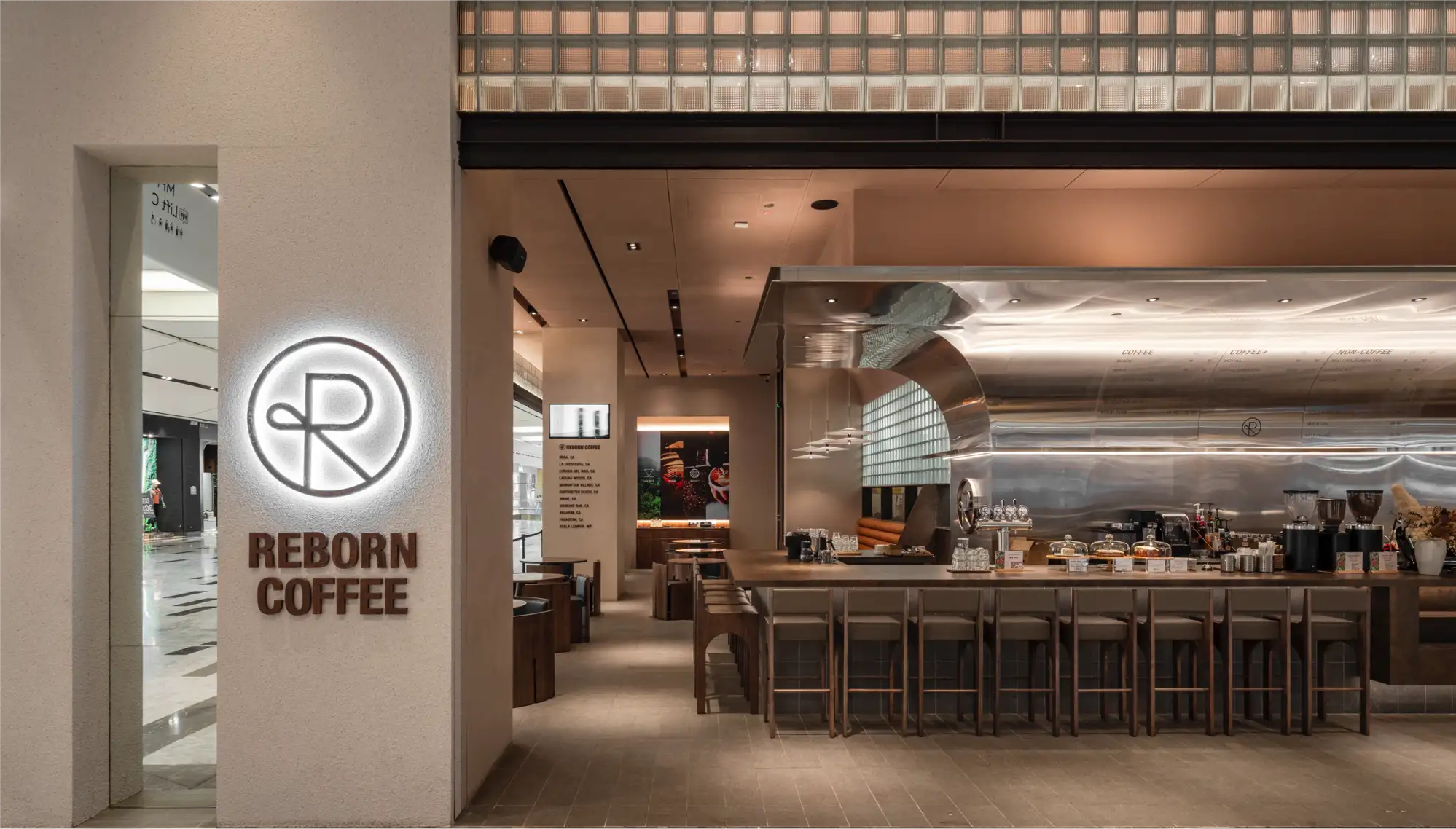
    Reborn Coffee, a specialty coffee retailer based in California, has entered into a licensing agreement valued at $1.3 million with Reborn Health Goods, a corporation situated in China. This alliance will facilitate the specialty coffee retailer’s expansion efforts throughout mainland China.

    Agreement Details

    Under this exclusive master licensing agreement, Reborn Health Goods will be responsible for the national operation and expansion of the Reborn Coffee brand. This includes directing store development activities and coordinating regional sublicensing partnerships, all in tune with the brand’s objectives for growth and maintaining its standards.

    Jay Kim, CEO of Reborn Coffee Inc., believes this agreement lays the groundwork for harmonized growth and consistency in branding across one of the most dynamic consumer markets globally. He said, “Our partner brings the scale, strategy, and operational excellence to lead Reborn’s multi-format rollout across key provinces and cities in China.”

    Reborn Health Goods will also work collaboratively with both existing and future regional licensees—including those in Guangdong and Liaoning provinces—to ensure Reborn Coffee’s branding is executed uniformly throughout the country.

    Strengthening Position in Asia-Pacific

    Asia-Pacific has seen a surge in demand for specialty coffee. By aligning with this trend, Reborn Coffee’s strategic partnership with Reborn Health Goods bolsters its presence in the region, aligning with its wider international vision.

    Questions & Answers

    What is the primary objective of the licensing agreement between Reborn Coffee and Reborn Health Goods?
    The main goal of the agreement is to facilitate the expansion of Reborn Coffee throughout mainland China while ensuring brand consistency.

    Who will be responsible for the national operation and brand expansion of Reborn Coffee in China?
    Reborn Health Goods, under the licensing agreement, will oversee the national operation and expansion of the Reborn Coffee brand in China.

    How does this agreement align with the increase in demand for specialty coffee in the Asia-Pacific region?
    With the rising demand for specialty coffee in the Asia-Pacific region, this agreement helps to solidify Reborn Coffee’s presence and supports its broader international expansion plans.

  • Amazon To Inject $233m Into India Operations: Aims For Infrastructure Expansion And Enhanced Delivery Safety

    Amazon To Inject $233m Into India Operations: Aims For Infrastructure Expansion And Enhanced Delivery Safety

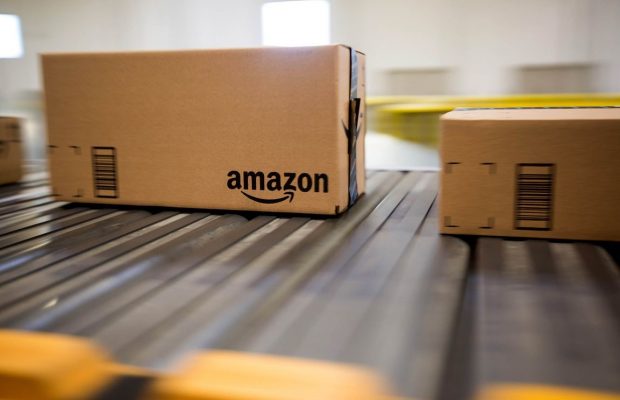
    By 2025, Amazon is planning to inject more than 20 billion rupees (equivalent to US$233 million) into its operations in India. This significant investment will be used to enhance and widen the scope of its operational infrastructure, as well as devise innovative technology for its product fulfillment networks and augment delivery safety procedures.

    The Aim of the Investment

    This substantial financial commitment comes in continuation of Amazon’s previous investments aimed at constructing a comprehensive operations network that can cater to all serviceable postal codes within the nation.

    A key player in the Indian e-commerce market, Amazon competes with other heavyweights such as Walmart’s Flipkart and Reliance Retail, owned by billionaire Mukesh Ambani. The corporation had previously announced that by 2030, its total investment in the Indian market would reach $26 billion, however, the specifics regarding this allocation were not disclosed.

    Investment Implementation

    The new funding will be allocated toward the establishment of new sites and modernization of existing facilities across its fulfillment and delivery network to enhance processing speed and capacity.

    In addition to infrastructural developments, Amazon also has plans to incorporate technology that will ensure the safety of its delivery associates. This includes implementing systems that will notify associates of unsafe speeds and enable the equitable distribution of delivery routes.

    Investing in Employee Welfare

    Part of the funding will also be directed toward initiatives designed to improve the health and financial stability of Amazon’s employees. This showcases the company’s commitment to not just expand its market presence, but also to enhance the welfare of its workforce.

    Earlier this year, it was announced that Amazon’s cloud services provider, Amazon Web Services, was earmarked to invest approximately US$8.2 billion in India.

    Questions & Answers

    What is the purpose of Amazon’s planned investment in India?
    The investment is intended to expand and modernize Amazon’s operational infrastructure, develop new technology for its product fulfilment networks, and boost delivery safety.

    How will Amazon’s new investment benefit its delivery associates?
    Amazon plans to implement technology that will alert delivery associates about unsafe speeds and ensure fair distribution of delivery routes, enhancing their safety and work experience.

    What commitment has Amazon made towards the welfare of its employees?
    Amazon has pledged to allocate a portion of its new investment to initiatives aimed at improving the health and financial well-being of its employees in India.

  • JD Logistics Unveils Groundbreaking Express Delivery Service In Saudi Arabia: A Leap In Global Expansion Strategy

    JD Logistics Unveils Groundbreaking Express Delivery Service In Saudi Arabia: A Leap In Global Expansion Strategy

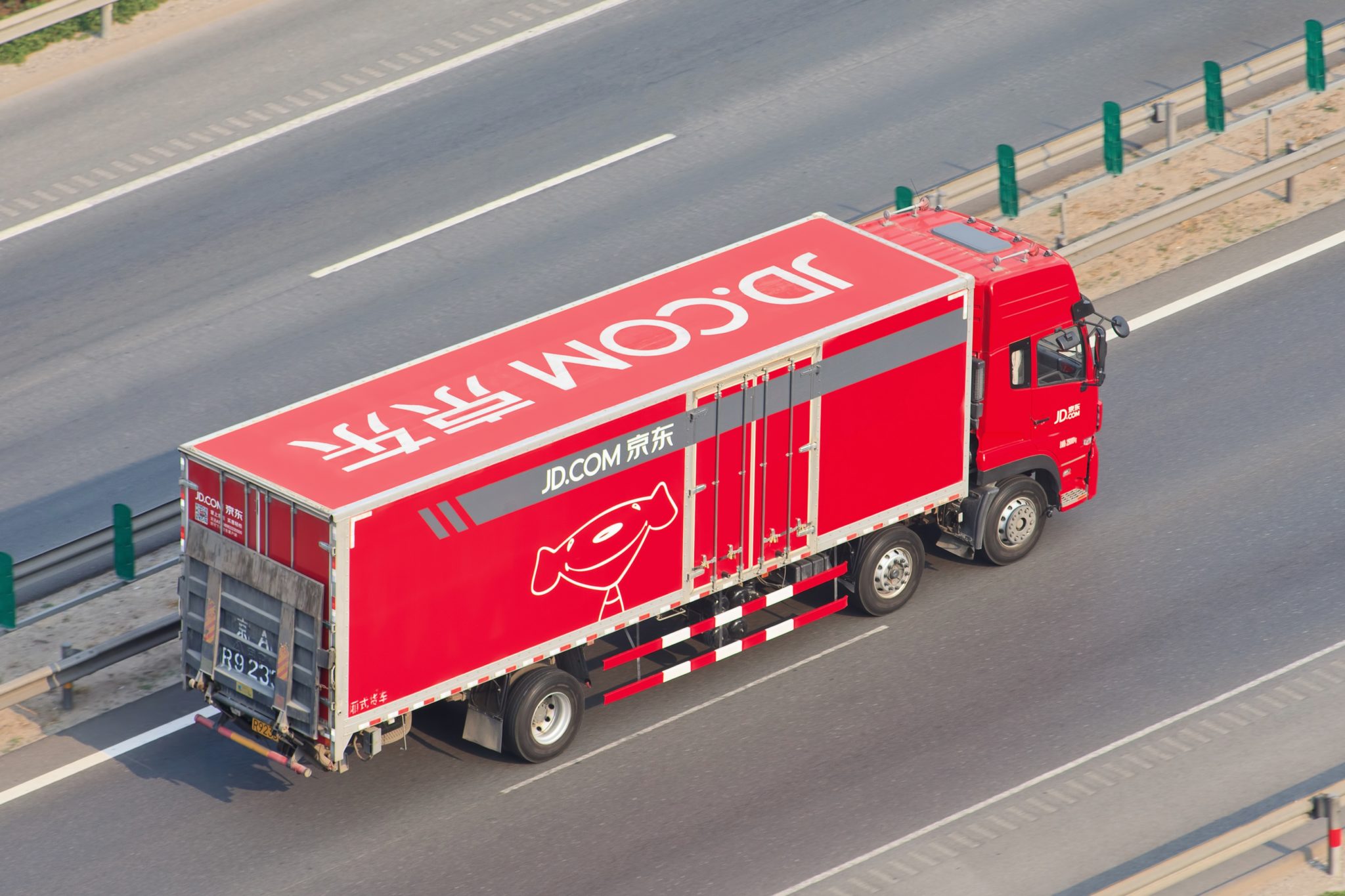
    JD Logistics, the logistics subsidiary of Chinese e-commerce behemoth JD.com, recently unveiled its consumer-centric express delivery service, JoyExpress, in Saudi Arabia – the first of its kind outside of China.

    JD Logistics’ Market Expansion

    JD Logistics is widely reputed for its self-built warehousing and delivery infrastructure in China, where it manages over 3,600 warehouses. The introduction of JoyExpress takes this efficient, self-operated model to international frontiers, promising speedy delivery services within the same day in Saudi Arabia.

    The move signifies a pioneering stride in JD.com’s revitalized global expansion strategy, as disclosed by the company’s founder and chairman, Richard Liu. The growth opportunities in domestic markets are increasingly elusive for e-commerce giants due to deflationary pressures amplified by stagnating consumer confidence, a drawn-out property crisis, and wage growth concerns in China.

    In a recent discussion in Beijing, Liu underscored the significance of international markets for JD.com’s future growth. He also hinted at a likely hastening of the company’s overseas ventures in the imminent future.

    Strengthening the European Footprint and Beyond

    “We’ve been operational in Europe for three years, and we’ve essentially established our logistics infrastructure there. Nevertheless, it’s inadequate,” Liu said. Over the last half-decade, which Liu refers to as “lost years,” JD.com has broadened its competitive scope to include companies like Chinese food delivery titan Meituan, across diverse sectors from food delivery to travel booking.

    Earlier this year, JD.com launched JD Takeaway, a direct rival to Meituan. In addition, Meituan has also broadened its footprint in Saudi Arabia in recent years.

    Summing up the company’s performance over the last five years, Liu expressed regret over the lack of innovation at JD.com, referring to this period as one of decline for the company.

    Cryptocurrency Ambitions

    Liu also disclosed JD.com’s intentions to procure stablecoin licenses in countries with major currencies. The objective of this venture is to streamline foreign exchange transactions between international corporations, thereby lessening the cost of cross-border payments by up to 90% and boosting efficiency to within 10 seconds.

    In 2021, the Hong Kong Monetary Authority (HKMA) disclosed that Jingdong Coinlink Technology Hong Kong, a fully-owned subsidiary of JD Technology, had joined its stablecoin issuer sandbox. The sandbox initiative is an HKMA framework that communicates regulatory expectations to institutions keen on issuing stablecoins in Hong Kong.

    Questions & Answers

    What is the significance of JD Logistics launching JoyExpress in Saudi Arabia?
    Launching JoyExpress in Saudi Arabia marks JD Logistics’ first consumer-focused express delivery service outside of China, indicating a significant step in its global expansion strategy.

    What are JD.com’s future plans concerning global expansion?
    According to the company’s founder, Richard Liu, JD.com plans to accelerate its overseas ventures, with emphasis on strengthening its footprint in Europe and exploring new sectors, such as food delivery and travel booking.

    What are JD.com’s intentions regarding stablecoin licenses?
    JD.com plans to acquire stablecoin licenses in countries with major currencies. The initiative aims to streamline foreign exchange transactions between international corporations, reducing the cost of cross-border payments by up to 90% and boosting efficiency to within 10 seconds.