Retail News CRM

Tag: expanding

  • Expanding Horizons: Seven & I Eyes Multi-Billion Dollar Investment in Polish Retail Giant Zabka

    Expanding Horizons: Seven & I Eyes Multi-Billion Dollar Investment in Polish Retail Giant Zabka

    Japanese retail giant Seven & I, proprietor of the international 7-Eleven chain, saw its share price increase by 3% on the Tokyo stock market this past Friday. This rise comes amidst discussions of the corporation’s potential acquisition of a share in Zabka Group, a prominent convenience store conglomerate in Poland.

    According to reports, the prospective investment could amount to several hundred billion yen, equivalent to several billion US dollars. The deal would mark a significant expansion of the company’s operations into Eastern Europe, extending its current strongholds in Japan and North America. This move is part of the strategic growth plan implemented by Seven & I’s CEO, Stephen Dacus, who started his tenure last year.

    Beyond Domestic Markets

    Seven & I’s share price increase was a standout performance in a market experiencing turbulence due to falling semiconductor shares. Analyst Naoshi Matsumoto explains: “Defensive sectors centered on domestic demand are being bought.” Other Japanese retail stocks, such as Aeon, experienced a similar rise in share value. Meanwhile, Warsaw-listed Zabka Group, which operates over 13,000 stores in Poland and Romania, saw its share value surge by 11% following the news.

    In 2021, Seven & I expanded its US presence by acquiring Speedway petrol stations. The company already operates outlets in three Nordic countries and has identified Europe as a significant area for future growth. However, the corporation has faced challenges in improving its performance following a standoff with Canadian rival, Alimentation Couche-Tard, which previously attempted a takeover.

    A Strategic Approach

    Seven & I has faced pressure from investors due to underwhelming returns and calls to focus on its core convenience store operations. In response, the company agreed to sell its supermarket business to Bain Capital last year. Further developments include discussions with SoftBank Corp and mobile payment operator PayPay about making significant investments in Seven & I. Bernstein analysts suggest this potential partnership could serve as a protective measure against future takeover attempts.

    Questions & Answers

    What prompted Seven & I’s recent share price increase?
    The share price rose following news that the company is in talks to acquire a stake in the Polish convenience store operator, Zabka Group.

    What plans does Seven & I have for future growth?
    In addition to its potential acquisition of a stake in Zabka Group, Seven & I is reportedly viewing Europe as a significant growth area. The company is also considering investments from SoftBank Corp and mobile payment operator PayPay.

    What challenges has Seven & I faced recently?
    The company has been under pressure from investors due to lackluster returns. It has also faced calls to concentrate on its core convenience store business, leading to its decision to sell its supermarket business to Bain Capital last year.

  • Citi Banks on Vietnam’s Potential for Expanding Social Finance Sector

    Citi Banks on Vietnam’s Potential for Expanding Social Finance Sector

    Jorge Rubio Nava, Global Head of Citi Social Finance, recently outlined Citi’s global role in social finance and the prospects for growth in Vietnam and throughout Asia.

    Citi’s Impact in Social Finance

    Since its establishment in 2005, Citi Social Finance has been primarily focused on microfinance, later branching out to finance that enhances access to crucial services for overlooked communities. The venture has successfully mobilized over US$19.7 billion, positively impacting 22.7 million low-income and underserved families, including 12.3 million women in over 50 emerging markets.

    In 2021, the bank introduced its Global Social Finance Framework and, three years later, issued a $3 billion Social Finance Bond. Social finance’s goal is not just to provide funds but also to assure that these funds reach communities where they can foster inclusive economic development.

    Citi defines social finance as supporting projects that enhance access to vital services for underserved populations. This includes affordable infrastructure, housing, economic inclusion, education, food security, and healthcare. Each transaction under this umbrella is scrutinized against pre-set criteria and anticipated social outcomes, with the bank having developed internal guidelines for eligibility, financing structures, and impact measurement.

    Opportunities in Vietnam

    In Vietnam, Citi recently finalized two social trade finance transactions with BIDV and MB. These deals spotlight the significant opportunities in the country, where micro, small, and medium-sized enterprises (MSMEs) contribute more than 45% to GDP and over 60% to employment.

    Citi provided over $100 million in social trade advance facilities to BIDV and MB, intended to bolster the banks’ lending to MSMEs for working capital and income-generating activities. This contributes to business expansion and job creation. These transactions also showcased how social finance can be amplified through collaborations with local financial institutions.

    In addition to their banking partnerships, Citi is also engaging with corporate clients, such as a Vietnamese coffee company. Through a financing arrangement, they are supporting the company’s working capital while also helping expand market access for smallholder coffee farmers via its supply chain.

    Questions & Answers

    What was the purpose of Jorge Rubio Nava’s recent trip to Vietnam?
    The purpose of the visit was to engage with corporate clients and financial institutions to explore how social finance can aid in business growth.

    What is required for social finance to develop further in Vietnam and Asia?
    Continued client demand, transparency in the use of proceeds, measurable outcomes, consistent reporting, and scalability are crucial for the growth of social finance in the region.

    Does Citi plan to continue expanding its social finance activities in Vietnam and other parts of Asia?
    Yes, Citi intends to keep growing its social finance activities in Vietnam and Asia by partnering with clients to develop financing solutions that merge commercial viability with measurable social impact.

  • Expanding Real-Time Payments: ClearBank Joins Forces with Tazapay to Boost Fintech Connectivity in Asia and Europe

    Expanding Real-Time Payments: ClearBank Joins Forces with Tazapay to Boost Fintech Connectivity in Asia and Europe

    ClearBank, a prominent banking institution, has recently teamed up with Tazapay, a Singapore-based cross-border payments platform experiencing rapid growth. The move is a strategic effort to fortify payment processes between Asia and Europe.

    Notable Milestone for ClearBank and Tazapay

    This partnership signifies a notable landmark for both companies. ClearBank is now providing services to its first client from Singapore and its fifth non-resident customer from Asia this year. This trend underscores the escalating demand for instantaneous clearing abilities across the UK and Europe, particularly among regulated fintech companies.

    As part of the agreement, ClearBank will facilitate Tazapay’s access to UK and European payment channels, thereby enabling real-time settlements and compliant fiat interoperability. This integration will considerably augment Tazapay’s capability to serve its worldwide clientele by linking its platform to vital European payment corridors with the reliability of a bank.

    Tazapay’s Rapid Growth and Diverse Offerings

    Tazapay, headquartered in Singapore, has swiftly expanded its operations to support merchants and platforms in over 170 countries. Their services include access to over 80 local payment methods, multicurrency virtual accounts, and local payout capabilities in more than 100 markets. With an annual payment volume in the billions of dollars, Tazapay has witnessed a triple-digit surge in growth year-on-year.

    The union with ClearBank will see the integration of ClearBank’s cloud-based clearing infrastructure into Tazapay’s single-API payments platform. This will pave the way for more streamlined and compliant cross-border transactions while improving the pace and efficiency of international money transfers.

    Aligning with Tazapay’s International Expansion Plans

    This alliance also resonates with Tazapay’s wider global expansion strategy as the company holds regulatory licenses in Singapore, the United States, Canada, and Australia. It is also in the process of securing additional approvals across Europe, the UAE, and Hong Kong.

    Mark Fairless, ClearBank’s CEO, views the partnership as a strategic opportunity to support an internationally growing business while simultaneously bolstering the bank’s presence in Asia. He stressed that a combined focus on innovation and robust regulatory standards is crucial for a sustainable collaboration.

    Echoing similar sentiments, Tazapay’s CEO and co-founder, Rahul Shinghal, sees the agreement as a critical milestone in the company’s global growth trajectory. He pointed out ClearBank’s instant payment capabilities, comprehensive scheme access, and reliability as pivotal factors in choosing the partner. He also added that the company anticipates the relationship to escalate as transaction volumes surge.

    This partnership mirrors a larger trend in global payments where there is an increase in alliances between fintech firms and infrastructure providers to deliver quicker, more compliant cross-border solutions. As the demand for real-time, transparent payment systems continues to soar, collaborations like these are set to become central in shaping the future of international commerce.

    Questions & Answers

    What is the significance of the ClearBank and Tazapay partnership?
    The partnership signifies a critical milestone for both ClearBank and Tazapay. It helps ClearBank extend its services to its first client from Singapore and fifth non-resident customer from Asia this year. For Tazapay, it provides access to UK and European payment channels, enabling real-time settlements and compliant fiat interoperability.

    How does the partnership align with Tazapay’s global expansion strategy?
    Tazapay already holds regulatory licenses in Singapore, the US, Canada, and Australia, and is in the process of securing additional approvals across Europe, the UAE, and Hong Kong. The partnership with ClearBank aligns with Tazapay’s broader international expansion strategy and helps enhance its global reach.

    What is the broader trend reflected by this partnership?
    This partnership mirrors a larger trend in global payments where fintech firms and infrastructure providers are increasingly collaborating to offer quicker, more compliant cross-border solutions. Such alliances are likely to play a central role in shaping the future of international commerce.

  • CTG Duty Free Acquires DFS Retail Business, Expanding Luxury Travel Retail Footprint in Greater China

    CTG Duty Free Acquires DFS Retail Business, Expanding Luxury Travel Retail Footprint in Greater China

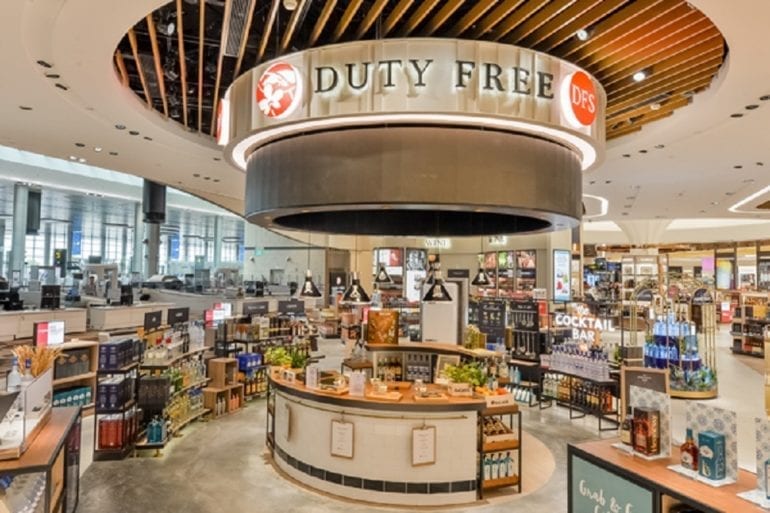
    DFS, the global luxury travel retailer owned by LVMH and co-founder Robert Miller, has announced that it will sell its retail business across Greater China to the China Tourism Group (CTG) Duty Free. The deal includes the acquisition of DFS’ businesses in Hong Kong, Macau, and Greater China.

    Acquisition of DFS Brands

    In addition to the business transactions, CTG Duty Free will also acquire a series of DFS brands and intellectual property rights for exclusive use within Greater China. The proceeds from this transaction will be paid in cash. Following this deal, DFS will continue its luxury travel retail operations worldwide.

    The Impact of the Deal on CTG Duty Free

    Luke Chang, executive director and president of CTG Duty Free, has expressed his belief that this move will extend CTG Duty Free’s service network across the Greater Bay Area. The aim is to construct a platform for promoting Chinese brands globally and establish an international business mid-platform. Chang added that CTG Duty Free is committed to providing superior travel retail experiences for both domestic and international tourists, and supporting the high-quality development of the retail economy in Hong Kong and Macau.

    DFS’ Statements on the Sale

    DFS views the sale as a significant move for the company. Chairman and CEO Ed Brennan stated that DFS is immensely proud of their established presence and operational excellence in Hong Kong and Macau. He expressed confidence that the DFS shopping experience will be enhanced by the new skills and perspectives that CTG Duty Free will bring to the table. Michael Schriver, president of LVMH for North Asia, said the move demonstrates LVMH’s faith in the long-term potential of the Chinese market.

    The deal is predicted to be finalized in approximately two months.

    Questions & Answers

    What businesses are included in the DFS and CTG Duty Free deal?
    DFS’ businesses in Hong Kong, Macau, and Greater China are included in the deal.

    What will happen to the DFS brands under the deal?
    CTG Duty Free will acquire a series of DFS brands and intellectual property rights for exclusive use in Greater China.

    What does this transaction mean for DFS?
    DFS views the sale as a crucial step for the company, expressing confidence that CTG Duty Free will bring new skills and perspectives that will enhance the DFS shopping experience.

  • “Yum China’s Expanding Empire: Over 17,500 Stores Fueled by Digital Sales and Franchise Strategy”

    “Yum China’s Expanding Empire: Over 17,500 Stores Fueled by Digital Sales and Franchise Strategy”

    Yum China, operating franchises such as KFC, Pizza Hut, and additional dining brands, has disclosed a stable growth in its third-quarter financial results, citing robust digital and delivery sales as primary contributing factors. These assets served to balance a tempered in-store sales trajectory in an increasingly cautious consumer market.

    In the financial quarter culminating on September 30, the company recorded an annual revenue increase of 4%, amounting to USD 3.2 billion. In addition, Yum China reported an 8% rise in operating profit, reaching USD 400 million, which expanded margins to 12.5%.

    Sales and Store Count

    The quarter saw system sales increase by 4%, bolstered by the opening of 536 new stores. Furthermore, same-store sales experienced a minor growth of 1%. Cumulatively, Yum China’s store count now totals 17,514, including 12,640 KFC outlets and 4,022 Pizza Hut locations.

    Digital Sales and Delivery

    Yum China’s growth was largely underpinned by digital sales, which accounted for an impressive 95% of total sales. Simultaneously, delivery sales experienced an upward surge of 32% year-on-year, contributing to 51% of the company’s total revenue.

    Joey Wat, CEO of Yum China, expressed satisfaction with the company’s steady performance within a dynamic market, attributing the positive growth to expanding store openings, encouraging same-store sales growth and margin expansion.

    Brand Performance

    KFC emerged as the primary growth driver for the company, noting a 5% rise in system sales and a 2% same-store growth. Throughout the quarter, KFC expanded by 402 new stores, with 41% operating as franchises. KFC’s operating profit increased by 6%, amounting to USD 384 million and improving margins to 16%.

    Meanwhile, Pizza Hut demonstrated moderate growth with a 4% rise in system sales and a 1% increase in same-store sales. An additional 158 new outlets lifted the operating profit by 7%, resulting in USD 57 million.

    Collective membership across both KFC and Pizza Hut escalated 13% year on year, reaching 575 million. This growth saw member sales contributing to 57% of total system sales.

    Wat also emphasized the swift expansion of both Kcoffee, now with over 1,800 outlets, and Kpro, a concept brand focusing on energy bowls and smoothies. The latter brand has expanded to over 100 locations in top-tier cities.

    Future Plans

    Looking forward, Yum China anticipates opening between 1,600 to 1,800 new stores within the current year, with a higher proportion of franchised locations. The company aims for 40-50% of new KFC stores and 20-30% of new Pizza Hut locations to operate as franchises. The company also intends to continually innovate their menu offerings to encourage customer loyalty and repeat visits.

    Questions & Answers

    What is the primary growth driver for Yum China?
    The primary growth driver for Yum China is its KFC brand, which experienced a 5% rise in system sales and 2% same-store growth.

    What contributed to the robust growth of Yum China’s digital and delivery sales?
    Yum China’s digital channels, franchise strategy, and flexible store formats contributed to the significant growth in its digital and delivery sales.

    What are Yum China’s future expansion plans?
    Yum China plans to open between 1,600 to 1,800 new stores in the coming year, largely focusing on franchised KFC and Pizza Hut locations. It also plans to continue innovating its menu offerings to encourage repeat customer visits.

  • Priceline expands partnership with IRI

    Priceline expands partnership with IRI

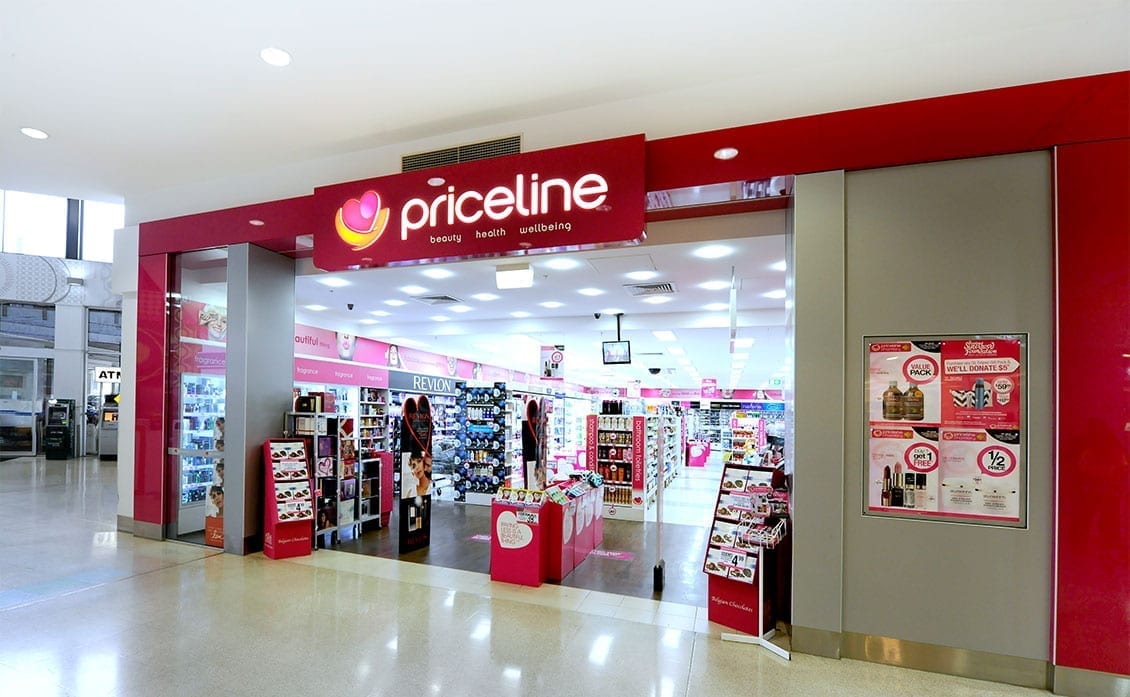
    Market research company IRI announced a significant expansion to its partnership with Priceline on Monday morning which will help the pharmacy deliver an improved range for customers.Priceline will use IRI technology to support category management and improve planning and collaboration with supplier partners, which will ultimately lead to the improved range, convenience and price for Priceline customers.

    “I am very pleased that we are able to announce our expanded partnership with IRI,” David Ginsberg, head of buying for Priceline said in a statement.

    “We already have a good understanding of our Priceline customer, however joining forces with a global leader in big data and analytics will allow us to further strengthen our knowledge and, more importantly, improve their experience when shopping in our stores.”

    Paul Hinds, managing director Asia Pacific for IRI, said the partnership will find new ways to “delight and engage” Priceline customers.

    “This partnership will augment our knowledge and result in better and faster decision making,” Hinds said.

    “Together with our supplier partners, we will have a more holistic view of our customers and be able to better anticipate and cover their current and future needs.”

    “Fifth straight year of growth”

    The partnership comes alongside Roy Morgan research which notes 23.3 percent of Australian women purchase cosmetics from Priceline – almost double the figure from four years ago.

    In fact, Priceline is beaten only by Supermarkets for market share in the beauty category, which holds 24.9 percent of the market.

    “The cosmetics industry is a very competitive one with pharmacies and chemists, supermarkets, department stores, and discount department stores all vying to increase their share of the market and looking for an edge to retain existing customers and draw in new ones,” Roy Morgan chief executive Michele Levine said.Adtech Ad

    “Meanwhile, Priceline is enjoying its fifth straight year of growth in the market, fueled by a hardcore base of 18-24-year-olds and successful use of the growing online channel.”

    This age category is Pricelines bread and butter, according to Levine, who notes that almost half (41.5 percent) of 18-24-year-old women who purchased cosmetics in an average six month period did so at Priceline.

    “No other retailers are seeing even close to this level of market power over a particular age group,” Levine said.

  • Fiat Chrysler Auto Expands India Footprint

    Fiat Chrysler Auto Expands India Footprint

    Fiat Chrysler Auto is in the process of expanding its India business and it recently opened its 82nd point of sale in India. At present, FCA has its presence in 70 cities and town in India which include all-brand showrooms that sell Jeep, Fiat and Abarth vehicles along with Jeep Connect showrooms, which are premium retail outlets that cater to potential customers in satellite cities and towns. The company recently inaugurated two all-brand showrooms in Bengaluru along with a new all-brand showroom in Panjim, Goa along with two new Jeep Connect showrooms in Ajmer, Rajasthan and Patiala, Punjab. Along with sales points, Jeep is also increasing its after sales touch points in India. At present, the company has 84 Mopar (mobility and parts) workshops.

    Kevin Flynn, President and Managing Director, FCA India said, “Our vision was to have a growing retail and after-sales network which could strategically complement our growing volumes in the market. With 82 retail outlets in 70 towns and cities we are covering a significant amount of landmass and customer base. We have grown over 50 per cent in our retail network since the Jeep Compass launch in August 2017. Our effort has been to maintain consistency in our network expansion and ensure excellence in customer experience along with improved service coverage.”

    The company’s last launch was the Jeep Compass Sport Plus Variant, which is priced at ₹ 15.99 lakh and is positioned above the base Sport variant, getting more features. Jeep has two new products coming up in India which are the Trailhawk variant of the Jeep Compass and the new-generation Wrangler Unlimited.

  • Spar International Expands to Mongolia

    Spar International Expands to Mongolia

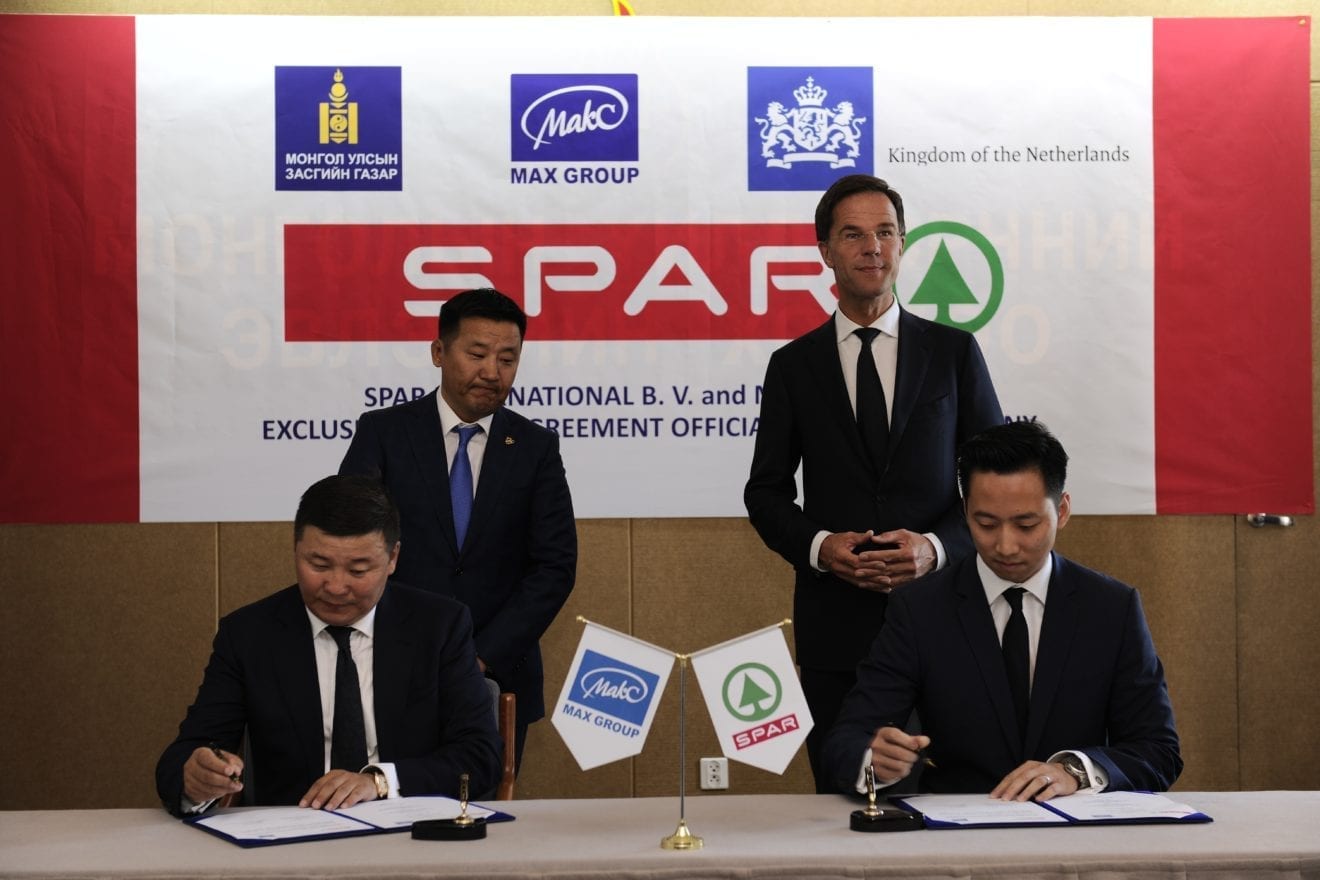
    SPAR, the world’s largest food retail voluntary chain, has announced a new partnership with conglomerate Max Group LLC, to open its first stores in Mongolia. The partnership, which will see up to 60 SPAR-branded multi-format stores in Mongolia by 2020, was made at an official signing ceremony which took place during the visit of the Dutch Prime Minister, Mark Rutte, to Mongolian capital Ulaanbaatar. 

    Max Group is one of Mongolia’s leading retailers operating the existing chain of Max Food Supermarkets.  The new partnership will see these stores transfer to the SPAR brand, and the opening of new SPAR supermarkets from 2017 onwards. The Netherlands-based SPAR International reported global retail sales in 2015 of €33 billion from over 12,100 stores across four continents. Mongolia brings to 43 the number of countries where SPAR has operations globally.

    Prime Minister Rutte was visiting Mongolia to attend the 11th Asia-Europe Meeting (ASEM) Summit and to promote trade with the Netherlands in the region. Speaking at the signing of the contracts between SPAR and Max Group, the Prime Minister Rutte, said, “It is greatly encouraging to see a company like SPAR, which started as a partnership of Dutch retailers and wholesalers more than 80 years ago, helping bring retail best practice to the Mongolian marketplace.”

    SPAR International Managing Director, Tobias Wasmuht said “SPAR is delighted to be launching in Mongolia in partnership with the Max Group.  We see Mongolia as a dynamic and rapidly developing consumer market with a growing demand for modern world class food retail. We are highly confident that we can build on our strong presence in the region by leveraging our scale with the SPAR operations in neighbouring Irkutsk, Russia and Inner Mongolia, China. This collaboration combined with our modern retail formats, supply chain and international sourcing as well as investing in the training and development in people locally will act as a significant support structure for the growth and development of SPAR in Mongolia. I would like to take the opportunity to thank the Ministry of Foreign Affairs of the Netherlands who were instrumental in facilitating the partnership between SPAR and the Max Group.” 

     Max Group LLC is a family business established in the 1990s which has a wide variety of operations and business interests including supermarkets, fast food restaurants, department stores, real estate, precious metal mining and is the country’s largest dairy producer and milk bottler. Max Group LLC already employs over 2,500 people in Mongolia. Max Group President, Ganbaatar Dagvadorj said “Bringing the words leading retail chain, SPAR, to Mongolia is not just beneficial to Max Group it is a big opportunity for Mongolia as well and I am very excited about this partnership. Max is dedicated to bringing the SPAR’s commitment to excellence in fresh, passion for quality, outstanding service and exceptional value to consumers in Mongolia.”

  • Telstra spending big to expand intra-Asia capacity

    Telstra spending big to expand intra-Asia capacity

    Australia’s Telstra has announced a series of investments and new network services for the APAC region to help meet soaring demand for data among consumers and businesses.

    The operator has interconnected its networks with the new Bay of Bengal Gateway subsea cable – an 8,000km, three fiber pair system connecting Singapore, Malaysia, India, Sri Lanka, Oman and the UAE – to offer customers direct connectivity between Asia and the Middle East.

    Telstra has also secured capacity on the new trans-Pacific FASTER cable system linking Japan and nearby countries with major hubs on the US west coast.

    In addition, Telstra is investing to enhance the EAC-C2C system to extend the life of the cable to at least 2035. The EAC-C2C is a more than 36,000km cable connecting Japan, South Korea, China, Taiwan, Hong Kong, the Philippines and Singapore.

    The EAC was owned and operated by Pacnet, which Telstra acquired for $697 million in 2015.

    Telstra is also building a new overlaid fiber route between Taipei in Taiwan and Hong Kong that will bypass the notoriously natural disaster prone Luzon Strait, as well as a fiber ring network in South Korea that will interconnect its PoPs and cable landing stations in the country.

    “We already own and operate the largest intra-Asia subsea network, representing around 30% of total active capacity,” Telstra managing director Darrin Webb commented.

    “These enhancements further extend our capacity and will support the provision of our leading technologies, such as Telstra’s PEN software-defined networking and cloud, security and unified communications services.”