Retail News CRM

Tag: facility

  • A2 Milk Company Seals $282m Acquisition, Plans Rebranding And Expansion In China

    A2 Milk Company Seals $282m Acquisition, Plans Rebranding And Expansion In China

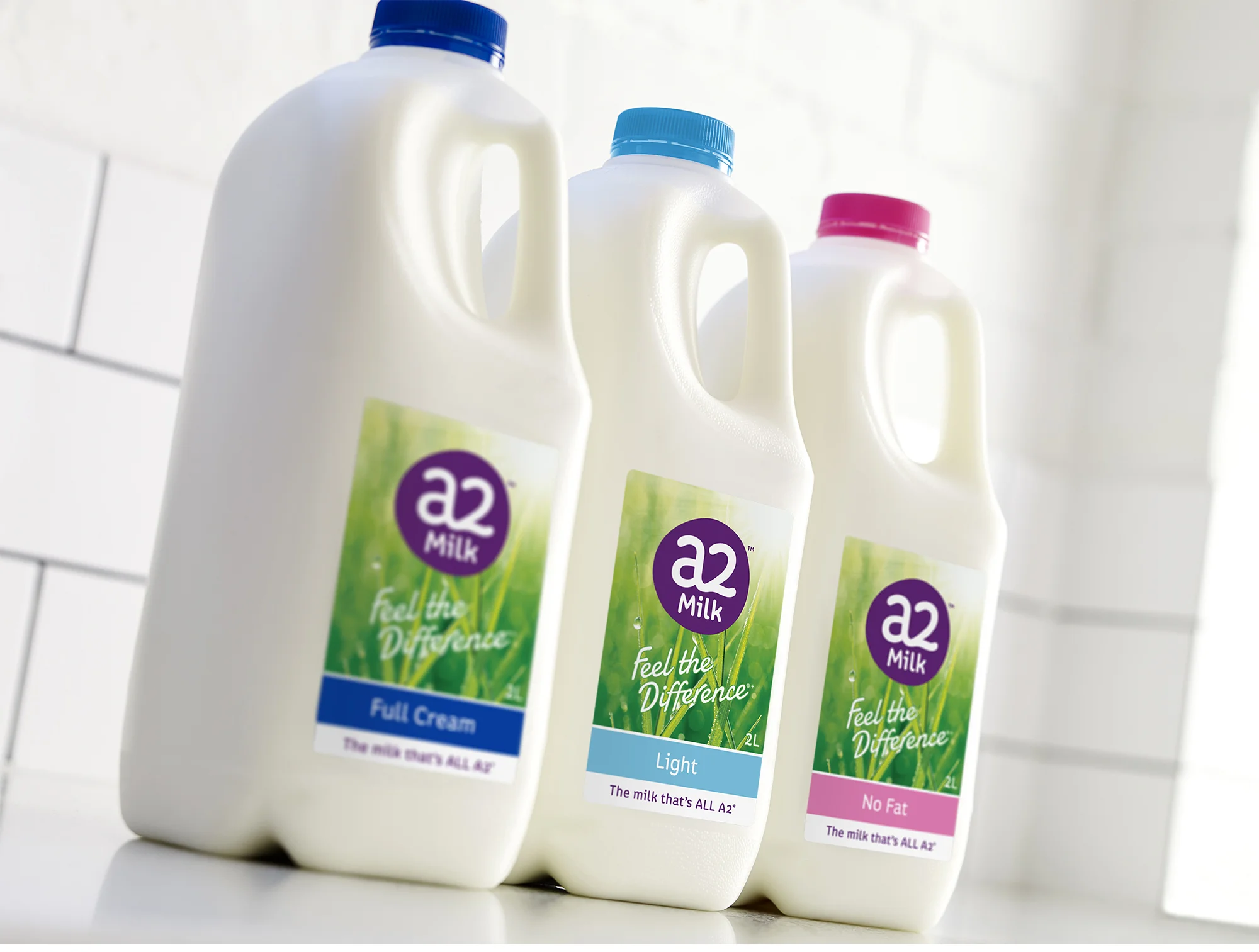
    New Zealand-based The A2 Milk Company has successfully finalized a $282 million acquisition of Yashili New Zealand’s Pokeno nutritional manufacturing facility. The deal was made with China’s Mengniu Dairy Group.

    Full Ownership and Future Plans

    With this acquisition, The A2 Milk Company now wholly owns the integrated plant. The facility was previously responsible for producing two China label infant milk formula products. Now under new ownership, the company plans to rebrand these products under the A2 Milk brand. This revamp is predicted to be completed within a year and a half, pending necessary regulatory approval.

    Financial Implications and Shareholder Value

    Pip Greenwood, the chairperson of The A2 Milk Company, shared that this purchase ensures greater certainty regarding the company’s capital needs. In addition to this, the acquisition will pave the way towards delivering increased value to the company’s shareholders. It is intended that this will be facilitated through a proposed special dividend of $300 million.

    Potential Expansion and Role in China

    Further benefits of owning the Pokeno facility include the potential for a third registration slot. Recognized as a significant producer of A2 Milk’s English label products, the facility is expected to play an essential role in the company’s expansion plans within the Chinese market.

    David Bortolussi, managing director and CEO, praised the Pokeno facility for its globally respected reputation. He highlighted its consistent production of high-quality infant milk formula, including their English label products, A2 Gentle Gold and A2 Genesis.

    Questions & Answers

    What is the scope of the acquisition of The A2 Milk Company?
    The A2 Milk Company has acquired full ownership of Yashili New Zealand’s Pokeno nutritional manufacturing facility in a $282 million deal with China’s Mengniu Dairy Group.

    What are the future plans for the products of the Pokeno facility?
    The company plans to rebrand the two China label infant milk formula products produced at the Pokeno facility under the A2 Milk brand, subject to regulatory approval.

    How will the acquisition contribute to shareholders’ value?
    The acquisition is expected to provide more certainty regarding the company’s capital needs. It will also potentially return value to shareholders through a planned special dividend of $300 million.
  • DHL Express to build new Helsinki facility

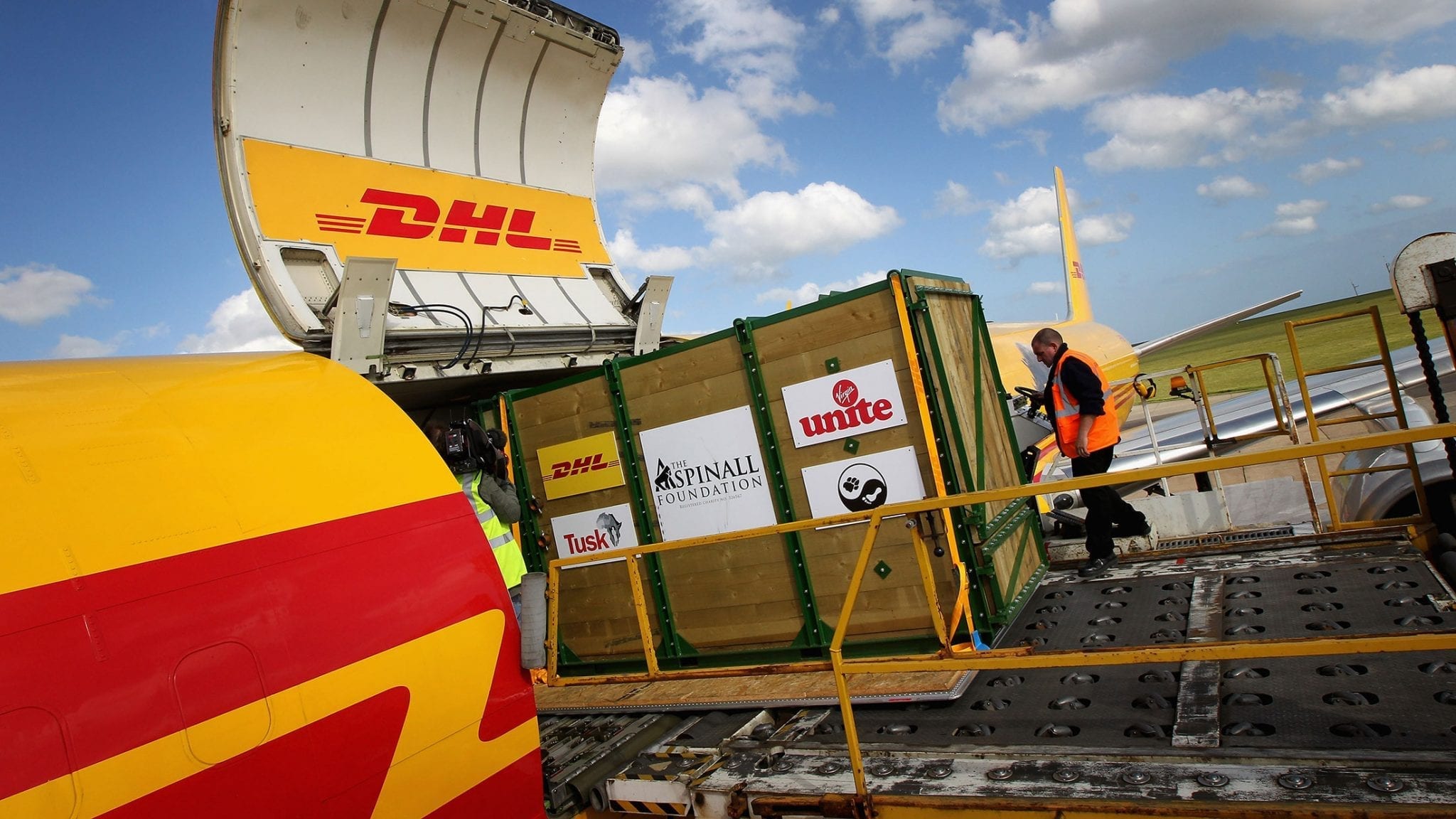
    DHL Express is set to build a logistics center for international air shipments at Helsinki-Vantaa Airport and is allocating around €100 million for the entire lease period for new premises and technology in the Aviapolis area.

    Once operational, the airside access will DHL aircraft parked on the apron to be reached directly from the new building. All incoming and outgoing express shipments in Finland will be handled in the logistics center, which is scheduled to be completed in the second half of 2025.

    DHL said the new facility comes in response to growing shipment volumes in Finland, powered by international e-commerce and remarkable growth in demand in all customer segments.

    “The new state-of-the-art gateway facility will enhance our ability to continue to create reliable and fast transport services that support the competitiveness of Finnish export and import companies,” said Oktay Nuri, Managing Director DHL Express Finland.

    “The new facility will be about 16,000 gross square meters in size, more than double the size of our current gateway in Vantaa. The automated sorting system can handle approximately 6,500 items per hour. 90 direct loading bays enable efficient sorting of shipments directly from the conveyor to the delivery vans. All bays will be equipped with charging stations for e-vehicles, supporting our goal to electrify our entire pick-up and delivery fleet within a few years,” explained Janne Appel, perations director of DHL Express Finland.

    DHL said the new facility will be built by AVIA Real Estate Oy, with Meijou Oy as the main contractor, and has been designed to be carbon neutral. The new Helsinki gateway is part of an extensive network infrastructure improvement program that the group is undertaking, which includes a new Nordic Express opened in Copenhagen a couple of months ago and a similar gateway facility being built in Munich.

    Some 150 employees will be employed at the new gateway with the head office of DHL Express Finland located in separate premises.

  • Bentley’s New Engineering Test Facility In UK Nears Completion

    Bentley’s New Engineering Test Facility In UK Nears Completion

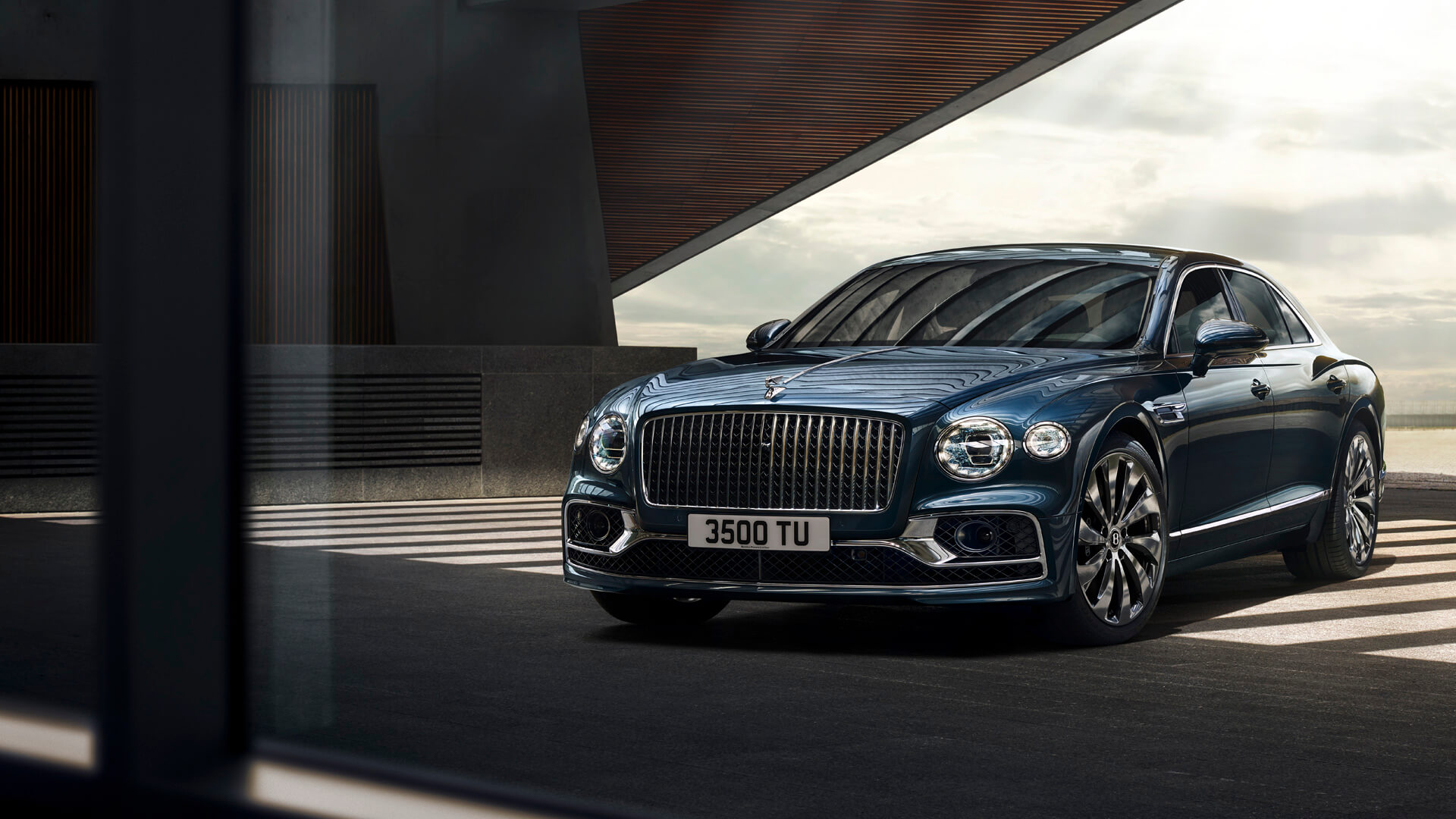
    A new state-of-the-art engineering test facility, built at the headquarters of Bentley Motors in Crewe, UK, is nearing completion. In place of the traditional final beam marking the occasion, a native British Oak tree was planted by Members of the Bentley Board for Manufacturing and Engineering, laying down roots for the future. The engineering test facility is the latest phase in on-going development at the Pyms Lane site where all Bentleys are handcrafted. With topping out traditionally celebrated with the final construction beam being fitted, Bentley instead planted a tree to signify the company’s continued commitment to increasing sustainability and developing biodiversity around its site in Crewe.

    Dr. Matthias Rabe, Member of the Board for Engineering commented “This new facility will further enhance our already industry-leading, modern factory headquarters and will enable us to grow as we look towards the electrification of our model range. Additionally, and crucially, it will allow us the independence to test our own engines as we rapidly accelerate our journey towards electrification.”

    The facility will complete full internal construction and open in 2021, covering more than 4,600 square meters over two stories. There will also be a dedicated laboratory to run Real Driving Emissions (RDE) using the latest state-of-the-art portable emissions measurement systems. Bentley’s Technical Conformity department will be based in the test center, with over 100 people working in the building.

    The center will allow Bentley to meet increased consumer demand for its current range of ultra-luxury vehicles, including the performance-orientated Flying Spur, the Continental GT, and the New Bentayga. The British marque has already confirmed that it will offer hybrid or electric variants of all of its models by 2023. It will allow Bentley to carry out the latest WLTP fuel and efficiency test procedures more swiftly in-house.

  • Vinamilk to open plant in Myanmar, its 2nd in Southeast Asia

    Vinamilk to open plant in Myanmar, its 2nd in Southeast Asia

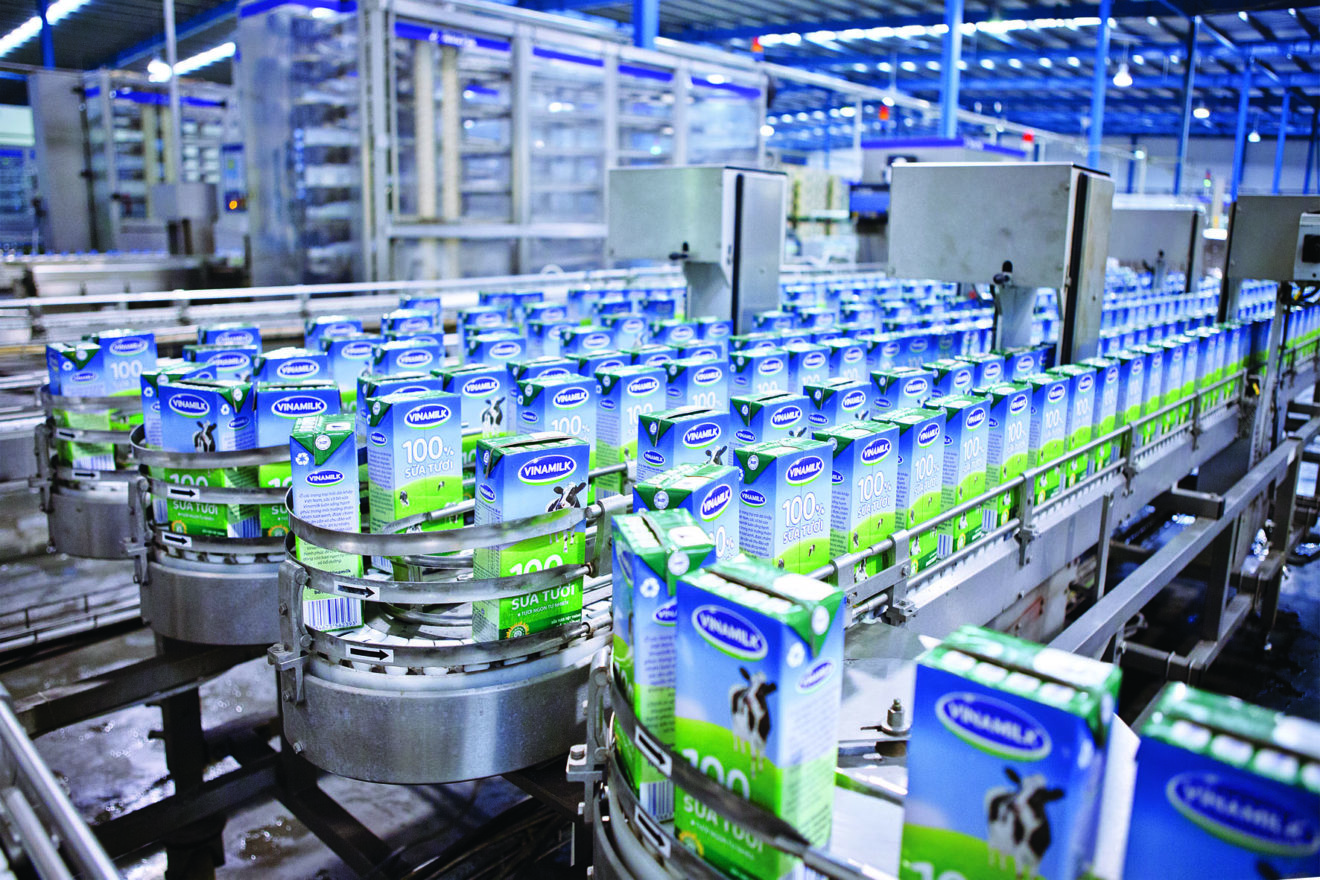
    Vietnam’s biggest dairy company plans to open a plant in Myanmar this year and is preparing to enter Indonesia and China. The Myanmar factory will be Vinamilk’s second in Southeast Asia after acquiring its first in Cambodia. It is in discussion for one joint venture in Indonesia. Myanmar is one of Vinamilk’s strategic markets to offset declining revenues in the Iraqi market, which once accounted for 60 percent of its exports. In 2017, Vinamilk reported falling exports for the first time in 20 years due to political tensions in the Middle East.

    In the latest year for which export figures are available, 2017, it shipped products worth VND7.4 trillion ($312 million), a 4.2 percent decline from the previous year.

    The company is also preparing to enter the Chinese market later this year. Chinese authorities are expected to sign a draft protocol in April this year allowing Vietnamese dairy products to be exported.

    Vinamilk is planning a change in export strategy.

    “The company will move from traditional exports to intensive cooperation with distribution partners in new key markets, and gradually build production facilities in potential markets such as Myanmar,” Vinamilk chief executive Mai Kieu Lien told shareholders in 2018.

    She added that the company has set aside $750 million for acquisitions, building new facilities and setting up cattle farms between 2017 and 2021.

    It now has 13 plants and 10 dairy farms in Vietnam, a plant each in the U.S., New Zealand and Cambodia and a subsidiary in Poland.

    In all, it has three wholly-owned foreign subsidiaries: Driftwood Dairy Holding Corporation in the U.S, Angkor Dairy Products Co., Ltd, in Cambodia, and Vinamilk Europe Spo’stkaz Ograniczona Odpowiedzialnoscia in Poland.

    It holds a 22.81 percent stake in a joint venture with Miraka Dairy in New Zealand and has a Thailand-based trading office.

    Last year the company paid $19.74 million to buy a 51 percent stake in Laotian company Lao–Jagro Development Xiengkhouang Co., Ltd, to set up a series of hi-tech beef and dairy farms based on Japanese technology.

    Vinamilk’s products are available in 46 countries and territories, including some demanding markets such as Japan, the U.S., Australia, New Zealand, and Canada.

    Last year the company reported profits before tax of VND11.52 trillion ($499.26 million), up 12.05 percent from the previous year, on revenues of VND52.63 trillion ($2.28 billion), down 2.93 percent.

  • Supporting industry should be a major priority: PM Vietnam

    Supporting industry should be a major priority: PM Vietnam

    Vietnam needs to make its supporting industry a production base for the global manufacturing chain, PM Nguyen Xuan Phuc says. “Vietnam should become a production base for multinational companies. This is what the Ministry of Industry and Trade and other government bodies should think about in their development strategy,” Prime Minister Nguyen Xuan Phuc said Wednesday.

    He was speaking at the conference on “Solutions for Promoting the Development of Supporting Industry in Vietnam,” held in Hanoi.

    He said that Vietnam should strive to compete in regional and global markets, manufacturing parts for cars, motorbikes and even airplanes.

    The government has always been prioritizing land access for the supporting industry, and has never said no to any such request, Phuc said.

    Supporting businesses should speed up and start operations earlier, Phuc said, adding that there were firms in the industry that could finish clearance and lay their foundations in just three months, while some have left things hanging for as long as three years.

    The supporting industry in Vietnam remains weak, having to import nearly 90 percent of raw materials, spare parts and components needed for production, according to the Ministry of Industry and Trade.

    This means a low localization rate, even in industries with great supporting industry potential, like automobiles and textiles and garments, it said.

    Minister of Industry and Trade Tran Tuan Anh said at the conference that only 300 supporting firms were currently part of the supply chain for multinational companies. As of last year, Vietnam had 75,000 manufacturing firms.

    The number of new businesses in this sector has barely increased in recent years, even though this is a key foundation for industrialization, Anh said.

    Therefore, those making finished products in the country are having to import accessories and parts from other countries or produce them on their own, he added.

    He cited Japan as a good example of a strong supporting industry. Even though the majority of Japanese supporting businesses are medium, small and micro sized, they are integrated deeply in the global manufacturing chain with high added value. They provide accessories and parts to the aviation industry, he noted.

    The trade minister added that Vietnam’s policy for attracting foreign direct investment (FDI) does not create favorable opportunities for local supporting businesses to develop and join the global manufacturing chain.

    There are over 3,000 supporting industry businesses in Vietnam, accounting for 4.5 percent of the manufacturing and processing sector, creating jobs for over 550,000 employees, according to the Ministry of Industry and Trade.

    From January to November this year, Vietnam imported $30.66 billion worth of machines, accessories and parts, and exported $15.13 billion worth of products, according to Vietnam Customs, marking a trade deficit of $15.53 billion.

  • Hyundai sets aside 1.67 trillion won to support its suppliers

    Hyundai sets aside 1.67 trillion won to support its suppliers

    Hyundai Motor Group has introduced a 1.67 trillion won ($1.49 billion) support program for small and midsized auto parts suppliers, the company said Thursday. As auto parts suppliers in Korea tend to be highly dependent on the performance of carmakers, the sluggish performance of Korea’s largest auto group by sales this year has been a major blow to their earnings.

    A report published by the Economic Research Institute run by the Industrial Bank of Korea earlier this year showed that 48 percent of domestic auto parts suppliers supply parts to a single carmaker and their business growth is highly dependent on the growth of that carmaker. Also, while carmakers have extra capital to respond to ups and downs in their earnings, small-sized parts suppliers are more vulnerable to changes in the market.

    Hyundai Motor Group said it will first create a 140 billion won fund for its suppliers and subcontractors. Suppliers will be able to borrow money at low interest rates and use it to stabilize their business or invest in research and development.

    Considering many suppliers lack liquidity due to the massive investment and costs incurred in early stage R&D and parts manufacturing, the group also said it will pay forward some of the cost incurred in those activities. For instance, part of the cost incurred to develop parts used in Hyundai cars will be paid by the carmaker at the beginning of development rather than after the finished product is designed. The auto group estimates its suppliers and subcontractors will receive roughly 1.46 trillion won in investment upfront over the next five years.

    Hyundai Motor, Kia Motors and auto parts affiliate Hyundai Mobis are also creating a 15 billion won fund to provide emergency aid to suppliers.

    There is a special program for suppliers expanding facilities to support the mass production of Nexo, Hyundai’s fuel-cell powered vehicle. The group is planning on injecting up to 44 billion won into suppliers and subcontractors that expand investment into facilities for parts used in the Nexo next year.

  • Apple assembler Foxconn considering iPhone factory in Vietnam

    Apple assembler Foxconn considering iPhone factory in Vietnam

    Apple’s biggest iPhone assembler Foxconn is considering setting up a factory in Vietnam to mitigate any impact of the ongoing trade war. The report from Vietnamese state media comes after several executives interviewed last week singled out Vietnam and neighboring Thailand as preferred destinations should they need to shelter operations from the trade war, braving hurdles such a lack of skilled labor and inadequate infrastructure.

    Foxconn Group and the Hanoi People’s Committee are working together to open an iPhone manufacturing facility in Vietnam to negate the impacts of the U.S.-China trade war.

    Vu Tien Loc, head of the Vietnam Chamber of Commerce and Industry, raised the matter with Prime Minister Nguyen Xuan Phuc at a meeting on Nov. 22.

    “We are discussing the possibility of this with Foxconn,” Loc said, without elaborating. Hanoi People’s Committee Chairman Nguyen Duc Chung declined to comment.

    Taiwan’s Foxconn, formally Hon Hai Precision Industry Co Ltd said it “follows a strict company policy of not commenting on any matters related to current or potential customers, or any of their products”.

    In trade talks on Saturday, U.S. President Donald Trump and Chinese President Xi Jinping agreed not to introduce any tariffs for 90 days as negotiations continue.

  • Hyundai Motor rejects renewed Gwangju plan

    Hyundai Motor rejects renewed Gwangju plan

    Hyundai Motor refused a revised plan that removed a restriction on collective wage bargaining at a proposed plant in Gwangju, further complicating plans for the factory. A council with representatives from the local government and area employers, labor unions and citizens on Wednesday agreed to remove a clause from the agreement that would have suspended collective bargaining for about five years at the new joint venture between the Gwangju city government and Hyundai Motor.

    The new company will be hiring workers for a production plant to be built on 628,000 square meters (155 acres) of land in the Bitgreen National Industrial Complex. The venture is the first in Korea to bring government and private industry together in the formation of a new manufacturing facility.

    Union representatives strongly protested the clause, calling it toxic.

    Rather than pushing the clause, the council decided to offer three alternative proposals to Hyundai Motor. The city and the automaker will continue negotiations.

    “Over time, Hyundai Motor and the labor union have retreated in their demands,” said Lee Byung-hoon, Gwangju vice mayor. “But the suspension of the wage bargaining clause was the biggest issue.”

    After the announcement was made, it was Hyundai that refused the proposal.

    “We cannot help but to point out the repeated revisions and backtracking [done by the Gwangju government],” Hyundai said through a statement.

    In the first meeting held at 10:30 a.m., all nine labor representatives, including Yoon Jong-hae, head of the Federation of Korean Trade Union’s Gwangju office, refused to attend in protest of the wage bargaining ban.

    The agreement between Gwangju city and the Korean automaker had included a clause in which wage negotiations were to be suspended until the cumulative production of compact SUVs reached 350,000 units. As Hyundai Motor guaranteed a minimum of 70,000 units a year, the labor union estimated that it would take about five years before the employees at the new plant would be able to negotiate.

    The meeting resumed at 3 p.m., and Yoon joined, raising the number of attendees to 22 out of a possible 28.

    The plant proposal has been under a tight deadline as an agreement needs to be reached before the National Assembly passes the budget. The ruling Democratic Party has announced that it plans to pass next year’s budget soon.

    Meeting the budget deadline is crucial as the city needs government funding to build the necessary infrastructure, including housing that will cost roughly 300 billion won ($269 million).

    The Gwangju plant project, first proposed in June 2014, has generated significant public interest as it could keep manufacturing jobs in Korea and contribute to the revitalization of the regional economy. It would also help ease the burden of high labor costs.

    The plan is for the Gwangju government and Hyundai Motor to create a new joint-venture company. The new Hyundai Motor plant will have the capacity to produce 100,000 compact SUVs a year.

    One of the key factors in this new job creation model is that employees will receive an annual salary of 35 million won, 38 percent of the 92 million won average salaries of Hyundai Motor workers.

  • DHL Express has opened its Jakarta Gateway 530 facility

    DHL Express has opened its Jakarta Gateway 530 facility

    DHL Express has opened its Jakarta Gateway 530 facility at Soekarno-Hatta International Airport to support Indonesian trade.

    According to DHL, the new 1,353-square-metre facility is an addition to the existing Gateway 510, which is at full capacity. Gateway 530 is capable of handling up to 2 million shipments per year and is equipped with dual-view X-ray screening, an explosive trace detector system and 103 CCTV cameras.

    “Our new Jakarta Gateway 530 will enable local businesses to trade seamlessly with customers around the world,” said Ken Lee, CEO of DHL Express Asia Pacific. “SMEs play a vital role in the Indonesian economy, contributing close to 58% of Indonesia’s GDP and Indonesia remains a key pillar in supporting South East Asia’s economic growth. This new facility allows DHL to continue supporting the growing export and import needs in Indonesia by providing greater access to international markets.”

    The facility offers direct airside access and in-house customs. Major trading partners that will benefit from Gateway 530 include mainland China, Germany, Japan, Hong Kong, Singapore and the US, according to DHL.

  • Yusen opens cold storage facility in Cambodia

    Yusen opens cold storage facility in Cambodia

    Yusen Logistics is establishing a temperature-controlled distribution center in Phnom Penh, Cambodia.

    It is one of Cambodia’s largest cold storage facilities. The facility strengthens Yusen Logistics distribution network in Asia and will support Cambodia’s growing demand for warehouse storage for imported general consumer goods and chilled and frozen goods.

    In addition, the company will be offering Cambodia’s first consolidated delivery service in Phnom Penh for retailers and wholesalers.

    The new facility has about 3,000 -square-meter, almost double the capacity of the existing warehouse which included the 120 -cubic-meter temperature-controlled storage area. The expansion will enable the company to handle the storage, processing and distribution of chilled and frozen goods with quality assurance and compliance.

    The consolidated delivery service will be available to customers in Phnom Penh on a daily basis, excluding weekends. Yusen Logistics will also provide the same service for chilled and frozen goods using cold-storage boxes and will ensure product quality is maintained up to the point of delivery.

    The group’s Medium-Term Business Plan, “GO FORWARD, Yusen Logistics – Next Challenges”, positions the ASEAN region as a critical region. The Cambodia subsidiary, which began operations in 2013, has provided a diverse and varied range of logistic services, including ocean and air freight forwarding, customs clearance, domestic delivery, and cross border transportation.

    It has contributed to the smooth supply of goods to Cambodia’s domestic market with the knowledge it has built up in the import of a wide range of goods, especially foods, as well as everyday items. The company is striving to meet the logistics needs of its customers in Cambodia by blending a diverse range of services with the capabilities of new facilities.